
Volcanic Winter: The Chilling Effect on Animal Food Chains

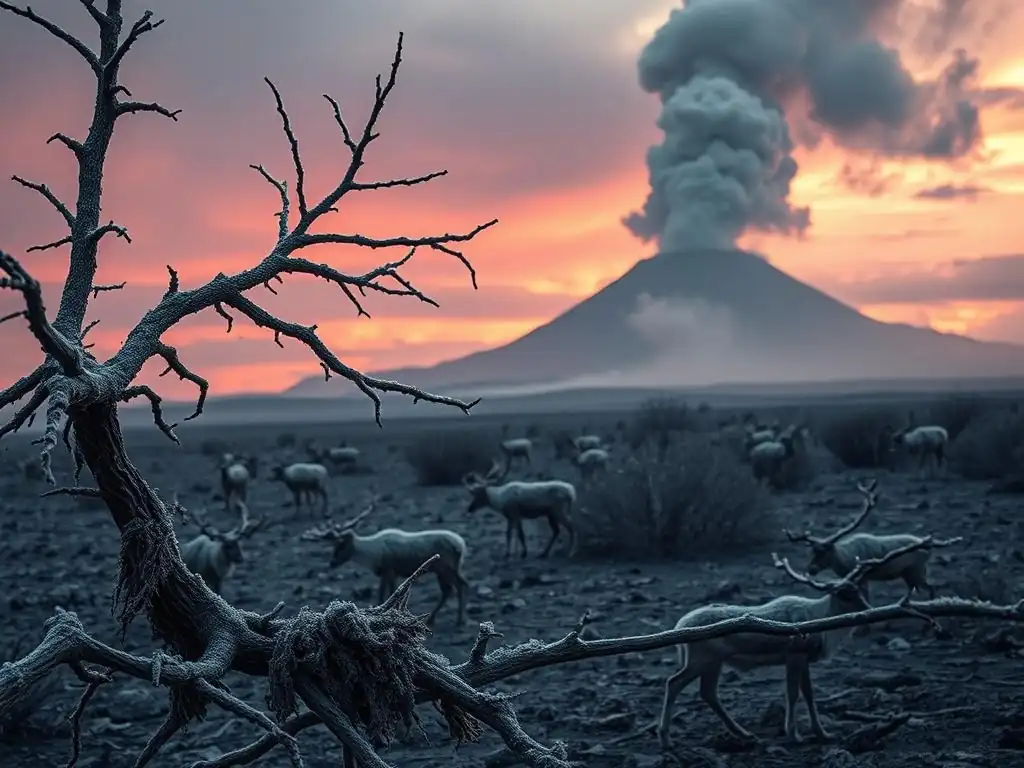
Welcome to Volcano Explorers, where we unearth the fiery secrets of our planet. Prepare to be captivated by the raw power and profound impact of volcanoes. Ever wondered how a single eruption can trigger a global chill? Dive into our featured article, “Volcanic Winter: The Chilling Effect on Animal Food Chains,” and discover how these dramatic events can reshape ecosystems in ways you never imagined. What happens when ash blankets the sun? Let's explore the surprising consequences together...
- Introduction: Understanding Volcanic Winter and its Ecological Consequences
- The Immediate Impacts of Volcanic Eruptions on Wildlife Habitats
- The Long-Term Ripple Effect: Volcanic Winter and Food Chain Collapse
- Specific Examples: Case Studies of Volcanic Winter's Impact on Animal Food Chains
- Adaptation and Resilience: How Animals Cope with Volcanic Winter
- The Future: Assessing the Risk and Protecting Animal Food Chains in Volcanically Active Areas
- Conclusion: The Lasting Legacy of Volcanic Winter on Animal Ecosystems
-
Frequently Asked Questions
- What is Volcanic Winter and how does it relate to ecosystems?
- How does volcanic ash affect plant life during a volcanic winter?
- What is the role of sulfur dioxide in creating a volcanic winter?
- What are the long-term impacts of a volcanic winter on animal populations?
- Can ecosystems recover after a volcanic winter, and if so, how?
- Final Reflection: The Enduring Echo of Ash
- Unearth Your Understanding: Become a Food Chain Guardian!
Introduction: Understanding Volcanic Winter and its Ecological Consequences
What is Volcanic Winter? A Brief Overview
Volcanic winter is a dramatic cooling of the Earth's lower atmosphere caused by massive volcanic eruptions. These eruptions inject vast quantities of volcanic ash, dust, and sulfur dioxide gas high into the stratosphere. Unlike the troposphere where weather occurs and where rain can wash out particles, the stratosphere is much more stable, and these volcanic aerosols can persist for months to years.
The sulfur dioxide, in particular, reacts with water vapor to form sulfuric acid aerosols, which are highly reflective. This aerosol layer acts like a veil, reflecting incoming solar radiation back into space, thereby reducing the amount of sunlight reaching the Earth's surface. This diminished solar energy leads to a drop in global temperatures, creating conditions analogous to winter, even in the middle of summer, hence the term "volcanic winter."
The scale of a volcanic winter depends largely on the magnitude of the eruption and the amount of sulfur dioxide injected into the stratosphere. Not all volcanic eruptions are capable of triggering a volcanic winter. It requires exceptionally powerful eruptions, often those with a Volcanic Explosivity Index (VEI) of 6 or higher, to inject enough material into the stratosphere to have a significant global impact.
Smaller eruptions may cause localized cooling and air quality issues, but they lack the power to induce widespread and prolonged climatic disruption. The long-lasting stratospheric aerosols are the key factor differentiating a volcanic winter from short-term weather phenomena.
The Devastating Potential: How Volcanic Eruptions Trigger Climate Change
While volcanic eruptions are natural phenomena, their capacity to trigger climate change on a global scale is undeniable. The most significant climate impact stems from the sulfur dioxide emitted during explosive eruptions. Upon reaching the stratosphere, sulfur dioxide undergoes a series of chemical reactions, primarily converting into sulfuric acid aerosols.
These aerosols are extremely effective at scattering and reflecting incoming solar radiation. Scientific studies following major eruptions, such as the 1991 eruption of Mount Pinatubo in the Philippines, have demonstrated this cooling effect. Mount Pinatubo injected approximately 20 million tons of sulfur dioxide into the stratosphere, leading to a measurable global average temperature decrease of about 0.5 to 0.6 °C (0.9 to 1.1 °F) for one to two years following the eruption.
The cooling effect is not uniform across the globe. Regions closer to the poles tend to experience more pronounced cooling, while tropical areas might see less drastic temperature changes. Moreover, volcanic aerosols can also influence atmospheric circulation patterns, potentially altering regional weather systems and precipitation patterns.
For example, the eruption of Mount Tambora in 1815, one of the largest eruptions in recorded history, is believed to have contributed to the "Year Without a Summer" in 1816. This event led to widespread crop failures, famine, and societal disruption across Europe and North America due to drastically reduced temperatures and altered weather patterns. This historical event serves as a stark reminder of the potent and far-reaching climatic consequences of major volcanic eruptions and their capacity to induce significant, albeit temporary, climate change.
Focusing on Food Chains: Why Animal Ecosystems are Vulnerable
Animal ecosystems are particularly vulnerable to the climatic and environmental changes induced by volcanic winter because they are intricately linked through food chains. Food chains represent the flow of energy and nutrients through an ecosystem, starting with primary producers like plants and phytoplankton, which convert sunlight into energy through photosynthesis. Herbivores consume these primary producers, and carnivores then prey on herbivores, creating a chain of dependencies. A volcanic winter disrupts this fundamental process at its base – sunlight availability.
Reduced sunlight directly impacts primary producers, diminishing their ability to photosynthesize. This reduction in primary productivity cascades up the food chain, affecting herbivores that rely on plants for food, and subsequently carnivores that depend on herbivores. Unlike plants, animals cannot photosynthesize and are directly reliant on consuming other organisms for energy.
The speed and severity of environmental changes during a volcanic winter can outpace the ability of many animal species to adapt, leading to population declines, range shifts, and even extinctions. Furthermore, volcanic winter often brings about multiple stressors simultaneously, including habitat destruction from ashfall, water contamination from volcanic gases, and altered weather patterns, compounding the challenges faced by animal food chains and making them highly susceptible to collapse under these extreme conditions.
The Immediate Impacts of Volcanic Eruptions on Wildlife Habitats
Ashfall and Habitat Destruction: Direct Threats to Animal Survival
Volcanic ashfall is one of the most immediate and widespread threats to animal habitats during and after a volcanic eruption. Ash, composed of fine particles of pulverized rock, minerals, and volcanic glass, can blanket vast areas downwind from an eruption. Heavy ashfall can directly destroy habitats by burying vegetation, collapsing structures like animal burrows and nests, and smothering the ground surface.
The sheer weight of ash accumulation can break tree branches and flatten undergrowth, drastically altering forest canopies and ground-level ecosystems. For example, during the 1980 eruption of Mount St. Helens, areas close to the volcano were buried under meters of ash, completely obliterating forests and aquatic habitats within a radius of several kilometers.
Beyond direct habitat destruction, ashfall poses numerous physical threats to animals. The abrasive nature of ash can irritate eyes, respiratory systems, and skin. Inhalation of fine ash particles can lead to respiratory distress and even death, particularly in smaller animals and birds.
Ash accumulation on fur and feathers can reduce insulation effectiveness, leading to hypothermia, especially for animals in colder climates. Furthermore, ashfall can contaminate water sources, making them undrinkable and potentially toxic due to leached chemicals. The disruption of access to clean water and food resources, combined with habitat destruction and direct physical harm from ash, creates a multi-faceted immediate threat to animal survival in the wake of a volcanic eruption.
Toxic Gases and Water Contamination: The Immediate Chemical Impact
Volcanic eruptions release a cocktail of toxic gases into the atmosphere, including sulfur dioxide (SO2), hydrogen sulfide (H2S), carbon dioxide (CO2), and hydrogen halides like hydrogen fluoride (HF) and hydrogen chloride (HCl). These gases can have immediate and detrimental effects on animal health and the environment. Sulfur dioxide, as mentioned earlier, is a key precursor to volcanic winter and also a respiratory irritant, causing breathing difficulties and lung damage in animals.
Hydrogen sulfide is highly toxic and, in high concentrations, can be lethal. Carbon dioxide, while a greenhouse gas, can accumulate in low-lying areas, creating pockets of oxygen-deficient air that can suffocate animals.
Perhaps one of the most acutely dangerous gases is hydrogen fluoride (HF). HF is highly reactive and, when deposited on vegetation through acid rain or dry deposition, can contaminate forage. Animals that consume HF-contaminated plants can suffer from fluorosis, a debilitating condition that weakens bones and teeth, leading to lameness, starvation, and death.
Water sources can also be contaminated by volcanic gases and ash. Acid rain, formed when volcanic gases react with atmospheric moisture, can acidify lakes and rivers, harming aquatic life and making water unsuitable for drinking. Leaching of heavy metals and other toxic substances from volcanic ash into water sources further exacerbates water contamination, creating a chemically hostile environment that poses significant immediate risks to animal life.
Initial Disruption: Short-Term Effects on Animal Behavior and Food Availability
The immediate aftermath of a volcanic eruption triggers significant short-term disruptions in animal behavior and food availability. The sudden and dramatic changes in the environment – ashfall, noise from the eruption, ground tremors, and altered air quality – can cause widespread panic and disorientation among animals. Many animals may exhibit stress responses, including increased heart rate, heightened vigilance, and erratic movement patterns. Migration patterns can be disrupted as animals attempt to flee affected areas, often leading to displacement and increased competition for resources in unaffected zones.
Food availability is immediately impacted by ashfall covering vegetation and contaminating water sources. Herbivores may find their food sources buried or rendered unpalatable due to ash coating. Insect populations, a crucial food source for many birds and other animals, can decline sharply due to ashfall and toxic gases.
Scavengers may experience an initial boom in food availability due to the carcasses of animals killed directly by the eruption or its immediate aftermath. However, this is a short-lived phenomenon. The overall disruption to food chains in the short term is characterized by reduced primary productivity, contaminated food sources, and behavioral changes in animals that can further exacerbate food scarcity and stress, setting the stage for the longer-term challenges of volcanic winter.
The Long-Term Ripple Effect: Volcanic Winter and Food Chain Collapse
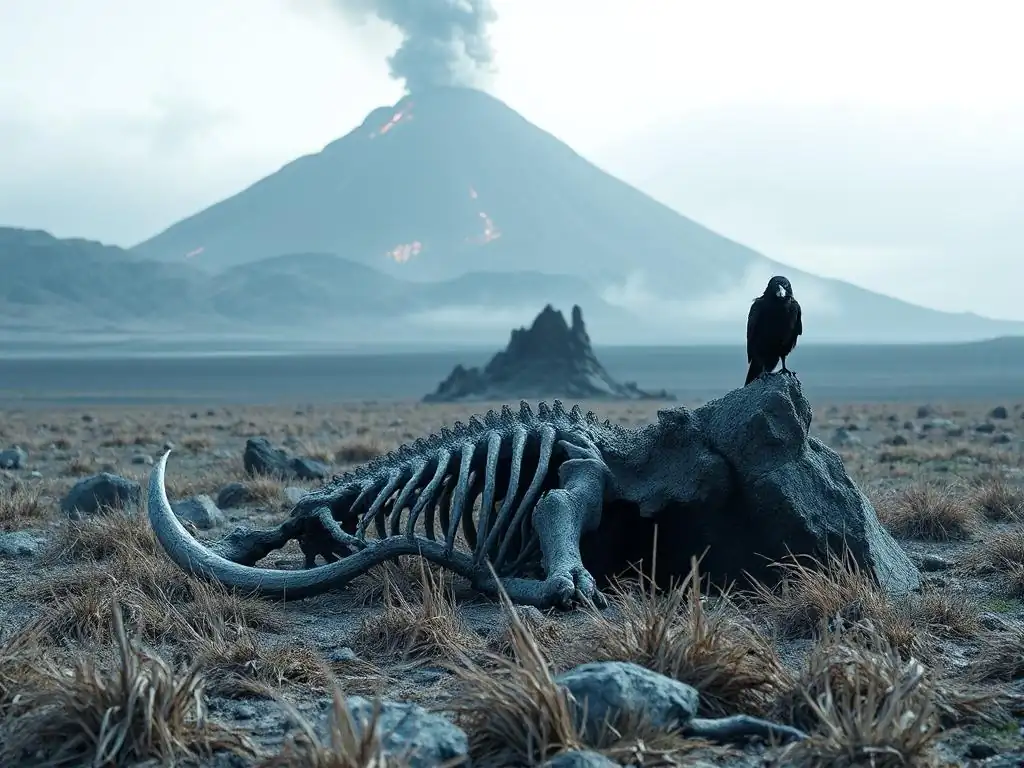
Sunlight Blockage: The Primary Driver of Ecosystem Change During Volcanic Winter
The defining characteristic of volcanic winter and its most ecologically impactful consequence is the blockage of sunlight. The stratospheric veil of volcanic aerosols, primarily sulfuric acid, reduces the amount of solar radiation reaching the Earth's surface. This diminished sunlight is not just a cosmetic effect; it is the primary driver of a cascade of changes throughout ecosystems, particularly impacting food chains. Sunlight is the fundamental energy source for almost all ecosystems on Earth, fueling photosynthesis, the process by which primary producers convert light energy into chemical energy in the form of sugars.
Reduced sunlight translates directly into reduced photosynthetic activity. The intensity and duration of sunlight reduction depend on the magnitude and longevity of the volcanic aerosol cloud. During a severe volcanic winter, sunlight can be significantly dimmed for months or even years, mimicking conditions of prolonged twilight. This reduction in light intensity directly limits the rate at which plants and phytoplankton can photosynthesize, effectively throttling the primary productivity of ecosystems. The consequences of this sunlight blockage ripple through the food chain, initiating a series of ecological disruptions that can lead to food chain collapse.
Impact on Primary Producers: How Reduced Sunlight Affects Plant Life and Phytoplankton
Phytoplankton Decline: The Foundation of Aquatic Food Web Collapse
Phytoplankton, microscopic marine algae, are the foundation of most aquatic food webs. They are responsible for roughly half of the planet's primary production, converting sunlight into energy and forming the base of the food chain for zooplankton, small fish, and ultimately, larger marine animals. Volcanic winter's reduction in sunlight severely impairs phytoplankton photosynthesis. Studies following the Mount Pinatubo eruption in 1991 showed measurable declines in phytoplankton productivity in certain ocean regions. Reduced phytoplankton growth leads to a decrease in the food available for zooplankton, the tiny animals that graze on phytoplankton.
This initial decline in phytoplankton biomass and productivity cascades up the aquatic food web. Zooplankton populations dwindle due to food scarcity, which, in turn, affects populations of small fish that feed on zooplankton. Larger predatory fish, seabirds, and marine mammals, which depend on these smaller fish, also experience food shortages. In extreme cases of prolonged and severe volcanic winter, the base of the aquatic food web can collapse, leading to widespread starvation and population crashes across multiple trophic levels. The impact on fisheries can be devastating, affecting human food security as well.
Terrestrial Plant Die-Off: Consequences for Herbivores and Beyond
Terrestrial plants, like phytoplankton in aquatic ecosystems, are the primary producers in land-based food chains. They form the base of the food web, converting sunlight into energy that sustains herbivores and subsequently carnivores. Reduced sunlight during a volcanic winter directly inhibits plant photosynthesis, leading to decreased plant growth, reduced seed production, and in severe cases, widespread plant die-off. The severity of plant die-off depends on the duration and intensity of sunlight reduction, as well as the resilience of plant species in affected regions. Forests, grasslands, and other terrestrial ecosystems can experience significant declines in plant biomass.
The consequences of terrestrial plant die-off extend far beyond the plants themselves. Herbivorous animals, from insects and rodents to deer and elephants, directly rely on plants for food. A reduction in plant biomass and availability leads to food shortages for herbivores.
This scarcity of food can result in herbivore starvation, reduced reproductive success, and population declines. The impact is not limited to herbivores; carnivores that prey on herbivores also face food shortages as their prey populations dwindle. The disruption to plant communities during volcanic winter initiates a chain reaction that can destabilize entire terrestrial ecosystems, leading to significant shifts in species composition and abundance.
Herbivore Starvation and Decline: The Next Link in the Chain
Large Herbivores: Susceptibility to Starvation and Migration
Large herbivores, such as deer, elk, bison, and elephants, are particularly susceptible to starvation during a volcanic winter. They require substantial amounts of food to maintain their large body mass and energy needs. The reduction in plant biomass and food availability caused by sunlight blockage directly impacts their ability to find sufficient forage. During volcanic winter, grasslands and forests may become unproductive, leaving large herbivores with limited food options. Their large size also means they require more food per individual compared to smaller herbivores, making them more vulnerable to food scarcity.
Faced with starvation, large herbivores may attempt to migrate to areas less affected by volcanic winter in search of food. However, migration is energetically costly and may not always be successful, especially if volcanic winter is widespread.
Furthermore, even if they find refuge areas, these areas may already be at carrying capacity, leading to increased competition for limited resources and potentially increased mortality rates due to starvation and disease. The decline of large herbivore populations can have cascading effects on the ecosystem, impacting carnivores that prey on them and altering plant communities due to reduced grazing pressure in some areas and overgrazing in refuge areas.
Small Herbivores: Reduced Reproductive Success and Population Decline
Small herbivores, including rodents, rabbits, insects, and many bird species, also suffer significantly during volcanic winter, although their responses may differ from those of large herbivores. While they require less food per individual, their populations are often more sensitive to environmental changes and resource fluctuations. Reduced plant productivity and food availability directly impact their ability to find sufficient food for survival and reproduction. Food scarcity can lead to decreased body condition, making them more vulnerable to disease and predation.
Importantly, volcanic winter can significantly reduce the reproductive success of small herbivores. Food stress can lead to delayed breeding seasons, reduced clutch or litter sizes, and lower survival rates of offspring. For example, insect populations, which are crucial food sources for many birds and small mammals, can decline dramatically due to reduced plant biomass and altered environmental conditions. The combined effects of starvation, reduced reproductive success, and increased vulnerability to predation can lead to significant population declines in small herbivores, further disrupting food chains and impacting carnivores that rely on them as prey.
Carnivore Impacts: Scarcity of Prey and Dietary Adaptations
Apex Predators: Facing Food Shortages and Ecosystem Instability
Apex predators, such as lions, wolves, eagles, and sharks, occupy the highest trophic levels in food chains. They are indirectly but profoundly affected by volcanic winter through the cascading impacts on their prey populations. As herbivore populations decline due to starvation and reduced reproductive success, apex predators face a scarcity of prey. This reduction in food availability can lead to increased competition among predators for dwindling resources, increased hunting ranges, and higher rates of starvation, particularly among younger and weaker individuals.
The instability in prey populations can also lead to shifts in predator behavior and diet. Apex predators may become more opportunistic, preying on whatever food sources are available, potentially including smaller animals or even resorting to scavenging. In extreme cases, apex predator populations can decline significantly, leading to ecosystem instability.
The removal or reduction of apex predators can have top-down effects on ecosystems, potentially leading to imbalances in lower trophic levels and altering ecosystem structure and function. The impact of volcanic winter on apex predators underscores the interconnectedness of food chains and the vulnerability of top trophic levels to disruptions at the base of the food web.
Scavengers: Initial Boom Followed by Long-Term Decline
Scavengers, animals that feed on dead animals, exhibit a more complex response to volcanic winter compared to predators and herbivores. In the immediate aftermath of a volcanic eruption, scavengers may experience a temporary "boom" in food availability. Volcanic eruptions and their immediate consequences, such as ashfall, habitat destruction, and toxic gases, can lead to increased animal mortality. This, in turn, provides a temporary surge in carrion, benefiting scavengers like vultures, coyotes, and certain insects. Populations of scavengers may initially increase in response to this readily available food source.
However, this boom is short-lived. As volcanic winter sets in and herbivore populations decline due to starvation, the long-term availability of carrion decreases significantly. The initial surge in mortality is followed by a period of reduced overall animal biomass and productivity.
With fewer herbivores and subsequently fewer predator kills, the food supply for scavengers dwindles. As a result, scavenger populations eventually decline, often lagging behind the declines in herbivore and predator populations. The initial boom followed by a long-term decline highlights the transient and ultimately negative impact of volcanic winter on even those animals that might initially seem to benefit from the ecological disruption.
Specific Examples: Case Studies of Volcanic Winter's Impact on Animal Food Chains
The Mount Tambora Eruption (1815): A Historical Perspective on Ecosystem Collapse
The 1815 eruption of Mount Tambora in Indonesia, one of the largest volcanic eruptions in recorded history, provides a stark historical perspective on the potential for ecosystem collapse following a volcanic winter. The eruption injected an estimated 50-60 million tons of sulfur dioxide into the stratosphere, leading to a significant global cooling event in 1816, known as the "Year Without a Summer." While detailed ecological records from 1816 are limited, historical accounts and scientific reconstructions paint a picture of widespread environmental and agricultural disruption that undoubtedly impacted animal food chains.
The global average temperature decreased by approximately 0.4 to 0.7 °C (0.7 to 1.3 °F), with more pronounced cooling in some regions. This temperature drop led to widespread crop failures across Europe and North America. In many areas, summer frosts destroyed crops, leading to famine and widespread livestock losses.
While direct impacts on wild animal populations are less documented, it is highly probable that the collapse of agricultural systems and the disruption of plant productivity extended to natural ecosystems. Wild herbivores would have faced food shortages due to reduced plant growth, and consequently, carnivore populations would have been affected by the decline in herbivore prey. The Tambora eruption serves as a historical example of how a massive volcanic eruption can trigger climate change with far-reaching ecological consequences, disrupting food chains and impacting animal populations, even on a global scale.
The Mount St. Helens Eruption (1980): A Case Study of Ecosystem Recovery
The 1980 eruption of Mount St. Helens in Washington State, USA, while smaller than Tambora, provides a valuable case study of ecosystem recovery following a major volcanic eruption. The eruption caused significant habitat destruction in the immediate vicinity, including the blast zone, pyroclastic flow areas, and areas heavily impacted by ashfall. However, the eruption did not inject enough sulfur dioxide into the stratosphere to cause a global volcanic winter. Instead, the ecological impacts were primarily localized to the region surrounding the volcano.
In the years following the eruption, scientists have meticulously studied the process of ecosystem recovery at Mount St. Helens. Initially, the landscape appeared desolate, particularly within the blast zone. However, life began to return relatively quickly. Pioneer species, such as fireweed and lupine, colonized the ash-covered landscape, initiating primary succession.
Small mammals, like pocket gophers, played a crucial role in soil turnover and nutrient cycling, aiding plant re-establishment. Aquatic ecosystems, initially devastated by ash and debris, also showed remarkable resilience, with fish and insect populations recovering. The Mount St. Helens eruption demonstrates that while volcanic eruptions can cause significant short-term ecological disruption, ecosystems possess a capacity for recovery. The recovery process is often driven by resilience traits of individual species, ecological succession, and the interconnectedness of species within the food web.
Lessons Learned: Understanding Long-Term Ecosystem Recovery
Comparing the Tambora and Mount St. Helens eruptions highlights the different scales of volcanic impact and ecosystem response. Tambora, with its global climatic effects, caused widespread and prolonged ecological disruption likely impacting food chains across continents. Mount St. Helens, with its localized impact, demonstrated the resilience of ecosystems and their capacity for recovery following habitat destruction. Several key lessons emerge from these and other volcanic eruption case studies regarding long-term ecosystem recovery.
First, the scale of the eruption and the extent of environmental change are critical factors determining the duration and magnitude of ecological impacts. Global volcanic winters, like that following Tambora, can have more profound and long-lasting effects on food chains compared to localized eruptions like Mount St. Helens. Second, ecosystem resilience is crucial. The ability of ecosystems to recover depends on the presence of resilient species, the availability of dispersal mechanisms for recolonization, and the maintenance of ecological processes like nutrient cycling.
Third, understanding food web dynamics is essential for predicting and managing ecosystem recovery. The interconnectedness of species within food chains means that disruptions at one trophic level can have cascading effects on others. Monitoring key species and ecological processes post-eruption is vital for tracking recovery and implementing appropriate conservation measures to support long-term ecosystem health.
Adaptation and Resilience: How Animals Cope with Volcanic Winter
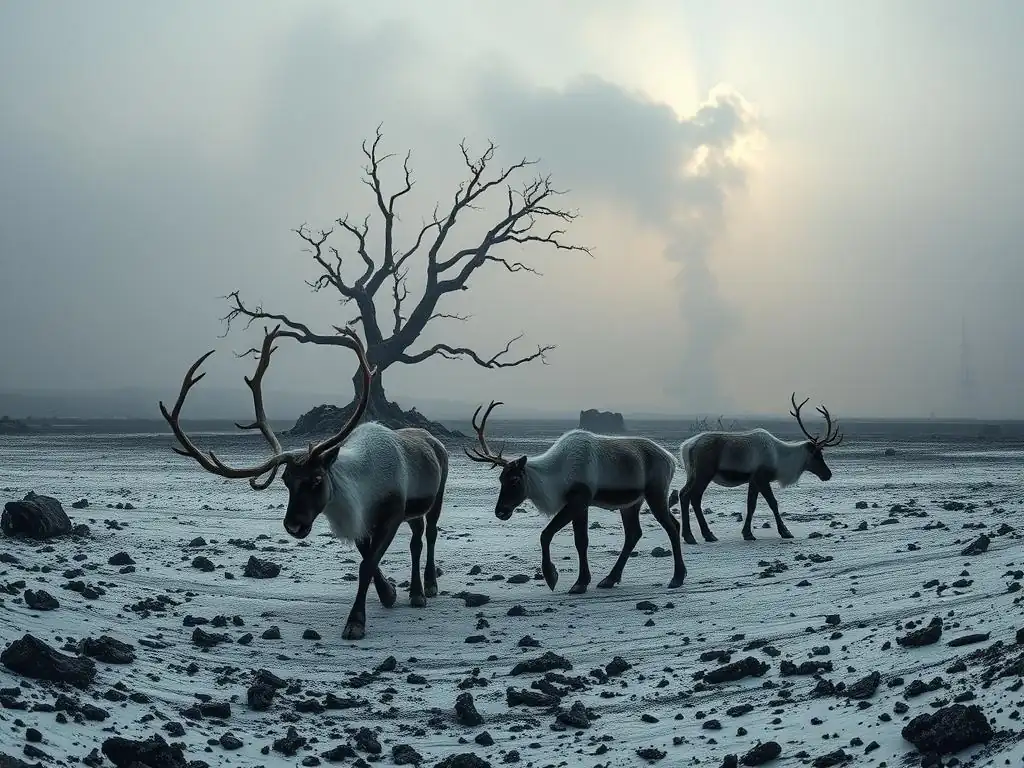
Behavioral Adaptations: Migration, Hibernation, and Diet Changes
Animals employ a range of behavioral adaptations to cope with the challenging conditions imposed by volcanic winter. Migration is a prominent strategy for mobile animals, particularly birds and large mammals. Faced with reduced food availability and harsh environmental conditions in affected areas, animals may migrate to regions less impacted by volcanic winter in search of food and more favorable climates. However, successful migration depends on the availability of suitable refuge areas and the energetic capacity of animals to undertake long journeys.
Hibernation or torpor is another behavioral adaptation, particularly for animals in temperate and polar regions. By entering a state of dormancy, animals can conserve energy during periods of food scarcity and cold temperatures associated with volcanic winter. However, the duration and effectiveness of hibernation depend on the animal's energy reserves and the length of the volcanic winter. Dietary shifts can also be a crucial behavioral adaptation.
Herbivores may broaden their diet to include less preferred food sources or switch to browsing on tree bark and twigs if herbaceous vegetation is scarce. Carnivores may become more opportunistic, scavenging or preying on alternative prey if their primary food sources decline. Behavioral flexibility and adaptability are key determinants of animal survival during volcanic winter.
Evolutionary Adaptations: Long-Term Survival Strategies in Volcanically Active Regions
Over evolutionary timescales, animal populations in volcanically active regions may develop specific adaptations that enhance their survival in environments prone to volcanic eruptions and their associated impacts. These evolutionary adaptations can be physiological, morphological, or behavioral, and they reflect the selective pressures imposed by volcanic disturbances over generations.
For example, some plant species in volcanic regions exhibit rapid regrowth capabilities after ashfall or fire, providing a more reliable food source for herbivores in the long term. Animals that are more mobile or have broader dietary ranges may be naturally selected for in volcanically active landscapes, as these traits increase their ability to cope with environmental fluctuations and resource scarcity.
In some volcanic areas, certain animal species might exhibit higher tolerance to toxic volcanic gases or ash. For instance, some bird species in volcanic regions may have respiratory systems that are less susceptible to ash irritation. Evolutionary adaptations are often subtle and complex, reflecting the long-term interplay between environmental pressures and genetic variation within populations. Studying these adaptations provides insights into the resilience of life in volcanically active environments and the long-term evolutionary consequences of volcanic disturbances on animal communities.
Conservation Efforts: Supporting Vulnerable Species Post-Eruption
Conservation efforts play a crucial role in supporting vulnerable animal species in the aftermath of volcanic eruptions and during volcanic winter. Immediate post-eruption responses often focus on rescue and rehabilitation of injured animals, particularly those directly affected by ashfall, pyroclastic flows, or toxic gases. Habitat restoration is a longer-term conservation goal, aiming to restore damaged ecosystems and promote the recovery of plant communities that form the base of food chains. This can involve reforestation, soil remediation, and removal of volcanic debris.
Managing invasive species can also be critical in post-eruption recovery. Disturbed environments are often more susceptible to invasions by non-native species that can outcompete native flora and fauna, hindering ecosystem recovery. Monitoring vulnerable species and their populations post-eruption is essential for tracking their recovery trajectory and identifying any ongoing threats.
In cases where volcanic winter is prolonged or severe, ex-situ conservation measures, such as captive breeding programs, may be necessary to safeguard critically endangered species and prevent extinctions. Effective conservation strategies require a multi-faceted approach that addresses both immediate and long-term ecological impacts of volcanic eruptions and supports the resilience of animal food chains.
The Future: Assessing the Risk and Protecting Animal Food Chains in Volcanically Active Areas
Monitoring Volcanic Activity and Predicting Potential Impacts
In volcanically active regions around the world, continuous monitoring of volcanic activity is crucial for assessing the risk of future eruptions and predicting potential impacts on animal food chains. Volcanologists employ a range of monitoring techniques, including seismometers to detect earthquakes associated with magma movement, gas sensors to measure changes in volcanic gas emissions, and satellite imagery to track ground deformation and thermal anomalies. By analyzing these data, scientists can detect signs of increasing volcanic unrest and assess the likelihood of an eruption.
Improved eruption forecasting and early warning systems are essential for mitigating the impacts of volcanic eruptions on human populations and ecosystems. Predicting the magnitude and style of a potential eruption, as well as the likely dispersal of ash and volcanic gases, allows for better preparedness and response planning.
Developing sophisticated models that integrate volcanic monitoring data with atmospheric and ecological models can help to forecast the potential duration and severity of a volcanic winter and its likely impacts on plant productivity and animal food chains. This predictive capacity is vital for proactive conservation and management strategies in volcanically active areas.
Conservation Strategies: Protecting Critical Habitats and Vulnerable Species
Proactive conservation strategies are essential for protecting critical habitats and vulnerable species in volcanically active areas, even before an eruption occurs. Identifying and safeguarding key habitats that serve as refuge areas during and after volcanic eruptions can enhance ecosystem resilience. This may involve establishing protected areas, managing land use to minimize habitat fragmentation, and controlling invasive species. Protecting genetic diversity within vulnerable species is also crucial, as genetic diversity can enhance a population's ability to adapt to environmental changes, including those induced by volcanic eruptions.
Developing species-specific conservation action plans for highly vulnerable species in volcanically active regions is important. These plans may include measures such as habitat restoration, population monitoring, and ex-situ conservation options for species at high risk of extinction. Building community awareness and engagement in volcano preparedness and conservation efforts is also vital. Educating local communities about volcanic hazards and the importance of ecosystem conservation can foster a more proactive and resilient approach to living in volcanically active landscapes.
The Importance of Understanding Volcanic Winter for Long-Term Ecosystem Health
Understanding the impact of volcanic winter on ecosystems, particularly animal food chains, is of paramount importance for ensuring long-term ecosystem health in volcanically active regions and globally. Volcanic eruptions are natural disturbances that have shaped ecosystems for millennia. However, the increasing frequency and intensity of human-induced environmental changes, such as climate change and habitat loss, may exacerbate the vulnerability of ecosystems to volcanic disturbances.
A comprehensive understanding of volcanic winter's ecological consequences allows for more effective conservation and management strategies. It informs risk assessments, helps prioritize conservation actions, and guides long-term ecosystem monitoring and recovery efforts. Furthermore, studying the resilience of ecosystems to volcanic winter can provide valuable insights into the broader challenges of ecosystem resilience in the face of global environmental change. By learning from past volcanic events and improving our predictive capabilities, we can better protect animal food chains and promote the long-term health and stability of ecosystems in a volcanically active world.
Conclusion: The Lasting Legacy of Volcanic Winter on Animal Ecosystems
The Interconnectedness of Life: Highlighting the Fragility of Food Chains
Volcanic winter serves as a dramatic illustration of the interconnectedness of life and the inherent fragility of food chains. A single, albeit powerful, natural event – a major volcanic eruption – can trigger a cascade of ecological consequences that ripple through entire ecosystems, impacting organisms from phytoplankton to apex predators. The reduction in sunlight, the fundamental energy source for most life on Earth, initiates a chain reaction of disruptions, leading to reduced primary productivity, herbivore starvation, and carnivore food shortages.
The impact of volcanic winter highlights the delicate balance within ecosystems and the vulnerability of these systems to large-scale environmental changes. Food chains, while essential for the flow of energy and nutrients, are susceptible to collapse when their foundations are undermined.
The case studies of past volcanic eruptions, from Tambora to Mount St. Helens, underscore both the destructive potential and the resilience of nature. Understanding the mechanisms by which volcanic winter disrupts food chains is not only crucial for managing ecological risks in volcanically active areas but also for appreciating the broader implications of environmental change for the stability of ecosystems worldwide.
Further Resources: Organizations Studying Volcanic Impacts and Wildlife
For those interested in learning more about volcanic impacts on ecosystems and wildlife, several organizations provide valuable resources and conduct ongoing research. The U.S. Geological Survey (USGS) Volcano Hazards Program studies volcanic activity and its environmental consequences, offering a wealth of information on volcanic processes and hazards. Universities and research institutions around the world conduct research on volcanology, ecology, and climate change, often publishing findings in scientific journals and making data publicly available.
Conservation organizations working in volcanically active regions often focus on monitoring wildlife populations and implementing habitat restoration projects in post-eruption environments. Consulting scientific literature databases and organizational websites can provide in-depth information on specific volcanic events, ecological impacts, and ongoing research in this fascinating and crucial field of study.
Frequently Asked Questions
What is Volcanic Winter and how does it relate to ecosystems?
Volcanic winter is a period of global cooling caused by massive volcanic eruptions that release large quantities of ash and sulfur dioxide into the atmosphere. This can drastically reduce sunlight, impacting plant life and, consequently, animal food chains.
How does volcanic ash affect plant life during a volcanic winter?
Volcanic ash can block sunlight, hindering photosynthesis in plants. The ash can also smother vegetation, physically damaging or killing them, leading to a decline in primary food sources.
What is the role of sulfur dioxide in creating a volcanic winter?
Sulfur dioxide released during eruptions reacts with water vapor in the atmosphere to form sulfuric acid aerosols. These aerosols reflect sunlight back into space, causing a global cooling effect that can last for months or even years.
What are the long-term impacts of a volcanic winter on animal populations?
A prolonged volcanic winter can lead to widespread starvation and population declines in animals that rely on plants for food. It can also disrupt breeding cycles and force migrations, altering ecosystem dynamics.
Can ecosystems recover after a volcanic winter, and if so, how?
Yes, ecosystems can recover, but it can take years or even decades. The recovery depends on factors like the severity of the winter, the resilience of the species involved, and the availability of resources for recolonization.
Final Reflection: The Enduring Echo of Ash
The preceding analysis has illuminated the devastating impact of volcanic winter on ecosystems, a stark reminder of nature's raw power and the fragility of the intricate food webs that sustain life. Even in our modern world, where technology often shields us from the direct consequences of natural disasters, the potential for a similar event to disrupt global ecosystems remains a very real and pressing concern.
The chilling effect of volcanic winter extends far beyond immediate devastation; it underscores the interconnectedness of all living things and the long-lasting consequences of environmental upheaval. Witnessing the resilience and, sometimes, the tragic failure of animal food chains in the face of such adversity compels us to consider our own impact on the planet. The Earth does not belong to us: we belong to the Earth.
- Marlee Matlin. This quote serves as a potent reminder that our actions today will shape the ecosystems of tomorrow, potentially triggering cascading effects that mirror the disruptions caused by volcanic winter.
Let us not simply observe the past, but learn from it. Consider how your own choices, however small, contribute to the overall health and stability of our planet. Reflect on the lessons learned from the "Volcanic Winter" and strive to be a force for positive change, ensuring that future generations inherit a world where ecosystems are resilient and thriving, not teetering on the brink of collapse.
Okay, I'm ready. Here's a CTA for the end of an article titled "Volcanic Winter: The Chilling Effect on Animal Food Chains" for the website Volcano Explorers (volcanoexplorers.org):
Unearth Your Understanding: Become a Food Chain Guardian!
Thanks for diving into the complex world of volcanic winters and their impact on animal food chains. We hope you've gained a deeper appreciation for the delicate balance of nature and the ripple effects of volcanic activity. Now, let's put that knowledge into action!
Here are a few things you can do to become a more informed and active participant in understanding and protecting our planet:
- Share this article with at least three friends or family members to spread awareness about the far-reaching consequences of volcanic eruptions on global ecosystems. Let's get the conversation flowing!
- Explore VolcanoExplorers.org to discover more about volcanic impacts on the environment and learn about related conservation efforts. There's a whole world of fascinating information waiting for you!
- Consider supporting organizations dedicated to studying and mitigating the effects of climate change. Even small contributions can make a big difference.
What small change will you make this week to better understand and protect the delicate food chains impacted by volcanic events? Share your thoughts in the comments below!