
Decoding Volcanic Fertility: Understanding the Science Behind Rich Soils


Welcome to Volcano Explorers, where the Earth's fiery heart meets scientific curiosity! Prepare to journey into the fascinating realm of volcanoes, where destruction and creation dance in a delicate balance. Ever wondered how landscapes scarred by molten rock can also give rise to some of the most fertile soils on the planet? Dive into "Decoding Volcanic Fertility" and unlock the secrets of volcanic soils fertility benefits – a captivating paradox that will redefine your understanding of these geological giants. Are you ready to uncover the science behind this incredible phenomenon?
- Introduction: The Unexpected Bounty of Volcanoes
- The Science of Volcanic Soil Formation
- Volcanic Soils Fertility Benefits: A Deep Dive
- Comparing Volcanic Soils to Other Soil Types
- Case Studies: Agricultural Success Stories on Volcanic Soils
- The Long-Term Impact of Volcanic Soil Fertility
- Conclusion: Appreciating the Gift of Volcanic Soils
- Frequently Asked Questions
- Final Reflection: Embracing the Power of Volcanic Earth
- Unlock the Secrets of Your Own Volcanic Garden!
Introduction: The Unexpected Bounty of Volcanoes
Volcanoes, often associated with destruction and devastation, are also paradoxical sources of immense fertility. While eruptions can be catastrophic, the materials they eject—ash, lava, and volcanic rock—slowly weather over time, transforming into incredibly fertile soils. These volcanic soils, found in regions around the globe that have experienced volcanic activity, are renowned for their richness and capacity to support thriving ecosystems and bountiful agriculture.
This article delves into the fascinating science behind volcanic soils fertility benefits, exploring why these soils are so productive and how they contribute to agricultural success in volcanic regions. We will uncover the secrets of their formation, their unique mineral composition, and the remarkable advantages they offer compared to other soil types.
The Science of Volcanic Soil Formation
From Ash to Abundance: The Building Blocks of Fertile Volcanic Soils
The journey from volcanic eruption to fertile soil is a testament to nature's transformative power. Fresh volcanic deposits, particularly ash, are initially barren and inhospitable. However, they contain the raw ingredients for soil genesis. Volcanic ash, composed of fine particles of rock and glass, is rich in essential minerals. The process begins with weathering, where physical, chemical, and biological forces break down the ash particles.
Rainwater, temperature fluctuations, and the action of wind contribute to physical weathering, fracturing the ash into smaller fragments. Chemical weathering involves reactions with water, air, and acids from decaying organic matter, which dissolve minerals and release nutrients. Biological weathering, facilitated by pioneer organisms like lichens and mosses, further breaks down the ash and initiates the accumulation of organic matter. This combination of weathering processes over decades and centuries gradually transforms volcanic ash into fertile volcanic soils, capable of supporting plant life.
As volcanic materials weather, they undergo significant physical and chemical changes that are crucial for soil development. The initial porous structure of volcanic ash allows for good aeration and water infiltration, which are vital for root growth and microbial activity. Over time, clay minerals begin to form from the weathering of volcanic glass and other minerals.
These clay minerals, particularly types like allophane and imogolite, which are common in volcanic soils, have a high surface area and excellent water and nutrient retention capacity. Furthermore, the decomposition of organic matter, derived from decaying plants and animals, enriches the soil with humus, a dark, complex substance that improves soil structure, water-holding capacity, and nutrient availability. This gradual accumulation of clay and humus, combined with the continued release of minerals from weathering volcanic materials, leads to the development of mature, fertile volcanic soils prized for their agricultural potential.
Mineral Composition: The Secret to Volcanic Soil Fertility
The exceptional fertility of volcanic soils is largely attributed to their unique mineral composition. Volcanic eruptions bring forth a wealth of minerals from the Earth's mantle and crust, which are incorporated into the resulting soils. Key minerals contributing to this fertility include phosphorus, potassium, calcium, magnesium, iron, and various micronutrients. For instance, volcanic rocks are often rich in feldspars, which weather to release potassium, an essential nutrient for plant growth, playing a crucial role in water regulation and disease resistance. Similarly, minerals like apatite in volcanic rocks provide phosphorus, vital for energy transfer and root development in plants.
Furthermore, volcanic soils often contain ferromagnesian minerals like olivine and pyroxene, which are sources of magnesium and iron. Magnesium is central to chlorophyll production, the pigment that enables photosynthesis, while iron is necessary for various enzymatic processes in plants. The presence of calcium, often derived from calcium-rich plagioclase feldspars in volcanic rocks, is important for cell wall development and nutrient uptake by plants.
Beyond these macronutrients, volcanic soils are also typically enriched in micronutrients such as zinc, copper, and molybdenum, which, although required in smaller amounts, are equally crucial for plant health and productivity. This diverse and balanced mineral composition is a primary reason why volcanic soils are inherently fertile and can support high agricultural yields with often reduced need for synthetic fertilizers.
Volcanic Soils Fertility Benefits: A Deep Dive
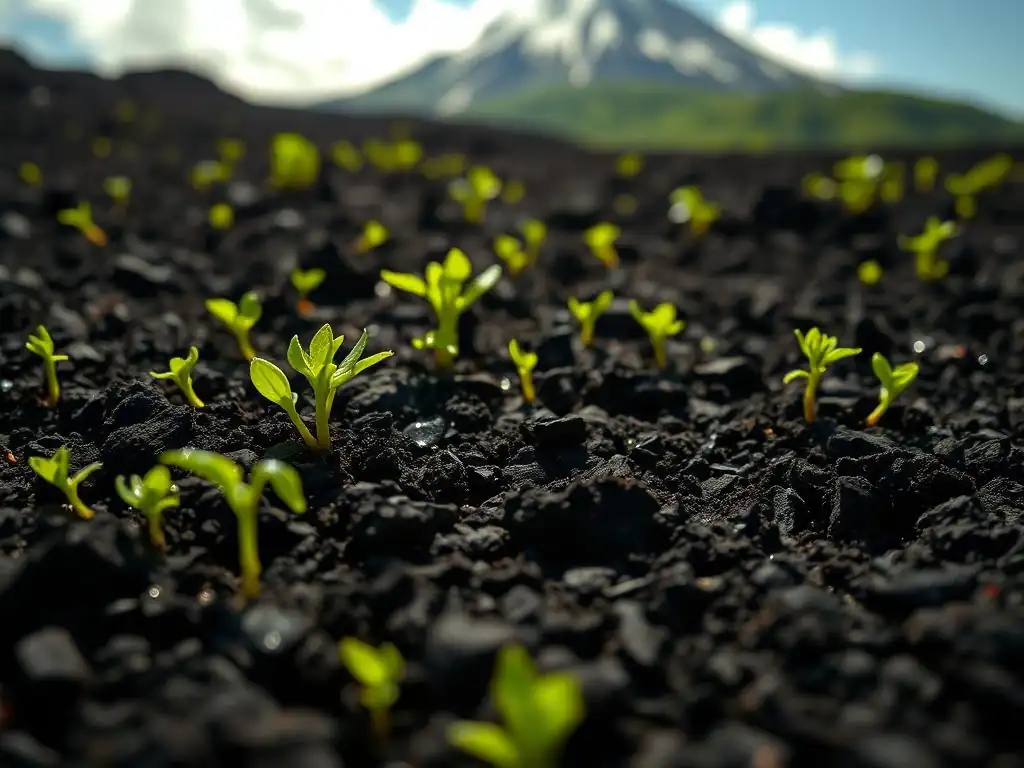
Enhanced Nutrient Availability in Volcanic Soils
One of the most significant volcanic soils fertility benefits is the enhanced availability of nutrients to plants. Unlike many other soil types where nutrients can be locked up or leached away, volcanic soils possess characteristics that promote nutrient retention and release in forms readily accessible to plant roots. The clay minerals, particularly allophane and imogolite, abundant in volcanic soils, have a high cation exchange capacity (CEC).
This means they can hold onto positively charged nutrient ions like calcium, magnesium, and potassium, preventing them from being washed away by rainwater. Furthermore, these clay minerals can slowly release these nutrients over time, providing a sustained supply to plants.
The slightly acidic to neutral pH often found in volcanic soils also contributes to nutrient availability. This pH range is optimal for many plant species as it ensures that essential nutrients like phosphorus, iron, and manganese are soluble and available for root uptake. In contrast, in highly acidic or alkaline soils, these nutrients can become chemically bound and less accessible to plants.
Moreover, the presence of organic matter in volcanic soils, resulting from the decomposition of plant residues and volcanic ash itself, further enhances nutrient availability. Organic matter acts as a reservoir of nutrients and also improves soil structure, aeration, and water-holding capacity, all of which indirectly contribute to better nutrient uptake by plants. This combination of factors ensures that volcanic soils offer a rich and readily available pool of nutrients, fostering vigorous plant growth.
Superior Water Retention and Drainage in Volcanic Landscapes
Volcanic soils exhibit a remarkable balance of water retention and drainage, a crucial volcanic soils fertility benefit that contributes to their agricultural productivity. The porous nature of weathered volcanic materials, coupled with the presence of specific clay minerals, endows these soils with the capacity to hold substantial amounts of water while also ensuring adequate drainage. The initial ash deposits and weathered volcanic rock fragments create macropores in the soil, which facilitate rapid water infiltration and drainage, preventing waterlogging, a condition detrimental to plant roots.
Simultaneously, the clay minerals like allophane and imogolite, common in volcanic soils, possess a high water-holding capacity due to their unique structure and large surface area. These minerals can retain water within micropores, making it available to plants during drier periods. This dual capacity for both drainage and water retention is particularly advantageous in regions with variable rainfall patterns.
During heavy rainfall, excess water drains away, preventing root suffocation, while during dry spells, the stored water is gradually released, sustaining plant growth. This efficient water management capacity of volcanic soils reduces the risk of both drought stress and waterlogging, contributing to stable and high agricultural yields, especially in rain-fed agricultural systems.
The Role of Volcanic Activity in Soil Renewal
Volcanic activity, while seemingly destructive, plays a vital role in the long-term renewal and maintenance of soil fertility. Volcanic eruptions are essentially geological events that rejuvenate landscapes by depositing fresh mineral-rich materials. Over time, natural processes of weathering and erosion deplete soil nutrients and degrade soil structure. However, volcanic eruptions counteract these processes by introducing a new layer of ash and volcanic rock. This fresh volcanic material contains a renewed supply of essential minerals that replenish soil nutrient reserves.
The deposition of volcanic ash not only adds minerals but also can bury existing, potentially degraded topsoil, effectively starting a new cycle of soil formation. This process of volcanic soil renewal is particularly important in regions prone to soil erosion or nutrient leaching. Periodic volcanic eruptions, though disruptive in the short term, can be seen as natural soil amendments, revitalizing agricultural lands over longer timescales.
Areas that experience regular, albeit not excessively destructive, volcanic activity often exhibit sustained high soil fertility over centuries, demonstrating the long-term volcanic soils fertility benefits driven by soil renewal through volcanic processes. This natural replenishment cycle highlights the dynamic and self-sustaining nature of soil fertility in volcanic landscapes.
Comparing Volcanic Soils to Other Soil Types
Volcanic Soils vs. Sedimentary Soils: A Fertility Showdown
When comparing volcanic soils to sedimentary soils, the differences in fertility are often stark and reveal the unique advantages of volcanic origins. Sedimentary soils, formed from the weathering of pre-existing rocks and the accumulation of sediments, can vary widely in their composition and fertility. However, in general, they tend to be less inherently fertile than volcanic soils. Sedimentary rocks, the parent material for sedimentary soils, often originate from the weathering of diverse rock types and may not always be rich in the specific suite of minerals that contribute to high soil fertility.
Volcanic soils, derived directly from volcanic ejecta, are typically richer in primary minerals like feldspars and ferromagnesian minerals, which weather to release essential plant nutrients. Sedimentary soils, on the other hand, may be dominated by minerals like quartz, which is relatively resistant to weathering and does not contribute significantly to soil fertility. Furthermore, sedimentary soils can be prone to nutrient leaching, especially sandy sedimentary soils, due to their lower clay content and cation exchange capacity compared to volcanic soils.
While sedimentary soils can be fertile, particularly alluvial soils deposited by rivers, they often require more intensive management practices, including fertilization, to achieve comparable levels of productivity to naturally fertile volcanic soils. In a fertility showdown, volcanic soils generally hold a significant advantage due to their inherent mineral richness and nutrient retention capabilities.
Volcanic Soils vs. Glacial Soils: Understanding the Differences
Glacial soils, formed from materials deposited by glaciers, present a different set of characteristics compared to volcanic soils, impacting their fertility profiles. Glacial soils, also known as till or moraine, are composed of a mixture of rock fragments, sand, silt, and clay, often derived from a wide range of bedrock sources that glaciers have eroded and transported. While glacial soils can be productive, their fertility is generally not as consistently high or readily available as that of volcanic soils.
Glacial deposits can be heterogeneous, varying significantly in texture and mineral composition across relatively short distances. This variability can lead to uneven soil fertility within glacial landscapes.
Volcanic soils, in contrast, are more directly linked to a specific, mineral-rich parent material – volcanic ejecta. They tend to be more consistently enriched in certain key nutrients, particularly phosphorus and potassium, derived from volcanic minerals. Glacial soils may also be less well-drained than volcanic soils in some cases, especially those with high clay content, which can limit aeration and root growth.
Furthermore, the climate associated with glacial landscapes, often colder and with shorter growing seasons, can also indirectly limit the overall agricultural potential compared to the typically warmer, often wetter, climates associated with volcanic regions. While glacial soils can support agriculture, especially with appropriate management, volcanic soils often offer a more naturally fertile and consistently productive base for agriculture due to their unique mineralogical and physical properties.
Case Studies: Agricultural Success Stories on Volcanic Soils
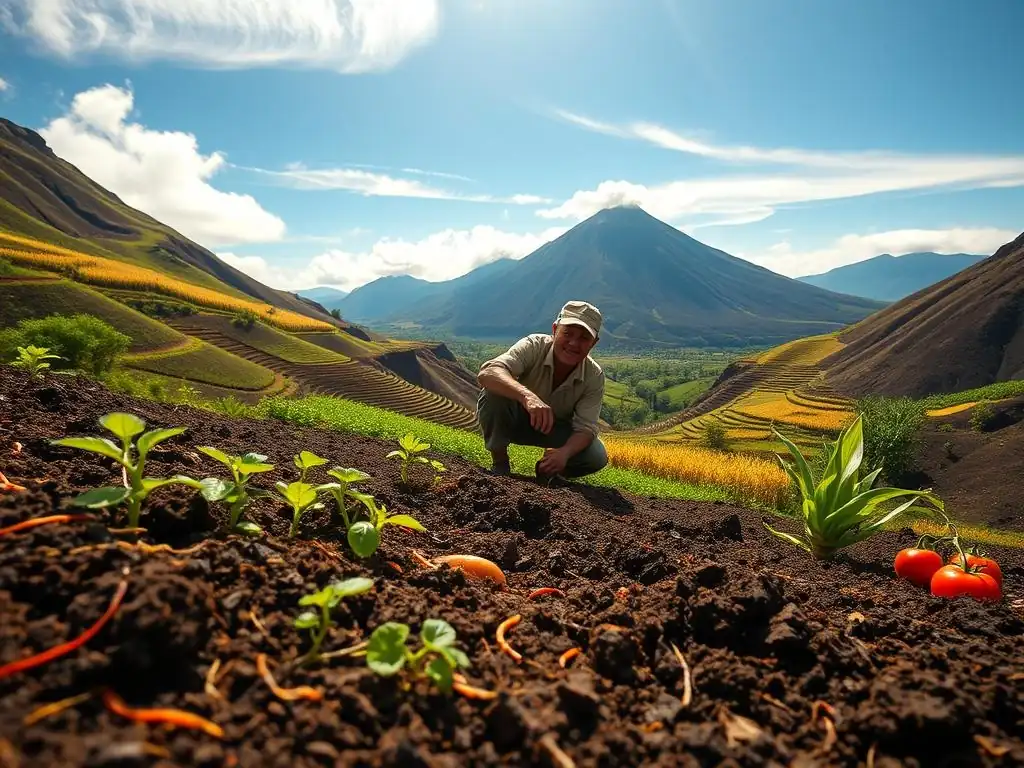
The Canary Islands: A Testament to Volcanic Soil Potential
The Canary Islands, a Spanish archipelago off the coast of Northwest Africa, provide a compelling case study of the agricultural potential of volcanic soils. These islands are entirely volcanic in origin, with soils derived from basaltic lava and ash. Despite the islands' often rugged terrain and limited water resources, agriculture thrives, producing a variety of crops including bananas, tomatoes, potatoes, grapes for wine, and avocados. The success of agriculture in the Canary Islands is directly linked to the inherent fertility of their volcanic soils.
The volcanic soils of the Canary Islands, known locally as "jable" in some areas, are rich in essential nutrients and possess excellent water retention properties, despite their porous nature. Traditional agricultural practices on the islands often involve the use of "picón" or "lapilli" – small volcanic gravel – as a soil amendment and mulch. This volcanic gravel helps to conserve moisture, suppress weeds, and further enhance soil fertility by slowly releasing minerals as it weathers.
The Canary Islands' wine industry, particularly renowned for its Malvasia wines, is a testament to the volcanic soils fertility benefits. The unique mineral composition of the soil imparts distinctive characteristics to the grapes and wines, contributing to their premium quality and international recognition. The Canary Islands demonstrate how, even in challenging environments, volcanic soils can be the foundation for successful and diverse agriculture.
Central America, stretching from Guatemala to Panama, is famed for its high-quality coffee production, and much of this success is intrinsically linked to the presence of volcanic soils. The region's volcanic mountain ranges have created landscapes dominated by Andisols, a soil order strongly associated with volcanic materials. These volcanic soils in Central America, formed from volcanic ash and weathered lava flows, provide the ideal conditions for growing Coffea arabica, the species known for its superior flavor and aroma. Countries like Costa Rica, Colombia, Guatemala, and Nicaragua all benefit from the volcanic soils fertility benefits for their coffee industries.
The volcanic soils of Central America are particularly well-suited for coffee cultivation due to their excellent drainage, preventing waterlogging that coffee plants are sensitive to, and their rich mineral content, which contributes to the complex flavor profiles of the beans. The slightly acidic pH of these soils is also optimal for coffee growth. Coffee plantations are often established on the slopes of volcanoes, taking advantage of the well-drained terrain and the continuous replenishment of soil nutrients from slow weathering of volcanic rocks.
The "terroir" of volcanic regions, encompassing soil, climate, and altitude, is considered a key factor in producing premium, specialty coffees. The reputation of Central American coffee as some of the finest in the world is a direct result of the advantageous combination of climate and the inherent volcanic soils fertility benefits.
New Zealand's Volcanic Plateau: Agriculture in a Dynamic Landscape
New Zealand's North Island Volcanic Plateau offers another compelling example of agriculture thriving on volcanic soils, albeit in a more dynamic and sometimes challenging environment. This region is geologically active, with ongoing volcanic activity shaping the landscape and soil profiles. The soils of the Volcanic Plateau are predominantly derived from rhyolitic and andesitic volcanic ash and pumice. Agriculture in this region is diverse, including dairy farming, sheep and beef farming, horticulture (kiwifruit, apples), and forestry. The volcanic soils fertility benefits contribute significantly to the productivity of these agricultural sectors.
The pumiceous volcanic soils of the Volcanic Plateau are characterized by their excellent drainage and aeration, which are advantageous for root growth and prevent waterlogging in a region with high rainfall. While these soils can be relatively low in some nutrients initially, they are rich in silica and aluminum, which contribute to the formation of allophane and imogolite clay minerals, enhancing water and nutrient retention over time. Farmers in the Volcanic Plateau have adapted their practices to manage these soils, often utilizing fertilizers and soil amendments to optimize nutrient levels.
The region's geothermal activity, a direct consequence of its volcanic nature, is also being explored for its potential to support sustainable agriculture, such as greenhouse heating. New Zealand's Volcanic Plateau demonstrates how agriculture can be successfully practiced and adapted within a geologically dynamic volcanic landscape, leveraging the inherent volcanic soils fertility benefits while managing the challenges.
The Long-Term Impact of Volcanic Soil Fertility
Sustainable Agriculture on Volcanic Lands
The inherent fertility of volcanic soils presents a strong foundation for sustainable agricultural practices. Due to their rich mineral content and nutrient retention capabilities, volcanic soils often require less intensive fertilization compared to other soil types. This reduced reliance on synthetic fertilizers is a key aspect of sustainable agriculture, minimizing environmental impacts such as nutrient runoff and greenhouse gas emissions associated with fertilizer production and use. The natural replenishment of soil nutrients through volcanic activity, albeit infrequent, further contributes to the long-term sustainability of agriculture in volcanic regions.
The excellent water retention and drainage characteristics of volcanic soils also support sustainable water management. Their ability to hold water efficiently reduces the need for excessive irrigation, conserving water resources, particularly important in regions prone to water scarcity. Furthermore, the porous nature of volcanic soils promotes good soil aeration, which is vital for healthy soil microbial communities.
These microbial communities play a crucial role in nutrient cycling, organic matter decomposition, and disease suppression, all contributing to soil health and long-term agricultural sustainability. By leveraging the inherent volcanic soils fertility benefits and adopting appropriate management practices, agriculture in volcanic regions can be both productive and environmentally responsible, ensuring food security while minimizing ecological footprint.
The Future of Agriculture on Volcanic Soils
The future of agriculture on volcanic soils is promising, particularly in the context of growing global food demand and increasing awareness of sustainable agricultural practices. As populations expand, the need for productive agricultural land intensifies, making inherently fertile soils like volcanic soils increasingly valuable. Research and technological advancements are further enhancing our ability to optimize agricultural production on volcanic soils. Precision agriculture techniques, including soil mapping, nutrient management, and variable rate fertilization, can be tailored to the specific characteristics of volcanic soils to maximize yields while minimizing resource use.
Climate-smart agriculture approaches are also particularly relevant for volcanic regions. Practices such as agroforestry, conservation tillage, and water-efficient irrigation can be integrated to build resilience to climate change impacts, such as altered rainfall patterns and temperature fluctuations, while capitalizing on the inherent volcanic soils fertility benefits. Furthermore, there is growing interest in exploring the potential of volcanic minerals and geothermal energy, byproducts of volcanic activity, to further enhance agricultural sustainability.
Volcanic minerals can be used as natural soil amendments, and geothermal energy can provide a renewable energy source for greenhouse heating and other agricultural applications. The combination of inherent fertility, technological innovation, and sustainable practices positions volcanic soils as a critical resource for ensuring future food security and promoting environmentally sound agriculture.
Conclusion: Appreciating the Gift of Volcanic Soils
Volcanic soils are a remarkable testament to the complex and often paradoxical relationship between natural destruction and creation. While volcanoes can be forces of devastation, they also bequeath a legacy of unparalleled soil fertility. The science behind volcanic soils fertility benefits reveals a fascinating interplay of mineral composition, weathering processes, and soil structure that results in soils capable of supporting thriving ecosystems and highly productive agriculture. From the nutrient-rich ash to the water-balancing clay minerals, volcanic soils offer a unique combination of advantages compared to other soil types.
The case studies from the Canary Islands, Central America, and New Zealand illustrate the real-world agricultural success stories rooted in volcanic soils. These examples demonstrate the diverse range of crops and farming systems that can flourish in volcanic landscapes, leveraging the inherent fertility of these soils.
Looking ahead, the sustainable management of volcanic soils and the continued innovation in agricultural practices on these lands hold significant promise for ensuring food security and promoting environmentally responsible agriculture. Ultimately, volcanic soils are a valuable natural resource, a gift from the Earth's fiery depths, that deserves our appreciation and careful stewardship for generations to come.
Frequently Asked Questions
What makes volcanic soils so fertile?
Volcanic soils are fertile due to the presence of weathered volcanic rock and ash, which are rich in essential minerals like phosphorus, potassium, and calcium. These minerals are crucial for plant growth.
How do volcanic eruptions contribute to soil fertility over time?
Eruptions deposit fresh layers of ash and rock that slowly break down, replenishing the soil with nutrients. This process creates a continuous cycle of nutrient enrichment over many years.
Are all volcanic soils equally fertile?
No, the fertility of volcanic soils can vary depending on factors like the type of volcanic material, the local climate, and the age of the deposit. Older deposits may be more weathered and less fertile.
What are some specific benefits of using volcanic soils for agriculture?
Volcanic soils often have excellent water drainage properties, preventing waterlogging. They also tend to be naturally resistant to certain plant diseases and pests.
What are the potential risks or drawbacks associated with volcanic soils?
Young volcanic soils can sometimes be unstable and prone to erosion. Also, some volcanic materials may contain high levels of toxic elements that can harm plants if not managed properly.
Final Reflection: Embracing the Power of Volcanic Earth
The exploration of volcanic soils and their remarkable fertility benefits, as detailed throughout this article, reveals a profound truth: nature's most destructive forces can also be the source of incredible life and abundance. Understanding the science behind this phenomenon is not merely an academic exercise; it's a crucial step towards sustainable agriculture and a deeper appreciation for the intricate balance of our planet.
The enduring impact of volcanic activity on soil composition and agricultural productivity is undeniable. Witnessing the lush landscapes thriving in the shadow of volcanoes serves as a constant reminder of nature's resilience and regenerative power. The earth laughs in flowers.
- Ralph Waldo Emerson. This quote encapsulates the vibrant life that springs forth from volcanic soils, a testament to their unique ability to nourish and sustain.
As we conclude this journey into the heart of volcanic fertility, I invite you to reflect on the lessons learned. Consider how the principles of natural enrichment and sustainable practices, exemplified by volcanic soils, can be applied to your own life and community. Let us strive to cultivate a deeper understanding of the earth's processes and embrace the potential for growth and renewal that lies within even the most challenging environments.
Unlock the Secrets of Your Own Volcanic Garden!
Thanks for exploring the fascinating world of volcanic soil and its incredible fertility. Now that you understand the science behind it, it's time to put that knowledge to use and reap the rewards of nature's bounty. Let's bring the power of volcanic soil to your garden!
Here's how you can get started:
- Start small! Research local nurseries or soil suppliers for volcanic rock dust or amendments. Even a small addition can significantly boost your garden's health. This is a great first step!
- Explore the possibilities of container gardening with volcanic soil mixes. Experiment with different plants known to thrive in mineral-rich environments.
- Share your newfound knowledge! Inspire other gardeners by posting your successes and questions in our Volcano Explorers community forum on volcanoexplorers.org.
Ready to experience the lush growth that volcanic soil can unlock in your own garden? What will you grow first?