
Prehistoric Volcanic Activity: What We Still Don't Know

Welcome to Volcano Explorers!
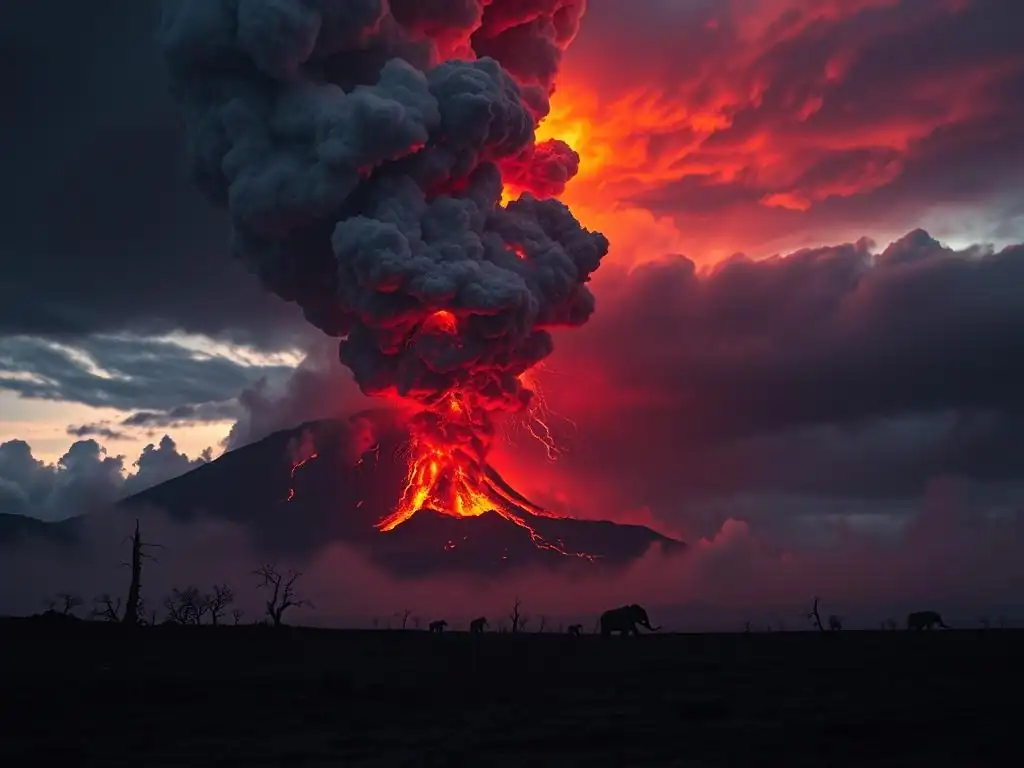
Prepare to journey back in time to an era when the Earth roared with untamed power. Here, we peel back the layers of geological history to uncover the secrets of volcanoes. This week, we're diving deep into the enigmatic world of unknown prehistoric volcanic eruptions. What colossal events reshaped our planet before recorded history? Join us as we explore the mysteries that still shroud these ancient cataclysms and discover what clues they hold about our planet's future. The past holds more explosive surprises than you can imagine...
- Unveiling the Mysteries of Unknown Prehistoric Volcanic Eruptions
-
Evidence of Past Volcanic Eruptions: A Glimpse into the Prehistoric World
- Geological Clues: Identifying Markers of Ancient Volcanic Activity
- Tephra Layers: Deciphering the Secrets of Volcanic Ash Deposits
- Analyzing Lava Flows: Understanding Prehistoric Eruption Styles
- The Columbia River Basalt Group: A Case Study in Prehistoric Volcanism
- The Siberian Traps: Another Case Study in Prehistoric Volcanism
-
Gaps in Our Knowledge: What We Still Don't Know About Prehistoric Volcanism
- The Incomplete Geological Record: Missing Pieces of the Puzzle
- Dating Challenges: Accurately Determining the Age of Ancient Eruptions
- Estimating Eruption Magnitude: Reconstructing the Power of Prehistoric Explosions
- Understanding Environmental Impacts: The Effects of Prehistoric Volcanic Activity on Past Ecosystems
- The Importance of Studying Unknown Prehistoric Volcanic Eruptions
-
Future Research Directions: Exploring the Frontiers of Prehistoric Volcanology
- Advanced Dating Techniques: Refining Our Understanding of Eruption Timelines
- Improved Modeling of Volcanic Processes: Simulating Prehistoric Eruptions
- Collaborative Research Efforts: Combining Expertise to Uncover New Discoveries
- Argon-Argon Geochronology: Applying ⁴⁰Ar/³⁹Ar Dating to Prehistoric Volcanic Deposits
- Conclusion: Embracing the Unknown in Prehistoric Volcanic Research
-
Frequently Asked Questions
- What are some of the biggest challenges in studying unknown prehistoric volcanic eruptions?
- How do scientists attempt to identify and understand unknown prehistoric volcanic eruptions despite the challenges?
- Why is it important to study unknown prehistoric volcanic eruptions, even if they happened long ago?
- Can the information gleaned from studying unknown prehistoric volcanic eruptions help us better protect communities living near active volcanoes today?
- What role does technology play in uncovering information about unknown prehistoric volcanic eruptions?
- Final Reflection: Echoes of Fire, Whispers of Time
- Unearth More Volcanic Mysteries!
Unveiling the Mysteries of Unknown Prehistoric Volcanic Eruptions
The Challenge of Studying Ancient Volcanic Events
Delving into the realm of prehistoric volcanic activity presents a unique set of challenges for volcanologists and geologists. Unlike historical eruptions, which are often documented through written records, eyewitness accounts, and modern monitoring technologies, prehistoric events leave behind a more enigmatic trail. The further back in time we venture, the more fragmented and obscured the geological record becomes. Erosion, tectonic activity, and subsequent geological processes can significantly alter or even erase the evidence of past volcanic eruptions. This scarcity of direct evidence necessitates relying on indirect clues and sophisticated analytical techniques to reconstruct these ancient events.
The sheer timescale involved in prehistory, spanning millions and even billions of years, also adds complexity. The Earth's geological landscape has undergone dramatic transformations over such vast periods. Continents have shifted, mountain ranges have risen and eroded, and the very composition of the Earth's crust has evolved. Distinguishing volcanic deposits from other geological formations, and accurately dating these ancient rocks, becomes increasingly difficult as we move deeper into prehistory. Therefore, unraveling the mysteries of unknown prehistoric volcanic eruptions requires a multidisciplinary approach, combining geological fieldwork, advanced laboratory analyses, and innovative modeling techniques.
Why Prehistoric Volcanic Activity Remains Largely Unknown
Despite significant advancements in geological sciences, a vast portion of prehistoric volcanic activity remains shrouded in mystery. This lack of comprehensive knowledge stems from several interconnected factors. Firstly, the geological record is inherently incomplete. Not all volcanic eruptions are preserved in the rock record. Many deposits have been eroded away over millennia, particularly those from smaller or less explosive eruptions, or those occurring in environments prone to rapid erosion. This selective preservation means that our understanding is often biased towards larger, more recent, and geographically accessible volcanic events.
Secondly, the techniques for studying prehistoric volcanism are constantly evolving and have limitations. Dating methods, such as radiometric dating, while powerful, have precision limits and are not always applicable to all volcanic rocks. Furthermore, reconstructing the magnitude and style of prehistoric eruptions from fragmented geological evidence is an inherently complex task.
Estimating the volume of erupted material, the height of eruption plumes, and the dispersal of volcanic ash relies on interpretations of often incomplete and altered deposits. Consequently, our knowledge of prehistoric volcanic activity is often characterized by significant uncertainties and gaps, highlighting the vastness of what remains unknown about Earth's volcanic past.
Evidence of Past Volcanic Eruptions: A Glimpse into the Prehistoric World
Geological Clues: Identifying Markers of Ancient Volcanic Activity
Geologists employ a range of geological clues to identify and study prehistoric volcanic activity. One of the primary indicators is the presence of volcanic rocks themselves. These rocks, such as basalt, andesite, and rhyolite, are formed from solidified magma and lava. Their mineral composition and texture can provide initial insights into the type of eruption and the magma source. The spatial distribution of volcanic rocks also offers crucial information. Volcanoes often occur in linear chains or clusters, reflecting underlying tectonic plate boundaries or hotspots. Identifying these volcanic provinces is a crucial first step in understanding regional prehistoric volcanism.
Beyond the volcanic rocks themselves, associated geological features provide further evidence. Calderas, large basin-shaped depressions formed after massive eruptions, are significant markers of past explosive events. Volcanic necks, solidified conduits through which magma ascended, stand as resistant remnants after surrounding volcanic cones have eroded away.
Dykes and sills, solidified magma intrusions within pre-existing rocks, reveal pathways of magma migration beneath the surface. Hydrothermal alteration zones, areas where hot volcanic fluids have chemically changed surrounding rocks, can also indicate past volcanic activity, even if the original volcanic edifice is no longer present. By carefully mapping and analyzing these geological clues, scientists can begin to piece together the history of prehistoric volcanism in a region.
Tephra Layers: Deciphering the Secrets of Volcanic Ash Deposits
Tephra layers, also known as volcanic ash deposits, are invaluable archives of prehistoric volcanic eruptions. Tephra consists of fragmented volcanic rock and glass shards ejected explosively into the atmosphere during eruptions. These particles can be transported vast distances by wind, settling to form distinct layers in sedimentary sequences. Each tephra layer represents a snapshot in time, recording a specific volcanic eruption event. The chemical composition of the glass shards within a tephra layer is like a fingerprint, allowing scientists to correlate tephra layers across wide geographical areas and link them to specific volcanic sources.
Analyzing tephra layers provides a wealth of information about prehistoric eruptions. The thickness and grain size distribution of a tephra layer can indicate the magnitude and explosivity of the eruption. The geographical extent of a tephra layer can reveal the dispersal patterns of volcanic ash and the prevailing wind conditions at the time of eruption.
Furthermore, by dating tephra layers using radiometric methods, geologists can establish precise chronologies of prehistoric volcanic activity. Tephra layers found in lake sediments, ice cores, and marine sediments provide particularly valuable records, allowing for the reconstruction of volcanic histories in diverse environments and the correlation of volcanic events with other environmental changes.
Analyzing Lava Flows: Understanding Prehistoric Eruption Styles
Lava flows, rivers of molten rock flowing across the Earth's surface, are another key source of information about prehistoric volcanic eruptions. The characteristics of lava flows, such as their composition, texture, thickness, and extent, provide insights into the style and intensity of past eruptions. Basaltic lava flows, typically less viscous, often spread over vast areas, forming extensive lava fields.
Andesitic and rhyolitic lava flows, being more viscous, tend to be thicker and shorter, often forming steep-sided lava domes or blocky flows. Analyzing the morphology of prehistoric lava flows helps volcanologists infer the viscosity of the erupted magma and the effusion rate.
The internal structures of lava flows also reveal information about their emplacement history. Columnar jointing, a pattern of polygonal fractures that form as lava cools and contracts, can indicate cooling rates and flow directions. Lava tubes, hollow channels formed within lava flows, are evidence of efficient lava transport over long distances. Pillow lavas, bulbous formations of lava that solidify underwater, are characteristic of submarine eruptions. By studying the physical properties and internal structures of prehistoric lava flows, scientists can reconstruct the dynamics of past effusive eruptions and gain a better understanding of the processes that shape volcanic landscapes.
The Columbia River Basalt Group: A Case Study in Prehistoric Volcanism
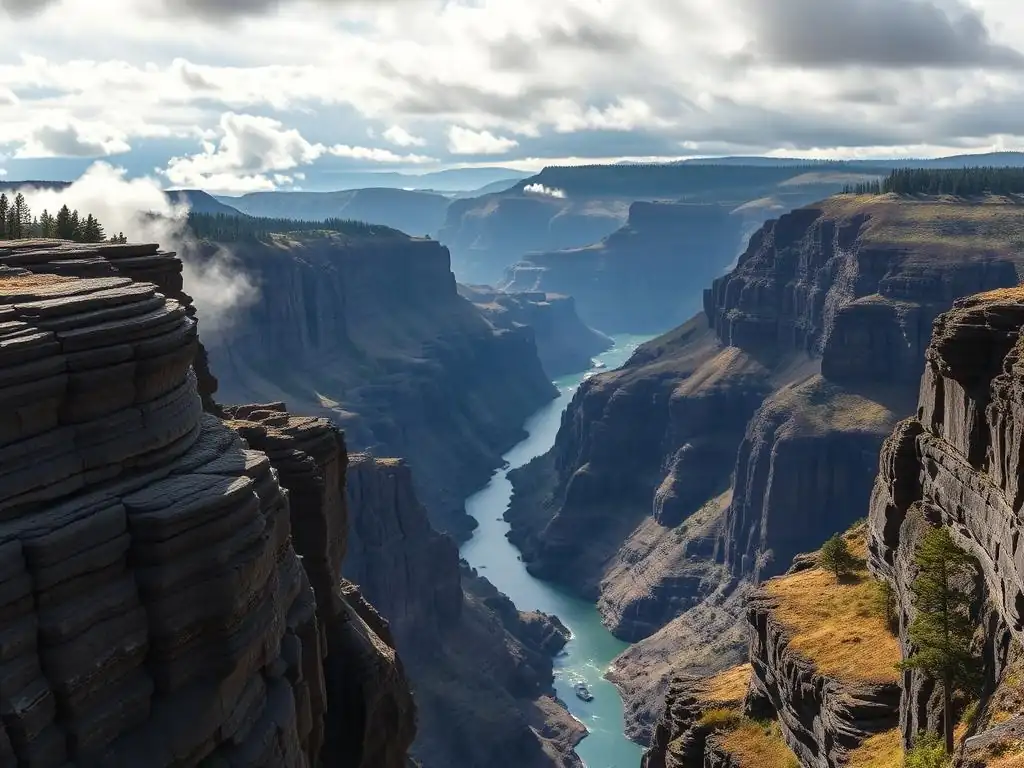
The Columbia River Basalt Group (CRBG) in the northwestern United States stands as a monumental example of prehistoric flood basalt volcanism. This massive volcanic province, formed approximately 17 to 6 million years ago during the Miocene epoch, covers an area of about 163,700 square kilometers (63,000 square miles) with an estimated volume of 174,300 cubic kilometers (41,800 cubic miles) of basalt.
The CRBG is not a single volcano but rather a series of fissure eruptions, where lava erupted from long cracks in the Earth's crust, rather than from central volcanic vents. These eruptions were incredibly voluminous and rapid, with individual lava flows extending for hundreds of kilometers.
The study of the CRBG has provided invaluable insights into the scale and impact of large igneous provinces. The sheer volume of basalt erupted suggests that the CRBG eruptions had significant environmental consequences, potentially influencing global climate and ecosystems. Scientists are still investigating the precise triggers for these massive eruptions and their relationship to mantle plumes and tectonic processes. The CRBG serves as a powerful reminder of the immense volcanic forces that have shaped the Earth's surface and the potential for similarly large-scale events in the future.
The Siberian Traps: Another Case Study in Prehistoric Volcanism
The Siberian Traps, located in Siberia, Russia, represent another colossal example of prehistoric flood basalt volcanism, even larger than the Columbia River Basalt Group. These traps formed around 252 million years ago, at the Permian-Triassic boundary, a period marked by Earth's most severe mass extinction event. The Siberian Traps cover an area of approximately 2 million square kilometers (770,000 square miles), with an estimated original volume that could have exceeded 4 million cubic kilometers (960,000 cubic miles). The eruptions were predominantly fissure-fed and occurred over a relatively short geological timescale, likely within a million years or less.
The Siberian Traps eruptions are widely implicated as a major driver of the Permian-Triassic extinction. The massive release of volcanic gases, including carbon dioxide and sulfur dioxide, into the atmosphere is believed to have triggered dramatic climate change, ocean acidification, and widespread environmental devastation. Studying the Siberian Traps provides crucial information about the link between large igneous provinces and mass extinctions. The scale of these prehistoric volcanic events underscores the profound impact that volcanism can have on global ecosystems and the long-term evolution of life on Earth.
Gaps in Our Knowledge: What We Still Don't Know About Prehistoric Volcanism
The Incomplete Geological Record: Missing Pieces of the Puzzle
One of the most significant limitations in understanding prehistoric volcanism is the incompleteness of the geological record. Geological processes are constantly at work, eroding and destroying rocks over time. Volcanic deposits are particularly vulnerable to erosion, especially those from smaller eruptions or those located in tectonically active or rapidly eroding regions. This means that a substantial portion of the volcanic history of our planet is simply lost to time, leaving us with an incomplete and biased view of past volcanic activity.
The preservation potential of volcanic rocks also varies depending on the environment in which they were deposited. Submarine volcanic deposits, for example, may be better preserved than subaerial deposits due to less exposure to weathering and erosion. However, accessing and studying submarine volcanic rocks can be more challenging.
Furthermore, certain types of volcanic eruptions, such as highly explosive Plinian eruptions that produce vast quantities of ash, may leave a more widespread and easily preserved record than smaller, effusive eruptions. This inherent bias in the geological record makes it difficult to obtain a complete and representative picture of prehistoric volcanic activity, particularly the frequency and distribution of smaller or less dramatic eruptions.
Dating Challenges: Accurately Determining the Age of Ancient Eruptions
Accurately dating prehistoric volcanic eruptions is crucial for establishing chronologies and understanding the temporal relationships between volcanic events and other geological and biological processes. However, dating ancient volcanic rocks presents significant challenges. Radiometric dating methods, such as potassium-argon (K-Ar) and argon-argon (⁴⁰Ar/³⁹Ar) dating, are the primary tools for determining the age of volcanic rocks. These methods rely on the radioactive decay of isotopes within certain minerals in volcanic rocks.
However, the accuracy and precision of radiometric dating are limited by several factors. The availability of suitable minerals for dating, the potential for alteration or contamination of the sample, and the inherent uncertainties in the decay rates of isotopes all contribute to dating challenges. For very old volcanic rocks, dating becomes even more difficult as the amount of radioactive parent isotopes decreases, making measurements less precise.
Furthermore, obtaining sufficient quantities of unaltered volcanic material for dating from deeply buried or highly weathered prehistoric deposits can be problematic. These dating challenges introduce uncertainties into our understanding of the timing of prehistoric volcanic eruptions, particularly for events that occurred millions or billions of years ago.
Estimating Eruption Magnitude: Reconstructing the Power of Prehistoric Explosions
Estimating the magnitude of prehistoric volcanic eruptions, particularly explosive eruptions, is a complex undertaking. Unlike historical eruptions where we have direct observations and instrumental measurements, for prehistoric events, we must rely on indirect evidence preserved in the geological record. The Volcanic Explosivity Index (VEI) is a logarithmic scale used to quantify the magnitude of explosive eruptions, based on factors such as eruption column height, volume of erupted tephra, and eruption duration. However, applying the VEI to prehistoric eruptions is challenging due to the incomplete nature of the geological record.
Estimating the volume of erupted tephra, a key parameter for VEI determination, is particularly difficult for prehistoric eruptions. Erosion, burial, and alteration can obscure or remove significant portions of tephra deposits. Furthermore, distinguishing tephra from different eruptions, especially in areas with multiple volcanic events, can be challenging. Reconstructing eruption column heights and dispersal patterns from fragmented tephra deposits also involves significant uncertainties. Therefore, estimates of prehistoric eruption magnitudes often rely on approximations and interpretations of incomplete data, leading to a range of possible VEI values and uncertainties in our understanding of the power of prehistoric explosions.
Understanding Environmental Impacts: The Effects of Prehistoric Volcanic Activity on Past Ecosystems
Understanding the environmental impacts of prehistoric volcanic activity is crucial for comprehending the role of volcanism in Earth's history and its influence on the evolution of life. Volcanic eruptions release vast quantities of gases, including greenhouse gases like carbon dioxide and sulfur dioxide, as well as aerosols and particulate matter, into the atmosphere. These emissions can have profound effects on climate, atmospheric chemistry, and ocean chemistry. Large volcanic eruptions, particularly flood basalt eruptions, are thought to have triggered significant climate changes, including global warming and cooling events, ocean acidification, and ozone depletion.
However, reconstructing the precise environmental impacts of prehistoric volcanic eruptions is challenging. The geological record of past environmental changes is often fragmented and complex, making it difficult to isolate the specific effects of volcanism from other environmental factors.
Furthermore, the response of past ecosystems to volcanic forcing is not always straightforward and can vary depending on the magnitude, duration, and location of the eruption, as well as the pre-existing environmental conditions and the resilience of ecosystems. Unraveling the complex interplay between prehistoric volcanism and environmental change requires integrated studies combining geological, geochemical, and paleontological evidence, along with sophisticated climate and ecosystem modeling.
The Importance of Studying Unknown Prehistoric Volcanic Eruptions
Predicting Future Volcanic Hazards: Learning from the Past
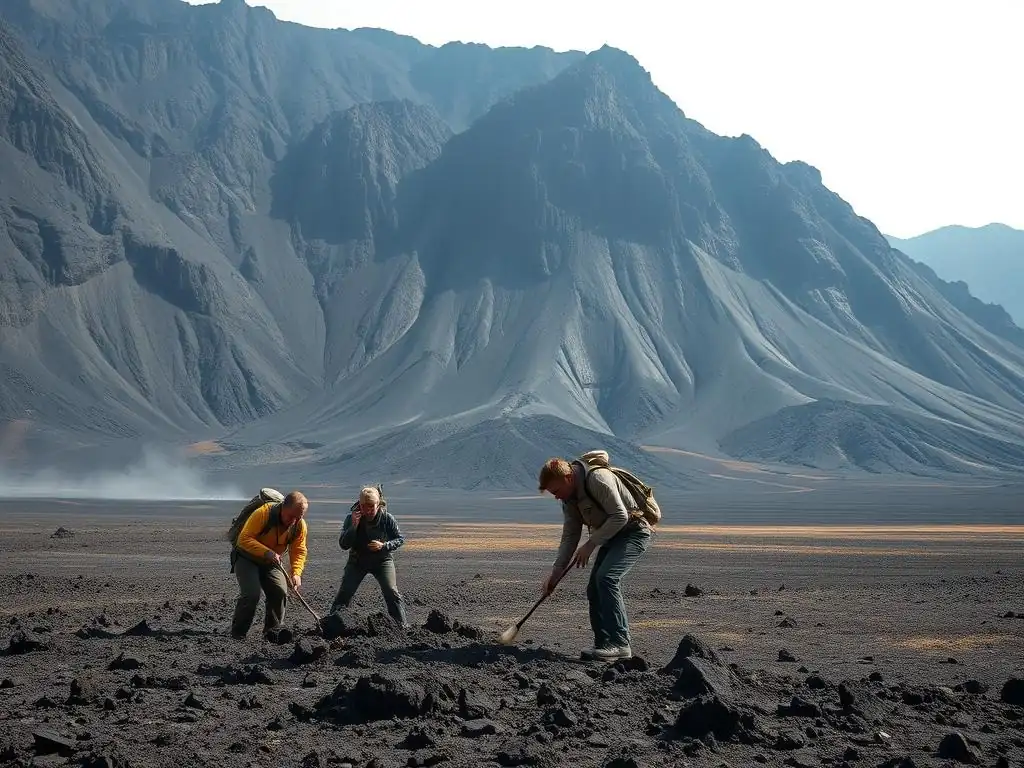
Studying unknown prehistoric volcanic eruptions is not merely an academic exercise; it has significant practical implications, particularly for predicting future volcanic hazards. By understanding the frequency, magnitude, and style of past eruptions in a given volcanic region, we can better assess the potential for future eruptions and their potential impacts on human populations and infrastructure. The geological record provides a long-term perspective on volcanic activity that is not available from historical records alone, which are often limited to a few centuries or millennia.
Analyzing prehistoric volcanic deposits can reveal patterns of volcanic activity, such as eruption cycles, preferred eruption locations, and characteristic eruption styles. This information can be used to develop probabilistic volcanic hazard assessments, which estimate the likelihood of eruptions of different magnitudes occurring in the future. For example, studying prehistoric tephra deposits can help delineate areas that are vulnerable to ashfall hazards, while analyzing prehistoric lava flows can identify potential pathways for future lava flows. Understanding the long-term volcanic history of a region is essential for effective volcanic hazard mitigation and risk management.
Understanding Long-Term Climate Impacts: The Role of Prehistoric Volcanism in Climate Change
Prehistoric volcanism has played a significant role in shaping Earth's climate over geological timescales. Large volcanic eruptions, particularly flood basalt eruptions and large explosive eruptions, can release vast quantities of greenhouse gases, such as carbon dioxide, into the atmosphere, leading to long-term warming trends. Conversely, volcanic eruptions can also release sulfur dioxide, which converts to sulfate aerosols in the stratosphere, reflecting sunlight back into space and causing short-term cooling. Understanding the long-term climate impacts of prehistoric volcanism is crucial for comprehending the natural variability of Earth's climate system and for contextualizing current anthropogenic climate change.
Studying the relationship between prehistoric volcanic eruptions and climate change can provide insights into the sensitivity of the climate system to volcanic forcing and the feedbacks that amplify or dampen volcanic climate signals. For example, the Siberian Traps eruptions, associated with a major warming event and mass extinction, highlight the potential for volcanism to drive abrupt and profound climate shifts. By investigating the paleoclimate record associated with prehistoric volcanic events, scientists can improve climate models and better predict the long-term consequences of both natural and human-induced climate forcing.
Insights into Earth's Evolution: How Volcanoes Shaped Our Planet
Volcanoes are fundamental geological processes that have played a critical role in shaping the Earth as we know it. Prehistoric volcanic activity has been instrumental in the formation of continents, the evolution of the atmosphere and oceans, and the development of habitable environments. The early Earth was characterized by intense volcanic activity, which contributed to the outgassing of water vapor and other volatile compounds that formed the early atmosphere and oceans. Volcanic eruptions continue to shape the Earth's surface, creating new landmasses, modifying landscapes, and influencing weathering and erosion patterns.
Studying prehistoric volcanism provides insights into the long-term evolution of the Earth's interior and the processes that drive plate tectonics and mantle convection. The composition of volcanic rocks reflects the composition of the Earth's mantle and the processes of magma generation and differentiation.
Large igneous provinces, such as the Siberian Traps and Columbia River Basalt Group, are thought to be linked to mantle plumes, upwellings of hot material from deep within the Earth. Understanding the origin and evolution of these plumes and their relationship to plate tectonics is crucial for comprehending the dynamic processes that have shaped our planet over billions of years.
Future Research Directions: Exploring the Frontiers of Prehistoric Volcanology
Advanced Dating Techniques: Refining Our Understanding of Eruption Timelines
Future research in prehistoric volcanology will undoubtedly benefit from advancements in dating techniques. Improving the precision and accuracy of radiometric dating methods is crucial for refining our understanding of eruption timelines, particularly for ancient volcanic events. Developments in laser ablation inductively coupled plasma mass spectrometry (LA-ICP-MS) and other high-resolution analytical techniques are enabling more precise and spatially resolved dating of volcanic minerals. Furthermore, exploring new dating methods, such as cosmogenic nuclide dating and uranium-lead (U-Pb) dating of volcanic rocks, can provide complementary age constraints and improve the reliability of volcanic chronologies.
Continued efforts to develop and apply these advanced dating techniques will help to resolve uncertainties in the timing of prehistoric eruptions and to establish more detailed and accurate volcanic histories for different regions. This improved temporal resolution is essential for correlating volcanic events with other geological and biological events, for understanding eruption frequencies and recurrence intervals, and for refining volcanic hazard assessments.
Improved Modeling of Volcanic Processes: Simulating Prehistoric Eruptions
Numerical modeling of volcanic processes is becoming increasingly sophisticated and plays a crucial role in understanding prehistoric eruptions. Computational models can simulate magma generation, ascent, and eruption, as well as the dispersal of volcanic ash and gases in the atmosphere and oceans. By incorporating geological and geophysical data from prehistoric volcanic deposits, these models can be used to reconstruct the dynamics of past eruptions and to test hypotheses about eruption triggers and controlling factors.
Future research will focus on developing more realistic and comprehensive volcanic models that incorporate a wider range of physical and chemical processes. This includes improving models of magma fragmentation, multiphase flow in volcanic conduits, and the interaction of volcanic plumes with the atmosphere and surrounding environment. By validating these models against geological observations from prehistoric eruptions, scientists can gain a deeper understanding of the complex processes that drive volcanic activity and improve our ability to forecast future eruptions.
Collaborative Research Efforts: Combining Expertise to Uncover New Discoveries
Unraveling the mysteries of prehistoric volcanism requires collaborative research efforts that bring together expertise from diverse fields. Volcanologists, geochemists, geochronologists, paleoclimatologists, and geophysicists need to work together to integrate different lines of evidence and to develop a holistic understanding of prehistoric volcanic activity. International collaborations are particularly valuable for studying large-scale volcanic provinces and for comparing volcanic histories across different regions of the globe.
Future research initiatives should foster interdisciplinary collaborations and data sharing to accelerate progress in prehistoric volcanology. This includes developing common databases of volcanic data, promoting standardized analytical protocols, and organizing international workshops and conferences to facilitate the exchange of ideas and research findings. By combining expertise and resources, the scientific community can make significant strides in uncovering new discoveries about Earth's volcanic past.
Argon-Argon Geochronology: Applying ⁴⁰Ar/³⁹Ar Dating to Prehistoric Volcanic Deposits
Argon-argon (⁴⁰Ar/³⁹Ar) geochronology is a powerful dating technique particularly well-suited for studying prehistoric volcanic deposits. This method is a refinement of potassium-argon (K-Ar) dating and offers several advantages, including improved precision, the ability to date smaller samples, and the potential to detect and correct for argon loss or alteration. ⁴⁰Ar/³⁹Ar dating has become a workhorse technique in volcanology and has been instrumental in establishing chronologies for numerous volcanic regions and events.
Future research will continue to rely heavily on ⁴⁰Ar/³⁹Ar dating to refine eruption timelines and to investigate the temporal relationships between prehistoric volcanic eruptions and other geological and environmental changes. Advancements in laser ablation ⁴⁰Ar/³⁹Ar dating are enabling in situ dating of individual mineral grains within volcanic rocks, providing even higher spatial resolution and the potential to date complex volcanic textures and alteration features. Applying these advanced ⁴⁰Ar/³⁹Ar techniques to prehistoric volcanic deposits will undoubtedly lead to new insights into the timing and duration of volcanic activity and its role in Earth's history.
Conclusion: Embracing the Unknown in Prehistoric Volcanic Research
Continuing the Quest to Understand Earth's Volcanic Past
The study of prehistoric volcanic activity is an ongoing quest to understand Earth's dynamic past. Despite significant progress, vast unknowns remain about the frequency, magnitude, and environmental impacts of prehistoric volcanic eruptions. The incompleteness of the geological record, dating challenges, and the complexity of volcanic processes all contribute to the mysteries that still surround Earth's volcanic past. However, these very unknowns fuel the drive for continued research and exploration.
By embracing the unknown and pursuing innovative research directions, scientists are continually pushing the frontiers of prehistoric volcanology. Advanced dating techniques, improved modeling capabilities, and collaborative research efforts are paving the way for new discoveries and a deeper understanding of Earth's volcanic history. As we continue to explore the geological record and refine our analytical tools, we can expect to uncover more of the secrets of prehistoric volcanic eruptions and their profound influence on our planet.
The Ongoing Importance of Volcanic Exploration
Volcanic exploration, both in the field and in the laboratory, remains of paramount importance for advancing our knowledge of prehistoric volcanism. Geological fieldwork is essential for discovering and characterizing prehistoric volcanic deposits, collecting samples for analysis, and mapping volcanic provinces. Laboratory analyses, including geochronology, geochemistry, and petrology, provide crucial data for dating eruptions, determining magma compositions, and reconstructing volcanic processes.
Continued investment in volcanic exploration and research infrastructure is vital for sustaining progress in prehistoric volcanology. This includes supporting geological surveys, funding research grants, and maintaining state-of-the-art analytical facilities. By prioritizing volcanic exploration, we can ensure that future generations of scientists have the resources and opportunities to continue the quest to understand Earth's volcanic past and to unlock the secrets of unknown prehistoric volcanic eruptions.
Frequently Asked Questions
What are some of the biggest challenges in studying unknown prehistoric volcanic eruptions?
The main challenges include the lack of direct observation, the erosion of geological evidence over vast time scales, and the difficulty in accurately dating ancient volcanic deposits.
How do scientists attempt to identify and understand unknown prehistoric volcanic eruptions despite the challenges?
Scientists use various techniques, including analyzing volcanic rock layers, searching for tephra deposits (volcanic ash), and employing advanced dating methods like radiometric dating to estimate eruption ages.
Why is it important to study unknown prehistoric volcanic eruptions, even if they happened long ago?
Understanding past eruptions helps us assess future volcanic hazards, improve volcanic eruption forecasting, and understand the long-term impact of volcanic activity on climate and the environment.
Can the information gleaned from studying unknown prehistoric volcanic eruptions help us better protect communities living near active volcanoes today?
Yes, by studying past eruption patterns and magnitudes, we can develop more effective evacuation plans, improve hazard assessments, and better prepare communities for potential future eruptions.
What role does technology play in uncovering information about unknown prehistoric volcanic eruptions?
Advanced technologies like remote sensing, geochemical analysis, and computer modeling are crucial for identifying and characterizing prehistoric volcanic events, providing insights that were previously inaccessible.
Final Reflection: Echoes of Fire, Whispers of Time
The exploration of unknown prehistoric volcanic eruptions reveals not just a glimpse into Earth's violent past, but also a stark reminder of the powerful forces that continue to shape our planet today. Understanding the gaps in our knowledge about these ancient events is crucial, not merely for academic curiosity, but for informing our preparedness for future volcanic hazards and mitigating their potential impact on human civilization.
The sheer scale of prehistoric volcanic activity, often shrouded in the mists of time, underscores the fragility of our existence and the constant interplay between creation and destruction. This ongoing dance between geological forces and life itself is a humbling reminder of our place within the grand narrative of Earth's history. The past is never dead. It's not even past.
- William Faulkner. This quote resonates deeply when considering the long-term effects of volcanic eruptions, whose echoes continue to shape landscapes and influence climate patterns millennia later.
As we stand on the shoulders of geological giants, let us not forget the lessons etched in the volcanic rock. Consider the implications of these unknown prehistoric volcanic eruptions for our understanding of climate change, resource management, and disaster preparedness. What can we learn from the Earth's fiery past to better safeguard our future? The answers lie not just in scientific data, but in a profound respect for the power and unpredictability of our planet.
Okay, I understand. Here's a Call to Action (CTA) tailored for the end of the article "Prehistoric Volcanic Activity: What We Still Don't Know," hosted on volcanoexplorers.org:
Unearth More Volcanic Mysteries!
Thank you for delving into the fascinating, yet often perplexing, world of prehistoric volcanic activity. We hope you've gained a deeper appreciation for the forces that shaped our planet and the many questions that still remain unanswered. Now, it's time to take your exploration further!
Here are a few ways you can continue your journey:
- Become a citizen scientist: Report any unusual geological formations or suspected volcanic remnants you encounter in your local area to your regional geological survey. You might just contribute to groundbreaking discoveries!
- Dive deeper into the digital archives. Explore our interactive map of known prehistoric volcanic sites and leave your own theories or questions on each location's page. Spark a discussion!
- Share this article with fellow earth enthusiasts and challenge them to uncover a local legend related to volcanic activity. Let's see what hidden stories we can find together!
What overlooked clues might hold the key to unlocking the secrets of ancient volcanoes? Share your thoughts in the comments below!