
Early Warning Systems of the Past: Did Ancient Civilizations Possess Volcanic Foresight?

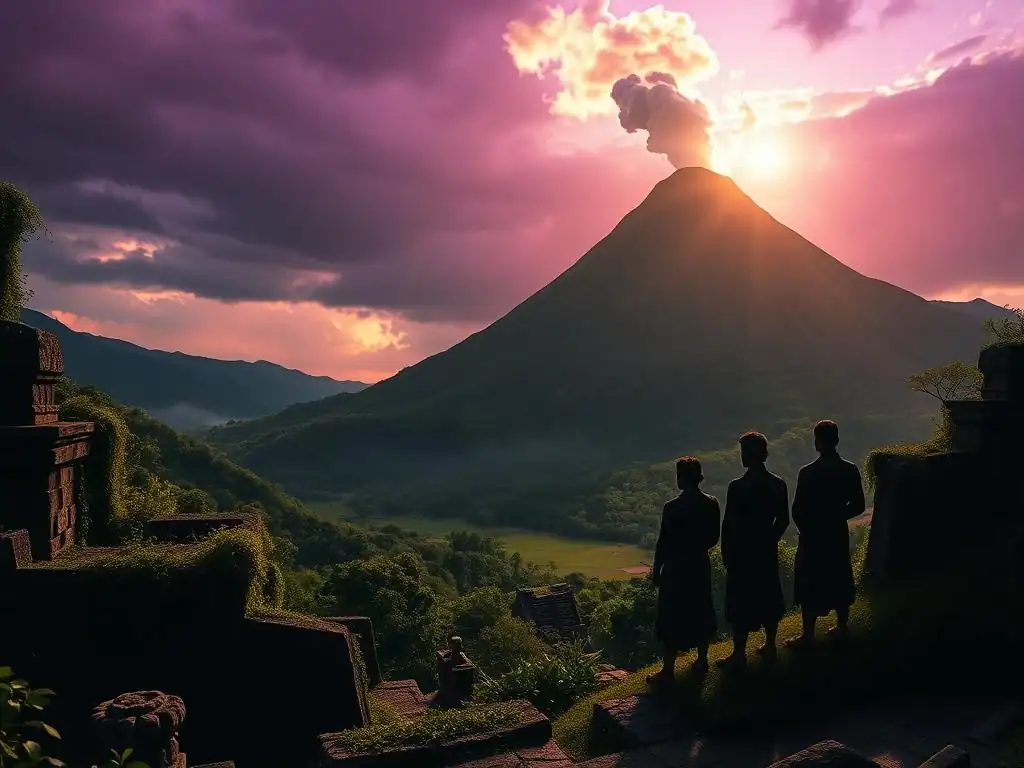
Welcome to Volcano Explorers, where the Earth's fiery heart beats for all to see! Ever wondered if our ancestors possessed a secret understanding of volcanic fury? Prepare to be amazed as we unearth the fascinating truth behind ancient volcanic warning systems. Could they have predicted eruptions before modern science? The answers might just be written in the lava-scarred landscapes of the past. Let's explore!
- Historical Eruptions and the Development of Disaster Response
-
Frequently Asked Questions
- Did ancient civilizations possess any form of volcanic warning systems?
- What types of observations did ancient people use to predict volcanic eruptions?
- How reliable were these early warning systems compared to modern technology?
- What role did oral traditions play in ancient volcanic warning systems?
- Can we learn anything from these ancient volcanic warning systems today?
- Final Reflection: Echoes of Ancient Foresight
- Unearth Your Inner Volcanologist!
Historical Eruptions and the Development of Disaster Response
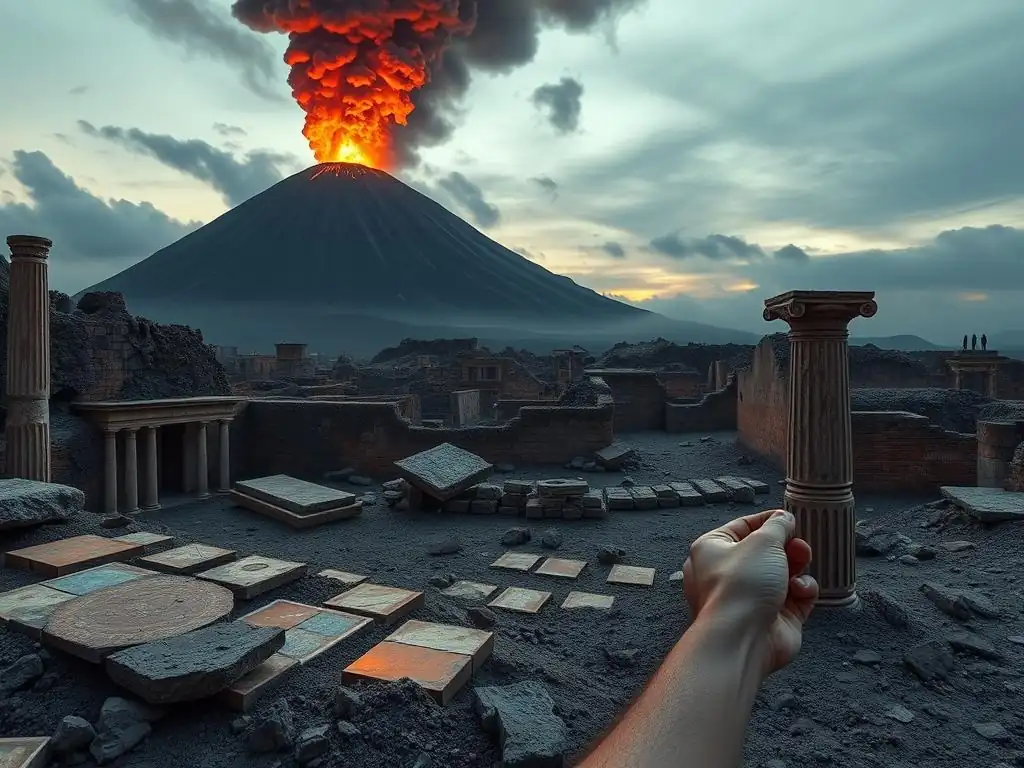
Understanding the Historical Context of Volcanic Disasters
Volcanic eruptions have profoundly shaped human history, acting as both destructive forces and agents of environmental change. Throughout millennia, communities living near volcanoes have faced the constant threat of sudden and devastating eruptions. Understanding how past societies perceived, reacted to, and attempted to mitigate volcanic hazards provides crucial context for modern disaster response strategies.
Examining historical eruptions allows us to appreciate the long-standing relationship between humans and volcanoes, revealing how different cultures developed unique approaches to coexisting with these powerful natural phenomena. From the fertile volcanic soils that attracted early agricultural settlements to the catastrophic events that reshaped entire civilizations, the historical record is replete with examples of the complex interplay between volcanic activity and human societies.
The study of historical volcanic disasters extends beyond simply cataloging eruptions and their immediate impacts. It involves delving into the social, economic, and cultural consequences of these events, exploring how societies adapted – or failed to adapt – to recurring volcanic threats. By analyzing archaeological records, historical texts, and geological evidence, we can gain insights into the vulnerability of past populations, the resilience of their communities, and the evolution of disaster response mechanisms over time.
This historical perspective is invaluable for contemporary volcanology and disaster risk reduction, offering lessons from past successes and failures that can inform more effective strategies for mitigating the impacts of future volcanic eruptions. Understanding the long history of human interaction with volcanoes underscores the enduring need for robust early warning systems and community preparedness in volcanically active regions worldwide.
Frequently Asked Questions
Did ancient civilizations possess any form of volcanic warning systems?
Yes, evidence suggests some ancient cultures possessed rudimentary, yet effective, volcanic warning systems. These often relied on observational skills and accumulated knowledge passed down through generations.
What types of observations did ancient people use to predict volcanic eruptions?
Ancient peoples keenly observed changes in their environment, such as animal behavior, ground deformation, and changes in water sources like springs or rivers. These observations offered clues about potential volcanic activity.
How reliable were these early warning systems compared to modern technology?
Compared to modern technology, ancient warning systems were significantly less precise and reliable. They relied on empirical observations and lacked the sophisticated instrumentation used today for real-time monitoring.
What role did oral traditions play in ancient volcanic warning systems?
Oral traditions were crucial, as they preserved knowledge of past eruptions and their associated signs. These stories served as a cultural memory bank, warning future generations of potential dangers and appropriate actions.
Can we learn anything from these ancient volcanic warning systems today?
Absolutely! Studying ancient methods can provide valuable insights into volcano behavior and the importance of community preparedness. Understanding how people adapted to volcanic threats in the past can inform modern risk management strategies.
Final Reflection: Echoes of Ancient Foresight
The exploration of ancient civilizations' potential volcanic warning systems reveals more than just historical curiosity; it underscores the timeless human imperative to understand and mitigate natural disasters. The ingenuity and resourcefulness displayed by past societies, even without modern technology, offer valuable lessons for our own preparedness strategies in the face of increasing environmental challenges.
The enduring relevance of this topic lies in its ability to connect us to our ancestors and remind us of the shared human experience of living under the shadow of powerful natural forces. The realization that ancient communities developed sophisticated methods to anticipate volcanic eruptions deepens our appreciation for their resilience and wisdom. Those who cannot remember the past are condemned to repeat it.
- George Santayana. This quote resonates profoundly when considering the potential loss of knowledge and the importance of learning from the successes and failures of those who came before us.
As we reflect on the ingenuity of ancient volcanic warning systems, let us consider how we can apply these lessons to our modern world. Let us strive to emulate their proactive approach, fostering a culture of preparedness and resilience in the face of natural disasters. The echoes of ancient foresight can guide us towards a safer and more sustainable future for all.
Unearth Your Inner Volcanologist!
Thanks for joining us on this journey through the volcanic wisdom of ancient civilizations. We hope you've gained a new appreciation for their ingenuity and resourcefulness in navigating the volatile world around them. Now, it's time to put that knowledge into action and contribute to our understanding of volcanic activity, past and present!
Here are a few ways you can keep the exploration alive:
- Dive Deeper: Research a specific ancient civilization's strategies for dealing with volcanic eruptions and share your findings in our community forum. Let's learn from each other!
- Explore: Read and review similar historical accounts of volcanic activity around the world.
- Engage: Follow us on social media to stay updated on the latest volcanic news and discoveries from around the world.
Ready to start digging into the historical record and uncovering more volcanic secrets?