
Volcanoes and Climate Change: Intertwined Fates in the Marine Realm?

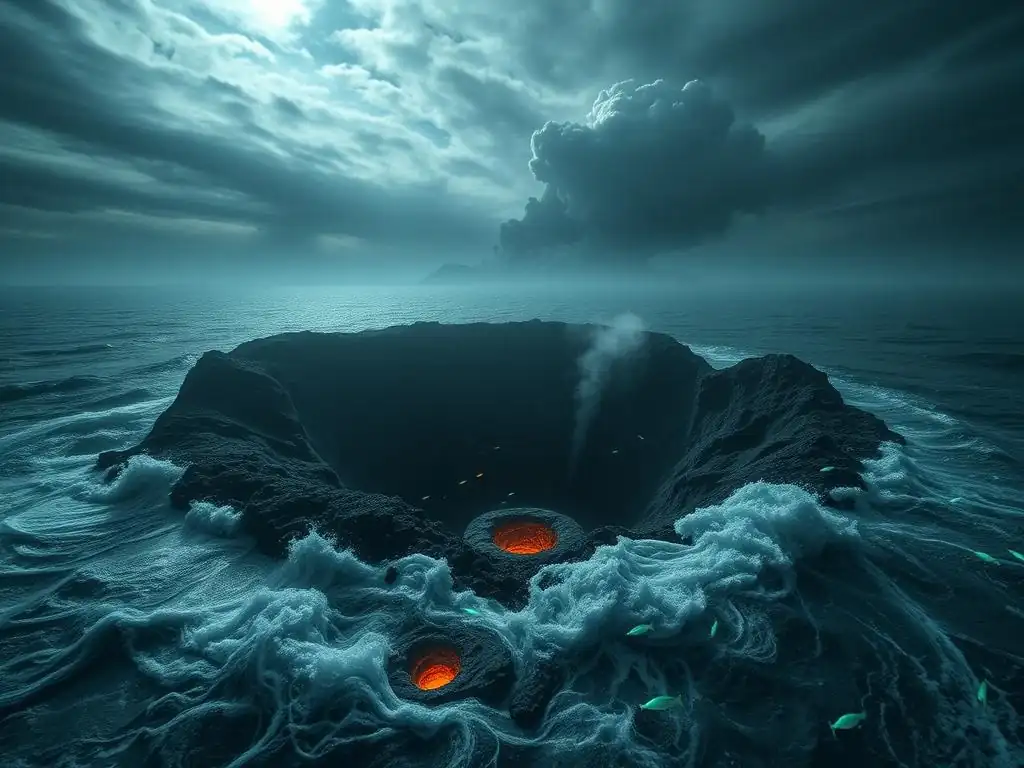
Welcome to Volcano Explorers, where the Earth's fiery heart meets cutting-edge science! Ever wondered how volcanoes, those majestic mountains of fire, are deeply intertwined with the very climate that sustains us? Prepare to journey into the fascinating intersection of volcanoes climate change impact, specifically its surprising influence on the marine realm. Uncover the secrets that lie beneath the surface and discover how these forces shape our planet's future. Dive in, and let the exploration begin!
How Volcanoes Affect Ocean Chemistry: A Primer
Volcanic eruptions, both on land and underwater, significantly alter ocean chemistry through various pathways. One of the most immediate impacts comes from the direct input of volcanic gases. These gases, primarily sulfur dioxide (SO2), hydrogen sulfide (H2S), and carbon dioxide (CO2), react with seawater.
Sulfur dioxide, for instance, when dissolved in water, forms sulfuric acid, contributing to ocean acidification in localized areas. Hydrogen sulfide, while less abundant in major eruptions, is particularly significant around submarine hydrothermal vents, creating unique chemical environments that support chemosynthetic life. Furthermore, while volcanic CO2 emissions are often dwarfed by anthropogenic sources on a long-term scale, large eruptions can release substantial amounts of CO2 in short bursts, potentially influencing the global carbon cycle and ocean pH levels, although the ocean's buffering capacity often mitigates these rapid changes.
Beyond gases, volcanic eruptions also release a cocktail of dissolved and particulate materials into the ocean. Volcanic ash, composed of fine rock and glass fragments, carries a variety of elements. When ash settles in the ocean, it can release trace metals like iron, aluminum, and manganese.
Iron, in particular, is a crucial micronutrient in many marine ecosystems, often limiting phytoplankton growth in certain ocean regions. Thus, volcanic ash deposition can sometimes act as a fertilization event, stimulating primary productivity, although the overall impact is complex and depends on the quantity and composition of the ash, as well as the pre-existing conditions of the marine environment. Additionally, underwater volcanic eruptions directly release dissolved minerals and hydrothermal fluids, dramatically changing the local chemical composition of the seawater surrounding vent systems and volcanic islands.
Volcanic Ash and Its Impact on Marine Life
Volcanic ash, the fine particulate matter ejected during explosive eruptions, poses a multifaceted threat to marine life. The immediate aftermath of ashfall can lead to physical abrasion and irritation of delicate marine organisms, particularly filter feeders like corals and shellfish, and the respiratory systems of fish and marine mammals. Heavy ashfall can also reduce light penetration into the water column, inhibiting photosynthesis by phytoplankton and marine algae, the base of the marine food web. This reduction in primary productivity can have cascading effects throughout the ecosystem, impacting zooplankton, fish populations, and ultimately, larger marine predators.
Furthermore, the chemical components of volcanic ash can have toxic effects on marine organisms. Ash often contains leachable metals, fluorides, and other potentially harmful substances. Studies following eruptions have shown increased concentrations of trace metals in seawater and marine organisms in ash-affected areas.
For instance, the eruption of Mount Pinatubo in 1991 resulted in a significant deposition of ash across the western Pacific Ocean, leading to observable, though temporary, increases in iron and other trace metals in surface waters. While in some nutrient-limited regions, this iron input can be beneficial, high concentrations of other elements or prolonged exposure to ash can be detrimental, causing physiological stress, reduced growth rates, and even mortality in various marine species, especially in sensitive early life stages like larvae and eggs. The long-term consequences depend on the scale of the eruption, the composition of the ash, and the resilience of the affected marine ecosystems.
- How do volcanoes affect ocean acidity?
- What is the "volcanic winter" effect and how does it relate to climate?
- Can volcanic eruptions cause long-term warming?
- How do submarine volcanoes influence the ocean's chemical composition?
- Do scientists monitor volcanoes to better understand their impact on climate change?
Frequently Asked Questions
How do volcanoes affect ocean acidity?
Volcanoes release carbon dioxide (CO2), a greenhouse gas. Increased atmospheric CO2 leads to greater absorption by the ocean, resulting in ocean acidification, which harms marine life.
What is the "volcanic winter" effect and how does it relate to climate?
A "volcanic winter" occurs when sulfate aerosols from large volcanic eruptions reflect sunlight back into space. This causes a temporary cooling of the Earth's climate.
Can volcanic eruptions cause long-term warming?
Yes, while the immediate effect is often cooling, long-term warming can occur if massive volcanic eruptions release significant amounts of CO2 over extended periods, overwhelming natural carbon sinks.
How do submarine volcanoes influence the ocean's chemical composition?
Submarine volcanoes release various chemicals and minerals into the ocean. This can alter the ocean's chemical composition, affecting marine ecosystems and potentially influencing the global carbon cycle.
Do scientists monitor volcanoes to better understand their impact on climate change?
Yes, monitoring volcanic activity helps scientists quantify the release of gases like CO2 and sulfur dioxide. This data is crucial for modeling climate change scenarios and understanding the overall impact of volcanoes.
Final Reflection: The Earth's Fiery Breath and Our Oceanic Future
The intricate dance between volcanic activity and climate change, as explored in this article, highlights a crucial and often overlooked aspect of our planet's delicate balance. Understanding the profound impact of volcanoes on marine ecosystems is no longer a scientific curiosity, but a pressing necessity for informed climate action. The data presented underscores the urgency with which we must consider these natural forces when modeling future climate scenarios and mitigating the effects of global warming.
The interplay between volcanic eruptions and ocean chemistry profoundly shapes the marine environment, influencing everything from phytoplankton blooms to the very acidity of our seas. This realization underscores the interconnectedness of Earth's systems and compels us to adopt a more holistic approach to environmental stewardship. The Earth is what we all have in common.
- Wendell Berry. This quote reminds us that the fate of our oceans, influenced by both human activity and natural phenomena like volcanic eruptions, is inextricably linked to our own well-being.
As we conclude this exploration of volcanoes and climate change's impact on the marine realm, let us not simply absorb the information presented, but actively consider its implications. What steps can we take, individually and collectively, to better understand and mitigate the risks posed by these intertwined forces? Let us embrace a future where scientific knowledge informs responsible action, safeguarding our oceans and ensuring a sustainable future for generations to come.
Unearth Your Role in Understanding Volcanic Climate Impact!
Thank you for exploring the fascinating connection between volcanoes and climate change in our oceans! We hope you gained valuable insights into this complex relationship and its implications for our planet. Now, let's turn that knowledge into action.
Here are a few ways you can contribute to understanding and mitigating the impact of volcanic activity on marine ecosystems:
- Support Research: Consider donating to organizations dedicated to studying volcanic activity and its effects on marine environments. Your contribution, no matter the size, helps fund crucial research and monitoring efforts. This is a vital way to make a difference.
- Share Your Knowledge: Start a conversation with friends, family, or colleagues about the connection between volcanoes and climate change. Use social media to spread awareness and encourage others to learn more. Every share helps!
- Become a Citizen Scientist: Explore opportunities to participate in citizen science projects focused on ocean monitoring or volcanic activity observation. You can contribute valuable data through your own observations.
What action will you take today to become more involved in understanding the powerful link between volcanoes and our climate? Share your thoughts in the comments below!