
The Ancestral Alarm: How Indigenous Knowledge Saved Lives from Volcanoes

Welcome to Volcano Explorers!
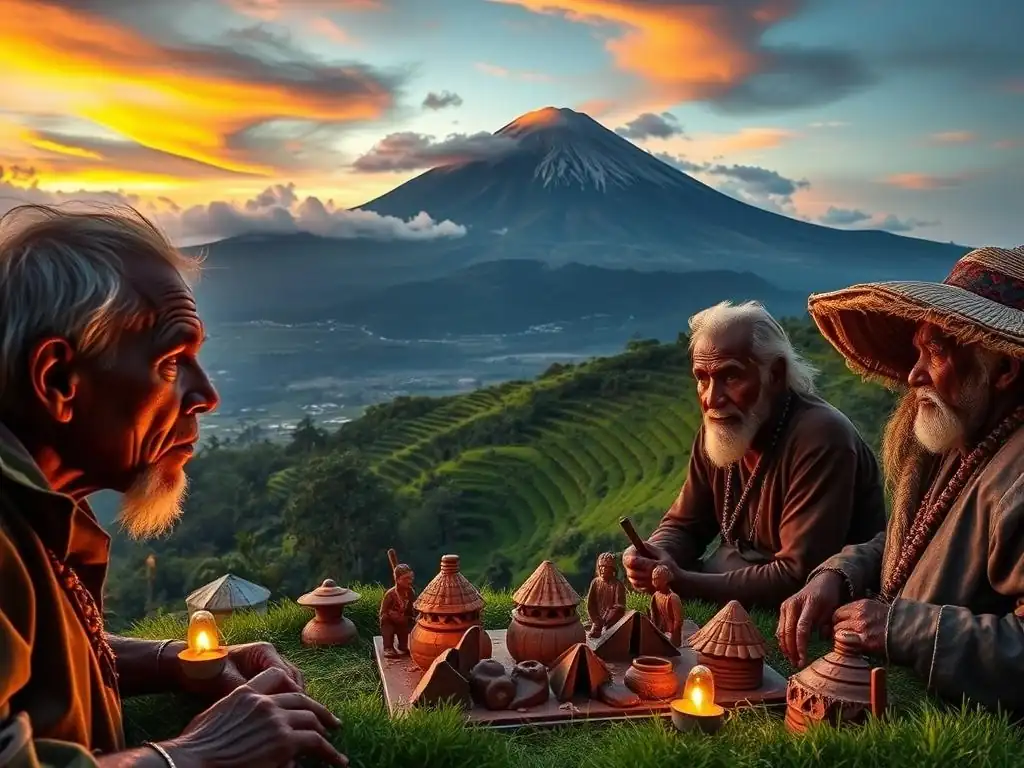
Prepare to journey into the heart of Earth's fiery giants. Ever wondered how ancient cultures survived—and even thrived—near active volcanoes? Our featured article, " The Ancestral Alarm: How Indigenous Knowledge Saved Lives from Volcanoes," unveils the secrets passed down through generations, proving that wisdom can be as powerful as any eruption. Uncover the indigenous knowledge that transformed fear into resilience and discover how these lessons can enhance volcano safety today. Dive in and let the earth speak!
- Introduction: Volcanoes, Indigenous Peoples, and the Power of Traditional Knowledge
- Understanding Volcano Hazards: A Clash of Perspectives
- Case Studies: Indigenous Knowledge in Action During Volcanic Eruptions
- Indigenous Knowledge Systems: Key Elements for Volcano Safety
- Integrating Indigenous Knowledge and Western Science: A Path Towards Enhanced Volcano Safety
- The Future of Volcano Safety: Honoring the Ancestral Alarm
-
Frequently Asked Questions
- How did indigenous knowledge contribute to volcano safety?
- What specific observations did indigenous communities use to predict volcanic activity?
- How does indigenous knowledge compare to modern volcanology in terms of volcano safety?
- What are some examples of indigenous practices that helped communities survive volcanic eruptions?
- How can we integrate indigenous knowledge into modern volcano safety strategies?
- Final Reflection: Echoes of Wisdom, Guardians of the Future
- Unearth the Wisdom of the Volcano & Protect Our Future!
Introduction: Volcanoes, Indigenous Peoples, and the Power of Traditional Knowledge
Volcanoes, majestic yet menacing, have shaped landscapes and human history for millennia. For indigenous communities residing in their shadows, volcanoes are not merely geological formations but integral parts of their world, deeply interwoven with their culture, spirituality, and survival.
Over generations, these communities have cultivated a profound understanding of volcanic behavior, developing sophisticated systems of knowledge passed down through oral traditions and practical experience. This ancestral wisdom, often overlooked in favor of modern scientific approaches, holds invaluable insights into volcano safety and disaster preparedness, offering a complementary perspective that can significantly enhance our ability to live safely alongside these powerful forces of nature.
Smithsonian Institution: Recognizing the Value of Indigenous Wisdom in Volcano Safety
Leading scientific institutions are increasingly acknowledging the critical role of indigenous knowledge in various fields, including disaster risk reduction. The Smithsonian Institution, for example, recognizes the profound value of traditional ecological knowledge (TEK), which encompasses indigenous understandings of the environment, including natural hazards like volcanic eruptions. In their Arctic Studies Center, the Smithsonian has documented and promoted the use of indigenous observations of changing ice conditions and animal behavior to understand climate change impacts.
This recognition extends to broader disaster preparedness, with the Smithsonian emphasizing the need to integrate TEK with scientific data for more effective and culturally sensitive disaster risk reduction strategies. They highlight that indigenous communities often possess a detailed, long-term perspective on environmental changes and natural hazards that can complement and enrich scientific understanding, leading to more robust and locally relevant safety measures.
The Enduring Connection: Indigenous Communities Living in Volcanic Regions
For countless generations, indigenous communities have thrived in the fertile lands surrounding volcanoes. This enduring connection is not just geographical; it's deeply cultural and spiritual. Volcanoes are often central to their cosmologies, mythologies, and rituals, viewed as sacred entities that demand respect and understanding.
Living in close proximity to active volcanoes has necessitated the development of keen observational skills and intricate knowledge systems for anticipating and responding to eruptions. This intimate relationship with the volcanic landscape has resulted in a rich repository of knowledge about precursory signs of eruptions, safe zones, traditional evacuation routes, and sustainable living practices in volcanic environments. This accumulated wisdom, born from lived experience and passed down through generations, represents a valuable, yet often untapped, resource for enhancing volcano safety on a global scale.
Understanding Volcano Hazards: A Clash of Perspectives
Western Volcanology vs. Indigenous Understanding of Volcanic Activity
Western volcanology, rooted in scientific methodology, relies heavily on instrument-based monitoring – seismographs, gas sensors, and satellite imagery – to detect and analyze volcanic activity. This approach provides quantitative data and models to understand the physical processes within volcanoes. In contrast, indigenous understanding of volcanic activity is grounded in centuries of direct observation of natural phenomena.
This knowledge is qualitative, focusing on subtle changes in the environment that may precede eruptions – alterations in animal behavior, shifts in plant life cycles, unusual weather patterns, and changes in water sources. While Western science seeks to predict eruptions with precise probabilities and timelines, indigenous knowledge often focuses on recognizing patterns and understanding the volcano's "mood," providing early warnings and informing adaptive responses based on a deep, holistic understanding of the natural world.
Limitations of Scientific Monitoring: The Gaps Indigenous Knowledge Fills
Despite significant advancements, scientific monitoring of volcanoes is not without limitations. Instrumental networks can be expensive to install and maintain, particularly in remote volcanic regions. Furthermore, scientific data often relies on relatively short-term observation periods, perhaps a few decades, which may not capture the full spectrum of a volcano's eruptive history, which can span millennia.
Indigenous knowledge, on the other hand, offers a long-term perspective, drawing on generations of accumulated observations and oral histories that can extend back centuries. This historical context is crucial for understanding a volcano's past behavior and anticipating future patterns, filling in the gaps left by shorter scientific datasets. Moreover, indigenous communities are often the first to notice subtle changes in the environment that may be precursory to eruptions, changes that may be missed by remote monitoring systems, providing crucial early warnings that can save lives.
Case Studies: Indigenous Knowledge in Action During Volcanic Eruptions
Case Study 1: Aeta People and the Mount Pinatubo Eruption – Predictive Insights and Survival Strategies
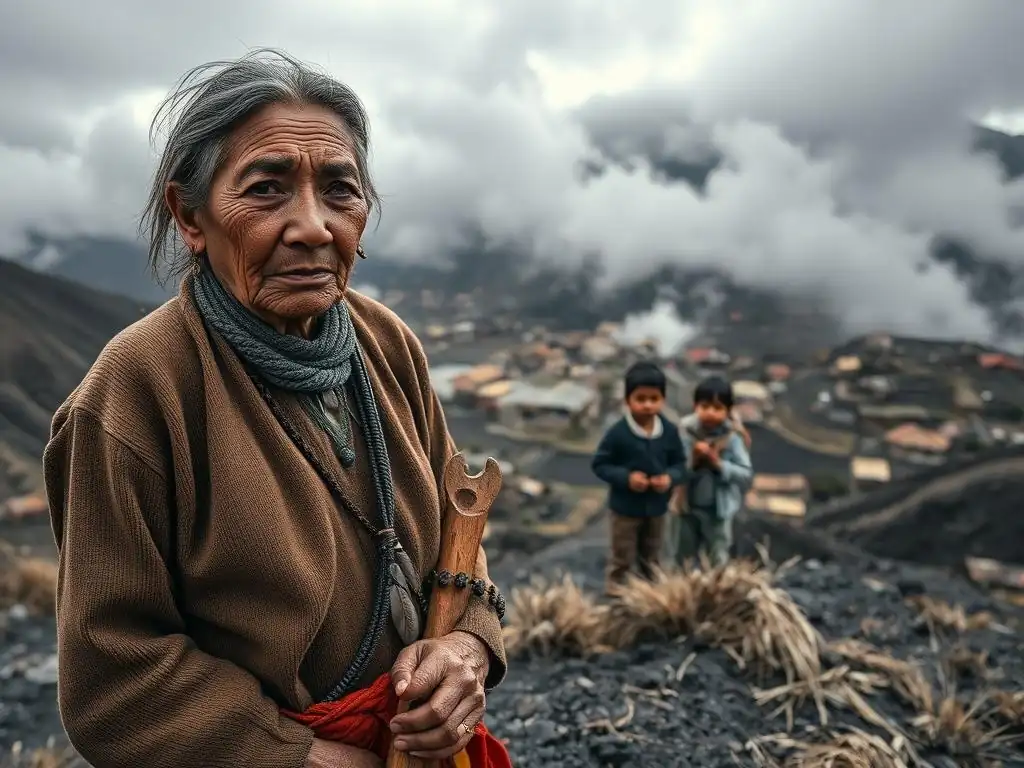
The 1991 eruption of Mount Pinatubo in the Philippines was one of the largest volcanic eruptions of the 20th century. While scientists successfully predicted the eruption, the indigenous Aeta people, who lived on the volcano's slopes, had already recognized the signs of impending danger long before modern instruments detected significant changes.
Their deep understanding of the volcano and its surrounding ecosystem, honed over centuries, allowed them to interpret subtle environmental cues that indicated an imminent eruption. This case study highlights the remarkable predictive capabilities embedded within indigenous knowledge systems and their vital role in ensuring community safety during volcanic crises.
Interpreting Natural Signs: Animal Behavior, Plant Life, and Weather Patterns as Early Warning Signals
The Aeta people possess a rich understanding of the natural world, meticulously observing animal behavior, plant life, and weather patterns as indicators of environmental changes, including volcanic unrest. Prior to the Mount Pinatubo eruption, the Aeta noticed unusual behavior in forest animals, such as birds and monkeys migrating away from the mountain slopes. They also observed changes in the vegetation, including the drying up of certain plant species and unusual flowering patterns.
Furthermore, they paid close attention to changes in wind patterns and cloud formations around the volcano, interpreting specific atmospheric phenomena as harbingers of volcanic activity. This holistic approach to environmental monitoring, based on generations of observation and ecological knowledge, provided them with early warning signals that complemented and, in some aspects, preceded scientific alerts.
Traditional Evacuation Routes and Shelters: Lessons in Preparedness
Beyond predicting the eruption, the Aeta people's traditional knowledge also played a crucial role in their survival during and after the Mount Pinatubo eruption. They possessed intricate knowledge of traditional evacuation routes, pathways through the dense volcanic terrain that were safe from lahars (volcanic mudflows) and pyroclastic flows. These routes, often passed down through oral tradition and practical experience, were not always obvious to outsiders unfamiliar with the landscape.
Furthermore, the Aeta knew of natural shelters and locations that offered protection from volcanic hazards. Their traditional building techniques and knowledge of local materials allowed them to construct temporary shelters that provided refuge during the eruption and its aftermath. This preparedness, rooted in ancestral knowledge, significantly contributed to the relatively low casualty rates among the Aeta population compared to other communities less attuned to the volcano's signals and the surrounding environment.
Case Study 2: Balinese People and Mount Agung – Adapting to Changing Volcanic Activity
The Balinese people of Indonesia have lived alongside Mount Agung, a highly active volcano, for centuries. Their culture and traditions are deeply intertwined with the volcano, which is considered a sacred mountain and the abode of deities. Their long history of living with volcanic activity has fostered a profound understanding of Mount Agung's behavior and the development of sophisticated strategies for adapting to its eruptions. The Balinese case study exemplifies the resilience and adaptive capacity of communities that integrate indigenous knowledge into their volcano preparedness strategies.
Oral Histories and the Transmission of Volcanic Memory: Learning from Past Eruptions
Balinese oral histories are rich with accounts of past Mount Agung eruptions, meticulously passed down through generations. These narratives are not merely historical records; they are living repositories of volcanic memory, containing crucial information about eruption patterns, associated hazards, and effective survival strategies.
These oral traditions detail past eruptions, describing precursory signs, the intensity of eruptions, the areas affected, and the long-term impacts on the landscape and communities. By continuously retelling and interpreting these stories, the Balinese people maintain a collective memory of volcanic events, ensuring that crucial lessons learned from past eruptions are not forgotten but remain actively integrated into their community's knowledge base and preparedness strategies.
Sustainable Living Practices in Volcanic Landscapes: Minimizing Risks and Maximizing Resilience
Living in a volcanic landscape requires constant adaptation and the adoption of sustainable practices that minimize risks and maximize resilience. The Balinese have developed agricultural techniques that thrive in volcanic soils, which, while fertile, are also prone to lahars and ashfall. They have implemented traditional water management systems that account for the potential disruption of water sources during eruptions.
Their housing construction often incorporates materials and techniques that are more resistant to ashfall and seismic activity. Furthermore, their strong community structures and social networks facilitate rapid response and mutual support during volcanic crises. This integrated approach to sustainable living, deeply rooted in their understanding of the volcanic environment, allows the Balinese people to not only survive but to thrive in close proximity to Mount Agung, demonstrating remarkable resilience in the face of ongoing volcanic hazards.
Indigenous Knowledge Systems: Key Elements for Volcano Safety
Deep Observation and Environmental Awareness: The Foundation of Accurate Prediction
A cornerstone of indigenous knowledge systems for volcano safety is deep observation and heightened environmental awareness. This goes beyond simply noticing changes; it involves a continuous, nuanced, and holistic engagement with the environment. Indigenous communities often possess an intimate understanding of local ecosystems, including intricate knowledge of plant and animal behavior, weather patterns, hydrological systems, and geological features.
This deep ecological knowledge allows them to detect subtle anomalies and interconnected changes that might be missed by those less attuned to the natural world. Their observational skills are honed from a young age, passed down through generations, and are crucial for recognizing early warning signs of volcanic unrest that are often subtle and require a long-term perspective to interpret accurately.
Indigenous approaches to volcano safety are inherently community-based, emphasizing social cohesion and collaborative response. Traditional knowledge is often collectively held and shared within the community, ensuring that vital information is widely disseminated and accessible. Decision-making processes during volcanic crises are often communal, involving elders, knowledge holders, and community leaders, ensuring that responses are culturally appropriate and reflect the collective wisdom of the community.
Strong social networks and reciprocal support systems are crucial for effective disaster response, enabling rapid evacuation, resource sharing, and mutual assistance during and after volcanic eruptions. This emphasis on community-based preparedness fosters resilience and ensures that no one is left behind during times of crisis.
Spiritual Beliefs and Respect for the Volcano: A Holistic Approach to Risk Management
For many indigenous communities, spiritual beliefs and respect for the volcano are integral components of their approach to risk management. Volcanoes are often viewed as sacred entities, possessing spiritual agency and deserving of reverence. This spiritual perspective is not separate from practical safety measures; rather, it is interwoven with and informs their understanding of volcanic hazards and their strategies for mitigating risks.
Rituals, ceremonies, and traditional practices are often performed to maintain harmony with the volcano, seeking its favor and protection. This holistic approach to risk management integrates the physical, social, and spiritual dimensions of living with volcanoes, fostering a sense of responsibility, respect, and preparedness within the community.
Integrating Indigenous Knowledge and Western Science: A Path Towards Enhanced Volcano Safety
Collaboration Between Volcanologists and Indigenous Elders: Building Trust and Sharing Expertise
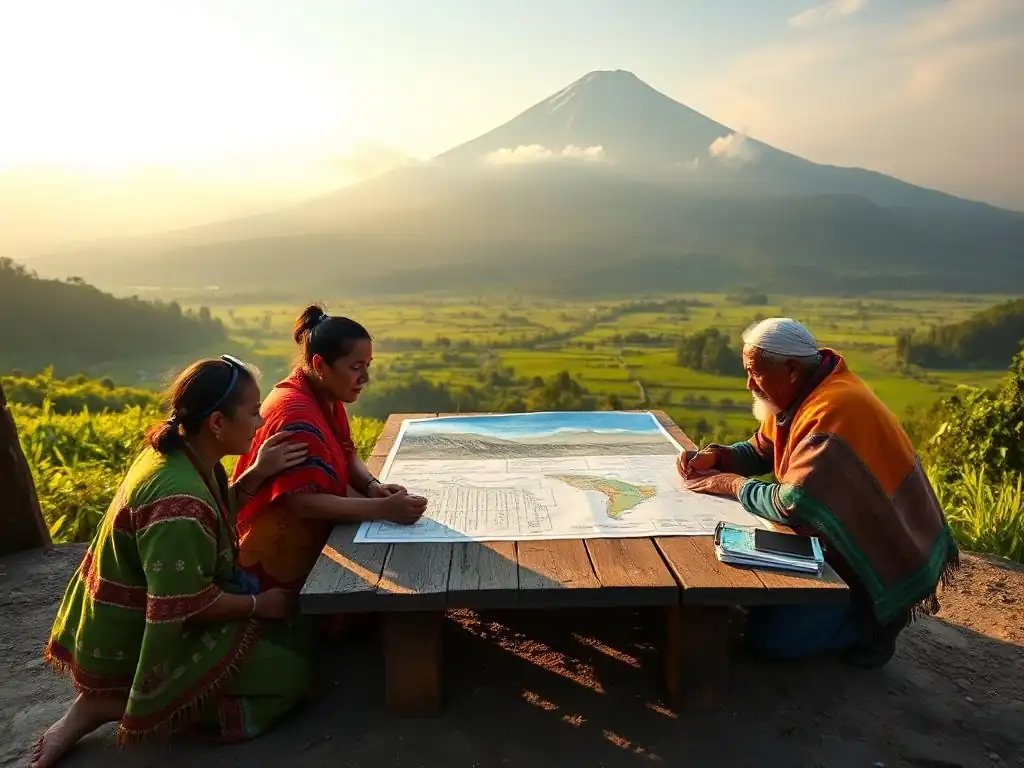
The most promising path forward for enhancing volcano safety lies in fostering genuine collaboration between Western volcanologists and indigenous elders and knowledge holders. This collaboration requires building trust, mutual respect, and recognizing the complementary strengths of both knowledge systems. Volcanologists bring scientific tools, data analysis expertise, and understanding of the physical processes of volcanism.
Indigenous communities offer long-term observational data, intricate ecological knowledge, and culturally relevant risk communication strategies. By working together, scientists and indigenous communities can co-develop more effective and locally appropriate volcano monitoring and early warning systems, integrating the best of both worlds to create a more comprehensive and robust approach to volcano safety.
Documenting and Preserving Indigenous Knowledge: Safeguarding a Vital Resource
Documenting and preserving indigenous knowledge related to volcano safety is crucial for safeguarding this invaluable resource for future generations. Oral traditions are vulnerable to loss through cultural change and the passing of elders. Efforts to document indigenous knowledge should be community-led and culturally sensitive, respecting intellectual property rights and ensuring that knowledge is preserved in a way that is accessible and beneficial to the communities themselves.
This documentation can take various forms, including oral history recordings, participatory mapping, and collaborative research projects. Preserving indigenous knowledge not only safeguards cultural heritage but also ensures that this vital resource remains available to inform and enhance volcano safety strategies globally.
Empowering Indigenous Communities: Ensuring Their Voice in Volcano Monitoring and Management
Empowering indigenous communities to actively participate in volcano monitoring and management is essential for ensuring their safety and well-being. This empowerment involves recognizing their rights to their traditional lands and resources, supporting community-based monitoring initiatives, and ensuring their meaningful inclusion in decision-making processes related to volcano risk reduction. Providing training and resources to indigenous communities to document and share their knowledge, participate in scientific research, and develop community-based disaster preparedness plans strengthens their capacity to manage volcanic risks and ensures that their voices are heard and respected in national and international volcano safety efforts.
The Future of Volcano Safety: Honoring the Ancestral Alarm
Reclaiming Indigenous Knowledge: A Crucial Step for Sustainable Volcanic Risk Reduction
Reclaiming and revitalizing indigenous knowledge systems is a crucial step towards achieving sustainable volcanic risk reduction. In many parts of the world, colonial legacies and the dominance of Western science have led to the marginalization and erosion of indigenous knowledge.
Recognizing the value and relevance of this ancestral wisdom and actively working to reintegrate it into volcano safety strategies is not just a matter of cultural preservation; it is a pragmatic necessity for building more resilient and effective disaster risk reduction systems. By honoring the "ancestral alarm" – the accumulated wisdom of generations living alongside volcanoes – we can unlock a wealth of knowledge that can significantly enhance our ability to live safely and sustainably in volcanic regions.
Increased Funding for Joint Research Initiatives Between Scientific Institutions and Indigenous Communities
To effectively integrate indigenous knowledge and Western science, increased funding is essential to support joint research initiatives between scientific institutions and indigenous communities. This funding should prioritize community-led research projects that focus on documenting and validating indigenous knowledge, developing collaborative monitoring systems, and co-creating culturally appropriate risk communication strategies. Funding should also support capacity building within indigenous communities, enabling them to actively participate in research, monitoring, and decision-making processes. Investing in these collaborative initiatives will not only advance our scientific understanding of volcanoes but also empower indigenous communities to protect themselves and their cultural heritage from volcanic hazards.
Conclusion: Learning from the Past to Protect the Future from Volcanic Hazards
The ancestral alarm of indigenous knowledge offers invaluable lessons for navigating the challenges of living with volcanoes. By recognizing, respecting, and integrating this wisdom with modern scientific approaches, we can create more comprehensive, culturally sensitive, and ultimately more effective volcano safety strategies. Learning from the past, from the accumulated experience of generations who have lived in harmony with these powerful forces of nature, is not just about honoring the past; it is about building a safer and more resilient future for all communities living in volcanic regions around the globe.
Frequently Asked Questions
How did indigenous knowledge contribute to volcano safety?
Indigenous knowledge provided early warning systems based on observations of nature (animal behavior, plant changes) and oral traditions, allowing for timely evacuations before eruptions. This often compensated for a lack of scientific monitoring equipment.
What specific observations did indigenous communities use to predict volcanic activity?
They observed changes in animal behavior (migration patterns, unusual restlessness), plant health (wilting, discoloration), and unusual weather phenomena linked to volcanic unrest, using these as indicators of potential eruptions.
How does indigenous knowledge compare to modern volcanology in terms of volcano safety?
While modern volcanology uses sophisticated instruments, indigenous knowledge offers complementary insights into local conditions and historical eruption patterns, creating a more holistic approach to volcano hazard assessment.
What are some examples of indigenous practices that helped communities survive volcanic eruptions?
Examples include building shelters from specific materials known to withstand volcanic debris, establishing escape routes based on ancestral knowledge of safe zones, and performing rituals believed to appease the volcano's spirit.
How can we integrate indigenous knowledge into modern volcano safety strategies?
By actively collaborating with indigenous communities, documenting their knowledge, and incorporating their observations into hazard maps and evacuation plans, we can improve the effectiveness of volcano risk reduction efforts worldwide.
Final Reflection: Echoes of Wisdom, Guardians of the Future
The narrative of survival woven throughout this article underscores a profound truth: indigenous knowledge is not a relic of the past, but a vital lifeline for the present and future. The stories of communities who heeded the ancestral alarm, understanding the subtle whispers of the land and the volatile temper of volcanoes, stand as a powerful testament to the enduring value of traditional ecological knowledge in safeguarding lives.
The impact of this knowledge extends far beyond immediate disaster relief; it shapes the very fabric of cultural identity and resilience. Witnessing the erosion of this wisdom in the face of modernization is a profound loss, not just for indigenous communities, but for all of humanity. We do not inherit the earth from our ancestors; we borrow it from our children.
This ancient proverb reminds us of our responsibility to preserve and learn from the deep understanding of the natural world held by indigenous peoples, ensuring its availability for generations to come.
Let us not dismiss indigenous knowledge as mere folklore, but rather embrace it as a crucial component of comprehensive disaster preparedness. Consider how you can support the preservation and integration of this invaluable wisdom into modern safety strategies. Listen to the voices of those who have lived in harmony with the land for centuries, for within their stories lies the key to a safer, more sustainable future for us all.
Unearth the Wisdom of the Volcano & Protect Our Future!
Thank you for delving into the powerful story of how indigenous knowledge has been instrumental in understanding and surviving volcanic eruptions. Now that you've discovered the crucial role of traditional wisdom, it's time to put this knowledge into action.
Here's how you can help:
- Become a Volcano Watcher: Connect with local indigenous communities near volcanic regions to learn firsthand about their early warning signs and traditional safety practices. Understanding their knowledge is key to improving disaster preparedness.
- Share this article with friends and family. Raise awareness on the importance of the ancestral warning signs and encourage them to support the protection of these cultures.
- Explore the "Resources" page on VolcanoExplorers.org for further information on supporting research and preservation efforts dedicated to indigenous volcano knowledge.
What specific ways can you envision integrating ancestral knowledge with modern volcanology in your own community?