
Folklore of Volcanic Landscapes: Stories Shaped by Fire and Ash

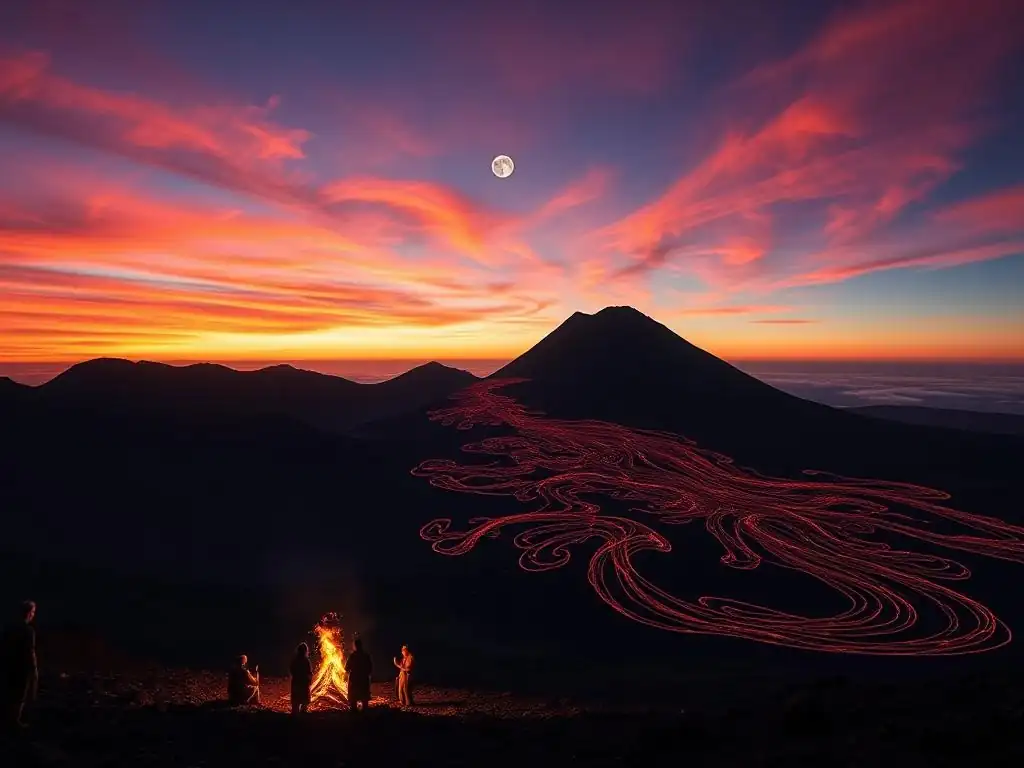
Welcome to Volcano Explorers!
Prepare to uncover the secrets etched in stone and whispered on the wind. Did you know that volcanoes aren't just geological marvels, but powerful storytellers? Dive into the captivating world of volcanic folklore and legends and discover how these fiery giants have shaped cultures, beliefs, and the very fabric of human imagination. What tales do the craters whisper? Let's explore the stories forged in fire and ash... Are you ready to listen?
- Introduction: Unveiling Volcanic Folklore and Legends
-
Frequently Asked Questions
- What is volcanic folklore, and why is it important?
- How do volcanic landscapes influence the types of stories told about them?
- What are some common themes found in volcanic folklore around the world?
- Can volcanic folklore provide any insights into past volcanic eruptions?
- Where can I learn more about specific volcanic legends and cultural beliefs related to volcanoes?
- Final Reflection: Echoes of Fire and Ash
- Unearth Your Own Volcanic Tale!
Introduction: Unveiling Volcanic Folklore and Legends
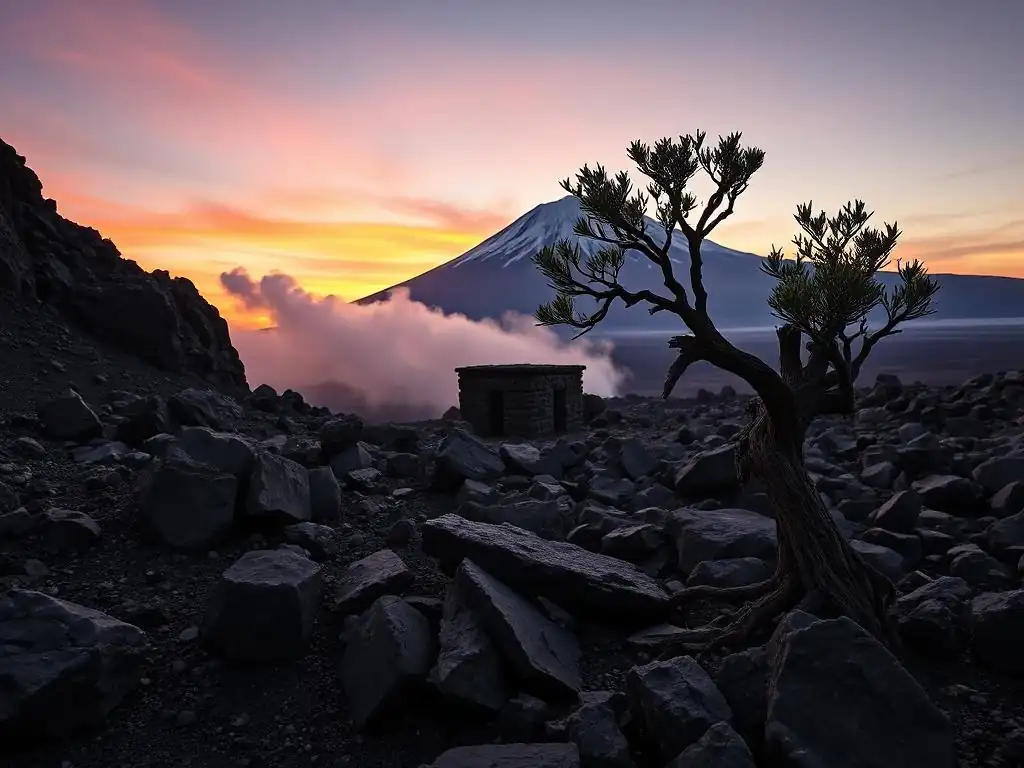
The Enduring Power of Volcanoes in Human Imagination
Volcanoes have captivated and terrified humanity since the dawn of time. Their raw power, capable of reshaping landscapes in moments and altering climates for years, has left an indelible mark on the human psyche. This profound impact is vividly reflected in the rich tapestry of folklore and legends woven around these geological titans.
Across cultures and continents, volcanic eruptions and landscapes have inspired tales of creation and destruction, gods and monsters, and profound connections between the earth and the spiritual realm. These narratives, passed down through generations, offer invaluable insights into how different societies have interpreted and responded to the awe-inspiring and sometimes devastating forces of nature.
The sheer scale and drama of volcanic events naturally lend themselves to storytelling. Imagine witnessing a mountain suddenly roar to life, spewing molten rock and ash into the sky, accompanied by earth-shattering tremors and rivers of fire.
For pre-scientific societies, such events were often attributed to supernatural forces, divine intervention, or the wrath of powerful beings dwelling within the volcanic peaks. This innate human tendency to find meaning and explanation in the face of the unknown has fueled the creation of elaborate mythologies and folklore systems that seek to understand and contextualize the power of volcanoes within a broader worldview.
Volcanoes and Cultural Significance
Volcanoes are not merely geological features; they are deeply embedded in the cultural fabric of many societies around the world. For communities living in volcanic regions, these mountains are often seen as more than just landforms – they are living entities, sacred spaces, and integral parts of their identity and history. Volcanic landscapes have influenced cultural practices, spiritual beliefs, artistic expressions, and even social structures. From the fertile volcanic soils that sustain agriculture to the geothermal energy that provides warmth and sustenance, the presence of volcanoes shapes daily life and worldview in profound ways.
The cultural significance of volcanoes is further amplified by their dramatic and unpredictable nature. Eruptions, while potentially destructive, are also seen as moments of renewal and transformation. The ash and volcanic debris, initially devastating, eventually enrich the soil, fostering new life and growth.
This cycle of destruction and rebirth is a recurring theme in volcanic folklore, reflecting the resilience of both the land and the people who inhabit it. Moreover, the unique and often otherworldly landscapes created by volcanic activity – from towering peaks to steaming fumaroles and vast lava fields – inspire a sense of wonder and reverence, further solidifying the volcano's place as a potent symbol in cultural narratives.
Frequently Asked Questions
What is volcanic folklore, and why is it important?
Volcanic folklore encompasses the stories and legends that cultures have developed to explain and understand volcanic activity. It's important because it reflects how people interpret and cope with the power and unpredictability of volcanoes.
How do volcanic landscapes influence the types of stories told about them?
The specific features of a volcanic landscape, such as lava flows, craters, and hot springs, often become central elements in folklore. These features are often attributed to supernatural beings or events, shaping the narrative.
What are some common themes found in volcanic folklore around the world?
Common themes include the belief that volcanoes are the homes of gods or spirits, the idea that eruptions are punishments for human misdeeds, and stories of heroic figures who can control or appease the volcano's power.
Can volcanic folklore provide any insights into past volcanic eruptions?
While not scientifically precise, folklore can sometimes offer clues about past eruption events that predate written records. Stories passed down through generations may contain accurate descriptions of volcanic phenomena.
VolcanoExplorers.org offers dedicated sections exploring the cultural significance of volcanoes, including articles and resources on volcanic folklore from various regions around the world.
Final Reflection: Echoes of Fire and Ash
The tales we've explored, born from the fiery heart of volcanic landscapes, are not relics of a bygone era, but rather living testaments to humanity's enduring relationship with the raw power of nature. These volcanic folklore and legends, passed down through generations, continue to resonate today, reminding us of the Earth's volatile beauty and our own fragile existence within its embrace.
The enduring power of these stories lies in their ability to connect us to something larger than ourselves. They serve as a constant reminder of the forces that shape our world and the importance of respecting the delicate balance of nature. We are all children of the volcano,
as an old Hawaiian saying goes, "born from its depths and destined to return to its embrace." This sentiment encapsulates the profound connection between humanity and these powerful landscapes, a connection woven into the very fabric of our cultural identity.
As you reflect on the folklore and legends we've uncovered, consider how these stories might inform your own understanding of the world. Let the echoes of fire and ash inspire you to appreciate the power and beauty that surrounds us, and to act as a steward of the Earth, ensuring that these stories, and the landscapes that birthed them, continue to inspire future generations.
Unearth Your Own Volcanic Tale!
Thanks for exploring the fiery folklore of volcanic landscapes with us. We hope you've gained a deeper appreciation for how these powerful places inspire and shape human stories. Now, it's your turn to connect with the legends!
Here are a few ways you can further explore the fascinating world of volcanic folklore:
- Visit a local volcano (safely, of course!) and reflect on the stories it might tell. This is your chance to feel the power of the land and imagine the tales it holds.
- Delve deeper into local legends: research the folklore surrounding a volcano near you and share your discoveries with friends and family.
- Create your own volcanic myth! Imagine a character, a challenge, and a fiery landscape. What story would you tell?
What's the most captivating volcanic myth you've ever heard, and how has it changed your perspective on volcanoes? Share your thoughts below!