
Etna's Fiery Veins: Capturing Lava Flows on Europe's Most Active Volcano

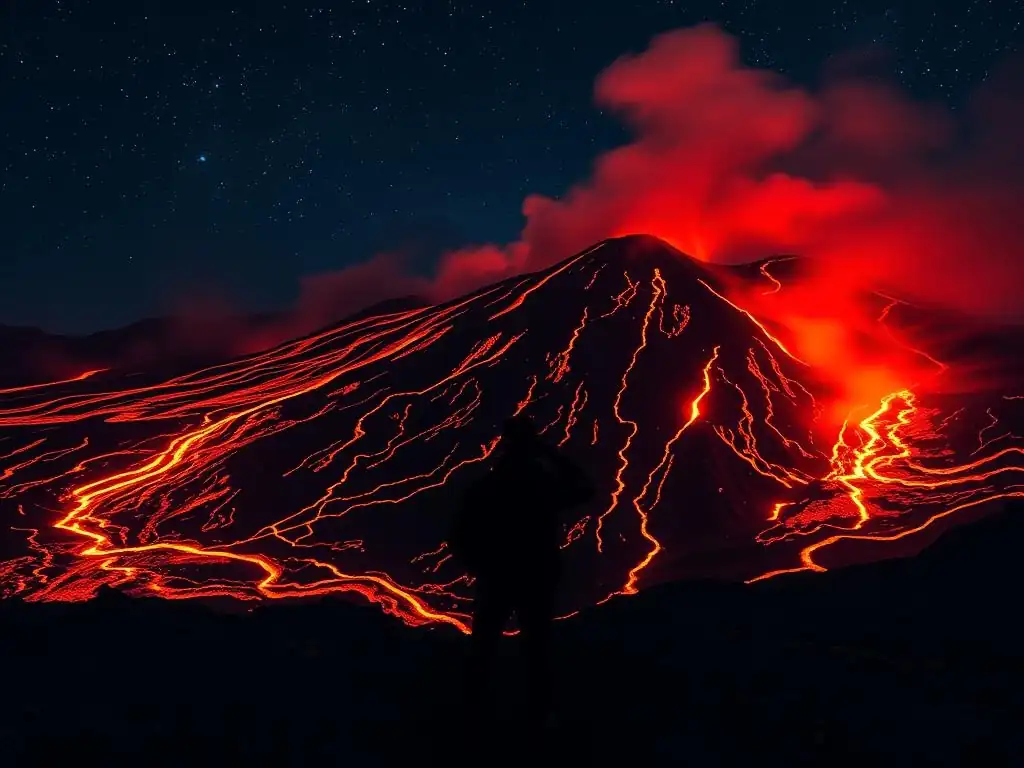
Welcome to Volcano Explorers, where the Earth's raw power meets human curiosity. Ever wondered how to capture the Photography of Etna lava flows in all their fiery glory? Dare to venture closer, as we unlock the secrets to photographing Europe's most active volcano and ignite your passion for these breathtaking, yet perilous, landscapes. Let the adventure begin...
- Mount Stromboli: Photographing Italy's Lighthouse of the Mediterranean
- Volcano Photography on Stromboli: An Introduction to Strombolian Eruptions
- Gear and Equipment for Photographing Stromboli's Explosions
- Techniques for Capturing Stunning Images of Stromboli's Eruptions
- Post-Processing Tips for Stromboli Volcano Photography
- Showcasing Your Stromboli Volcano Photography
- Stromboli Volcano Photography Tours: Guided Ascents
- Understanding Strombolian Activity: A Brief Overview
- Capturing the Beauty and Power: Inspiring Stromboli Photography
-
Frequently Asked Questions
- What makes Mount Etna a unique location for lava flow photography?
- What are the key safety considerations when photographing Etna's lava flows?
- What equipment is recommended for capturing high-quality images of Etna's lava flows?
- What are some common compositional techniques for photographing lava flows?
- How can I find real-time updates on Etna's activity to plan my photography trip?
- Final Reflection: Embracing the Ephemeral Dance of Fire
- Ignite Your Inner Explorer: Plan Your Etna Adventure!
Mount Stromboli: Photographing Italy's Lighthouse of the Mediterranean
Volcano Photography on Stromboli: An Introduction to Strombolian Eruptions
Why Stromboli is a Prime Location for Volcano Photography
Stromboli, often dubbed the "Lighthouse of the Mediterranean," offers a unique and accessible setting for volcano photography. Unlike many volcanoes hidden in remote locations or shrouded in perpetual cloud cover, Stromboli is relatively easy to reach, located in the Aeolian Islands off the coast of Sicily. Its persistent Strombolian activity, characterized by frequent, moderate explosions, provides photographers with ample opportunities to capture dynamic eruptions. This consistent eruptive behavior, coupled with its stunning island setting, makes Stromboli a dream destination for both seasoned volcano photographers and adventurous beginners looking to document the raw power of nature.
Furthermore, Stromboli's Sciara del Fuoco, a steep lava scar on the northwestern flank of the volcano, funnels lava and pyroclastic flows directly into the sea. This natural amphitheater provides a relatively safe vantage point for photographers to witness and capture the incandescent material cascading down the slope, especially during more vigorous phases of activity.
The combination of fiery explosions against the dark volcanic landscape and the surrounding Mediterranean Sea creates visually striking contrasts, making for compelling photographs. The island's infrastructure, catering to tourism, also supports photographers with guided tours and logistical ease, further enhancing its appeal as a prime volcano photography location.
The Unique Challenges and Rewards of Photographing Stromboli
Photographing Stromboli presents a unique set of challenges that, when overcome, lead to incredibly rewarding photographic experiences. The unpredictable nature of Strombolian eruptions demands patience and adaptability. While eruptions are frequent, their intensity and precise timing are not guaranteed, requiring photographers to be prepared for long waits and constantly changing conditions. Night photography is often essential to truly capture the brilliance of the lava explosions against the darkness, introducing technical complexities related to long exposures, noise management, and focusing in low light.
However, the rewards are immense. Successfully capturing a Strombolian explosion in all its glory – the fiery projectiles arcing through the night sky, the incandescent lava flows illuminating the Sciara del Fuoco – provides a profound sense of accomplishment. These images not only document a powerful natural phenomenon but also capture the raw beauty and dynamic energy of Stromboli. The visual spectacle of photographing eruptive activity against the backdrop of the Mediterranean landscape is unparalleled, offering photographers the chance to create truly unique and awe-inspiring images that resonate with viewers and convey the dramatic power of volcanic forces.
Gear and Equipment for Photographing Stromboli's Explosions
Essential Camera Equipment for Volcano Photography
Volcano photography, particularly capturing Strombolian eruptions, demands specific camera equipment to withstand challenging conditions and effectively capture the dynamic action. A robust DSLR or mirrorless camera body with good low-light performance and weather sealing is paramount. High ISO capabilities are crucial for capturing detail in the darkness of night, while weather sealing protects the camera from volcanic dust and potential moisture. Beyond the body, lens selection is critical, with telephoto lenses being indispensable for safely capturing eruptions from a distance.
Tripods are non-negotiable for volcano photography, providing stability during long exposures necessary for capturing light trails of lava and stars. Remote shutter releases are also essential to minimize camera shake during these long exposures, ensuring sharp images. Consider bringing extra batteries, as cold temperatures and long shooting sessions can drain power quickly. Finally, ample memory cards are necessary to store the potentially large number of images captured during an eruptive sequence. Having the right gear ensures you are technically prepared to face the challenges of volcano photography and maximize your chances of capturing stunning images.
Choosing a Weather-Sealed Camera Body
A weather-sealed camera body is not merely a luxury but a crucial investment for volcano photography, particularly on Stromboli. Volcanic environments are harsh, exposing equipment to fine, abrasive ash and dust that can infiltrate and damage sensitive camera components. Wind-blown ash can scratch lens elements and sensor, while even small amounts of dust inside the camera can lead to malfunctions and image quality degradation. Moisture, whether from sea spray near Stromboli or sudden weather changes at higher altitudes, poses another threat to electronic equipment.
Weather-sealed camera bodies are designed with gaskets and seals around buttons, dials, and ports to prevent ingress of dust and moisture. This protection significantly extends the lifespan of your camera in challenging environments and reduces the risk of equipment failure at critical moments. While no camera is entirely waterproof, weather sealing offers a vital level of defense against the elements, allowing photographers to focus on capturing the volcanic action without constant worry about equipment damage. Investing in a weather-sealed body provides peace of mind and ensures reliable performance in the demanding conditions of volcano photography.
Lens Selection: Telephoto Lenses for Capturing Explosions
Telephoto lenses are indispensable for capturing Stromboli's eruptions safely and effectively. Given the inherent dangers of approaching active volcanic vents, photographing from a distance is paramount. Telephoto lenses, with focal lengths of 200mm, 300mm, 400mm, or even longer, allow photographers to maintain a safe distance while still filling the frame with the volcanic spectacle. These lenses compress perspective, making distant explosions appear larger and more dramatic, enhancing the visual impact of the images.
Beyond safety, telephoto lenses enable capturing specific details within the eruptions, such as individual lava bombs ejected from the vent or the texture of the volcanic plume. Zoom lenses, like a 70-200mm or 100-400mm, offer versatility, allowing photographers to adjust their framing quickly as the eruption dynamics change. For extremely distant shots or capturing very specific details, prime telephoto lenses (fixed focal length) often offer superior image quality and wider maximum apertures, beneficial in low-light conditions. Investing in quality telephoto lenses is essential for achieving compelling and safe volcano photography.
Protective Gear: Safety First When Photographing Near the Sciara del Fuoco
Photographing near the Sciara del Fuoco on Stromboli, while offering incredible views, demands prioritizing safety with appropriate protective gear. The volcanic environment presents hazards ranging from falling rocks and ballistic projectiles to dust and potential gas exposure. Personal protective equipment is not just recommended; it is essential for mitigating risks and ensuring a safe and productive photography session.
Prioritizing safety allows photographers to focus on capturing the dramatic volcanic activity without unnecessary risks. Being prepared with the right protective gear demonstrates respect for the power of nature and allows for a more responsible and enjoyable volcano photography experience. Ignoring safety precautions can have severe consequences in a dynamic and potentially hazardous volcanic environment.
Helmet and Sturdy Footwear
A helmet and sturdy footwear are fundamental components of personal protective gear for volcano photography, especially when working near the Sciara del Fuoco. Volcanic environments are inherently unstable, with loose rocks and the potential for ballistic projectiles ejected during eruptions. A hard-shell helmet provides crucial protection against head injuries from falling rocks or debris, which can be dislodged by eruptions or simply by unstable terrain.
Sturdy, ankle-supporting hiking boots are equally vital. They offer protection against sharp volcanic rocks, provide stability on uneven terrain, and reduce the risk of ankle sprains or injuries. Closed-toe shoes are non-negotiable, as sandals or open shoes offer no protection against hot rocks or sharp debris. The combination of a helmet and robust footwear forms the foundation of personal safety when navigating the challenging and potentially hazardous terrain around Stromboli's active areas.
Dust Protection for Equipment
Volcanic dust is a pervasive and potentially damaging element in volcano photography, requiring proactive dust protection measures for equipment. The fine, abrasive nature of volcanic ash can scratch lens surfaces, infiltrate camera bodies, and damage sensitive electronics. Protecting your equipment from dust is crucial for maintaining its functionality and image quality over the long term.
Lens filters, specifically clear or UV filters, act as a sacrificial front element, protecting the more expensive and delicate front lens element from scratches and dust abrasion. Lens hoods, beyond their primary function of reducing lens flare, also offer a degree of physical protection to the front of the lens.
Using rain covers or dedicated camera covers can provide an additional barrier against dust and ash, especially in windy conditions or during ashfall. Regularly cleaning equipment with appropriate tools like blower brushes and microfiber cloths is also essential, but prevention through proactive dust protection is always the first and most effective line of defense.
Techniques for Capturing Stunning Images of Stromboli's Eruptions
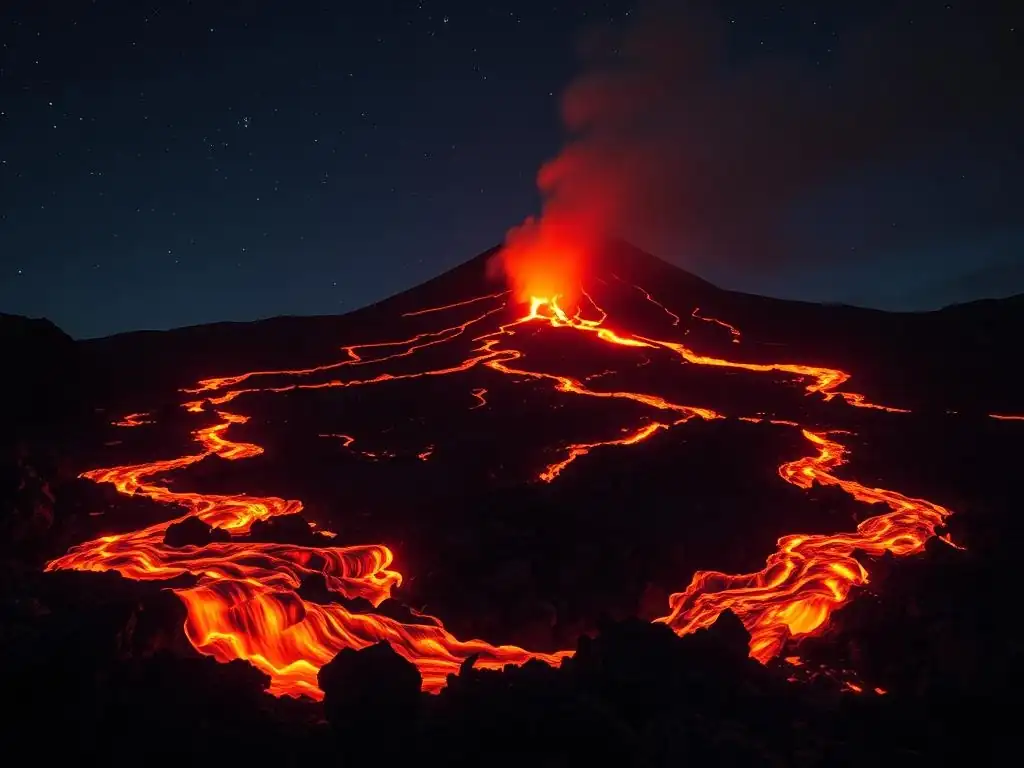
Mastering Exposure in Low-Light Conditions
Nighttime volcano photography, essential for capturing the brilliance of Stromboli's eruptions, hinges on mastering exposure in low-light conditions. The darkness of night, juxtaposed with the intense brightness of lava explosions, presents a significant dynamic range challenge. Achieving well-exposed images requires understanding the interplay of aperture, shutter speed, and ISO, and how to balance capturing the faint details of the landscape with the bright eruptive events.
Shooting in manual mode is paramount for full control over exposure settings. A wide aperture (low f-number) allows more light to reach the sensor, crucial in low light, but may result in a shallower depth of field. Longer shutter speeds are often necessary to capture the faint glow of lava flows and star trails, but must be balanced against potential motion blur from eruptions.
Higher ISO settings increase sensor sensitivity to light, but can introduce noise into the image. Experimentation and understanding the specific lighting conditions of each eruption are key to achieving optimal exposure and capturing the dramatic contrast of Stromboli at night.
Using Bulb Mode for Capturing Volcanic Explosions
Bulb mode, available on most DSLRs and mirrorless cameras, is an invaluable tool for capturing the unpredictable and dynamic nature of Strombolian explosions. Bulb mode allows for shutter speeds longer than the camera's pre-set maximum, enabling photographers to keep the shutter open for as long as desired, typically controlled by a remote shutter release. This is essential for capturing the full duration of an eruptive event, from the initial burst to the arc of lava projectiles and the lingering glow.
When photographing explosions, anticipating the peak moment is difficult. Bulb mode eliminates the need to guess at precise shutter speeds, allowing photographers to open the shutter just before an anticipated eruption and close it after the event has subsided. This flexibility ensures capturing the complete sequence of the explosion and allows for creative control over light trails and motion blur. Coupled with a sturdy tripod and remote release, Bulb mode provides the necessary control for capturing the full drama and dynamism of Strombolian eruptions.
Time-Lapse Photography of Strombolian Activity
Time-lapse photography offers a compelling way to showcase the persistent and dynamic activity of Stromboli. By capturing a series of images over a period of time and then combining them into a video, time-lapses compress hours or even days of volcanic activity into a short, engaging sequence. This technique effectively reveals patterns and changes in eruptive behavior that might be imperceptible in still images or real-time observation.
To create a Stromboli time-lapse, set up a camera on a tripod, ideally with a wide-angle lens to capture the landscape and volcanic activity. Use an intervalometer (either built-in or external) to automatically trigger the shutter at regular intervals, typically ranging from a few seconds to minutes, depending on the desired effect and the pace of volcanic activity. Shoot in manual mode to maintain consistent exposure throughout the sequence.
Post-processing software is then used to assemble the individual images into a video, often with adjustments for exposure, color, and stabilization. Time-lapses offer a unique and captivating perspective on the ongoing volcanic drama of Stromboli.
Composition Tips for Dramatic Volcano Photography
Composition is crucial in volcano photography to transform technically sound images into visually compelling narratives. Beyond capturing the eruption itself, effective composition guides the viewer's eye, provides context, and enhances the dramatic impact of the scene. Consider incorporating elements of the surrounding landscape, utilizing leading lines, and playing with scale to create images that are both informative and aesthetically pleasing.
Thinking about composition before pressing the shutter is essential. Experiment with different perspectives, from wide-angle shots that establish the scene to telephoto compositions that isolate specific details of the eruption. Rule of thirds, leading lines, and foreground elements are all compositional tools that can be applied to volcano photography to create more engaging and impactful images. Ultimately, strong composition elevates volcano photography from mere documentation to powerful visual storytelling.
Incorporating the Sciara del Fuoco into the Frame
The Sciara del Fuoco, Stromboli's distinctive lava scar, is a key compositional element for dramatic volcano photography. This steep slope, channeling lava flows into the sea, provides a visually striking foreground or background that adds context and scale to images of eruptions. Incorporating the Sciara del Fuoco into the frame immediately grounds the volcanic activity within its specific geographical location and visually conveys the path of lava flow.
Wide-angle lenses are particularly effective at capturing the Sciara del Fuoco in its entirety, showcasing its scale and relationship to the eruptive vent and the surrounding sea. Positioning the Sciara del Fuoco as a leading line can draw the viewer's eye towards the eruptive plume or lava flows. Including elements of the Sciara's texture and volcanic debris in the foreground can add depth and visual interest to the composition. Effectively utilizing the Sciara del Fuoco as a compositional element enhances the sense of place and drama in Stromboli volcano photography.
Using the Island's Landscape for Scale
To truly convey the immense power and scale of Stromboli's eruptions, incorporating elements of the island's landscape into compositions is essential. Volcanic explosions, especially when viewed in isolation, can lack a sense of size and context. Including recognizable features like the coastline, vegetation, or even small buildings in the frame provides a visual reference point that allows viewers to grasp the true scale of the volcanic activity.
Wide-angle shots that encompass the entire island, with the eruptive plume rising above the summit, effectively illustrate the volcano's dominance over its surroundings. Including boats on the sea or houses on the lower slopes adds a human element to the scene, further emphasizing the scale of the eruptions in relation to human structures. Using the landscape to establish scale transforms volcano photographs from mere depictions of explosions into powerful visual narratives that convey the immense forces at play and the dramatic interplay between volcanic power and the surrounding environment.
Safety Considerations When Photographing Active Eruptions
Safety must be the paramount concern when photographing active volcanic eruptions, such as those at Stromboli. Volcanic environments are inherently unpredictable and hazardous, posing risks from ballistic projectiles, lava flows, gas emissions, and unstable terrain. Prioritizing safety is not just about personal well-being; it is also about responsible volcano photography and respecting the power of nature.
Thorough preparation, awareness of potential hazards, and adherence to safety guidelines are crucial. Always stay informed about current volcanic activity levels and heed any warnings or restrictions issued by local authorities or guides. Maintaining a safe distance from active vents, understanding potential ballistic hazards, and being aware of evacuation routes are essential safety practices for photographing Stromboli's eruptions responsibly and minimizing risks.
Staying Informed about Volcanic Alerts
Staying informed about volcanic alerts and activity updates is a fundamental safety measure for anyone photographing Stromboli. Volcanic activity can change rapidly, and understanding the current alert level and any associated warnings is crucial for making informed decisions about photography locations and safety precautions. Reliable sources of information include official volcano monitoring agencies, local authorities, and reputable tour operators.
Before heading out to photograph, check the latest reports from the Istituto Nazionale di Geofisica e Vulcanologia (INGV), the Italian institute responsible for monitoring Stromboli. Local tourism offices and guides also often have up-to-date information on volcanic activity. Be aware of any changes in alert levels, such as increased eruption frequency or intensity, and adjust your plans accordingly. Staying informed allows for proactive risk assessment and ensures that photography activities are conducted safely and responsibly.
Maintaining a Safe Distance from the Summit
Maintaining a safe distance from Stromboli's summit and active vents is a critical safety principle for volcano photography. The immediate vicinity of the summit is the most hazardous zone, exposed to ballistic projectiles, intense heat, and potentially harmful gas emissions. Respecting exclusion zones and observing eruptions from a safe vantage point is essential for minimizing risk.
Guided tours typically operate from designated viewing areas on the Sciara del Fuoco or other safe locations that offer good views while maintaining a reasonable distance from the summit craters. Even from these designated areas, photographers should remain vigilant and aware of potential hazards. Using telephoto lenses allows for capturing detailed images of eruptions from a safe distance, negating the need to approach dangerously close to the active vents. Prioritizing distance over proximity is a key aspect of safe volcano photography.
Understanding Ballistic Hazards
Understanding ballistic hazards is crucial for safe volcano photography on Stromboli. Ballistic projectiles are rocks and lava fragments ejected explosively from the volcanic vent during eruptions. These projectiles can travel considerable distances and pose a significant risk of injury or equipment damage, even far from the summit crater. Strombolian eruptions, while typically moderate, can still eject projectiles hundreds of meters away.
The Sciara del Fuoco, while often considered a relatively safe viewing area, is still within range of potential ballistic fallout, especially during more intense eruptions. Wearing a helmet is essential protection against falling projectiles. Be aware of the direction of prevailing winds, as they can influence the trajectory of ballistic debris. If you observe increased eruption intensity or larger projectiles being ejected, retreat to a safer location immediately. Understanding and respecting ballistic hazards is vital for mitigating risks and ensuring safety when photographing Stromboli's eruptions.
Post-Processing Tips for Stromboli Volcano Photography
Enhancing Explosions and Star Trails
Post-processing plays a crucial role in enhancing Stromboli volcano photographs, particularly in bringing out the details of explosions and star trails captured during nighttime shoots. Raw images often require adjustments to exposure, contrast, and color to fully realize the dramatic potential of the scene. Targeted adjustments can make the fiery eruptions pop against the dark sky and accentuate the ethereal beauty of star trails.
For explosions, consider increasing contrast and clarity to enhance the sharpness and definition of lava plumes and projectiles. Slightly boosting saturation can intensify the fiery colors, but avoid over-saturation, which can look unnatural. For star trails, subtle adjustments to curves and levels can bring out the faint star light without introducing excessive noise. Careful post-processing can transform good volcano photographs into truly stunning and impactful images that capture the full spectacle of Stromboli at night.
Noise Reduction Techniques for Long Exposures
Long exposures, essential for capturing star trails and faint lava glows in Stromboli volcano photography, often introduce noise into images, particularly at higher ISO settings. Noise reduction techniques are therefore crucial in post-processing to maintain image clarity and detail, especially in the darker areas of the frame. Effective noise reduction balances minimizing noise while preserving sharpness and texture.
Noise reduction software, available in most photo editing programs, offers various tools for tackling noise. Luminance noise reduction targets graininess, while color noise reduction addresses color artifacts. Apply noise reduction selectively, focusing on areas where noise is most prominent, such as the dark sky. Over-applying noise reduction can lead to a loss of detail and an unnatural "plastic" look. Experiment with different noise reduction settings to find the optimal balance between noise reduction and image detail, ensuring clean and visually appealing long-exposure volcano photographs.
Correcting for Light Pollution
Light pollution from nearby towns or even distant settlements can be a challenge in nighttime Stromboli volcano photography, particularly when capturing star trails or the subtle glow of lava flows. Light pollution manifests as a gradient of artificial light in the sky, often appearing as a yellowish or orange cast that washes out faint details and reduces contrast. Post-processing techniques can help mitigate the effects of light pollution and restore a more natural night sky.
Graduated filters, either digital or physical, can be used to selectively reduce the brightness of the light-polluted sky while preserving the darker foreground. In software like Photoshop or Lightroom, adjustment layers with gradients can achieve a similar effect. Color correction tools can help neutralize the color cast of light pollution, shifting the sky towards a more natural blue or black. While light pollution cannot be entirely eliminated in post-processing, careful adjustments can significantly reduce its impact and improve the overall aesthetic of nighttime volcano photographs.
Showcasing Your Stromboli Volcano Photography
Building a Portfolio of Volcanic Eruptions
Building a strong portfolio of Stromboli volcano photography requires a curated selection of your best images that showcase the breadth and depth of your work. A portfolio is more than just a collection of photos; it is a carefully crafted presentation that demonstrates your skills, vision, and ability to capture the dramatic essence of volcanic eruptions. Focus on quality over quantity, selecting images that are technically sound, compositionally strong, and visually impactful.
Include a variety of shots that showcase different aspects of Stromboli's volcanic activity, from wide-angle landscape shots that establish the setting to telephoto images that capture the detail of explosions. Vary perspectives, lighting conditions, and eruption styles to demonstrate versatility. A well-structured portfolio tells a story, conveying your experience and passion for volcano photography and leaving a lasting impression on viewers. Regularly review and update your portfolio, removing weaker images and adding stronger new work to maintain its impact and relevance.
Social media and online photography platforms offer powerful avenues for sharing your Stromboli volcano photography with a global audience. Platforms like Instagram, Flickr, 500px, and dedicated volcano photography communities provide opportunities to gain exposure, receive feedback, and connect with other photographers and enthusiasts. Strategic sharing can help build recognition for your work and potentially open doors to collaborations or opportunities.
When sharing online, consider the platform's specific audience and format. Instagram favors visually striking images and short captions, while Flickr and 500px allow for more detailed descriptions and engagement within photography communities. Use relevant hashtags, such as #stromboli, #volcanophotography, #eruption, to increase discoverability. Engage with other photographers, respond to comments, and participate in online discussions to build a presence and foster connections within the volcano photography community. Sharing your work online is essential for expanding its reach and impact.
The Importance of Ethical Volcano Photography
Ethical considerations are paramount in volcano photography, encompassing respect for the environment, local communities, and safety guidelines. Ethical volcano photography goes beyond simply capturing stunning images; it involves responsible practices that minimize impact on the fragile volcanic ecosystem and ensure the safety and well-being of both the photographer and others. Respect for local regulations and guidelines is fundamental, including adhering to restricted areas and obtaining necessary permits when required.
Avoid actions that could disturb wildlife or damage the volcanic landscape. Minimize your environmental footprint by packing out all trash and staying on marked trails. Be mindful of the impact of your presence on local communities and cultures. Sharing information responsibly, without sensationalizing or misrepresenting volcanic activity, is also an ethical consideration. Ethical volcano photography ensures the long-term sustainability of this activity and promotes responsible interaction with these powerful natural environments.
Stromboli Volcano Photography Tours: Guided Ascents
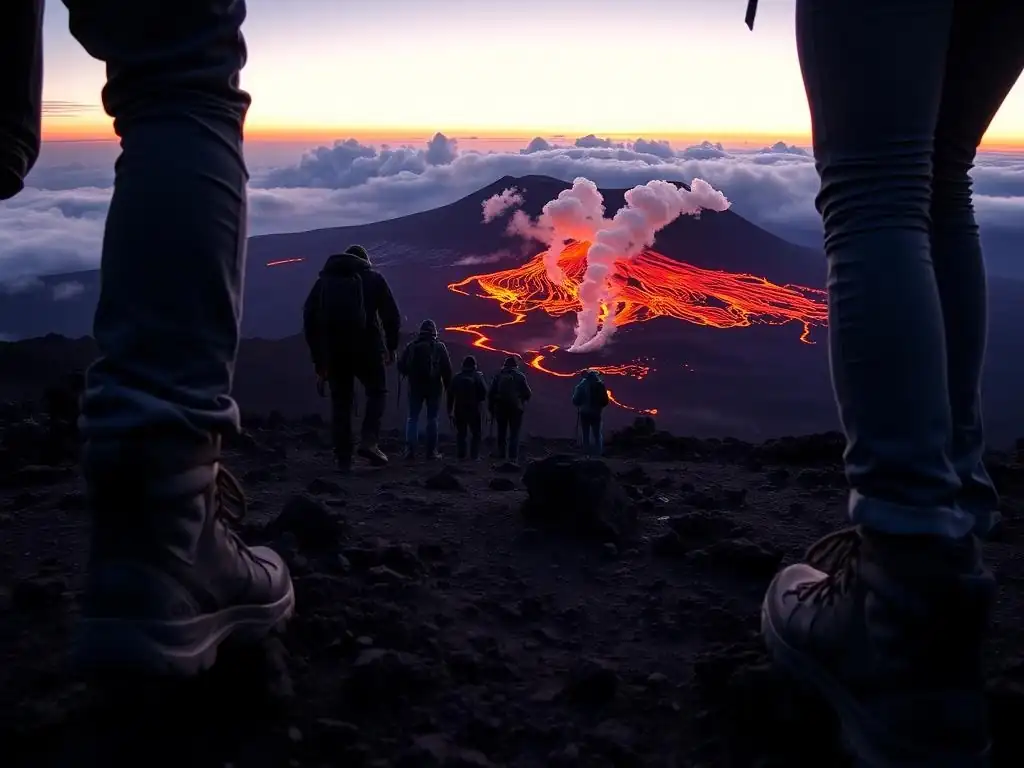
Benefits of Hiring a Local Guide
Hiring a local guide for volcano photography tours on Stromboli offers significant benefits, particularly for those unfamiliar with the terrain, volcanic hazards, or local regulations. Local guides possess invaluable knowledge of the volcano, including optimal photography locations, safe routes, and insights into Stromboli's eruptive behavior. Their expertise enhances both safety and the photographic experience.
Guides are trained to assess volcanic risks, navigate challenging terrain, and provide crucial safety instructions. They can lead photographers to vantage points that offer unique perspectives and maximize photographic opportunities. Local guides often have established relationships with authorities and can provide up-to-date information on volcanic activity and access restrictions. Furthermore, hiring local guides supports the local economy and promotes sustainable tourism. For a safer, more informative, and photographically rewarding experience on Stromboli, engaging a local guide is highly recommended.
Choosing a Reputable Tour Operator
Choosing a reputable tour operator is crucial for a safe and well-organized Stromboli volcano photography experience. Not all tour operators are created equal, and selecting a reputable one ensures that safety standards are prioritized, guides are qualified, and the overall tour is conducted responsibly and ethically. Research tour operators thoroughly before booking, checking for certifications, safety records, and customer reviews.
Look for operators who are transparent about their safety protocols, provide appropriate equipment (such as helmets and headlamps), and employ experienced and knowledgeable guides. Reputable operators will prioritize safety briefings, maintain communication throughout the ascent, and adhere to responsible tourism practices. Consider operators who are members of recognized tourism associations or have positive feedback from experienced volcano photographers. Investing in a tour with a reputable operator is an investment in both safety and a higher quality photographic experience.
Physical Requirements and Preparation for the Ascent
Ascending Stromboli, even with a guided tour, demands a certain level of physical fitness and preparation. The ascent typically involves hiking several hours over uneven volcanic terrain, often in darkness and potentially steep slopes. Being adequately prepared physically and mentally is essential for a safe and enjoyable experience. Assess your fitness level honestly and choose a tour that aligns with your capabilities.
Proper preparation includes wearing appropriate hiking boots, layers of clothing to accommodate changing temperatures, and carrying sufficient water and snacks. Headlamps are essential for nighttime ascents. Acclimatize to the elevation if coming from lower altitudes. Consider practicing hiking on similar terrain beforehand to build stamina. Being physically prepared not only enhances safety but also allows you to fully focus on the photography and appreciate the unique experience of witnessing Stromboli's eruptions from its slopes.
Understanding Strombolian Activity: A Brief Overview
The Geology of Stromboli
Stromboli's geology is characterized by its formation as a stratovolcano, built up over millennia by layers of lava flows, ash, and pyroclastic material. It is part of the Aeolian Islands volcanic arc, formed by the subduction of the African tectonic plate beneath the Eurasian plate. Stromboli's persistent activity is fueled by a magma system that is relatively open, allowing for frequent degassing and eruptions.
The volcano's structure is marked by several summit craters that are the primary sources of Strombolian eruptions. The Sciara del Fuoco, a prominent feature on the northwestern flank, is a large volcanic scar formed by past sector collapses, which now channels lava and pyroclastic flows towards the sea. Stromboli's geological setting and internal plumbing system are key factors contributing to its characteristic Strombolian eruptive style and its status as one of the most consistently active volcanoes in the world.
Characteristics of Strombolian Eruptions
Strombolian eruptions, named after Stromboli volcano, are characterized by relatively mild, discrete explosions that eject incandescent lava fragments, gas, and ash. These eruptions typically occur at intervals ranging from minutes to hours and are driven by the bursting of gas bubbles within the magma conduit. Strombolian eruptions are generally less violent than other types of volcanic eruptions, such as Plinian or Vulcanian eruptions.
The ejected material, known as pyroclasts, consists of lava bombs, lapilli (smaller fragments), and ash. These projectiles typically follow ballistic trajectories, arcing through the air before landing around the vent. Strombolian eruptions often produce spectacular displays of fire fountains and incandescent lava trails, particularly at night, making them visually captivating and ideal for photography. The consistent and predictable nature of Strombolian activity makes Stromboli a natural laboratory for volcanologists and a favored destination for volcano enthusiasts and photographers.
Monitoring Stromboli's Activity for Photography
Monitoring Stromboli's volcanic activity is essential for planning safe and successful photography trips. Volcanic activity levels can fluctuate, and understanding the current state of the volcano allows photographers to anticipate eruptive behavior and make informed decisions about photography locations and safety precautions. Several resources provide real-time and updated information on Stromboli's activity.
The Istituto Nazionale di Geofisica e Vulcanologia (INGV) is the primary source for official monitoring data, providing webcams, bulletins, and alert levels. Specialized websites and apps dedicated to volcano monitoring also aggregate data from various sources. Observing webcams can provide a visual indication of eruption frequency and intensity. Paying attention to changes in activity levels, such as increased eruption rate or larger explosions, is crucial for adjusting photography plans and prioritizing safety. Staying informed about Stromboli's activity ensures a more predictable and safer volcano photography experience.
Capturing the Beauty and Power: Inspiring Stromboli Photography
Showcase of Stromboli's Explosions
[Insert Showcase of Stromboli's Explosions - This section would ideally contain embedded images, which are not allowed in this format. In a real article, this would be a gallery of captivating photographs of Stromboli's eruptions.]
Resources for Learning More About Volcano Photography
For photographers eager to delve deeper into the world of volcano photography, a wealth of resources is available to enhance skills and knowledge. Online platforms like websites dedicated to volcano photography, forums, and social media groups offer communities for sharing tips, techniques, and inspiration. Books and e-books on volcano photography provide in-depth guidance on equipment, techniques, safety, and post-processing.
Workshops and guided tours specifically focused on volcano photography offer hands-on learning experiences with expert instructors in iconic volcanic locations like Stromboli. Documentaries and videos about volcano photography can provide visual inspiration and insights into the challenges and rewards of capturing these powerful natural phenomena. Continuous learning and exploration of these resources will refine your skills and deepen your appreciation for the art and science of volcano photography.
Frequently Asked Questions
What makes Mount Etna a unique location for lava flow photography?
Mount Etna is uniquely situated as Europe's most active volcano, offering frequent and predictable (relatively speaking!) lava flows. Its accessibility and diverse landscapes create stunning photographic opportunities not easily found elsewhere.
What are the key safety considerations when photographing Etna's lava flows?
Safety is paramount. Photographers must be aware of unpredictable eruptions, toxic gases, and unstable terrain. Always follow local guides' instructions and maintain a safe distance.
What equipment is recommended for capturing high-quality images of Etna's lava flows?
A good telephoto lens is essential for capturing detail from a safe distance. A sturdy tripod is crucial for sharp images in low light, and heat-resistant filters can protect your lens.
What are some common compositional techniques for photographing lava flows?
Consider incorporating the surrounding landscape to provide scale and context. Experiment with long exposures to capture the movement of the lava, and look for interesting patterns and textures in the molten rock.
How can I find real-time updates on Etna's activity to plan my photography trip?
Websites like VolcanoExplorers.org and local volcanology observatories provide updates. Monitoring seismic activity and gas emissions can help predict potential lava flow events and improve your chances of capturing the perfect shot.
Final Reflection: Embracing the Ephemeral Dance of Fire
The preceding exploration of capturing Etna's dynamic lava flows underscores not just the technical challenges and artistic rewards of photography, but also the profound connection we forge with the raw power of nature. In a world increasingly mediated by screens, witnessing and documenting such elemental forces reminds us of the planet's inherent dynamism and our own small place within it.
The allure of Etna, and the pursuit of capturing its fiery heart, has deeply influenced how I perceive the ephemeral nature of beauty and the importance of bearing witness. This experience has instilled in me a profound respect for the planet's power and the responsibility we have to document and appreciate its wonders. The best and most beautiful things in the world cannot be seen or even touched - they must be felt with the heart.
- Helen Keller. This sentiment resonates deeply when considering the fleeting moments of volcanic activity, demanding a sensitivity that transcends mere technical skill.
Now, I invite you to consider the fleeting moments of beauty that surround you. What "lava flows" – the bursts of passion, creativity, or natural wonder – are you drawn to capture, not just with a lens, but with your heart? Let Etna's fiery dance inspire you to seek out and cherish the ephemeral, to document the extraordinary in the ordinary, and to share your unique perspective with the world.
Ignite Your Inner Explorer: Plan Your Etna Adventure!
Thanks for joining us on this fiery journey through Etna's volcanic landscape! We hope you're feeling inspired by the raw power and beauty of this natural wonder. Now, it's time to channel that inspiration into action.
Here's how you can connect with Etna and the world of volcanology:
- Book your once-in-a-lifetime guided tour up Mount Etna! Experience the thrill of standing on Europe's most active volcano and witnessing the lava's dance firsthand.
- Explore the extensive photo gallery on our site, volcanoexplorers.org, and find your favorite snapshot to use as your new desktop background. Let Etna's majesty inspire you every day!
- Share this article with fellow adventure seekers and tag us on social media using #EtnaExplorers. Let's build a community of volcano enthusiasts!
Ready to feel the heat and witness the Earth's power up close? What's stopping you from planning your Etna adventure today?