
Emergency Volcano Photography: First Aid and Evacuation Plans

Welcome to Volcano Explorers!
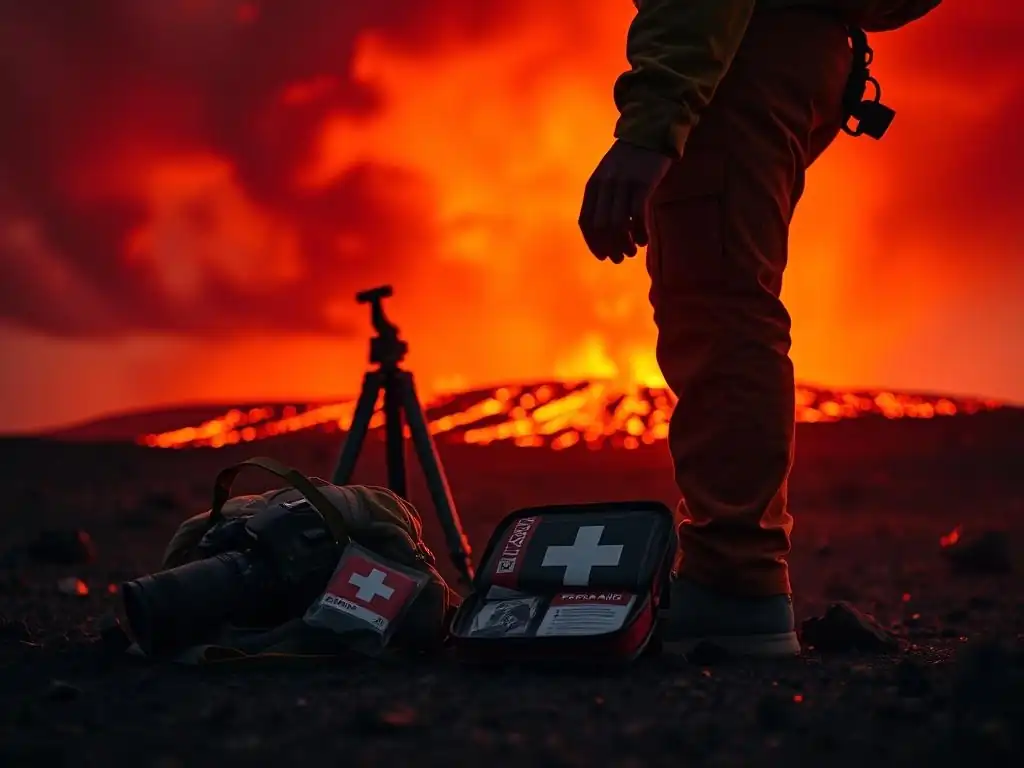
Dare to capture the raw power and beauty of an eruption? This isn't your average landscape shoot. Before you even think about lenses and lighting, consider this: survival. Because when molten rock meets adrenaline, knowing how to handle a volcano emergency is just as crucial as mastering photography. Prepare to explore the essential volcano emergency photography tips that could save your life – and your gear. Are you ready to frame the inferno… safely?
- Volcano Emergency Photography Tips: First Aid and Evacuation Plans
- First Aid Essentials
- Evacuation Plans: A Photographer's Guide
- Emergency Scenarios and Response Strategies
- Essential Gear
- Post-Emergency Procedures
- Resources
- Conclusion: Prioritizing Safety
-
Frequently Asked Questions
- What are the most important first aid considerations when photographing volcanoes in an emergency?
- What crucial elements should be included in a volcano evacuation plan specifically for photographers?
- How does the proximity to a volcano influence the types of safety gear needed for emergency photography?
- What are some essential photography tips for capturing volcanic activity safely during an emergency?
- What is the role of real-time volcanic activity updates in informing decisions about emergency photography?
- Final Reflection: Capturing Chaos, Prioritizing Life
- Ignite Your Passion: Safeguard Your Shots & Yourself!
Volcano Emergency Photography Tips: First Aid and Evacuation Plans
Why Emergency Plans are Crucial
Venturing into volcanic regions to capture their raw power and beauty is an inherently risky endeavor. Volcanoes are dynamic geological features capable of rapid and unpredictable changes. For photographers dedicated to documenting these phenomena, understanding and preparing for potential emergencies is not merely advisable, it is absolutely essential. A well-thought-out emergency plan can be the critical difference between a successful photographic expedition and a life-threatening situation. The unpredictable nature of volcanic activity, coupled with the often remote and challenging terrains photographers explore, necessitates a proactive approach to safety.
The very act of volcano photography often places individuals closer to hazardous zones than typical tourists. Photographers seek unique angles and perspectives, sometimes venturing into areas with increased risks of gas exposure, falling rocks, or sudden eruptions. Without a pre-established emergency plan, photographers risk delayed reactions in critical moments, increased injury severity, and potential entrapment in rapidly evolving volcanic events. Emergency preparedness is therefore not just about personal safety; it's about responsible exploration and ensuring the ability to capture the awe-inspiring power of volcanoes while minimizing risks.
Understanding Volcanic Risks
Volcanic environments present a unique array of hazards that photographers must be acutely aware of. These risks are not limited to dramatic eruptions; they encompass a spectrum of dangers that can arise even during periods of apparent volcanic quiescence. Understanding these risks is the first step in formulating effective emergency plans tailored to volcano photography.
One primary risk is volcanic eruptions themselves. These can range from relatively minor steam explosions to massive, explosive events capable of projecting ash, rocks, and gas for kilometers. Pyroclastic flows, fast-moving currents of hot gas and volcanic debris, are among the most lethal volcanic hazards, capable of incinerating everything in their path. Lahars, volcanic mudflows composed of water and volcanic debris, can also pose significant threats, rapidly inundating valleys and low-lying areas.
Beyond direct eruptive hazards, volcanic gas emissions, such as sulfur dioxide, carbon dioxide, and hydrogen sulfide, can be invisible killers, causing respiratory problems, asphyxiation, and even death in sufficient concentrations. Furthermore, unstable terrain, including steep slopes, loose rocks, and areas prone to landslides, adds another layer of risk, particularly in regions affected by recent volcanic activity or seismic events. Being informed about the specific risks associated with the volcano being photographed is crucial for effective emergency preparedness.
First Aid Essentials
Building a Comprehensive First Aid Kit
A well-stocked first aid kit is indispensable for any volcano photographer venturing into the field. However, a standard kit might not be sufficient for the specific hazards encountered in volcanic environments. A comprehensive volcano photography first aid kit should address potential burns, cuts, respiratory issues from volcanic gases, and general wilderness emergencies.
Beyond the basics like bandages, antiseptic wipes, pain relievers, and tweezers, consider including items specifically for burn treatment, such as burn gel or dressings. Due to the dusty and ashy environment, eye drops for irritation and a saline solution for flushing wounds are highly recommended. Respiratory protection should be prioritized, including a supply of N95 or P100 respirators to filter out volcanic ash and particulate matter. For gas exposure, while specialized gas masks are beyond the scope of a standard kit, having a damp cloth or bandana readily accessible can offer some temporary relief.
Also, include items to address dehydration and heat-related illnesses, such as electrolyte tablets or powder and sunscreen with a high SPF. Finally, consider adding a wilderness first aid guide or quick reference card tailored to remote environments. Regularly check and replenish your kit, ensuring medications are not expired and supplies are in good condition.
Treating Burns, Cuts, and Respiratory Issues
In volcanic environments, burns, cuts, and respiratory issues are common injuries that photographers must be prepared to treat. Burns can result from contact with hot rocks, steam vents, or even pyroclastic materials. Cuts and abrasions are frequent due to uneven terrain and sharp volcanic rocks. Respiratory issues can arise from inhaling volcanic ash and gases.
For burns, immediately cool the affected area with cool (not cold) water for at least 10-20 minutes. Apply burn gel or a sterile burn dressing. Avoid applying ice or greasy ointments. For cuts and abrasions, clean the wound thoroughly with antiseptic wipes or saline solution. Apply antibiotic ointment and cover with a sterile bandage.
In case of heavy bleeding, apply direct pressure and elevate the injured limb. Respiratory issues from ash inhalation can be mitigated by wearing a respirator or damp cloth over the mouth and nose. If experiencing shortness of breath, move to an area with cleaner air and consider using an inhaler if you have one and are prescribed it for respiratory conditions. For more severe respiratory distress or deep burns, seek immediate medical attention.
Dealing with Volcanic Gas Exposure
Volcanic gases pose a significant, often invisible, threat to volcano photographers. Gases like sulfur dioxide (SO2), carbon dioxide (CO2), and hydrogen sulfide (H2S) can be present even when a volcano is not actively erupting. Exposure can cause a range of symptoms, from mild irritation to severe respiratory distress and even death.
Sulfur dioxide can irritate the eyes, nose, throat, and lungs, leading to coughing, wheezing, and shortness of breath. Carbon dioxide is odorless and heavier than air, accumulating in low-lying areas and potentially causing asphyxiation by displacing oxygen. Hydrogen sulfide, while having a characteristic rotten egg smell at low concentrations, can paralyze the sense of smell at higher levels, masking its presence before it causes respiratory paralysis and death. If you suspect gas exposure, immediately move to higher ground and upwind from the gas source.
If experiencing symptoms like dizziness, headache, nausea, or shortness of breath, seek fresh air and consider using supplemental oxygen if available and you are trained in its use. In severe cases of gas exposure, prompt evacuation and medical attention are critical. Always be aware of wind direction and avoid low-lying areas where gases might accumulate.
Recognizing and Treating Heatstroke and Dehydration
Volcanic environments are often characterized by harsh conditions, including intense sun exposure, heat radiated from volcanic rocks, and strenuous physical activity. These factors significantly increase the risk of heatstroke and dehydration, particularly for photographers carrying heavy equipment and operating in challenging terrains.
Heatstroke is a life-threatening condition characterized by a body temperature above 104°F (40°C), confusion, altered mental status, rapid heart rate, and hot, dry skin or profuse sweating. Dehydration occurs when the body loses more fluids than it takes in, leading to fatigue, headache, dizziness, muscle cramps, and in severe cases, organ damage. To prevent heatstroke and dehydration, drink plenty of fluids, especially water and electrolyte drinks, throughout the day.
Wear light-colored, loose-fitting clothing and a wide-brimmed hat. Take frequent breaks in shaded areas. If you suspect heatstroke, immediately move the person to a cool, shaded area, remove excess clothing, and cool them down by applying cool water to their skin or using wet cloths.
Seek immediate medical attention. For dehydration, encourage the person to drink fluids slowly and rest. Recognize the early signs of heat exhaustion (precursor to heatstroke), such as heavy sweating, weakness, dizziness, nausea, and headache, and take steps to cool down and rehydrate before the condition worsens.
Evacuation Plans: A Photographer's Guide
Pre-Trip Planning: Identifying Evacuation Routes
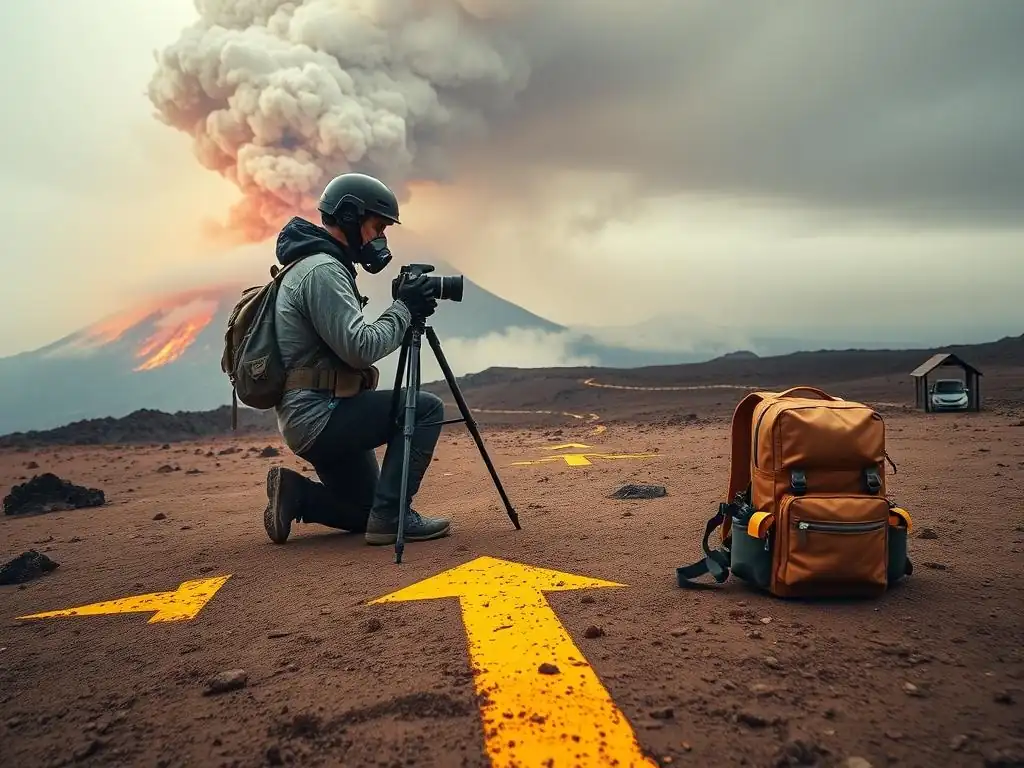
Effective evacuation planning begins long before arriving at a volcanic site. Pre-trip planning is crucial for identifying potential evacuation routes and understanding the logistical considerations involved in a rapid departure. This planning phase can significantly enhance safety and preparedness in the event of a volcanic emergency.
Prior to any volcano photography expedition, thoroughly research the volcano's history, recent activity levels, and potential hazards. Consult volcano monitoring agencies' websites for up-to-date information and hazard maps. Identify designated evacuation routes provided by local authorities or park services. Study topographic maps of the area to understand the terrain and identify alternative escape routes if primary routes are blocked or compromised.
Consider the accessibility of evacuation routes based on your mode of transportation – are they suitable for vehicles, or primarily footpaths? Factor in the distance to safe zones and estimated travel times. Share your planned evacuation routes with your team or emergency contacts and ensure everyone understands the procedures. Pre-trip planning is not just about knowing where to go, but also about mentally and logistically preparing for a swift and organized evacuation if necessary.
Monitoring Volcanic Activity: Recognizing Warning Signs
Constant monitoring of volcanic activity is paramount during volcano photography expeditions. Recognizing warning signs of escalating volcanic unrest can provide crucial lead time for evacuation and prevent photographers from being caught in hazardous situations. Staying vigilant and informed about volcanic activity is a continuous responsibility while in the field.
Pay close attention to official volcano monitoring agency alerts and updates, typically available online or via radio broadcasts in volcanic regions. Observe for changes in volcanic behavior, such as increased steam or gas emissions, changes in the color or intensity of fumaroles, or new fumarolic activity. Listen for unusual sounds emanating from the volcano, such as rumbling, explosions, or increased seismic activity. Be aware of ground deformation, which can manifest as swelling or tilting of the volcano's slopes.
Changes in water chemistry or temperature in nearby hot springs or streams can also indicate volcanic unrest. Animals in the area may exhibit unusual behavior if they sense changes in volcanic activity. If you observe any of these warning signs, err on the side of caution and consider initiating evacuation procedures, even if official alerts have not yet been issued. Early recognition and proactive response are key to safety.
Communication Strategies: Staying Connected
Reliable communication is vital for coordinating evacuations and seeking assistance in a volcanic emergency. However, volcanic regions often present communication challenges due to remote locations, rugged terrain, and potential disruption of infrastructure during volcanic events. Establishing robust communication strategies is an essential component of emergency preparedness for volcano photographers.
Prior to your trip, research available communication options in the area. Cell phone service may be unreliable or non-existent in remote volcanic regions. Satellite communication devices, such as satellite phones or personal locator beacons (PLBs), offer a more dependable means of communication in areas without cellular coverage.
Two-way radios can be useful for communication within a photography team, especially in areas with limited visibility or complex terrain. Establish pre-arranged communication protocols with your team, including designated communication frequencies or channels, and regular check-in times. Share your itinerary and emergency contact information with someone outside your photography group who can act as a point of contact in case of an emergency.
Ensure all communication devices are fully charged and tested before each day's activity, and carry spare batteries or portable power banks. Effective communication can be a lifeline in a volcanic emergency, facilitating coordination, information sharing, and the summoning of help if needed.
Emergency Signaling Techniques
In situations where direct communication is impossible, or when needing to signal for help from a distance, understanding emergency signaling techniques is crucial. These techniques can be the last resort for attracting attention and indicating distress in remote volcanic environments.
Visual signaling is often the most effective method in clear weather. Brightly colored clothing or gear can enhance visibility. Use a signal mirror to reflect sunlight towards potential rescuers – the flashes of light can be seen over long distances. If you have a whistle, use three short blasts repeated regularly as a universal distress signal.
Build a signal fire if conditions permit, ensuring it is in a safe location and won't spread uncontrollably. Three fires in a triangle formation is a recognized distress signal. At night, use a flashlight or headlamp to signal using Morse code for SOS (...---...).
If you have flares, use them sparingly and only when you believe there is a reasonable chance of being seen. Learn basic ground-to-air signals that can be recognized by aircraft, such as large "X" or "SOS" shapes created with rocks, clothing, or branches. Practice these signaling techniques beforehand so you can implement them effectively in a real emergency.
Emergency Scenarios and Response Strategies
Responding to a Sudden Eruption
A sudden volcanic eruption is a photographer's worst-case scenario, demanding immediate and decisive action. The response strategy must prioritize rapid evacuation and personal safety above all else. Pre-planning and practiced reactions are crucial for surviving a sudden eruption.
Upon witnessing or hearing signs of an imminent eruption, such as a sudden increase in explosions, rockfalls, or steam emissions, immediately cease all photography activities. Alert your team members and communicate the need for immediate evacuation. If pyroclastic flows are a potential hazard, seek higher ground and move perpendicular to the expected flow path, as flows typically follow valleys and drainage channels.
If ashfall is the primary hazard, protect your respiratory system with a respirator or damp cloth and your eyes with goggles or glasses. Seek shelter indoors if possible, or behind large rocks or natural depressions if open shelter is unavailable. Avoid low-lying areas where volcanic gases or lahars might accumulate.
Maintain situational awareness and continue to monitor the eruption's progression. Do not attempt to approach the erupting vent for closer photographs – prioritize survival. Once the immediate danger has passed, assess the situation, check for injuries, and continue with your pre-planned evacuation route to a safe zone.
Dealing with Lahars and Pyroclastic Flows
Lahars and pyroclastic flows are among the most destructive and lethal volcanic hazards. Understanding their characteristics and developing appropriate response strategies is critical for photographers working in areas prone to these phenomena. These hazards demand immediate and decisive action to maximize survival chances.
Lahars are rapid flows of mud and volcanic debris that follow river valleys and drainage channels. Pyroclastic flows are fast-moving currents of hot gas and volcanic debris that can travel at speeds exceeding 100 km/h and reach temperatures of hundreds of degrees Celsius. If a lahar is approaching, move to high ground immediately, perpendicular to the valley floor.
Climb as high as possible and stay away from riverbanks and low-lying areas. If a pyroclastic flow is imminent, seek immediate shelter in a substantial building or deep depression if possible. If no shelter is available, attempt to move laterally away from the flow path and seek any form of terrain shielding, such as a ridge or dense forest (though forests offer limited protection from the heat).
Pyroclastic flows are extremely difficult to outrun or outmaneuver, so early warning and rapid response are paramount. Monitor for warning signs of lahars and pyroclastic flows, such as heavy rainfall in volcanic areas or sudden, explosive eruptions. Heed any official warnings and evacuation orders immediately.
Volcanic landscapes are often characterized by challenging terrain, including steep slopes, loose rocks, lava fields, and fumarole fields. Navigating these environments safely requires careful planning, appropriate gear, and sound judgment. Terrain-related incidents are a common cause of injuries in volcano photography.
Wear sturdy hiking boots with good ankle support and traction. Use hiking poles for stability, especially on uneven or steep terrain. Be mindful of loose rocks and scree slopes, and test your footing before placing your full weight on unstable surfaces. Avoid traversing steep slopes or exposed ridges in strong winds or inclement weather.
Lava fields can be particularly treacherous due to sharp, uneven surfaces and hidden voids. Proceed slowly and cautiously, and be aware of the potential for falls. Fumarole fields can have unstable ground and hidden steam vents. Stay on marked trails and avoid venturing into areas with visible steam or altered ground.
In areas with poor visibility, such as fog or heavy ashfall, use a GPS device and compass for navigation and proceed with extra caution. Inform someone of your planned route and expected return time, and carry a personal locator beacon (PLB) for emergency signaling if needed. Proper terrain navigation skills and awareness are essential for minimizing risks and preventing injuries.
What to Do If Separated from Your Group
Getting separated from your photography group in a volcanic environment can be a serious emergency. Pre-establishing procedures for separation and knowing how to react if it occurs are vital for ensuring everyone's safety and facilitating reunification.
Before starting any photography activity, designate a meeting point and establish a "lost procedure." If you realize you are separated from your group, stop immediately and stay in place. Do not continue moving in the hope of finding them, as this can worsen the separation. Use a whistle or shout to try and attract attention, but conserve your energy if initial attempts are unsuccessful.
If you have a two-way radio, attempt to contact your group. If you have a GPS device, note your current location. Wait at the designated meeting point for a pre-determined amount of time, such as 30 minutes to an hour. If your group does not return, follow pre-established evacuation procedures and head towards the nearest safe zone or rendezvous point.
If you are carrying emergency supplies, ration them carefully. If you have a personal locator beacon (PLB), activate it if you are in a true emergency situation and require rescue. Staying calm, following pre-arranged procedures, and utilizing available communication and signaling tools are crucial steps if separated from your group.
Essential Gear
Emergency Shelter and Sleeping Arrangements
In a volcano emergency, having access to emergency shelter and sleeping arrangements can be crucial for protection from the elements, particularly in remote and exposed volcanic environments. This gear can provide temporary refuge and improve survival prospects in prolonged emergencies.
A lightweight emergency bivvy sack or survival blanket should be a standard item in every volcano photographer's gear kit. These compact items provide basic protection from wind, rain, and cold. For more extended emergencies or planned overnight stays, consider a lightweight, waterproof tent or tarp. Choose shelter options that are easy to set up and pack down quickly, as speed can be critical in a volcanic emergency.
Pack a warm sleeping bag appropriate for the expected temperatures in the volcanic region. Inflatable sleeping pads provide insulation from the cold ground and improve comfort. Consider including a lightweight emergency stove and cooking pot for preparing hot drinks or meals, which can be important for maintaining morale and energy levels in a prolonged emergency situation. Practice setting up your emergency shelter and using your sleeping arrangements beforehand to ensure you can do so efficiently in challenging conditions.
Reliable navigation tools are indispensable for volcano photographers, especially in emergencies where evacuation routes may be obscured or off-trail navigation is necessary. These tools ensure you can find your way to safety, even in challenging conditions or when electronic devices fail.
A topographic map of the volcanic area is a fundamental navigation tool. Learn how to read topographic maps and understand contour lines, elevation, and terrain features. A compass is essential for orienting yourself and taking bearings, especially in areas with limited visibility or dense vegetation. A GPS device can provide precise location information and track your route, but rely on it as a supplementary tool, not your primary navigation method, as batteries can fail and signal can be lost.
Learn how to use your GPS device effectively and carry spare batteries. Practice using your map, compass, and GPS together in various terrain conditions to become proficient in navigation. Consider carrying a backup compass and map in case your primary navigation tools are lost or damaged. Navigation skills and reliable tools are critical for safe travel and evacuation in volcanic environments.
Communication Devices
Effective communication devices are vital for summoning help, coordinating evacuations, and staying informed about evolving volcanic conditions. Choosing the right communication devices for volcano photography depends on the location, terrain, and potential communication challenges.
Satellite phones provide reliable voice communication from virtually anywhere on Earth, making them ideal for remote volcanic regions without cellular coverage. Personal locator beacons (PLBs) are designed for emergency situations and transmit a distress signal to search and rescue authorities, even without cellular or satellite phone service. Two-way radios are useful for short-range communication within a photography team, especially in areas with limited visibility or complex terrain. Consider radios with weather channels to receive alerts about changing weather conditions.
Cell phones can be used in areas with reliable cellular coverage, but battery life can be limited, and service may be unreliable during volcanic events. Carry spare batteries or portable power banks for all electronic communication devices. Learn how to use all your communication devices effectively and test them before each expedition. Establish communication protocols with your team and emergency contacts before venturing into the field.
Personal Protective Equipment (PPE)
Personal protective equipment (PPE) is essential for minimizing exposure to volcanic hazards such as ash, gases, heat, and projectiles. Appropriate PPE can significantly reduce the risk of injuries and health problems associated with volcano photography.
An N95 or P100 respirator is crucial for filtering out volcanic ash and particulate matter, protecting your respiratory system from irritation and long-term health effects. Safety goggles or glasses provide eye protection from ash, dust, and volcanic gases. Wear long-sleeved shirts and long pants to protect your skin from sunburn, abrasion, and insect bites.
Sturdy hiking boots with ankle support and thick soles provide foot protection and ankle stability on uneven terrain. Gloves protect your hands from cuts, abrasions, and heat. A hard hat or helmet offers protection from falling rocks and projectiles, especially in areas prone to rockfalls or during explosive eruptions.
Consider carrying fire-resistant clothing for increased protection in areas with potential for pyroclastic flows or intense heat. Ensure your PPE is in good condition, properly fitted, and readily accessible during photography activities. Wearing appropriate PPE is a proactive step in mitigating risks and enhancing safety in volcanic environments.
Post-Emergency Procedures
Reporting the Incident
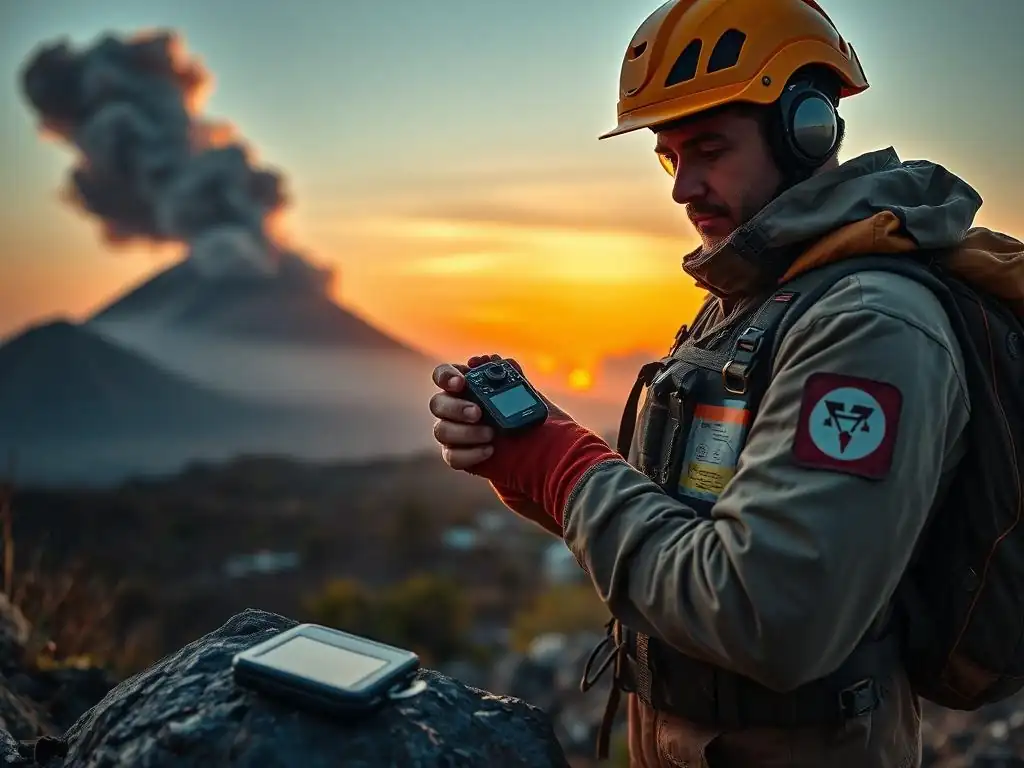
Following a volcanic emergency, reporting the incident to the appropriate authorities is a crucial post-emergency procedure. This action can trigger rescue efforts for others who may be affected and provide valuable information to volcano monitoring agencies and emergency services.
As soon as it is safe to do so, contact local emergency services, such as park rangers, police, or search and rescue teams. Provide them with detailed information about the incident, including the location, time, nature of the emergency, number of people involved, and any injuries sustained. If you activated a personal locator beacon (PLB), follow up with confirmation and further details to the responding authorities.
Report the incident to volcano monitoring agencies, especially if it involved unexpected volcanic activity or hazards that may not have been previously identified. Document the incident as thoroughly as possible, including photographs, GPS coordinates, and written accounts, as this information can be valuable for investigations and future risk assessments.
Cooperate fully with any official investigations or inquiries related to the incident. Reporting the incident is not only a responsible action but also contributes to improving safety protocols and emergency response capabilities for future volcano explorations.
Assessing and Treating Injuries
After a volcanic emergency, a thorough assessment of injuries and prompt treatment are paramount. Even seemingly minor injuries can become serious if left untreated, especially in remote environments with limited access to medical care.
Conduct a systematic assessment of yourself and your team members for injuries. Prioritize treating life-threatening conditions first, such as severe bleeding, airway obstruction, or unconsciousness. Address burns, cuts, fractures, and sprains according to your first aid training and available supplies. Monitor for signs of shock, heatstroke, dehydration, or gas exposure, and provide appropriate treatment. If injuries are beyond your first aid capabilities, seek professional medical assistance as soon as possible.
Evacuate injured individuals to a medical facility or contact emergency services for medical evacuation if necessary. Document all injuries and treatments administered for future medical reference. Continue to monitor injured individuals for any changes in their condition, even after initial treatment has been provided. Post-emergency injury assessment and treatment are critical steps in ensuring the well-being and recovery of everyone involved.
Equipment Recovery and Damage Assessment
Once the immediate emergency has subsided and everyone is safe, assess the status of your photography equipment and other gear. Equipment recovery and damage assessment are important for determining what can be salvaged, repaired, or needs replacement, and for insurance purposes if applicable.
Carefully inspect all photography equipment for damage from ash, heat, impact, or water exposure. Clean ash and dust from cameras, lenses, and other electronic devices as soon as possible to prevent corrosion and malfunction. Assess the functionality of each piece of equipment and document any damage. Check emergency gear, such as shelters, sleeping bags, navigation tools, and communication devices, for damage and ensure they are still functional for future use.
If equipment is damaged beyond repair, document the damage thoroughly for insurance claims or replacement purposes. If equipment is salvageable but requires professional cleaning or repair, arrange for servicing as soon as possible. Proper equipment recovery and damage assessment help minimize losses, ensure future preparedness, and provide valuable information for insurance claims if necessary.
Debriefing and Learning
After a volcanic emergency, a debriefing session is essential for reviewing the incident, identifying lessons learned, and improving future emergency preparedness. This process allows you and your team to analyze your responses, identify areas for improvement, and enhance safety protocols for subsequent volcano photography expeditions.
Gather your team and conduct a structured debriefing session as soon as practical after the emergency. Discuss what happened, step-by-step, from the onset of the emergency to its resolution. Analyze the effectiveness of your emergency plan and identify any gaps or weaknesses. Evaluate the performance of your equipment and communication systems during the emergency. Discuss individual and team responses to the situation, noting both strengths and areas for improvement.
Identify lessons learned from the incident and document them for future reference. Revise and update your emergency plan based on the debriefing findings. Share your experiences and lessons learned with other volcano photographers to contribute to collective knowledge and improved safety practices within the community. Debriefing and learning from emergencies is a crucial process for continuous improvement and enhanced safety in volcano photography.
Resources
Official Volcano Monitoring Agencies
Reliable information from official volcano monitoring agencies is paramount for volcano photographers. These agencies provide real-time data, alerts, and hazard assessments, which are crucial for pre-trip planning and on-site decision-making. Utilizing these resources significantly enhances safety and awareness of volcanic activity.
The USGS Volcano Hazards Program (United States Geological Survey) is a primary resource for volcano information in the United States. They provide volcano activity updates, hazard assessments, and educational materials. The Smithsonian Institution's Global Volcanism Program offers a comprehensive database of volcanoes worldwide, including eruption histories and current activity status. Volcano observatories exist in many countries with active volcanoes, such as the Instituto Nacional de Vulcanología (Italy), the Japan Meteorological Agency, and GNS Science (New Zealand).
These local agencies provide detailed information specific to their regions. Websites and social media channels of these agencies are often the most up-to-date sources of information. Familiarize yourself with the relevant volcano monitoring agencies for the regions you plan to photograph and regularly consult their resources before and during your expeditions.
Wilderness First Aid and Survival Training
Specialized wilderness first aid and survival training is highly recommended for volcano photographers venturing into remote and potentially hazardous environments. These courses equip individuals with the skills and knowledge necessary to handle medical emergencies and survive in challenging conditions, significantly enhancing safety and self-reliance.
Wilderness First Aid (WFA) courses provide training in basic first aid skills tailored to remote environments, including wound care, fracture management, and treatment of environmental illnesses like heatstroke and hypothermia. Wilderness First Responder (WFR) courses offer more advanced medical training for wilderness emergencies, including patient assessment, advanced wound management, and evacuation techniques.
Wilderness EMT (WEMT) courses provide the highest level of pre-hospital medical training for wilderness settings, equivalent to urban EMT certification but with a wilderness focus. Survival training courses teach essential survival skills, such as shelter building, fire starting, water procurement, and navigation techniques, which can be invaluable in emergency situations.
Organizations like the National Outdoor Leadership School (NOLS), Wilderness Medical Associates, and the Wilderness Medicine Institute of Wilderness Education Association offer reputable wilderness medical and survival training programs. Investing in wilderness first aid and survival training is a proactive step in enhancing personal safety and preparedness for volcano photography.
Local Emergency Services
Knowing how to contact and coordinate with local emergency services in volcanic regions is essential for volcano photographers. These services are the primary responders in emergencies and provide critical assistance in evacuation, search and rescue, and medical aid.
Research local emergency service contact information before your trip, including phone numbers for police, fire departments, ambulance services, and park rangers in the volcanic area. Inquire about the local emergency response protocols and capabilities specific to volcanic hazards. Understand the procedures for summoning help in remote areas, including the use of satellite communication or personal locator beacons. Establish contact with local park rangers or authorities upon arrival in the volcanic region to inform them of your photography plans and intended locations.
If an emergency occurs, contact local emergency services immediately and provide them with accurate location information, details of the emergency, and the number of people requiring assistance. Cooperate fully with emergency responders and follow their instructions during rescue or evacuation operations. Building relationships and understanding local emergency services is a crucial aspect of responsible and safe volcano photography.
Conclusion: Prioritizing Safety
Responsible Volcano Exploration
Volcano photography is an exhilarating pursuit that allows us to witness and document the raw power and breathtaking beauty of our planet's volcanic landscapes. However, it is an activity that inherently carries significant risks. Responsible volcano exploration demands that safety is not merely an afterthought, but the absolute foremost priority.
By meticulously planning for emergencies, understanding volcanic hazards, mastering essential first aid and survival skills, and utilizing appropriate protective equipment, volcano photographers can significantly mitigate risks and enhance their ability to operate safely in these dynamic environments. Continuous learning, preparedness, and a conservative approach to risk-taking are the hallmarks of responsible volcano exploration. Ultimately, the most compelling photograph is never worth compromising personal safety or the well-being of your team. Embrace the challenge, respect the power of nature, and always prioritize safety in your pursuit of capturing the awe-inspiring world of volcanoes.
Frequently Asked Questions
What are the most important first aid considerations when photographing volcanoes in an emergency?
Prioritize burn treatment and respiratory protection from ash and gases. Carry a first-aid kit with appropriate supplies and know how to use them.
What crucial elements should be included in a volcano evacuation plan specifically for photographers?
Establish escape routes and rendezvous points, and communicate your plans to someone. Have a charged communication device and backup power source.
How does the proximity to a volcano influence the types of safety gear needed for emergency photography?
Closer proximity necessitates more robust protection, including heat-resistant clothing, gas masks, and eye protection from flying debris.
What are some essential photography tips for capturing volcanic activity safely during an emergency?
Use a telephoto lens to maintain a safe distance. Prioritize your safety over getting the perfect shot, and be aware of your surroundings.
What is the role of real-time volcanic activity updates in informing decisions about emergency photography?
Updates provide crucial information about potential hazards and eruption intensity. They help determine if photography is safe and when to evacuate.
Final Reflection: Capturing Chaos, Prioritizing Life
The raw power and destructive potential of volcanoes, as we've explored through the lens of emergency photography, are not abstract concepts confined to textbooks or documentaries. They are a stark reality for communities living in their shadow, and the images captured during these crises serve as vital documentation and urgent calls for aid. The tips and strategies outlined in this article are not merely about taking stunning photographs; they are about responsible reporting, preserving crucial information, and, above all, prioritizing human life in the face of unimaginable danger.
The impact of volcano emergency photography extends far beyond the immediate aftermath of an eruption. It shapes public perception, influences policy decisions, and serves as a powerful reminder of the Earth's untamed forces. It's a field where artistry meets advocacy, where the pursuit of a compelling image must always be tempered by ethical considerations and a deep respect for the affected communities. Photography is a powerful weapon; it can be used to expose injustice, to document suffering, and to inspire change.
- Lewis Hine. This quote resonates deeply with the spirit of volcano emergency photography, highlighting its potential to effect positive change in the face of devastation.
As you reflect on the information shared in this article, consider your own role in understanding and responding to natural disasters. How can you use your skills, whether in photography or another field, to contribute to a safer and more informed world?
Let the lessons learned here inspire you to act with compassion, courage, and a unwavering commitment to preserving life, even in the most challenging circumstances. The next time you see a photograph of a volcanic eruption, remember the stories behind the image, the risks taken, and the lives impacted, and ask yourself: what can I do to help?
Ignite Your Passion: Safeguard Your Shots & Yourself!
Thank you for exploring the world of emergency volcano photography with us. We hope you've gained valuable insights into capturing breathtaking images while prioritizing safety. Now, let's put that knowledge into practice.
Ready to take the next step?
- Prioritize Safety: Develop a Personalized Emergency Plan.: This plan should include evacuation routes, first aid protocols, and communication strategies specific to your chosen volcano. This is crucial – don't skip it!
- Share Your Expertise: Contribute to our community forum at VolcanoExplorers.org by sharing your tips and experiences related to emergency preparedness. Help others learn from your knowledge!
- Expand Your Skills: Consider enrolling in a Wilderness First Responder course to enhance your safety and preparedness for volcano exploration.
What steps will you take today to ensure your next volcano photography adventure is both stunning and safe? Share your plans below!