
Underwater Volcano Visions: Specialized Equipment for Submarine Volcano Photography

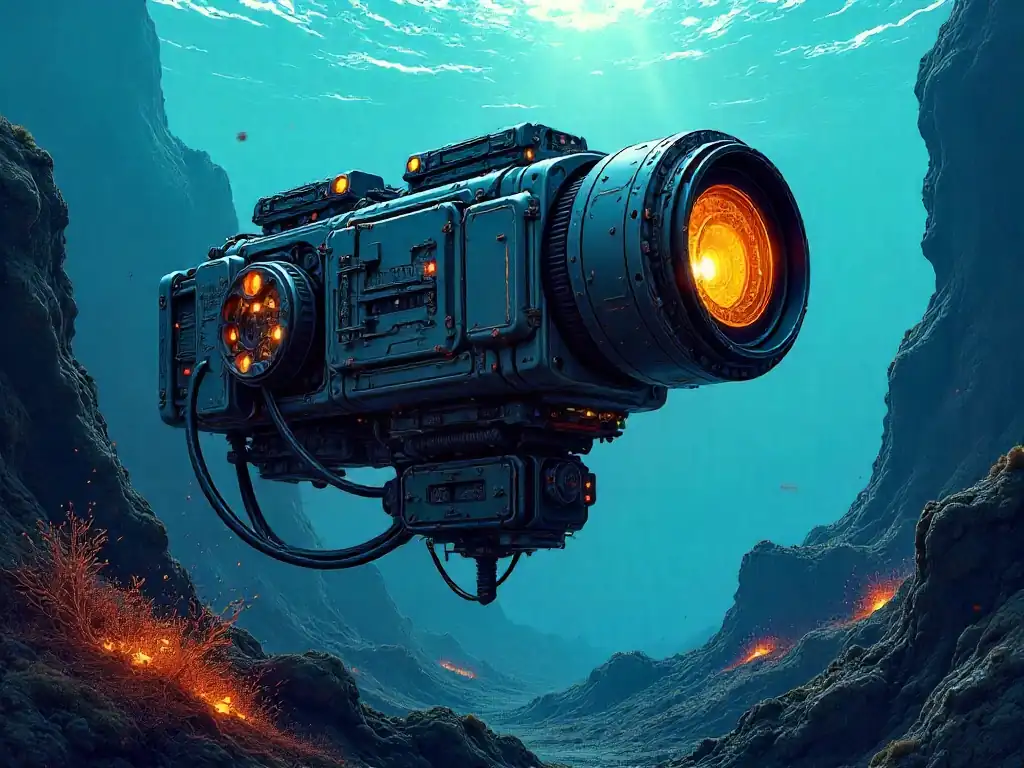
Welcome to Volcano Explorers!
Dare to venture into the earth's fiery depths? Prepare to be mesmerized as we plunge beneath the waves to uncover the secrets of submarine volcanism. Our latest feature, " Underwater Volcano Visions: Specialized Equipment for Submarine Volcano Photography," unveils the cutting-edge tools and techniques used to capture the breathtaking, yet perilous, beauty of underwater eruptions. What mysteries lie hidden beneath the surface? Let's dive in and find out...
- Underwater Volcano Photography: Specialized Equipment for Capturing Submarine Eruptions
- Exploring the Depths: An Introduction to Underwater Volcano Photography
- Essential Gear for Capturing Submarine Volcanic Activity
- Underwater Camera Systems for Volcano Photography
- Lighting Solutions for Submarine Volcano Photography
- Dive Gear and Safety Equipment for Underwater Volcano Exploration
- Underwater Lenses and Optics for Volcano Photography
- Underwater Navigation and Positioning Systems
- Remote Operated Vehicles (ROVs) for Deep-Sea Volcano Photography
- Monitoring and Data Collection Equipment
- Post-Processing Techniques for Underwater Volcano Images
- Ethical Considerations and Environmental Responsibility
-
Frequently Asked Questions
- How does underwater volcano photography equipment differ from regular underwater photography gear?
- What are the key pieces of equipment needed for underwater volcano photography?
- How do volcanologists protect their underwater photography equipment from the heat of active volcanoes?
- What type of camera is best suited for underwater volcano photography?
- Where can I find reliable suppliers of underwater volcano photography equipment?
- Final Reflection: Illuminating the Abyss
- Ignite Your Inner Volcanologist: Gear Up for Discovery!
Underwater Volcano Photography: Specialized Equipment for Capturing Submarine Eruptions
Exploring the Depths: An Introduction to Underwater Volcano Photography
Underwater volcano photography stands as one of the most challenging and captivating genres within the field of visual storytelling. It plunges photographers into extreme environments, where immense pressure, near-freezing temperatures, and limited visibility are commonplace.
Unlike terrestrial volcano photography, which often involves capturing eruptions from a relatively safe distance, documenting submarine volcanic activity requires venturing into the deep ocean, a realm largely unexplored and inherently hostile to both humans and equipment. The allure, however, is undeniable: to witness and record the raw power of geological forces shaping our planet beneath the waves, revealing a hidden world of fire and ice.
This specialized niche demands not only exceptional photographic skill but also a profound understanding of the marine environment and the unique technical requirements it imposes. The goal is to capture the dynamic processes of underwater volcanism – from slow lava flows and hydrothermal vent activity to explosive eruptions that can send shockwaves and plumes of ash through the water column.
Successfully documenting these phenomena requires a unique blend of scientific knowledge, adventurous spirit, and mastery of specialized equipment designed to withstand the crushing pressures and corrosive conditions of the deep sea, while simultaneously delivering stunning visual representations of this dramatic underwater world.
Essential Gear for Capturing Submarine Volcanic Activity
Understanding the Challenges of Photographing Underwater Volcanoes
Photographing underwater volcanoes presents a unique and formidable set of challenges that terrestrial volcano photographers rarely encounter. Firstly, light penetration is drastically reduced in water, especially at depths where volcanic activity often occurs. Sunlight is rapidly absorbed, with red wavelengths disappearing within the first few meters, leading to predominantly blue or green ambient light. This necessitates powerful artificial light sources to reveal the true colors and details of the volcanic landscape. Visibility is also frequently compromised by particulate matter, hydrothermal vent plumes, and the sheer vastness of the ocean, requiring techniques to minimize backscatter and maximize clarity.
Secondly, the immense pressure at depth poses significant risks to both equipment and divers. For every 10 meters (approximately 33 feet) of descent, pressure increases by one atmosphere. At depths exceeding a few hundred meters, specialized housings and remotely operated vehicles (ROVs) become essential to protect cameras and allow for safe operation.
Furthermore, the thermal extremes around active volcanoes, ranging from superheated water near hydrothermal vents to near-freezing ambient temperatures in the deep ocean, can stress equipment and require careful thermal management. Finally, the remote and often unpredictable nature of underwater volcanic activity demands meticulous planning, robust logistics, and a highly skilled team capable of operating in hazardous and isolated locations.
The Importance of Specialized Underwater Photography Equipment
The extreme conditions inherent in underwater volcano photography necessitate the use of highly specialized equipment that goes far beyond standard underwater photography gear. Consumer-grade underwater cameras and housings are simply inadequate for the depths, pressures, and potential hazards encountered near submarine volcanoes. Specialized equipment is crucial for several key reasons: firstly, durability and pressure resistance are paramount.
Housings must be constructed from robust materials like aluminum or titanium, engineered to withstand crushing pressures at extreme depths and maintain watertight integrity. Secondly, optical clarity and image quality must be maintained despite the challenging underwater environment. This requires high-quality lenses, port systems that minimize distortion, and powerful lighting to compensate for light absorption.
Thirdly, safety and operational efficiency are critically dependent on specialized gear. Dive equipment must be suitable for extended dives in potentially cold and hazardous conditions, and communication systems are essential for maintaining contact within the photography team.
For deeper or more dangerous environments, ROVs equipped with advanced camera systems offer a safer alternative to human divers, allowing for exploration and documentation in areas inaccessible or too risky for direct human intervention. Investing in specialized equipment is not merely a matter of enhancing image quality; it is fundamental for ensuring the safety of personnel, the reliability of operations, and the ability to capture meaningful and scientifically valuable imagery of these remarkable underwater volcanic landscapes.
Underwater Camera Systems for Volcano Photography
High-Resolution Underwater Cameras: Capturing the Details of Volcanic Formations
Capturing the intricate details of underwater volcanic formations demands high-resolution camera systems capable of performing in low-light conditions and extreme environments. For still photography and high-definition video, professional-grade DSLR or mirrorless cameras are often favored for their large sensors and superior image quality. Sensors with larger pixel sizes generally perform better in low light, crucial for the dimly lit depths where submarine volcanoes reside. Cameras boasting resolutions of 20 megapixels and above allow for significant cropping and enlargement of images, essential for highlighting specific features of volcanic structures and hydrothermal vents.
Specifically, models known for their robust build and low-light capabilities, such as professional Nikon or Canon DSLRs, or Sony Alpha series mirrorless cameras, are frequently chosen by underwater volcano photographers. These cameras offer a wide dynamic range, allowing for the capture of detail in both the dark shadows and bright highlights often present in underwater volcanic scenes.
Furthermore, the ability to shoot at high ISO settings with minimal noise is critical when working in deep, dimly lit environments, ensuring that crucial details are not lost in digital noise. The selection of the camera body is just the first step; it must be paired with an equally capable underwater housing and lens system to fully realize its potential in the demanding realm of submarine volcano photography.
Choosing the Right Underwater Housing for Your Camera
The underwater housing is arguably the most critical piece of equipment for underwater volcano photography, acting as a protective barrier against the harsh marine environment and enabling camera operation at depth. Choosing the right housing involves considering several key factors, starting with material and depth rating. Housings are typically constructed from marine-grade aluminum alloy or polycarbonate.
Aluminum housings offer superior strength and durability, are often rated for greater depths (hundreds of meters), and provide better heat dissipation, which can be important for prolonged use in deep water. Polycarbonate housings are lighter and generally more affordable, suitable for shallower dives, but may have limitations in terms of depth rating and long-term durability under extreme conditions.
Ergonomics and control accessibility are also paramount. A good housing should provide intuitive access to all essential camera controls – shutter speed, aperture, ISO, focus, and zoom – via clearly labeled and easily manipulated dials and buttons, even while wearing thick gloves. Port compatibility is another crucial aspect.
The housing must accommodate a range of interchangeable lens ports designed for different lenses (wide-angle, macro, zoom) and to correct for optical distortion underwater. Brands like Nauticam, Sea & Sea, Ikelite, and Subal are renowned for producing high-quality, reliable underwater housings that cater to a wide range of camera models and diving needs. Selecting a housing that is robust, ergonomic, and compatible with the intended camera and lenses is a fundamental step in preparing for successful underwater volcano photography.
Considerations for Depth Rating and Pressure Resistance
Depth rating and pressure resistance are non-negotiable considerations when selecting an underwater housing for volcano photography. The immense pressure encountered at depth poses a direct threat to equipment integrity and, consequently, the success and safety of the photographic mission. Understanding pressure is crucial: for every 10 meters (approximately 33 feet) of seawater, the pressure increases by approximately one atmosphere (14.7 psi).
At depths of 100 meters, the housing will experience ten times the atmospheric pressure at the surface. Active submarine volcanoes can be found at significant depths, ranging from relatively shallow coastal vents to deep-sea hydrothermal vent fields thousands of meters below the surface.
Therefore, the chosen housing must have a depth rating that significantly exceeds the intended maximum operating depth, providing a crucial safety margin. A housing rated to 100 meters should not be used at 99 meters; a conservative approach is essential. Manufacturers rigorously test their housings to ensure they meet or exceed their stated depth ratings, but regular maintenance and inspection are vital to maintain pressure resistance over time.
O-rings, the primary seals preventing water ingress, must be kept clean, lubricated, and replaced periodically as they can degrade with use and exposure to saltwater. Before each dive, a thorough pre-dive check of the housing, including pressure testing if possible, is a mandatory safety protocol to minimize the risk of flooding and equipment failure in the challenging environment of underwater volcano photography.
Lighting Solutions for Submarine Volcano Photography
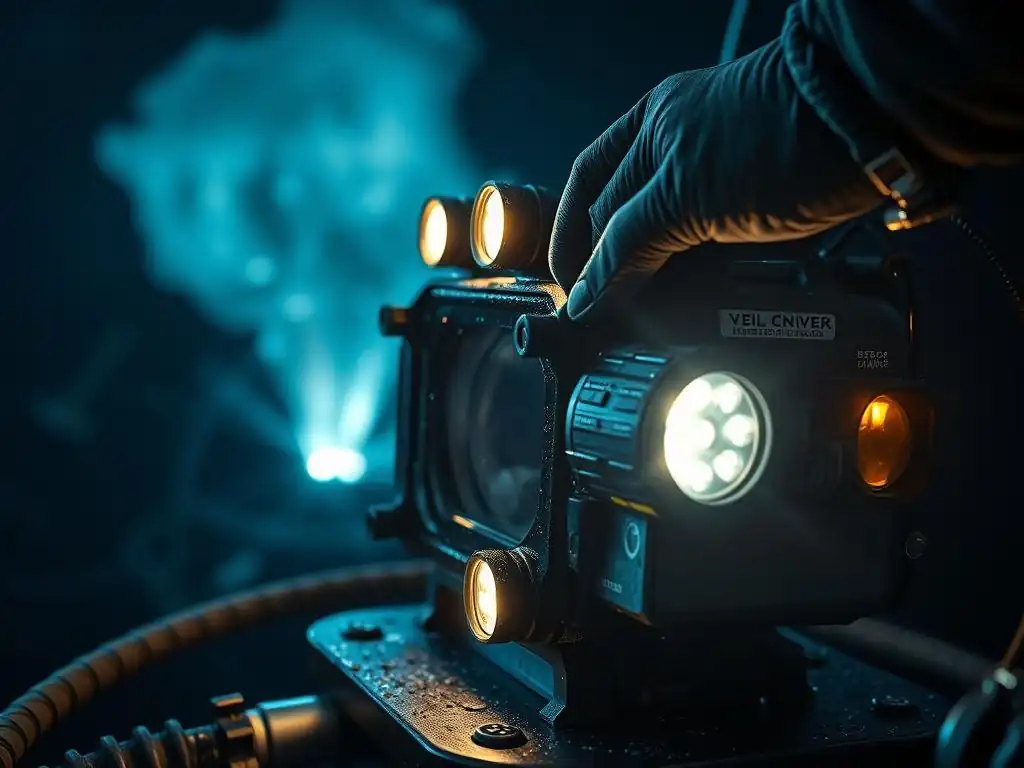
Overcoming Low Light Conditions in the Deep Sea
One of the most significant hurdles in underwater volcano photography is the rapid attenuation of light as it travels through water. Water absorbs light, particularly the longer wavelengths (reds and oranges), much more effectively than air. Within the first few meters of water, red light is largely filtered out, and by 10 meters, the spectrum shifts predominantly towards blue and green.
At greater depths, even blue light is significantly diminished, leading to a perpetually twilight or even completely dark environment. This inherent light scarcity necessitates the use of powerful artificial lighting to illuminate underwater volcanic features and restore color and detail to photographs.
Ambient light alone is rarely sufficient for capturing high-quality images below shallow depths. The reliance on artificial light sources becomes paramount for revealing the true colors of hydrothermal vents, lava formations, and any marine life present. Without supplemental lighting, images would be monochromatic, murky, and lack the vibrancy and detail crucial for both scientific documentation and compelling visual storytelling. Therefore, understanding the principles of underwater light absorption and mastering the techniques of artificial lighting are fundamental skills for any photographer venturing into the depths to document submarine volcanic activity.
Underwater Strobes and Video Lights: Illuminating Volcanic Features
To combat the light-absorbing properties of water, underwater photographers rely on strobes and video lights as their primary sources of illumination. Strobes, or flash units, are used for still photography, delivering a powerful, short burst of light synchronized with the camera shutter. They are particularly effective for freezing motion, revealing vibrant colors, and creating dramatic lighting effects. Modern underwater strobes offer features like TTL (Through-The-Lens) metering for automatic exposure control, adjustable power levels, and modeling lights for focusing in low visibility. Multiple strobes are often used in combination to provide even and balanced lighting, minimizing shadows and maximizing detail.
Video lights, on the other hand, provide a continuous beam of light, essential for video recording and also beneficial for focusing and composition in still photography. High-output LED video lights are now prevalent, offering bright, energy-efficient illumination with adjustable intensity and color temperature. For underwater volcano photography, both strobes and video lights play crucial roles.
Strobes are ideal for capturing high-resolution still images of volcanic formations and vent structures, while video lights are invaluable for filming dynamic scenes of hydrothermal vent activity, lava flows (if present), and for providing constant illumination during ROV operations or extended dive sessions. Choosing the right combination of strobes and video lights, with sufficient power and appropriate beam angles, is critical for effectively illuminating the often-dark and expansive underwater volcanic landscapes.
Techniques for Minimizing Backscatter and Achieving Optimal Lighting
Backscatter, the bane of underwater photography, refers to the scattering of light off particles suspended in the water, such as sediment, plankton, or hydrothermal vent plumes. This results in bright, distracting spots in images, reducing contrast and clarity. Minimizing backscatter and achieving optimal lighting requires careful technique and positioning of light sources.
One fundamental technique is to position strobes and video lights off-camera and angled outwards, rather than pointing them directly at the subject and towards the camera lens. This "side-lighting" or "top-lighting" approach reduces the amount of light reflecting directly back to the lens from particles in the water column between the lens and the subject.
Using snoots or diffusers on strobes can further control the light beam, directing it more precisely onto the subject and reducing spill light that could illuminate backscatter particles. Shooting with a fast shutter speed and smaller aperture can also help to minimize backscatter by reducing the amount of ambient light captured and increasing the depth of field, making backscatter less noticeable.
In situations with heavy particulate matter, moving closer to the subject reduces the distance light has to travel through the turbid water, minimizing the volume of water (and particles) illuminated between the lens and the subject. Finally, careful post-processing, using tools to selectively reduce highlights and remove backscatter spots, is often a necessary step in achieving clean and visually appealing underwater volcano photographs.
Dive Gear and Safety Equipment for Underwater Volcano Exploration
Essential Scuba Diving Equipment for Volcanic Environments
Diving near underwater volcanoes demands a robust and specialized set of scuba diving equipment beyond the standard recreational setup. Given the potential for cold temperatures, even in tropical regions at depth, a drysuit is often essential for thermal protection, allowing for extended dives in comfort and safety. Drysuits prevent water from contacting the skin, maintaining body heat and enabling the use of insulating underlayers.
Full face masks are highly recommended, especially when diving near hydrothermal vents or areas with potential gas leaks. They provide a secure seal, protect the entire face from cold water and potential irritants, and can be integrated with communication systems.
Redundant air supply is crucial in potentially hazardous volcanic environments. This can include a pony bottle (a smaller, independent cylinder) or a redundant regulator on the main cylinder, providing a backup air source in case of primary equipment malfunction. Dive computers are indispensable for monitoring depth, bottom time, decompression status, and gas mixtures.
For dives involving mixed gases (e.g., nitrox or trimix for deeper dives), dive computers capable of multi-gas switching are necessary. Durable and reliable fins, a weight belt or integrated weight system, and a well-maintained buoyancy compensator (BCD) are fundamental. Finally, carrying a dive knife or cutting tool is essential for entanglement hazards, and a surface marker buoy (SMB) is vital for signaling location to surface support and other divers, particularly in areas with strong currents or limited visibility.
Communication Systems for Underwater Photography Teams
Effective communication is paramount for safety and coordination within underwater photography teams, especially in the complex and potentially hazardous environments around submarine volcanoes. Traditional hand signals are limited in range and can be difficult to interpret in low visibility or stressful situations. Underwater communication systems, ranging from simple diver-to-diver signaling devices to sophisticated underwater radios, significantly enhance team communication. Basic signaling devices, like slates or underwater writing tablets, allow for short written messages to be exchanged. More advanced systems include "buddy phones" which use ultrasonic or bone conduction technology to transmit voice communication between divers within a limited range.
For larger teams or operations involving surface support, underwater radios provide two-way voice communication between divers and surface vessels. These systems can utilize wired or wireless technology, with wireless systems offering greater freedom of movement but potentially limited range and reliability in certain underwater conditions. Full face masks with integrated microphones and earphone systems are often used in conjunction with underwater radios, providing clear and hands-free communication.
Prior to any dive, a comprehensive communication plan should be established, including pre-dive briefings on hand signals, radio protocols, emergency procedures, and designated communication channels. Clear and reliable communication significantly improves team safety, coordination of photographic tasks, and overall efficiency of underwater volcano exploration.
Safety Protocols for Diving Near Active Volcanoes [Hazards: Superheated Water, Toxic Gases, Unstable Terrain]
Diving near active volcanoes presents a unique set of hazards that demand stringent safety protocols and meticulous planning. Superheated water is a significant risk near hydrothermal vents and areas of active lava flow. Water temperatures can fluctuate dramatically and rapidly, potentially causing thermal shock or burns. Divers must be aware of thermal gradients, monitor temperature gauges closely, and avoid direct contact with vent plumes or areas of visibly heated water.
Toxic gases, such as hydrogen sulfide, sulfur dioxide, and carbon dioxide, can be released from hydrothermal vents and volcanic fumaroles. These gases can be harmful or even lethal if inhaled in sufficient concentrations. Full face masks and closed-circuit rebreathers (for specialized scientific diving) can mitigate the risk of gas inhalation, and divers should be trained to recognize signs of gas leaks or unusual odors.
Unstable terrain is another hazard. Volcanic areas can be geologically active and prone to landslides, rockfalls, and shifting seafloor structures. Divers must be aware of the underwater topography, avoid diving in areas known to be unstable, and exercise caution when navigating around volcanic formations. Potential for eruptions, although less frequent than terrestrial eruptions, cannot be entirely discounted.
While large-scale underwater explosive eruptions are rare, smaller phreatic eruptions (steam explosions) or sudden increases in vent activity can occur unpredictably. Dive plans should include contingency procedures for rapid ascent and evacuation in case of unexpected volcanic activity. Expert local guides with experience diving in volcanic environments are invaluable, providing knowledge of local hazards, safe diving practices, and emergency protocols. Thorough pre-dive briefings, comprehensive risk assessments, and strict adherence to established safety protocols are paramount for minimizing risks and ensuring the well-being of underwater volcano photography teams.
Underwater Lenses and Optics for Volcano Photography
Wide-Angle Lenses: Capturing the Scale of Underwater Volcanoes
Wide-angle lenses are indispensable tools for underwater volcano photography, allowing photographers to capture the immense scale and grandeur of these underwater landscapes. Submarine volcanoes are often vast geological features, encompassing broad expanses of lava flows, towering hydrothermal vent structures, and expansive fields of volcanic debris.
Wide-angle lenses, with their broad field of view, are essential for encompassing these large scenes within a single frame, conveying the immensity and geological context of the volcanic environment. They are particularly useful for capturing establishing shots that show the overall topography of a volcanic area, the relationship between different volcanic features, and the surrounding marine environment.
Focal lengths in the range of 16-35mm (on a full-frame sensor) are commonly used for wide-angle underwater photography. Lenses with wider angles, such as fisheye lenses, can capture even broader perspectives but may introduce significant distortion, which may be undesirable for documenting geological features accurately. Rectilinear wide-angle lenses, which minimize distortion, are often preferred for underwater volcano photography, ensuring that straight lines remain straight and that the overall perspective is more naturalistic.
When shooting with wide-angle lenses underwater, it is crucial to get close to the subject to minimize the amount of water between the lens and the subject, thereby reducing backscatter and maximizing sharpness and clarity. Wide-angle lenses are fundamental for portraying the vastness and geological drama of underwater volcanoes.
Macro Lenses: Documenting Microscopic Life Around Hydrothermal Vents
While wide-angle lenses capture the grand scale of underwater volcanoes, macro lenses are essential for revealing the intricate details of the unique ecosystems that thrive around hydrothermal vents. Hydrothermal vents are hotspots of biological activity, supporting diverse communities of specialized organisms adapted to the extreme conditions of high temperatures, toxic chemicals, and complete darkness.
Macro lenses, designed for extreme close-up photography, allow photographers to document the fascinating microscopic life forms inhabiting these vent environments, including tube worms, shrimp, bacteria mats, and other specialized organisms. These images are not only visually captivating but also scientifically valuable, providing insights into the biodiversity and ecological processes of vent ecosystems.
Macro lenses with focal lengths in the range of 50-100mm (for full-frame) are commonly used for underwater macro photography. These lenses offer a close focusing distance, allowing for high magnification and detailed images of small subjects. Underwater macro photography often requires precise focus and shallow depth of field, demanding careful technique and stable camera positioning.
Strobes are essential for providing sufficient light for macro photography, often positioned to highlight textures and details of the small organisms and vent structures. The use of diopters or extension tubes can further increase magnification, enabling photographers to capture truly microscopic details of the unique life forms flourishing in the extreme environment of underwater volcanoes.
Specialized Filters for Underwater Photography: Color Correction and Clarity
Specialized filters play a crucial role in enhancing underwater volcano photographs, improving color rendition, reducing glare, and increasing overall image clarity. Color correction filters are designed to counteract the selective absorption of light by water. Red filters are commonly used in shallow water (down to about 15-20 meters) to restore red and orange hues that are quickly lost as depth increases.
Magenta filters are sometimes used in green water environments to correct for a green color cast. These filters effectively shift the color balance of the image closer to what the human eye would perceive at the surface, resulting in more natural and vibrant colors.
Polarizing filters are used to reduce glare and reflections from the water's surface and from reflective surfaces underwater, such as shiny volcanic rock or the bodies of marine animals. By reducing glare, polarizing filters enhance contrast and saturation, revealing more detail and improving overall image clarity. Clear or UV filters are often used primarily for lens port protection, acting as a sacrificial element to prevent scratches or damage to the more expensive lens port itself.
While they may offer minimal UV filtration, their primary function underwater is physical protection. The choice of filter depends on the specific underwater conditions, depth, water color, and desired artistic effect. Filters are valuable tools for optimizing image quality and achieving visually compelling representations of the underwater volcanic world.
GPS and Sonar Technology for Locating Submarine Volcanoes
Locating and navigating to submarine volcanoes, often situated in remote and deep ocean regions, requires sophisticated navigation and positioning technologies. GPS (Global Positioning System) is essential for surface navigation, allowing vessels to precisely pinpoint the coordinates of known or suspected underwater volcanic sites. However, GPS signals do not penetrate water, rendering it unusable for underwater navigation.
Therefore, GPS is primarily used to guide surface vessels to the general vicinity of the target volcano. Sonar (Sound Navigation and Ranging) technology is crucial for mapping the underwater terrain and precisely locating volcanic features beneath the surface. Side-scan sonar is used to create detailed images of the seafloor over a wide swath, revealing the outlines of volcanic cones, lava flows, and hydrothermal vent fields.
Multibeam sonar provides high-resolution bathymetric data, mapping the depth and three-dimensional structure of the seafloor with great accuracy. This data is essential for creating detailed maps of underwater volcanic landscapes and identifying specific features of interest. Combining GPS positioning on the surface with sonar mapping underwater allows researchers and photographers to effectively locate and navigate to submarine volcanoes, even in vast and featureless ocean basins. Sophisticated navigation software integrates GPS and sonar data, providing real-time positioning information and allowing for precise navigation to specific underwater targets, such as active vent sites or particular volcanic formations.
Once in the vicinity of a submarine volcano, divers and ROVs require underwater navigation tools for precise positioning and maneuvering. Compass and depth gauges are fundamental underwater navigation instruments, providing basic directional and depth information. Divers use compass bearings and depth readings to follow pre-planned dive profiles and navigate around underwater features. Dive computers incorporate electronic compasses, depth sensors, and timers, providing more advanced navigation and dive management capabilities. Some dive computers also integrate with underwater positioning systems, which use acoustic signals to track diver location relative to a fixed point or a surface vessel.
Underwater scooters (DPVs - Diver Propulsion Vehicles) are often used to cover larger distances underwater more efficiently, allowing divers to explore wider areas of volcanic terrain and reach specific photographic targets more quickly. DPVs are particularly useful in areas with strong currents or when surveying extensive volcanic fields.
For ROV operations, acoustic positioning systems are essential for precisely controlling and tracking the ROV's position underwater. These systems use transponders on the ROV and hydrophones on the surface vessel to triangulate the ROV's location in real-time, allowing operators to navigate the ROV with precision and return to specific points of interest for repeated photographic documentation or scientific sampling.
Mapping Underwater Volcanic Landscapes
Mapping underwater volcanic landscapes is a critical aspect of both scientific research and underwater volcano photography. Detailed maps provide valuable information about the structure, morphology, and geological history of submarine volcanoes, aiding in the understanding of volcanic processes and the distribution of hydrothermal vent ecosystems. Photogrammetry, the technique of creating 3D models from overlapping photographs, is increasingly used to map underwater volcanic features.
By capturing a series of overlapping images of a volcanic area from different angles, specialized software can reconstruct a detailed 3D model of the terrain. This technique is particularly useful for mapping smaller areas with intricate structures, such as hydrothermal vent fields or individual volcanic cones.
Sonar data, particularly multibeam sonar data, is essential for mapping larger areas and creating bathymetric maps that show the overall topography of the seafloor. Combining photogrammetric models with sonar data provides a comprehensive and multi-layered representation of underwater volcanic landscapes, integrating detailed 3D models of specific features with broader bathymetric context.
These maps are not only valuable for scientific analysis and visualization but also serve as essential navigation tools for subsequent dives or ROV operations, allowing researchers and photographers to revisit specific locations and track changes over time. Mapping underwater volcanic landscapes is crucial for understanding these dynamic environments and for documenting their evolution and impact on the surrounding ocean.
Remote Operated Vehicles (ROVs) for Deep-Sea Volcano Photography
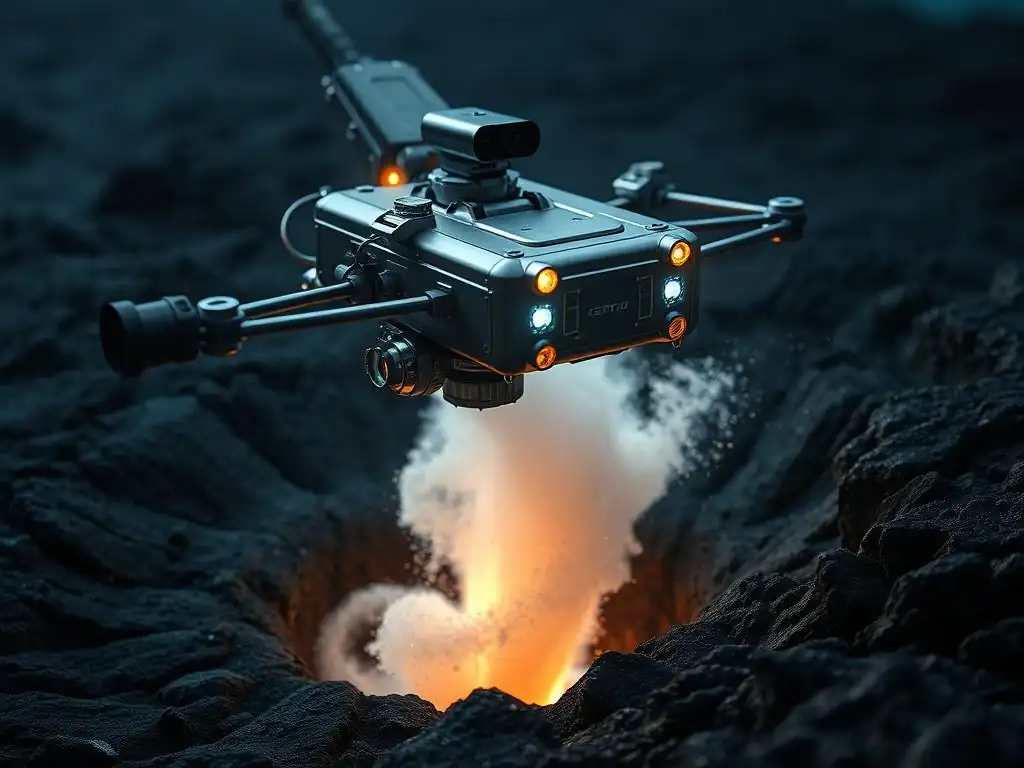
Using ROVs to Access Extreme Depths and Hazardous Environments
Remote Operated Vehicles (ROVs) are indispensable tools for underwater volcano photography, particularly when exploring extreme depths and hazardous environments that are inaccessible or too dangerous for human divers. ROVs are unmanned, remotely controlled submarines tethered to a surface vessel via a cable that provides power and communication. They can operate at depths far exceeding the limits of human diving, reaching the deepest parts of the ocean where many submarine volcanoes are located. This capability opens up vast areas of the deep sea for exploration and documentation, revealing volcanic features and hydrothermal vent systems that would otherwise remain unseen.
ROVs are also crucial for working in hazardous environments near active volcanic vents or areas with unstable terrain. They eliminate the risk to human divers from superheated water, toxic gases, and potential volcanic eruptions. ROVs can be equipped with a variety of sensors and instruments, in addition to high-resolution cameras, allowing for simultaneous data collection on temperature, pressure, chemical composition, and other environmental parameters.
This integrated approach combines visual documentation with scientific measurements, providing a more comprehensive understanding of underwater volcanic processes and their impacts on the surrounding ocean. ROVs extend the reach of underwater volcano photography, enabling exploration and documentation in the most extreme and challenging deep-sea environments.
ROV Camera Systems and Control Mechanisms
ROVs used for underwater volcano photography are equipped with sophisticated camera systems and control mechanisms designed to operate reliably in the demanding deep-sea environment. High-definition (HD) and 4K video cameras are standard, providing high-resolution imagery of volcanic features and hydrothermal vent activity. Many ROVs are equipped with multiple cameras, including forward-facing cameras for navigation, downward-facing cameras for surveying the seafloor, and pan-and-tilt cameras for flexible viewing angles.
Low-light cameras are essential for capturing images in the dimly lit depths, often utilizing highly sensitive sensors and powerful LED lighting systems. Some ROVs are equipped with specialized cameras, such as thermal cameras for detecting temperature anomalies around hydrothermal vents or hyperspectral cameras for analyzing the chemical composition of vent plumes.
ROV control systems are typically operated from a control room on the surface vessel, using joysticks, keyboards, and touchscreens to maneuver the ROV and control its various functions. Real-time video feedback from the ROV cameras is displayed on monitors in the control room, providing operators with visual situational awareness. Sophisticated software is used for ROV navigation, data logging, and camera control, allowing for precise maneuvering, automated survey patterns, and remote adjustment of camera settings.
The ROV tether provides not only power and communication but also serves as a physical link for controlling the ROV's movements and retrieving it to the surface. ROV camera systems and control mechanisms are constantly evolving, driven by the need for higher resolution, greater sensitivity, and more precise and efficient operation in the challenging realm of deep-sea exploration.
Advantages and Limitations of ROV Photography
ROV photography offers significant advantages for documenting underwater volcanoes, particularly in deep and hazardous environments, but also has certain limitations compared to diver-based photography. Advantages of ROV photography include the ability to access extreme depths, eliminate risks to human divers in hazardous areas, and provide extended operational time underwater. ROVs can operate for many hours or even days on a single deployment, allowing for prolonged observation and documentation of dynamic volcanic processes.
They can also carry a wider range of equipment, including multiple cameras, sensors, and sampling tools, enabling integrated data collection. ROV photography is particularly well-suited for surveying large areas, mapping volcanic terrains, and documenting deep-sea hydrothermal vent fields.
Limitations of ROV photography include the higher cost and logistical complexity of ROV operations compared to diver-based photography. ROVs require specialized surface vessels, trained operators, and significant infrastructure for deployment and maintenance. Maneuverability can sometimes be less agile than a diver, particularly in confined or complex underwater environments.
Image quality, while continually improving, can sometimes be affected by bandwidth limitations in the tether cable, especially for real-time video transmission from very deep ROVs. Despite these limitations, ROVs remain essential tools for exploring and documenting the vast and largely unknown world of deep-sea volcanoes, providing invaluable visual data and scientific insights into these dynamic geological features.
Monitoring and Data Collection Equipment
Integrating Sensors for Temperature, Pressure, and Chemical Analysis
Underwater volcano photography is often enhanced and augmented by the integration of sensors and instruments for monitoring environmental parameters and collecting scientific data. Temperature sensors are crucial for detecting thermal anomalies associated with hydrothermal vents and areas of active volcanism. High-precision temperature probes can measure subtle temperature variations, mapping thermal gradients and identifying areas of focused hydrothermal discharge.
Pressure sensors provide accurate depth measurements, essential for correlating photographic data with depth profiles and understanding pressure-dependent processes. Chemical sensors are used to analyze the chemical composition of seawater around volcanic vents, measuring concentrations of dissolved gases (e.g., hydrogen sulfide, methane, carbon dioxide), pH, and other chemical parameters.
Multi-parameter probes integrate multiple sensors into a single instrument, allowing for simultaneous measurement of temperature, pressure, salinity, dissolved oxygen, and other parameters. These sensors can be mounted on ROVs, autonomous underwater vehicles (AUVs), or deployed as standalone instruments to collect continuous data over time. Integrating sensor data with photographic imagery provides a richer and more comprehensive understanding of underwater volcanic environments.
For example, temperature data can be overlaid on photographic mosaics of hydrothermal vent fields, revealing the spatial distribution of thermal activity. Chemical data can be correlated with the distribution of vent organisms, providing insights into the relationship between chemical gradients and biological communities. The integration of sensors and data collection equipment transforms underwater volcano photography from a purely visual endeavor into a powerful tool for scientific exploration and environmental monitoring.
Documenting Environmental Changes Around Underwater Volcanoes
Long-term monitoring and documentation of environmental changes around underwater volcanoes are crucial for understanding their dynamic nature and their impact on the surrounding ocean. Time-lapse photography is a powerful technique for visually documenting changes over time, capturing the evolution of hydrothermal vent activity, the growth of microbial mats, or the accumulation of volcanic deposits.
Time-lapse cameras can be deployed underwater for extended periods, automatically capturing images at pre-set intervals, providing a continuous visual record of environmental changes. Repeat photography, revisiting the same locations over time and capturing images from the same perspective, allows for the visual comparison of changes in volcanic features, vent structures, or biological communities.
Sensor data logging provides quantitative records of environmental parameters over time, tracking changes in temperature, pressure, chemical concentrations, and other variables. Combining time-lapse photography, repeat photography, and sensor data logging provides a multi-faceted approach to documenting environmental changes around underwater volcanoes. This long-term monitoring is essential for understanding the temporal dynamics of volcanic activity, assessing the impact of volcanic events on marine ecosystems, and tracking the recovery and succession of biological communities after disturbances. Documenting environmental changes around underwater volcanoes contributes to a better understanding of these dynamic systems and their role in the global ocean.
Combining Photography with Scientific Research
Underwater volcano photography is not merely an artistic pursuit; it is increasingly recognized as a valuable tool for scientific research and environmental conservation. Visual data captured through underwater photography provides compelling evidence of geological processes, hydrothermal vent activity, and the biodiversity of deep-sea ecosystems. Photographic imagery serves as a crucial form of scientific documentation, complementing traditional data collection methods and providing visual context for scientific findings. High-resolution photographs and videos can be used to identify and classify volcanic features, map the distribution of hydrothermal vents, and document the morphology and behavior of vent organisms.
Citizen science initiatives can leverage underwater photography to engage the public in scientific research and conservation efforts. Amateur and recreational divers can contribute valuable photographic data by documenting underwater volcanic sites and sharing their observations with scientists and conservation organizations. Collaboration between photographers and researchers is essential for maximizing the scientific value of underwater volcano photography.
Photographers can work with scientists to target specific research questions, collect photographic data according to scientific protocols, and share their images for scientific analysis and publication. Combining the artistic skills of photographers with the scientific expertise of researchers enhances the impact of underwater volcano photography, contributing to a deeper understanding of these fascinating and important geological features and promoting their conservation for future generations.
Post-Processing Techniques for Underwater Volcano Images
Color Correction and Image Enhancement
Post-processing is an essential step in underwater volcano photography, transforming raw images into visually compelling and informative representations of the underwater world. Color correction is often the first and most crucial step, addressing the color casts and imbalances inherent in underwater photography due to the selective absorption of light by water. White balance adjustments are used to neutralize color casts and restore natural colors.
Adjusting individual color channels, particularly red and orange, can bring back lost hues and enhance the vibrancy of hydrothermal vent plumes and volcanic features. Image enhancement techniques are used to improve overall image quality and visual impact. Adjusting contrast and brightness can enhance detail and reveal subtle textures in volcanic rock and vent structures.
Sharpening can improve the clarity and definition of edges and details, particularly important in underwater images that may suffer from slight blurring due to water turbidity. Noise reduction may be necessary for images shot at high ISO settings in low light conditions, balancing noise reduction with the preservation of fine detail. Careful and selective application of these post-processing techniques can significantly enhance the visual appeal and scientific informativeness of underwater volcano photographs, ensuring that they accurately and effectively communicate the beauty and complexity of these underwater environments.
Removing Backscatter and Improving Clarity
Backscatter, caused by light reflecting off particles in the water, is a common issue in underwater photography that can significantly degrade image clarity and contrast. Post-processing techniques are essential for minimizing backscatter and improving overall image clarity. Spot removal tools in photo editing software can be used to selectively remove individual backscatter spots, particularly larger and more distracting ones. Dust and scratches filters can be helpful for reducing smaller, more numerous backscatter particles. Cloning and healing tools can be used to subtly blend out backscatter spots and seamlessly repair areas affected by backscatter.
Contrast and clarity adjustments can also help to minimize the appearance of backscatter by reducing the overall brightness and prominence of the backscatter particles relative to the subject. Frequency separation is a more advanced technique that allows for separate manipulation of fine details and color tones, enabling targeted reduction of backscatter without affecting the sharpness of the main subject. Careful and targeted backscatter removal techniques are crucial for achieving clean, clear, and visually appealing underwater volcano photographs, revealing the true beauty and detail of these often turbid environments.
Creating Stunning Visual Representations of Submarine Volcanic Activity
Post-processing extends beyond basic corrections and enhancements, offering opportunities to create stunning and impactful visual representations of submarine volcanic activity. Creative color grading can be used to enhance the mood and atmosphere of images, emphasizing the dramatic and otherworldly nature of underwater volcanoes. Adjusting color temperature, saturation, and hue can create stylized looks that accentuate the heat and energy of hydrothermal vents or the cold and desolate beauty of deep-sea volcanic landscapes. Black and white conversion can be a powerful tool for emphasizing textures, shapes, and contrasts, highlighting the stark geological forms and dramatic lighting of underwater volcanic scenes.
Cropping and composition adjustments can refine the visual narrative, focusing attention on key elements and creating more dynamic and impactful images. Panoramas and image stitching can be used to create wide-angle views of expansive volcanic landscapes, conveying the vastness and scale of these underwater features.
Adding subtle vignettes can draw the viewer's eye to the center of the image and create a more immersive visual experience. Post-processing is not just about fixing flaws; it is a creative process that allows photographers to refine their visual storytelling, enhance the artistic impact of their images, and create stunning representations that capture the imagination and inspire awe for the hidden world of submarine volcanoes.
Ethical Considerations and Environmental Responsibility
Minimizing Impact on Sensitive Underwater Ecosystems
Underwater volcano photography, especially in the vicinity of hydrothermal vents and other sensitive ecosystems, demands a strong commitment to ethical practices and environmental responsibility. Hydrothermal vent ecosystems are fragile and unique, supporting specialized communities of organisms adapted to extreme conditions. Minimizing physical impact is paramount. Divers and ROVs should avoid direct contact with vent structures, microbial mats, and fragile biological communities.
A "no-touch" policy should be strictly adhered to, ensuring that equipment and personnel do not disturb or damage these sensitive habitats. Buoyancy control is crucial for divers to maintain a neutral position and avoid accidentally bumping into or damaging underwater features. ROV operators must exercise careful maneuvering to prevent collisions or entanglement with vent structures or delicate organisms.
Waste management is essential. Divers and ROV teams should ensure that no trash or debris is left behind in the underwater environment. All equipment should be properly maintained to prevent leaks of oil, lubricants, or other contaminants. Respecting marine life is fundamental. Photographers should avoid disturbing or harassing marine animals and should never feed or interact with wildlife in a way that could alter their natural behavior. Sustainable and responsible diving practices, combined with careful planning and execution, are essential for minimizing the impact of underwater volcano photography on sensitive underwater ecosystems.
Responsible Photography Practices Near Underwater Volcanoes
Responsible photography practices near underwater volcanoes extend beyond minimizing physical impact to encompass a broader ethical framework. Obtaining necessary permits and permissions is crucial before conducting any underwater photography in protected areas or marine reserves. Respecting local regulations and guidelines ensures that photography activities are conducted legally and ethically. Avoiding the use of harmful chemicals or substances in underwater photography equipment is important.
Chemical lights or dyes should be avoided as they can introduce pollutants into the marine environment. Sharing photographic data responsibly is also an ethical consideration. Photographers should consider sharing their images with scientific researchers, conservation organizations, and educational institutions to contribute to scientific understanding and public awareness of underwater volcanoes and their ecosystems.
Promoting responsible tourism and diving practices through photography is a valuable contribution. Images can be used to educate the public about the importance of conserving underwater volcanic environments and to encourage responsible behavior from other divers and visitors. Transparency and honesty in representing underwater volcano environments are essential. Photographers should avoid misrepresenting or exaggerating the conditions or features they document and should strive for accurate and truthful portrayals of the underwater world. Adhering to responsible photography practices ensures that underwater volcano photography is conducted ethically, sustainably, and in a way that benefits both science and conservation.
Contributing to Scientific Understanding and Conservation
Underwater volcano photography has the potential to contribute significantly to both scientific understanding and conservation efforts related to these remarkable geological features. Photography provides visual evidence that complements traditional scientific data, documenting geological processes, hydrothermal vent activity, and the biodiversity of vent ecosystems in a compelling and accessible way. Images can be used to track changes over time, monitor the health of vent communities, and assess the impact of human activities or natural disturbances.
Photography raises public awareness about the beauty, fragility, and scientific importance of underwater volcanoes. Compelling images can capture the imagination of the public, fostering a greater appreciation for these hidden ecosystems and inspiring support for their conservation.
Photography can be used for educational purposes, creating engaging visual materials for schools, museums, and online platforms, promoting ocean literacy and inspiring the next generation of ocean explorers and scientists. Photographic documentation can support conservation advocacy, providing visual evidence to justify the protection of vulnerable underwater volcanic areas and to advocate for policies that promote sustainable ocean management.
By actively sharing their images, collaborating with scientists and conservation organizations, and promoting responsible photography practices, underwater volcano photographers can play a vital role in advancing scientific knowledge, raising public awareness, and contributing to the long-term conservation of these extraordinary underwater environments.
Frequently Asked Questions
How does underwater volcano photography equipment differ from regular underwater photography gear?
Underwater volcano photography equipment is specifically designed to withstand extreme temperatures and corrosive environments near hydrothermal vents. It also needs enhanced pressure resistance compared to standard underwater cameras.
What are the key pieces of equipment needed for underwater volcano photography?
Essential equipment includes a robust underwater housing for your camera, specialized lighting systems capable of penetrating murky water, and remote-controlled vehicles (ROVs) for accessing dangerous areas.
How do volcanologists protect their underwater photography equipment from the heat of active volcanoes?
Protective measures include heat-shielding materials for housings, remote operation from a safe distance, and limited exposure times to prevent overheating and damage.
What type of camera is best suited for underwater volcano photography?
A high-resolution DSLR or mirrorless camera with a wide dynamic range is ideal for capturing the detail and color variations in underwater volcanic landscapes. The housing must be able to withstand the pressures involved.
Where can I find reliable suppliers of underwater volcano photography equipment?
Reputable suppliers include manufacturers specializing in deep-sea exploration equipment and companies that cater to scientific research institutions studying underwater volcanoes. Always verify the equipment's pressure rating and heat resistance.
Final Reflection: Illuminating the Abyss
The exploration of underwater volcanoes, once relegated to the realm of scientific speculation, is now becoming increasingly accessible through advancements in specialized equipment, as highlighted throughout this article. This newfound ability to visually document these hidden realms has profound implications for our understanding of Earth's geological processes and the unique ecosystems they support. The images captured are not merely scientific data; they are windows into a world previously unseen, sparking curiosity and demanding further investigation.
The impact of underwater volcano photography extends beyond the scientific community. It fuels our collective imagination, inspiring artists, filmmakers, and storytellers to explore the depths of our planet in new and compelling ways. This visual documentation serves as a powerful reminder of the dynamic forces shaping our world and the fragility of the ecosystems that thrive in even the most extreme environments. The sea, once it casts its spell, holds one in its net of wonder forever.
- Jacques Cousteau. This quote perfectly encapsulates the allure and importance of exploring and documenting these underwater wonders.
As we continue to refine and develop underwater volcano photography equipment, let us remember the responsibility that comes with this power. Consider the impact of our presence on these delicate environments, and strive to capture these images with respect and a commitment to conservation. Let the breathtaking visions of underwater volcanoes inspire you to become a steward of our planet, advocating for the protection of these hidden wonders for generations to come.
Ignite Your Inner Volcanologist: Gear Up for Discovery!
Thank you for exploring the world of underwater volcano photography! We hope you've gained valuable insights into the specialized equipment needed to capture these incredible, hidden landscapes. Now, it's time to take your passion to the next level.
Here are a few ways to continue your exploration:
- Explore our curated equipment guide for submarine volcano photographers, designed to help you choose the perfect tools for your next adventure.
- Share your fascination! Post your favorite underwater volcano image on social media, tag us @VolcanoExplorersOrg, and use #UnderwaterVolcanoVision to connect with fellow enthusiasts.
- Consider contributing to our research fund to support the development of even more advanced underwater imaging technology, enabling us to uncover more secrets beneath the waves.
What unexplored volcanic feature are you most eager to photograph? Share your thoughts in the comments below!