
Photographing Volcanoes at Night: Unique Dangers and Essential Safety Gear

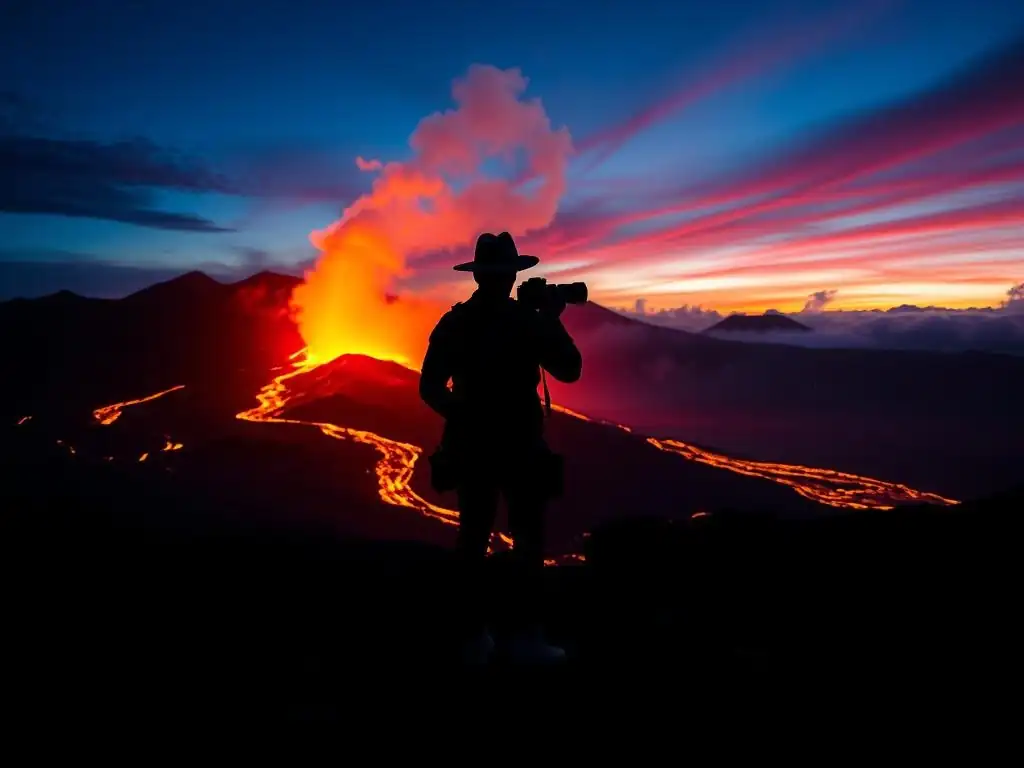
Welcome to Volcano Explorers, where the Earth breathes fire! Ever wondered what it takes to capture the raw, untamed power of a volcano under the cloak of night? Uncover the secrets and navigate the unique dangers with our guide to Nighttime Volcano Photography Safety Tips. Prepare to witness the breathtaking beauty – and the potent risks – that await those who dare to photograph these fiery giants after dark. Are you ready to explore the darkness?
- Introduction: The Allure and Risks of Nighttime Volcano Photography
- Understanding the Dangers: Nighttime Volcano Photography Safety Tips
- Essential Safety Gear for Nighttime Volcano Photography
- Planning and Preparation: Key to Safe Nighttime Volcano Photography
- Ethical Considerations: Respecting the Volcano and its Environment
- Conclusion: Embracing the Challenge, Prioritizing Safety
-
Frequently Asked Questions
- What are the unique dangers of photographing volcanoes at night?
- What essential safety gear is recommended for nighttime volcano photography?
- How can I monitor volcanic activity during a nighttime photography shoot?
- What are some specific considerations for ashfall during nighttime photography?
- Why is it important to inform someone of my location and plans before a nighttime volcano photography shoot?
- Final Reflection: Embracing the Fiery Darkness
- Ignite Your Inner Explorer: Capture the Night!
Introduction: The Allure and Risks of Nighttime Volcano Photography
Capturing the Majesty of Volcanoes Under the Stars
Volcanoes, in their daytime splendor, are already a breathtaking subject for photographers. The raw power of nature, manifested in plumes of smoke, rivers of lava, and the stark, sculpted landscapes they create, is undeniably captivating. However, photographing volcanoes at night elevates this experience to an entirely new dimension.
Under the cloak of darkness, the fiery glow of molten rock becomes intensely more dramatic, contrasting sharply with the inky sky and revealing details often lost in the bright daylight. Imagine capturing the Milky Way arcing above a volcanic crater, its starlight seemingly mirroring the magma bubbling below – this is the unique allure of nighttime volcano photography. It's about witnessing and documenting a primal dance of fire and darkness, a spectacle that connects us to the Earth's powerful forces in a profoundly visceral way.
The challenge and reward of nighttime volcano photography lie in capturing not just the visual drama, but also the essence of this nocturnal volcanic environment. Long exposures reveal the movement of lava, the trails of stars, and the subtle textures of the volcanic terrain, all bathed in the ethereal light of the eruption.
This photographic pursuit allows for a deeper appreciation of the volcano's activity, forcing photographers to slow down, observe intently, and become acutely aware of their surroundings. The resulting images are often imbued with a sense of mystery and awe, transporting viewers to a world where the Earth's inner fire is laid bare against the cosmic backdrop of the night.
Why Night Photography Presents Unique Challenges at Volcanoes
While the visual rewards of photographing volcanoes at night are immense, the undertaking presents a unique set of challenges that demand meticulous planning and unwavering adherence to safety protocols. The darkness itself is the primary obstacle, significantly reducing visibility and making navigation across already treacherous volcanic terrain even more perilous. What might be a manageable hike during daylight hours can become a complex and risky endeavor after sunset. The absence of sunlight not only obscures physical hazards like uneven ground and hidden fissures, but also diminishes the ability to quickly assess changes in volcanic activity or approaching environmental dangers.
Furthermore, the conditions surrounding active volcanoes are inherently unpredictable and amplified at night. Volcanic gases, often invisible even in daylight, become even more insidious in the dark, and their concentration can fluctuate rapidly, posing a serious health risk. Temperature swings can be extreme, with rapid cooling after sunset leading to hypothermia, while proximity to lava flows still generates intense radiant heat.
Wildlife, often unseen during the day, may become more active at night, adding another layer of unpredictability. Therefore, nighttime volcano photography requires a heightened awareness of these dangers and a comprehensive approach to safety, far exceeding the precautions necessary for daytime volcano photography.
Understanding the Dangers: Nighttime Volcano Photography Safety Tips
Volcanic Hazards at Night: Reduced Visibility and Increased Risk
Lava Flows and Eruptions: Assessing the Threat in Darkness
Photographing lava flows at night offers an incredible visual spectacle, but the darkness significantly impairs the ability to accurately judge the speed and direction of these molten rivers. Lava flows, particularly fast-moving pahoehoe flows, can advance at speeds of several kilometers per hour, and their paths can change unpredictably due to underlying terrain. In daylight, you can often observe the flow's direction and speed by visual cues like the movement of the flow front and the terrain ahead.
However, at night, reliance shifts heavily to thermal imaging if available, or careful observation of the glow intensity which can be misleading and insufficient for precise predictions. For example, during the 2018 Kīlauea eruption in Hawaii, lava flows advanced rapidly and unexpectedly, cutting off escape routes and highlighting the dangers of underestimating flow dynamics, especially at night when visual assessment is limited.
Explosive eruptions present an even more immediate and critical danger in darkness. While the bright flashes of an eruption might be visible, the trajectory and range of ejected volcanic bombs and ash clouds are much harder to judge at night. These projectiles can travel hundreds of meters from the vent, and being caught in an eruption column's path can be fatal.
Nighttime reduces the warning time, as visual cues like increased steam plumes or changes in eruption intensity might be missed until it's too late. The 1991 eruption of Mount Pinatubo in the Philippines, though primarily a daytime event, demonstrated the devastating power of pyroclastic flows and ashfall, highlighting the importance of maintaining a safe distance and having clear evacuation plans, considerations that become even more critical under the reduced visibility of night.
Volcanic Gases: Invisibility and Increased Concentration at Night
Volcanic gases, such as sulfur dioxide (SO2), carbon dioxide (CO2), and hydrogen sulfide (H2S), are a constant hazard around active volcanoes. Many of these gases are colorless and odorless or have a faint smell that can be easily masked by other volcanic odors or wind. During the day, visible steam plumes can sometimes provide a visual indication of gas release areas, although this is not always reliable.
At night, however, even these visual cues are diminished, making gas detection even more challenging. Furthermore, heavier gases like CO2 can accumulate in low-lying areas, valleys, and depressions, creating invisible pools of deadly air. This phenomenon is exacerbated at night when cooler temperatures cause denser air to settle, increasing the concentration of these gases in confined spaces.
Studies conducted at volcanoes like Poás in Costa Rica have shown that nighttime gas concentrations can be significantly higher in certain areas due to temperature inversions and reduced atmospheric mixing. For instance, CO2, being heavier than air, can pool in topographic lows, creating hazardous zones where oxygen displacement can lead to asphyxiation.
The infamous Lake Nyos disaster in Cameroon in 1986, where a massive CO2 release from the lake suffocated thousands of people and livestock, tragically illustrates the danger of concentrated volcanic gases, a risk that is amplified in the darkness and stillness of night. Therefore, relying on your senses alone at night to detect volcanic gases is extremely dangerous, and specialized gas monitoring equipment becomes essential for safe nighttime volcano photography.
Unstable Terrain: Navigating Volcanic Landscapes After Dark
Volcanic landscapes are inherently unstable and hazardous even during daylight. Fresh lava flows create brittle crusts over molten interiors, concealing voids and weaknesses that can collapse underfoot. Ash deposits can be loose and slippery, making footing precarious, and volcanic rocks are often sharp and uneven.
Daylight allows photographers to visually assess the terrain, identify stable paths, and avoid obvious hazards. However, at night, this visual advantage is lost, transforming a challenging landscape into a minefield of potential slips, trips, and falls. Headlamps and flashlights offer limited illumination and can create misleading shadows, making it difficult to accurately judge distances and ground conditions.
Real-world incidents in volcanic regions underscore the dangers of nighttime terrain navigation. Hikers and photographers have suffered serious injuries, including broken bones and sprains, from falls on uneven volcanic terrain at night, even without volcanic activity being the primary hazard. The volcanic slopes of Mount Etna in Italy, for example, are notoriously challenging even in daylight, with loose ash and steep inclines.
Navigating such terrain in darkness significantly increases the risk of accidents. Therefore, nighttime volcano photography necessitates extra caution, slow and deliberate movements, and ideally, prior daytime reconnaissance of the area to familiarize oneself with the terrain and identify potential hazards before nightfall.
Environmental Dangers: Nighttime Conditions on Volcanoes
Extreme Temperatures: Adapting to Rapid Changes in Heat
Volcanic environments are characterized by extreme temperature variations. While proximity to active lava flows generates intense radiant heat, nighttime brings a significant drop in ambient temperature, especially at higher altitudes where many volcanoes are located. This dramatic temperature swing poses a significant challenge for nighttime volcano photographers.
During the day, heat exhaustion and dehydration are primary concerns due to solar radiation and volcanic heat. However, at night, hypothermia becomes a more immediate threat as temperatures can plummet rapidly, particularly if combined with wind and moisture. The radiant heat from lava flows can be deceptive, creating localized hot zones while the surrounding air temperature drops drastically.
Consider the high-altitude volcanoes of the Andes, like Villarrica in Chile or Cotopaxi in Ecuador. At elevations above 3,000 meters (approximately 9,800 feet), nighttime temperatures can easily fall below freezing, even if lava is actively flowing nearby. Photographers must be prepared for both extremes, wearing layers of clothing that can be adjusted to regulate body temperature effectively.
Failing to adapt to these rapid temperature changes can lead to discomfort, impaired judgment, and in severe cases, hypothermia or heatstroke, compromising both safety and the ability to capture good photographs. Proper layering and understanding the thermal dynamics of volcanic environments are crucial for safe nighttime volcano photography.
Wildlife Encounters: Unexpected Animal Activity in Volcanic Regions
While often overlooked, wildlife encounters are a potential danger in volcanic regions, especially at night. Volcanic landscapes, despite their apparent harshness, can support a surprising diversity of animal life, from birds and insects to larger mammals. Many animals are nocturnal or crepuscular (active during twilight), meaning their activity increases at night, coinciding with nighttime photography expeditions. While most wildlife encounters are benign, some animals can pose a threat, particularly if surprised or feeling threatened, especially in low visibility conditions.
For example, in volcanic areas of North America, such as around Mount Rainier or Mount Shasta, encounters with coyotes, mountain lions, or even bears are possible. While attacks are rare, approaching wildlife too closely, especially at night, can provoke defensive behavior. In other volcanic regions, such as Indonesia or Iceland, different wildlife concerns might arise, ranging from feral dogs to seabirds nesting in volcanic cliffs.
Nighttime reduces visibility, making it harder to spot animals and assess their behavior, increasing the risk of accidental encounters. Carrying bear spray in bear country, making noise while hiking, and being aware of animal signs are important precautions, especially when photographing volcanoes at night in areas known for wildlife.
Weather Conditions: Sudden Shifts and Increased Exposure
Weather in volcanic regions is notoriously unpredictable and can change rapidly, especially at night and at higher elevations. Volcanoes often create their own microclimates, influenced by altitude, topography, and volcanic activity. Daytime weather can be challenging enough, with sudden rainstorms, fog, and strong winds being common. However, nighttime amplifies these challenges. Visibility can drop dramatically due to fog or cloud cover, making navigation even more difficult. Rain and mist can quickly soak clothing, increasing the risk of hypothermia in the cooler nighttime temperatures. Wind chill becomes a significant factor, exacerbating the effects of cold and exposure.
The unpredictable weather patterns around volcanoes are well-documented. For instance, the Big Island of Hawaii, home to Kīlauea and Mauna Loa, can experience drastic weather shifts within short distances and timeframes, from sunny coastal areas to rain-soaked volcanic slopes. At night, these conditions can worsen rapidly. Photographers need to be prepared for sudden changes in weather, carrying waterproof and windproof outer layers, monitoring weather forecasts closely, and being ready to retreat if conditions deteriorate. Underestimating the impact of nighttime weather changes in volcanic environments can quickly turn a photography trip into a dangerous situation.
Essential Safety Gear for Nighttime Volcano Photography
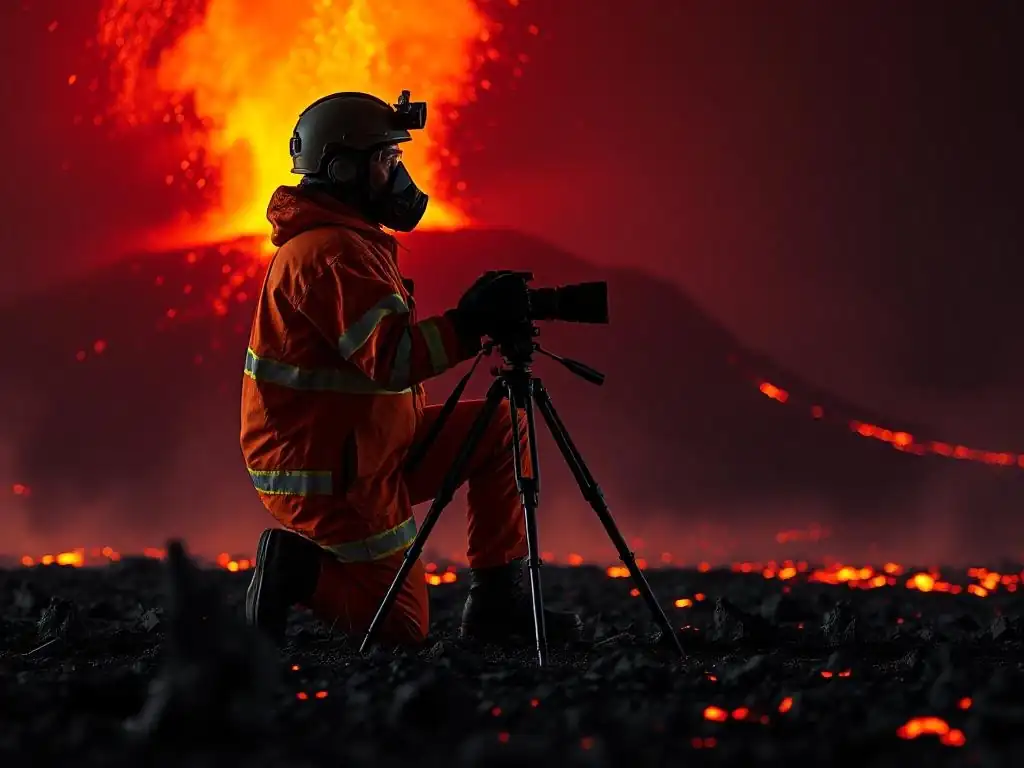
Personal Protective Equipment (PPE) for Volcano Photographers
Respirators and Gas Masks: Protecting Against Volcanic Fumes
Volcanic gases pose a significant respiratory hazard, especially sulfur dioxide (SO2), which is commonly present in volcanic plumes and fissures. Exposure to SO2 can cause irritation of the eyes, nose, throat, and lungs, and in higher concentrations, can lead to serious respiratory problems. While the smell of SO2 (like rotten eggs) can be a warning sign, relying solely on smell is unreliable and dangerous, especially at night when senses can be dulled by fatigue and cold.
Respirators and gas masks are essential PPE for nighttime volcano photography, providing a crucial barrier against inhaling harmful volcanic fumes. A respirator with an N95 or P100 rating can filter out particulate matter, including volcanic ash, while a gas mask with specific cartridges designed for acid gases (like SO2) offers protection against gaseous hazards.
Choosing the right respirator or gas mask is critical. A basic dust mask is insufficient for volcanic gases. A proper respirator should fit snugly to the face to create a seal, and cartridges should be appropriate for the specific volcanic gases anticipated. For example, areas with high SO2 emissions, like many active volcanoes in Indonesia or Central America, demand gas masks with SO2-specific cartridges.
It is also important to understand the limitations of respirators and gas masks. They provide protection for a limited time, and cartridges need to be replaced regularly, especially in areas with high gas concentrations. Proper fit testing and training on respirator use are recommended to ensure effective protection against volcanic fumes during nighttime photography.
Heat-Resistant Clothing: Shielding from Radiant Heat
Photographing near active lava flows, even at night, exposes photographers to intense radiant heat. While the ambient temperature might be cool, the heat radiating from molten rock can be surprisingly intense and damaging, potentially causing burns to exposed skin and even melting synthetic clothing. Heat-resistant clothing is a crucial layer of PPE for mitigating this risk.
This doesn't necessarily mean heavy fire-resistant suits like those worn by firefighters, but rather clothing made from materials that offer better heat protection than standard fabrics. Natural fibers like cotton offer some protection, but specialized heat-resistant fabrics like Nomex or Kevlar provide superior shielding from radiant heat.
For nighttime volcano photography, consider wearing multiple layers, with an outer layer made of a heat-resistant fabric. Long sleeves, long pants, gloves, and a hat are essential to minimize exposed skin. While specialized fire-resistant suits might be overkill for most volcano photography situations, understanding the principles of heat protection is important.
Loose-fitting clothing is generally preferable to tight-fitting garments as it allows for better air circulation and reduces direct skin contact with heated fabric. Always be mindful of your proximity to lava flows and monitor your body for signs of overheating, even in cool nighttime air, as radiant heat can be deceptively intense.
Sturdy Footwear: Ensuring Stability on Uneven Terrain
Volcanic terrain, as previously discussed, is inherently uneven, unstable, and often covered with loose ash, sharp rocks, and brittle lava crusts. Sturdy footwear is not just recommended, but absolutely essential for safe nighttime volcano photography. Ankle support is paramount to prevent sprains and injuries from twisting ankles on uneven ground.
Hiking boots with high ankles provide this crucial support. Thick, lugged soles offer good traction on loose surfaces and sharp rocks, minimizing the risk of slips and falls. Waterproof or water-resistant footwear is also highly beneficial, especially in volcanic regions prone to rain or mist, as wet feet can quickly lead to discomfort and hypothermia in cool nighttime conditions.
Choosing the right footwear goes beyond just hiking boots. Consider the specific terrain you expect to encounter. For areas with loose ash and pumice, boots with good ankle support and deep lugs are critical. For traversing solidified lava flows, boots with stiff soles provide better protection against sharp rocks.
Breaking in new boots before a volcano photography trip is essential to avoid blisters and discomfort. Wearing thick socks can also improve comfort and cushioning. In essence, sturdy footwear is your primary point of contact with the treacherous volcanic landscape, and investing in quality boots is a fundamental aspect of nighttime volcano photography safety.
GPS Devices and Maps: Staying on Course in the Dark
Navigation in volcanic terrain becomes significantly more challenging at night due to reduced visibility and the often featureless nature of lava fields and ash plains. Getting lost or disoriented in the dark can quickly turn a photography trip into a dangerous survival situation. GPS devices and maps are indispensable navigation tools for nighttime volcano photography. A handheld GPS device allows you to track your location in real-time, mark waypoints, and follow pre-planned routes, even in areas with limited or no landmarks. Digital maps, downloaded onto a smartphone or GPS device, provide detailed topographic information, trails, and potential hazards.
While technology is invaluable, it's crucial to also carry a traditional compass and paper map as backups in case of GPS malfunction or battery failure. Knowing how to use a compass and map is a fundamental navigation skill, especially in remote volcanic regions where electronic devices can be unreliable. Before heading out for nighttime photography, study maps of the area, identify landmarks if available, and plan your route carefully.
Marking your starting point and key locations as waypoints on your GPS can be a lifesaver if you need to retrace your steps in the dark. Regularly checking your GPS location and map ensures you stay on course and avoid straying into dangerous areas, especially during nighttime expeditions.
Satellite Communication: Emergency Contact in Remote Areas
Volcanic regions are often remote and isolated, with limited or no cell phone service. In case of an emergency – injury, sudden change in volcanic activity, or getting lost – reliable communication is critical for summoning help. Satellite communication devices, such as satellite phones or personal locator beacons (PLBs), provide a vital lifeline in these situations. Satellite phones allow for voice communication from virtually anywhere on Earth, while PLBs are designed to send out distress signals to emergency services, often including your GPS location.
Investing in a satellite communication device is a prudent safety measure for nighttime volcano photography, particularly when venturing into remote volcanic areas. Before your trip, familiarize yourself with how to use the device and ensure it is properly charged and functional. Share your satellite phone number or PLB emergency contact information with someone who knows your itinerary and expected return time.
In an emergency, a satellite communication device can be the difference between a minor incident and a serious, life-threatening situation. While cell phones are convenient for everyday communication, they are unreliable in remote volcanic regions, making satellite communication a necessary safety investment.
Headlamps and Flashlights: Illuminating the Path Ahead
Adequate illumination is obviously essential for navigating volcanic terrain at night. Headlamps and flashlights are not just helpful, they are indispensable safety equipment for nighttime volcano photography. A headlamp, worn on your head, provides hands-free illumination, allowing you to use both hands for balance and photography equipment. A flashlight offers a more focused and powerful beam for scouting ahead or signaling. It's recommended to carry both a headlamp and a flashlight, with spare batteries for each, as redundancy is crucial in case of failure.
When choosing headlamps and flashlights, consider brightness (lumens), beam distance, battery life, and durability. For volcanic terrain, a headlamp with at least 300 lumens and a flashlight with 500 lumens or more is advisable. Look for models that are water-resistant or waterproof, as weather conditions can change rapidly.
Test your headlamp and flashlight before your trip to ensure they are working properly and that you are familiar with their operation, including different brightness settings and beam modes. Always carry spare batteries and know how to replace them quickly in the dark. Reliable illumination is your primary defense against the hazards of navigating volcanic landscapes at night.
Photography-Specific Safety Equipment
Heat Shields for Cameras: Protecting Equipment from Extreme Heat
Just as photographers need protection from radiant heat, so does sensitive camera equipment. Prolonged exposure to intense radiant heat from lava flows can damage camera sensors, lenses, and electronics. Heat shields for cameras are specialized accessories designed to mitigate this risk. These shields are typically made of reflective materials that deflect radiant heat away from the camera body and lens. They come in various forms, from simple reflective blankets to more elaborate enclosures.
While heat shields are not always necessary for brief exposures, they are highly recommended for extended nighttime photography sessions near active lava flows. They provide a crucial layer of protection, especially for expensive camera gear. When using heat shields, ensure they are properly positioned to effectively deflect heat without obstructing the lens or camera controls. Monitor your camera equipment for signs of overheating, even with a heat shield, and allow it to cool down periodically if necessary. Protecting your camera gear from heat ensures its longevity and reliable performance in challenging volcanic environments.
Rain Covers: Shielding Cameras from Ash and Moisture
Volcanic eruptions often produce ashfall, and even without eruptions, volcanic regions are prone to rain and mist. Volcanic ash is abrasive and can scratch lenses and damage camera mechanisms. Moisture can also damage electronic components and lenses. Rain covers are essential for protecting camera equipment from both ash and moisture during nighttime volcano photography. These covers are typically waterproof and dustproof, providing a protective barrier against the elements.
Rain covers come in various sizes and styles, from simple plastic sleeves to more elaborate fitted covers. Choose a rain cover that is appropriate for your camera and lens setup and that allows access to essential camera controls. Keep a rain cover readily accessible in your camera bag and be prepared to deploy it quickly if ashfall starts or rain begins.
Even in seemingly dry conditions, volcanic plumes can contain moisture that can condense on camera equipment at night. Using a rain cover proactively, even for light mist, can prevent damage and ensure your camera continues to function reliably in challenging volcanic environments.
Tripods: Ensuring Stability for Long Exposure Shots
Nighttime photography, particularly capturing the glow of lava or the stars above a volcano, often requires long exposures. Tripods are indispensable for achieving sharp, blur-free images at slow shutter speeds. Stability is paramount in volcanic environments, which can be windy and uneven. A sturdy tripod is not just a photography accessory, but also a safety aid, providing a stable platform to work from in potentially precarious locations.
Choose a tripod that is robust and stable enough to support your camera and lens, even in windy conditions. Carbon fiber tripods are lightweight and strong, but aluminum tripods can be more affordable and still offer good stability. Look for tripods with independent leg adjustments for leveling on uneven terrain. Using a remote shutter release or the camera's self-timer minimizes camera shake during long exposures. A stable tripod ensures sharp nighttime volcano photographs and provides a more secure platform for working in challenging and potentially unstable volcanic environments.
Planning and Preparation: Key to Safe Nighttime Volcano Photography
Pre-Trip Research and Risk Assessment
Checking Volcanic Activity Reports and Forecasts
Before embarking on any nighttime volcano photography trip, thorough pre-trip research is paramount. The first and most crucial step is to check current volcanic activity reports and forecasts. Volcanic activity can change rapidly, and what might be safe one day could become hazardous the next. Reliable sources of volcanic activity information include volcano observatories (like the USGS Volcano Hazards Program in the United States, INGV in Italy, or PHIVOLCS in the Philippines), and reputable geological surveys. These organizations provide up-to-date information on volcanic alert levels, eruption status, gas emissions, and potential hazards.
Reviewing volcanic activity reports should be a continuous process, starting weeks before your trip and continuing right up to the day of your photography excursion. Pay attention to any changes in alert levels, warnings, or advisories issued by volcano observatories. Understand the specific hazards associated with the volcano you plan to photograph, such as lava flows, pyroclastic flows, ashfall, or gas emissions. Volcanic activity reports provide essential information for assessing the risks and making informed decisions about safety. Ignoring these reports can lead to unknowingly venturing into hazardous zones and putting yourself at serious risk.
Understanding Evacuation Routes and Emergency Procedures
In conjunction with checking volcanic activity, it's equally important to understand evacuation routes and emergency procedures for the specific volcano you plan to photograph. Volcano observatories and local emergency management agencies often publish evacuation plans for communities and areas surrounding active volcanoes. Familiarize yourself with these plans, identify designated evacuation routes, assembly points, and emergency contact numbers. Understand the volcano's warning system, which might include sirens, alerts, or official announcements.
Knowing evacuation routes beforehand is crucial, especially for nighttime photography when visibility is limited. If volcanic activity escalates unexpectedly, having a pre-planned evacuation route can save valuable time and potentially lives. Discuss emergency procedures with your photography group, ensuring everyone knows what to do in case of an eruption or other volcanic emergency. Program emergency contact numbers into your satellite phone or GPS device for quick access in case of need. Understanding evacuation routes and emergency procedures is a vital component of responsible and safe nighttime volcano photography planning.
Identifying Potential Hazards and Planning Contingency Measures
Beyond general volcanic hazards, identify specific potential hazards at your chosen photography location. This includes assessing terrain stability, proximity to lava flows or vents, potential gas accumulation zones (valleys or depressions), and wildlife risks. Daytime reconnaissance of the area is highly recommended to familiarize yourself with the terrain and identify potential dangers before attempting nighttime photography. Plan contingency measures for various scenarios, such as sudden changes in weather, increased volcanic activity, equipment malfunction, or injuries.
Contingency planning involves having backup equipment, alternative photography locations, and emergency retreat plans. For example, if your primary photography location becomes too dangerous due to increased volcanic activity, have a secondary location in mind that is further away and safer. Carry backup batteries, memory cards, and basic repair tools for your camera equipment.
Have a first-aid kit and know basic first-aid procedures. Communicate your contingency plans to your photography group and ensure everyone understands what to do in different emergency situations. Thorough hazard identification and contingency planning are essential for mitigating risks and ensuring a safer nighttime volcano photography experience.
Teamwork and Communication: The Importance of Group Safety
Traveling with Experienced Guides and Photographers
Nighttime volcano photography is inherently more challenging and risky than daytime photography. Traveling with experienced guides and photographers is highly recommended, especially for those new to volcano photography or unfamiliar with the specific volcanic region. Experienced guides possess local knowledge, understand volcanic hazards, and are trained in safety protocols. They can navigate terrain safely, interpret volcanic activity signs, and provide valuable insights into photography techniques in volcanic environments. Experienced volcano photographers can share their expertise, offer guidance on safety practices, and contribute to a safer and more successful photography trip.
When choosing guides, ensure they are certified and have experience specifically in volcano guiding and safety. Check their credentials and read reviews from previous clients. Discuss your photography goals and safety concerns with the guides beforehand to ensure they can meet your needs and expectations. Traveling with experienced professionals not only enhances safety but also enriches the learning experience and increases the chances of capturing exceptional nighttime volcano photographs. The expertise and local knowledge of guides are invaluable assets in the challenging environment of nighttime volcano photography.
Establishing Clear Communication Protocols
Effective communication is paramount for group safety during nighttime volcano photography. Establish clear communication protocols before and during your trip. This includes designating a lead photographer or safety coordinator who is responsible for overall group safety and decision-making. Agree on communication methods, such as hand signals, whistles, or two-way radios, especially in areas where verbal communication might be difficult due to wind or distance. Set up regular check-in times and procedures to ensure everyone is accounted for and aware of the group's location and status.
Clear communication protocols minimize misunderstandings and ensure that everyone is on the same page regarding safety procedures and emergency plans. Brief your group on the established communication signals and practice using them before heading out. Ensure everyone has a way to communicate in case of separation or emergency. Regular communication and coordination within the group are essential for maintaining safety and cohesion during nighttime volcano photography expeditions.
Having a Designated Safety Observer
In addition to experienced guides and clear communication, having a designated safety observer is a valuable safety measure for nighttime volcano photography, especially when working near active volcanic features like lava flows or vents. The safety observer's primary role is to continuously monitor the surroundings for potential hazards – changes in volcanic activity, approaching weather, terrain instability, or wildlife – and alert the group to any developing risks. The safety observer should be someone with experience in volcano safety and good observational skills, and should not be actively engaged in photography to maintain focused attention on safety monitoring.
The safety observer acts as an extra pair of eyes and ears, providing an early warning system for potential dangers. They should be equipped with binoculars, a radio to communicate with the group, and a first-aid kit. The safety observer's role is not to replace personal responsibility for safety, but to provide an additional layer of vigilance and enhance overall group safety. Rotating the safety observer role among experienced group members can distribute responsibility and ensure everyone has a chance to focus on photography while also contributing to group safety.
Ethical Considerations: Respecting the Volcano and its Environment
Minimizing Impact on the Volcanic Landscape
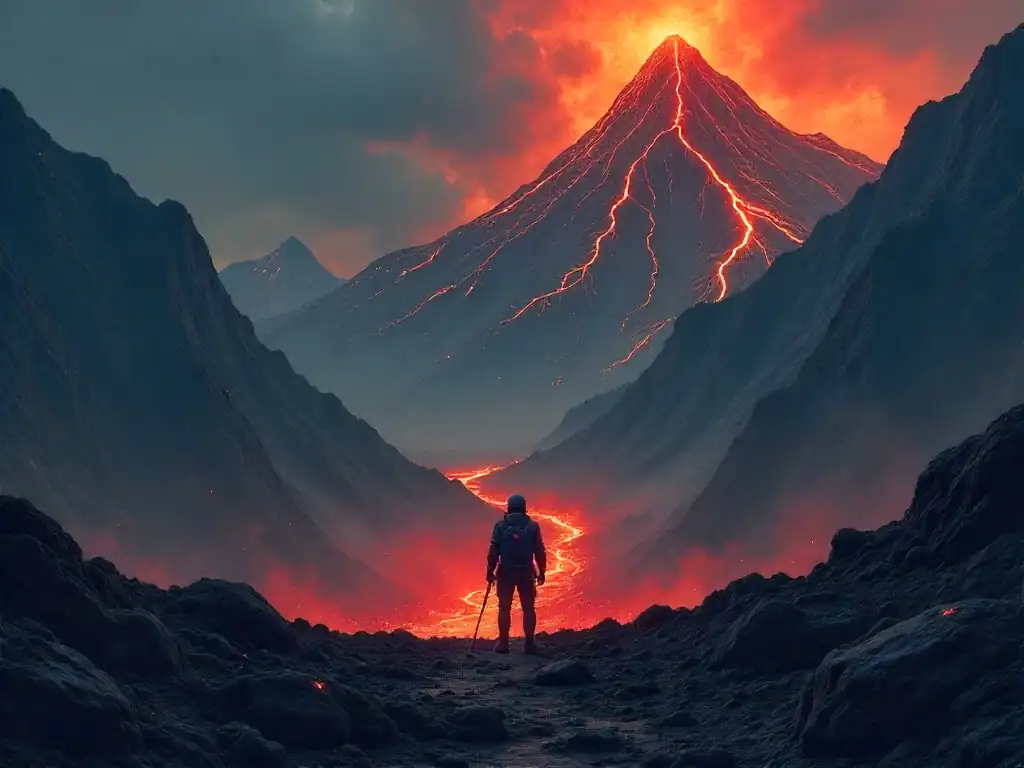
Volcanic landscapes are fragile and unique ecosystems. Ethical nighttime volcano photography demands minimizing impact on these environments. Stay on established trails and avoid trampling vegetation or disturbing fragile volcanic formations. Do not collect volcanic rocks or souvenirs, as this can damage the landscape and is often prohibited in protected areas. Pack out all trash, including food wrappers, batteries, and any other waste. Leave no trace of your visit, ensuring the volcanic environment remains pristine for future visitors and for the natural processes to continue undisturbed.
Respecting the volcanic landscape also means being mindful of erosion and soil compaction. Avoid creating new trails or shortcuts, as this can accelerate erosion and damage vegetation. When setting up tripods or photography equipment, choose stable surfaces and avoid placing heavy objects on fragile volcanic features. Minimize your footprint and strive to leave the volcanic environment in the same or better condition than you found it. Ethical photography prioritizes environmental preservation and responsible interaction with nature.
Avoiding Disturbance to Wildlife
Volcanic regions, as mentioned earlier, can support diverse wildlife, and nighttime is often a time of increased animal activity. Ethical nighttime volcano photography includes avoiding disturbance to wildlife. Maintain a respectful distance from animals and never approach or feed them. Feeding wildlife can alter their natural behavior and make them dependent on humans. Avoid shining bright lights directly at animals, as this can disorient and stress them, especially nocturnal species. Be mindful of nesting birds or sensitive habitats and avoid approaching them closely, particularly during breeding seasons.
Respecting wildlife also means being aware of noise pollution. Keep noise levels to a minimum, especially in areas where animals might be sensitive to disturbance. Avoid playing loud music or making excessive noise that could disrupt wildlife behavior. Observe animals from a distance using binoculars or telephoto lenses, and appreciate their presence without intruding on their natural activities. Ethical wildlife photography prioritizes the well-being of animals and minimizes human impact on their behavior and habitat.
Following Local Regulations and Guidelines
Volcanic areas are often subject to local regulations and guidelines designed to protect both visitors and the environment. Ethical nighttime volcano photography requires adhering to all local regulations and guidelines. This includes obtaining necessary permits or permissions for accessing certain areas, especially protected areas or national parks. Respect closures and restricted zones, which are often established for safety reasons or to protect sensitive environments. Follow guidelines regarding camping, fires, and waste disposal.
Before your trip, research the specific regulations and guidelines for the volcanic area you plan to photograph. Contact local park authorities or volcano observatories for information on permits, closures, and any specific restrictions. Respect the authority of park rangers or officials and cooperate with their instructions. Following local regulations and guidelines is not just a matter of legal compliance, but also a demonstration of respect for the local community, the environment, and the safety of yourself and others. Ethical photography is responsible photography, and respecting regulations is a fundamental aspect of responsible behavior in volcanic regions.
Conclusion: Embracing the Challenge, Prioritizing Safety
The Rewards of Responsible Nighttime Volcano Photography
Nighttime volcano photography, despite its inherent challenges and risks, offers unparalleled rewards for those who approach it responsibly and with meticulous preparation. Capturing the fiery glow of lava against the starlit sky, documenting the raw power of volcanic eruptions under the cloak of darkness, and witnessing the dramatic beauty of volcanic landscapes at night are experiences that are both visually stunning and profoundly enriching. The images captured during these nocturnal expeditions can be truly unique and awe-inspiring, showcasing the Earth's dynamic forces in a way that daytime photography simply cannot replicate.
Beyond the visual rewards, responsible nighttime volcano photography fosters a deeper connection with nature and a greater appreciation for the power and fragility of volcanic environments. It demands patience, observation, and a heightened awareness of surroundings, leading to a more intimate and respectful engagement with the volcanic landscape.
The challenge of nighttime volcano photography pushes photographers to hone their skills, test their limits, and develop a greater understanding of both photographic techniques and safety protocols. The rewards are not just in the photographs themselves, but in the personal growth and unique experiences gained through responsible exploration of these extraordinary natural wonders.
Reinforcing the Importance of Preparation and Awareness
Ultimately, the key to safe and successful nighttime volcano photography lies in unwavering preparation and constant awareness. Nighttime amplifies the inherent dangers of volcanic environments, demanding a meticulous approach to planning, gear selection, safety procedures, and ethical considerations. Thorough pre-trip research, understanding volcanic hazards, carrying essential safety equipment, establishing clear communication, and respecting the environment are not just recommendations, but fundamental necessities for mitigating risks and ensuring a safe and rewarding experience.
Nighttime volcano photography is not a pursuit for the unprepared or the reckless. It requires a commitment to safety, a willingness to learn and adapt, and a deep respect for the power of nature. By prioritizing preparation and maintaining constant awareness of surroundings, photographers can embrace the challenge of nighttime volcano photography, capture stunning images, and return safely with unforgettable experiences. Remember, the most breathtaking photograph is never worth risking your safety or the well-being of others. Responsible nighttime volcano photography is about balancing the pursuit of extraordinary images with an unwavering commitment to safety and ethical practices.
Frequently Asked Questions
What are the unique dangers of photographing volcanoes at night?
Photographing volcanoes at night presents unique challenges including reduced visibility, the potential for sudden volcanic activity that is harder to see, and the increased risk of falling due to uneven terrain.
What essential safety gear is recommended for nighttime volcano photography?
Essential safety gear includes a high-powered headlamp for visibility, a reliable communication device (like a satellite phone) for emergencies, and appropriate protective clothing resistant to heat and ash.
How can I monitor volcanic activity during a nighttime photography shoot?
Monitoring volcanic activity involves using real-time data from volcanic monitoring stations, checking for updates from local authorities, and having a spotter dedicated to observing changes in the volcano's behavior.
What are some specific considerations for ashfall during nighttime photography?
During ashfall, protect your equipment with waterproof covers, wear a respirator mask to avoid inhaling ash, and be aware that ash can reduce visibility further, making navigation even more difficult.
Why is it important to inform someone of my location and plans before a nighttime volcano photography shoot?
It's crucial to inform someone of your plans so they can alert authorities if you don't return as scheduled. This ensures a faster rescue response in case of an emergency and provides information about your intended route and location.
Final Reflection: Embracing the Fiery Darkness
The allure of capturing volcanic eruptions under the cloak of night is undeniable, a testament to humanity's enduring fascination with raw power and natural beauty. Yet, the pursuit of such breathtaking imagery demands a profound respect for the inherent dangers involved. This article has sought to illuminate those dangers and equip aspiring photographers with the essential knowledge and gear to navigate this challenging environment safely.
The impact of volcanic photography extends beyond mere aesthetics; it serves as a vital record of our planet's dynamic processes and a powerful reminder of nature's untamed force. My own fascination with volcanoes stems from a deep-seated respect for the Earth's power and a desire to share its beauty with the world, responsibly. The best camera is the one that's with you,
but in the realm of nighttime volcano photography, the safest camera, and the safest photographer, are the ones that are well-prepared.
Now, as you venture forth, armed with these nighttime volcano photography safety tips, remember that knowledge is your greatest asset. Let caution be your guide, and respect for the volcano your constant companion. May your images capture not only the fiery spectacle but also the profound responsibility that comes with witnessing such a powerful display of nature's artistry.
Ignite Your Inner Explorer: Capture the Night!
Thanks for delving into the fascinating – and fiery – world of nighttime volcano photography! You've now got a solid foundation on the unique dangers and essential safety gear needed to capture stunning images under the stars. Ready to put that knowledge into action?
Here are a few ways to take your volcanic passion to the next level:
- Gear Up and Glow! Begin assembling your dedicated nighttime volcano photography safety kit this week. Don't wait – safety is paramount! Prioritize items like a high-quality respirator, heat-resistant clothing, and a reliable communication device.
- Join the Volcano Explorers Community! Share your own experiences, ask questions, and connect with fellow enthusiasts on our forums.
- Unleash Your Inner Artist! Plan a practice session in a safe, less-extreme environment to master long exposure techniques and test your new safety gear before facing a live volcano at night.
What's the first piece of essential safety gear you'll be adding to your volcanic photography kit, and why is it your top priority? Let's hear your thoughts in the comments!