
Harnessing Heat from the Abyss: The Allure of Geothermal Power in Volcanic Zones

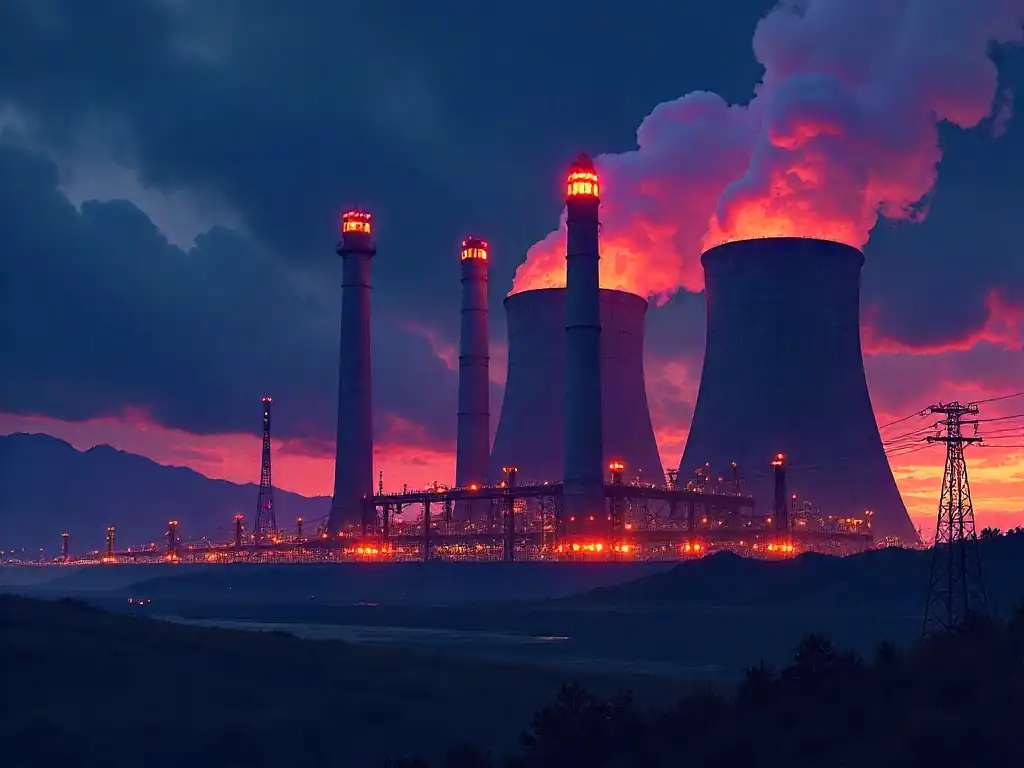
Welcome to Volcano Explorers!
Prepare to journey into the heart of the Earth's fiery power. Beyond the breathtaking eruptions and dramatic landscapes, lies an untapped resource waiting to be unveiled. Are you ready to discover how we're harnessing the heat from the abyss? Dive in to explore the fascinating potential of geothermal energy from volcanoes and uncover how these geological giants are shaping a sustainable future. The secrets are waiting below...
- Introduction: Unveiling Geothermal Energy Potential in Volcanic Regions
- Understanding Geothermal Energy from Volcanoes: A Deep Dive
- Benefits of Geothermal Energy Production Near Volcanoes
- Risks and Challenges of Geothermal Power in Volcanic Areas
-
Geothermal Energy Projects in Volcanic Regions: Case Studies
- Iceland: A Global Leader in Volcanic Geothermal Utilization
- Hellisheiði Geothermal Plant: Iceland's Powerhouse
- New Zealand: Harnessing Volcanic Power with Sustainable Practices
- The Taupō Volcanic Zone: Geothermal Innovation in New Zealand
- Other Volcanic Zones with Geothermal Potential: Indonesia, Philippines, Japan, Italy
- The Future of Geothermal Energy from Volcanoes: Innovation and Sustainability
- Conclusion: Embracing Geothermal Energy While Respecting Volcanic Landscapes
-
Frequently Asked Questions
- What exactly is geothermal energy, and how is it related to volcanoes?
- How does geothermal power generation work in volcanic areas?
- Is geothermal energy a renewable and sustainable energy source?
- Are there any environmental concerns associated with using geothermal energy in volcanic regions?
- What are some of the benefits of developing geothermal energy resources near volcanoes?
- Final Reflection: Embracing the Earth's Fiery Heart
- Unleash Earth's Power: Your Geothermal Journey Begins Now!
Introduction: Unveiling Geothermal Energy Potential in Volcanic Regions
Geothermal Energy: A Resource in Volcanic Areas
Volcanic regions, often perceived as zones of destruction and danger, harbor a hidden treasure beneath their fiery exteriors: geothermal energy. This renewable energy source taps into the Earth's internal heat, a resource particularly abundant and accessible in areas with volcanic activity.
The geological processes that create volcanoes – the movement of tectonic plates, the upwelling of magma, and the presence of hydrothermal systems – also lay the foundation for potent geothermal reservoirs. These reservoirs, heated by magma intrusions closer to the Earth's surface, offer a readily available source of energy that can be harnessed to generate electricity and provide direct heat.
The concentration of heat in volcanic zones is significantly higher compared to non-volcanic areas, making them prime locations for geothermal energy exploitation. In these regions, the Earth's crust is thinner, and molten rock is closer to the surface, resulting in higher geothermal gradients. This means that the temperature increases more rapidly with depth, allowing for shallower and more efficient drilling to access high-temperature geothermal resources. This natural phenomenon positions volcanic areas as strategic locations for developing sustainable energy solutions, turning a potential hazard into a valuable asset.
The Sustainable Promise of Volcanic Geothermal Resources
Harnessing geothermal energy from volcanoes presents a compelling pathway towards a more sustainable energy future. Unlike fossil fuels, geothermal energy is a renewable resource that draws upon the Earth's inexhaustible heat. Volcanic geothermal systems, in particular, are continuously replenished by the ongoing geological processes within the Earth, ensuring a long-term energy supply. This characteristic makes geothermal energy a reliable and consistent alternative to finite fossil fuels, crucial in the global transition towards cleaner energy sources.
Furthermore, geothermal power plants operating in volcanic regions offer a significant reduction in greenhouse gas emissions compared to conventional power plants that burn coal, oil, or natural gas. While geothermal plants can release small amounts of greenhouse gases, these emissions are substantially lower and often offset by the environmental benefits of displacing fossil fuel consumption. The utilization of geothermal energy in volcanic areas thus not only reduces carbon footprints but also contributes to mitigating climate change, aligning with global efforts to decarbonize energy production and build a more environmentally responsible future.
Understanding Geothermal Energy from Volcanoes: A Deep Dive
What is Geothermal Energy and How Does it Work in Volcanic Areas?
Geothermal energy, in its simplest terms, is the heat from the Earth. This heat originates from the planet's formation and the radioactive decay of materials within its interior. In volcanic areas, this natural heat is particularly concentrated due to the presence of magma bodies relatively close to the surface. Water, naturally circulating underground, comes into contact with these hot rocks, becoming heated and forming geothermal reservoirs of hot water and steam. This hydrothermal resource is the key to unlocking geothermal energy.
Geothermal power plants in volcanic zones tap into these hydrothermal reservoirs by drilling wells into the hot rock formations. The high-pressure hot water and steam are then brought to the surface. This steam is used to spin turbines connected to generators, producing electricity. After passing through the turbines, the cooled water is often reinjected back into the reservoir to maintain pressure and ensure the sustainability of the resource. This closed-loop system minimizes water usage and environmental impact, making geothermal energy a relatively clean and efficient energy source, especially in volcanic regions where the heat source is readily available.
The Science Behind Volcanic Heat: Powering Geothermal Plants
The intense heat that powers geothermal plants in volcanic areas is a direct consequence of the Earth's dynamic geological processes. Volcanoes are typically located at plate boundaries where tectonic plates either collide or diverge. In these zones, magma, molten rock from the Earth's mantle, rises towards the surface. While some magma erupts to form volcanoes, much of it remains beneath the surface, forming large bodies of hot rock that heat the surrounding geological formations.
The heat from these subsurface magma bodies is transferred to the surrounding rocks and groundwater through conduction and convection. Water percolating through fractured rocks is heated by contact with the hot rocks, creating hydrothermal systems. The temperature of these systems can range from relatively low (suitable for direct heating applications) to extremely high (ideal for electricity generation). Volcanic regions, with their proximity to magma and associated hydrothermal activity, offer an exceptionally potent and accessible source of geothermal energy, making them ideal locations for harnessing this renewable resource.
Benefits of Geothermal Energy Production Near Volcanoes
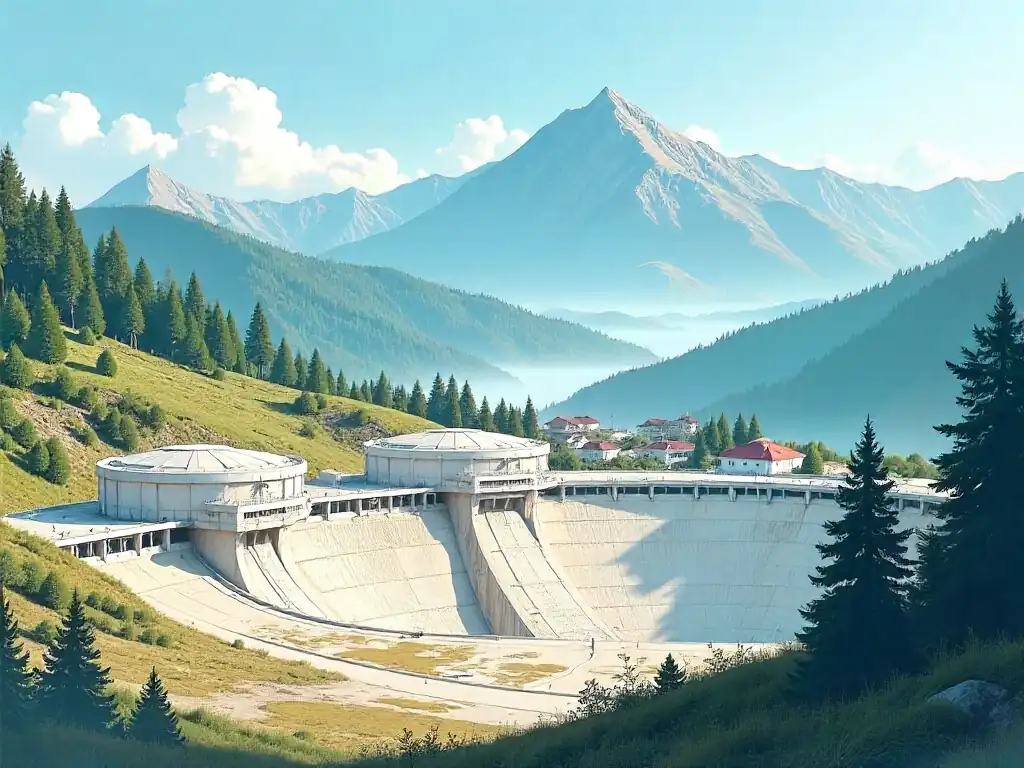
Renewable Energy Source: Tapping into Earth's Internal Heat
Geothermal energy stands out as a truly renewable energy source because it utilizes the Earth's virtually inexhaustible internal heat. Unlike fossil fuels, which are finite resources formed over millions of years, geothermal energy taps into a heat reservoir that is constantly replenished by natural geological processes. The radioactive decay within the Earth's core and mantle ensures a continuous supply of heat, making geothermal energy a sustainable option for long-term energy production.
In volcanic regions, this renewability is even more pronounced. The volcanic activity itself, driven by the Earth's internal dynamics, continuously brings heat closer to the surface. This constant influx of heat ensures the longevity of geothermal resources in these areas. Geothermal power plants, when properly managed with reinjection techniques, can operate for decades, even centuries, providing a consistent and reliable source of energy without depleting the Earth's natural resources. This inherent renewability positions geothermal energy from volcanoes as a cornerstone of a sustainable energy future.
Reduced Carbon Footprint: Geothermal vs. Fossil Fuels
One of the most significant advantages of geothermal energy, particularly when sourced from volcanic regions, is its dramatically reduced carbon footprint compared to fossil fuels. Traditional power plants that burn coal, oil, or natural gas release substantial amounts of carbon dioxide (CO2), a major greenhouse gas contributing to climate change. Geothermal power plants, on the other hand, produce negligible amounts of CO2 during electricity generation.
Life cycle assessments consistently show that geothermal energy has a significantly lower carbon footprint than fossil fuels. While there are some emissions associated with the construction and operation of geothermal plants, these are minimal compared to the emissions from fossil fuel combustion.
For instance, studies indicate that geothermal power plants emit approximately 45 grams of CO2 equivalent per kilowatt-hour (g CO2e/kWh), while coal-fired power plants emit over 1000 g CO2e/kWh and natural gas plants around 400 g CO2e/kWh. This substantial difference underscores the crucial role geothermal energy from volcanoes can play in mitigating climate change and transitioning to a low-carbon economy.
Economic Advantages: Local Job Creation and Energy Independence
Developing geothermal energy resources in volcanic regions brings significant economic benefits to local communities and nations. The construction and operation of geothermal power plants create jobs in various sectors, including engineering, drilling, construction, maintenance, and plant operation. These jobs are often located in rural areas near volcanic fields, providing economic opportunities in regions that may otherwise face limited employment prospects.
Furthermore, harnessing geothermal energy enhances energy independence. Countries with volcanic resources can reduce their reliance on imported fossil fuels, bolstering their energy security and stabilizing energy prices. Geothermal energy provides a domestically sourced and price-stable energy supply, shielding economies from the volatility of global fossil fuel markets. For example, Iceland's extensive use of geothermal energy has made it largely energy independent, demonstrating the transformative economic potential of volcanic geothermal resources.
Cerro Pabellón: A High-Altitude Geothermal Success Story
Cerro Pabellón, located in the Atacama Desert of Chile at an altitude of 4,500 meters, stands as a remarkable example of geothermal energy success in a challenging volcanic environment. It is the world's first high-altitude geothermal power plant and one of the highest geothermal plants globally. This project showcases the feasibility of harnessing geothermal resources even in extreme and remote volcanic regions.
Despite the logistical complexities of operating at high altitude, including thin air and harsh weather conditions, Cerro Pabellón demonstrates the viability of geothermal technology in such settings. The plant utilizes a binary cycle system to generate electricity from a moderate-temperature geothermal resource. It provides a significant source of clean energy in northern Chile, contributing to the country's diversification of its energy matrix and reducing its dependence on fossil fuels. Cerro Pabellón serves as an inspiring case study, proving that geothermal energy from volcanoes can be successfully developed even in the most demanding geographical locations.
Risks and Challenges of Geothermal Power in Volcanic Areas
Environmental Concerns: Land Use and Potential Emissions
While geothermal energy is generally considered environmentally friendly, geothermal projects in volcanic areas are not without potential environmental concerns. Land use is a primary consideration. Geothermal power plants and associated infrastructure, including well pads, pipelines, and transmission lines, require land, potentially impacting natural habitats and ecosystems. Careful planning and site selection are crucial to minimize land use impacts and preserve biodiversity.
Another environmental concern is the potential for emissions. Although geothermal power plants have significantly lower emissions than fossil fuel plants, they can release small amounts of greenhouse gases, such as carbon dioxide and hydrogen sulfide, that are naturally present in geothermal reservoirs. These emissions are typically managed through advanced technologies and are far less than fossil fuel emissions. Additionally, there is a risk of induced seismicity, although generally minor, associated with geothermal operations, particularly reinjection. Thorough geological assessments and careful operational practices are essential to mitigate these environmental risks.
Geological Instability: Seismic Activity and Volcanic Hazards
Volcanic regions are inherently geologically active, characterized by seismic activity and the potential for volcanic eruptions. These geological hazards pose risks to geothermal infrastructure and operations. Earthquakes can damage pipelines, wellheads, and power plant equipment. While geothermal plants are designed to withstand seismic events, the risk remains a significant consideration in volcanic areas.
Volcanic eruptions, although less frequent than earthquakes, represent a more severe hazard. Lava flows, pyroclastic flows, and ashfall can directly impact geothermal facilities located near active volcanoes. Careful site selection, hazard assessments, and robust emergency preparedness plans are crucial to mitigate the risks associated with geological instability in volcanic geothermal projects. Monitoring volcanic activity and seismic patterns is also essential for early warning and risk management.
Technical Challenges: Drilling and Maintaining Geothermal Plants in Harsh Environments
Developing and maintaining geothermal plants in volcanic areas presents unique technical challenges. Drilling in volcanic formations can be complex due to the heterogeneous nature of volcanic rocks, which can be fractured, altered, and contain abrasive materials. High temperatures and pressures in volcanic geothermal reservoirs also pose challenges for drilling equipment and well integrity.
Maintaining geothermal plants in these harsh environments can also be demanding. Equipment may be subjected to corrosive geothermal fluids and extreme temperature variations. Regular inspections, maintenance, and equipment replacements are essential to ensure the reliable and safe operation of geothermal plants in volcanic regions. Advancements in drilling technologies, materials science, and plant design are continuously addressing these technical challenges and improving the efficiency and resilience of geothermal operations in volcanic areas.
Mitigation Strategies for Geothermal Risks in Volcanic Zones
Various mitigation strategies are employed to address the risks associated with geothermal power development in volcanic zones. Environmental impacts are minimized through careful land use planning, impact assessments, and the implementation of closed-loop geothermal systems that reduce water consumption and emissions. Advanced emission control technologies can further reduce greenhouse gas releases.
Geological risks are mitigated through comprehensive hazard assessments, seismic monitoring networks, and volcanic activity surveillance. Geothermal plants are designed to withstand seismic events, and emergency plans are in place to respond to volcanic eruptions or other geological hazards. Technical challenges are addressed through the use of advanced drilling technologies, corrosion-resistant materials, and robust plant designs. Continuous research and development efforts are focused on improving geothermal technologies and enhancing the safety and sustainability of geothermal energy production in volcanic regions.
Geothermal Energy Projects in Volcanic Regions: Case Studies
Iceland: A Global Leader in Volcanic Geothermal Utilization
Iceland stands as a global exemplar in harnessing volcanic geothermal energy. The island nation, situated on the Mid-Atlantic Ridge, is exceptionally volcanically active, with abundant geothermal resources. Iceland has effectively leveraged this natural advantage to become a world leader in geothermal energy utilization, meeting nearly 100% of its electricity and heating needs from renewable sources, primarily geothermal and hydropower.
Iceland's success story is rooted in its proactive approach to geothermal development, supported by strong government policies, research and development investments, and public acceptance. The country's geothermal industry spans electricity generation, district heating, and various direct-use applications, such as greenhouses, aquaculture, and industrial processes. Iceland's experience demonstrates the immense potential of volcanic geothermal resources to power an entire nation sustainably and economically.
Hellisheiði Geothermal Plant: Iceland's Powerhouse
The Hellisheiði Geothermal Plant, located near Reykjavík, is one of the world's largest geothermal power plants and a flagship example of Iceland's geothermal prowess. Situated in a highly active volcanic area, the plant harnesses high-temperature geothermal resources to generate electricity and provide district heating for the capital region. Hellisheiði showcases cutting-edge geothermal technology and its capacity to deliver substantial amounts of clean energy.
The plant's installed capacity is over 300 MW of electricity and 400 MW of thermal energy, making it a significant contributor to Iceland's energy mix. Hellisheiði incorporates advanced technologies for CO2 capture and reinjection, further reducing its environmental footprint. The plant serves as a testament to the scalability and efficiency of geothermal energy from volcanoes and its potential to meet large-scale energy demands sustainably.
New Zealand: Harnessing Volcanic Power with Sustainable Practices
New Zealand, located in the Pacific Ring of Fire, is another nation that has successfully harnessed its volcanic geothermal resources. The country boasts significant geothermal potential, particularly in the Taupō Volcanic Zone on the North Island. New Zealand has a long history of geothermal utilization, dating back to the early 20th century, and has developed a robust geothermal industry that contributes significantly to its electricity supply.
New Zealand's approach to geothermal development emphasizes sustainability and environmental stewardship. Geothermal resources are managed carefully to ensure long-term productivity, and environmental impacts are minimized through best practices and regulations. The country's geothermal sector is characterized by innovation, with ongoing research and development efforts focused on enhancing efficiency, reducing emissions, and expanding the applications of geothermal energy.
The Taupō Volcanic Zone: Geothermal Innovation in New Zealand
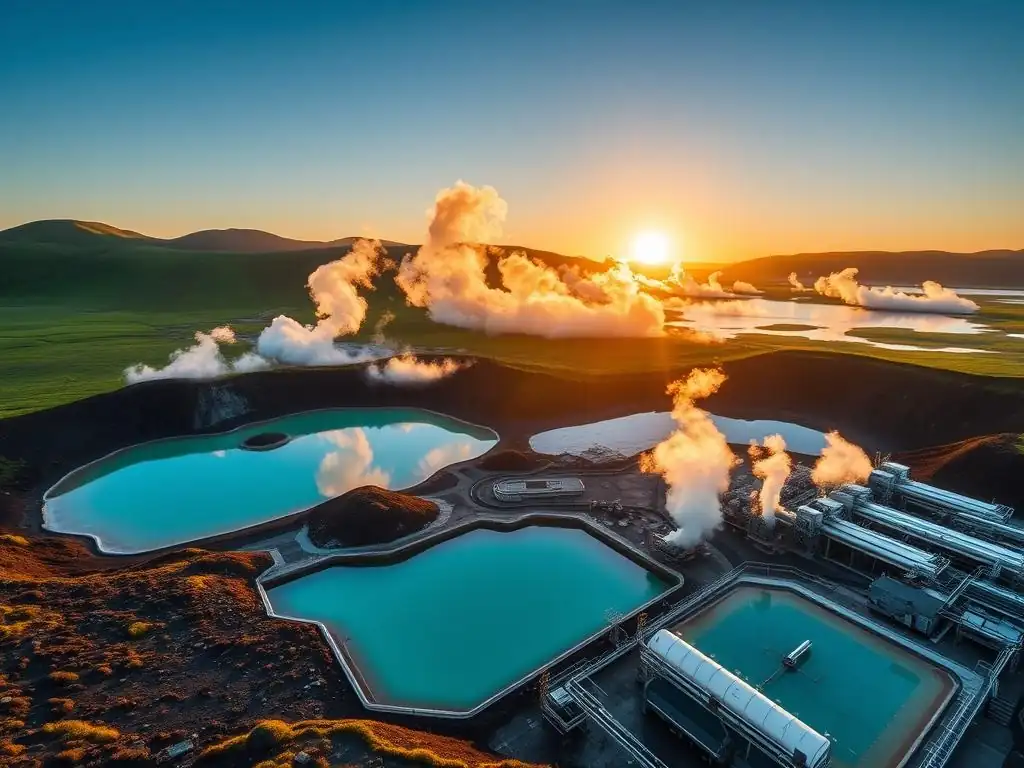
The Taupō Volcanic Zone in New Zealand's North Island is a geothermal hotspot, hosting numerous geothermal power plants and direct-use facilities. This region exemplifies New Zealand's commitment to geothermal innovation and sustainable practices. The Wairakei Geothermal Power Station, one of the world's first large-scale geothermal plants, is located in this zone and continues to operate successfully after decades of operation.
The Taupō Volcanic Zone is also a hub for geothermal research and development. New Zealand's universities and research institutions are actively engaged in advancing geothermal technologies, exploring enhanced geothermal systems (EGS), and developing novel applications for geothermal energy. The region serves as a living laboratory for geothermal innovation, contributing to the global advancement of geothermal energy technologies and best practices.
Other Volcanic Zones with Geothermal Potential: Indonesia, Philippines, Japan, Italy
Beyond Iceland and New Zealand, several other volcanic zones around the world hold significant untapped geothermal potential. Indonesia, located in the Pacific Ring of Fire, possesses vast geothermal resources, estimated to be among the largest globally. The country is actively developing its geothermal capacity to meet its growing energy demands and reduce its reliance on fossil fuels.
The Philippines, also situated in the Pacific Ring of Fire, is another major geothermal producer. Geothermal energy plays a crucial role in the Philippines' energy mix, providing a significant portion of its electricity. Japan, despite its high population density and mountainous terrain, has substantial geothermal potential, which is being increasingly explored and developed.
Italy, with its volcanic regions, including Tuscany and Sicily, has a history of geothermal utilization and continues to expand its geothermal capacity. These and other volcanic regions worldwide represent a significant global geothermal resource base that can contribute substantially to a cleaner and more sustainable energy future.
The Future of Geothermal Energy from Volcanoes: Innovation and Sustainability
Advancements in Geothermal Technology for Volcanic Environments
The future of geothermal energy from volcanoes is bright, driven by continuous advancements in geothermal technology. Enhanced drilling techniques are enabling access to deeper and hotter geothermal resources, increasing power plant efficiency and expanding the geographical reach of geothermal development. Advanced materials are being developed to withstand the harsh conditions of volcanic geothermal reservoirs, improving the longevity and reliability of geothermal equipment.
Innovations in power plant design, such as binary cycle systems and supercritical geothermal technologies, are enhancing efficiency and allowing for the utilization of lower-temperature geothermal resources. Closed-loop systems are becoming increasingly sophisticated, minimizing water consumption and emissions. These technological advancements are making geothermal energy from volcanoes more competitive, sustainable, and accessible, paving the way for its wider deployment globally.
Enhanced Geothermal Systems (EGS) in Volcanic Settings
Enhanced Geothermal Systems (EGS) represent a particularly promising frontier for geothermal energy development in volcanic settings. EGS technologies aim to access geothermal resources in hot dry rocks, even in areas without naturally occurring hydrothermal reservoirs. In volcanic regions, EGS can tap into the vast heat stored in deep, impermeable volcanic rocks. This involves creating artificial fractures in the hot rock and injecting water to create a geothermal reservoir where none existed before.
EGS holds immense potential to significantly expand the geothermal resource base, especially in volcanic areas where hot dry rocks are abundant. Pilot EGS projects in volcanic regions have demonstrated promising results, and ongoing research and development efforts are focused on improving EGS technologies and making them commercially viable. EGS could unlock vast untapped geothermal resources in volcanic zones, revolutionizing geothermal energy production.
The Role of Geothermal Energy in a Sustainable Energy Future
Geothermal energy from volcanoes is poised to play a crucial role in a sustainable energy future. As a renewable, low-carbon, and reliable energy source, geothermal energy aligns perfectly with global efforts to decarbonize energy systems and mitigate climate change. In volcanic regions, geothermal energy offers a particularly compelling solution, leveraging locally available resources to enhance energy security, create economic opportunities, and reduce environmental impacts.
The increasing global focus on renewable energy and the growing urgency to address climate change are driving greater investment and policy support for geothermal energy development. As technologies advance and costs decline, geothermal energy from volcanoes is becoming an increasingly attractive and competitive energy option. Its unique attributes – renewability, baseload power capability, and minimal land footprint compared to other renewables – position geothermal energy as a vital component of a diversified and sustainable energy mix for the 21st century and beyond.
Conclusion: Embracing Geothermal Energy While Respecting Volcanic Landscapes
Balancing Energy Needs with Environmental Stewardship in Volcanic Zones
Harnessing geothermal energy from volcanoes offers a remarkable opportunity to meet growing energy demands sustainably. However, it is crucial to approach geothermal development in volcanic zones with a strong commitment to environmental stewardship. Balancing energy needs with the preservation of volcanic landscapes and ecosystems is paramount. This requires careful planning, responsible operational practices, and a holistic approach that considers environmental, social, and economic factors.
Sustainable geothermal development in volcanic areas involves minimizing land use impacts, protecting biodiversity, managing emissions, and mitigating geological risks. Engaging local communities, respecting cultural heritage, and ensuring equitable distribution of benefits are also essential components of responsible geothermal development. By prioritizing environmental stewardship and community engagement, we can unlock the vast potential of volcanic geothermal resources while safeguarding the natural beauty and ecological integrity of these unique landscapes.
The Potential of Volcanic Geothermal Resources for a Cleaner Planet
Volcanic geothermal resources hold immense potential to contribute to a cleaner planet. As a reliable and low-carbon energy source, geothermal energy can displace fossil fuels, reduce greenhouse gas emissions, and mitigate climate change. The widespread utilization of geothermal energy from volcanoes globally could significantly reduce the carbon footprint of the energy sector and contribute to achieving international climate goals.
Furthermore, geothermal energy offers a pathway to energy independence for nations with volcanic resources, reducing reliance on imported fossil fuels and enhancing energy security. The economic benefits of geothermal development, including job creation and local economic growth, further underscore its attractiveness as a sustainable energy solution. By embracing geothermal energy from volcanoes, we can move towards a cleaner, more secure, and more prosperous energy future.
Call to Action: Supporting Sustainable Geothermal Development
Realizing the full potential of geothermal energy from volcanoes requires a concerted effort from governments, industry, researchers, and communities. Governments should implement supportive policies, including incentives for geothermal development, streamlined permitting processes, and investments in research and development. Industry must adopt best practices, prioritize environmental stewardship, and engage with local communities. Researchers should continue to innovate and develop advanced geothermal technologies.
Communities should be informed and involved in geothermal projects, ensuring that their voices are heard and their concerns are addressed. By working together, we can unlock the vast potential of volcanic geothermal resources, accelerate the transition to a clean energy future, and harness the heat from the abyss for the benefit of both humanity and the planet.
Frequently Asked Questions
Geothermal energy is heat from the Earth's interior. In volcanic zones, this heat is much closer to the surface, making it a more accessible and efficient energy source.
How does geothermal power generation work in volcanic areas?
Geothermal power plants drill into the Earth to access hot water and steam. This steam is then used to turn turbines, which generate electricity. The process relies on the intense heat associated with volcanic activity.
Is geothermal energy a renewable and sustainable energy source?
Yes, geothermal energy is generally considered renewable because the Earth's heat is constantly replenished. However, sustainable management is crucial to prevent depletion of the resource in specific locations.
Are there any environmental concerns associated with using geothermal energy in volcanic regions?
While cleaner than fossil fuels, geothermal energy can release small amounts of greenhouse gases and may cause localized land subsidence. Proper environmental impact assessments are essential.
What are some of the benefits of developing geothermal energy resources near volcanoes?
Geothermal energy offers a reliable and consistent power supply, reducing dependence on fossil fuels. It also stimulates local economies through job creation and infrastructure development in volcanic regions.
Final Reflection: Embracing the Earth's Fiery Heart
The exploration of geothermal energy from volcanoes, as highlighted throughout this article, is not merely a scientific endeavor, but a crucial step towards a sustainable energy future. The potential to harness the immense heat residing beneath volcanic zones offers a compelling alternative to fossil fuels, promising cleaner energy and reduced carbon emissions in a world desperately seeking climate solutions.
This pursuit of geothermal power from volcanic sources profoundly impacts our understanding of energy production and our relationship with the planet. It challenges us to view seemingly destructive forces, like volcanic activity, as potential sources of life-sustaining energy. This shift in perspective is vital as we navigate the complexities of climate change and strive for a more harmonious coexistence with nature. We are approaching a time when humanity will be forced to choose between planetary survival and continued short-sighted economic gain.
- Isaac Asimov. This quote underscores the urgency and importance of exploring innovative energy solutions like geothermal power.
Now, consider the implications of this knowledge. How can you, in your own life, support the transition to cleaner energy sources? Whether it's advocating for sustainable policies, investing in renewable energy initiatives, or simply educating yourself and others about the potential of geothermal energy, your actions can contribute to a future powered by the Earth's fiery heart. Let us embrace the challenge and work together to unlock the boundless potential of geothermal energy from volcanoes, for the benefit of generations to come.
Unleash Earth's Power: Your Geothermal Journey Begins Now!
Thank you for exploring the fascinating world of geothermal energy harnessed from volcanic zones. We hope you've gained a deeper appreciation for the immense potential lying beneath our feet. Ready to take the next step in supporting this clean energy source?
Here's how you can get involved:
- Dive Deeper into Geothermal Research: Explore the latest scientific papers and reports on geothermal energy production in volcanic regions to better understand its nuances and challenges. Become a more informed advocate for this sustainable energy solution.
- Share Your Knowledge: Spread the word about geothermal power! Use the hashtag #VolcanoPower on social media to highlight the potential of this incredible renewable resource.
- Plan a Geothermal Site Visit: Discover local geothermal plants or related geological sites near you for firsthand inspiration from Earth's inner power.
What actions will you take today to promote the adoption of geothermal energy in volcanic zones? Share your thoughts in the comments below!