
Decades of Dormancy, Centuries of Bloom: The Unfolding Story of Volcanic Rebirth

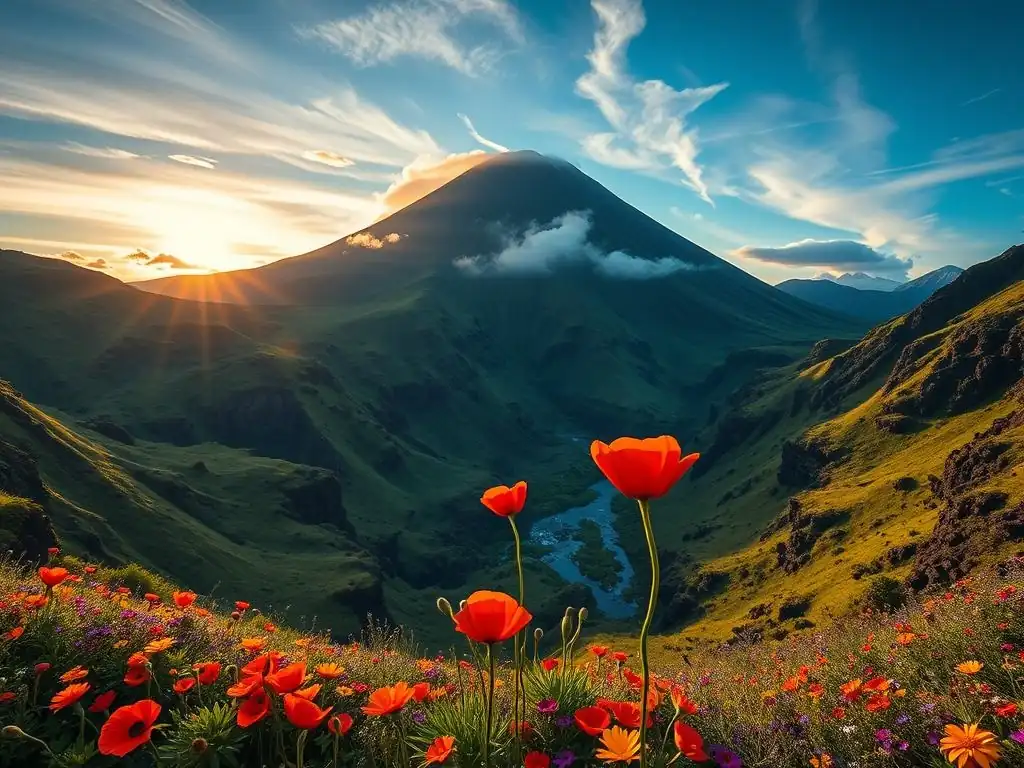
Welcome to Volcano Explorers, where the Earth breathes fire! Ever wondered what happens after the roar fades and the ash settles? Prepare to witness the breathtaking phenomenon of volcanic rebirth. Our latest exploration delves into the surprising ways dormant giants awaken, and how their volcanic activity shapes – and reshapes – the world around them. Discover the secrets hidden beneath the cooled lava...and prepare to be amazed. What will the future hold?
- Understanding Volcanic Rebirth and Activity: An Introduction
- From Ash to Oasis: The Stages of Volcanic Rebirth
- The Role of Dormant Volcanoes in Shaping Ecosystems
- Case Studies: Examining Volcanic Rebirth Across the Globe
- Factors Influencing the Speed and Extent of Volcanic Rebirth
- The Unexpected Benefits of Volcanic Activity for Ecosystems
- Monitoring and Predicting Volcanic Rebirth: The Future of Volcanic Ecology
- Conclusion: Appreciating the Resilience of Life in the Face of Volcanic Power
-
Frequently Asked Questions
- What does "volcanic rebirth" refer to in the context of VolcanoExplorers.org?
- What kind of volcanic activity does VolcanoExplorers.org monitor and report on?
- How do volcanologists study "volcanic rebirth and activity"?
- What safety precautions should people take if they live near a volcano experiencing "volcanic rebirth and activity"?
- Besides scientific information, what else can I find regarding "volcanic rebirth and activity" on VolcanoExplorers.org?
- Final Reflection: Embracing the Cycle of Volcanic Rebirth
- Unveil the Earth's Fiery Secrets!
Understanding Volcanic Rebirth and Activity: An Introduction
Exploring Long-Term Ecological Recovery in Volcanic Zones
Volcanic rebirth, in ecological terms, refers to the remarkable process of ecosystem recovery and renewal in areas affected by volcanic activity. This recovery unfolds over extended periods, often spanning decades and even centuries, transforming landscapes initially devastated by eruptions into vibrant and thriving ecosystems.
Understanding long-term ecological recovery in volcanic zones is crucial for appreciating the resilience of nature and the dynamic interplay between geological forces and biological life. It involves studying how plant and animal communities re-establish themselves, how soil and nutrient cycles are restored, and how the landscape itself is reshaped by both destructive and constructive volcanic processes.
The study of long-term ecological recovery in volcanic regions provides valuable insights into ecosystem dynamics and succession. These areas serve as natural laboratories, allowing scientists to observe ecological processes in extreme environments and under conditions of significant disturbance.
For instance, the eruption of Mount St. Helens in 1980 offered a unique opportunity to study primary succession on a large scale, revealing how life can reclaim even the most barren terrains. Research in these zones often involves monitoring vegetation regrowth, tracking animal recolonization, and analyzing changes in soil composition and microbial communities over many years, providing a comprehensive picture of volcanic rebirth and activity.
The Dynamic Relationship Between Volcanic Activity and Ecosystems
The relationship between volcanic activity and ecosystems is far from simply destructive; it is a complex and dynamic interaction characterized by cycles of destruction and renewal. While volcanic eruptions can initially cause widespread devastation, eradicating existing ecosystems through pyroclastic flows, ashfall, and lava flows, they also lay the foundation for new beginnings. Volcanic activity releases essential minerals and nutrients from the Earth's interior, enriching the soil and creating fertile ground for plant life. This geological dynamism fosters unique habitats and supports diverse biological communities over time, demonstrating a profound link between volcanic activity and ecosystem development.
Moreover, volcanic landscapes often exhibit a mosaic of habitats in different stages of ecological succession, reflecting varying degrees of past volcanic impact and recovery. Areas closer to active vents might experience frequent disturbances and support pioneer species adapted to harsh conditions, while older, more stable zones further away could host mature ecosystems with higher biodiversity.
This spatial heterogeneity, driven by volcanic activity, contributes to the overall ecological richness of volcanic regions. The continuous cycle of disturbance and recovery, fueled by volcanic activity, ensures a constantly evolving and adapting ecosystem, showcasing the powerful force of natural selection and ecological resilience in the face of dramatic geological events.
From Ash to Oasis: The Stages of Volcanic Rebirth
Initial Devastation: The Immediate Impact of Volcanic Eruptions
The immediate aftermath of a volcanic eruption is characterized by widespread devastation. Pyroclastic flows, reaching temperatures of up to 700°C (1300°F) and speeds exceeding 700 km/h (450 mph), incinerate everything in their path, leaving behind a barren landscape. Heavy ashfall can blanket vast areas, burying vegetation, collapsing structures, and contaminating water sources. Lava flows, though slower, can also destroy ecosystems and alter landscapes permanently. The eruption of Mount Vesuvius in 79 AD, which buried Pompeii and Herculaneum, serves as a stark historical example of the catastrophic immediate impact of volcanic eruptions on both human settlements and the surrounding environment.
Beyond the direct physical destruction, volcanic eruptions trigger a cascade of environmental changes that further inhibit immediate biological recovery. Atmospheric pollution from volcanic gases like sulfur dioxide can lead to acid rain, damaging vegetation and acidifying soils and water bodies. Sunlight can be blocked by ash clouds, reducing photosynthesis and lowering temperatures.
Water resources may be contaminated by ash and volcanic debris, making them unsuitable for drinking and irrigation. The eruption of Tambora in 1815, which caused the "Year Without a Summer" globally due to massive sulfur dioxide release, illustrates the far-reaching and immediate environmental consequences of large volcanic events, impacting ecosystems globally in the short term.
The Pioneer Species: First Signs of Life After Volcanic Disruption
Despite the initial devastation, life begins to reclaim volcanic landscapes relatively quickly, starting with pioneer species. These are hardy organisms adapted to colonizing barren environments, often characterized by poor soil, limited nutrients, and harsh conditions. Lichens, for example, are among the first colonizers, capable of growing on bare rock and initiating soil formation through biological weathering.
Certain types of mosses and ferns also appear early, able to establish themselves in ash-covered areas and contribute to the accumulation of organic matter. Wind-dispersed seeds of grasses and herbaceous plants can reach volcanic zones from surrounding areas, taking root in the newly deposited ash and pumice.
The return of life after the 1980 eruption of Mount St. Helens vividly demonstrates the role of pioneer species. Within a few years, lupines and fireweed, both nitrogen-fixing plants, became prominent colonizers, thriving in the nutrient-poor ash deposits. These plants not only survive but also improve soil fertility by adding organic matter and nitrogen, paving the way for subsequent plant communities.
Microorganisms, including bacteria and fungi, also play a critical role as pioneer species, breaking down volcanic materials, cycling nutrients, and establishing the foundations of a functioning soil ecosystem. These early colonizers are essential catalysts for volcanic rebirth, initiating the long process of ecological succession.
Ecological Succession: The Gradual Return of Biodiversity
Following the pioneer species, ecological succession unfolds as a gradual and predictable process of ecosystem development in volcanic landscapes. As pioneer species modify the environment, making it more hospitable, they are succeeded by other plant and animal communities. In volcanic areas, this often involves a transition from simple communities dominated by lichens and mosses to more complex ecosystems featuring grasses, shrubs, and eventually forests. The specific pathway of succession depends on factors like climate, elevation, and the type of volcanic materials deposited, but the general trend is towards increasing biodiversity and ecosystem complexity over time.
Secondary succession can also occur in areas partially disturbed by volcanic activity, where some soil and remnant vegetation survive. In these cases, recovery can be faster, as existing soil structure and seed banks provide a head start for plant recolonization. For example, in areas around Mount Etna in Sicily, which experiences frequent but often less catastrophic eruptions, secondary succession allows for relatively rapid vegetation recovery.
The process of ecological succession in volcanic landscapes is not always linear and can be influenced by subsequent volcanic events or other disturbances. However, it consistently demonstrates the inherent capacity of ecosystems to regenerate and evolve in response to even dramatic environmental changes, highlighting the dynamic nature of volcanic rebirth.
The Role of Dormant Volcanoes in Shaping Ecosystems
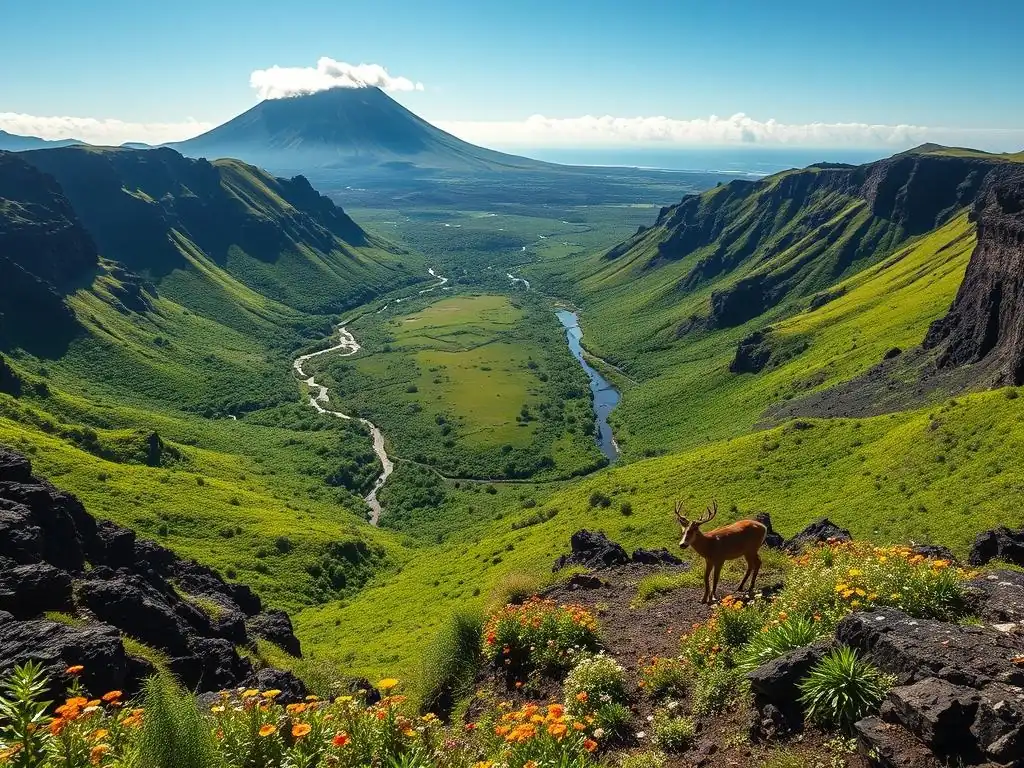
How Dormant Volcanoes Influence Soil Composition and Nutrient Availability
Dormant volcanoes, even when not actively erupting, exert a significant influence on the surrounding environment, particularly on soil composition and nutrient availability. Volcanic rocks are rich in essential minerals such as phosphorus, potassium, calcium, and magnesium, which are crucial for plant growth. As these rocks weather and break down over time, they release these nutrients into the soil, enriching it and making it highly fertile. Soils derived from volcanic materials, known as Andisols, are renowned for their high fertility and water-holding capacity, supporting productive agricultural lands and diverse natural ecosystems in many volcanic regions around the world.
The slow release of nutrients from volcanic minerals ensures a sustained supply of essential elements to the ecosystem over long periods. This contrasts with other soil formation processes where nutrient depletion can occur more rapidly. Furthermore, the porous nature of volcanic ash and pumice enhances soil aeration and drainage, creating favorable conditions for root growth and microbial activity.
The presence of volcanic glass in Andisols also contributes to their unique properties, influencing soil structure and nutrient retention. Thus, dormant volcanoes, through the weathering of their volcanic materials, act as long-term nutrient reservoirs, shaping the fertility and productivity of surrounding ecosystems and contributing significantly to volcanic rebirth even during periods of quiescence.
The Impact of Dormancy on Water Resources in Volcanic Regions
Dormant volcanoes also play a crucial role in shaping water resources in their vicinity. Volcanic landscapes often exhibit unique hydrological characteristics due to the porous nature of volcanic rocks and the topography created by volcanic activity. Volcanic rocks can act as aquifers, storing large quantities of groundwater that slowly release into springs and streams, providing a reliable water source even during dry periods. The impermeable layers of solidified lava and ash can also create perched water tables, leading to the formation of wetlands and lakes in volcanic regions.
The topography of volcanic areas, with cones and craters, influences rainfall patterns and water runoff. Higher elevations around dormant volcanoes often receive more precipitation, which is then channeled and stored within the volcanic edifice. Geothermal activity, even in dormant volcanoes, can heat groundwater, creating hot springs and hydrothermal systems that are important water sources in some regions.
However, volcanic dormancy can also pose risks to water resources. Leaching of volcanic minerals can sometimes lead to high concentrations of certain elements in water, and volcanic aquifers can be vulnerable to contamination if not properly managed. Despite these potential challenges, dormant volcanoes generally contribute positively to water availability and hydrological diversity in surrounding areas, supporting both human populations and ecosystems.
Geothermal Activity and its Influence on Local Flora and Fauna
Even in dormancy, many volcanoes exhibit geothermal activity, characterized by the emission of heat, steam, and volcanic gases from vents, fumaroles, and hot springs. This geothermal activity can have a profound influence on local flora and fauna, creating unique microclimates and habitats. Geothermally heated soils can support specialized plant communities adapted to higher temperatures and specific chemical conditions. In areas with cold climates, geothermal heat can create thermal refugia, providing warmer microhabitats that allow certain plant and animal species to survive in otherwise inhospitable environments.
Hot springs and hydrothermal vents associated with geothermal activity support unique ecosystems, often dominated by extremophile microorganisms adapted to high temperatures and unusual chemical compositions. These geothermal habitats can also attract specific animal species, such as certain insects and amphibians that utilize the warmth and moisture. The presence of geothermal areas can also influence vegetation patterns at a larger scale, creating variations in plant communities around volcanic regions.
For example, areas with strong geothermal activity might exhibit altered vegetation zones or support species not found in surrounding non-geothermal areas. Geothermal activity, even during volcanic dormancy, therefore acts as an important environmental factor, shaping biodiversity and creating unique ecological niches within volcanic landscapes and contributing to the complexity of volcanic rebirth and activity in its broader sense.
Case Studies: Examining Volcanic Rebirth Across the Globe
Mount St. Helens: A Classic Example of Ecological Recovery After a Major Eruption
The 1980 eruption of Mount St. Helens in Washington State, USA, is considered a landmark case study in volcanic rebirth and ecological recovery. The eruption was one of the most significant volcanic events in North America in recent history, devastating a vast area around the volcano. However, the eruption also provided an unprecedented opportunity for scientists to study primary succession and ecosystem regeneration in a severely disturbed landscape. Within years of the eruption, pioneer species began to colonize the barren ash fields and debris avalanche deposits.
Long-term monitoring at Mount St. Helens has revealed the remarkable resilience of nature and the gradual process of ecological recovery. Plants and animals have returned through a combination of dispersal from surrounding undisturbed areas, survival of buried organisms, and the establishment of new populations. Decades after the eruption, the landscape is transformed, with forests regrowing, lakes and wetlands reforming, and diverse wildlife populations re-establishing themselves.
The Mount St. Helens National Volcanic Monument serves as a living laboratory for ecological research and a powerful example of volcanic rebirth, demonstrating the capacity of ecosystems to recover even from catastrophic volcanic events. Studies continue to this day, providing valuable insights into the long-term dynamics of volcanic ecosystem recovery.
Krakatoa: The Resurgence of Biodiversity Following Catastrophic Volcanism
The 1883 eruption of Krakatoa, Indonesia, was one of the most violent volcanic eruptions in recorded history. The island of Krakatoa was essentially sterilized by the eruption, with most life believed to have been eradicated. However, within decades, life began to return to the island, primarily through dispersal from surrounding islands and mainland areas. This event has become a classic example of island biogeography and ecological colonization, showcasing the processes of species dispersal and community assembly in a newly formed or drastically altered environment.
Initially, pioneer plants and insects arrived via wind and ocean currents. Over time, more complex plant communities developed, and animals, including birds, reptiles, and mammals, colonized the island. The resurgence of biodiversity on Krakatoa has been extensively studied, revealing the stages of ecological succession and the factors influencing species colonization rates. The island now supports a diverse tropical ecosystem, demonstrating the remarkable capacity for life to re-establish itself even after catastrophic volcanism. Krakatoa serves as a compelling case study for understanding long-term volcanic rebirth and the dynamics of island ecosystems in the face of extreme disturbance.
Surtsey: Colonization and Ecosystem Development on a Newly Formed Volcanic Island
Surtsey, a volcanic island that emerged from the sea off the coast of Iceland between 1963 and 1967, provides a unique opportunity to study primary succession on a completely new landmass. The island was formed entirely from volcanic eruptions, starting as bare rock devoid of any pre-existing soil or life. Scientists have been able to meticulously document the colonization process from the very beginning, observing how plants, animals, and microorganisms arrive and establish themselves on a pristine volcanic island.
Wind and ocean currents have been the primary vectors for dispersal to Surtsey. Pioneer plants, primarily seeds dispersed by wind and seabirds, began to colonize the island within a few years of its formation. Seabirds were among the first animals to arrive, using the island for nesting and contributing to nutrient enrichment through their guano.
Insects and other invertebrates followed, and eventually, some terrestrial mammals and plant species arrived as well. Surtsey is a protected scientific reserve, allowing researchers to study ecosystem development without human interference. The long-term monitoring of Surtsey provides invaluable insights into the fundamental processes of primary succession and ecosystem assembly on newly formed volcanic landscapes, offering a real-time example of volcanic rebirth in its most nascent stages.
Factors Influencing the Speed and Extent of Volcanic Rebirth
Climate and Weather Patterns: Their Role in Post-Eruption Recovery
Climate and weather patterns play a critical role in determining the speed and extent of volcanic rebirth. Temperature, rainfall, and seasonality directly influence plant growth rates, soil development, and the availability of water resources, all of which are essential for ecosystem recovery. In regions with favorable climates, characterized by warm temperatures and ample rainfall, vegetation recovery tends to be faster and more robust. Tropical volcanic regions, for example, often exhibit rapid rates of ecological succession due to consistent warmth and high precipitation levels.
Conversely, in areas with harsh climates, such as cold or arid regions, volcanic rebirth can be significantly slower. Low temperatures can limit plant growth and microbial activity, while drought conditions can hinder vegetation establishment and soil formation. The type of weather events following an eruption also matters. Heavy rainfall can lead to soil erosion and nutrient leaching, potentially delaying recovery, while gentle rains can promote seed germination and plant establishment. Long-term climate change trends can also influence volcanic rebirth, potentially altering species distributions and ecosystem trajectories in volcanic regions over extended periods.
The Type of Volcanic Eruption and its Impact on Long-Term Recovery
The type of volcanic eruption significantly influences the nature and extent of ecological disturbance and, consequently, the path of long-term recovery. Explosive eruptions, characterized by pyroclastic flows, ashfall, and lahars, tend to cause more widespread and severe devastation compared to effusive eruptions that primarily produce lava flows. Pyroclastic flows can sterilize vast areas, removing all vegetation and topsoil, requiring primary succession to restart from bare substrate. Heavy ashfall can bury ecosystems and alter soil properties over large regions.
Effusive eruptions, while also destructive in areas directly covered by lava flows, may have a more localized impact. Lava flows can create new land but often leave behind relatively infertile surfaces that require long periods for soil development. The chemical composition of volcanic materials also varies depending on the type of eruption and magma source, influencing soil fertility and nutrient availability.
Eruptions that release large amounts of sulfur dioxide can lead to acid rain, impacting vegetation and soil chemistry. The frequency of eruptions in a given area also plays a role; frequently erupting volcanoes may experience slower overall ecological recovery compared to volcanoes with longer periods of dormancy, as ecosystems are repeatedly disturbed before reaching maturity.
Human Influence: How Conservation Efforts Can Accelerate Rebirth
Human activities can significantly influence the speed and trajectory of volcanic rebirth, both positively and negatively. Negative impacts include deforestation, urbanization, and pollution, which can fragment habitats, degrade water quality, and introduce invasive species, hindering natural recovery processes. Conversely, conservation efforts can play a crucial role in accelerating volcanic rebirth and promoting ecosystem resilience. Reforestation projects, for example, can help to re-establish vegetation cover, stabilize soils, and enhance biodiversity in volcanic landscapes.
Controlling invasive species is also important, as invasive plants and animals can outcompete native species and disrupt ecological succession. Protecting remaining undisturbed areas around volcanic zones provides refugia for native species and seed sources for recolonization. Sustainable land management practices, such as reducing soil erosion and minimizing pollution, can further support ecosystem recovery.
In some cases, active restoration efforts, such as soil amendment and seed dispersal, may be necessary to accelerate volcanic rebirth, particularly in areas severely degraded by volcanic eruptions or human activities. Recognizing the importance of human influence and implementing effective conservation strategies are essential for maximizing the potential for volcanic rebirth and ensuring the long-term health of volcanic ecosystems.
The Unexpected Benefits of Volcanic Activity for Ecosystems
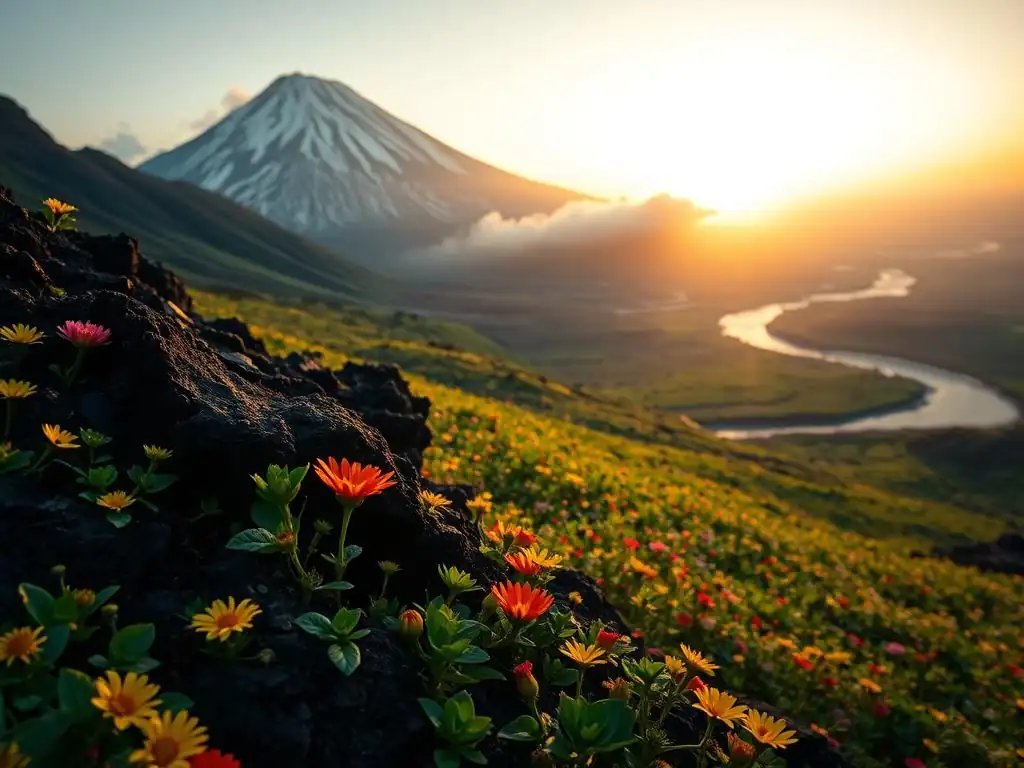
Volcanic Ash as a Natural Fertilizer: Enriching the Soil
While initially seen as a destructive force, volcanic ash is a potent natural fertilizer that plays a crucial role in long-term ecosystem health and volcanic rebirth. Volcanic ash is rich in essential plant nutrients, including phosphorus, potassium, calcium, magnesium, and trace elements. These nutrients are readily available to plants because the ash particles are fine-grained and easily weather and release their mineral content. Ashfall events can deposit a layer of nutrient-rich material over vast areas, effectively fertilizing soils and boosting plant growth.
In many volcanic regions around the world, soils are naturally fertile due to the regular input of volcanic ash over geological timescales. Agricultural lands in volcanic areas are often highly productive, supporting dense populations. The beneficial effects of volcanic ash are not limited to agriculture; natural ecosystems also benefit from the nutrient enrichment, leading to increased plant biomass and biodiversity.
However, excessive ashfall can also be detrimental, particularly in the short term, by burying vegetation and disrupting soil processes. The long-term positive effects of volcanic ash as a natural fertilizer, however, are undeniable and contribute significantly to the ecological productivity and resilience of volcanic landscapes.
Creating Unique Habitats: The Geological Diversity of Volcanic Landscapes
Volcanic activity creates a remarkable diversity of geological features and landforms, resulting in a mosaic of unique habitats that support a wide range of plant and animal species. Volcanic landscapes are characterized by lava flows, volcanic cones, craters, calderas, hot springs, and geothermal areas, each offering distinct environmental conditions. Lava flows, for example, create rocky substrates that favor certain types of vegetation and provide habitat for rock-dwelling animals. Volcanic cones and craters offer variations in elevation, slope, and aspect, leading to diverse microclimates and vegetation zones.
Geothermal areas, with their hot springs and fumaroles, support specialized ecosystems adapted to extreme temperatures and chemical conditions. Volcanic lakes and wetlands, formed in craters or depressions, provide aquatic habitats for diverse flora and fauna. This geological diversity, driven by volcanic activity, is a key factor in promoting biodiversity in volcanic regions. The heterogeneity of volcanic landscapes creates a variety of ecological niches, allowing different species to coexist and thrive. This inherent diversity is a significant ecological benefit of volcanic activity, contributing to the richness and complexity of volcanic ecosystems.
Supporting Diverse Communities: The Interplay Between Volcanic Activity and Wildlife
The interplay between volcanic activity and wildlife is complex and multifaceted, but overall, volcanic landscapes support remarkably diverse biological communities. While volcanic eruptions can cause temporary displacement or mortality of wildlife, in the long term, volcanic regions provide essential habitats and resources for a wide array of animals. The geological diversity of volcanic landscapes, as discussed earlier, creates a variety of habitats suitable for different species. Volcanic soils, enriched by ash, support productive vegetation, providing food and shelter for herbivores and the animals that prey on them.
Volcanic lakes and wetlands attract waterbirds and other aquatic wildlife. Geothermal areas can provide thermal refugia for animals in cold climates and support unique microbial communities that form the base of specialized food webs. Volcanic islands, formed by volcanic eruptions, can become important breeding grounds for seabirds and marine mammals.
In many volcanic regions, wildlife has adapted to the cyclical disturbances of volcanic activity, with some species even benefiting from the post-eruption environment. The dynamic nature of volcanic landscapes, shaped by eruptions and subsequent ecological recovery, creates a constantly evolving mosaic of habitats that supports a rich and resilient wildlife community, demonstrating the long-term ecological benefits of volcanic activity.
Monitoring and Predicting Volcanic Rebirth: The Future of Volcanic Ecology
Utilizing Remote Sensing Technologies to Track Ecological Changes
Remote sensing technologies are becoming increasingly valuable tools for monitoring and tracking ecological changes in volcanic landscapes, particularly over large areas and long time scales. Satellite imagery, aerial photography, and LiDAR (Light Detection and Ranging) provide a synoptic view of volcanic regions, allowing scientists to assess vegetation regrowth, landscape changes, and disturbance patterns after volcanic eruptions. Vegetation indices derived from satellite imagery, such as NDVI (Normalized Difference Vegetation Index), can be used to monitor plant biomass and vegetation cover over time, providing quantitative data on the progress of ecological recovery.
Thermal infrared remote sensing can detect geothermal activity and track changes in surface temperatures, which can influence vegetation patterns and ecosystem processes. LiDAR data can provide detailed topographic information, allowing for the analysis of landscape evolution and habitat structure in volcanic regions.
Unmanned aerial vehicles (UAVs) or drones are also being used for high-resolution monitoring of volcanic landscapes, providing detailed data on vegetation composition, erosion patterns, and other ecological parameters. Remote sensing technologies offer cost-effective and efficient methods for monitoring volcanic rebirth, enabling scientists to track ecological changes over time and space and to assess the effectiveness of conservation and restoration efforts.
Developing Predictive Models for Ecosystem Recovery in Volcanic Areas
Developing predictive models for ecosystem recovery in volcanic areas is a crucial step towards understanding and managing volcanic landscapes effectively. Ecological models can integrate various factors influencing volcanic rebirth, such as eruption type, climate, soil properties, and species dispersal, to predict the trajectory and rate of ecosystem recovery. These models can be used to forecast vegetation changes, animal recolonization patterns, and the overall timeline for ecosystem development after volcanic eruptions.
Process-based models can simulate ecological processes such as plant growth, nutrient cycling, and species interactions, allowing for a more mechanistic understanding of volcanic rebirth. Statistical models can be developed based on historical data from volcanic eruptions and ecological monitoring to identify key factors influencing recovery rates and to predict future ecosystem states.
Agent-based models can simulate the behavior of individual organisms and their interactions with the environment, providing insights into species dispersal and community assembly processes in volcanic landscapes. Predictive models can be valuable tools for assessing the potential impacts of future volcanic eruptions on ecosystems and for guiding conservation and restoration strategies in volcanic regions.
The Importance of Long-Term Monitoring for Understanding Volcanic Rebirth and Activity
Long-term ecological monitoring is essential for fully understanding the complex processes of volcanic rebirth and activity. Volcanic ecosystem recovery is a slow and gradual process that unfolds over decades and centuries. Short-term studies can only capture a snapshot of this dynamic process and may not reveal long-term trends and patterns. Continuous monitoring over extended periods is necessary to track the full trajectory of ecological succession, to assess the impacts of subsequent volcanic events or other disturbances, and to understand the long-term resilience of volcanic ecosystems.
Long-term monitoring programs in volcanic regions, such as at Mount St. Helens and Krakatoa, have provided invaluable data on the patterns and drivers of volcanic rebirth. These studies have revealed the importance of pioneer species, the role of nutrient cycling, the influence of climate variability, and the long-term dynamics of species interactions in volcanic ecosystems.
Continued long-term monitoring is crucial for refining our understanding of volcanic ecology, for validating predictive models, and for informing effective conservation and management strategies in volcanic landscapes. Sustained research and monitoring efforts are vital for appreciating the full scope of volcanic rebirth and activity and for ensuring the long-term health and resilience of these dynamic and fascinating ecosystems.
Conclusion: Appreciating the Resilience of Life in the Face of Volcanic Power
The Cycle of Destruction and Renewal: A Testament to Nature's Adaptability
Volcanic eruptions, while initially appearing as forces of destruction, are integral to a larger cycle of destruction and renewal that shapes the Earth's landscapes and ecosystems. The immediate aftermath of a volcanic event can be devastating, but it is followed by a remarkable process of ecological rebirth, demonstrating the incredible adaptability of nature. Volcanic activity, in the long term, creates fertile soils, diverse habitats, and supports thriving ecosystems. This cycle of destruction and renewal is a testament to the resilience of life and the dynamic interplay between geological forces and biological processes.
Volcanic landscapes are not static environments; they are constantly evolving, shaped by eruptions, erosion, and ecological succession. This dynamism is a defining characteristic of volcanic regions and contributes to their ecological richness and uniqueness. Understanding the cycle of destruction and renewal in volcanic areas is crucial for appreciating the long-term ecological significance of volcanic activity and for managing volcanic landscapes sustainably. The ability of ecosystems to recover from volcanic disturbances and to flourish in volcanic environments highlights the power of natural adaptation and the enduring capacity of life to reclaim and transform even the most dramatically altered landscapes.
Integrating Volcanic Rebirth into Conservation Strategies for Volcanic Landscapes
Integrating the concept of volcanic rebirth into conservation strategies is essential for effective management of volcanic landscapes. Traditional conservation approaches often focus on preserving pristine ecosystems, but volcanic regions are inherently dynamic and subject to natural disturbances. Conservation strategies in volcanic areas should embrace this dynamism and recognize the importance of ecological recovery processes. This involves shifting from a purely preservationist approach to a more adaptive and resilience-based management framework.
Conservation efforts should focus on promoting natural recovery processes, such as seed dispersal, soil development, and species colonization. Protecting areas that serve as refugia for native species and seed sources is crucial for facilitating recolonization after volcanic eruptions. Managing invasive species and mitigating human-induced disturbances can further enhance volcanic rebirth.
Long-term monitoring of ecological recovery is essential for assessing the effectiveness of conservation strategies and for adapting management approaches as needed. By integrating the understanding of volcanic rebirth into conservation planning, we can ensure the long-term health and resilience of these unique and valuable ecosystems, recognizing volcanic activity not just as a threat, but also as a fundamental ecological process shaping the planet.
Frequently Asked Questions
What does "volcanic rebirth" refer to in the context of VolcanoExplorers.org?
"Volcanic rebirth" refers to the process by which a dormant or extinct volcano becomes active again, potentially leading to eruptions and renewed geological activity. This can involve changes in the volcano's structure, gas emissions, and seismic activity.
What kind of volcanic activity does VolcanoExplorers.org monitor and report on?
The site monitors and reports on a range of volcanic activities, including eruptions, seismic activity, gas emissions, and ground deformation. This information helps assess the level of risk and keep communities informed.
How do volcanologists study "volcanic rebirth and activity"?
Volcanologists utilize various methods, including monitoring seismic activity, analyzing gas emissions, studying ground deformation, and examining volcanic deposits. These techniques help them understand the underlying processes driving volcanic activity.
What safety precautions should people take if they live near a volcano experiencing "volcanic rebirth and activity"?
It's crucial to follow evacuation orders, stay informed about updates from authorities, and have an emergency plan in place. Understanding the potential hazards and risks is vital for safety.
Besides scientific information, what else can I find regarding "volcanic rebirth and activity" on VolcanoExplorers.org?
Besides scientific data, you can find photography, travel guides, and information about the cultural significance of volcanoes. This includes stories of how communities have adapted to living near active volcanoes.
Final Reflection: Embracing the Cycle of Volcanic Rebirth
The narrative of volcanic rebirth, as explored throughout this article, resonates profoundly in our current era, a time marked by increasing awareness of Earth's dynamic processes. Understanding the cyclical nature of volcanic activity is not merely an academic exercise; it's a crucial lens through which we can better prepare for and mitigate the risks associated with these powerful natural phenomena. The dormant periods, often spanning decades or even centuries, lull us into a false sense of security, making the eventual bloom all the more impactful and demanding of our attention.
The story of volcanic rebirth is deeply intertwined with our own human story. It reminds us of the constant flux of our planet and the humbling power of nature, forcing us to confront our vulnerability and the necessity of respecting the Earth's rhythms. The land shaped by volcanic activity, both in its destructive and creative phases, has profoundly influenced cultures and civilizations throughout history. The mountains are fountains of men as well as of rivers, of industry as well as of wood and pasturage.
- John Muir. This quote encapsulates the dual nature of volcanic landscapes: sources of both immense power and unparalleled beauty, shaping not only the physical world but also the human spirit.
As we conclude this exploration of volcanic rebirth and activity, let us not simply observe from a distance. Instead, let us actively engage with this knowledge. Consider the implications of these cycles in your own life, in your community, and in the broader global context. How can we better understand, respect, and prepare for the inevitable resurgence of these forces? Let the story of volcanic rebirth inspire you to cultivate a deeper appreciation for the Earth's power and a renewed commitment to responsible stewardship of our planet.
Unveil the Earth's Fiery Secrets!
Thank you for joining us on this incredible journey through the world of volcanic rebirth! We hope you've gained a deeper appreciation for the powerful forces shaping our planet. Now, it's time to take your exploration even further.
Ready to dive deeper?
- Plan your next volcanic adventure! Research permitted climbing routes and geothermal sites near you. Remember to prioritize safety and respect the environment.
- Share this article with fellow Earth enthusiasts and spark a conversation about the awesome power of nature. Use #VolcanoExplorers to connect with our community!
- Contribute your observations! If you've witnessed volcanic activity firsthand, share your story and photos on our forum – help us expand our collective understanding.
What's the most awe-inspiring thing you've learned about volcanic rebirth, and how will it change the way you view our planet?