
Unveiling Vesuvius in the 1700s: An Enlightenment Inferno?

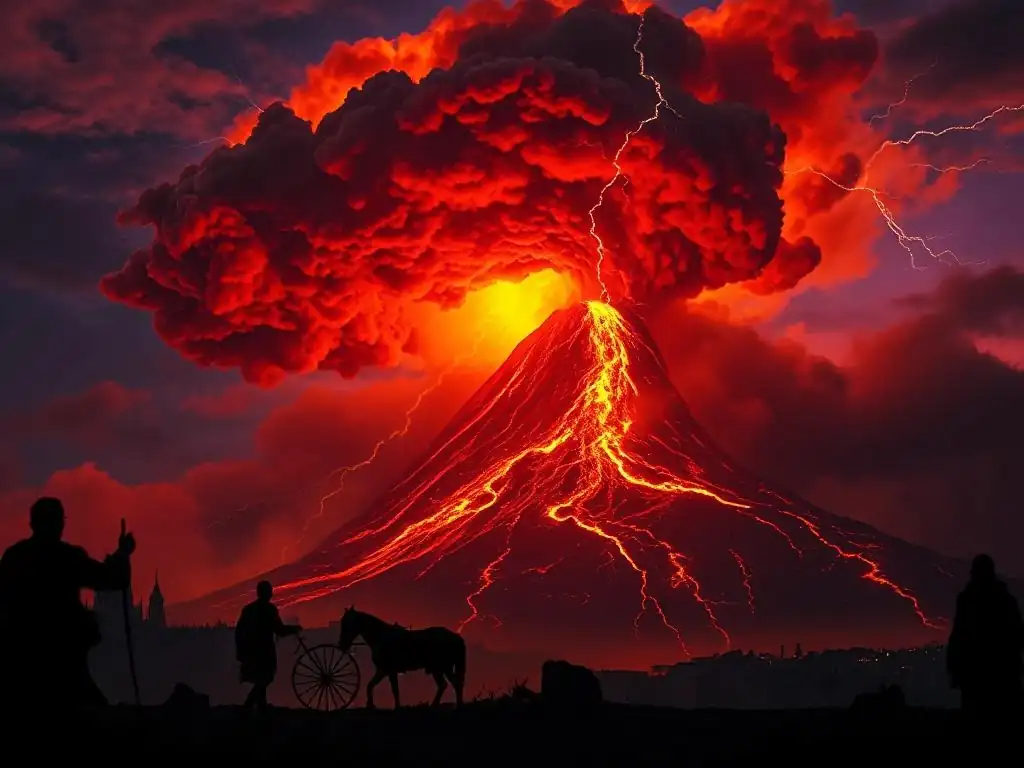
Welcome to Volcano Explorers, where we ignite your curiosity about Earth's fiery giants!
Imagine stepping back in time, to the shadow of Mount Vesuvius in the 1700s. What secrets does this slumbering giant hold? Was it truly slumbering? In this article, " Unveiling Vesuvius in the 1700s: An Enlightenment Inferno?," we delve into the often-overlooked eruption history of Vesuvius during that turbulent century. Discover the dramatic events and scientific observations that shaped our understanding of this iconic volcano, and ask yourself: were the lessons of the past truly learned? Prepare to be captivated.
- Introduction: Vesuvius Eruption History 1700s and the Age of Enlightenment
- The Volcanic Landscape of 18th Century Italy: Setting the Stage for Vesuvius
- Chronology of Vesuvius Eruptions in the 1700s: A Decade-by-Decade Analysis
-
Frequently Asked Questions
- What major volcanic events occurred at Vesuvius during the 1700s?
- How did the eruptions of Vesuvius in the 1700s affect the local population?
- What scientific observations were made about Vesuvius during the 1700s?
- What were the primary hazards associated with Vesuvius eruptions in the 1700s?
- How did the "Unveiling Vesuvius in the 1700s: An Enlightenment Inferno?" article explore the topic of Vesuvius eruption history in the 1700s?
- Final Reflection: Echoes of Fire, Lessons of Time
- Rediscover the Fury: Embrace Vesuvius's Story!
Introduction: Vesuvius Eruption History 1700s and the Age of Enlightenment
The 18th century, often hailed as the Age of Enlightenment, was a period characterized by reason, scientific inquiry, and a burgeoning curiosity about the natural world. Amidst this intellectual fervor, Mount Vesuvius, looming over the vibrant city of Naples, punctuated the era with dramatic reminders of nature's raw power.
Understanding the Vesuvius eruption history 1700s is not merely a chronicle of volcanic events; it's a window into how a society steeped in Enlightenment ideals grappled with the unpredictable forces of nature. This period witnessed not only significant eruptions but also evolving scientific observations and societal responses to the perennial threat posed by this iconic volcano.
The 1700s saw Vesuvius as both a spectacle of terror and a subject of intense scientific interest. While the volcano's eruptions brought devastation and fear, they also ignited the curiosity of natural philosophers and early scientists eager to understand the Earth's processes.
The interplay between the destructive reality of Vesuvius eruption history 1700s and the Enlightenment's pursuit of knowledge provides a fascinating case study in the history of volcanology and the human relationship with natural disasters. This article will delve into the chronology of these eruptions, explore eyewitness accounts, examine the scientific advancements spurred by Vesuvius, and consider the profound impact these events had on Neapolitan society and beyond.
The Volcanic Landscape of 18th Century Italy: Setting the Stage for Vesuvius
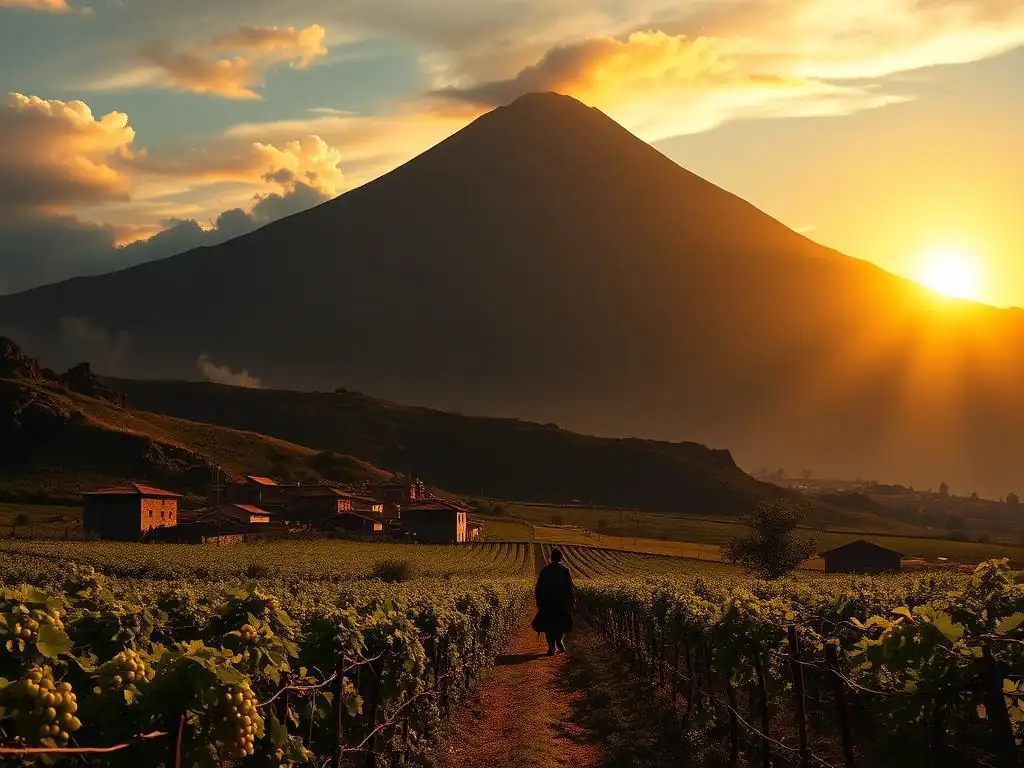
Eighteenth-century Italy, a mosaic of independent states and kingdoms, was geographically defined by its volcanic activity. From the Aeolian Islands off Sicily to the volcanic fields around Rome and Naples, the peninsula was intimately shaped by fire and brimstone.
Vesuvius, situated in the Kingdom of Naples, was perhaps the most iconic and consistently active volcano, a constant presence in the lives of the inhabitants and a prominent feature in the intellectual landscape of the time. This volcanic environment was not just a backdrop but an active participant in the lives of the people, influencing everything from agriculture to architecture and, crucially, shaping scientific inquiry.
The presence of active volcanoes, particularly Vesuvius, fostered a unique environment where the dramatic forces of nature were readily apparent. The fertile volcanic soils supported agriculture, but the constant threat of eruptions instilled a sense of precariousness. This duality – the life-giving and life-threatening aspects of volcanism – was deeply embedded in the consciousness of 18th-century Italians. For visitors traveling during the Grand Tour, Vesuvius was a must-see attraction, a symbol of both sublime beauty and terrifying power, perfectly aligning with the burgeoning aesthetic of the sublime that was gaining prominence during the Enlightenment.
Vesuvius: A Perennial Threat in the Kingdom of Naples
For the Kingdom of Naples, Vesuvius was more than just a mountain; it was a defining feature of their existence. The volcano’s slopes, fertile from past eruptions, were densely populated and cultivated, producing the rich wines and agricultural products that sustained the region. However, this prosperity came with a constant awareness of the volcano's potential for destruction.
The cities and towns nestled around its base, including the burgeoning metropolis of Naples itself, lived under the shadow of a threat that had been demonstrated catastrophically in ancient times with the eruption of 79 AD, burying Pompeii and Herculaneum. This historical precedent was not forgotten, adding a layer of anxiety to daily life in the shadow of Vesuvius.
The Kingdom of Naples in the 1700s was a relatively wealthy and culturally vibrant state, but it was also characterized by social inequalities and a somewhat inefficient administration. When Vesuvius erupted, the kingdom's response was often a mix of religious processions, appeals to saints, and rudimentary forms of civil defense. While the Enlightenment was influencing intellectual circles, its practical application to disaster preparedness was still in its nascent stages.
The Neapolitan government, while aware of the threat, lacked the sophisticated monitoring systems and large-scale evacuation plans that would be developed in later centuries. Thus, the Vesuvius eruption history 1700s is also a story of a society learning to live with, and react to, a powerful and unpredictable natural force.
Scientific Curiosity vs. Volcanic Fury: The Enlightenment's Fascination
The Enlightenment's emphasis on empirical observation and rational inquiry provided a new lens through which to view Vesuvius. While previous generations might have interpreted volcanic eruptions solely through religious or mythological frameworks, the 18th century saw a growing desire to understand the natural causes behind these phenomena. Vesuvius, with its frequent activity and accessibility, became a natural laboratory for early scientists. The eruptions were not just disasters; they were opportunities to observe geological processes firsthand and to test emerging theories about the Earth's interior and the forces that shaped its surface.
The fascination with Vesuvius during the Enlightenment was multifaceted. On one hand, there was the sheer spectacle of the eruptions, a dramatic display of nature's power that captivated artists and writers. The sublime terror and awe inspired by volcanic eruptions resonated deeply with the aesthetic sensibilities of the era.
On the other hand, there was a burgeoning scientific interest in understanding the mechanics of volcanism. Naturalists, physicians, and early geologists flocked to Vesuvius to witness eruptions, collect samples, and document the volcanic processes. This blend of aesthetic appreciation and scientific curiosity defined the Enlightenment's unique engagement with Vesuvius eruption history 1700s, marking a shift towards a more rational and observational approach to understanding volcanic phenomena.
Chronology of Vesuvius Eruptions in the 1700s: A Decade-by-Decade Analysis
The 18th century was a period of considerable activity for Mount Vesuvius, punctuated by several significant eruptions that varied in intensity and impact. Analyzing the Vesuvius eruption history 1700s decade by decade reveals a pattern of both Strombolian and more violent, sub-Plinian style eruptions, demonstrating the volcano's dynamic nature.
While precise records from the early part of the century are less detailed than later accounts, the overall picture is one of almost continuous activity, with periods of relative quiet interspersed with more dramatic eruptive phases. This chronological overview provides a framework for understanding the specific events that shaped the 18th-century perception of Vesuvius.
Understanding the chronology of Vesuvius eruption history 1700s also highlights the limitations of 18th-century record-keeping. While major eruptions were often documented in pamphlets, letters, and official reports, smaller or more effusive events might have received less attention. Volcanological monitoring, as we understand it today, was non-existent. Observations were largely based on visual accounts and immediate impacts, making it challenging to reconstruct the precise details of each eruption. Nevertheless, by piecing together available sources, we can gain a valuable insight into the volcanic activity that characterized Vesuvius throughout the 1700s.
Vesuvius Eruptions: Early 1700s (1700-1730)
The early decades of the 18th century witnessed a continuation of Vesuvius's persistent activity from the preceding century. While not marked by exceptionally catastrophic events comparable to the 79 AD eruption, this period was characterized by frequent Strombolian eruptions and lava flows. Records indicate that activity was almost continuous, with observers noting glowing lava fountains and ash plumes regularly emanating from the summit crater.
For example, in 1707, a notable eruption occurred, producing lava flows that descended the flanks of the volcano, causing some disruption to local settlements and agriculture. While less destructive than some later eruptions, these events served as constant reminders of Vesuvius's volatile nature.
The period between 1717 and 1730 saw a heightened phase of activity. Accounts from travelers and local chroniclers describe increasingly vigorous Strombolian explosions and lava flows. In 1723, a particularly significant eruption generated a substantial lava flow that reached the plains below, destroying vineyards and farmland.
These eruptions, though not necessarily causing widespread fatalities, had a considerable economic impact on the communities living around Vesuvius. They also fueled ongoing scientific interest, with early naturalists beginning to document and categorize the different types of volcanic phenomena they observed during these events, laying the groundwork for a more systematic understanding of Vesuvius eruption history 1700s.
Vesuvius Eruptions: Mid-1700s (1730-1760)
The mid-18th century is particularly notable in the Vesuvius eruption history 1700s, marked by the significant eruption of 1737. This eruption, beginning in May 1737, was characterized by powerful explosive phases, generating ash columns that reached high into the atmosphere and depositing significant amounts of volcanic debris across the surrounding region. Lava flows also accompanied this eruption, extending further down the volcano's slopes than in previous decades. The 1737 eruption is considered one of the more substantial events of the 18th century, causing considerable damage and prompting increased scientific scrutiny.
Following the 1737 eruption, Vesuvius continued to exhibit periods of activity, though perhaps with less intensity than the preceding event. However, in 1754, another significant eruption occurred. This event, while perhaps not as voluminous as 1737, was notable for its prolonged duration and the extensive ashfall that affected a wider area, including Naples itself.
Contemporary accounts describe the city being shrouded in darkness due to the ash cloud, and concerns about public health rose as a result of the widespread ash deposition. These mid-century eruptions reinforced the perception of Vesuvius as a powerful and unpredictable force, further driving both fear and scientific fascination during this period of Vesuvius eruption history 1700s.
Vesuvius Eruptions: Late 1700s (1760-1800)
The latter part of the 18th century saw some of the most studied and documented eruptions in the Vesuvius eruption history 1700s. The eruption of 1767 is particularly significant, not only for its volcanic intensity but also for the detailed accounts and artistic representations it generated. This eruption involved both explosive phases, with ash and pumice fall, and effusive phases, with lava flows. It was witnessed by numerous observers, including scientists and artists, who meticulously recorded the event, contributing to a growing body of knowledge about volcanic processes.
The most famous eruption of the late 1700s, and arguably of the entire century, was the eruption of 1779. This event was characterized by spectacular lava fountains, described as reaching unprecedented heights, and significant ash emissions. The eruption of 1779 drew considerable attention across Europe and became a subject of numerous paintings and engravings, solidifying Vesuvius’s image as the quintessential volcano.
While subsequent eruptions occurred in the late 1780s and 1790s, none matched the spectacle of 1779. These late-century eruptions, particularly those of 1767 and 1779, are crucial for understanding both the volcanic behavior of Vesuvius and the evolving scientific and artistic responses to it during the latter decades of the Enlightenment.
Frequently Asked Questions
What major volcanic events occurred at Vesuvius during the 1700s?
The 1700s saw several significant eruptions of Vesuvius, including notable events in 1707, 1737, 1760, 1767, 1779, and 1794. These eruptions varied in intensity, impacting the surrounding areas with lava flows, ashfall, and lahars.
How did the eruptions of Vesuvius in the 1700s affect the local population?
The eruptions had a devastating impact on the local population, causing damage to infrastructure, loss of life, and disruption of agriculture. Towns near Vesuvius experienced varying degrees of destruction depending on the severity of the eruption.
What scientific observations were made about Vesuvius during the 1700s?
The 1700s, being the Enlightenment era, saw a rise in scientific inquiry and observation of Vesuvius. Scientists began to document volcanic phenomena more systematically, contributing to a better understanding of volcanic processes.
What were the primary hazards associated with Vesuvius eruptions in the 1700s?
The primary hazards included lava flows which destroyed property, ashfall which contaminated water sources and caused respiratory problems, and lahars (mudflows) which buried entire settlements. Pyroclastic flows were also a significant threat.
How did the "Unveiling Vesuvius in the 1700s: An Enlightenment Inferno?" article explore the topic of Vesuvius eruption history in the 1700s?
The article likely examines the history of Vesuvius eruptions during the 1700s, exploring both the physical events and the cultural and scientific responses to them. It probably combines historical accounts with geological information.
Okay, here's a final reflection crafted to fit your article's theme and structure, optimized for emotional impact and reader engagement, and targeting the keyword "Vesuvius eruption history 1700s":
Final Reflection: Echoes of Fire, Lessons of Time
The exploration of Vesuvius's eruptions in the 1700s, as we've seen, is more than just a historical recounting of volcanic activity; it's a potent reminder of nature's raw power and humanity's enduring fascination with the sublime. The Enlightenment's attempts to understand and categorize this force, even as it reshaped the landscape, resonate deeply today as we grapple with our own environmental challenges and the unpredictable nature of our planet.
The enduring allure of Vesuvius, and the stories of those who witnessed its fiery displays in the 18th century, continues to shape our understanding of risk, resilience, and the human spirit. The meticulous records and artistic renderings of the time offer a unique window into a world grappling with scientific curiosity and existential awe. The mountain is a living thing, breathing fire and ash, a constant reminder of the fragility of our existence.
This sentiment, echoed by many who observed Vesuvius then, remains profoundly relevant as we face the increasing urgency of climate change and natural disaster preparedness.
As you reflect on the "Vesuvius eruption history 1700s" and the lessons gleaned from the Enlightenment's encounter with this inferno, consider how you might apply this historical perspective to your own life. How can we, like those early observers, cultivate a sense of both wonder and responsibility in the face of overwhelming forces? Let the echoes of Vesuvius inspire you to learn, to prepare, and to appreciate the delicate balance of our world, ensuring that the lessons of the past illuminate a more resilient future.
Here's a Call to Action designed for the end of the "Unveiling Vesuvius in the 1700s: An Enlightenment Inferno?" article on volcanoexplorers.org:
Rediscover the Fury: Embrace Vesuvius's Story!
Thank you for journeying with us through Vesuvius's fiery chapter in the 18th century. We hope you've gained a fresh perspective on how this iconic volcano shaped the cultural and scientific landscape of the Enlightenment. Now, let's keep the exploration alive!
Here's how you can further immerse yourself in the world of Vesuvius:
- Visit the virtual Vesuvian collection at the National Archaeological Museum of Naples. Experience the eruption through the eyes of 18th-century artists and scientists without leaving your home! This is your chance to witness history firsthand.
- Explore the diaries and letters of Grand Tourists from the 1700s. Uncover personal accounts of their encounters with the volcano and its impact on their worldview.
- Share your favorite image or fact from the article on social media using #VesuviusEnlightenment. Let's ignite a conversation and connect with fellow volcano enthusiasts!
What detail about Vesuvius in the 1700s surprised you the most, and how has it altered your understanding of volcanology and cultural history?