
Santa María's Guatemalan Fury: 1902 and the Limits of Early 20th Century Response

Welcome to Volcano Explorers!
Prepare to be captivated by the raw power and geological artistry of volcanoes. What secrets lie beneath the Earth's fiery breath? This time, we journey back to Guatemala in 1902, to a catastrophic event that tested the limits of early 20th-century understanding and response. Uncover the devastating story of the 1902 Santa María volcano eruption and discover the lessons learned from nature's untamed fury. Are you ready to delve into the heart of this historical eruption?
- Introduction: The Cataclysm of 1902 and Santa María Volcano
- A Sleeping Giant Awakens: The Geology of Santa María Volcano
- The Devastating 1902 Eruption of Santa María
- The Human Cost: Casualties and Displacement After the 1902 Santa María Eruption
- Early 20th Century Disaster Response: A World Unprepared
- Lessons Learned from the 1902 Santa María Eruption
- Santa María Today: Ongoing Volcanic Activity and Monitoring
- Conclusion: Remembering the 1902 Santa María Eruption and its Legacy
- Frequently Asked Questions
- Final Reflection: Echoes of Santa María
- Unearth History: Prepare for the Future
Introduction: The Cataclysm of 1902 and Santa María Volcano
The year 1902 witnessed one of the most powerful volcanic eruptions of the 20th century: the eruption of Santa María volcano in Guatemala. This colossal event, occurring after centuries of dormancy, unleashed unimaginable devastation upon the surrounding landscape and its inhabitants.
The eruption of Santa María serves as a stark reminder of the raw power of nature and, crucially, highlights the limitations of disaster response capabilities in the early 1900s. This article delves into the specifics of the 1902 Santa María volcano eruption, examining its geological context, the unfolding disaster, the human cost, and the lessons learned from a time when the world was far less equipped to handle such catastrophic events.
A Sleeping Giant Awakens: The Geology of Santa María Volcano
Pre-1902 Activity: A History of Dormancy
Santa María volcano, located in the western highlands of Guatemala, had been largely silent for centuries leading up to 1902. Geological evidence suggests a history of previous eruptions, but oral traditions and written records offered no recollection of significant volcanic activity in the region for generations. This prolonged period of dormancy played a critical role in the disaster, as communities living near the volcano had no lived experience of its destructive potential.
The local population was therefore unprepared for the signs of awakening, viewing the mountain as a familiar landmark rather than a looming geological threat. This lack of recent eruptive history contributed to a sense of complacency and a diminished awareness of the inherent volcanic risk posed by Santa María.
The Formation of the Santiaguito Dome Complex
Following the massive 1902 eruption, a significant geological event began to unfold within the volcano's newly formed crater: the growth of the Santiaguito dome complex. This complex, which started forming in 1922, is a cluster of lava domes that has been continuously active since its inception. Santiaguito is essentially a parasitic vent of Santa María, born out of the aftermath of the colossal 1902 eruption.
The formation of Santiaguito represents a long-term consequence of the 1902 event, constantly reshaping the volcanic landscape and maintaining a persistent volcanic hazard in the region. Its ongoing activity, characterized by lava flows, pyroclastic flows, and ash emissions, demonstrates that Santa María, despite the long dormancy before 1902, remains a highly active volcanic system.
The Devastating 1902 Eruption of Santa María
Initial Signs and Warnings
In the months leading up to the cataclysmic eruption of 1902, subtle signs of volcanic unrest began to appear, although they were largely unrecognized or misinterpreted due to the volcano's long period of dormancy. Local reports from January 1902 onwards mention increased seismic activity, with felt earthquakes becoming more frequent and intense. There were also observations of fumarolic activity, with reports of increased steam and gas emissions from the summit area.
However, lacking scientific monitoring tools and experience with volcanic phenomena, these early indicators were not accurately recognized as precursors to a major eruption. This absence of understanding and established warning systems meant that communities remained unaware of the impending danger, highlighting a critical gap in disaster preparedness at the time.
The Explosive Eruption: A Timeline of Events
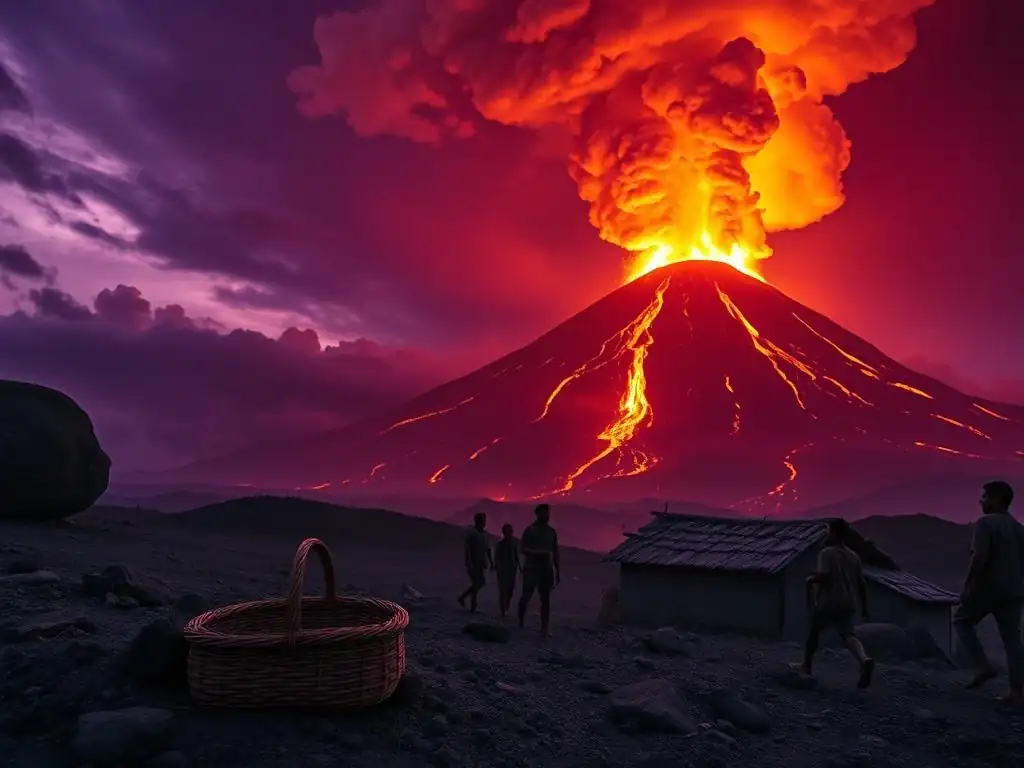
The eruption of Santa María volcano commenced on October 24, 1902, with a series of increasingly powerful explosions. The most violent phase of the eruption occurred between the evening of October 24th and the morning of October 25th. Eyewitness accounts describe deafening explosions that were heard hundreds of kilometers away, and a massive eruption column that soared tens of kilometers into the atmosphere.
The eruption unleashed tremendous energy, estimated to be comparable to some of the largest volcanic events in recorded history. This paroxysmal phase was responsible for the most widespread destruction, blanketing the region in ash and generating devastating pyroclastic flows and lahars. The rapid escalation of the eruption, from initial rumblings to a full-scale explosive event within a short timeframe, compounded the disaster, leaving little opportunity for effective response or evacuation.
Pyroclastic Flows and Lahars: Immediate Impact on the Landscape
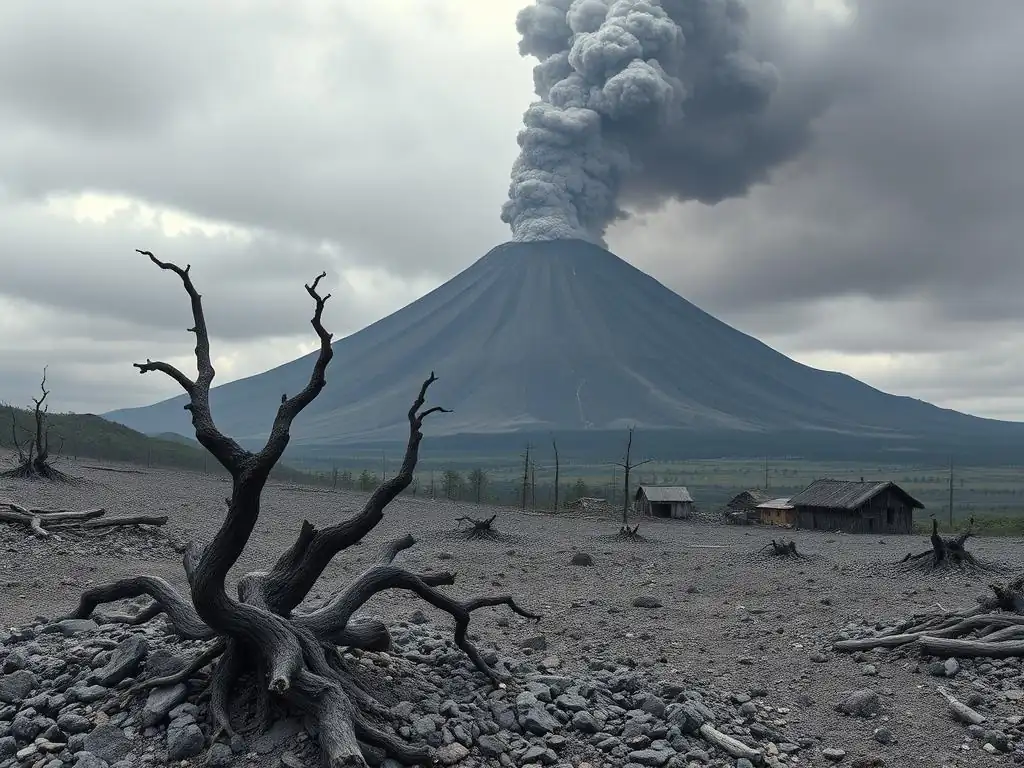
The 1902 eruption of Santa María generated highly destructive pyroclastic flows and lahars that significantly reshaped the surrounding landscape. Pyroclastic flows, scorching avalanches of hot gas and volcanic debris, swept down the flanks of the volcano, incinerating everything in their path. These flows were responsible for the near-total destruction of vegetation and infrastructure in valleys and lower slopes surrounding Santa María.
Simultaneously, lahars, volcanic mudflows composed of ash, rock debris, and water, surged down river valleys, burying settlements and agricultural lands under thick layers of mud and sediment. The combined impact of pyroclastic flows and lahars created a zone of utter devastation immediately around the volcano, fundamentally altering the topography and rendering large areas uninhabitable in the immediate aftermath.
Ashfall and its Widespread Effects: Reaching Beyond Guatemala
One of the most far-reaching consequences of the 1902 Santa María eruption was the extensive ashfall that affected not only Guatemala but also neighboring countries. The eruption column propelled vast quantities of volcanic ash high into the atmosphere, where it was then dispersed by prevailing winds. Ashfall was reported as far away as Mexico and even parts of the United States.
In Guatemala, the impact of ashfall was particularly severe, blanketing entire regions in thick layers of fine volcanic particles. This ashfall had devastating consequences for agriculture, contaminating water sources, collapsing roofs due to its weight, and causing respiratory problems for both humans and animals. The widespread reach of the ashfall demonstrated the regional scale of the disaster and the interconnectedness of impacts stemming from a large volcanic eruption.
The Human Cost: Casualties and Displacement After the 1902 Santa María Eruption
Immediate Impact on Local Communities: San Marcos, Quetzaltenango, Retalhuleu
The 1902 Santa María eruption inflicted immense suffering upon local communities, particularly those in the departments of San Marcos, Quetzaltenango, and Retalhuleu, which bore the brunt of the volcanic fury. These regions, densely populated and reliant on agriculture, were directly exposed to pyroclastic flows, lahars, and heavy ashfall. Towns and villages located closer to the volcano experienced widespread destruction of homes, infrastructure, and agricultural lands.
The eruption disrupted livelihoods, destroyed crops, and contaminated water supplies, leaving communities in a state of immediate crisis. The social fabric of these local communities was severely disrupted, with families separated, homes lost, and the basic necessities of life becoming scarce in the chaotic aftermath of the eruption.
The Scale of the Disaster: Estimated Death Toll and Injuries
Estimating the precise death toll from the 1902 Santa María eruption remains challenging due to the limited record-keeping and communication infrastructure of the time. Initial estimates were significantly lower, but later research and historical analysis suggest a far greater number of casualties. While exact figures are still debated, it is believed that the death toll likely exceeded several thousand people, possibly ranging from 5,000 to 6,000.
In addition to the fatalities, thousands more sustained injuries from the eruption, ranging from burns and trauma from pyroclastic flows and lahars to respiratory problems caused by ash inhalation. The 1902 Santa María eruption stands as a stark reminder of the deadly potential of volcanic events and the significant human cost associated with such disasters.
Displacement and the Refugee Crisis Following the Eruption
The widespread devastation caused by the 1902 Santa María eruption triggered a significant refugee crisis, as entire communities were forced to abandon their homes and livelihoods. The destruction of villages, agricultural lands, and infrastructure left many thousands of people displaced and in urgent need of shelter, food, and medical assistance. The displacement crisis placed immense strain on the already limited resources of the Guatemalan government and surrounding regions.
Refugee camps were established, but conditions were often overcrowded and unsanitary, exacerbating the suffering of the displaced population. The long-term consequences of displacement included social disruption, economic hardship, and the challenge of rebuilding lives and communities in the wake of the volcanic disaster.
Early 20th Century Disaster Response: A World Unprepared
Limited Communication and Infrastructure: Barriers to Aid
The early 20th century was characterized by significant limitations in communication and infrastructure, which severely hampered disaster response efforts following the 1902 Santa María eruption. Telegraph lines were rudimentary and easily disrupted by natural disasters, while radio communication was not yet widely available. Road networks were poorly developed, particularly in rural mountainous regions like the area surrounding Santa María, making access for aid and rescue teams extremely challenging.
This lack of effective communication and transportation infrastructure significantly delayed the flow of information about the disaster and the delivery of much-needed assistance to affected communities. The geographical isolation of the affected region, coupled with the technological constraints of the time, created formidable barriers to a swift and effective response.
The Role of the Guatemalan Government: Capabilities and Constraints
The Guatemalan government in 1902 faced immense challenges in responding to the Santa María eruption, reflecting the limited capabilities and resources of nations in the early 20th century to handle large-scale natural disasters. The government's capacity for disaster management was rudimentary, lacking established emergency response protocols, dedicated agencies, or sufficient financial resources for large-scale relief operations.
Internal political instability and economic constraints further complicated the government's ability to effectively coordinate and implement aid efforts. While the Guatemalan government attempted to mobilize resources and provide assistance, its response was ultimately constrained by its limited organizational capacity, financial resources, and the overwhelming scale of the disaster.
International Aid Efforts: A Slow and Limited Response
International aid efforts in response to the 1902 Santa María eruption were slow, limited, and indicative of the nascent stage of international disaster relief in the early 20th century. News of the disaster reached the international community, and some countries and organizations offered assistance, primarily in the form of monetary donations and limited supplies. However, the response was hampered by slow communication, logistical challenges, and a lack of established international disaster relief mechanisms.
Compared to modern standards of international humanitarian aid, the response to the 1902 Santa María eruption was fragmented and insufficient to meet the massive needs of the affected population. It highlighted the need for improved international cooperation and more robust systems for responding to large-scale disasters.
Lessons Learned from the 1902 Santa María Eruption
Advancements in Volcanology and Monitoring Technology
The 1902 Santa María eruption, despite its devastating impact, played a significant role in advancing the field of volcanology and spurring the development of improved monitoring technologies. The eruption underscored the need for systematic volcano monitoring, even for volcanoes considered dormant. Scientists began to recognize the importance of seismographs, gas monitoring, and deformation studies in detecting subtle signs of volcanic unrest and forecasting potential eruptions.
The lessons learned from Santa María contributed to the establishment of volcano observatories worldwide and the development of sophisticated instruments and techniques for monitoring volcanic activity. This event served as a catalyst for the scientific community to better understand volcanic processes and develop tools for mitigating volcanic hazards.
Improved Disaster Preparedness and Response Strategies
The shortcomings in disaster response following the 1902 Santa María eruption highlighted critical areas for improvement in disaster preparedness and response strategies. The disaster underscored the need for effective early warning systems, robust communication networks, and well-defined evacuation plans for communities living in volcanic hazard zones. It also emphasized the importance of pre-positioning emergency supplies, establishing trained emergency response teams, and developing coordinated aid distribution mechanisms. The lessons learned from Santa María contributed to the evolution of modern disaster management practices, emphasizing proactive preparedness, community education, and coordinated multi-agency response efforts.
The Lasting Impact of the 1902 Eruption on the Region's Development
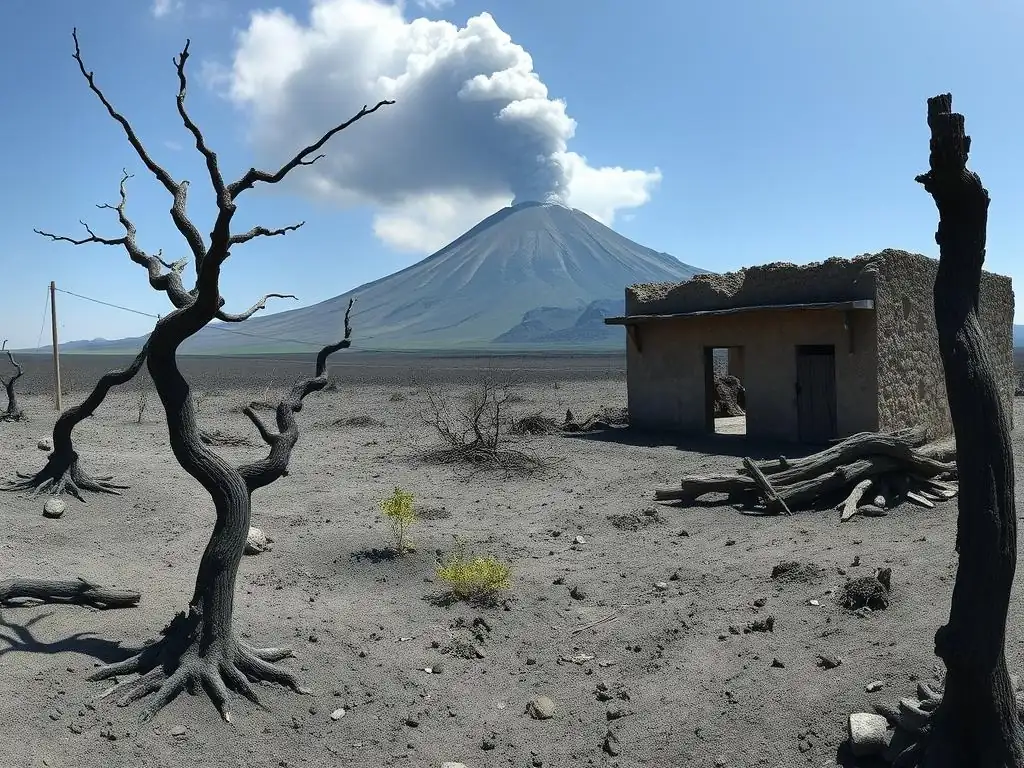
The 1902 Santa María eruption had a profound and lasting impact on the region's development, leaving scars that persisted for decades. The destruction of agricultural lands, infrastructure, and communities severely hampered economic recovery and social progress. The eruption led to long-term displacement, poverty, and social disruption in the affected areas. Rebuilding efforts were slow and challenging, constrained by limited resources and the scale of the devastation. The 1902 eruption served as a major setback for the region's development, underscoring the long-term socio-economic consequences of large-scale volcanic disasters and the importance of sustainable recovery strategies.
Santa María Today: Ongoing Volcanic Activity and Monitoring
The Threat of Future Eruptions: Understanding the Risks
Santa María volcano remains a significant volcanic threat today, primarily due to the ongoing activity of the Santiaguito dome complex. Santiaguito is one of the most active volcanoes in Central America, frequently producing explosions, lava flows, pyroclastic flows, and ash emissions. The continued growth of the dome complex poses a risk of dome collapse, which can generate large pyroclastic flows that could impact nearby communities.
Furthermore, Santa María itself retains the potential for future large-scale explosive eruptions, similar to the 1902 event, although the probability of such an event in the near future is considered lower than the more frequent hazards posed by Santiaguito. Understanding the dual threat from both Santa María and Santiaguito is crucial for effective risk mitigation in the region.
Current Monitoring Efforts: Technology and Strategies
Modern volcanology has equipped scientists with advanced monitoring technologies and strategies to track the activity of Santa María and Santiaguito. The volcano is continuously monitored by the INSIVUMEH (National Institute of Seismology, Volcanology, Meteorology and Hydrology of Guatemala) using a network of seismometers to detect ground vibrations, GPS stations to measure ground deformation, gas sensors to analyze volcanic emissions, and satellite imagery to track thermal activity and ash plumes.
These monitoring efforts provide crucial real-time data on volcanic activity, allowing scientists to assess the level of unrest and issue timely warnings to at-risk communities. Continuous monitoring is essential for mitigating the volcanic hazards posed by Santa María and Santiaguito.
Community Preparedness and Education: Mitigating Future Disasters
Community preparedness and education are vital components of disaster risk reduction strategies in the areas surrounding Santa María volcano. Local communities are vulnerable to volcanic hazards, and raising awareness about these risks and promoting preparedness measures is crucial for minimizing future impacts. Educational programs, evacuation drills, and community-based early warning systems are essential tools for empowering communities to respond effectively to volcanic crises. Collaborative efforts between scientists, government agencies, and local communities are necessary to build resilience and reduce the vulnerability of populations living near Santa María and Santiaguito.
Conclusion: Remembering the 1902 Santa María Eruption and its Legacy
The 1902 Santa María volcano eruption stands as a pivotal event in both volcanological history and the development of disaster response. This cataclysmic eruption, occurring after centuries of dormancy, unleashed devastation on an unprepared region, highlighting the limitations of early 20th-century disaster response capabilities. The immense human cost and widespread destruction served as a harsh lesson, prompting advancements in volcanology, monitoring technology, and disaster preparedness strategies.
Remembering the 1902 Santa María eruption is not only a historical imperative but also a crucial reminder of the ongoing volcanic risks and the importance of continuous vigilance, scientific understanding, and community resilience in the face of these powerful natural forces. The legacy of the 1902 Santa María volcano eruption continues to shape our understanding of volcanic hazards and informs ongoing efforts to mitigate volcanic risk around the world.
Frequently Asked Questions
What was significant about the 1902 Santa María volcano eruption?
The 1902 Santa María eruption was one of the largest volcanic eruptions of the 20th century, producing a massive volcanic explosion that devastated southwestern Guatemala and had a significant impact on the regional climate. It highlighted the limitations of early 20th century disaster response.
Where is Santa María volcano located?
Santa María volcano is located in southwestern Guatemala, part of the Sierra Madre mountain range. It's known for its highly explosive eruptions and the Santiaguito lava dome complex that formed after the 1902 eruption.
What were the limitations in responding to the 1902 Santa María eruption?
Limited communication infrastructure meant news of the eruption was delayed in reaching authorities. There was a lack of organized disaster relief efforts and limited understanding of volcanic hazards at the time, hindering an effective response.
What type of volcano is Santa María?
Santa María is a stratovolcano, known for its steep slopes and explosive eruptions. These types of volcanoes are formed by layers of lava flows, volcanic ash, and other volcanic debris.
Santiaguito is a lava dome complex that began forming in the crater of Santa María after the massive 1902 eruption. It represents ongoing volcanic activity and is one of the most actively erupting volcanoes in Central America.
Final Reflection: Echoes of Santa María
The devastation wrought by the 1902 Santa María volcano eruption serves as a stark reminder of humanity's vulnerability in the face of nature's power, and its relevance resonates deeply today as we grapple with increasingly frequent and intense natural disasters exacerbated by climate change. The lessons learned – or, perhaps more accurately, the lessons not learned – from the inadequate response to that catastrophe in Guatemala continue to shape our understanding of disaster preparedness, resource allocation, and the ethical responsibilities of governments and international organizations.
The eruption's impact on the cultural and social fabric of Guatemala was profound, leaving scars that are still visible in the collective memory. The story of Santa María is not just a historical account; it's a testament to the resilience of the human spirit in the face of unimaginable loss and a critical examination of the systemic inequalities that amplify suffering. The earth shook, and the sky wept ash. We were left with nothing but each other and the memory of what was.
This quote, echoing the sentiments of many survivors, underscores the enduring power of community and the importance of remembering the past to build a more equitable future.
As we reflect on the echoes of Santa María, let us consider how we can better prepare for the inevitable challenges that lie ahead. Let us strive to learn from the failures of the past, ensuring that future generations are equipped with the knowledge, resources, and compassion necessary to navigate the complexities of a world increasingly shaped by natural disasters. The legacy of 1902 Santa María calls upon us to act with foresight, empathy, and a unwavering commitment to building a more resilient and just world for all.
Unearth History: Prepare for the Future
Thank you for exploring the devastating 1902 eruption of Santa María with us. Understanding the historical context of volcanic events is crucial for future preparedness. Let's put that knowledge into action:
- Learn about volcanoes in your region and potential hazards. Understanding local risks is the first step toward preparedness.
- Share this article to raise awareness. Community resilience depends on shared knowledge.
- Research other major volcanic events and compare responses. This broadens your perspective on disaster preparedness.
What steps can you take today to better prepare your community for a potential volcanic eruption? Share your ideas below!