
Island Remade by Fire: Exploring the New Topography of La Palma PostEruption

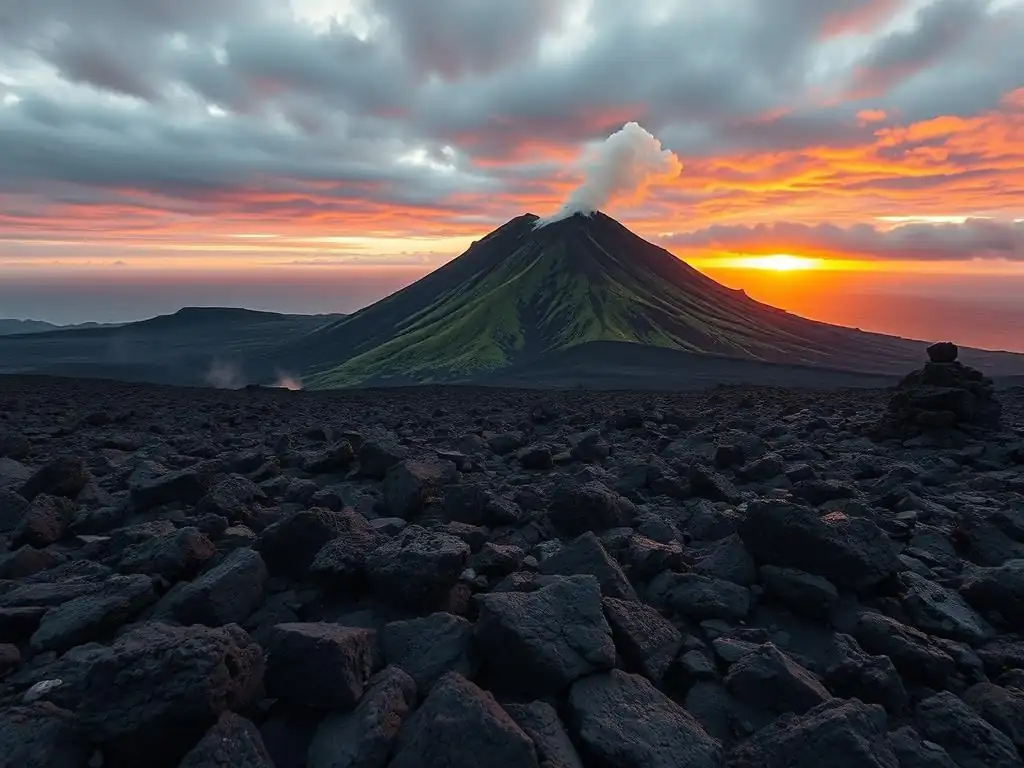
Welcome to Volcano Explorers! Ever wonder what happens when the Earth truly explodes? Prepare to be captivated as we journey into the heart of fiery landscapes and geological marvels. Today, we focus on the La Palma volcanic eruption impact, revealing how a paradise island has been reshaped by the raw power of nature. But this is just the beginning. What secrets does the newly forged land hold, and what does it mean for the future? Explore further and uncover the dramatic story unfolding on La Palma...
- Introduction: The Transformative Power of La Palma's 2021 Volcanic Eruption
- La Palma 2021: A Timeline of a Historic Eruption
- Reshaping La Palma: The New Volcanic Topography
- The Impact of the La Palma Volcanic Eruption: Beyond the Physical Landscape
- Studying the Post-Eruption Landscape: Volcanological Research on La Palma
- La Palma's Future: Recovery and Adaptation in a Volcanic Landscape
- Conclusion: La Palma's Transformation - A Story of Destruction and Renewal
-
Frequently Asked Questions
- What were some of the significant impacts of the La Palma volcanic eruption?
- How did the La Palma volcanic eruption reshape the island's topography?
- What kind of safety measures were put in place during the La Palma volcanic eruption?
- How are volcanologists studying the aftermath of the La Palma eruption?
- What is the long-term impact of the La Palma volcanic eruption on the island's economy?
- Final Reflection: Embracing Resilience in the Face of Volcanic Fury
- Ignite Your Curiosity: Embark on Your Own La Palma Discovery!
Introduction: The Transformative Power of La Palma's 2021 Volcanic Eruption
The Cumbre Vieja volcanic eruption on the island of La Palma, part of the Canary Islands archipelago, began on September 19, 2021, and lasted for 85 days, concluding on December 13, 2021. This prolonged volcanic event was not just a spectacle of nature's raw power; it was a profound reshaping of the island's topography and the lives of its inhabitants.
The eruption served as a stark reminder of the dynamic forces that mold our planet, leaving an indelible mark on La Palma's landscape and creating a unique case study for understanding volcanic processes and their lasting impact. The La Palma volcanic eruption impact is still being assessed, but its transformative power is already undeniable, turning familiar landscapes into entirely new terrains.
This article delves into the comprehensive changes wrought by the 2021 La Palma eruption. From the dramatic timeline of the eruption itself to the newly formed volcanic topography, we will explore how fire and molten rock have sculpted a new face for this Canary Island. We will examine the formation of expansive lava fields, the birth of a new volcanic cone, and the significant alterations to the coastline.
Furthermore, we will investigate the broader implications of the eruption, considering its effects on infrastructure, the environment, and the human communities who call La Palma home. Finally, we will look ahead to the future of La Palma, exploring the ongoing research, the island's recovery efforts, and how this volcanic event is reshaping its identity and prospects.
La Palma 2021: A Timeline of a Historic Eruption
The Onset of Volcanic Activity: Precursors to the La Palma Eruption
Months before the dramatic eruption of September 19th, 2021, the island of La Palma experienced a significant increase in seismic activity. Starting around 2017, scientists at the Instituto Volcanológico de Canarias (INVOLCAN) and the Instituto Geográfico Nacional (IGN) detected a series of seismic swarms beneath Cumbre Vieja, indicating magma movement at depth.
These swarms became more frequent and intense in the weeks leading up to the eruption. In the week prior to the eruption alone, over 22,000 minor earthquakes were recorded, with some reaching magnitudes of up to 4.2 on the Richter scale.
This intense seismic unrest served as a clear warning sign, prompting authorities to raise the alert level and begin preparing for a potential volcanic event. The increasing ground deformation, measured through GPS and satellite data, further corroborated the upward movement of magma and the growing pressure beneath the surface, all precursors to the La Palma volcanic eruption impact.
These pre-eruption signals were crucial in providing a window of preparedness. Civil protection agencies initiated evacuation plans for vulnerable areas, and scientific teams intensified their monitoring efforts. The escalating seismic activity was not just a scientific curiosity; it was a tangible threat signaling a potential eruption.
The lead-up period allowed for a degree of proactive mitigation, although the scale and duration of the eruption itself were still unpredictable. The scientific community's ability to detect and interpret these precursors underscores the importance of continuous monitoring and research in volcanic regions, especially in anticipating and responding to events like the La Palma volcanic eruption impact.
Eruption Day: When the Volcano Awakened
On Sunday, September 19, 2021, at 3:12 PM local time, the Cumbre Vieja volcano on La Palma officially erupted. The eruption commenced in an area known as Cabeza de Vaca, within the municipality of El Paso, on the western slope of the volcanic ridge. The initial eruption was phreatomagmatic, involving the interaction of magma with groundwater, resulting in explosive bursts of ash, gas, and pyroclastic material.
Eyewitness accounts and early videos depicted several eruptive vents opening in a line, spewing out plumes of dark ash and incandescent lava fragments. The eruption site was located in a relatively sparsely populated area, but close enough to residential zones to necessitate immediate evacuations.
The eruption day marked the beginning of a period of intense activity and uncertainty. Lava flows began to descend the slopes rapidly, heading towards populated areas and infrastructure. The initial hours were characterized by a rapid escalation of the eruption intensity. The volcanic plume rose several kilometers into the atmosphere, carrying ash that affected air quality and visibility across the island and even neighboring islands.
Emergency services were swiftly deployed to manage evacuations and establish safety perimeters. The world watched as the La Palma volcanic eruption impact began to unfold, with live broadcasts showing the dramatic scenes of lava advancing through the landscape. The eruption day was a turning point, shifting from anticipation to the stark reality of a major volcanic crisis.
The Eruption's Progression: Months of Unrelenting Volcanic Activity
The La Palma eruption, initially characterized by explosive activity, soon transitioned into a predominantly effusive eruption, marked by the continuous outpouring of lava. Over the following weeks and months, the eruption exhibited periods of varying intensity, with fluctuations in lava effusion rates, explosive bursts, and vent locations. Multiple eruptive vents became active at different times along the fissure system, contributing to the complex pattern of lava flows. These flows advanced westward, devastating everything in their path, including homes, infrastructure, and agricultural land. The lava's viscosity and flow rate varied, influencing its path and the extent of the damage.
The eruption was not constant in its behavior. Periods of relative calm were interspersed with surges in activity, keeping residents and scientists on high alert. Volcanic ashfall was a persistent problem, affecting air quality, agriculture, and daily life across the island. Pyroclastic flows, though less frequent than lava flows, also posed a significant hazard, particularly in areas close to the eruptive vents.
The eruption's longevity – lasting for 85 days – made it a particularly impactful event. The relentless nature of the La Palma volcanic eruption impact tested the resilience of the island's communities and stretched resources to their limits. Scientific monitoring continued throughout the eruption, providing crucial data on its evolution and informing hazard assessments.
The Eruption's End: Declaring the End of the La Palma Volcano
After 85 days of continuous volcanic activity, scientists and authorities finally declared the eruption officially over on December 25, 2021. This declaration came after ten days of inactivity, a period deemed sufficient to confirm the cessation of magma supply to the surface. However, the end of the eruption did not signify the end of the crisis. The landscape of La Palma had been fundamentally altered, and the long process of recovery and rebuilding was just beginning. While the visible eruption had stopped, the underlying volcanic system remained active, and monitoring continued to be crucial.
The declaration of the eruption's end brought a sense of relief but also marked a transition to a new phase. The focus shifted from emergency response to long-term recovery and risk management. The La Palma volcanic eruption impact was extensive and long-lasting, requiring significant resources and sustained effort to address the physical, economic, and social consequences.
The cessation of lava flows allowed for a more comprehensive assessment of the damage and the new volcanic landscape. While the immediate threat of eruption was over, the island now faced the challenges of living with a dramatically changed environment and the ongoing potential for future volcanic activity.
Reshaping La Palma: The New Volcanic Topography
The Formation of New Lava Fields: Expanding La Palma's Coastline
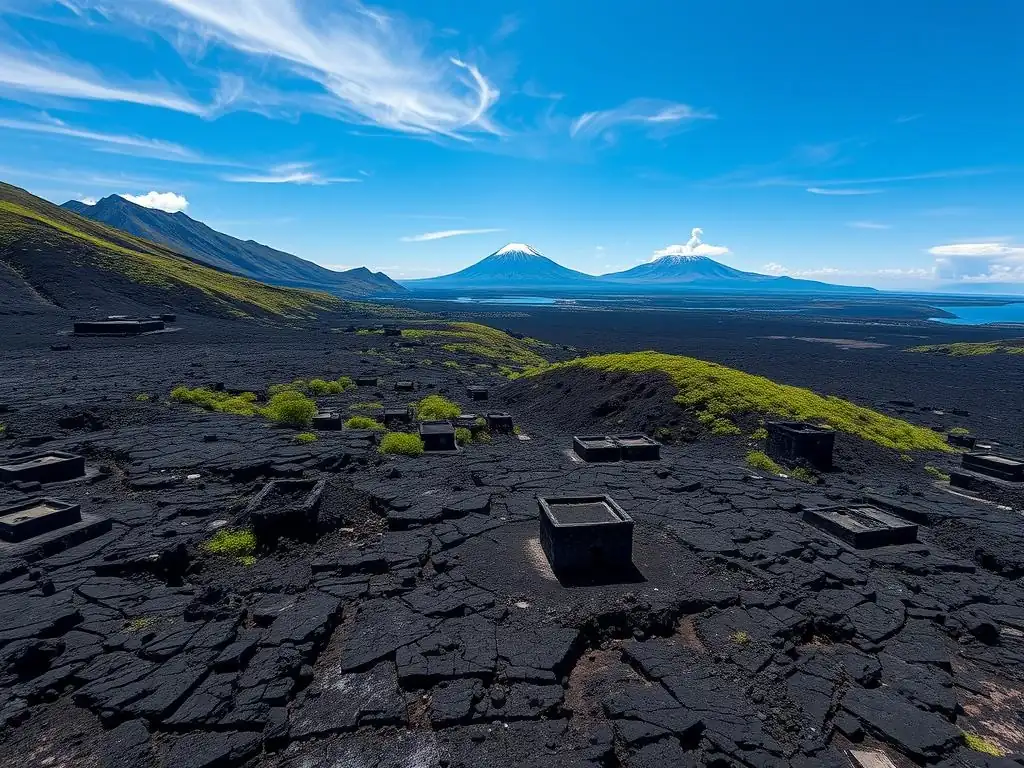
One of the most dramatic consequences of the La Palma eruption was the creation of extensive new lava fields, known locally as malpaíses. These lava flows, estimated to be over 7,000 acres in area, buried existing landscapes, including agricultural land, residential areas, and infrastructure. The lava, primarily basaltic in composition, cooled and solidified to form a rugged, black, and largely barren terrain. The flows followed existing valleys and drainage channels, but their sheer volume and extent dramatically reshaped the topography. Notably, the lava reached the Atlantic Ocean, creating new land and extending La Palma's coastline westward in several locations.
The formation of these lava deltas, or fajanas, into the sea was a particularly striking aspect of the eruption. Molten lava poured into the ocean, interacting with seawater and solidifying to create new platforms of land. It is estimated that the coastline expanded by several tens of hectares due to these lava deltas.
The new lava fields are not just a geological feature; they represent a complete transformation of the affected areas. The La Palma volcanic eruption impact on the island's geography is visually most evident in these vast expanses of new volcanic terrain. These areas will undergo slow ecological succession over time, but for now, they stand as a testament to the eruption's power and the island's altered landscape.
The Birth of a New Volcanic Cone: Tajogaite
During the La Palma eruption, a significant new volcanic cone formed, now officially named Tajogaite. This cone emerged from one of the main eruptive vents and grew steadily throughout the eruption period due to the accumulation of pyroclastic material and solidified lava fragments around the vent. Tajogaite became a prominent feature of the new landscape, rising to a height of approximately 191 meters above the pre-eruption terrain. Its formation exemplifies the constructive aspect of volcanic eruptions, adding new geological features to the island.
The Tajogaite volcano is not just a pile of volcanic debris; it is a newly formed landform that will be a permanent feature of La Palma. Its slopes are composed of layers of ash, lapilli, and volcanic bombs, reflecting the varying eruptive styles during its formation. The cone's shape and structure provide valuable insights into the eruption dynamics.
Tajogaite serves as a powerful symbol of the La Palma volcanic eruption impact, representing the island's geological rebirth and offering opportunities for scientific study and future geotourism. Its presence dramatically alters the skyline and serves as a constant reminder of the volcanic forces that shaped La Palma.
The Altered Landscape: Valleys Buried and Mountains Changed
Beyond the lava fields and the new volcanic cone, the entire landscape surrounding the eruption zone experienced significant alterations. Valleys that once existed were completely filled by lava flows, changing drainage patterns and erasing pre-existing topography. Gentle slopes were transformed into uneven, rugged terrain. Even areas not directly covered by lava were affected by ashfall, which blanketed the landscape, altering soil composition and impacting vegetation. The eruption's influence extended beyond the immediate eruption zone, with ash plumes and gas emissions affecting air quality across the island.
The pre-eruption landscape of La Palma was characterized by volcanic cones, fertile valleys, and diverse vegetation. The La Palma volcanic eruption impact has drastically changed this. Areas that were once agricultural lands or residential zones are now buried under meters of lava. The topography has become more uneven and less accessible in many areas.
While some areas escaped lava inundation, they still bear the marks of the eruption through ash deposits and altered ecosystems. The eruption has effectively reset the geological clock in the affected zones, creating a new baseline for future landscape evolution. The long-term ecological and geomorphological consequences of these changes are still being studied.
Coastal Modifications: New Deltas and Altered Shorelines
As mentioned earlier, the lava flows reaching the Atlantic Ocean resulted in significant coastal modifications. The formation of lava deltas added new land to La Palma, extending the coastline westward. These new landmasses are not just extensions of the island; they are entirely new geological formations. The interaction of hot lava with cold seawater created dynamic and often explosive conditions during their formation. The new coastlines are characterized by black volcanic rock, often with unstable slopes and ongoing coastal erosion processes.
Beyond the lava deltas, the eruption also altered existing shorelines through the deposition of volcanic ash and changes in wave patterns due to the new landmasses. Coastal ecosystems were disrupted, and marine habitats were affected by lava entry and changes in water chemistry. The La Palma volcanic eruption impact on the coastline is both visually striking and ecologically significant.
The new deltas represent new areas for potential future development, but also pose challenges in terms of stability and coastal management. The altered shorelines and coastal environments are part of the long-term legacy of the eruption, requiring ongoing monitoring and adaptation strategies.
The Impact of the La Palma Volcanic Eruption: Beyond the Physical Landscape
Impact on Infrastructure: Roads, Buildings, and Utilities
The La Palma volcanic eruption had a devastating impact on infrastructure. Lava flows destroyed or severely damaged over 1,600 buildings, including homes, businesses, schools, and agricultural structures. Critical infrastructure like roads, power lines, water pipes, and communication networks were also heavily affected. Major roads were buried under lava, isolating communities and disrupting transportation. The volcanic ashfall further compounded the damage, infiltrating buildings, damaging machinery, and requiring extensive cleanup. The La Palma volcanic eruption impact on infrastructure was widespread and long-lasting, necessitating a massive reconstruction effort.
The destruction of infrastructure not only caused immediate disruption but also hampered recovery efforts. Damaged roads made it difficult to access affected areas and deliver aid. Loss of power and water supply created significant challenges for residents and emergency responders. Rebuilding infrastructure is a complex and costly undertaking, requiring careful planning and significant investment. The eruption highlighted the vulnerability of infrastructure in volcanic zones and the need for resilient design and infrastructure planning in such areas. The recovery process involves not only rebuilding what was lost but also adapting infrastructure to the new volcanic landscape and mitigating future risks.
Environmental Consequences: Impact on Flora and Fauna
The environmental consequences of the La Palma eruption are multifaceted and significant. The lava flows directly destroyed vegetation and habitats across a large area. Forests, agricultural lands, and unique ecosystems were buried under molten rock. Volcanic ashfall blanketed much of the island, impacting plant health, soil chemistry, and water quality. The eruption also released large quantities of volcanic gases, such as sulfur dioxide, which affected air quality and contributed to acid rain in some areas. The La Palma volcanic eruption impact on the environment is both immediate and long-term, requiring careful monitoring and ecological restoration efforts.
However, volcanic eruptions also play a role in long-term ecological processes. Volcanic ash can enrich soils over time, providing nutrients for plant growth. The new lava fields, while initially barren, will gradually be colonized by pioneer species, initiating ecological succession.
The eruption has created new geological substrates and altered environmental conditions, which will shape the future evolution of ecosystems on La Palma. Scientists are studying the ecological recovery process, monitoring plant and animal recolonization of the lava fields and assessing the long-term impacts on biodiversity and ecosystem function. The eruption is both a destructive and creative force in the environmental context.
Human Impact: Displacement, Livelihoods, and Resilience
The human impact of the La Palma eruption was profound. Thousands of people were displaced from their homes, many losing everything they owned. The eruption disrupted livelihoods, particularly in agriculture and tourism, which are key sectors of the La Palma economy. The emotional and psychological toll on the affected communities was immense, dealing with loss, uncertainty, and prolonged disruption. The La Palma volcanic eruption impact on human lives is a central aspect of the disaster, highlighting the vulnerability of communities living in volcanic regions.
Despite the devastation, the resilience of the people of La Palma has been remarkable. Communities have shown solidarity and mutual support, and there has been a strong determination to rebuild and recover. Government aid and international assistance have been crucial in providing emergency relief and supporting reconstruction efforts.
The eruption has also fostered a renewed sense of community and a deeper connection to the island's volcanic nature. The experience of the eruption has highlighted the importance of preparedness, community resilience, and long-term planning in volcanic hazard zones. The recovery process is not just about rebuilding infrastructure and economies; it is also about supporting the social and psychological well-being of the affected population.
Studying the Post-Eruption Landscape: Volcanological Research on La Palma
Monitoring Volcanic Activity: Keeping a Close Watch on La Palma
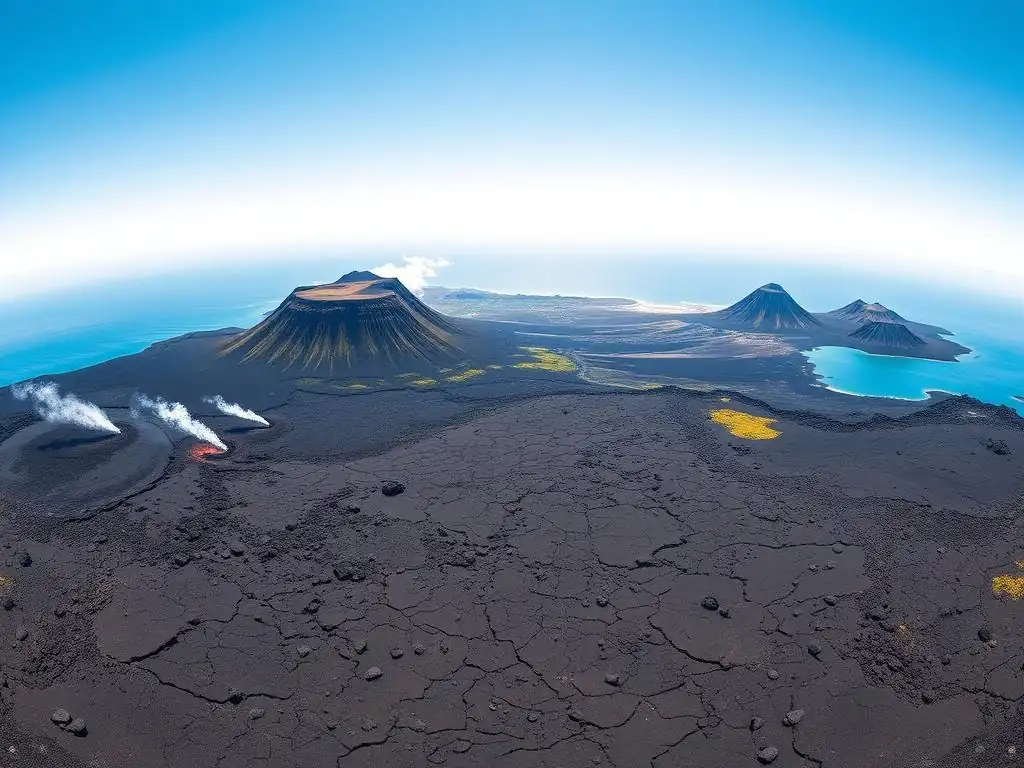
Even after the eruption officially ended, monitoring volcanic activity on La Palma remains crucial. Volcanic systems can exhibit periods of activity and quiescence, and the Cumbre Vieja volcano is still considered potentially active. Scientists continue to monitor seismic activity, ground deformation, gas emissions, and other parameters to detect any signs of renewed volcanic unrest.
Permanent monitoring networks, including seismometers, GPS stations, and gas sensors, are maintained on the island. Data from these networks are analyzed in real-time to assess the volcanic state and provide early warnings if necessary. Ongoing monitoring is essential to understand the long-term behavior of the volcanic system and to ensure the safety of the population.
The La Palma volcanic eruption impact has underscored the importance of robust volcanic monitoring. The pre-eruption seismic activity provided valuable warning signs, and continuous monitoring throughout the eruption was critical for hazard assessment and emergency response. Post-eruption monitoring is equally important for detecting any signs of reactivation and for understanding the processes occurring beneath the surface. Volcanological research on La Palma is ongoing, focusing on the dynamics of magma recharge, degassing, and the potential for future eruptions. Monitoring data are also used to refine volcanic hazard maps and improve preparedness strategies for La Palma and other volcanic islands.
Assessing the Stability of New Land: Ensuring Future Safety
The new lava fields and coastal deltas created by the La Palma eruption are not static landforms. They are initially unstable and undergo processes of consolidation, cooling, and erosion. Scientists are conducting studies to assess the stability of these new terrains, particularly in areas where reconstruction or development is planned. Factors such as slope stability, ground settling, and potential for landslides are being investigated. The new coastal deltas are also subject to wave erosion and coastal dynamics, which can affect their long-term stability.
Understanding the stability of the new land is crucial for ensuring future safety and guiding land-use planning. Building on unstable volcanic terrain can pose significant risks. Detailed geological and geotechnical investigations are necessary to characterize the properties of the new lava fields and deltas and to identify areas suitable for development. The La Palma volcanic eruption impact has created new land, but also new challenges in terms of land management and hazard mitigation. Research on land stability informs decisions about reconstruction, infrastructure development, and zoning regulations in the affected areas.
Understanding Volcanic Processes: Learning from La Palma's Eruption
The La Palma eruption provides a wealth of scientific data and insights into volcanic processes. The eruption was extensively monitored using advanced techniques, providing a detailed record of its evolution. Scientists are analyzing this data to improve our understanding of magma generation, ascent, eruption dynamics, and lava flow behavior. The eruption also offers a natural laboratory to study the interaction of lava with the environment, including atmospheric effects, ecological impacts, and coastal processes. The La Palma volcanic eruption impact is not just a local event; it is a significant case study for volcanology globally.
Data collected during and after the eruption are contributing to advancements in volcanic hazard assessment and forecasting. Models of lava flow paths, ash dispersal, and gas emissions are being refined based on observations from La Palma. The eruption is also providing insights into the effectiveness of different monitoring techniques and emergency response strategies. Lessons learned from La Palma are valuable for improving volcanic risk management in other volcanic regions around the world. The eruption serves as a reminder of the dynamic nature of volcanic systems and the importance of continuous research and preparedness.
La Palma's Future: Recovery and Adaptation in a Volcanic Landscape
Rebuilding and Reconstruction: Restoring La Palma's Communities
The recovery and reconstruction process in La Palma is a long-term undertaking. Rebuilding homes, businesses, and infrastructure destroyed by the eruption is a priority. Government aid, insurance payouts, and international support are essential resources for this process. Reconstruction efforts must not only restore what was lost but also enhance resilience to future volcanic events. This includes building safer structures, improving infrastructure resilience, and implementing land-use planning that minimizes volcanic risk. The La Palma volcanic eruption impact necessitates a comprehensive and sustainable rebuilding strategy.
Community involvement is crucial in the reconstruction process. Engaging residents in planning and decision-making ensures that rebuilding efforts meet their needs and priorities. Reconstruction is not just about physical structures; it is also about restoring livelihoods, social networks, and community cohesion. Economic recovery is vital for the long-term well-being of La Palma. Diversifying the economy and promoting sustainable development can help reduce vulnerability to future volcanic events. The rebuilding process is an opportunity to create a more resilient and prosperous future for La Palma.
Adapting to the New Reality: Living with Volcanic Risk
Living in a volcanic landscape requires adaptation and preparedness. The La Palma eruption has underscored the reality of volcanic risk and the need for proactive mitigation measures. Communities need to adapt to the changed landscape, including the new lava fields and altered topography. This involves developing volcanic hazard awareness programs, improving emergency preparedness plans, and implementing early warning systems. Building codes and land-use regulations need to be adapted to minimize vulnerability to volcanic hazards. The La Palma volcanic eruption impact necessitates a shift towards a culture of volcanic risk management.
Education and public awareness are key to fostering a culture of preparedness. Communities need to understand volcanic hazards, evacuation procedures, and safety measures. Regular drills and exercises can improve preparedness and response capabilities. Community-based monitoring and early warning systems can empower local populations to take proactive action. Adapting to volcanic risk is an ongoing process that requires continuous learning, adaptation, and collaboration between scientists, authorities, and communities. Living with volcanoes requires embracing the dynamic nature of the landscape and building resilient societies.
Tourism and the Volcano: A New Attraction
Paradoxically, the volcanic eruption, despite its destructive impact, has also created a new potential attraction for tourism on La Palma. The newly formed lava fields and the Tajogaite volcano are unique geological features that can draw visitors interested in volcanism and natural landscapes. Volcano tourism, if managed sustainably, can contribute to the economic recovery of La Palma. Developing guided tours, viewpoints, and educational centers around the volcanic areas can create new tourism opportunities. The La Palma volcanic eruption impact, while devastating, can also be reframed as a potential asset for tourism development.
However, volcano tourism must be developed responsibly and sustainably. Safety is paramount, and access to volcanic areas needs to be carefully managed to minimize risks. Environmental protection is also crucial, ensuring that tourism does not damage the fragile volcanic landscape. Community involvement in tourism development is essential to ensure that benefits are shared locally and that tourism contributes to the overall well-being of La Palma. Volcano tourism offers a path to economic diversification and recovery, but it must be approached with careful planning and a focus on sustainability and responsible tourism practices.
Conclusion: La Palma's Transformation - A Story of Destruction and Renewal
The 2021 La Palma volcanic eruption was a transformative event, leaving an indelible mark on the island's landscape and its people. The eruption brought destruction and displacement, reshaping topography, damaging infrastructure, and disrupting lives. However, it also represents a story of renewal and resilience. The new lava fields, the Tajogaite volcano, and the altered coastline are testaments to the powerful forces of nature and the ongoing geological evolution of La Palma. The La Palma volcanic eruption impact is a complex narrative of destruction and creation, loss and adaptation.
La Palma's future will be shaped by its volcanic past and present. The island faces the challenges of recovery, rebuilding, and adapting to a new reality of volcanic risk. But it also has opportunities for innovation, sustainability, and economic diversification. The resilience of the people of La Palma, the scientific knowledge gained from the eruption, and the potential for sustainable tourism offer paths towards a positive future. La Palma's transformation is an ongoing story, a testament to the dynamic interplay between volcanic forces and human resilience, destruction and renewal.
Frequently Asked Questions
What were some of the significant impacts of the La Palma volcanic eruption?
The eruption caused widespread devastation, including property damage, infrastructure disruption, and agricultural losses. It also led to the creation of new land formations as lava flowed into the sea.
How did the La Palma volcanic eruption reshape the island's topography?
The eruption created new lava fields that extended the island's coastline. It also formed new volcanic cones and altered existing landscapes significantly.
What kind of safety measures were put in place during the La Palma volcanic eruption?
Authorities implemented evacuation plans for affected areas. They also provided real-time updates and warnings to the public regarding the eruption's progress and potential hazards.
How are volcanologists studying the aftermath of the La Palma eruption?
Researchers are analyzing lava flows, monitoring gas emissions, and studying the new geological formations to understand the volcano's behavior and potential future activity.
What is the long-term impact of the La Palma volcanic eruption on the island's economy?
The eruption has had a negative impact on tourism and agriculture. However, the new landscape may also attract new visitors interested in witnessing the volcanic formations.
Final Reflection: Embracing Resilience in the Face of Volcanic Fury
The stark images and scientific data presented throughout this article paint a vivid picture of the profound and lasting impact of the La Palma volcanic eruption. While the immediate devastation is undeniable, the story of La Palma is far from over. It is a testament to the enduring power of nature, both destructive and regenerative, and a stark reminder of humanity's complex relationship with the forces that shape our world.
The eruption has irrevocably altered the landscape, but it has also forged a new identity for the island and its people. Witnessing this transformation, both from afar and through the stories of those directly affected, underscores the incredible resilience of the human spirit and the capacity for communities to rebuild and adapt in the face of unimaginable adversity. The only way to make sense out of change is to plunge into it, move with it, and join the dance.
- Alan Watts. This quote perfectly encapsulates the spirit of La Palma, a community embracing the change thrust upon them.
Let us not simply observe the aftermath of the La Palma volcanic eruption as a distant event. Let us instead reflect on the lessons it offers about resilience, adaptation, and the power of community. Consider how you might apply these lessons to your own life, facing challenges with the same courage and determination displayed by the people of La Palma. Let their story inspire you to embrace change, find strength in adversity, and contribute to building a more resilient future for all.
Ignite Your Curiosity: Embark on Your Own La Palma Discovery!
Thank you for joining us on this journey through the transformed landscapes of La Palma. We hope this exploration of the island's post-eruption topography has sparked your interest and provided valuable insights. Now, it's time to take the next step and connect with this incredible volcanic landscape.
Here are a few ways you can further engage with the story of La Palma:
- Dive Deeper: Research the specific geological formations created by the eruption, focusing on one area that particularly intrigues you. Share your findings with us in the comments below!
- Become a Virtual Explorer: Use online mapping tools and satellite imagery to compare pre- and post-eruption maps of La Palma, noting the dramatic changes. This is a great way to appreciate the sheer power of volcanic activity.
- Connect with the Community: Seek out and support organizations dedicated to the recovery and sustainability of La Palma. Even a small contribution can make a difference.
What single element of La Palma's volcanic transformation most compels you to learn more? Share your thoughts below!