
Breathing Easy: Mastering Respiratory Protection in Volcanic Environments

Welcome to Volcano Explorers, where the earth breathes fire and adventure awaits. But before you chase the thrill of standing in the shadow of a caldera, ask yourself: are you truly prepared? This isn't just about sturdy boots; it's about safeguarding your very breath. Dive into " Breathing Easy: Mastering Respiratory Protection in Volcanic Environments" and unlock the secrets to navigating these breathtaking, yet hazardous, landscapes. The air holds dangers unseen – are your lungs ready for the challenge? Read on to discover the essential gear and techniques that could save your life.
- Understanding the Threat: Volcanic Gases and Respiratory Hazards
- Choosing the Right Respiratory Protection for Volcanic Environments
- How to Properly Use and Maintain Your Respiratory Protection
- Maximizing Protection: Combining Respiratory Gear with Other Safety Measures
- Real-World Examples: Respiratory Protection in Action
- Conclusion: Prioritizing Your Respiratory Health in Volcanic Environments
-
Frequently Asked Questions
- What are the main respiratory hazards present in volcanic environments?
- What types of respiratory protection are recommended for volcanic environments?
- How do I ensure my respirator fits properly and provides adequate protection?
- What are the symptoms of respiratory distress caused by volcanic emissions?
- Where can I find more information on volcano safety and respiratory protection?
- Final Reflection: Embracing Breath Amidst the Ash
- Safeguard Your Adventure: Breathe Freely on Every Expedition!
Understanding the Threat: Volcanic Gases and Respiratory Hazards
Identifying Common Volcanic Gases and Their Dangers
Volcanoes, in their awe-inspiring power, release a cocktail of gases that pose significant respiratory hazards. Among the most common are sulfur dioxide (SO2), hydrogen sulfide (H2S), carbon dioxide (CO2), and volcanic smog, known as vog. Sulfur dioxide, even in low concentrations, can irritate the nose, throat, and airways, leading to coughing, wheezing, and shortness of breath.
Exposure to higher concentrations of SO2, such as those found close to active vents, can cause more severe reactions, including pulmonary edema and life-threatening respiratory distress. For instance, near volcanic vents, SO2 concentrations can reach levels exceeding 100 parts per million (ppm), while even concentrations as low as 5-10 ppm can cause discomfort and respiratory irritation in sensitive individuals.
Hydrogen sulfide, often recognizable by its rotten egg smell, is another dangerous volcanic gas. At low levels, it can cause eye and respiratory irritation, but at higher concentrations, it can be rapidly lethal by paralyzing the olfactory nerve (making the smell disappear even at dangerous levels) and causing respiratory arrest. Carbon dioxide, while naturally present in the atmosphere, can accumulate in high concentrations in volcanic areas, particularly in depressions or poorly ventilated spaces. Because CO2 is heavier than air, it can displace oxygen, leading to asphyxiation. Tragically, in 1986, at Lake Nyos in Cameroon, a massive release of CO2 from volcanic origin suffocated over 1,700 people and thousands of animals, highlighting the deadly potential of this odorless and colorless gas. Volcanic smog or vog, a haze created when volcanic gases like SO2 react with sunlight, oxygen, and moisture, further exacerbates respiratory issues, especially for individuals with pre-existing conditions like asthma.
The Impact of Volcanic Ash on Respiratory Health
Beyond the immediate dangers of volcanic gases, volcanic ash presents a significant long-term respiratory health risk. Volcanic ash is not the soft, fluffy material left after burning wood; instead, it's composed of fine shards of volcanic glass and rock. These particles, often less than 4 millimeters in diameter, can be easily inhaled deep into the lungs. The abrasive nature of ash can cause immediate irritation of the airways, leading to coughing, bronchitis, and exacerbation of asthma.
The long-term consequences of ash inhalation are even more concerning. Prolonged exposure to volcanic ash can lead to silicosis, a debilitating and irreversible lung disease caused by the inhalation of crystalline silica, a component of many volcanic ashes.
Silicosis scars the lung tissue, making breathing progressively difficult and increasing the risk of other respiratory infections and complications. Studies following volcanic eruptions, such as the 1980 Mount St. Helens eruption and the 1991 eruption of Mount Pinatubo, have shown increased rates of respiratory illnesses in populations exposed to significant ashfall.
For example, communities downwind of Mount Pinatubo experienced a notable increase in respiratory hospital admissions in the months following the eruption, demonstrating the direct impact of volcanic ash on public health. Even fine ash particles, invisible to the naked eye, can penetrate deep into the alveolar region of the lungs, where oxygen exchange occurs, causing lasting damage and increasing susceptibility to chronic respiratory diseases.
Choosing the Right Respiratory Protection for Volcanic Environments
Types of Respirators for Volcanic Ash and Gases
Selecting the appropriate respirator is crucial for safeguarding respiratory health in volcanic environments. For protection primarily against volcanic ash, particulate respirators are essential. These respirators, often categorized under N95, N99, or P100 ratings (in the US NIOSH standard), filter out airborne particles. An N95 respirator, for instance, filters at least 95% of airborne particles that are 0.3 microns or larger, which includes volcanic ash particles. N99 and P100 respirators offer even higher filtration efficiency, filtering 99% and 99.97% of particles respectively. For volcanic ash, an N95 or higher-rated particulate respirator is generally recommended for adequate protection during ashfall events.
When volcanic gas exposure is a concern, particularly in areas close to vents or during periods of increased degassing, a respirator equipped with chemical cartridges is necessary. These respirators, often referred to as air-purifying respirators (APRs), use cartridges containing sorbent materials that remove specific gases and vapors from the inhaled air. For volcanic gases like sulfur dioxide and hydrogen sulfide, cartridges rated for acid gases are required.
Combination cartridges that protect against both particulates and gases are also available and offer comprehensive respiratory protection in volcanic environments where both ash and gases are present. It's important to note that respirators with cartridges require a proper face seal to be effective, and the cartridges have a limited lifespan and must be replaced regularly.
Key Features to Consider When Selecting a Respirator
Beyond the type of respirator, several key features influence its effectiveness and user comfort in volcanic environments. Fit is paramount. A respirator must create a tight seal against the face to prevent unfiltered air from leaking in. Respirators come in various sizes, and proper fit testing is recommended, especially for frequent users. Filtration efficiency is another crucial factor. As discussed, N95, N99, and P100 ratings indicate the level of particulate filtration. For gas cartridges, ensure they are specifically designed to filter the relevant volcanic gases, such as acid gases for SO2 and H2S.
Comfort is also important, especially for extended wear in challenging volcanic conditions. Features like adjustable straps, soft facepiece materials, and exhalation valves can improve comfort and reduce heat and moisture buildup inside the respirator. Respirators with exhalation valves make breathing easier by allowing exhaled air to escape quickly, reducing resistance and fogging of eyewear. Finally, ensure the respirator is certified by a recognized authority, such as NIOSH in the United States or EN standards in Europe. Certification indicates that the respirator meets specific performance standards for filtration and breathability, providing assurance of its effectiveness in protecting against volcanic hazards.
How to Properly Use and Maintain Your Respiratory Protection
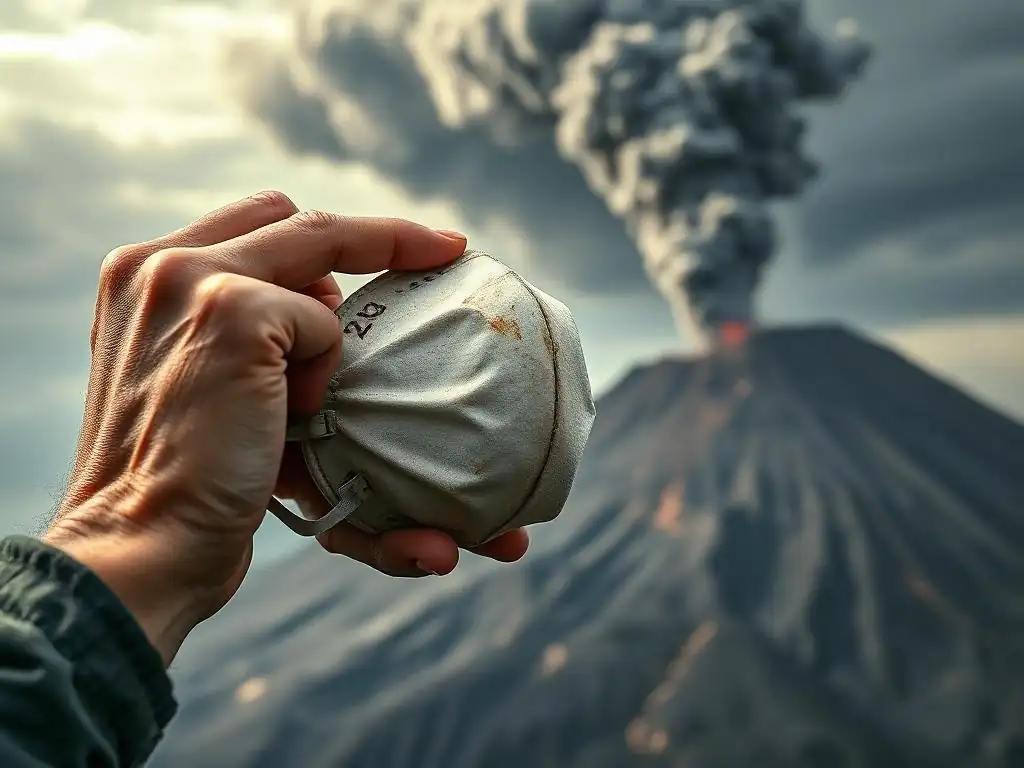
Step-by-Step Guide to Donning and Doffing a Respirator
Properly donning and doffing a respirator is crucial to ensure its effectiveness and prevent contamination. Before donning, inspect the respirator for any damage, such as cracks or tears, and ensure the straps are in good condition. For a particulate respirator, cup the respirator in your hand with the nosepiece at your fingertips, allowing the headbands to hang freely.
Position the respirator under your chin, covering your nose and mouth. Pull the top strap over your head, positioning it high on the back of your head. Then, pull the bottom strap over your head and position it around your neck, below your ears.
Once positioned, mold the nosepiece around your nose bridge to ensure a close fit. To check the seal, place your hands over the respirator and exhale sharply. If you feel air leaking around the edges, readjust the respirator and nosepiece until a proper seal is achieved. For respirators with cartridges, ensure the cartridges are securely attached before donning.
When doffing, avoid touching the front of the respirator, which may be contaminated. Tilt your head slightly forward, reach behind your head, and pull the bottom strap over your head, followed by the top strap. Discard disposable respirators properly after use. For reusable respirators, proceed with cleaning and storage.
Proper Cleaning and Storage Techniques for Respirators
Proper cleaning and storage are essential for maintaining the effectiveness and longevity of reusable respirators. After each use, especially in volcanic environments, reusable respirators should be cleaned and disinfected. Remove cartridges and filters before cleaning, if applicable. Wash the respirator facepiece and straps with warm water and mild detergent. A soft brush can be used to remove any accumulated dirt or debris. Rinse thoroughly with clean water to remove all soap residue. Disinfect the respirator by immersing it in a solution of diluted bleach (follow manufacturer instructions, typically a weak solution) or using disinfectant wipes specifically designed for respirators.
Allow the respirator to air dry completely in a clean area, away from direct sunlight or heat. Ensure the respirator is completely dry before storing it to prevent mold growth. Store respirators in a clean, dry place, away from direct sunlight, extreme temperatures, and chemicals. A resealable plastic bag or container can protect the respirator from dust and damage during storage. Inspect the respirator before each use for any signs of damage, such as cracks, tears, or deteriorated straps. Replace the respirator if any damage is found or if it no longer provides a proper fit.
Replacing Filters and Cartridges: When and How
Filters and cartridges in respirators have a limited lifespan and must be replaced regularly to maintain respiratory protection. Particulate filters should be replaced when they become dirty, damaged, or when breathing resistance increases significantly. A noticeable increase in breathing effort indicates that the filter is becoming clogged with particles and needs replacement. For gas cartridges, the replacement schedule depends on the type of cartridge, the concentration of gases, and the duration of exposure.
Some cartridges have end-of-service-life indicators (ESLI) that change color or emit an odor when they are nearing exhaustion. However, relying solely on ESLIs is not recommended in volcanic environments where gas concentrations can fluctuate rapidly. A general guideline is to replace gas cartridges after each use in heavily contaminated environments or after a specific time period, even if used for a shorter duration.
Refer to the manufacturer's instructions for specific replacement schedules. When replacing filters or cartridges, ensure you are using the correct type and rating for the intended hazard. Dispose of used filters and cartridges properly according to local regulations, as they may contain hazardous materials.
Maximizing Protection: Combining Respiratory Gear with Other Safety Measures
Layering Respiratory Protection with Other PPE
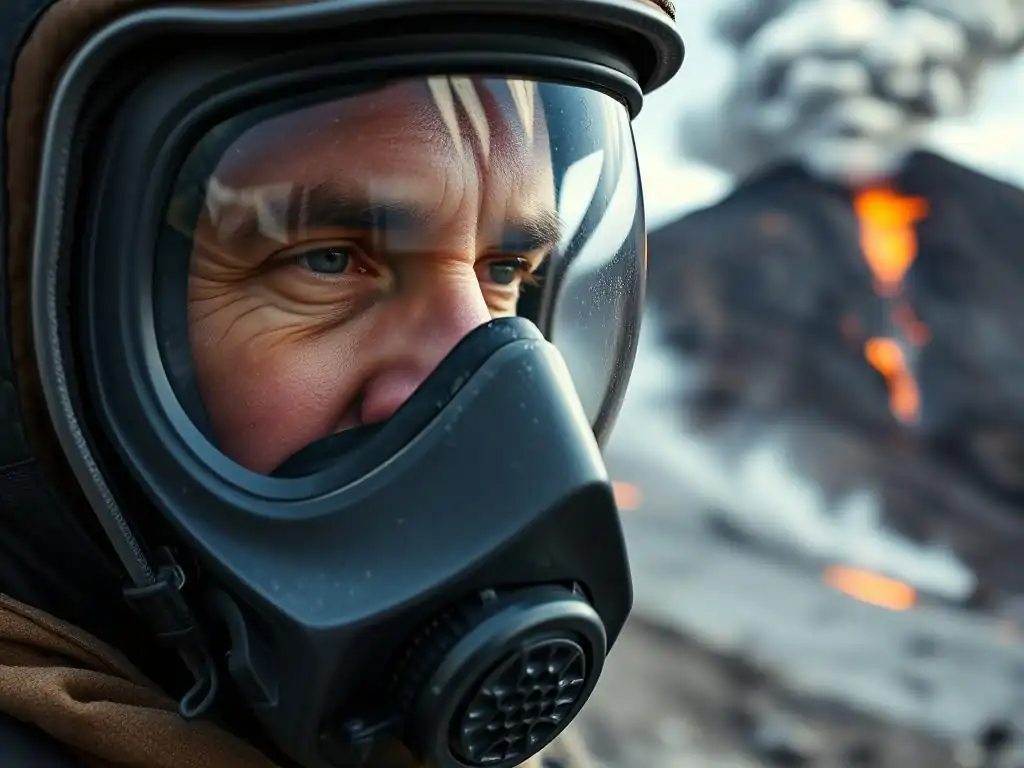
Respiratory protection is most effective when integrated with other personal protective equipment (PPE) to provide comprehensive safety in volcanic environments. Eye protection is crucial, as volcanic ash and gases can cause eye irritation and damage. Wear goggles or safety glasses with side shields to prevent ash and gas from entering the eyes. In areas with heavy ashfall or potential for ballistic projectiles, consider wearing a full-face respirator, which provides both respiratory and eye protection.
Skin protection is also important. Long-sleeved shirts, pants, and gloves can protect the skin from ash irritation and exposure to volcanic gases. Wearing a helmet is advisable in areas prone to rockfalls or volcanic projectiles.
Footwear should be sturdy and closed-toe to protect feet from sharp rocks and hot ground. Layering clothing allows for adjustments based on changing weather conditions and activity levels. Consider wearing a dust mask or bandana under the respirator for added comfort and to help keep the respirator cleaner for longer, although this should not be considered a substitute for a proper respirator in hazardous conditions.
Monitoring Air Quality and Evacuation Strategies
While respiratory protection is vital, it's equally important to monitor air quality and be prepared to evacuate if conditions worsen. In areas with volcanic gas hazards, portable gas detectors can provide real-time measurements of gas concentrations, alerting you to dangerous levels of SO2, H2S, or CO2. Pay attention to changes in wind direction, as wind shifts can quickly bring volcanic plumes and gases to new areas. Be aware of the volcano's activity level and heed any warnings or advisories issued by local authorities or volcanological observatories.
Develop an evacuation plan in advance, especially if you are visiting or living near an active volcano. Know the designated evacuation routes and assembly points. Keep a "go-bag" readily accessible, containing essential supplies like water, food, a first-aid kit, a flashlight, a radio, and extra respirators and filters. If volcanic activity escalates or gas concentrations become dangerously high, evacuate immediately and follow the instructions of emergency personnel. Remember that respiratory protection is a critical last line of defense, but avoiding exposure to volcanic hazards through awareness, monitoring, and timely evacuation is the most effective way to ensure safety.
Real-World Examples: Respiratory Protection in Action
Case Study 1: The 2010 Eyjafjallajökull Eruption
The 2010 eruption of Eyjafjallajökull volcano in Iceland serves as a stark reminder of the widespread impact of volcanic ash and the importance of respiratory protection. While the eruption itself was relatively small in terms of lava volume, it produced a massive ash cloud that disrupted air travel across Europe for several days. Millions of passengers were stranded, and the economic impact was substantial. Beyond the travel chaos, the eruption released significant amounts of fine volcanic ash into the atmosphere, affecting air quality in Iceland and downwind regions.
In Iceland, communities experienced heavy ashfall, impacting daily life and posing respiratory health risks. Public health authorities issued advisories recommending people to stay indoors, close windows, and use respiratory protection when outdoors. Farmers faced challenges protecting livestock from ash inhalation, and cleanup efforts were extensive. The Eyjafjallajökull eruption highlighted the need for preparedness and public awareness regarding volcanic ash hazards, even in regions far from the immediate eruption site. The event underscored the crucial role of respiratory protection, particularly particulate respirators, in mitigating the health impacts of volcanic ash exposure during and after eruptions.
Case Study 2: Volcanic Ashfall in Yakima Valley, Washington State
While Iceland is geographically distant from the United States, volcanic ashfall is a recurring concern in regions near active volcanoes in the Pacific Northwest, such as Mount Rainier and Mount St. Helens. The Yakima Valley in Washington State, located downwind of these volcanoes, has experienced ashfall from past eruptions. Although no major ashfall events have occurred in recent decades, the potential remains, and communities are actively preparing for future eruptions.
Yakima Valley residents are educated about volcanic ash hazards, and public health agencies provide guidance on respiratory protection. Local emergency management agencies conduct drills and distribute information on how to prepare for and respond to ashfall events. Warehouses and schools in the Yakima area maintain stockpiles of particulate respirators and other emergency supplies.
Hospitals and clinics have protocols in place to manage respiratory illnesses related to ash exposure. This proactive approach in the Yakima Valley demonstrates the importance of community-level preparedness and the integration of respiratory protection strategies into emergency planning in regions vulnerable to volcanic ashfall. The ongoing awareness campaigns and preparedness measures in Yakima Valley serve as a model for other communities living near active volcanoes worldwide.
Conclusion: Prioritizing Your Respiratory Health in Volcanic Environments
Venturing into the mesmerizing realm of volcanoes demands respect, not only for their breathtaking beauty but also for their inherent dangers. Respiratory hazards, from invisible toxic gases to pervasive volcanic ash, pose significant threats to health and well-being. Mastering respiratory protection in volcanic environments is not merely a matter of gear selection; it's a commitment to informed decision-making, diligent preparation, and responsible exploration.
Choosing the right respirator, understanding its proper use and maintenance, and integrating it with other safety measures are fundamental steps in safeguarding your respiratory health. Real-world examples, from the far-reaching ash clouds of Eyjafjallajökull to the preparedness efforts in the Yakima Valley, underscore the critical importance of respiratory protection in mitigating the impacts of volcanic eruptions. By prioritizing respiratory health through knowledge, preparation, and responsible practices, we can breathe easier and more safely explore the awe-inspiring landscapes shaped by volcanic forces.
Frequently Asked Questions
What are the main respiratory hazards present in volcanic environments?
Volcanic environments pose significant respiratory dangers, primarily from ash particles and noxious gases like sulfur dioxide. These can cause irritation and long-term health problems.
What types of respiratory protection are recommended for volcanic environments?
The most effective respiratory protection involves using a properly fitted respirator, specifically an N95 or P100 mask, to filter out particulate matter. For gaseous hazards, a respirator with a gas filter is crucial.
How do I ensure my respirator fits properly and provides adequate protection?
A fit test is essential to guarantee a seal between the respirator and your face. Facial hair and improper placement can compromise the respirator's effectiveness.
What are the symptoms of respiratory distress caused by volcanic emissions?
Symptoms can include coughing, wheezing, shortness of breath, and irritation of the eyes, nose, and throat. Severe exposure can lead to more serious respiratory complications.
Where can I find more information on volcano safety and respiratory protection?
Resources like VolcanoExplorers.org and official government agencies provide detailed information and guidelines on volcano safety, including specific advice on choosing and using respiratory protection.
Final Reflection: Embracing Breath Amidst the Ash
The preceding exploration of respiratory protection in volcanic environments underscores a vital truth: preparedness is paramount when facing nature's raw power. While volcanic eruptions may seem distant and infrequent to some, the reality is that these events pose a significant and immediate threat to communities and individuals worldwide, demanding proactive strategies for safeguarding respiratory health.
The lessons learned extend far beyond the immediate dangers of ash and gas inhalation. They speak to our collective responsibility to understand and mitigate environmental risks, fostering a culture of safety and resilience. This awareness is not merely academic; it's a cornerstone of responsible living in a world increasingly shaped by environmental challenges. The air we breathe is a shared resource, and its protection is a shared responsibility.
This quote encapsulates the essence of our obligation to safeguard not only ourselves but also future generations from the potential hazards lurking in our environment.
As you reflect on the information presented, consider how you can apply these principles of respiratory protection and environmental awareness in your own life. What steps can you take to be better prepared for potential environmental hazards in your community? How can you advocate for policies that prioritize respiratory health and environmental safety? The answers to these questions lie within each of us, waiting to be discovered and acted upon. Let us all strive to breathe easier, knowing that we have taken proactive steps to protect ourselves and our planet.
Okay, here's a Call to Action (CTA) for the end of the "Breathing Easy: Mastering Respiratory Protection in Volcanic Environments" article for Volcano Explorers:
Safeguard Your Adventure: Breathe Freely on Every Expedition!
Thank you for diving into the essential guide to respiratory protection in volcanic environments. We hope you now feel empowered to explore these incredible landscapes with confidence and safety. It's time to put that knowledge into action and ensure your next volcanic adventure is a breath of fresh (and safe) air!
- Prioritize your safety: Commit to selecting and properly fitting your respiratory protection gear before your next volcanic exploration. Your health is your greatest asset!
- Dive deeper:Explore our advanced filtration guide for enhanced protection in highly toxic volcanic zones.
- Share the knowledge:Inspire others by sharing this article with fellow explorers and promoting safe practices in volcanic tourism.
What specific volcanic region are you planning to explore next, and how will you ensure your respiratory protection is perfectly suited for its unique environment? Share your plans in the comments below!