Top Volcano Treks and Hiking Tours Globally: Your Ultimate Adventure Guide
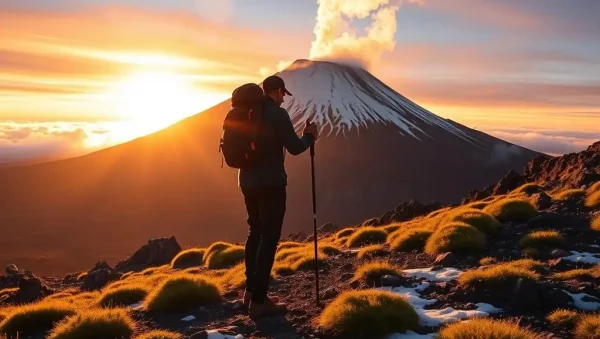
Are you ready to stand on the edge of a crater, feel the heat radiating from the Earth’s core, and witness landscapes forged by fire? Volcano trekking is not just a hike; it’s a transformative journey into the planet’s most powerful natural forces. At Volcano Explorers, we have curated the definitive guide to the best volcano treks and hiking tours worldwide, from the steaming peaks of Central America to the icy summits of Iceland. Whether you seek the sunrise atop an active giant or a safe, guided family walk on a dormant cone, our detailed insights cover trail difficulty, safety protocols, and the unique geology you’ll encounter. Prepare for a comprehensive guide that blends adrenaline, education, and breathtaking scenery, ensuring your next volcanic adventure is both epic and secure.
🌋 Iconic Active Volcano Hikes for Thrill-Seekers
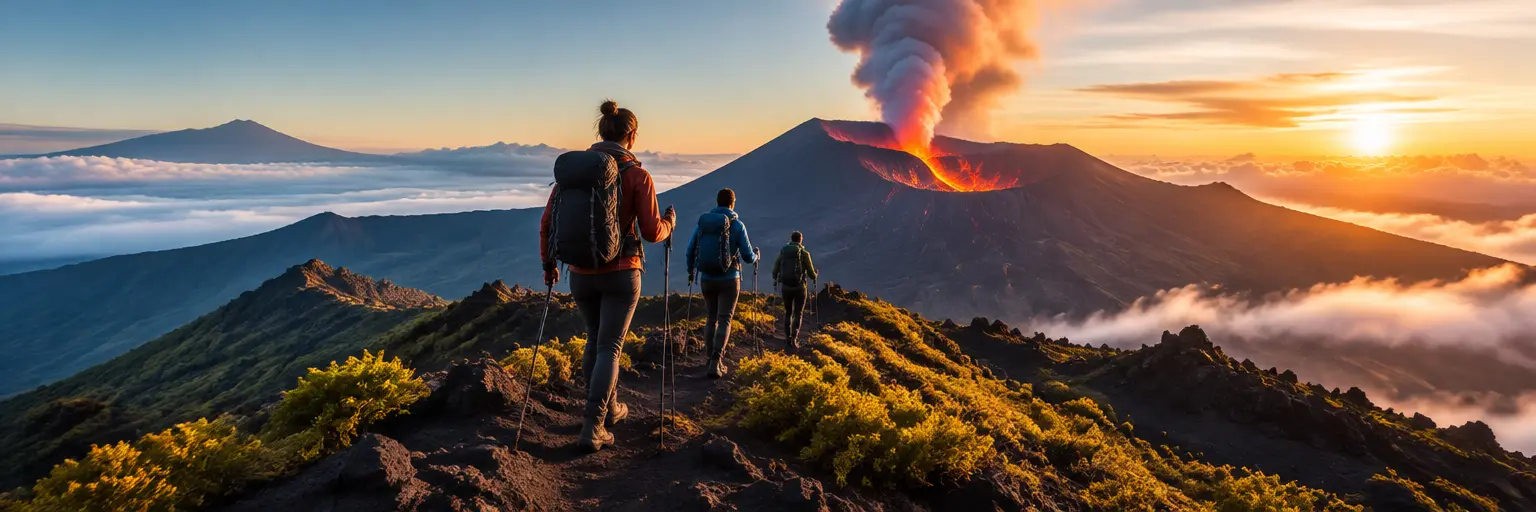
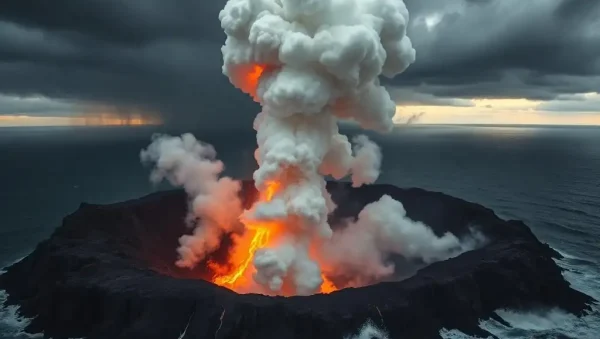
For those who crave the raw power of the Earth, hiking an active volcano offers an unparalleled rush. Trails like Vanuatu’s Mount Yasur, where you can peer directly into a bubbling lava lake, or Sicily’s Mount Etna, Europe’s tallest active volcano, provide safe yet exhilarating access to volcanic activity. These treks are typically shorter but require excellent fitness and a professional guide who understands unpredictable gas emissions and unstable terrain. Expect intense heat, rumbling ground, and the unforgettable smell of sulfur as you navigate rocky slopes. Safety is paramount: you’ll need proper masks, sturdy boots, and strict adherence to guide instructions. The reward is a front-row seat to planetary creation, a memory that will forever redefine your sense of adventure.
Beyond the obvious thrill, these active volcano hikes are living geology lessons. Each step reveals fresh lava flows, volcanic bombs, and fumaroles, offering real-time insight into how magma interacts with the atmosphere. Tours often include pre-hike briefings from volcanologists, enriching your experience with scientific context. For example, on Iceland’s Fagradalsfjall, you might witness ongoing eruptions from a safe distance, while Guatemala’s Pacaya allows for roasting marshmallows over volcanic vents. Always check current volcanic activity levels and book through certified operators. The emotional payoff—standing before Earth's furnace—is immense, making these treks a bucket-list essential for any serious volcano enthusiast.
🏔️ Multi-Day Summit Expeditions for Seasoned Hikers
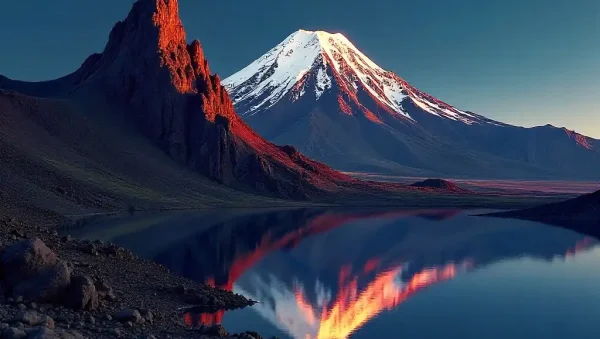
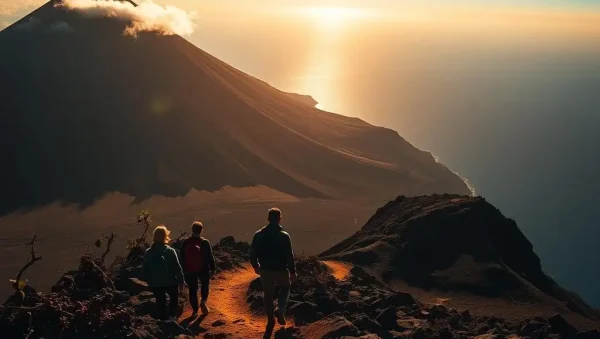
If you’re a seasoned trekker seeking a multi-day challenge, nothing compares to summiting a massive stratovolcano like Mexico’s Pico de Orizaba (5,636m) or Ecuador’s Cotopaxi (5,897m). These expeditions require advanced mountaineering skills, including the use of crampons, ice axes, and proper altitude acclimatization. Typically spanning 2-4 days, these treks begin at lower base camps, allowing your body to adjust before a pre-dawn summit push through snow and glaciers. The physical demand is extreme, with steep inclines and thin air testing your endurance and mental fortitude. Yet, the panoramic views from the summit—stretching across clouds and neighboring peaks—are nothing short of transcendent, rewarding you with a profound sense of achievement.
Planning is critical for these high-altitude volcano climbs. You’ll need to book with specialized agencies that provide oxygen, high-quality gear, and experienced mountain guides. Acclimatization hikes on nearby smaller peaks are often included, and you must be prepared for sudden weather shifts, from intense sun to blizzards. The logistics are complex, involving overnight stays in basic refuges or tent camps at high elevations. However, the camaraderie among your team and the raw, lunar-like landscape make every arduous step worthwhile. These expeditions are not just hikes; they are personal tests of resilience, offering rare, close-up encounters with glacial craters and volcanic vents that few will ever experience. For the dedicated hiker, this is the pinnacle of volcano travel.
🌿 Family-Friendly & Easy Volcano Trails Worldwide
Not every volcano adventure requires a superhuman fitness level. Many captivating volcano treks are surprisingly accessible to families, casual hikers, and those with moderate mobility. Trails like the Crater Rim Trail on Hawaii’s Kilauea or the Sendero de los Volcanes in Costa Rica’s Poás Volcano National Park offer paved paths and short, gentle loops with stunning viewpoints. These easy routes provide incredible educational value, with interpretive signs explaining pyroclastic flows, lava tubes, and crater lakes. You can expect well-maintained boardwalks, rest areas, and visitor centers with interactive exhibits. It’s the perfect way to spark curiosity in children about Earth sciences while enjoying a safe, scenic walk in a unique volcanic landscape.
Globally, similar gentle trails abound—from the smoke-ring viewpoints of Indonesia’s Mount Bromo to the surreal, mossy craters of New Zealand’s Tongariro Alpine Crossing (with a shorter, family-friendly segment). Many of these locations offer guided tours tailored to all ages, often combining volcano visits with hot springs or botanical gardens. The key is to choose dormant or periodically calm volcanoes, always checking for official advisories. These accessible hikes don’t sacrifice awe; you still witness vibrant fumaroles, sulfuric lakes, and vast calderas, just without the extreme physical strain. This inclusivity makes volcano tourism a wonderful educational family vacation, blending gentle exercise with profound natural wonder. Don’t underestimate the amazement on a child’s face when they first see a steaming crater!
🧗 Unique Volcanic Terrains: Lava Tubes, Craters & Calderas
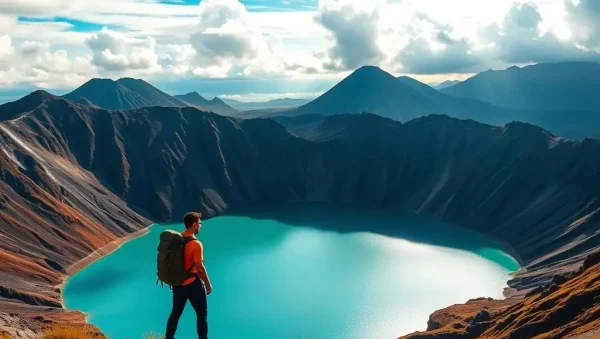
Volcano treks offer more than just summit views; they provide entry into extraordinary subterranean and fractured landscapes. Exploring lava tubes—like the Thrihnukagigur Volcano in Iceland, where you descend into a 120-meter-deep magma chamber via elevator—is a surreal experience unlike any other hike. Similarly, hiking around massive calderas, such as Oregon’s Crater Lake or Greece’s Santorini, reveals the vast scale of past eruptions. These treks often involve navigating sharp, jagged lava fields, testing your balance and agility, but reward you with hidden caves, ice formations, and unique endemic plants that only thrive in volcanic soils. Guided tours are essential to safely navigate these uneven, sometimes unstable environments.
The geological diversity within these terrains is staggering. You might walk on pahoehoe (smooth, ropy lava) one moment and scramble over aa (rough, clinkery lava) the next. Many tours integrate cave exploration, where you’ll wear helmets and headlamps to see stalactites made of lava, not limestone. The interplay of light and shadow inside these tubes is photogenic, creating breathtaking, otherworldly shots. For geology buffs, these hikes are a living textbook, demonstrating the different phases of volcanic cooling and erosion. Moreover, the caldera rim trails often provide sweeping vistas of lakes or oceans, blending dramatic water views with stark volcanic rock. These treks are perfect for those who have done standard summits and crave something intellectually and visually distinct.
📅 Best Seasons & Essential Gear for Volcano Trekking
Timing is everything when planning volcano treks. The dry season typically offers the best visibility and safest trail conditions. For Central America, that’s from December to April; for Indonesia, May to September; and for Iceland, summer months (June-August) provide longer daylight and less snow. Conversely, rainy seasons bring loose rock, slippery mud, and reduced crater views, increasing risks. Always research the specific microclimate of your chosen volcano, as altitude dramatically affects temperature—expect freezing conditions at high summits even in tropical regions. Checking weekly volcanic activity bulletins is non-negotiable; eruptions can alter access or require specific safe viewing zones. Flexibility in your itinerary is a wise strategy.
Your gear can make or break the adventure. Essentials include sturdy, broken-in hiking boots with excellent ankle support, moisture-wicking layers, and a waterproof shell. For high-altitude climbs, pack thermal base layers, a down jacket, gloves, and a warm hat. Sun protection (high-SPF sunscreen, sunglasses) is critical due to intense UV at altitude. A high-quality headlamp, ample water (2-3 liters), and high-energy snacks are mandatory. Don’t forget a buff or scarf to filter volcanic ash and dust, plus a first-aid kit. For active volcanoes, an N95 mask is a must. Trekking poles, especially for steep descents, save your knees. Always carry a physical map and a fully charged power bank for your phone, though expect limited signal. Invest in gear that’s tested, and you’ll focus on the experience, not on discomfort.
Frequently Asked Questions
Is volcano trekking safe for beginners?
Yes, many beginner-friendly volcano trails exist, especially on dormant or mildly active volcanoes with well-established paths. Choose short trails with low elevation gain, and always go with a certified guide. Check the current volcanic alert level, stick to marked paths, and heed all safety warnings. With proper preparation and a reputable tour operator, you can safely enjoy the thrill of a volcanic landscape without extreme risk.
Do I need a guide for volcano hiking tours?
Yes, unless the trail is a well-marked public path. Licensed guides are mandatory on many active volcanoes, like those in Guatemala and Indonesia, due to safety regs. They know gas vent locations, emergency routes, and real-time conditions. Even on easier trails, a guide enriches the experience with geological insights and ensures you don’t accidentally step on unstable crust. Never hike alone on a volcano.
What is the best time of year to hike volcanoes in the tropics?
The tropical dry season, generally December through April, is optimal. You’ll have clearer skies, lower humidity, and firm, dry trails. In contrast, the wet season (May-November) brings heavy rains, slippery mud, and cloud cover that obscures crater views. For tropical locations, plan your trek for the early morning (6-8 AM) to beat afternoon storms, a common pattern near volcanic peaks.
Can I hike an active volcano without special gear?
It depends on the volcano’s activity level and summit altitude. For easier active volcanoes like Yasur or Pacaya, good hiking boots, a mask, and long sleeves suffice. For high-altitude active peaks like Cotopaxi, you’ll need mountaineering gear—crampons, ice axe, helmet, and a harness. Always rent or pack gear recommended by your tour company. Skipping essential equipment is dangerous and can result in exclusion from the hike.
What should I do if there is a sudden volcanic eruption during a hike?
Follow your guide’s instructions immediately. Do not run downhill into valleys—try to climb to higher ground or move to a sheltered area away from the vent. Protect your head with your backpack or arms and cover your mouth with a wet cloth or mask. If you’re near a tour group, stay together. Listen for official warnings, and as soon as it’s safe, evacuate via the pre-planned route. Preparedness saves lives.