
Pico do Fogo's Volcanic Wine: Hike Cape Verde's Dominant and WineProducing Volcano

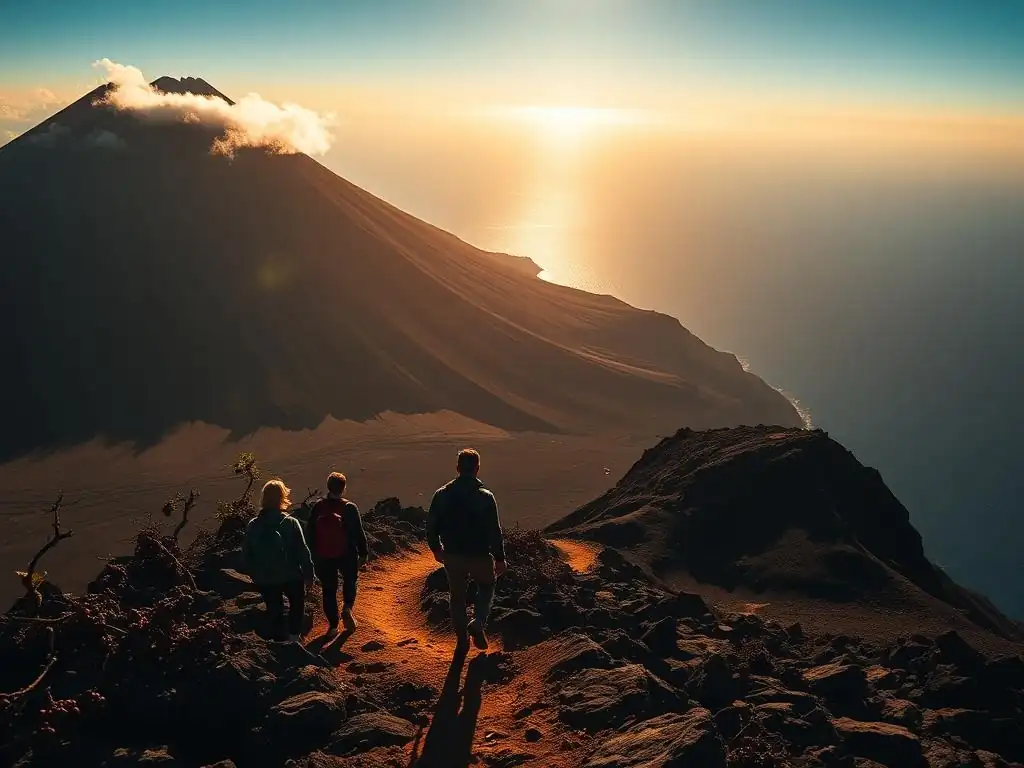
Welcome to Volcano Explorers!
Dare to uncork the secrets hidden within Earth's fiery heart? Prepare to be captivated as we journey to the dramatic landscapes sculpted by volcanoes. Ever tasted wine born from volcanic soil? Our latest expedition takes you to Cape Verde's Pico do Fogo, where we explore the unique Pico do Fogo volcanic wine tour – a truly unforgettable adventure. But that's just the beginning. What other intoxicating secrets does this dominant volcano hold? Dive in and discover the explosive stories waiting to be unearthed!
- Pico do Fogo's Volcanic Wine Tour: Hike & Taste Cape Verde's Dominant Volcano
-
Planning Your Pico do Fogo Volcanic Wine Tour: A Step-by-Step Guide
- Step 1: Securing Your Permit and Choosing a Reputable Guide for Pico do Fogo
- Step 2: Packing Essentials for Hiking Pico do Fogo: Gear Recommendations for Volcanic Terrain
- Step 3: The Ascent: Hiking to the Crater & Understanding the Volcanic Landscape
- Step 4: Experiencing the Volcanic Wine Production of Chã das Caldeiras
- Step 5: Finding Accommodation in Chã das Caldeiras: Staying Amongst the Volcano
- Step 6: Post-Hike Relaxation: Enjoying Local Cuisine
- Maximizing Your Pico do Fogo Volcanic Wine Tour Experience
- Responsible Tourism on Pico do Fogo: Respecting the Environment & Local Community
- Booking Your Pico do Fogo Volcanic Wine Tour: Packages & Options
- Frequently Asked Questions About Pico do Fogo Volcanic Wine Tours
- Conclusion: Embrace the Adventure of a Pico do Fogo Volcanic Wine Tour
- Frequently Asked Questions
- Final Reflection: A Taste of Resilience
- Savor Adventure: Embark on Your Own Volcanic Wine Journey!
Pico do Fogo's Volcanic Wine Tour: Hike & Taste Cape Verde's Dominant Volcano
Discover the Unique Volcanic Wines of Pico do Fogo, Cape Verde
Imagine tasting wine nurtured by the very breath of a volcano. On the island of Fogo, Cape Verde, this is not just a fantasy but a tangible experience. Pico do Fogo, a majestic active stratovolcano, dominates the landscape, and within its caldera, a remarkable story of resilience and viticulture unfolds.
The volcanic soil, rich in minerals and trace elements, imparts an unparalleled character to the wines produced here. These are not wines grown in typical vineyards; they are born from the heart of a volcano, a testament to the power of nature and human adaptation. The unique terroir of Pico do Fogo gives rise to wines with a distinct minerality, often described as smoky or ashy, alongside vibrant fruit notes that defy the harsh environment.
The vineyards of Chã das Caldeiras, nestled within the caldera of Pico do Fogo, are some of the highest in the world, sitting at an elevation of approximately 1,700 meters (5,577 feet). This altitude, combined with the volcanic soil and a unique microclimate, contributes to the slow ripening of grapes, resulting in wines with concentrated flavors and balanced acidity. The primary grape varietals grown here are mostly brought from Portugal, including ‘Touriga Nacional’, ‘Fernão Pires’, and ‘Moscatel’.
These varietals, when cultivated in volcanic ash, transform into something extraordinary, offering a taste of place that is truly unforgettable. The wines of Pico do Fogo are a celebration of the island's volcanic identity, offering a sensory journey that connects you directly to the raw, untamed beauty of Cape Verde.
Why Pico do Fogo is a Must-Visit for Volcano & Wine Enthusiasts
Pico do Fogo offers a compelling dual attraction for both volcano aficionados and wine connoisseurs. For volcano enthusiasts, the opportunity to hike an active volcano, explore its caldera, and witness the dramatic volcanic landscapes firsthand is an unparalleled adventure. The sheer scale of Pico do Fogo, rising to 2,829 meters (9,281 feet), the highest point in Cape Verde, is awe-inspiring.
Hiking trails wind through solidified lava flows from recent eruptions, offering a stark yet beautiful panorama of volcanic power. The most recent eruption in 2014-2015 dramatically reshaped parts of the caldera, leaving behind a stark, black landscape contrasting with the tenacious green vines pushing through the volcanic ash. This living, breathing volcanic environment provides a truly immersive experience for those fascinated by geological forces.
For wine lovers, the allure of Pico do Fogo lies in the extraordinary and rare volcanic wines produced in Chã das Caldeiras. The opportunity to taste wines cultivated in volcanic soil is a unique draw in itself, but to do so within the caldera of an active volcano elevates the experience to something exceptional. Imagine hiking through volcanic terrain, learning about the geological processes that shape the land, and then rewarding yourself with a wine tasting at a local vineyard, understanding how the very ground beneath your feet contributes to the wine's unique character.
This blend of adventure and enogastronomy makes a Pico do Fogo volcanic wine tour a truly distinctive travel experience, catering to those seeking both thrilling exploration and sophisticated palates. It's a journey that engages all senses, offering a taste of adventure and the distinctive flavors of volcanic viticulture.
Planning Your Pico do Fogo Volcanic Wine Tour: A Step-by-Step Guide
Step 1: Securing Your Permit and Choosing a Reputable Guide for Pico do Fogo
Embarking on a Pico do Fogo volcanic wine tour requires careful planning, starting with securing the necessary permits and choosing a knowledgeable guide. Access to the Pico do Fogo Natural Park, which encompasses the volcano and Chã das Caldeiras, requires a park entrance fee, typically around 500 Cape Verdean Escudos (CVE), approximately 5 Euros. This fee contributes to the park's conservation efforts.
While permits are not always strictly enforced for day hikes to the crater, it's advisable to check the current regulations with the park authorities or your chosen tour operator to avoid any issues. For overnight stays within the caldera or for more extensive treks, permits might be mandatory and are best arranged in advance.
Choosing a reputable local guide is highly recommended, and in many cases, practically essential for a safe and enriching Pico do Fogo experience. The trails, while marked, can be challenging, especially in loose volcanic ash and on steep inclines. Guides possess invaluable local knowledge, not only about the trails and safety aspects but also about the volcanic geology, the unique ecosystem, and the cultural nuances of Chã das Caldeiras.
They can also facilitate interactions with local winemakers and residents, enhancing your understanding of the community and their way of life within the volcanic landscape. Reputable guides are often certified by local tourism boards or affiliated with established tour operators in Fogo. Engaging a local guide not only ensures your safety and deeper understanding but also directly supports the local economy of Chã das Caldeiras.
Step 2: Packing Essentials for Hiking Pico do Fogo: Gear Recommendations for Volcanic Terrain
Packing appropriately is crucial for a comfortable and safe Pico do Fogo hike, especially when considering the unique volcanic terrain and varying weather conditions. The volcanic landscape presents challenges such as loose ash, sharp lava rocks, and intense sun exposure, even at altitude. Layering is key, as temperatures can fluctuate significantly, especially between the base and the summit and between day and night. Start with moisture-wicking base layers, add insulating mid-layers like fleece or a light down jacket, and pack a waterproof and windproof outer shell. Even in the dry season, unexpected changes in weather are possible at altitude.
Footwear is paramount. Sturdy hiking boots with ankle support are non-negotiable for navigating the uneven and often loose volcanic terrain. Look for boots with good traction to handle volcanic ash and potentially slippery lava rocks. Sun protection is equally critical. The high altitude and dark volcanic surfaces intensify UV radiation.
Pack high SPF sunscreen, a wide-brimmed hat, and UV-protective sunglasses. Hydration is also crucial; carry at least 2-3 liters of water per person, especially for longer hikes to the crater. While water is available for purchase in Chã das Caldeiras, it's best to be self-sufficient on the trail. Other essential items include a headlamp or flashlight (especially for early morning ascents or if planning to descend late), a first-aid kit, snacks for energy, and a backpack to carry everything comfortably. Trekking poles can be extremely helpful for stability on the volcanic slopes.
Top Hiking Boots for Volcanic Ash & Lava Fields:
Navigating the volcanic terrain of Pico do Fogo demands hiking boots specifically designed for challenging conditions. Boots with high ankle support are essential to prevent twists and sprains on uneven surfaces and loose volcanic ash. Look for models constructed from durable materials like leather or synthetic fabrics that can withstand abrasion from lava rocks. Waterproof or water-resistant boots are advisable, even though rainfall is relatively low, as morning dew and potential changes in weather can occur.
Sole traction is paramount. Vibram soles or similar high-grip outsoles with deep lugs provide the necessary grip on loose ash, scree, and potentially slippery lava rocks. Consider boots with a stiff midsole to protect your feet from sharp rocks and provide stability. Breathability is also important to prevent overheating and moisture buildup inside the boot, especially during strenuous hikes in warmer weather. Some popular brands known for producing durable and reliable hiking boots suitable for volcanic terrain include Salomon and Merrell, offering various models with features ideal for these conditions.
Sun Protection for High-Altitude Volcanic Hikes:
The intensity of the sun at high altitude, combined with the reflective nature of volcanic rock and ash, makes comprehensive sun protection absolutely vital during a Pico do Fogo hike. Ultraviolet (UV) radiation increases significantly with altitude, and the dark volcanic surfaces can reflect a considerable amount of sunlight back up. High SPF sunscreen, ideally SPF 30 or higher, is essential and should be applied liberally and frequently, especially to exposed areas like the face, neck, ears, and arms. Don't forget to reapply sunscreen every two hours, or more often if sweating heavily.
A wide-brimmed hat is crucial to shield your face, neck, and ears from direct sunlight. Opt for a hat made from breathable material to prevent overheating. UV-protective sunglasses are equally important to protect your eyes from harmful UV rays and reduce glare from the volcanic landscape.
Choose sunglasses that offer 100% UVA and UVB protection. Additionally, consider wearing lightweight, long-sleeved clothing and long pants to provide further sun protection, especially during the hottest parts of the day. Brands like Sun Bum and Outdoor Research offer specialized sun protection products designed for outdoor activities and high-exposure environments, which can be particularly beneficial for volcanic hikes.
Hydration Packs for Pico do Fogo: Staying Hydrated on Your Volcanic Wine Adventure
Maintaining adequate hydration is paramount when hiking Pico do Fogo, especially given the altitude, physical exertion, and often dry, sunny conditions. Dehydration can significantly impact your energy levels, performance, and overall well-being, increasing the risk of altitude sickness and heat exhaustion. Carrying sufficient water is non-negotiable, and hydration packs offer a convenient and efficient way to stay hydrated on the go. Hydration packs, such as those from Osprey or Camelbak, allow you to carry a substantial amount of water, typically 2-3 liters or more, in a comfortable backpack reservoir.
The hands-free drinking system of hydration packs is a significant advantage on hiking trails, as you can take sips of water frequently without stopping or fumbling with water bottles. This encourages more consistent hydration throughout your hike. Choose a hydration pack with a comfortable and adjustable fit, padded shoulder straps, and a hip belt to distribute the weight evenly.
Consider packs with additional storage compartments for snacks, sunscreen, and other essentials. Before your hike, fill your hydration pack with water and consider adding electrolytes to help replenish salts lost through sweat, especially on longer and more strenuous hikes. Regularly drinking water throughout your ascent and descent is crucial for preventing dehydration and ensuring you feel your best to fully enjoy your Pico do Fogo volcanic wine adventure.
Step 3: The Ascent: Hiking to the Crater & Understanding the Volcanic Landscape
The hike to the crater of Pico do Fogo is a rewarding yet challenging experience, typically taking around 4-6 hours for the ascent and 2-3 hours for the descent, depending on your fitness level and chosen route. The most common starting point is from the village of Chã das Caldeiras, located within the caldera itself. The initial part of the hike often traverses solidified lava flows from past eruptions, providing a stark and fascinating introduction to the volcanic landscape. As you ascend, the terrain becomes steeper and the volcanic ash looser, requiring careful footing and a steady pace.
The trail winds its way up the flank of the Pico Pequeno, a smaller, more recent cone that formed within the larger caldera of Pico do Fogo during the 2014-2015 eruption. Reaching the crater rim offers breathtaking panoramic views of the entire caldera, the surrounding island of Fogo, and, on clear days, even neighboring islands. Looking down into the crater of Pico Pequeno, you can witness the raw power of recent volcanic activity.
The landscape is a dramatic tapestry of black lava flows, volcanic ash, and cinder cones, punctuated by resilient vegetation beginning to recolonize the volcanic terrain. The hike is not just a physical challenge but also an immersive journey through a dynamic and ever-changing volcanic environment.
Understanding Pico do Fogo's Volcanic Geology: A Brief Overview
Pico do Fogo is a classic example of a stratovolcano, also known as a composite volcano, characterized by its steep conical shape built up from many layers of hardened lava, tephra, pumice, and volcanic ash. It is part of the Cape Verde archipelago, which formed due to volcanic activity associated with the Cape Verde hotspot, a plume of mantle magma rising beneath the Earth's crust.
Pico do Fogo is one of the most active volcanoes in Cape Verde and has a history of eruptions dating back centuries. Its large caldera, approximately 9 kilometers (5.6 miles) wide, formed due to past collapses of the volcanic edifice following major eruptions.
The most recent eruption cycle, from 2014 to 2015, dramatically reshaped the caldera. It was characterized by Strombolian and effusive activity, creating a new cinder cone, Pico Pequeno, within the caldera floor and extensive lava flows that buried parts of the existing villages and vineyards in Chã das Caldeiras. The volcanic rocks of Pico do Fogo are primarily basaltic, rich in minerals that weather to create fertile, albeit challenging, soil.
The volcanic ash, while seemingly barren, provides essential nutrients and contributes to the unique terroir that influences the flavors of the volcanic wines produced in the caldera. Understanding the geological processes that have shaped Pico do Fogo enhances the appreciation of its dramatic landscape and the remarkable resilience of life within this volcanic environment.
Step 4: Experiencing the Volcanic Wine Production of Chã das Caldeiras
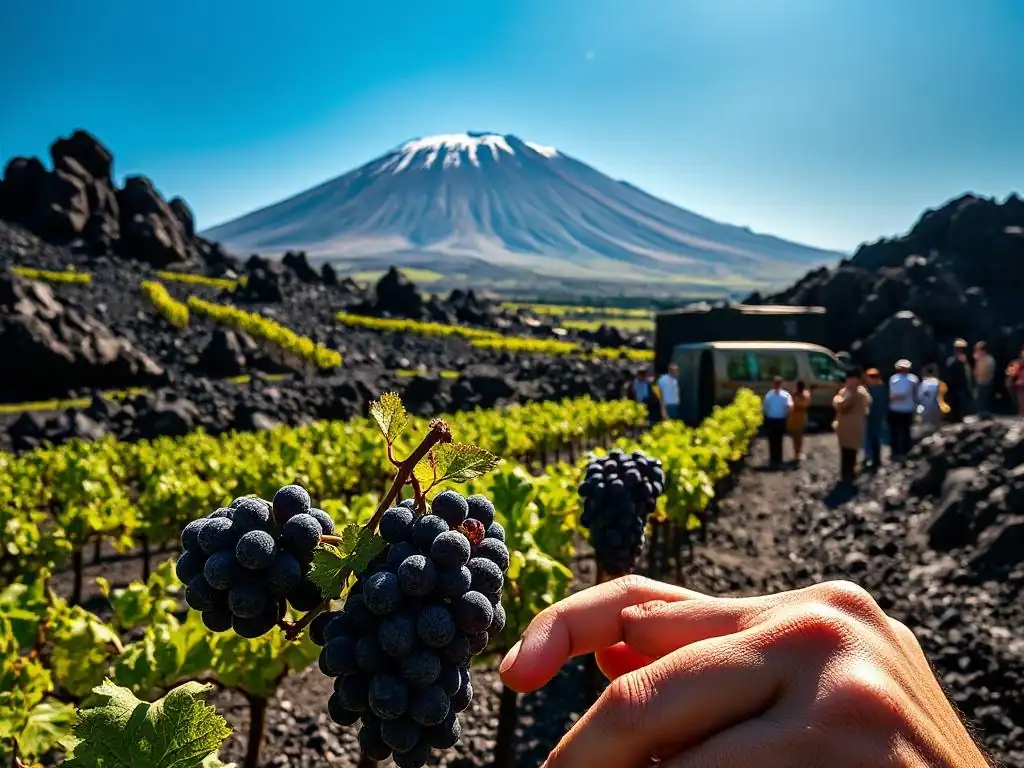
Descending from the heights of Pico do Fogo, you enter the heart of Chã das Caldeiras, the caldera floor where the unique volcanic wine production takes place. This is where the reward for your hike truly begins – the opportunity to experience firsthand the cultivation and production of Fogo's distinctive wines. The vineyards here are a testament to human perseverance, carved out of the volcanic landscape, often surrounded by black lava flows. Visiting a local vineyard provides an intimate glimpse into the challenges and triumphs of winemaking in such an extreme environment.
The winemaking process in Chã das Caldeiras is often traditional, passed down through generations. Many vineyards are family-run, with winemakers deeply connected to the land and its volcanic character. The grapes are typically harvested by hand, and the winemaking techniques often emphasize minimal intervention, allowing the terroir to express itself fully in the wines.
The volcanic soil, combined with the altitude and microclimate, imparts a unique minerality and complexity to the wines that cannot be replicated elsewhere. Experiencing the volcanic wine production is not just about tasting wine; it’s about understanding the deep connection between the land, the people, and the unique flavors born from the volcano.
Visiting a Local Vineyard: Meeting the Winemakers of Pico do Fogo
Visiting a local vineyard in Chã das Caldeiras offers a deeply personal and enriching experience, allowing you to connect directly with the families who dedicate their lives to volcanic winemaking. Many vineyards are small, family-owned operations, where winemaking is a tradition passed down through generations.
These winemakers are incredibly passionate about their craft and eager to share their stories and knowledge. Arranging a vineyard visit, often through your guide or local guesthouses, provides an opportunity to walk through the volcanic vineyards, learn about the grape varietals grown, and understand the unique challenges and advantages of cultivating vines in volcanic ash.
Meeting the winemakers themselves is a highlight of the experience. They can explain the traditional techniques they use, the impact of the volcanic terroir on the grapes, and the history of winemaking in Chã das Caldeiras. Many are fluent in Portuguese and Cape Verdean Creole, but some may have limited English, so having a guide who can translate can be beneficial for deeper conversations.
Vineyard visits often include a tour of the small-scale winery facilities, where you can see the winemaking process firsthand, from grape crushing to fermentation and aging. This direct interaction with the winemakers provides invaluable insights into the dedication and artistry behind Pico do Fogo's volcanic wines.
Tasting the Unique Flavors of Fogo Wine: Chã, Manecon, and Sodade
Tasting the volcanic wines of Pico do Fogo is the culmination of the volcanic wine tour experience. The wines produced in Chã das Caldeiras are truly unique, reflecting the volcanic terroir in their distinctive flavor profiles. Three primary types of wine are commonly produced: Chã, Manecon, and Sodade.
Chã is typically a dry red wine, often made from Portuguese grape varietals like Touriga Nacional. It is characterized by its robust structure, dark fruit flavors, and a distinctive smoky or mineral note derived from the volcanic soil. Manecon is a rosé wine, lighter and fruitier than Chã, but still retaining the characteristic volcanic minerality.
Sodade, meaning "nostalgia" or "longing" in Portuguese and Cape Verdean Creole, is a sweet dessert wine, often made from Moscatel grapes. It is rich, aromatic, and intensely flavored, offering notes of honey, dried fruits, and spices, balanced by a refreshing acidity. Wine tastings at local vineyards or guesthouses in Chã das Caldeiras provide an opportunity to sample these different styles and appreciate the nuances of each.
Pay attention to the aromas and flavors, noting the minerality, fruitiness, and any smoky or earthy notes. The unique character of Fogo wines is best appreciated when tasted within the volcanic landscape where they are produced, connecting the sensory experience directly to the terroir.
Purchasing Volcanic Wine: Supporting Local Producers & Taking Home a Souvenir
Purchasing volcanic wine directly from the producers in Chã das Caldeiras is not only a way to take home a unique souvenir but also a vital way to support the local economy and sustainable wine production. The winemakers of Pico do Fogo are small-scale producers, and direct sales are crucial for their livelihoods and the viability of their vineyards. Buying wine directly ensures that your money goes directly to the families who cultivate the grapes and produce the wine, rather than through intermediaries.
Most vineyards and guesthouses in Chã das Caldeiras offer their wines for sale. Prices are generally reasonable, especially considering the unique quality and production challenges of these volcanic wines. Purchasing a bottle or two of Chã, Manecon, or Sodade allows you to continue enjoying the flavors of Pico do Fogo long after your visit.
It also serves as a tangible reminder of your experience and a way to share the story of volcanic winemaking with friends and family back home. When purchasing, inquire about the specific vintage and grape varietals to further appreciate the nuances of the wines you are taking with you. Supporting local producers through direct purchases is a key aspect of responsible tourism in Chã das Caldeiras.
Step 5: Finding Accommodation in Chã das Caldeiras: Staying Amongst the Volcano
For a truly immersive Pico do Fogo volcanic wine tour experience, consider staying overnight in Chã das Caldeiras. Waking up within the caldera, surrounded by volcanic landscapes and vineyards, offers a unique perspective and allows you to experience the tranquility of this remote and remarkable place. Accommodation options in Chã das Caldeiras are primarily guesthouses and lodges, often family-run, providing a warm and authentic Cape Verdean hospitality. These accommodations are typically simple but comfortable, offering basic amenities and often delicious home-cooked meals featuring local cuisine.
Staying overnight allows you to explore Chã das Caldeiras at a more relaxed pace, perhaps taking a leisurely walk through the vineyards, enjoying sunset views over the caldera, and experiencing the quiet beauty of the volcanic landscape after the day hikers have departed. It also provides more time to interact with local residents, learn about their way of life, and further appreciate the unique culture of this volcanic community.
Accommodation within the caldera is limited, so booking in advance is highly recommended, especially during peak tourist season. Staying in Chã das Caldeiras is an integral part of a truly authentic Pico do Fogo volcanic wine tour.
Recommended Guesthouses & Lodges:
Accommodation options in Chã das Caldeiras are primarily locally owned guesthouses and lodges, offering a range of basic to comfortable stays. These establishments often reflect the rustic charm of the volcanic environment and provide a more intimate and authentic experience compared to larger hotels elsewhere on the island. Guesthouses typically offer simple rooms, often with private bathrooms, and may include breakfast and other meals. Lodges might offer slightly more amenities, but still maintain a focus on local hospitality and connection to the environment.
Examples of guesthouses and lodges in Chã das Caldeiras include Casa Alcindo, known for its welcoming atmosphere and traditional Cape Verdean cuisine, and Quintal da Casa, offering comfortable rooms and stunning views of the Pico do Fogo. Researching and booking in advance is recommended, especially during busier travel periods.
Websites specializing in local accommodations or contacting tour operators who work with Chã das Caldeiras guesthouses can be helpful resources for finding and booking your stay within the volcano. Choosing to stay in a local guesthouse or lodge directly supports the community of Chã das Caldeiras and enhances your immersion in the volcanic wine tour experience.
Step 6: Post-Hike Relaxation: Enjoying Local Cuisine
After a rewarding but potentially strenuous hike up Pico do Fogo and a day of exploring vineyards and tasting volcanic wines, indulging in the local cuisine of Chã das Caldeiras is the perfect way to relax and refuel. Food in Chã das Caldeiras is typically simple, hearty, and flavorful, featuring fresh, locally sourced ingredients whenever possible. Many guesthouses and lodges offer meals, providing an opportunity to sample traditional Cape Verdean dishes prepared with local flair.
Expect dishes featuring fresh fish, often grilled or stewed, as well as meat options like chicken or goat. Corn and beans are staples, and you might find dishes like cachupa, a hearty stew considered the national dish of Cape Verde. Fresh vegetables, often grown within the caldera, when water permits, may also be featured.
Of course, volcanic wine pairs perfectly with local cuisine, enhancing the dining experience. Enjoying a leisurely meal after your hike, perhaps with a glass of Chã red wine, while surrounded by the volcanic landscape, provides a fitting end to your Pico do Fogo volcanic wine tour adventure.
Maximizing Your Pico do Fogo Volcanic Wine Tour Experience
Best Times to Visit Pico do Fogo for Optimal Weather & Wine Production
The best time to visit Pico do Fogo for a volcanic wine tour is generally during the dry season, which runs from October to June. Within this period, the months from November to May offer the most pleasant hiking conditions, with lower rainfall and more sunshine. Temperatures are relatively mild throughout the year in Chã das Caldeiras, due to the altitude, but the dry season offers more predictable weather and less chance of rain disrupting your hike or vineyard visits.
For wine enthusiasts specifically interested in the grape harvest, the months of February and March are typically harvest season in Chã das Caldeiras. Visiting during this time might offer the opportunity to witness the grape harvest in action and experience the winemaking process firsthand.
However, it's important to note that harvest times can vary slightly depending on the year and weather conditions, so it's advisable to check with local vineyards or tour operators for the most accurate timing if you are specifically aiming for harvest season. Regardless of the specific month within the dry season, visiting during this period generally provides the best combination of favorable hiking weather and opportunities to experience the volcanic wine production.
Understanding the Cultural Significance of Wine Production in Chã das Caldeiras
Wine production in Chã das Caldeiras is not merely an agricultural activity; it is deeply intertwined with the cultural identity and resilience of the community living within the volcanic caldera. For generations, families have cultivated vines in this challenging environment, adapting to volcanic eruptions, water scarcity, and the unique demands of volcanic viticulture. Winemaking is a source of livelihood, tradition, and pride for the people of Chã das Caldeiras. It represents their ability to thrive in a seemingly inhospitable landscape, transforming volcanic ash into something valuable and distinctive.
The wines of Pico do Fogo are more than just alcoholic beverages; they are a symbol of the community's connection to the land and their enduring spirit. Wine production provides employment opportunities, supports local families, and contributes to the cultural fabric of Chã das Caldeiras. Visiting vineyards, meeting winemakers, and tasting their wines is not just a tourist activity; it is an opportunity to engage with and appreciate the cultural heritage of this unique volcanic community. Understanding the cultural significance of wine production adds a deeper layer of meaning to the Pico do Fogo volcanic wine tour experience.
Extending Your Trip: Exploring Other Islands of Cape Verde
While Pico do Fogo and its volcanic wine tour are undoubtedly highlights of a Cape Verdean adventure, considering extending your trip to explore other islands of this diverse archipelago can significantly enrich your overall experience. Each of the ten islands of Cape Verde offers its own unique character, landscapes, and cultural attractions. Santiago, the largest island, is home to the capital city of Praia and boasts a rich history and vibrant cultural scene. Sal and Boa Vista are known for their stunning beaches and water sports opportunities, ideal for relaxation and recreation after a volcanic hike.
Santo Antão, the westernmost island, offers dramatic mountain landscapes and excellent hiking trails, complementing the volcanic scenery of Fogo. São Vicente is the cultural heart of Cape Verde, famous for its music scene and the lively port city of Mindelo. Exploring other islands allows you to experience the full spectrum of Cape Verdean culture, landscapes, and activities, from bustling cities to tranquil beaches, from volcanic peaks to lush valleys. Inter-island ferries and domestic flights make it relatively easy to hop between islands and create a multi-faceted Cape Verdean itinerary that extends beyond the volcanic wonders of Pico do Fogo.
Responsible Tourism on Pico do Fogo: Respecting the Environment & Local Community
Supporting Sustainable Wine Production in Chã das Caldeiras
Responsible tourism on Pico do Fogo includes actively supporting sustainable wine production in Chã das Caldeiras. The winemakers of this volcanic region are stewards of a unique and fragile ecosystem, and their practices directly impact the environment and the community. Choosing to purchase volcanic wines directly from local producers, as mentioned earlier, is a key way to support their economic sustainability. Inquire about the winemaking practices at the vineyards you visit. Opt for vineyards that prioritize environmentally friendly methods, such as organic or biodynamic viticulture, water conservation techniques, and responsible waste management.
Supporting sustainable wine production also involves respecting the traditional methods and knowledge of local winemakers. Recognize the challenges they face in cultivating vines in a volcanic environment and appreciate their resilience and dedication. By making conscious choices to support sustainable practices, tourists can contribute to the long-term viability of wine production in Chã das Caldeiras and help preserve this unique cultural and agricultural heritage for future generations. Responsible wine tourism benefits both the environment and the local community.
Minimizing Your Environmental Impact on the Volcanic Landscape
When exploring the volcanic landscape of Pico do Fogo, it's crucial to minimize your environmental impact and contribute to the preservation of this unique natural environment. Stick to marked trails during hikes to avoid erosion and damage to fragile vegetation. Pack out all trash and waste; do not leave anything behind in the caldera. Respect the volcanic landscape and avoid disturbing the natural environment. Do not collect volcanic rocks or souvenirs, as this can have a cumulative impact on the ecosystem.
Be mindful of water usage, especially in Chã das Caldeiras, where water resources can be limited. Use water sparingly at guesthouses and lodges. When hiking, avoid using single-use plastic water bottles and opt for reusable water bottles or hydration packs. Support local initiatives aimed at environmental conservation and sustainable tourism in the Pico do Fogo Natural Park. By practicing responsible tourism principles, visitors can help protect the volcanic landscape and ensure its beauty and ecological integrity are preserved for future generations to enjoy.
Booking Your Pico do Fogo Volcanic Wine Tour: Packages & Options
Guided Tours vs. Independent Hiking: Weighing the Pros & Cons
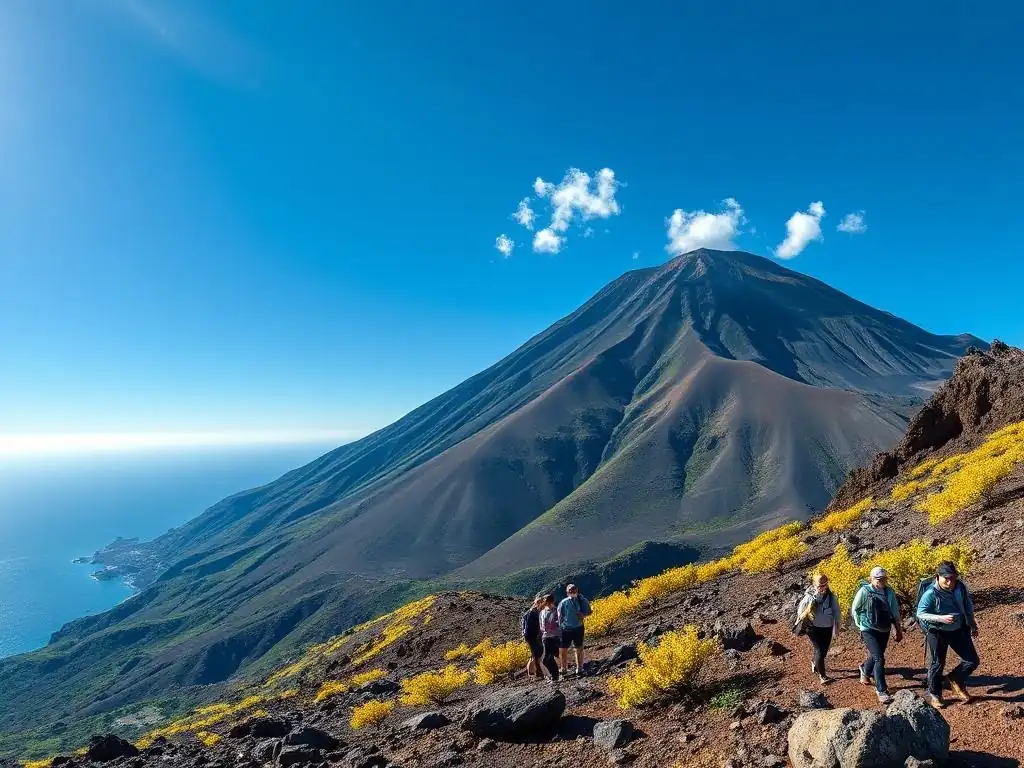
When planning your Pico do Fogo volcanic wine tour, you have the option of choosing a guided tour or hiking independently. Both options have their advantages and disadvantages, and the best choice depends on your personal preferences, fitness level, experience, and budget. Guided tours offer the benefit of expert local knowledge, safety guidance, and logistical support.
Guides are familiar with the trails, weather conditions, and potential hazards of hiking an active volcano. They can also provide valuable insights into the volcanic geology, local culture, and winemaking traditions. Guided tours often include permits, transportation, meals, and wine tastings, simplifying the planning process.
Independent hiking offers more flexibility and freedom to explore at your own pace and on your own schedule. It can be a more budget-friendly option, as you avoid tour fees. However, independent hiking requires more planning and preparation. You are responsible for securing permits, navigating the trails, ensuring your own safety, and arranging transportation and accommodation.
While the main trails are generally marked, getting lost is still possible, and being prepared for potential challenges is crucial. For less experienced hikers or those seeking a more structured and informative experience, a guided tour is generally recommended. For experienced hikers comfortable with self-sufficiency and navigation, independent hiking can be a rewarding and more adventurous option.
Frequently Asked Questions About Pico do Fogo Volcanic Wine Tours
Is the Pico do Fogo Volcanic Wine Tour Suitable for All Fitness Levels?
The Pico do Fogo volcanic wine tour, particularly the hiking component, requires a moderate level of fitness. The hike to the crater is considered moderately challenging, involving steep inclines, loose volcanic ash, and uneven terrain. While not technically demanding, it does require a reasonable level of stamina and physical conditioning. Individuals with pre-existing health conditions, particularly respiratory or cardiovascular issues, should consult their doctor before undertaking the hike.
However, the "volcanic wine tour" aspect can be adapted to various fitness levels. For those who are not able or willing to undertake the full crater hike, it is still possible to experience the volcanic wine production of Chã das Caldeiras. You can visit vineyards, participate in wine tastings, and enjoy the caldera landscape without hiking to the summit.
Transportation to Chã das Caldeiras is possible by 4x4 vehicle, allowing access to the caldera and its vineyards without strenuous hiking. Therefore, while the full Pico do Fogo volcanic wine tour, including the crater hike, is best suited for those with moderate fitness, aspects of the experience, particularly the wine tasting and caldera exploration, can be enjoyed by individuals with varying fitness levels.
What is the Best Time of Year to Visit Pico do Fogo for Wine Tasting?
The best time of year to visit Pico do Fogo for wine tasting aligns with the dry season, generally from October to June. Within this period, the months from November to May offer the most pleasant weather conditions for both hiking and vineyard visits. These months are characterized by lower rainfall and more sunshine, creating ideal conditions for exploring the caldera and enjoying outdoor activities.
For those specifically interested in witnessing the grape harvest, February and March are typically harvest season in Chã das Caldeiras. Visiting during this time might provide the opportunity to see the grape harvesting process firsthand and experience a more vibrant atmosphere in the vineyards. However, the wines are available for tasting throughout the year, regardless of the harvest season. The dry season, overall, provides the most reliable and comfortable weather for enjoying all aspects of the Pico do Fogo volcanic wine tour, including wine tasting.
What are the Risks Associated with Hiking an Active Volcano?
Hiking an active volcano like Pico do Fogo naturally carries some inherent risks. While Pico do Fogo is monitored, and volcanic activity is generally predictable, there is always a potential for unexpected eruptions or increased volcanic activity. It's crucial to heed the advice of local guides and park authorities regarding volcanic activity levels and any potential safety warnings. Hiking in volcanic terrain also presents physical risks, including slips, falls, and injuries from uneven surfaces, loose ash, and sharp lava rocks. Altitude sickness is a potential concern, especially for those ascending to the crater rim quickly.
Weather conditions can change rapidly at altitude, and exposure to intense sun, wind, and potential changes in temperature are risks to consider. Dehydration and heat exhaustion are also concerns, particularly during strenuous hikes in sunny conditions. However, by taking appropriate precautions, such as hiring a reputable guide, packing essential gear, staying hydrated, and being aware of weather conditions and volcanic activity levels, the risks associated with hiking Pico do Fogo can be significantly minimized. It's essential to approach the hike with respect for the volcanic environment and prioritize safety at all times.
Are there vegetarian/vegan options available during the Volcanic Wine Tour?
Vegetarian options are generally available in Chã das Caldeiras, particularly at guesthouses and lodges that offer meals. Cape Verdean cuisine often includes vegetable-based dishes, such as corn and bean stews, vegetable soups, and salads. However, vegan options might be more limited, as traditional Cape Verdean cuisine often incorporates fish or meat. It's advisable to inform your guesthouse or tour operator of your dietary requirements in advance to ensure that suitable vegetarian or vegan meals can be arranged.
When dining at local restaurants or guesthouses, it's helpful to communicate your dietary needs clearly, perhaps with the assistance of your guide if there is a language barrier. While fully vegan options might be less common, vegetarian meals are typically easier to accommodate. With advance notice and clear communication, it's generally possible to enjoy vegetarian or, to a lesser extent, vegan cuisine as part of your Pico do Fogo volcanic wine tour experience.
Conclusion: Embrace the Adventure of a Pico do Fogo Volcanic Wine Tour
A Pico do Fogo volcanic wine tour is more than just a trip; it’s an immersive adventure that tantalizes the senses and nourishes the soul. It’s a journey that combines the thrill of conquering an active volcano with the refined pleasure of savoring unique wines born from its fiery heart.
From the challenging ascent to the crater rim, rewarded by breathtaking panoramic vistas, to the warm hospitality of Chã das Caldeiras and the distinctive flavors of Fogo wines, this experience is truly unforgettable. It’s an opportunity to connect with the raw power of nature, the resilience of human spirit, and the unique terroir that gives rise to exceptional wines.
Embarking on a Pico do Fogo volcanic wine tour is an invitation to step outside the ordinary, to embrace adventure, and to discover a hidden gem in the heart of Cape Verde. It’s a chance to create lasting memories, to learn about volcanic geology and sustainable viticulture, and to support a unique local community. So, pack your hiking boots, prepare your palate, and answer the call of Pico do Fogo – an adventure awaits that will redefine your perception of both volcanoes and wine.
Frequently Asked Questions
What makes Pico do Fogo's volcanic wine unique?
The wine's unique characteristics stem from the volcanic soil in which the grapes are grown. This soil imparts a distinct mineral-rich flavor profile to the wine, unlike anything found elsewhere.
Is it safe to visit Pico do Fogo given its volcanic nature?
While Pico do Fogo is an active volcano, visits are generally safe with proper guidance and adherence to local regulations. The wine tours are led by experienced locals who monitor volcanic activity.
What type of grapes are used to produce the wine on Pico do Fogo?
The vineyards primarily cultivate varieties that thrive in the harsh volcanic environment. These grapes are specifically chosen for their resilience and ability to produce high-quality wine in the unique terroir.
How can I book a "Pico do Fogo volcanic wine tour"?
Many local tour operators on Fogo Island offer guided wine tours. You can find them online or through your accommodation. Be sure to book in advance, especially during peak season.
What should I expect during a "Pico do Fogo volcanic wine tour"?
Expect a guided hike through the vineyards on the volcano's slopes, learning about the wine-making process. The tour typically includes wine tasting, offering a chance to sample the unique volcanic wine.
Final Reflection: A Taste of Resilience
The journey through the volcanic vineyards of Pico do Fogo, as explored in this article, is more than just a travelogue; it's a testament to human resilience and the power of nature to surprise and inspire. The enduring spirit of the people of Chã das Caldeiras, crafting exquisite wine from the very ashes of a volcano, speaks volumes about their connection to the land and their unwavering determination. This story resonates deeply in a world increasingly aware of the challenges posed by climate change and the importance of sustainable practices.
The unique terroir of Pico do Fogo, forged in fire and nurtured by volcanic soil, has not only shaped the distinctive character of its wine but has also profoundly influenced the cultural identity of the community. Witnessing this symbiotic relationship firsthand underscores the profound impact that place can have on shaping both our livelihoods and our sense of belonging. Wine is bottled poetry,
as Robert Louis Stevenson aptly put it, and the volcanic wine of Pico do Fogo tells a powerful story of perseverance, innovation, and the enduring beauty that can emerge from even the most challenging circumstances.
As you reflect on the journey we've taken together, from the rugged slopes of Pico do Fogo to the rich flavors of its volcanic wine, consider how you too can embrace resilience and find beauty in unexpected places. Let the story of Chã das Caldeiras inspire you to seek out experiences that connect you more deeply to the earth and to appreciate the ingenuity and determination of those who dare to cultivate life in the face of adversity.
Perhaps, like the volcanic wine of Pico do Fogo, you too can find a way to thrive, even in the most challenging of landscapes.
Savor Adventure: Embark on Your Own Volcanic Wine Journey!
Thank you for exploring the unique world of Pico do Fogo's volcanic wine with us. We hope you've discovered the allure of this extraordinary region and are inspired by its resilient winemaking tradition. Now, it's your turn to experience the magic firsthand!
Here are a few ways to continue your exploration:
- Plan Your Trip to Pico do Fogo: Begin researching flights and accommodations to experience this breathtaking landscape and taste the volcanic wine at its source. Imagine yourself hiking amidst dramatic volcanic scenery, then savoring the unique flavors of wine born from volcanic soil.
- Discover More Volcanic Wine Regions: Explore other unique winemaking locations around the world, learning about different grape varieties and the distinctive characteristics of volcanic terroirs.
- Share Your Discovery: Share this article with friends and fellow travelers, spreading the word about this fascinating intersection of volcanism and viticulture!
What's the first step you'll take to explore the world of volcanic wine? Share your thoughts in the comments below!