
Mount Ruapehu's Alpine Adventure: Hike New Zealand's Largest Active Volcano

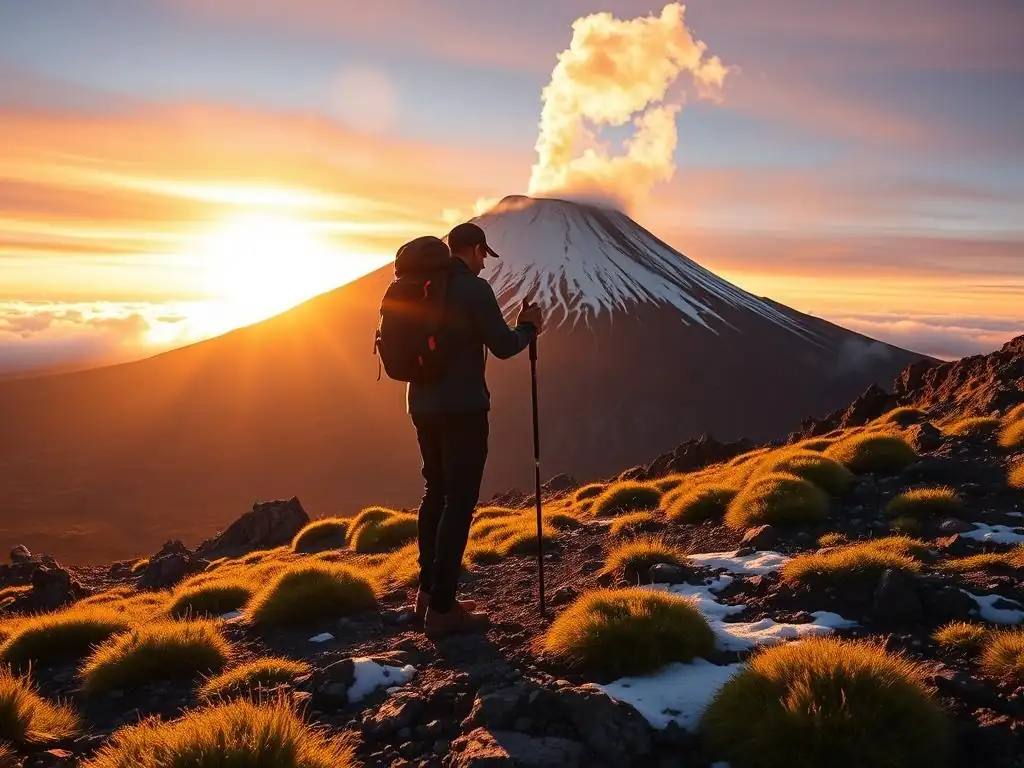
Welcome to Volcano Explorers, where the Earth's fiery secrets are revealed!
Are you ready to conquer a colossal giant? Before you even consider packing your boots, ask yourself: Do you dare to traverse the slopes of New Zealand's largest active volcano? Prepare to be mesmerized, because our latest adventure unveils the best hikes Mount Ruapehu has to offer. But be warned, the mountain holds secrets, and only the truly prepared will uncover them. What wonders await those brave enough to ascend? Begin your journey now and discover the untamed beauty and hidden dangers that lie ahead...
- Discovering the Best Hikes on Mount Ruapehu: A Volcano Explorer's Guide
- Planning Your Mount Ruapehu Hiking Adventure: Essential Considerations
- Top 3 Hikes on Mount Ruapehu: Ranked and Reviewed
- Accommodation Options Near Mount Ruapehu: Where to Stay
- Guided Tours vs. Self-Guided Hikes: Which is Right for You?
- Post-Hike Relaxation and Activities: Beyond the Trails
- Mount Ruapehu: A Volcano Explorer's Dream Destination
-
Frequently Asked Questions
- What makes Mount Ruapehu a unique hiking destination?
- What kind of preparation is needed before hiking Mount Ruapehu?
- Are there guided hikes available on Mount Ruapehu, and are they recommended?
- What are some of the most popular hiking trails on Mount Ruapehu?
- What safety precautions should hikers take when hiking near an active volcano like Mount Ruapehu?
- Final Reflection: Embracing the Volcanic Spirit
- Ignite Your Inner Explorer: Conquer Ruapehu Today!
Discovering the Best Hikes on Mount Ruapehu: A Volcano Explorer's Guide
Why Mount Ruapehu is a Must-Visit for Volcano Hiking Enthusiasts
Mount Ruapehu, standing majestically in Tongariro National Park, North Island, New Zealand, is not just the country's largest active volcano but also a premier destination for hiking enthusiasts globally. Its dramatic landscapes, shaped by centuries of volcanic activity, offer a unique and thrilling hiking experience unlike any other.
The allure of traversing volcanic terrain, witnessing geothermal features firsthand, and reaching panoramic viewpoints that stretch across Tongariro National Park's dual World Heritage Area makes Ruapehu an irresistible draw for adventurers. The mountain’s diverse trail network caters to various skill levels, from gentle strolls to challenging multi-day treks, ensuring that every visitor can find their perfect volcanic adventure.
Beyond the sheer thrill of hiking an active volcano, Mount Ruapehu provides an unparalleled opportunity to immerse oneself in New Zealand's rich natural and cultural heritage. The surrounding Tongariro National Park is steeped in Māori history and mythology, adding a layer of cultural significance to every hike.
Furthermore, the park's unique ecosystem, adapted to the harsh volcanic environment, showcases resilient flora and fauna, offering a glimpse into nature's remarkable ability to thrive in extreme conditions. For those seeking a hike that combines physical challenge with breathtaking scenery and profound natural and cultural insights, Mount Ruapehu stands out as an exceptional choice.
The Allure of Hiking an Active Volcano: Safety and Respect
Hiking an active volcano like Mount Ruapehu presents an unparalleled sense of adventure, but it's crucial to approach this experience with a deep understanding of safety and respect for the natural environment. The very geological forces that sculpted Ruapehu's stunning landscapes are still at play, demanding vigilance and informed decision-making from hikers. Active volcanism means the mountain is dynamic, with potential for changes in conditions, including steam vents, geothermal activity, and even volcanic unrest. Respecting these natural forces involves adhering to safety guidelines, staying informed about current volcanic alerts, and being prepared for potential hazards.
Safety on Ruapehu trails is paramount, and it starts with acknowledging the inherent risks and taking proactive measures to mitigate them. This includes checking weather forecasts meticulously, as alpine conditions can change rapidly. It also involves carrying appropriate gear, such as sturdy hiking boots, waterproof layers, and navigation tools.
Furthermore, hikers should be aware of the Department of Conservation's (DOC) guidelines and any specific warnings or closures in place. Choosing hikes that match your fitness level and experience, and considering guided tours for added expertise and safety, are also vital aspects of responsible volcano hiking. Ultimately, the allure of hiking an active volcano is enhanced by a commitment to safety and a deep respect for the powerful natural forces at play.
A Quick Guide to VolcanoExplorers.org's Focus on Ruapehu Treks
VolcanoExplorers.org is dedicated to providing comprehensive information and resources for those passionate about exploring volcanic landscapes, and Mount Ruapehu holds a special place within our curated destinations. Our platform serves as a central hub for volcano trekking enthusiasts seeking detailed insights into Ruapehu's diverse hiking trails, safety protocols, planning advice, and cultural significance. We aim to empower visitors with the knowledge needed to embark on safe and enriching adventures on this iconic New Zealand volcano.
Within VolcanoExplorers.org, you'll find dedicated sections focusing specifically on Mount Ruapehu. These resources include trail guides with detailed descriptions of difficulty levels, terrain, and estimated hiking times for various routes, including some of the best hikes Mount Ruapehu offers. We also provide up-to-date information on permits, safety briefings, recommended gear lists tailored for Ruapehu's alpine environment, and guidance on choosing between guided and self-guided hiking options.
Furthermore, our content delves into the geological and cultural context of Ruapehu, enriching the hiking experience with deeper understanding and appreciation. VolcanoExplorers.org is your trusted companion for planning an unforgettable and informed volcanic adventure on Mount Ruapehu.
Planning Your Mount Ruapehu Hiking Adventure: Essential Considerations
Understanding Mount Ruapehu's Weather Patterns and Seasonal Hiking
Mount Ruapehu's alpine environment is characterized by highly variable weather patterns, a crucial factor to consider when planning any hike. Located in the central North Island, the mountain is exposed to weather systems from both the Tasman Sea and the Pacific Ocean, resulting in rapid shifts in conditions. Rain, snow, strong winds, and dense fog can develop unexpectedly, even on days that start sunny.
Hikers must be prepared for all types of weather, regardless of the season, and check forecasts meticulously before setting out. Reliable weather forecasts are available from the New Zealand Metservice and should be consulted daily leading up to and on the day of your hike.
Seasonal changes significantly impact hiking conditions on Mount Ruapehu. Summer (December to February) generally offers the most stable weather, with warmer temperatures and longer daylight hours, making it the peak hiking season. However, even in summer, alpine weather can be unpredictable. Autumn (March to May) can be beautiful with crisp, clear days, but temperatures start to drop, and snow becomes more likely at higher elevations.
Winter (June to August) transforms Ruapehu into a snowy wonderland, attracting skiers and snowboarders, but hiking becomes more challenging and often requires specialized equipment and experience. Spring (September to November) sees snow melt at lower altitudes, but higher elevations can still be snow-covered, presenting a mix of conditions. Understanding these seasonal nuances is key to choosing the best time for your Ruapehu hiking adventure.
Best Time to Visit: Hiking Seasons for Optimal Conditions (Summer vs. Winter)
For those prioritizing optimal hiking conditions on Mount Ruapehu, the summer months, from December to February, generally offer the most favorable window. During this period, temperatures are milder, averaging between 10°C to 20°C at lower elevations, and daylight hours are extended, providing ample time for longer treks. Snow is typically limited to the upper reaches of the mountain, making most trails accessible to hikers with standard hiking gear.
Summer also coincides with New Zealand's holiday season, meaning facilities and services are fully operational. Popular trails like the Tongariro Alpine Crossing are most frequently hiked during these months, offering a vibrant atmosphere and increased chances of clear views.
Winter (June to August) on Mount Ruapehu presents a dramatically different experience, transforming the landscape into a snow-covered alpine playground. While winter hiking is possible, it is significantly more challenging and requires specialized skills and equipment, including crampons, ice axes, and avalanche safety knowledge. Guided winter hikes are highly recommended for those without extensive alpine experience. However, for experienced mountaineers and snow enthusiasts, winter offers a unique and breathtaking perspective of Ruapehu.
The stark beauty of the snow-laden volcanic terrain, combined with the crisp, clear air, creates an unforgettable, albeit demanding, hiking adventure. Ultimately, the best time to visit depends on your hiking experience, desired conditions, and tolerance for challenging weather. Summer is ideal for general hiking and accessibility, while winter caters to experienced alpine adventurers seeking a snow-covered challenge.
Essential Gear for Hiking Ruapehu
Hiking Mount Ruapehu demands careful gear selection due to the alpine environment and variable weather conditions. Layering is key to staying comfortable and safe. Start with a moisture-wicking base layer (merino wool or synthetic) to keep sweat away from your skin. Add an insulating mid-layer (fleece or down jacket) for warmth, and finish with a waterproof and windproof outer shell jacket and pants to protect against rain, snow, and wind.
Sturdy hiking boots with good ankle support are essential for navigating uneven volcanic terrain. Ensure they are broken in before your hike to prevent blisters. Hiking socks, preferably wool or synthetic, also contribute to foot comfort and moisture management.
Beyond clothing and footwear, several other gear items are crucial for a safe and enjoyable Ruapehu hike. A well-fitting backpack (20-30 liters for day hikes) is necessary to carry essentials like water (at least 2-3 liters), food (high-energy snacks and lunch), a first-aid kit, sunscreen, sunglasses, and a hat for sun and wind protection. Navigation tools are vital, including a map of the area, a compass, and ideally a GPS device or smartphone with offline maps downloaded. Headlamps or flashlights with extra batteries are essential, even for day hikes, in case of delays or unexpected darkness.
Hiking poles can provide extra stability on uneven terrain and reduce strain on knees. For winter hiking, specialized gear like crampons and ice axes are mandatory, along with avalanche safety equipment and training. Always check gear recommendations specific to the trail you plan to hike and the season you are visiting.
Permits and Safety: Preparing for Your Volcano Trek
Navigating the permit system and understanding safety protocols are crucial steps in preparing for a Mount Ruapehu volcano trek. Tongariro National Park, where Ruapehu is located, requires permits for certain hikes, particularly the popular Tongariro Alpine Crossing. These permits help manage visitor numbers, protect the fragile environment, and ensure hiker safety. It's essential to check the Department of Conservation (DOC) website or visitor centers for the most up-to-date permit requirements for your chosen hike, as regulations can change. Permits often need to be booked in advance, especially during peak season.
Safety on Mount Ruapehu is paramount due to its active volcanic nature and alpine environment. Before embarking on any hike, familiarize yourself with volcano safety guidelines. DOC provides safety briefings and information at visitor centers and online, covering topics like volcanic hazards, weather awareness, emergency procedures, and Leave No Trace principles. Always check the current volcanic alert level from GeoNet (New Zealand's geological hazard monitoring agency) before your hike.
Be aware of potential volcanic hazards such as steam vents, hydrothermal areas, and the possibility of volcanic unrest. Carry a personal locator beacon (PLB) or satellite communication device for emergencies, especially on longer or more remote hikes. Inform someone of your hiking plans and expected return time. By understanding permit requirements and prioritizing safety, you can ensure a responsible and secure volcano trekking experience on Mount Ruapehu.
DOC (Department of Conservation) Permits: What You Need to Know
The Department of Conservation (DOC) manages Tongariro National Park and implements permit systems to protect the park's natural values and ensure visitor safety, particularly on high-demand trails like the Tongariro Alpine Crossing. Permits are typically required during the peak season (typically late October to late April) for the Tongariro Alpine Crossing to manage visitor numbers and mitigate environmental impact. The permit system often involves booking a shuttle service to access the trailheads, as parking is limited and controlled. Permit fees contribute to the maintenance of trails and facilities within the park.
To obtain DOC permits for Mount Ruapehu hikes, it's essential to plan ahead and book in advance, especially if hiking during the peak season. Permits can usually be booked online through the DOC website or through authorized shuttle operators. The DOC website provides detailed information on permit requirements, fees, and booking procedures for specific trails.
It's crucial to understand the specific permit regulations for your chosen hike, as requirements may vary depending on the trail and season. Failure to obtain necessary permits can result in fines or being denied access to the trail. Always check the DOC website or visitor centers for the most current and accurate permit information before planning your Ruapehu hiking adventure.
Volcano Safety Briefings and Guided Tours: Minimizing Risks
Minimizing risks while hiking on an active volcano like Mount Ruapehu requires proactive safety measures, and volcano safety briefings and guided tours are valuable resources. DOC visitor centers in Tongariro National Park offer comprehensive safety briefings covering essential information about volcanic hazards, weather conditions, emergency procedures, and responsible hiking practices. Attending a safety briefing before your hike is highly recommended, especially for those unfamiliar with volcanic environments or alpine hiking. These briefings provide crucial insights into potential risks and how to mitigate them.
Guided tours offer an additional layer of safety and expertise for hiking Mount Ruapehu. Experienced guides are knowledgeable about the local terrain, weather patterns, volcanic activity, and safety protocols. They can provide valuable insights into the geology, ecology, and cultural history of the area, enriching the hiking experience. Guided tours often include safety equipment, such as communication devices and first-aid kits, and guides are trained to handle emergencies.
For those less experienced in alpine hiking, or those seeking enhanced safety and local knowledge, guided tours are an excellent option. Choosing reputable tour operators who prioritize safety and environmental responsibility is crucial. Whether opting for a safety briefing or a guided tour, prioritizing safety is paramount for a rewarding and secure volcano hiking adventure on Mount Ruapehu.
Top 3 Hikes on Mount Ruapehu: Ranked and Reviewed
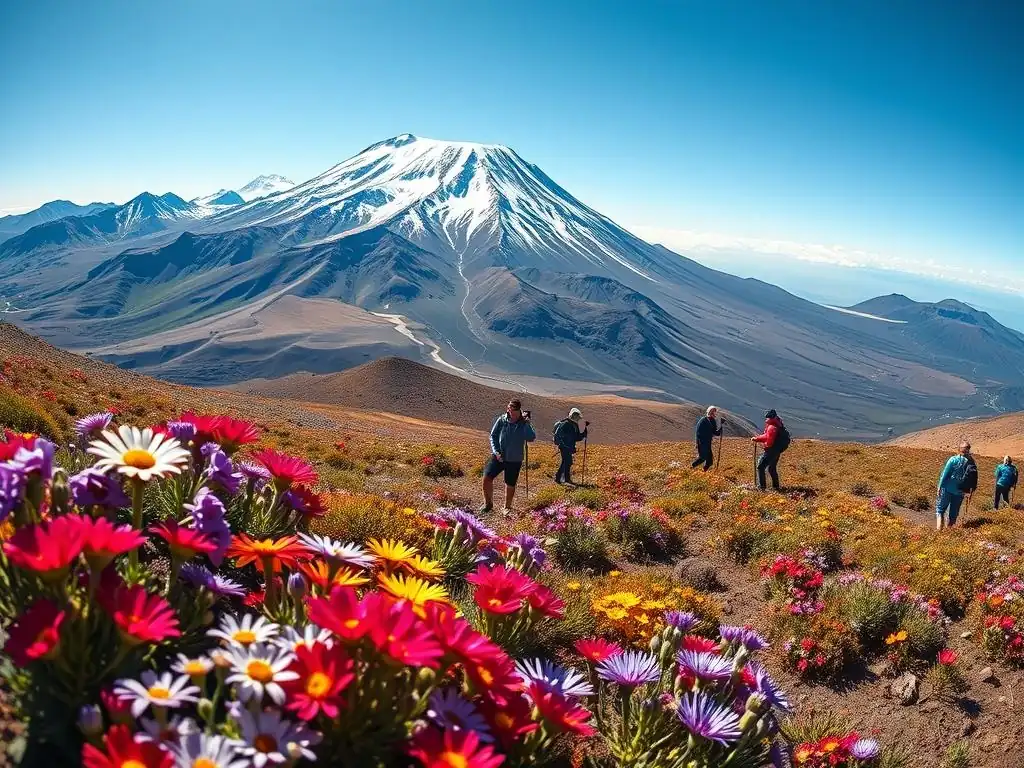
1. The Tongariro Alpine Crossing Extension: Ruapehu's Majestic Views
Extending the iconic Tongariro Alpine Crossing to incorporate views of Mount Ruapehu elevates this already world-renowned hike to an even more spectacular volcanic adventure. While the standard crossing traverses between Mount Ngauruhoe and Mount Tongariro, a slight detour or extension can lead to vantage points offering breathtaking panoramic views of Mount Ruapehu in all its grandeur.
This extension might involve adding side trails or viewpoints that veer slightly towards Ruapehu, enhancing the volcanic landscape experience and providing unique photographic opportunities. The effort to incorporate these Ruapehu views is richly rewarded with vistas that showcase the scale and majesty of New Zealand's largest active volcano alongside the already stunning scenery of the Tongariro Alpine Crossing.
This enhanced experience allows hikers to appreciate the interconnectedness of the Tongariro volcanic complex, with Ruapehu as the dominant southern peak. From elevated viewpoints along the Tongariro Alpine Crossing, particularly on clearer days, Ruapehu stands as a formidable presence on the horizon, its snow-capped summit often piercing the sky.
The contrast between the diverse volcanic features of the Crossing – craters, lava flows, emerald lakes – and the imposing silhouette of Ruapehu creates a visually stunning and geographically compelling landscape. For those seeking the best hikes Mount Ruapehu adjacent to the Tongariro Alpine Crossing, incorporating these viewpoints is highly recommended, transforming a classic hike into an even more comprehensive volcanic exploration.
Hiking the Tongariro Northern Circuit with a Ruapehu Detour: Enhanced Experience
For the ultimate immersive volcanic trekking experience, consider combining the Tongariro Northern Circuit, one of New Zealand's Great Walks, with a dedicated detour towards Mount Ruapehu. The Northern Circuit is a multi-day trek that circumnavigates Mount Ngauruhoe and Mount Tongariro, offering diverse volcanic landscapes and stunning vistas.
By incorporating a side trip or an adjusted route that ventures closer to Mount Ruapehu, hikers can significantly enhance their exposure to the region's volcanic wonders. This could involve adding a day hike to a Ruapehu viewpoint from one of the circuit's huts or extending the circuit slightly to encompass trails that offer closer Ruapehu perspectives.
Such a combined trek provides a comprehensive exploration of the Tongariro National Park's volcanic heartland. The Tongariro Northern Circuit already showcases remarkable volcanic features, including the Emerald Lakes, Blue Lake, and active craters. Adding a Ruapehu detour introduces a new dimension, allowing hikers to appreciate the scale and presence of the region's largest volcano in relation to the other peaks.
This enhanced experience requires careful planning and potentially extra days on the trail, but the rewards are substantial. The combination of the Northern Circuit's diverse scenery with closer views of Ruapehu creates an unforgettable multi-day volcanic adventure, solidifying its place among the best hikes near Mount Ruapehu.
Gear Spotlight: Backpack Recommendation
For tackling the Tongariro Alpine Crossing extension or the Tongariro Northern Circuit with a Ruapehu detour, a reliable and comfortable backpack is paramount. The Osprey Talon 22 (for day hikes and extensions) or Osprey Aether/Ariel series (for multi-day circuits) are highly recommended for their combination of lightweight design, durability, and excellent carrying comfort.
The Osprey Talon 22, with its 22-liter capacity, is ideal for day hikes, offering ample space for essentials like water, food, extra layers, and first-aid kit without being bulky. Its AirScape back panel provides ventilation, and the BioStretch harness ensures a comfortable and secure fit, even on challenging terrain.
For multi-day treks like the Tongariro Northern Circuit, the Osprey Aether (men's) and Ariel (women's) series, with capacities ranging from 55 to 70 liters, are excellent choices. These backpacks are designed for carrying heavier loads comfortably over longer distances. They feature customizable Fit-on-the-Fly hip belts and shoulder harnesses for a personalized fit, and Anti-Gravity suspension systems that distribute weight effectively, reducing strain.
Durable fabrics and reinforced construction ensure these backpacks can withstand the rigors of multi-day trekking in volcanic environments. Whether opting for a day hike or a multi-day adventure, investing in a high-quality backpack like Osprey ensures comfort, durability, and efficient gear carrying for your Ruapehu volcanic exploration.
What to Expect: Terrain, Difficulty, and Rewards
Hiking the Tongariro Alpine Crossing extension or the Tongariro Northern Circuit with a Ruapehu detour presents a diverse range of terrain and difficulty levels, demanding good physical fitness and preparation. The terrain varies from well-maintained trails to volcanic scree, loose rocks, and potentially snow or ice depending on the season and altitude. Steep ascents and descents are common, particularly on the Alpine Crossing and approaches to higher viewpoints. Hikers should be prepared for uneven surfaces and sections requiring scrambling over rocks. Weather conditions can change rapidly, adding to the challenge.
Despite the demanding terrain and potential weather variability, the rewards of these hikes are immense. The panoramic views of Mount Ruapehu and the surrounding volcanic landscape are breathtaking, offering unparalleled photographic opportunities. Witnessing active volcanic features, such as steam vents and geothermal areas, is a unique and awe-inspiring experience.
The sense of accomplishment after completing a challenging hike through such dramatic scenery is deeply satisfying. These hikes offer a profound connection with nature and a chance to experience the raw power and beauty of a volcanic landscape firsthand. While demanding, the terrain and difficulty are integral to the rewarding and unforgettable nature of these best hikes Mount Ruapehu offers.
2. Taranaki Falls Track: A Shorter Hike with Stunning Waterfalls and Volcano Views
The Taranaki Falls Track provides an excellent option for those seeking a shorter, less strenuous hike on Mount Ruapehu, without sacrificing stunning scenery. This loop track, approximately 6 kilometers in length, meanders through beech forest and tussock grasslands, leading to the picturesque Taranaki Falls. While not directly ascending Ruapehu, the track offers several vantage points with impressive views of the volcano, particularly on clear days. The combination of a beautiful waterfall and volcanic vistas makes this hike a rewarding experience for all skill levels.
The Taranaki Falls themselves are a highlight, cascading 20 meters over a basalt lava cliff into a plunge pool below. The track descends into a gorge to reach the base of the falls, offering a close-up perspective of their power and beauty. From various points along the track, particularly in open areas, hikers can enjoy panoramic views of Mount Ruapehu towering in the distance.
The contrast between the lush forest, the cascading waterfall, and the stark volcanic backdrop creates a visually captivating landscape. The Taranaki Falls Track is a perfect choice for families, casual hikers, and those wanting to experience the beauty of Ruapehu in a shorter timeframe, making it one of the best hikes near Mount Ruapehu for accessibility and scenic variety.
Exploring the Taranaki Falls Track: A Family-Friendly Ruapehu Option
The Taranaki Falls Track stands out as a particularly family-friendly hiking option on Mount Ruapehu due to its moderate length, relatively gentle terrain, and diverse scenery. The 6-kilometer loop is achievable for most families with children, and the well-maintained track is generally easy to navigate. The varied landscape, encompassing forest, grassland, and the waterfall itself, keeps the hike engaging for younger hikers. The promise of reaching a beautiful waterfall serves as a motivating goal, and the opportunity to explore the gorge at the base of the falls adds an element of adventure.
Safety is also a key factor in the track's family-friendliness. While there are some uneven sections and a descent into the gorge, the track is generally well-graded and lacks the extreme exposure found on more challenging Ruapehu hikes. Parents should still supervise children closely, especially near the waterfall and any cliff edges.
The Taranaki Falls Track provides a fantastic introduction to hiking in a volcanic environment for families, offering stunning scenery and a sense of accomplishment without requiring advanced hiking skills or extensive time commitment. Its accessibility and visual appeal make it a top recommendation for families seeking the best hikes Mount Ruapehu has for all ages.
Photography Tip: Capturing the Perfect Shot of Taranaki Falls
Capturing the perfect shot of Taranaki Falls involves considering lighting, composition, and camera settings to best showcase the waterfall's beauty and the surrounding volcanic landscape. Optimal lighting for photographing waterfalls is often soft, diffused light, which is typically found on overcast days or during the early morning or late afternoon hours. Direct sunlight can create harsh shadows and blown-out highlights, making it challenging to capture detail in both the waterfall and the surrounding scenery. Overcast conditions provide even lighting, enhancing colors and details in both the water and the rock formations.
Compositionally, consider incorporating elements of the surrounding landscape to provide context and scale to the waterfall. Include trees, rocks, or the gorge walls in your frame to lead the viewer's eye towards the falls and create a sense of depth. Experiment with different perspectives – shooting from the main viewing platform, from the base of the falls in the gorge, or from slightly further back to include more of the surrounding environment.
Use a tripod to ensure sharp images, especially in lower light conditions. A slower shutter speed (e.g., 1/4 second to several seconds) can create a silky smooth effect on the water, emphasizing its motion.
Experiment with aperture settings; a smaller aperture (higher f-number, like f/8 or f/11) will increase depth of field, ensuring both the foreground and background are sharp. Don't forget to capture the wider landscape views with Mount Ruapehu in the background from various points along the track, using a wider lens to capture the expansive scenery.
Accessibility and Trail Conditions: What to Know Before You Go
The Taranaki Falls Track is renowned for its accessibility and generally well-maintained trail conditions, making it suitable for a wide range of hikers. The trailhead is easily accessible from a car park located off State Highway 48, near Whakapapa Village, the main visitor hub on Mount Ruapehu's western slopes. The track is well-signposted and clearly defined, minimizing the risk of getting lost.
The terrain is mostly gentle, with some undulating sections and a descent and ascent into and out of the gorge to reach the base of the falls. While there are some uneven surfaces and steps, the track is generally not overly challenging.
Trail conditions on the Taranaki Falls Track are typically good year-round, but it's always advisable to check current conditions before setting out, especially after periods of heavy rain or snow. During winter, snow and ice may be present on the track, particularly at higher elevations and in shaded areas. In these conditions, caution is required, and appropriate footwear with good grip is recommended.
The track is popular, so expect to encounter other hikers, especially during peak season and weekends. Overall, the Taranaki Falls Track offers excellent accessibility and generally good trail conditions, making it a convenient and enjoyable hiking option for those seeking a moderate Ruapehu experience.
3. Silica Rapids Track: Unique Geothermal Features and Volcanic Landscapes
The Silica Rapids Track offers a unique hiking experience on Mount Ruapehu, showcasing distinctive geothermal features and vibrant volcanic landscapes. This relatively short and easy track, approximately 7 kilometers return, leads to the Silica Rapids, a section of the Whakapapanui Stream characterized by milky-white water and silica-rich deposits. The track meanders through beech forest and open tussock lands, providing views of the surrounding volcanic terrain and glimpses of Mount Ruapehu. The geothermal activity and unusual mineral deposits create a visually striking and geologically fascinating hike.
The Silica Rapids are the main attraction, formed by geothermal water dissolving silica from volcanic rocks and depositing it as it flows through the stream. This process creates terraces and formations of white silica, contrasting sharply with the surrounding dark volcanic rock and the clear water of the stream. The milky-white color of the water is also due to the suspended silica particles.
The area around the rapids often has a subtle sulfurous smell, indicative of ongoing geothermal activity. The Silica Rapids Track provides a close-up look at these unique geothermal processes and the resulting landscapes, offering a different perspective on Ruapehu's volcanic nature compared to higher-altitude hikes, making it one of the best hikes Mount Ruapehu offers for geological interest.
Hiking the Silica Rapids Track: A Geological Wonderland on Ruapehu
Hiking the Silica Rapids Track is akin to stepping into a geological wonderland, offering a captivating glimpse into the geothermal processes shaping Mount Ruapehu's landscape. The track itself is relatively easy, making it accessible to a wide range of hikers, including families and those seeking a less strenuous option. As you walk along the track, you'll notice the changing vegetation, adapting to the volcanic soils and geothermal influences. The air may carry a faint scent of sulfur, a subtle reminder of the volcanic activity beneath your feet.
Reaching the Silica Rapids is the highlight of the hike. The milky-white water cascading over silica terraces and formations is a visually stunning spectacle, unlike typical mountain streams. The contrast between the white silica, the dark volcanic rocks, and the surrounding greenery is striking and photogenic.
The area feels otherworldly, showcasing the unique geological forces at play. Interpretive signs along the track often explain the geothermal processes and the formation of the Silica Rapids, enhancing the educational aspect of the hike. The Silica Rapids Track offers a fascinating and accessible way to experience the geological wonders of Mount Ruapehu, making it a must-do for those interested in volcanic landscapes and geothermal features.
Footwear Recommendation: Hiking Shoes for Optimal Grip
For the Silica Rapids Track, while sturdy hiking boots are always suitable, lightweight hiking shoes with good grip are often sufficient and can provide more agility on this relatively easy trail. Hiking shoes offer a balance of support, flexibility, and traction, making them comfortable for shorter hikes on well-maintained tracks. Look for hiking shoes with aggressive outsoles featuring deep lugs for good grip on varied terrain, including potentially damp or loose surfaces. Waterproof or water-resistant membranes can be beneficial, especially if hiking after rain or if stream crossings are anticipated, although the Silica Rapids Track is generally well-drained.
Brands like Salomon, Merrell, and Keen offer a wide range of excellent hiking shoes suitable for trails like the Silica Rapids Track. Salomon X Ultra 4 GTX (Gore-Tex waterproof) or Salomon Speedcross 5 are known for their excellent grip and comfortable fit, ideal for varied terrain. Merrell Moab 2 Vent or Moab 2 GTX offer good durability and support at a reasonable price point.
Keen Targhee III WP provides a wider fit and robust construction. When choosing hiking shoes, ensure they fit well, provide adequate ankle support for the terrain, and have good traction for optimal grip on potentially slippery or uneven surfaces encountered on the Silica Rapids Track. Breaking in new hiking shoes before embarking on any hike is crucial to prevent blisters and ensure comfort.
Wildlife Spotting: Keep an Eye Out for Native Birds
While hiking the Silica Rapids Track, keep an eye out for the diverse native birdlife that inhabits the Tongariro National Park. The beech forest and tussock grasslands along the track provide habitat for various bird species, offering opportunities for wildlife spotting. Listen for bird calls and songs, and scan the trees and open areas for movement. Common native birds you might encounter include the fantail (piwakawaka), a small, acrobatic bird known for its fanned tail and friendly demeanor; the tomtit (miromiro), a small, inquisitive forest bird; and the grey warbler (riroriro), a small, active songbird.
In more open areas, you might spot New Zealand pigeons (kereru), large, distinctive pigeons with iridescent green and purple plumage; and bellbirds (korimako), known for their melodious bell-like calls. Keen observers might also spot the rarer North Island robin (toutouwai) in forested sections. Bring binoculars to enhance your birdwatching experience and a field guide to help identify different species.
Remember to observe wildlife from a respectful distance and avoid disturbing their natural habitat. Wildlife spotting adds another layer of enjoyment to the Silica Rapids Track hike, allowing you to connect with the natural environment and appreciate the biodiversity of Mount Ruapehu.
Accommodation Options Near Mount Ruapehu: Where to Stay
Hotels and Lodges in National Park Village: Comfort and Convenience
National Park Village, located a short drive from Mount Ruapehu's western slopes, serves as the primary accommodation hub for visitors exploring the volcano and Tongariro National Park. The village offers a range of hotels and lodges catering to various budgets and preferences, providing comfort and convenience for hikers and skiers alike. Staying in National Park Village puts you in close proximity to trailheads, ski fields, and visitor services, making it an ideal base for your Ruapehu adventure.
Accommodation options in National Park Village range from budget-friendly backpacker hostels to comfortable mid-range hotels and cozy alpine lodges. Many establishments offer amenities tailored to outdoor enthusiasts, such as drying rooms for gear, information on hiking trails and ski conditions, and on-site restaurants and bars. The village also has a small supermarket and convenience store for basic supplies.
Staying in National Park Village provides easy access to transportation options for reaching trailheads and ski areas, including shuttle services and local buses. For those seeking comfortable lodging with convenient access to Mount Ruapehu's attractions, National Park Village is an excellent choice.
The Skotel Alpine Resort: A Classic Choice for Volcano Hikers
The Skotel Alpine Resort, situated in National Park Village, stands as a classic and well-established accommodation option for volcano hikers and skiers visiting Mount Ruapehu. Boasting a prime location within the village and offering stunning views of Mount Ruapehu from many rooms, Skotel provides a comfortable and convenient base for exploring the region. The resort has a long history of welcoming adventurers and is known for its warm hospitality and focus on outdoor pursuits.
Skotel Alpine Resort offers a variety of room types to suit different needs and budgets, from standard rooms to family suites and self-contained apartments. Amenities include an on-site restaurant and bar, serving hearty meals perfect for refueling after a day of hiking or skiing. The resort also features a guest lounge with a fireplace, ideal for relaxing and socializing, and a games room for entertainment.
Skotel's staff are knowledgeable about the local area and can provide information on hiking trails, ski conditions, and other activities. Its location, comfortable accommodations, and focus on outdoor adventure make the Skotel Alpine Resort a popular and reliable choice for those exploring Mount Ruapehu.
Camping Options: Immerse Yourself in Nature
For those seeking a more immersive nature experience, camping near Mount Ruapehu offers a fantastic option to connect with the volcanic landscape and enjoy the stunning night skies of Tongariro National Park. Several designated campgrounds are located within or near the park, providing facilities for tent and sometimes campervan camping. Camping allows you to wake up surrounded by nature, breathe in the fresh alpine air, and enjoy the tranquility of the volcanic environment.
Camping options range from basic DOC campsites with minimal facilities to more developed campgrounds with amenities like toilets, water taps, and sometimes cooking shelters. Campsites often require bookings, especially during peak season, and fees typically apply. Camping near Ruapehu provides easy access to hiking trails and other park attractions, allowing for early starts and extended time exploring. Campers should be prepared for variable weather conditions, including cold nights, and ensure they have appropriate camping gear for an alpine environment. For nature lovers and budget-conscious travelers, camping near Mount Ruapehu offers a rewarding and authentic outdoor experience.
Recommended Campground: Camping Under the Stars Near Ruapehu
For a memorable camping experience near Mount Ruapehu, the Mangahuia Campground, managed by DOC, is a highly recommended option. Located a short drive from National Park Village and within Tongariro National Park, Mangahuia Campground offers a tranquil and scenic setting surrounded by native forest and with views of Mount Ruapehu on clear days. The campground is known for its peaceful atmosphere and excellent stargazing opportunities, thanks to minimal light pollution.
Mangahuia Campground provides basic facilities, including toilets, water taps (non-potable, boiling recommended), and picnic tables. Campsites are unpowered and suitable for tents and campervans. Bookings are required year-round and can be made online through the DOC website. The campground's location provides easy access to various hiking trails in the western Tongariro National Park, including trails leading to Taranaki Falls and Silica Rapids. Camping at Mangahuia Campground allows you to immerse yourself in the natural beauty of the park, enjoy the peace and quiet of the forest, and experience the magic of camping under the stars near Mount Ruapehu.
Camp Gear Essentials: Tent Recommendation
For camping near Mount Ruapehu, a reliable and weather-resistant tent is a crucial piece of gear. The MSR Hubba Hubba NX 2-person tent is an excellent recommendation for its balance of lightweight design, durability, and weather protection, suitable for solo campers or couples. The Hubba Hubba NX is known for its spacious interior for its weight, easy setup, and robust construction. It features a lightweight and strong pole system, durable fabrics, and a waterproof rainfly and floor, providing protection from rain, wind, and condensation.
The MSR Hubba Hubba NX 2 is designed for 3-season use, making it suitable for spring, summer, and autumn camping near Ruapehu. Its freestanding design allows for pitching on various surfaces, and its compact packed size makes it easy to carry in a backpack. Ventilation features, including mesh panels and roof vents, help minimize condensation and improve airflow.
For camping in the variable weather conditions of Tongariro National Park, a reliable and weather-resistant tent like the MSR Hubba Hubba NX 2 is essential for staying comfortable and protected throughout your camping adventure. Always check weather forecasts and pack accordingly for potential changes in conditions.
Guided Tours vs. Self-Guided Hikes: Which is Right for You?
Benefits of Guided Tours: Expertise and Safety
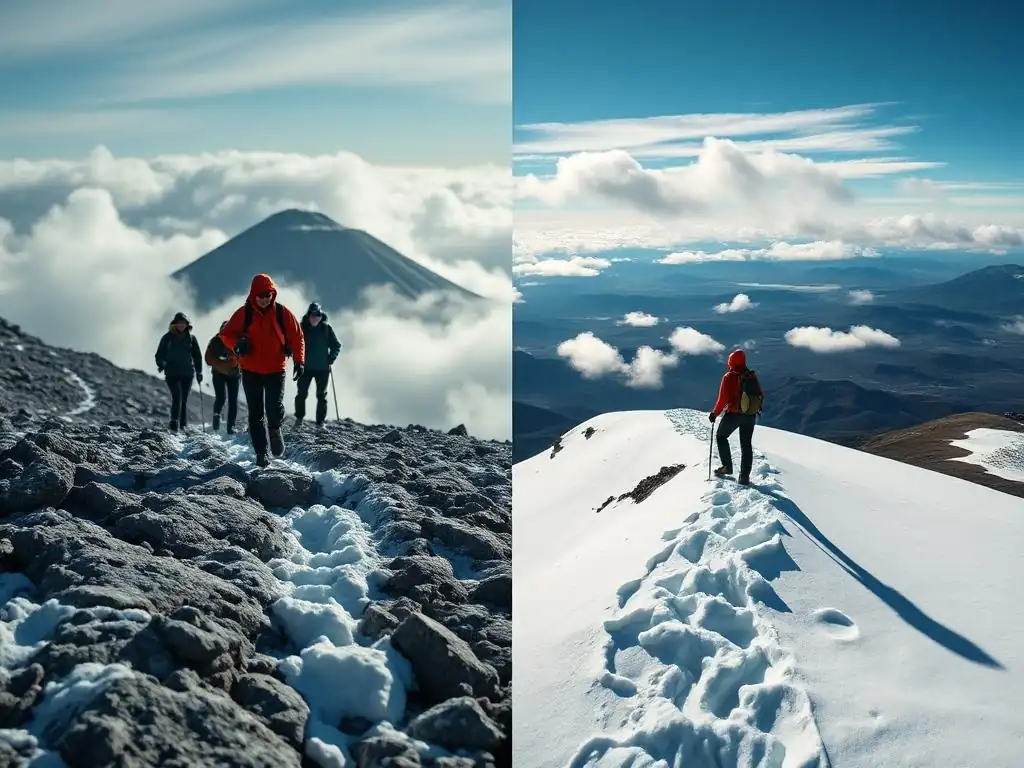
Choosing between guided tours and self-guided hikes on Mount Ruapehu depends on your experience level, comfort level, and desired level of support. Guided tours offer numerous benefits, particularly for those new to alpine hiking, unfamiliar with volcanic environments, or seeking enhanced safety and local expertise. Experienced guides bring in-depth knowledge of the terrain, weather patterns, volcanic hazards, and safety protocols, significantly minimizing risks and maximizing the hiking experience.
Guided tours provide valuable insights into the geology, ecology, and cultural history of Mount Ruapehu and Tongariro National Park, enriching the hike beyond just the physical exertion. Guides are trained to handle emergencies, carry communication and first-aid equipment, and are adept at navigating in challenging conditions. For those concerned about navigation, weather changes, or potential volcanic activity, guided tours offer peace of mind and a higher level of safety.
Guided tours can also cater to different fitness levels and interests, offering customized itineraries and pace. While typically more expensive than self-guided hikes, guided tours provide expertise, safety, and enhanced learning opportunities, making them a worthwhile investment for many volcano explorers.
Tour Operator Recommendation: Offering Expert-Led Ruapehu Hikes
For expert-led guided hikes on Mount Ruapehu, Adrift Tongariro stands out as a highly reputable and experienced tour operator. Adrift Tongariro specializes in guided hiking and trekking experiences in Tongariro National Park, including the Tongariro Alpine Crossing and other Ruapehu trails. They are known for their experienced and knowledgeable guides, commitment to safety, and passion for sharing the beauty and wonders of the volcanic landscape. Adrift Tongariro offers a range of guided tour options to suit different fitness levels and interests, from day hikes to multi-day treks.
Adrift Tongariro's guides are highly trained in mountain safety, first aid, and interpretation of the natural and cultural environment. They provide comprehensive safety briefings, carry emergency communication equipment, and are skilled at navigating in alpine conditions. Adrift Tongariro is committed to sustainable tourism practices and responsible hiking, ensuring minimal impact on the fragile volcanic environment. Their website provides detailed information on tour options, itineraries, pricing, and booking procedures. For those seeking a safe, informative, and expertly guided hiking experience on Mount Ruapehu, Adrift Tongariro is a top recommendation.
Planning a self-guided hike on Mount Ruapehu offers greater flexibility and independence, but requires thorough preparation and responsible decision-making. Essential resources for planning a self-guided hike include the Department of Conservation (DOC) website, which provides trail information, maps, permit requirements, safety guidelines, and weather forecasts for Tongariro National Park. GeoNet (New Zealand's geological hazard monitoring agency) is the authoritative source for volcanic alert levels and information on volcanic activity. Consult both resources regularly in the days and weeks leading up to your hike and on the day of your trek.
Navigation is crucial for self-guided hikes. Obtain detailed topographic maps of the area, either in paper format or digital versions for GPS devices or smartphones. Learn basic map reading and compass skills, and practice using them before your hike. Download offline maps onto your smartphone or GPS device, as cell service can be unreliable in mountainous areas.
Apps like AllTrails and Maps.me offer downloadable maps and trail information. Plan your route carefully, considering distance, elevation gain, terrain, and your fitness level. Share your hiking plans with someone and inform them of your expected return time. By utilizing available resources, developing navigation skills, and planning diligently, you can enjoy a safe and rewarding self-guided hiking adventure on Mount Ruapehu.
Using AllTrails for Route Planning and Offline Maps
AllTrails is a valuable digital resource for planning self-guided hikes on Mount Ruapehu, offering a comprehensive platform for route planning, trail information, and offline map access. The AllTrails website and mobile app provide detailed trail maps, user reviews, photos, elevation profiles, and difficulty ratings for numerous hikes in Tongariro National Park and around Mount Ruapehu. You can search for trails based on location, difficulty, length, and user ratings, allowing you to find hikes that match your preferences and fitness level.
AllTrails allows you to download trail maps for offline use, a crucial feature for hiking in areas with limited or no cell service. Downloaded maps are accessible even without an internet connection, ensuring you can navigate effectively on the trail. User reviews and photos provide valuable insights into trail conditions, scenery, and potential challenges, helping you prepare for your hike.
AllTrails also offers route planning tools, allowing you to customize existing trails or create your own routes. The app tracks your location in real-time on the downloaded map, aiding navigation during your hike. For planning and navigating self-guided hikes on Mount Ruapehu, AllTrails is a highly recommended and user-friendly resource.
Post-Hike Relaxation and Activities: Beyond the Trails
Hot Pools and Thermal Spas: Soothe Your Muscles
After a rewarding but potentially strenuous hike on Mount Ruapehu, indulging in hot pools and thermal spas is the perfect way to soothe tired muscles and relax. The volcanic region around Ruapehu is rich in geothermal activity, resulting in naturally heated mineral waters that are renowned for their therapeutic benefits. Soaking in hot pools helps to relieve muscle soreness, reduce inflammation, and promote relaxation, making it an ideal post-hike recovery activity.
Several hot pool and thermal spa facilities are located within or near Tongariro National Park and National Park Village, offering various options for relaxation and rejuvenation. These facilities range from rustic natural hot springs to more developed spa complexes with pools, saunas, and massage services. Some hot pools offer stunning views of the surrounding volcanic landscape, enhancing the relaxation experience. Whether you prefer a natural, secluded soak or a more luxurious spa setting, hot pools and thermal spas provide a welcome respite after exploring the trails of Mount Ruapehu, aiding muscle recovery and promoting overall well-being.
Local Hot Pool Recommendation: Relax and Rejuvenate After Your Hike
For a local hot pool experience near Mount Ruapehu, the Tokaanu Thermal Pools, located near Turangi, a short drive from National Park Village, are a highly recommended option. Tokaanu Thermal Pools offer a range of geothermal pools, including public pools and private pools, catering to different preferences. The pools are fed by natural hot springs and contain mineral-rich water known for its therapeutic properties. The facility provides a relaxed and family-friendly atmosphere, making it a great place to unwind after a hike.
Tokaanu Thermal Pools feature both indoor and outdoor pools, allowing you to enjoy the geothermal waters regardless of the weather. Private pools offer added privacy and seclusion. The facility also includes changing rooms, showers, and picnic areas. The water temperature in the pools varies, allowing you to choose a temperature that suits your comfort. Soaking in the naturally heated mineral waters of Tokaanu Thermal Pools is a perfect way to soothe tired muscles, relax, and rejuvenate after a day of hiking on Mount Ruapehu, providing a refreshing and therapeutic post-hike experience.
Exploring National Park Village: Local Cuisine and Culture
Beyond outdoor adventures, exploring National Park Village itself offers opportunities to experience local cuisine and culture after your hike. While small, the village provides a selection of restaurants, cafes, and pubs where you can enjoy a delicious meal, sample local beverages, and soak in the alpine village atmosphere. Supporting local businesses contributes to the community and enhances your overall Ruapehu experience.
National Park Village's dining options range from casual cafes serving coffee and light meals to restaurants offering hearty fare and pub-style menus. Many establishments feature dishes made with local ingredients and showcase New Zealand cuisine. Pubs in the village provide a relaxed setting to enjoy a local craft beer or wine and socialize with other visitors and locals.
Exploring the village's shops and galleries can also offer insights into local arts and crafts. Taking time to explore National Park Village and sample its local cuisine and culture adds another dimension to your Mount Ruapehu adventure, complementing the outdoor experiences with local flavors and hospitality.
Restaurant Recommendation: Enjoy a Delicious Meal After a Long Day
For a satisfying and delicious meal after a long day of hiking on Mount Ruapehu, Schnapps Bar & Restaurant in National Park Village is a highly recommended choice. Schnapps Bar & Restaurant is a popular local establishment known for its hearty meals, welcoming atmosphere, and extensive menu featuring a variety of dishes to suit different tastes. The restaurant offers a warm and cozy ambiance, perfect for relaxing and refueling after outdoor activities.
Schnapps Bar & Restaurant's menu includes pub classics, steaks, burgers, pasta dishes, and vegetarian options, ensuring there's something for everyone. They are known for their generous portion sizes and use of fresh, local ingredients whenever possible. The bar offers a wide selection of beers, wines, and spirits, including local craft beers and New Zealand wines.
Schnapps Bar & Restaurant is a popular spot for both locals and visitors, creating a lively and social atmosphere. Enjoying a delicious and satisfying meal at Schnapps Bar & Restaurant is a perfect way to end a day of exploring Mount Ruapehu, providing a well-deserved culinary reward for your hiking efforts.
Mount Ruapehu: A Volcano Explorer's Dream Destination
Protecting the Volcano: Responsible Hiking Practices
Mount Ruapehu, a volcano explorer's dream destination, relies on the collective responsibility of all visitors to protect its fragile environment and ensure its preservation for future generations. Responsible hiking practices are crucial for minimizing impact on the volcanic landscape, preserving its natural beauty, and respecting its cultural significance. Adhering to Leave No Trace principles is fundamental, including packing out all trash, staying on marked trails, minimizing campfire impacts (campfires are generally discouraged or prohibited in alpine areas), respecting wildlife, and being considerate of other visitors.
Protecting Mount Ruapehu also involves respecting its active volcanic nature and adhering to safety guidelines. Stay informed about volcanic alert levels and heed any warnings or closures issued by DOC or GeoNet. Avoid approaching steam vents or hydrothermal areas, and be aware of potential volcanic hazards.
Respect the cultural significance of the area to Māori people, recognizing the spiritual and historical importance of the mountains and surrounding landscape. Support sustainable tourism practices by choosing eco-friendly accommodations and tour operators. By embracing responsible hiking practices and respecting the environment and culture, visitors contribute to the long-term protection of Mount Ruapehu, ensuring its continued enjoyment for all.
As you embark on your unforgettable hiking adventure on Mount Ruapehu, we encourage you to capture your experiences and share them with the VolcanoExplorers.org community! Tag us in your photos on social media platforms like Instagram and Facebook using the hashtag #VolcanoExplorersRuapehu. Sharing your photos and stories helps inspire others to explore the wonders of volcanic landscapes and discover the best hikes Mount Ruapehu offers.
By tagging VolcanoExplorers.org, you become part of a global community of volcano enthusiasts, sharing your passion and experiences with like-minded individuals. Your photos can showcase the breathtaking scenery, the challenges and rewards of hiking volcanic terrain, and the unique geological features of Mount Ruapehu. We love to feature user-generated content on our website and social media channels, highlighting the diverse perspectives and adventures of volcano explorers worldwide. So, grab your camera, hit the trails, and share your Mount Ruapehu hiking adventure with VolcanoExplorers.org – we can't wait to see your incredible photos!
Frequently Asked Questions
What makes Mount Ruapehu a unique hiking destination?
Mount Ruapehu is unique because it's New Zealand's largest active volcano, offering hikers the chance to experience a truly alpine environment with stunning volcanic landscapes. The trails provide challenging climbs and rewarding views.
What kind of preparation is needed before hiking Mount Ruapehu?
Proper preparation is crucial and includes checking the weather forecast and volcanic alert levels. Hikers should also be physically fit, have appropriate gear for alpine conditions, and inform someone of their hiking plans. Always prioritize safety and awareness.
Are there guided hikes available on Mount Ruapehu, and are they recommended?
Yes, guided hikes are available and highly recommended, particularly for inexperienced hikers or those unfamiliar with the area. Guides provide expert knowledge of the terrain and potential hazards.
What are some of the most popular hiking trails on Mount Ruapehu?
Popular trails include the Tongariro Alpine Crossing (though it only skirts Ruapehu), the Taranaki Falls Walk, and various tracks around the Whakapapa ski area. These offer a range of difficulties and scenic views, but remember to check accessibility.
What safety precautions should hikers take when hiking near an active volcano like Mount Ruapehu?
Hikers should be aware of volcanic hazards, such as lahars (mudflows) and ashfall. They should monitor volcanic alert levels, follow any evacuation orders, and be prepared to turn back if conditions change.
Final Reflection: Embracing the Volcanic Spirit
The journey up Mount Ruapehu, as we've explored, is more than just a hike; it's an immersion into the raw, untamed heart of New Zealand's volcanic landscape. This enduring appeal of Ruapehu, even amidst its inherent challenges, speaks volumes about our human desire to connect with nature's most powerful forces. The mountain continues to beckon adventurers, offering a unique blend of physical exertion and spiritual awakening that few other experiences can match.
The enduring allure of Ruapehu lies not only in its breathtaking vistas but also in the profound sense of accomplishment and connection it fosters. This connection, this feeling of being a small part of something immense and ancient, is what truly resonates with hikers. The mountains are calling and I must go,
John Muir famously wrote, and this sentiment perfectly encapsulates the magnetic pull of Ruapehu, a call that echoes through the generations, drawing us closer to the earth and ourselves.
As you consider your next adventure, remember the lessons learned from Ruapehu's slopes. Embrace the challenge, respect the power of nature, and allow yourself to be transformed by the experience. Let the volcanic spirit ignite your own inner fire, inspiring you to push your boundaries and discover the extraordinary within yourself and the world around you.
Ignite Your Inner Explorer: Conquer Ruapehu Today!
Thank you for delving into the majestic world of Mount Ruapehu! We hope you've gained a deeper appreciation for this volcanic giant and the incredible adventures it offers. Now, it's time to transform your knowledge into action.
- Embark on your own Ruapehu adventure by planning your hike to the summit (remember to check weather conditions and safety guidelines on the DOC website! ).
- Share this article with fellow adventure enthusiasts and inspire them to explore New Zealand's volcanic landscape.
- Brainstorm a list of essential hiking gear for diverse weather conditions you might encounter on Mount Ruapehu.
What's the first thing you'll pack for your Ruapehu adventure? Share your top hiking essential in the comments below!