
Deception Island's Antarctic Caldera: (Unique Experience) Kayak and Hike in a Flooded Volcanic Crater in Antarctica

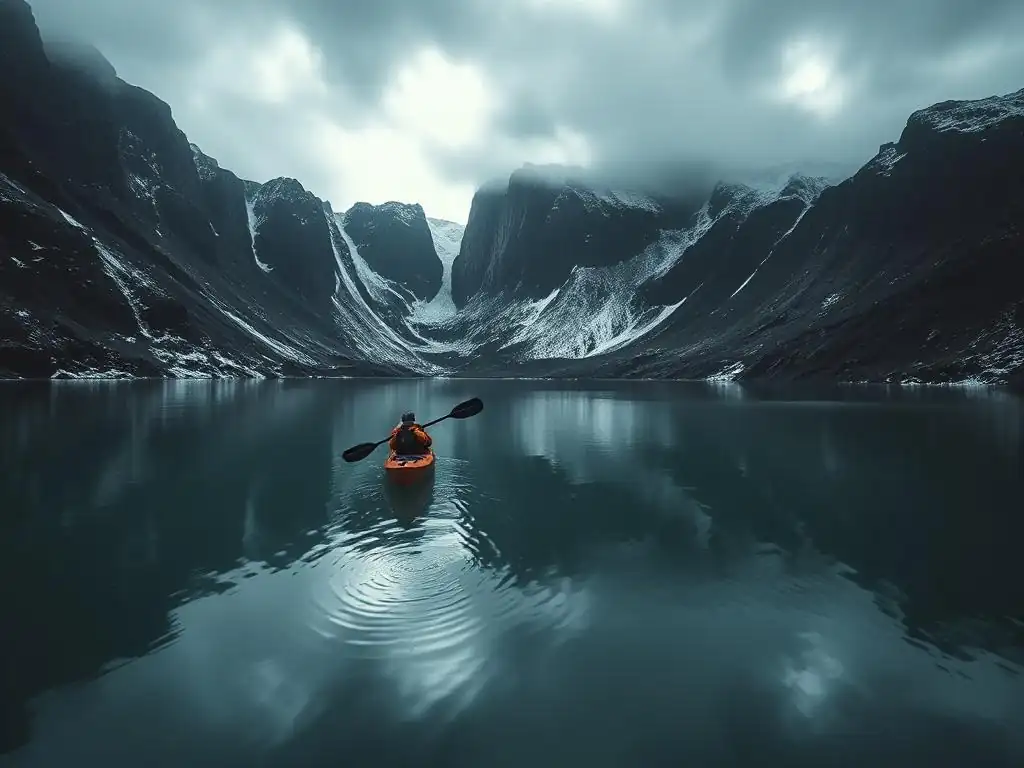
Welcome to Volcano Explorers, where the Earth's fiery heart beats strongest! Ever wondered what it feels like to paddle through the flooded caldera of an active volcano? Prepare to be amazed as we unveil the unique and unforgettable experience of kayaking Deception Island Volcano in Antarctica. But that's just the beginning... What secrets does this frozen inferno hold, and what dangers lurk beneath the icy surface? Dive in and discover the adventure that awaits!
- Deception Island's Antarctic Caldera: Kayak and Hike in a Flooded Volcanic Crater
- Exploring Deception Island: A Unique Antarctic Volcano Experience
- Why Deception Island Stands Out: A Volcanic Caldera Like No Other
- Planning Your Deception Island Kayak Adventure
- Hiking the Volcanic Shores of Deception Island: A Guide to Trails and Points of Interest
- Monetization Opportunities: Gear, Tours, and Travel Insurance
- Deception Island Photography: Capturing the Volcanic Beauty
- Extend Your Antarctic Volcano Exploration
- Conclusion: The Unforgettable Experience of Kayaking and Hiking Deception Island Volcano
-
Frequently Asked Questions
- What makes Deception Island such a unique volcanic location?
- Can you really kayak inside a volcano at Deception Island?
- Is it safe to visit Deception Island given its volcanic activity?
- What kind of volcanic features can you see at Deception Island?
- What is the cultural significance of volcanoes in the Antarctic region like Deception Island?
- Final Reflection: Embracing the Volcanic Heart of Antarctica
- Ignite Your Inner Explorer: Discover Deception Island Firsthand!
Deception Island's Antarctic Caldera: Kayak and Hike in a Flooded Volcanic Crater
Exploring Deception Island: A Unique Antarctic Volcano Experience
Deception Island, a ring-shaped landmass in the South Shetland Islands of Antarctica, offers an unparalleled adventure for volcano enthusiasts and nature lovers alike. Unlike typical volcanic landscapes, Deception Island presents a flooded caldera, a vast volcanic crater that has collapsed and been invaded by the sea. This unique geography allows for an extraordinary experience: kayaking within the caldera itself and hiking along its volcanic rim, all within the breathtaking scenery of the Antarctic Peninsula.
Imagine paddling through the calm, sheltered waters of a volcanic crater, surrounded by dramatic cliffs and the stark beauty of the southernmost continent. This is the reality of exploring Deception Island, a place where volcanic activity and icy landscapes converge to create a truly unforgettable destination.
The island’s volcanic nature is evident at every turn, from the black sand beaches that line the caldera’s shores to the steam rising from geothermal vents. The history of Deception Island is intertwined with both scientific exploration and human industry. Historically, it served as a safe harbor for sealers and whalers in the 19th and early 20th centuries, and later became a base for scientific research.
Today, it's a popular stop on Antarctic cruises, drawing visitors eager to witness its geological wonders and unique wildlife. The opportunity to kayak and hike within an active volcano in such a remote and pristine environment is what sets Deception Island apart as a truly exceptional Antarctic experience.
Discover the Thrill of Kayaking Deception Island Volcano
Kayaking Deception Island Volcano is an adventure unlike any other. Paddling within the flooded caldera, often referred to as Port Foster, offers a perspective of the volcanic landscape that is simply unattainable on land. Imagine launching your kayak from a black sand beach, a stark reminder of the island's volcanic origins, and gliding across the tranquil waters.
As you kayak, towering cliffs of volcanic rock rise on either side, displaying layers of ash and lava flows that tell the story of the island’s fiery past. The silence, broken only by the gentle lapping of water against your kayak and the calls of seabirds, is profound, creating a sense of isolation and immersion in nature's grandeur.
The geothermal activity of Deception Island adds another layer of intrigue to the kayaking experience. In certain areas, particularly along the shoreline, you might encounter thermal springs bubbling up into the sea. These warm patches, a result of the volcano's persistent heat beneath the surface, create surreal contrasts in temperature. Paddling through these areas, you might even feel the water temperature noticeably increase.
Wildlife encounters are also common while kayaking. Seals often bask on the shores and playful penguins may swim alongside your kayak, adding to the magic of this unique volcanic environment. For those seeking an adventurous and intimate way to experience Deception Island, kayaking is an absolute must.
Hiking Deception Island: Unveiling the Volcanic Landscape
Hiking Deception Island provides a different, yet equally compelling, way to experience its volcanic majesty. While kayaking offers an exploration from sea level, hiking allows you to ascend to higher vantage points, revealing panoramic views of the caldera and the wider Antarctic landscape. The island boasts several hiking trails, ranging in difficulty and length, each offering unique perspectives on the volcanic terrain and historical remnants. As you hike, you'll traverse diverse volcanic landscapes, from ash-covered slopes to rocky ridges, each step revealing the island’s geological story.
The trails wind past remnants of the island's whaling and scientific past, offering glimpses into human history against the backdrop of raw volcanic power. You might encounter abandoned buildings from former research stations, or the skeletal remains of whaling infrastructure, stark reminders of past human endeavors in this remote location. From higher elevations, the sheer scale of the caldera becomes truly apparent.
You can look down into Port Foster, the flooded crater, and trace the ring-shaped outline of Deception Island, understanding its formation as a collapsed volcano. Hiking Deception Island is not just a physical activity; it's a journey through geological time and human history, all within the dramatic setting of an active Antarctic volcano.
Why Deception Island Stands Out: A Volcanic Caldera Like No Other
Deception Island's uniqueness stems from its very nature as a flooded and active volcanic caldera. Globally, calderas are dramatic volcanic features, but Deception Island's is exceptional because it's one of the few in the world that is both active and readily accessible by sea. This accessibility transforms the experience of exploring a caldera from a land-based observation to an immersive adventure within the volcanic crater itself. Most calderas are remote, high-altitude formations or terrestrial depressions, making Deception Island’s sea-level, water-filled caldera truly distinctive.
The persistent volcanic activity beneath Deception Island further enhances its unique character. While not erupting violently in recent times, the island is far from dormant. Geothermal activity is evident in the warm springs, steaming fumaroles, and the subtly heated ground in certain areas. This ongoing volcanic energy contributes to the island's dynamic ecosystem and creates unusual geological features, such as black sand beaches formed from volcanic ash and unique mineral deposits. The combination of a flooded caldera, ongoing volcanic activity, and Antarctic location makes Deception Island a truly singular geological and experiential destination.
The Geology of Deception Island: Understanding the Caldera Formation
Deception Island's distinctive ring shape and flooded caldera are the result of a complex geological history spanning millennia. The island is essentially the emergent rim of a large, active shield volcano. Its formation began with volcanic eruptions beneath the sea, gradually building up layers of volcanic rock over time. Approximately 3900 years ago, a massive explosive eruption occurred, emptying the volcano's magma chamber. This sudden removal of subsurface support led to the catastrophic collapse of the volcanic cone, creating the vast caldera depression we see today. This caldera is estimated to be roughly 8-10 km (5-6 miles) in diameter.
Following the caldera formation, the sea breached the collapsed crater wall, flooding the interior and creating Port Foster, the natural harbor at the heart of Deception Island. Neptune's Bellows, a narrow entrance to Port Foster on the southeastern side of the island, is a testament to this breach. The island's volcanic activity hasn't ceased with the caldera formation.
Numerous smaller eruptions have occurred within the caldera since then, the most recent being in 1967, 1969, and 1970. These eruptions have reshaped parts of the island and continue to influence its geological features. Deception Island remains an active volcano, monitored by scientists for any signs of renewed large-scale eruptive activity, making it a living laboratory for volcanology.
The Unique Ecosystem of Deception Island: Life Thriving in a Volcanic Environment
Despite its volcanic nature and Antarctic location, Deception Island supports a surprisingly diverse, albeit specialized, ecosystem. The geothermal activity plays a crucial role in shaping the island's environment and supporting life. The warm ground and thermal springs create localized microclimates that are slightly warmer than the surrounding frigid Antarctic conditions. These warmer areas, although still cold by temperate standards, can support vegetation like mosses and lichens in certain sheltered spots, a relative rarity in the harsh Antarctic environment.
The marine environment around Deception Island is particularly rich in life. Nutrient-rich waters, upwelling currents, and the sheltered caldera environment attract a variety of seabirds and marine mammals. Chinstrap penguins are abundant, with large colonies nesting on the island's slopes. Other bird species, such as skuas, petrels, and sheathbills, are also common.
Seals, including Weddell seals and Antarctic fur seals, frequently haul out on the beaches of Deception Island. Even whales are known to visit Port Foster. The volcanic environment, far from being barren, provides a unique habitat where life has adapted to thrive in close proximity to geothermal activity and the dramatic beauty of an active volcano.
Planning Your Deception Island Kayak Adventure
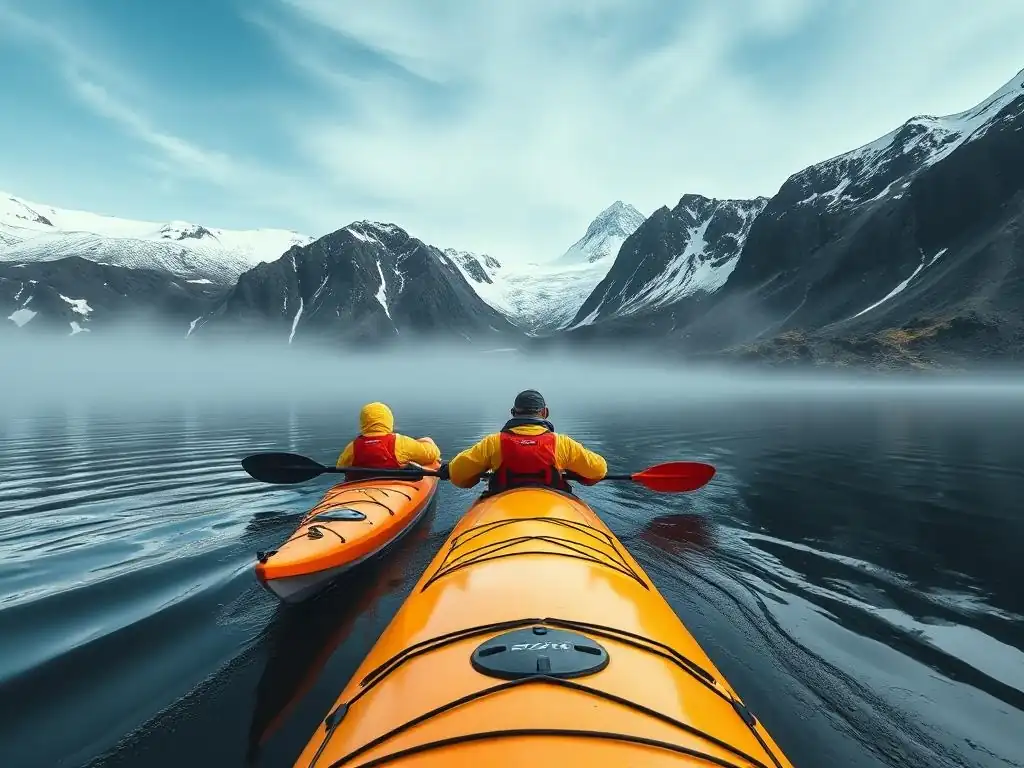
Embarking on a kayaking adventure in Deception Island requires careful planning and preparation. Given the remote location and challenging Antarctic conditions, it's crucial to choose reputable tour operators and equip yourself with the right gear. The Antarctic environment demands respect, and a well-planned kayaking trip ensures both safety and an enriching experience.
Choosing the Right Kayaking Tour Operator
Selecting a reliable tour operator is paramount for a safe and enjoyable kayaking experience in Deception Island. Antarctic travel, especially activities like kayaking, requires specialized expertise and logistics. Look for operators with extensive experience in Antarctic expeditions and specifically in kayaking within the region. Inquire about their safety protocols, emergency procedures, and the qualifications of their guides. Reputable operators will prioritize safety, environmental responsibility, and provide knowledgeable guides who can enhance your understanding of the volcanic landscape and ecosystem.
Consider the size of the tour group. Smaller groups often offer a more personalized experience and can be more nimble in navigating the challenging Antarctic environment. Check reviews and testimonials from previous travelers to gauge the operator's reputation and the quality of their kayaking programs. Ensure that the operator is a member of organizations like the International Association of Antarctica Tour Operators (IAATO), which promotes responsible and environmentally conscious tourism in Antarctica. Choosing the right operator is an investment in your safety and the overall quality of your Deception Island kayaking adventure.
Kayaking Equipment Essentials for Deception Island: From Dry Suits to Paddles
Kayaking in Deception Island necessitates specialized equipment designed for cold water and potentially challenging conditions. The most crucial piece of gear is a high-quality dry suit. A dry suit is waterproof and airtight, keeping you completely dry and insulated from the frigid Antarctic waters. This is essential for preventing hypothermia, a serious risk in such cold environments. Layering warm thermal clothing underneath the dry suit is also critical for maintaining body temperature.
Recommended Dry Suits for Antarctic Kayaking
For Antarctic kayaking, consider dry suits made from durable, waterproof, and breathable materials like trilaminate or neoprene. Brands like Mustang Survival, Kokatat, and NRS are known for producing high-quality dry suits suitable for extreme conditions. Look for features such as reinforced knees and seat, wrist and neck seals made of latex or neoprene for water tightness, and a waterproof zipper.
A relief zipper is also a highly recommended feature for extended kayaking sessions. Investing in a well-fitting and reliable dry suit is non-negotiable for kayaking in Deception Island. Approximate prices for good quality drysuits for kayaking range from $800 to $1500 USD.
Choosing the Right Paddle for Deception Island's Waters
Selecting the right paddle is also important for efficient and comfortable kayaking in Deception Island. Consider paddles made from lightweight and durable materials like carbon fiber or fiberglass. These materials offer a good balance of strength and reduced weight, minimizing fatigue during longer paddles. The paddle length should be appropriate for your height and kayak type; typically, lengths range from 210cm to 240cm for sea kayaking.
A paddle with feathered blades (blades offset at an angle) is often preferred for sea kayaking as it reduces wind resistance and improves paddling efficiency, especially in windy conditions which can be encountered in Antarctica. Brands like Werner Paddles and Aqua-Bound offer paddles well-suited for sea kayaking and cold water environments. Paddle prices can range from $200 to $500+ USD depending on materials and features.
Physical Fitness Requirements for Kayaking the Deception Island Caldera
Kayaking in Deception Island, while immensely rewarding, does require a reasonable level of physical fitness. Participants should be comfortable in the water and have some prior kayaking experience, although not necessarily extensive sea kayaking experience. The kayaking sessions are typically not excessively long, often lasting a few hours, but paddling in cold water and potentially windy conditions can be physically demanding. Good upper body strength and endurance are beneficial for paddling effectively and efficiently.
Before embarking on a kayaking trip to Deception Island, it's advisable to engage in some physical preparation. Regular exercise, including cardiovascular workouts and upper body strength training, will help you prepare for the physical demands of kayaking. Practice kayaking beforehand if possible, to familiarize yourself with paddling techniques and build stamina. While kayaking in Deception Island is generally considered accessible to individuals with moderate fitness levels, being physically prepared will enhance your enjoyment and safety during this unique volcanic adventure.
Hiking the Volcanic Shores of Deception Island: A Guide to Trails and Points of Interest
Hiking on Deception Island offers a chance to explore the volcanic terrain and historical sites on foot. Several trails crisscross the island, providing varying levels of difficulty and showcasing different aspects of its unique landscape. From short walks to more strenuous hikes, there are options for different fitness levels and interests.
Popular Hiking Trails on Deception Island: A Detailed Overview
Deception Island offers a selection of trails, each with its own unique appeal. Two particularly popular hikes are the Neptune's Bellows hike and the Whalers Bay hike, both offering distinct perspectives on the island's volcanic and human history.
Neptune's Bellows Hike: Witnessing the Power of the Antarctic Sea
The Neptune's Bellows hike is a relatively short but rewarding walk that takes you to the dramatic entrance of Port Foster. Neptune's Bellows is a narrow channel, only about 500 meters (1640 feet) wide, that serves as the gateway to the caldera. The hike usually starts near Pendulum Cove and leads to a vantage point overlooking Neptune's Bellows.
From here, you can witness the powerful surge of the Antarctic sea as it funnels through the narrow opening, creating a spectacle of waves and swirling currents. On clear days, you can also enjoy views of the outer coastline of Deception Island and the surrounding ocean. The hike is relatively easy, making it accessible to most visitors and offers a fantastic introduction to the island's dramatic coastal features.
Whalers Bay Hike: Exploring the Abandoned Whaling Station and Volcanic Features
The Whalers Bay hike is a longer and more historically rich trail that explores the remnants of the abandoned whaling station and the volcanic landscape around Whalers Bay. This hike typically starts at Whalers Bay, where the ruins of the whaling station are located. The trail then ascends to higher ground, offering panoramic views of Whalers Bay, Port Foster, and the surrounding volcanic terrain.
Along the way, you'll pass by volcanic features like ash slopes, lava formations, and potentially steaming fumaroles. The hike allows you to explore the historical layers of Deception Island, imagining the bustling whaling activity of the past against the backdrop of the silent, imposing volcano. The Whalers Bay hike provides a fascinating blend of history and volcanic scenery, offering a deeper understanding of Deception Island's multifaceted character.
Safety Considerations for Hiking Deception Island: Volcanic Hazards and Wildlife
Hiking Deception Island, while generally safe, requires awareness of potential volcanic hazards and wildlife encounters. Although major eruptions are infrequent, Deception Island is an active volcano, and geothermal areas may present minor hazards. Be mindful of steaming vents and areas with noticeably warm ground, as these can be unstable or emit hot gases. It's advisable to stay on marked trails and heed any warnings or guidelines provided by your expedition guides.
Wildlife encounters are a highlight of Deception Island, but it's crucial to maintain a respectful distance from animals. Seals and penguins are common along the shores and trails. Avoid approaching wildlife too closely and never attempt to feed or touch them. Following the guidelines of responsible wildlife viewing ensures both your safety and the well-being of the animals.
Weather conditions in Antarctica can change rapidly, so be prepared for potentially cold temperatures, wind, and snow even during the austral summer. Dress in layers, wear sturdy hiking boots, and carry essentials like water and sunscreen. By being aware of potential hazards and respecting wildlife and the environment, you can enjoy safe and rewarding hiking experiences on Deception Island.
Monetization Opportunities: Gear, Tours, and Travel Insurance
For websites like Volcano Explorers, Deception Island and Antarctic volcano tourism offer several monetization avenues, particularly through affiliate marketing, high CPC keywords, and travel insurance partnerships.
Affiliate Marketing: Earning Commissions on Recommended Kayaking and Hiking Gear
Affiliate marketing presents a strong opportunity to generate revenue by recommending kayaking and hiking gear essential for Deception Island adventures. Given the specialized equipment required, readers are actively seeking reliable recommendations. By partnering with reputable outdoor gear retailers and linking to specific product pages through affiliate links, Volcano Explorers can earn commissions on qualifying purchases made by readers. This approach provides value to the audience by offering curated gear suggestions while simultaneously generating income for the website.
Focusing on high-quality, Antarctic-appropriate gear such as dry suits, paddles, thermal layers, waterproof outerwear, hiking boots, and photography equipment is key. Writing detailed gear reviews and creating "gear lists for Deception Island kayaking and hiking" content can effectively integrate affiliate links naturally within informative and helpful articles. Transparency is crucial; clearly disclose affiliate relationships to maintain reader trust.
High CPC Keywords: Targeting Searchers Interested in Antarctic Volcano Tourism
Targeting high Cost Per Click (CPC) keywords related to Antarctic volcano tourism can drive valuable traffic to Volcano Explorers. Keywords such as "Antarctic cruises Deception Island," "Deception Island kayaking tours," "Antarctica volcano expeditions," and "luxury Antarctic voyages" attract searchers with high purchase intent. These individuals are actively planning and researching trips, making them prime candidates for conversion.
Creating content specifically optimized for these keywords, such as tour operator reviews, cruise comparisons, and detailed itinerary guides, can attract this high-value traffic. Combining SEO optimization with informative and engaging content ensures that Volcano Explorers ranks well for these lucrative search terms, driving qualified leads to tour operators and generating potential affiliate revenue through tour bookings or advertising.
Travel Insurance for Deception Island: Protecting Your Volcanic Adventure
Travel insurance is an absolute necessity for any Antarctic trip, including those to Deception Island. The remoteness, potential for weather-related disruptions, and the adventurous nature of activities like kayaking and hiking make comprehensive travel insurance crucial. Partnering with travel insurance providers and recommending suitable policies offers another valuable monetization opportunity.
Recommended Travel Insurance Providers
When recommending travel insurance for Deception Island, highlight policies that specifically cover adventurous activities like kayaking and hiking in remote locations, including Antarctica. Look for policies that offer robust coverage for trip cancellations, interruptions, medical emergencies (including evacuation from Antarctica), and gear loss or damage. Providers like World Nomads, Allianz Travel Insurance, and Travel Guard are known for offering comprehensive travel insurance plans suitable for adventure travel.
Consider featuring comparisons of different insurance providers and plans, focusing on coverage relevant to Antarctic volcano expeditions, and include affiliate links to recommended providers. Emphasizing the importance of travel insurance for protecting their investment and ensuring peace of mind adds significant value for readers planning their Deception Island adventure.
Deception Island Photography: Capturing the Volcanic Beauty
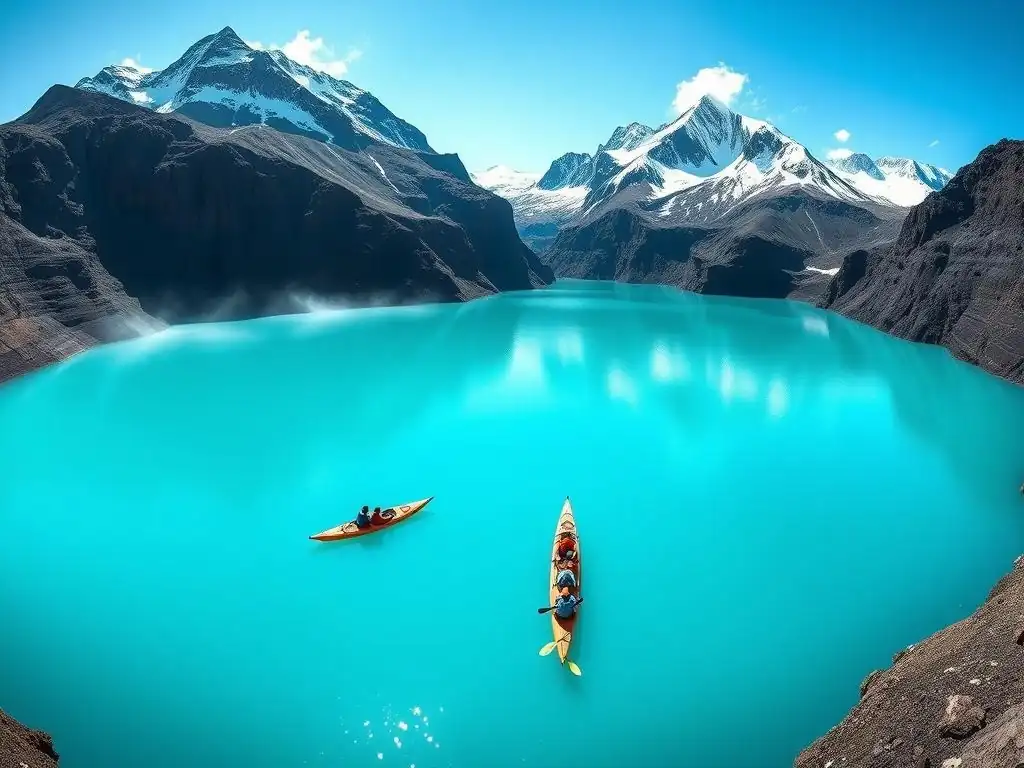
Deception Island is a photographer's paradise, offering dramatic volcanic landscapes, unique wildlife, and stunning Antarctic light. Capturing the beauty of this volcanic wonderland requires the right gear and techniques to overcome the challenges of the Antarctic environment.
Essential Photography Gear for Deception Island: Cameras, Lenses, and Waterproofing
Photographing Deception Island demands robust and reliable camera gear capable of withstanding cold temperatures and potential moisture. Waterproofing and protection from the elements are paramount.
Recommended Cameras for Antarctic Photography
For serious photography in Deception Island, consider weather-sealed DSLR or mirrorless cameras. Models like the Canon EOS 90D, Nikon D7500, Sony Alpha a7 III, or Fujifilm X-T4 offer excellent image quality and weather sealing suitable for challenging conditions. For point-and-shoot options, rugged waterproof cameras like the Olympus Tough TG-6 provide reliable performance in wet and cold environments. Investing in a camera with good low-light performance is also beneficial for capturing images in the often-overcast Antarctic conditions. Remember to bring extra batteries, as battery life is significantly reduced in cold temperatures.
Tips for Photographing the Deception Island Landscape: Light, Composition, and Wildlife
Photographing Deception Island effectively involves understanding the unique light, composing for dramatic landscapes, and respecting wildlife. Antarctic light can be incredibly dynamic, ranging from soft, diffused light on overcast days to intense, golden light during clearer periods, especially during the austral summer. Utilize the "golden hours" (sunrise and sunset) for warm, dramatic lighting. Look for compositions that emphasize the volcanic features, such as the caldera cliffs, black sand beaches, and steaming vents. Wide-angle lenses are ideal for capturing the vast landscapes, while telephoto lenses are essential for wildlife photography.
When photographing wildlife, prioritize ethical practices. Maintain a respectful distance, use telephoto lenses to capture close-up shots without disturbing animals, and avoid using flash photography, which can startle wildlife. Patience is key in wildlife photography; observe animal behavior and wait for natural, engaging moments. Experiment with different perspectives and compositions to capture the unique beauty of Deception Island's volcanic landscape and its fascinating inhabitants.
Extend Your Antarctic Volcano Exploration
Deception Island is just one jewel in the crown of Antarctic volcanism. For those captivated by volcanic landscapes, Antarctica offers further opportunities for exploration.
Other Volcanoes in Antarctica Worth Exploring
While Deception Island is the most frequently visited Antarctic volcano, several others offer unique geological and scenic attractions. Mount Erebus on Ross Island is the southernmost active volcano on Earth and features a persistent lava lake within its summit crater. Penguin Island, near King George Island in the South Shetland Islands, is a small but volcanically active island with fumaroles and penguin colonies.
Paulet Island, also in the Antarctic Peninsula region, is another volcanic island known for its large Adélie penguin colony and historical significance related to the Swedish Antarctic Expedition. Exploring these other Antarctic volcanoes requires more specialized expeditions, but offers even deeper immersion into the continent's volcanic wonders.
Recommended Antarctic Cruises and Expeditions
To explore Deception Island and other Antarctic volcanoes, numerous Antarctic cruises and expeditions are available. These voyages typically depart from Ushuaia, Argentina, and vary in length from approximately 10 to 20 days or longer. Many expedition cruise operators offer itineraries that include Deception Island as a key destination, often with options for kayaking and hiking excursions.
Companies like Hurtigruten, Lindblad Expeditions, Poseidon Expeditions, and Antarctica21 are reputable operators known for their Antarctic itineraries that often include visits to volcanic sites. Researching different itineraries and operators will help you find an expedition that aligns with your interests and budget for an unforgettable Antarctic volcano exploration.
Conclusion: The Unforgettable Experience of Kayaking and Hiking Deception Island Volcano
Kayaking and hiking Deception Island Volcano is an experience that truly stands apart. It's a journey into the heart of an active volcanic caldera, set against the backdrop of the pristine and awe-inspiring Antarctic landscape. The thrill of paddling across the caldera's calm waters, surrounded by volcanic cliffs and geothermal features, combined with the panoramic views from hiking trails that reveal the island's geological history and unique ecosystem, creates memories that will last a lifetime.
Deception Island offers a rare opportunity to witness the raw power of nature, the delicate balance of life in extreme environments, and the profound beauty of the southernmost continent. For adventurers and volcano enthusiasts alike, Deception Island is an Antarctic destination that promises an unforgettable and transformative experience.
Frequently Asked Questions
What makes Deception Island such a unique volcanic location?
Deception Island is unique because it's an active volcano where the caldera has been flooded by the sea, creating a natural harbor. This allows for unique activities like kayaking and hiking within a volcanic crater in Antarctica.
Can you really kayak inside a volcano at Deception Island?
Yes, you can! Deception Island offers the rare opportunity to kayak within the flooded caldera of an active Antarctic volcano. This provides a unique perspective of the volcanic landscape.
Is it safe to visit Deception Island given its volcanic activity?
While Deception Island is an active volcano, visits are generally considered safe. Tour operators monitor volcanic activity and follow strict safety protocols.
What kind of volcanic features can you see at Deception Island?
You can observe various volcanic features, including geothermal areas, ash beaches, and the dramatic caldera walls formed by past eruptions. You might even see steam vents!
What is the cultural significance of volcanoes in the Antarctic region like Deception Island?
While Deception Island itself has less of a cultural history beyond scientific exploration and whaling, the broader Antarctic region and volcanoes like it, are studied for their impact on global climate patterns and the evolution of life in extreme environments.
Final Reflection: Embracing the Volcanic Heart of Antarctica
The journey through Deception Island, as explored in this article, transcends a mere travelogue; it's a testament to the raw, untamed beauty and geological power that defines Antarctica. The enduring allure of Deception Island lies in its unique juxtaposition of fire and ice, offering an unparalleled experience that resonates deeply with the adventurous spirit. This volcanic caldera, a place where kayaking and hiking intertwine within a flooded crater, serves as a powerful reminder of the Earth's dynamic forces and our place within its grand narrative.
The impact of experiencing such a place extends far beyond the thrill of adventure. It fosters a profound respect for the fragility and resilience of the Antarctic ecosystem, urging us to become more conscious stewards of our planet. The stark landscape, shaped by volcanic activity and glacial retreat, serves as a visual representation of the changes occurring globally. We are all travelers in the wilderness of this world, and the best that we can find in our travels is an honest friend.
- Robert Louis Stevenson. This quote reminds us that the true value of exploration lies not just in the destination, but in the connections we forge with the environment and the shared human experience.
As you reflect on the journey through Deception Island, consider how its story resonates within your own life. What dormant volcanoes lie within you, waiting to be explored? What adventures beckon you to step outside your comfort zone and embrace the unknown? Let the spirit of Deception Island inspire you to seek out your own unique experiences, to connect with the natural world, and to become a champion for its preservation. The call to adventure is a call to awareness, and the time to answer is now.
Okay, here's a Call to Action (CTA) tailored for the end of an article about Deception Island, focusing on kayaking and hiking within the flooded volcanic crater:
Ignite Your Inner Explorer: Discover Deception Island Firsthand!
Thanks for journeying with us through the unique landscape of Deception Island! We hope this article has sparked your curiosity about this incredible Antarctic caldera and the adventures it holds. Ready to turn your armchair travel into a real-life expedition?
Here are a few ways to immerse yourself even further:
- Take the Plunge: Plan Your Kayaking & Hiking Adventure with Volcano Explorers!: Imagine yourself paddling through the caldera's icy waters, surrounded by volcanic peaks and the otherworldly beauty of Antarctica. This is a once-in-a-lifetime experience waiting to be discovered.
- Dive Deeper:Explore Volcano Explorers' detailed itineraries and travel guides for Deception Island and other volcanic wonders around the world.
- Share Your Dream: Tell us, if you could choose one adventure to have on Deception Island, what would it be? Share in the comments section.