
Mount Pinatubo's Rebirth: Hike to the Stunning Crater Lake of a Recovered Volcano

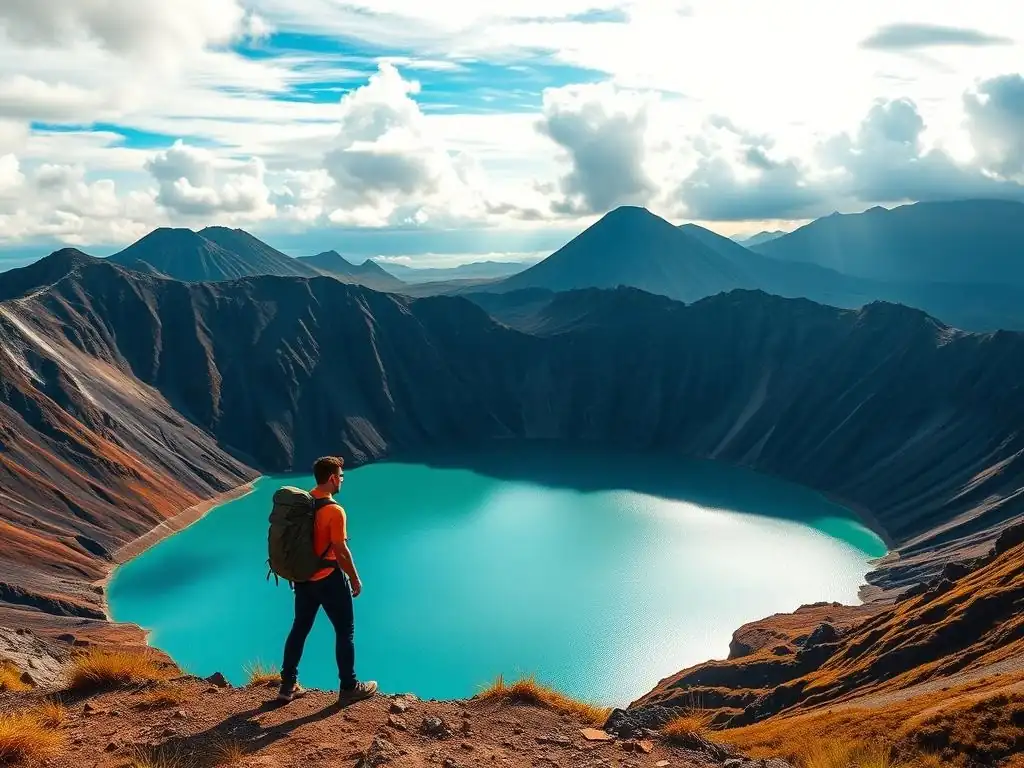
Welcome to Volcano Explorers, where the earth roars and the landscape transforms before your very eyes. Ever wondered what it feels like to stand on the edge of raw power, to witness the recovery of a sleeping giant? Our latest adventure plunges you into the heart of the Philippines with a Mount Pinatubo hiking guide, revealing the stunning crater lake born from ash and fury. But what secrets does this reborn landscape hold, and what dangers still lurk beneath the surface? Dare to explore further...
- Your Ultimate Mount Pinatubo Hiking Guide: Exploring the Crater Lake
- Planning Your Mount Pinatubo Hike: Essential Information
- The Mount Pinatubo Hike: A Step-by-Step Guide
- Mount Pinatubo Photography: Capturing the Volcanic Landscape
- Safety Considerations for Your Mount Pinatubo Adventure
- Supporting Local Communities: Responsible Tourism
- Mount Pinatubo Tour Packages: Maximizing Your Experience
- Other Volcanic Destinations Near Mount Pinatubo
-
Frequently Asked Questions
- What makes Mount Pinatubo a unique hiking destination?
- What are the main challenges hikers might face when climbing Mount Pinatubo?
- What safety precautions should hikers take before embarking on the Mount Pinatubo trek?
- How has the local community benefited from tourism to Mount Pinatubo?
- What is the best time of year to hike Mount Pinatubo for optimal weather conditions?
- Final Reflection: The Enduring Power of Renewal
- Rediscover the Majesty: Plan Your Pinatubo Adventure!
Your Ultimate Mount Pinatubo Hiking Guide: Exploring the Crater Lake
Discovering the Beauty of a Recovered Volcano: A Pinatubo Trekking Adventure
Mount Pinatubo, once infamous for its catastrophic 1991 eruption, now stands as a testament to nature's resilience and transformative power. What was once a verdant mountain range was dramatically altered, leaving behind a vast caldera. Over time, rainwater filled this caldera, creating the stunningly beautiful Crater Lake, now the centerpiece of an unforgettable hiking experience. The trek to Mount Pinatubo is more than just a physical challenge; it’s a journey through a landscape reborn, offering a unique blend of natural beauty and historical significance.
Embarking on a Mount Pinatubo trek is an opportunity to witness firsthand the remarkable recovery of an ecosystem. The surrounding landscape, once devastated by volcanic ash and lahar flows, is slowly but surely regaining its vibrancy. Vegetation is returning, albeit different from what existed before, and local communities have adapted and thrived in this dramatically altered environment. This hike provides a powerful reminder of nature's ability to heal and regenerate, making it a deeply enriching experience for any adventurer.
Planning Your Mount Pinatubo Hike: Essential Information
Best Time to Hike Mount Pinatubo: Weather and Visibility
The ideal time to plan your Mount Pinatubo hike is during the dry season, which typically runs from November to May. During these months, rainfall is minimal, and the trails are generally drier and more accessible. Clear skies are more common, offering breathtaking panoramic views of the crater lake and the surrounding lahar fields. Temperatures during the dry season are warm, averaging between 25°C to 32°C (77°F to 90°F), making for comfortable hiking conditions, especially in the early morning and late afternoon.
Conversely, the rainy season, from June to October, presents significant challenges for hiking Mount Pinatubo. Heavy rainfall can make trails muddy, slippery, and even dangerous. Visibility can be severely reduced due to fog and low clouds, diminishing the spectacular views. Furthermore, river crossings can become treacherous due to increased water levels and strong currents. While hiking during the rainy season is possible, it is generally not recommended for casual hikers and requires careful planning and potentially specialized gear. Always check weather forecasts and consult with local tour operators before planning a trek during the wetter months.
Mount Pinatubo Tour Operators: Choosing the Right Guide
Choosing a reputable tour operator is crucial for a safe and enjoyable Mount Pinatubo hiking experience. Numerous tour companies operate from Manila and Angeles City, offering various packages to suit different budgets and preferences. It is advisable to research and compare different operators, considering factors such as their experience, safety record, the quality of their vehicles (typically 4x4s for lahar field traversal), and the guides they employ. Look for operators that are locally based and contribute to the community, ensuring your tourism has a positive impact.
A good tour operator will provide essential services, including transportation to and from the trailhead, permits and entrance fees, experienced local guides, and sometimes meals and water. They should also prioritize safety, providing briefings on trail conditions and safety protocols. Reading online reviews and testimonials from previous hikers can provide valuable insights into the reliability and quality of different tour operators. Booking in advance is highly recommended, especially during peak season, to secure your spot and ensure a smooth and well-organized Mount Pinatubo adventure.
What to Pack for Your Pinatubo Trek: Gear and Essentials
Packing appropriately for your Mount Pinatubo trek is essential for comfort and safety. Lightweight and breathable clothing is highly recommended due to the warm and humid climate. Opt for moisture-wicking fabrics that will help keep you cool and dry. Sturdy hiking shoes or trekking sandals with good grip are crucial for navigating the varied terrain, including sandy paths, rocky sections, and potentially muddy areas. Remember to break in new shoes before your trek to avoid blisters.
Sun protection is paramount. Pack a wide-brimmed hat, sunglasses with UV protection, and high SPF sunscreen to shield yourself from the intense tropical sun. Insect repellent is also advisable to protect against mosquitoes and other biting insects. Bring at least 2-3 liters of water per person to stay hydrated throughout the hike, especially during warmer months.
Snacks like energy bars, trail mix, and fruits are also good to pack for sustained energy. A small first-aid kit with essentials like band-aids, antiseptic wipes, pain relievers, and any personal medications is always a wise addition to your backpack. Finally, a camera to capture the stunning scenery is a must-have for any Mount Pinatubo hiking guide.
The Mount Pinatubo Hike: A Step-by-Step Guide
From Manila to Capas, Tarlac: The Journey Begins
Your Mount Pinatubo adventure typically begins with an early morning departure from Manila or Angeles City. The journey to Capas, Tarlac, the jump-off point for the trek, takes approximately 2 to 3 hours by private vehicle. Most tours include van transportation, making this leg of the journey comfortable and convenient. The drive itself offers glimpses of rural Philippine landscapes, transitioning from urban sprawl to rice paddies and provincial towns, setting the stage for the natural beauty that awaits.
Upon arrival in Capas, you will likely stop at a local tourism office or ranger station to register and pay any necessary fees. This is also where you will meet your local guide and finalize preparations before embarking on the 4x4 ride. It's a good opportunity to use restroom facilities and purchase any last-minute supplies, such as water or snacks, from local vendors. The atmosphere at the jump-off point is usually bustling with anticipation as hikers prepare for the exciting day ahead, ready to experience the unique Mount Pinatubo hike.
4x4 Ride Through the Lahar Fields: A Unique Experience
The 4x4 ride through the lahar fields is an integral and exhilarating part of the Mount Pinatubo experience. After leaving Capas, you'll board a sturdy 4x4 jeep, specifically designed to navigate the challenging terrain. This portion of the journey lasts approximately 1 to 1.5 hours, traversing the vast expanse of lahar – volcanic mudflows – that reshaped the landscape after the 1991 eruption. The ride itself is bumpy and adventurous, crossing streams and navigating rocky paths, offering a unique off-road experience.
The lahar fields are a stark yet fascinating landscape. Imagine a seemingly endless expanse of grey volcanic ash and rock, sculpted by erosion and punctuated by river channels. While seemingly barren at first glance, you'll notice signs of resilience, with hardy vegetation slowly reclaiming patches of land. Local Aeta communities have also adapted to this environment, establishing settlements and livelihoods within the lahar fields. The 4x4 ride provides not only transportation but also a captivating introduction to the dramatic geological history of Mount Pinatubo and the resilience of both nature and human communities.
Hiking to the Crater Lake: A Moderate Trek
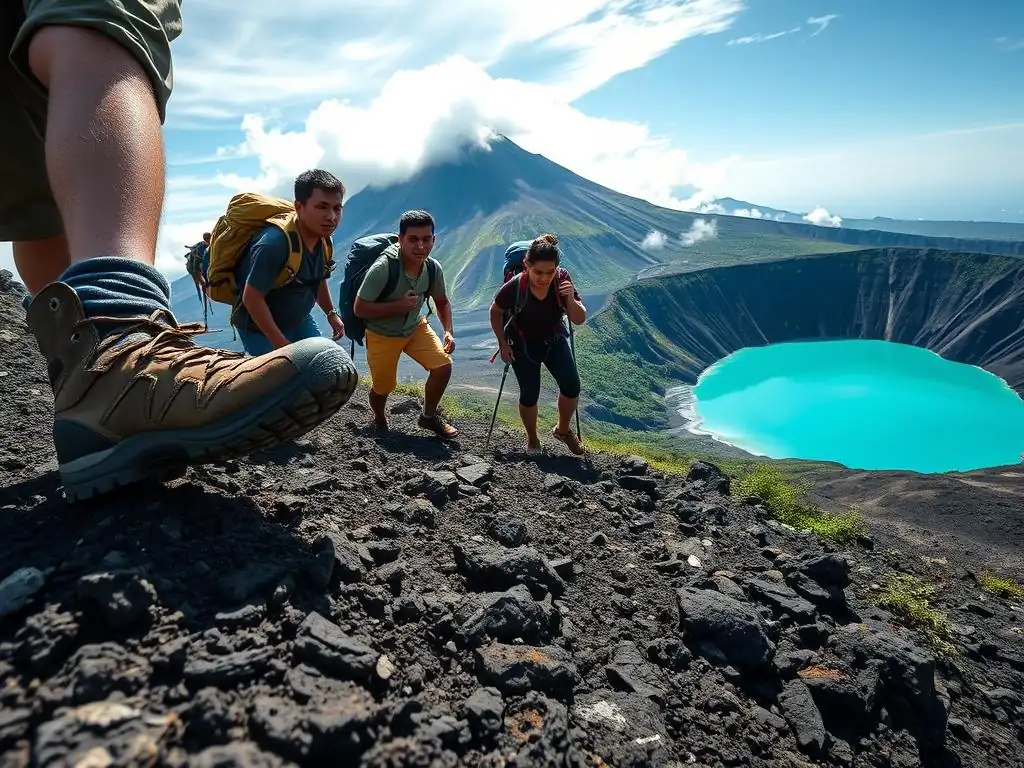
The actual hiking portion of the Mount Pinatubo trek is generally considered moderate in difficulty and typically takes about 2 to 3 hours each way, depending on your pace and fitness level. The trail is relatively well-established, though it can be uneven in places, with sections of sandy paths, rocky inclines, and some stream crossings. The initial part of the hike is relatively flat, gradually ascending as you approach the caldera rim.
As you hike, you'll be surrounded by the unique beauty of the recovering volcanic landscape. The lahar fields give way to canyons carved by erosion, revealing layers of volcanic deposits. Vegetation becomes more prominent as you ascend, with shrubs, grasses, and small trees gradually colonizing the slopes. The trail offers scenic views throughout, with glimpses of surrounding mountains and valleys. While the hike can be warm, especially during midday, the anticipation of reaching the crater lake and the stunning views along the way make it a rewarding and memorable experience.
Reaching the Crater Lake: A Breathtaking Reward
Reaching the Mount Pinatubo crater lake is an unforgettable moment and the highlight of the trek. After approximately 2 to 3 hours of hiking, you'll emerge onto the rim of the caldera and be greeted by the breathtaking vista of the turquoise crater lake. The sheer scale of the caldera is awe-inspiring, a vast depression formed by the cataclysmic eruption. The lake itself is a stunning shade of blue-green, its color varying with the sunlight and mineral content.
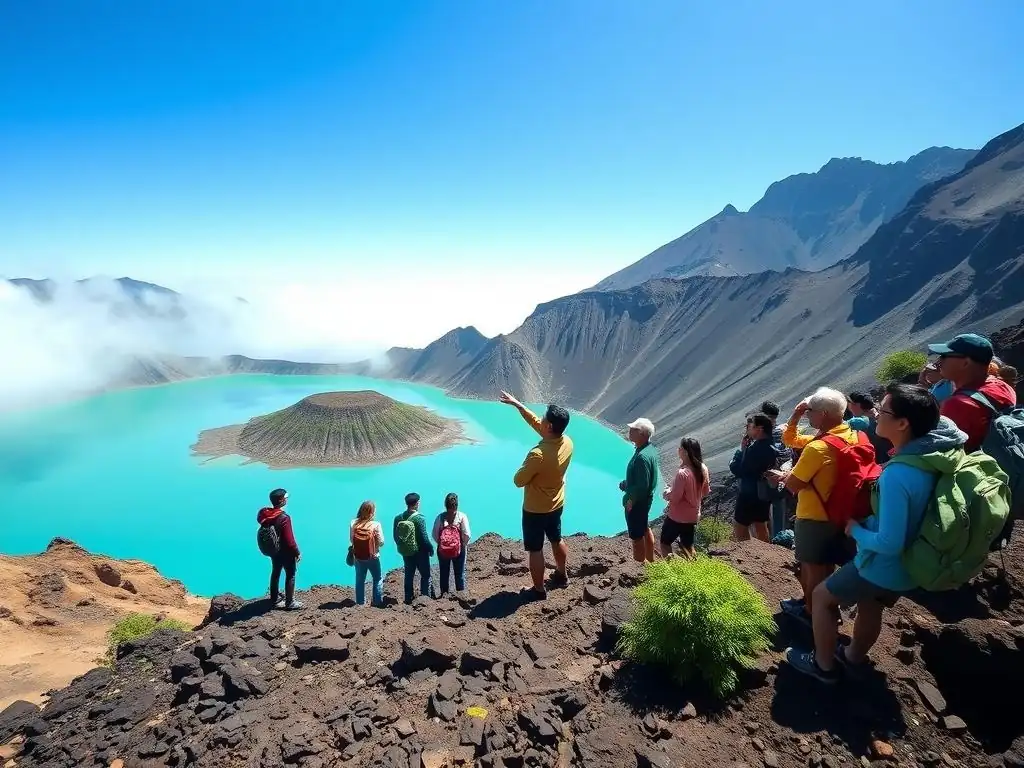
The crater lake is surrounded by towering cliffs of volcanic rock, remnants of the pre-eruption mountain. The silence and tranquility of the lake are striking, a stark contrast to the volcanic forces that created it. You'll have ample time to relax by the lakeshore, take photos, and soak in the incredible scenery.
Some tours allow for swimming in the lake, though it is advisable to check with your guide regarding water conditions and safety. The view of the Mount Pinatubo crater lake is a truly breathtaking reward, making the hike worthwhile and providing a profound connection to the power and beauty of nature.
Mount Pinatubo Photography: Capturing the Volcanic Landscape
Best Spots for Photography: Crater Lake and Lahar Fields
Mount Pinatubo offers a plethora of photographic opportunities, from the stark beauty of the lahar fields to the vibrant colors of the crater lake. The crater lake itself is undoubtedly the most iconic photo spot. Capture the panoramic vista from various viewpoints along the caldera rim, experimenting with different angles and perspectives to showcase the lake's scale and the surrounding cliffs. Golden hour, both sunrise and sunset (though sunrise is more practical for a day hike), can bathe the lake and cliffs in warm, dramatic light, enhancing the colors and textures.
Don't overlook the lahar fields. Their otherworldly landscape offers unique and compelling photographic subjects. The eroded formations, river channels cutting through the ash, and the textures of the volcanic deposits can create striking black and white or color images. Look for interesting patterns and lines in the lahar formations. Photograph the 4x4 jeeps traversing the lahar fields to convey the scale of the landscape and the adventure element of the trek. Even the flora and fauna slowly returning to the area can provide interesting close-up shots, documenting the resilience of nature in this volcanic environment.
Photography Gear Recommendations: Lenses and Filters
For capturing the diverse landscapes of Mount Pinatubo, a versatile range of lenses is recommended. A wide-angle lens (16-35mm or similar for full-frame cameras, or 10-24mm for crop-sensor) is essential for capturing the expansive views of the crater lake and lahar fields. A standard zoom lens (24-70mm or 24-105mm on full-frame, 18-55mm on crop-sensor) is useful for general photography, portraits (if you include people in your shots), and capturing details of the landscape. A telephoto lens (70-200mm or longer) can be beneficial for compressing perspective, isolating distant features, or photographing details on the crater walls or surrounding mountains.
Consider bringing filters to enhance your landscape photography. A polarizing filter can reduce glare, deepen blue skies, and enhance color saturation, particularly useful for photographing the crater lake. Neutral density (ND) filters can be used to achieve longer exposures in bright daylight, blurring water movement or creating a sense of motion.
Graduated neutral density (GND) filters are helpful for balancing exposure between bright skies and darker foregrounds, especially during sunrise or sunset. Don't forget essential accessories like extra batteries, memory cards, lens cleaning cloths, and a sturdy tripod if you plan on shooting in lower light or capturing long exposures.
Safety Considerations for Your Mount Pinatubo Adventure
Staying Hydrated and Protected from the Sun
Hiking Mount Pinatubo, especially in the tropical climate of the Philippines, requires careful attention to hydration and sun protection. Dehydration and heatstroke are real risks, so drinking plenty of water throughout the trek is crucial. Start hydrating well the day before your hike and continue drinking consistently during the 4x4 ride and the trek itself. Aim to drink at least 2-3 liters of water, or even more depending on the weather conditions and your exertion level. Consider bringing electrolyte drinks or tablets to replenish lost salts and minerals.
Sun protection is equally vital. The sun's rays can be intense, even on cloudy days. Apply high SPF sunscreen liberally to all exposed skin areas before starting your hike and reapply every few hours, especially after sweating. Wear a wide-brimmed hat to shield your face and neck from the sun. Sunglasses with UV protection are essential to protect your eyes from harmful radiation. Wearing long sleeves and pants made of lightweight, breathable fabric can also provide additional sun protection, though be mindful of overheating. Seek shade whenever possible, especially during the hottest parts of the day.
Following your guide's instructions is paramount for a safe and successful Mount Pinatubo hike. Local guides are experienced and knowledgeable about the trail conditions, weather patterns, and potential hazards. They are essential for navigation, especially in areas where trails may be less defined or during stream crossings. Pay close attention to their briefings before and during the trek, and don't hesitate to ask questions if you are unsure about anything.
Stick to the designated trails and avoid venturing off on your own. The terrain can be uneven and potentially unstable in some areas. Your guide will be aware of any specific safety concerns along the route, such as slippery sections or areas prone to rockfall. Follow their advice on pacing and rest stops. If you feel unwell or experience any discomfort during the hike, inform your guide immediately. They are trained to handle minor emergencies and can provide assistance if needed. Respect their expertise and guidance to ensure a safe and enjoyable Mount Pinatubo adventure.
Emergency Preparedness: First Aid and Communication
While Mount Pinatubo hikes are generally safe, being prepared for minor emergencies is always prudent. Carry a small personal first-aid kit with essentials like band-aids, antiseptic wipes, pain relievers, and any personal medications. Inform your guide of any pre-existing medical conditions or allergies you may have before starting the trek. Basic first-aid knowledge is helpful, but rely on your guide for more serious situations.
Regarding communication, mobile phone signal can be intermittent or non-existent in certain areas of the lahar fields and closer to the crater lake. Do not rely solely on your phone for communication in emergencies. Tour operators typically carry radios or satellite communication devices for emergencies. Ensure your tour operator has a clear emergency plan and knows how to contact emergency services if needed. In case of a minor injury, your guide will be equipped to provide basic first aid. For more serious situations, they will initiate evacuation procedures and contact appropriate medical assistance.
Supporting Local Communities: Responsible Tourism
Purchasing Souvenirs from Local Vendors: Supporting Livelihoods
Supporting local Aeta communities is an integral part of responsible tourism when visiting Mount Pinatubo. The Aeta people are indigenous to the area and have been significantly impacted by the 1991 eruption. Tourism provides an important source of income and livelihood for these communities. Purchasing souvenirs and handicrafts from local vendors along the trail or at the jump-off point directly benefits Aeta families and helps sustain their traditional crafts.
Souvenirs often include handwoven textiles, wood carvings, and other locally made items. Bargaining is generally acceptable, but be mindful of fair prices and the effort that goes into creating these products. Consider purchasing snacks and drinks from local vendors as well. By choosing to buy from local sources, you contribute directly to the economic empowerment of the Aeta community and help ensure that tourism benefits the people who call Mount Pinatubo home. This fosters a more sustainable and ethical tourism model.
Respecting the Environment: Leave No Trace Principles
Practicing Leave No Trace principles is essential for preserving the natural beauty of Mount Pinatubo and ensuring its sustainability for future generations. Pack out everything you pack in. Do not leave any trash or litter along the trails or at the crater lake. Dispose of waste properly in designated bins if available, or carry it out with you. Minimize your impact on the environment by staying on marked trails and avoiding trampling vegetation or disturbing wildlife.
Respect the natural environment by not removing any rocks, plants, or other natural items as souvenirs. Leave the environment as you found it, or even better if possible. When using restroom facilities, utilize designated toilets if available. If not, practice proper hygiene and sanitation in remote areas, burying human waste and toilet paper responsibly and away from water sources. Support tour operators that are committed to sustainable tourism practices and environmental conservation. By adhering to Leave No Trace principles, you contribute to protecting the fragile ecosystem of Mount Pinatubo and ensure its continued enjoyment for all.
Mount Pinatubo Tour Packages: Maximizing Your Experience
All-Inclusive Packages: Convenience and Value
Opting for all-inclusive Mount Pinatubo tour packages offers convenience and often good value, especially for first-time visitors. These packages typically bundle transportation from Manila or Angeles City, permits and entrance fees, 4x4 jeep rental, a local guide, and sometimes meals and water. This eliminates the hassle of arranging each component separately, making your trip planning simpler and more streamlined.
All-inclusive packages can be particularly beneficial if you are traveling solo or in a small group, as they often provide cost savings compared to booking services individually. They ensure a well-organized and hassle-free experience, allowing you to focus on enjoying the hike and the scenery. Different tour operators offer varying levels of inclusions and price points, so compare packages carefully to find one that suits your needs and budget. Read reviews and check the itinerary details to ensure the package aligns with your preferences and expectations for your Mount Pinatubo adventure.
Customizing Your Tour: Tailoring to Your Preferences
While all-inclusive packages offer convenience, customizing your Mount Pinatubo tour allows you to tailor the experience to your specific preferences and interests. Some tour operators offer options to customize aspects of your tour, such as the duration of the hike, the level of difficulty, or inclusion of specific activities. If you have particular interests, such as birdwatching, photography, or learning more about the Aeta culture, you can inquire about incorporating these elements into your itinerary.
Customization can also involve choosing private tours for a more personalized experience, especially if you are traveling with a group of friends or family. Private tours offer greater flexibility in terms of timing, pace, and itinerary. Discuss your preferences with tour operators and inquire about the possibilities for customization. While customized tours may be slightly more expensive than standard packages, they can enhance your Mount Pinatubo experience by making it more aligned with your individual interests and ensuring a truly memorable adventure.
Other Volcanic Destinations Near Mount Pinatubo
While Mount Pinatubo is a spectacular volcanic destination, the Philippines is part of the Pacific Ring of Fire and boasts numerous other volcanoes worth exploring. For those seeking to extend their volcanic adventures, consider visiting Taal Volcano, famous for its lake within a volcano within a lake, offering stunning views and boat tours to Volcano Island. Mayon Volcano, with its iconic perfect cone shape, is another must-see, located in the Bicol region and offering hiking and ATV tours around its base.
Further afield, but still within relatively easy reach from the Philippines, are volcanic wonders in Indonesia, such as Mount Bromo in Java, known for its otherworldly sunrise views over a volcanic caldera, and Mount Batur in Bali, offering scenic hikes and breathtaking views of Lake Batur. Exploring these other volcanic destinations provides a broader perspective on the diverse volcanic landscapes of Southeast Asia and allows you to further appreciate the geological wonders of the region. Each volcano offers a unique experience and contributes to a deeper understanding of volcanic processes and their impact on the environment and human societies.
Frequently Asked Questions
What makes Mount Pinatubo a unique hiking destination?
Mount Pinatubo offers a unique hiking experience due to its remarkable recovery from a devastating eruption, leading to the formation of a stunning crater lake. The hike showcases the resilience of nature and the dramatic landscape transformation. It's also a relatively accessible stratovolcano.
What are the main challenges hikers might face when climbing Mount Pinatubo?
Hiking Mount Pinatubo involves crossing ash fields and riverbeds, which can be challenging, especially during the rainy season. The heat and exposure to the sun can also be demanding, requiring proper hydration and sun protection. There are also flash flood risks to be aware of.
What safety precautions should hikers take before embarking on the Mount Pinatubo trek?
Prior to hiking, it's crucial to check weather forecasts and be aware of any volcanic activity updates. Hikers should also ensure they have sufficient water, appropriate footwear, and sun protection. Hiring a local guide is also highly recommended for safety and navigation.
How has the local community benefited from tourism to Mount Pinatubo?
Tourism to Mount Pinatubo has provided significant economic opportunities for the local Aeta community, who often serve as guides and provide services to hikers. This has helped them rebuild their lives after the eruption and preserve their cultural heritage. The tourism helps support local businesses.
What is the best time of year to hike Mount Pinatubo for optimal weather conditions?
The best time to hike Mount Pinatubo is during the dry season, from November to May, when the weather is more predictable and the trails are easier to navigate. Avoiding the rainy season minimizes the risk of flash floods and muddy conditions. It also helps with clearer views of the crater lake.
Final Reflection: The Enduring Power of Renewal
The journey to Mount Pinatubo's crater lake is more than just a hike; it's a powerful testament to nature's resilience and the enduring spirit of renewal. The landscape, once scarred by devastation, now thrives with vibrant life, offering a profound lesson in adaptation and recovery. This transformation resonates deeply in a world grappling with environmental challenges, reminding us that even from the ashes of destruction, beauty and hope can emerge.
The experience of witnessing this rebirth is deeply moving, prompting reflection on our own capacity for growth and change. The stark contrast between the pre-eruption landscape and the present-day oasis underscores the importance of respecting nature's power and understanding its intricate cycles. The best view comes after the hardest climb.
This proverb perfectly encapsulates the Pinatubo experience, both literally and metaphorically, reminding us that overcoming adversity often leads to the most rewarding discoveries.
As you stand on the rim of that breathtaking crater, I urge you to carry the lessons of Pinatubo with you. Let the volcano's story inspire you to embrace change, to find beauty in unexpected places, and to recognize the potential for renewal within yourself and the world around you. Let the hike be a reminder that even after the most catastrophic events, life finds a way, and so can we.
Rediscover the Majesty: Plan Your Pinatubo Adventure!
Thank you for exploring the remarkable transformation of Mount Pinatubo with us. We hope this article has inspired you to witness the stunning beauty that has risen from the ashes. Now, it's time to turn that inspiration into action!
Here are a few ways you can connect with Pinatubo's story and experience its wonder firsthand:
- Book Your Hike Now: Don't wait to experience the breathtaking views and unique ecosystem of the Pinatubo crater lake. Visit volcanoexplorers.org to explore tour options and secure your spot on an unforgettable adventure!
- Share the Inspiration: Spread the word about Pinatubo's incredible recovery! Post your favorite photo or fact from this article on social media, tagging Volcano Explorers and using the hashtag #PinatuboRebirth.
- Explore More: Discover other incredible volcanic destinations on volcanoexplorers.org and plan your next adventure!
What aspect of Mount Pinatubo's resurgence most excites you, and when are you planning your visit? Share your thoughts in the comments below!