Discover the World’s Most Affordable Volcano Adventures
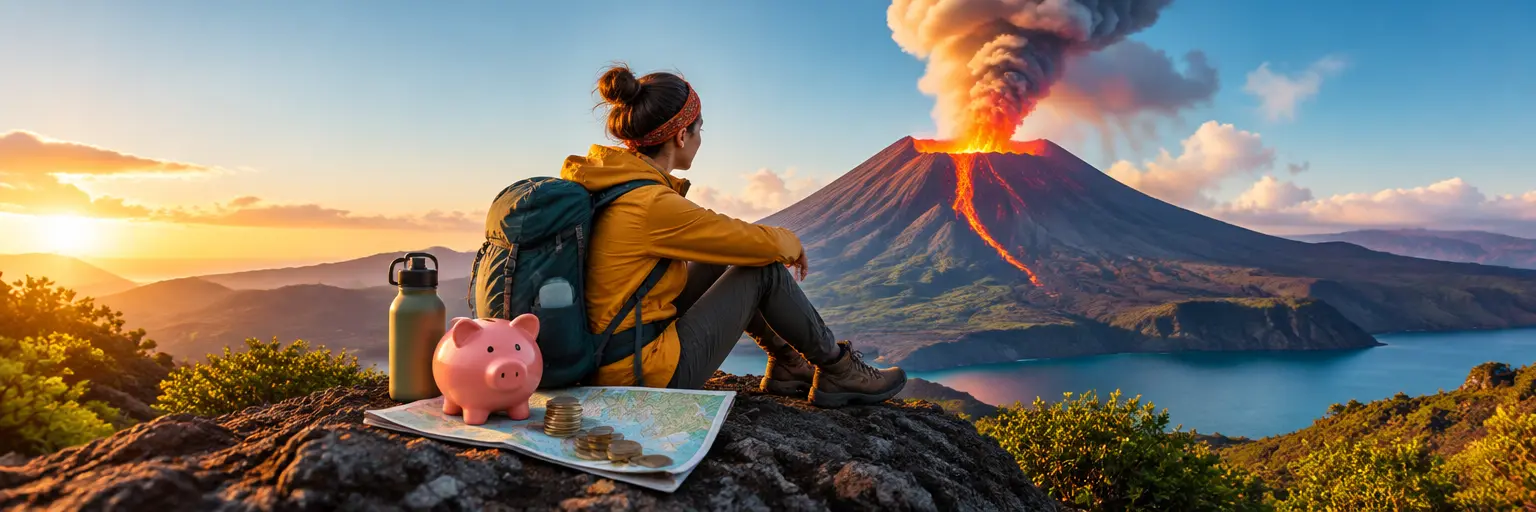
Exploring volcanoes doesn’t have to drain your savings. At VolcanoExplorers.org, our “Budget-Friendly Volcano Adventures” subcategory proves that jaw-dropping craters, steaming fumaroles, and lunar-like landscapes are accessible to every traveler. From free national park trails to low-cost guided treks in Indonesia, we’ve curated money-saving itineraries, gear hacks, and timing tips that let you experience the raw power of geology without breaking the bank. Expect practical advice, real price breakdowns, and hidden gems where your dollar goes further—all while keeping safety and sustainability front and center.
🌋 Top Cheap Volcano Destinations Worldwide
You don’t need Iceland’s price tag to witness volcanic majesty. Our top picks include Guatemala’s Pacaya (entry under $10), Indonesia’s Mount Bromo (overnight bus plus $5 park fee), and Costa Rica’s Rincon de la Vieja, where budget lodges sit near hissing vents. These destinations offer unforgettable basalt fields, glowing lava views, and crater lakes—often for less than a fancy dinner. We also highlight off-season travel windows, when park fees drop and hostels slash rates by up to 40%.
For truly penny-pinching explorers, consider the Philippines’ Mount Pinatubo—a guided 4x4 tour plus trek costs around $25 per person, including lunch. Or venture to Nicaragua’s Cerro Negro, where you can volcano-board down ash slopes for roughly $30. Each location includes a safety briefing and local guide network, ensuring you get authentic experiences while supporting community economies. We break down visa costs, internal transport options, and daily spending averages so you can plan accurately.
💰 Money-Saving Gear and Packing Strategies
Smart packing slashes your volcano budget by half. Instead of buying expensive mountaineering boots, rent them locally for $5-$10 per day—most volcano hubs have gear shops. Your key purchases should be a reusable water filter (under $20), a headlamp ($15), and layered synthetic clothing from discount stores. Avoid buying disposable masks or single-use ponchos; instead, pack a bandana and a cheap rain jacket. We also recommend carrying a power bank, as many budget trails lack charging points.
Consider buying used gear from online marketplaces or hostel bulletin boards—many travelers sell boots and backpacks after their trip. For food, prepare high-energy snacks like nuts and dried fruit; buying groceries locally can save $10-$15 daily. Our packing checklists include weight-saving tips (e.g., a 30L pack is enough) and how to avoid baggage fees on budget airlines. We also advise on what NOT to bring—like heavy tripods or extra shoes—to keep your load light and your wallet happy.
🚌 Navigating Transport Affordably to Volcanic Sites
Public transit is your best friend for volcano adventures. In many countries, local buses reach trailheads for under $2. For example, in Ecuador, the Cotopaxi bus from Quito costs $3.50, and in Italy, regional trains to Mount Etna’s base are around $8. We share detailed route maps, transfer hubs, and how to avoid tourist-trap shuttle services that charge triple the price. Ridesharing apps, like local versions of Uber, can also be cost-effective if shared among 3-4 people.
For remote volcanoes like Kamchatka’s Klyuchevskoy, you’ll need a group to split helicopter costs—we show how to meet fellow budget travelers via hostel boards or Facebook groups. Alternatively, choose volcanoes accessible by foot from town, such as New Zealand’s Mount Tongariro (public shuttle $15) or Japan’s Mount Aso (bus pass $5). We also cover overnight bus strategies that save a night’s accommodation, plus ferry discounts for island volcanoes like Stromboli.
🏕️ Low-Cost Accommodation Near Crater Trails
Sleep cheap without sacrificing safety near active sites. Campgrounds inside or adjacent to volcano parks often cost under $10 per night, such as at Hawaii Volcanoes National Park ($15 campsite) or Indonesia’s Kalibaru Camp. Many sites have basic toilet blocks and water points. For those preferring a bed, family-run guesthouses near trailheads—like those in Villarrica, Chile—offer rooms for $20-$25 including breakfast. We list verified budget stays with altitude acclimatization and emergency access.
Another option is volunteering at eco-lodges or research stations in exchange for free lodging—several around monogenetic fields or observatories invite guests to help with simple tasks. Hostels with dormitory beds in gateway towns (e.g., Antigua, Guatemala) cost $8-$12 and offer free storage for gear. We also highlight couch-surfing communities in volcanic regions, plus how to book last-minute deals on booking apps during weekdays to save up to 30%.
🎟️ Free and Discounted Entry Passes & Permits
Many volcano parks offer free days or discounted passes. For instance, the US National Park Service waives fees on certain holidays, and Indonesia’s Taman Wisata Alam offers half-price entry on weekdays. We compile a monthly calendar of free-entry events across major volcanic destinations. Additionally, multi-park passes—like the Iceland Touring Association pass ($50) covering 10 volcano sites—can cut your costs dramatically if you plan several visits.
For guided climbs, look for community-run cooperatives that undercut commercial agencies by up to 60%. You can also join free ranger-led educational walks, which often include safety briefings and geology talks. Some volcanoes allow independent access without permits, like Oregon’s Crater Lake (only park entry fee) or South Africa’s Tsehlanyane. Our guides explain which sites require mandatory local guides (e.g., Mount Nyiragongo) and how to negotiate group rates legally.
📅 Seasonal Timing for Maximum Savings
Timing your trip can slash costs by half. Avoid peak season (June-August in the northern hemisphere) when park fees and hostels spike. Instead, visit in shoulder months like April-May or September-October—weather is still stable, but prices drop 30-50%. For tropical volcanoes, the dry season (December-April) is pricier; consider the green season if you don’t mind passing showers for lower rates. We provide a month-by-month cost index for top destinations.
Booking your trek midweek is another trick—many local guides offer lower rates on Monday-Tuesday when demand is low. Also, check for seasonal discounts on flights to cities near volcanoes, such as deals to Managua or Quito in February. Our seasonal calendar highlights volcano festivals (e.g., Indonesia’s Kasada) where entrance fees are waived but crowds are heavier—tradeoffs you can weigh. We also show how to monitor price alerts on accommodation and transport apps.
Frequently Asked Questions
Are volcano adventures safe on a tight budget?
Yes, but avoid cutting corners on safety. Prioritize using licensed guides recommended by park authorities, even if they cost a bit more than unofficial options. Always check current volcanic activity alerts and weather forecasts. Budget hiking gear is fine if you buy proper footwear and carry extra water. Stick to marked trails and follow ranger instructions—safety remains top priority regardless of cost.
What is the cheapest volcano to visit in the USA?
Lassen Volcanic National Park in California offers excellent value—entrance is $30 per vehicle (valid 7 days) or free with an America the Beautiful pass. You can hike to bubbling mud pots and summit Lassen Peak for no extra fee. Similarly, Sunset Crater in Arizona has a $25 vehicle fee. Both are far cheaper than Hawaii Volcanoes National Park ($30) with similar natural wonders.
Do I need special insurance for volcano trekking?
Most regular travel insurance excludes “high-risk” activities like volcano hiking above certain altitudes. Look for policies that include adrenaline sports, like World Nomads or Allianz, which cover active volcano treks with guided groups. Costs are minimal—often under $20 extra for a week—but crucial for emergency rescue or evacuation. Always read exclusions and verify that your specific volcano is covered.
Can I visit a volcano without a guide to save money?
Yes, but only for well-marked, low-risk volcanoes like Mount St. Helens’ Windy Ridge viewpoint or New Zealand’s Tongariro Alpine Crossing in fair weather. Check local park rules—some require a guide for Active Volcanoes zones. For moderate-difficulty hikes, joining free ranger-led programs is possible. However, don’t bypass guides on fumarole-dense or unstable slopes; the risk isn’t worth the savings.
How can I find last-minute budget deals for volcano tours?
Use apps like Hostelworld to book dorm beds the night before—rates drop up to 40%. For tours, ask local operators about “standby seats” on group trips that depart the next day; they often sell for 50% off to fill vans. Follow social media of park lodges for flash sales or join expat forums for gear swaps. Flexibility with dates and trails is your biggest money-saver.