Geothermal Cooking: A Unique Family Food Experience at Volcanic Sites?
Experience the thrill of geothermal cooking methods at volcanic sites! VolcanoExplorers.org unveils unique family recipes and safety tips for preparing meals using…
Read article
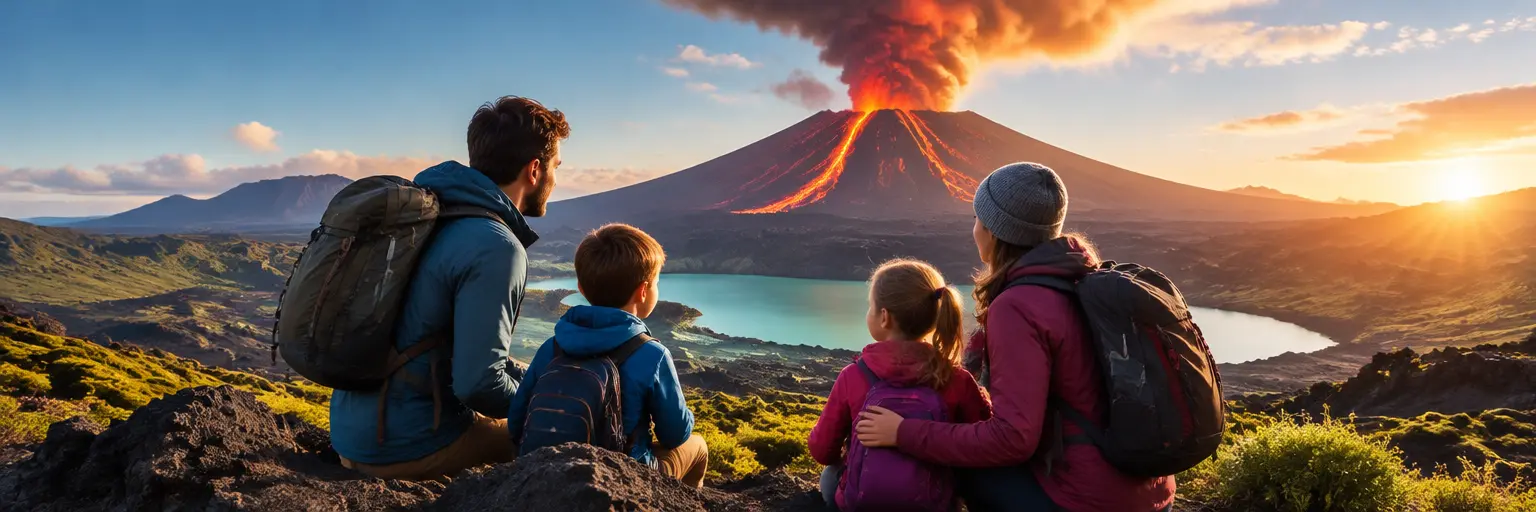
Discover the thrill of exploring Earth’s most powerful natural wonders with your whole family through unforgettable, safe, and awe-inspiring volcano adventures. 🌋 From gentle lava tube hikes and interactive volcano museums to guided crater rim walks and educational ranger programs, these destinations are designed to spark curiosity in kids and adults alike. Whether you’re watching glowing lava flows from a safe distance in Hawaii, exploring the otherworldly landscapes of Iceland, or learning about geothermal wonders in Costa Rica, family-friendly volcano sites combine hands-on science, breathtaking scenery, and accessible trails that keep everyone engaged. Many parks offer junior ranger badges, volcano-themed playgrounds, and interpretive centers with live eruption displays, making it easy to turn a vacation into a living geology lesson. Prioritize safety first by choosing well-monitored locations, following marked paths, and checking real-time volcanic activity updates. With the right planning, your tribe can witness the raw power of nature, capture stunning photos, and share stories that will last a lifetime—all while staying comfortable, informed, and inspired.
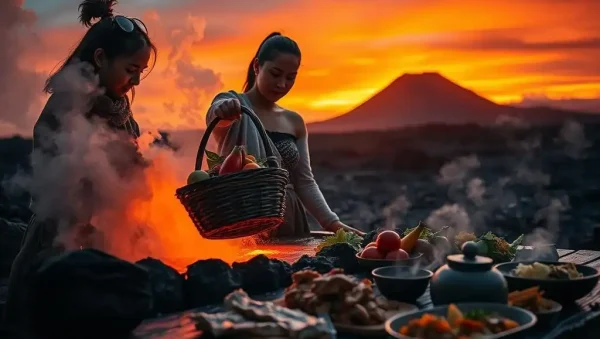
Experience the thrill of geothermal cooking methods at volcanic sites! VolcanoExplorers.org unveils unique family recipes and safety tips for preparing meals using…
Read article
Fuel your child's fascination with volcanoes! VolcanoExplorers.org recommends the best children's books about volcanoes, igniting curiosity before your next adventure exploring these…
Read article
Planning a family volcano adventure? VolcanoExplorers.org offers essential volcano safety tips for families, ensuring a worry-free exploration of these awe-inspiring natural wonders.…
Read article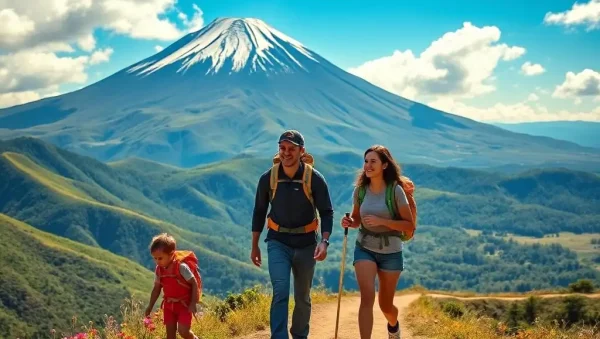
Discover breathtaking volcanic landscapes with your little ones! VolcanoExplorers.org unveils family-friendly volcano hiking trails perfect for toddlers, offering gentle ascents and stunning…
Read article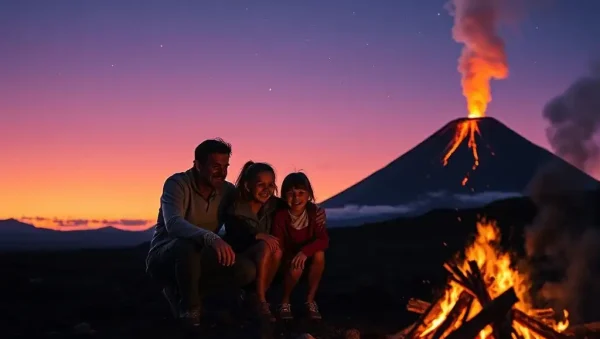
Experience the thrill of family-friendly volcano camping! VolcanoExplorers.org offers expert tips for safe and unforgettable adventures sleeping under the stars near these…
Read articleExploring volcanoes as a family is an unforgettable way to blend education, outdoor adventure, and awe-inspiring natural beauty. At VolcanoExplorers.org, we understand that traveling with kids requires careful planning, accessible trails, and engaging experiences that spark curiosity without compromising safety. This subcategory highlights volcano destinations with gentle slopes, interactive visitor centers, and family-oriented tours, ensuring that even the youngest explorers can safely witness geothermal wonders, lunar-like landscapes, and cultural stories behind these fiery mountains.
When choosing a volcano destination for families, prioritize parks offering paved paths, short boardwalks, and shuttle services. Hawaiʻi Volcanoes National Park (USA) leads with its Crater Rim Drive, accessible overlooks, and the Thurston Lava Tube—a walkable cave that fascinates children. Similarly, Lassen Volcanic National Park in California features steaming sulfur vents and boiling mud pots along flat, stroller-friendly boardwalks. These parks provide ranger-led junior explorer programs, activity booklets, and safety briefings, making it easy to teach kids about volcanic processes while keeping them entertained. Expect picnic areas, restrooms, and visitor centers with interactive exhibits on eruption types and volcanic rocks.
For a European option, Mount Etna in Sicily offers cable-car rides and guided jeep tours that keep walking minimal, while Vulcano Island near Sicily has gentle hiking paths up to its crater with lingering hot springs nearby. In Iceland, Reykjanes Peninsula’s volcanic fields feature flat lava landscapes and the famous Bridge Between Continents, ideal for quick hikes that do not overwhelm younger legs. Always check current trail conditions and weather forecasts before heading out, as volcanic terrain can change rapidly.
Children love touching warm rocks and watching bubbling mud—these sensory experiences are both educational and safe when done within designated areas. Yellowstone National Park (USA) is a prime destination with its boardwalks around Grand Prismatic Spring and Old Faithful, where rangers explain geothermal dynamics. At Rotorua in New Zealand, families can visit Te Puia to see geysers, boiling mud, and kiwi birds, with guided tours ideal for curious minds. Always emphasize staying on marked paths and never throwing objects into thermal pools, as water temperatures can exceed 200°F.
In Italy, the Phlegraean Fields near Naples offer volcanic craters with steaming fumaroles, plus a fascinating volcanic museum in Pozzuoli. For a hands-on science angle, the Volcano House in Hawaii provides interactive exhibits and lava-viewing areas. Pair these visits with educational apps or printable worksheets from VolcanoExplorers.org to reinforce learning before and after the trip. Remember to bring waterproof shoes, sunscreen, and plenty of water, as geothermal areas can be hot and exposed.
For an alternative perspective, boat tours around volcanic islands offer dramatic cliffs, hidden coves, and black sand beaches without strenuous hiking. Santorini (Greece) features boat excursions to the volcanic islets of Nea Kameni, where families can climb gentle slopes to the crater, then cool off in hot springs. Capulín Volcano in Mexico offers lagoon boat rides at its base, while Mount Bromo in Indonesia provides jeep tours across the Sea of Sand—perfect for older kids who enjoy bumpy adventures. These tours prioritize safety with life jackets and briefings.
In Hawaii, the Kīlauea volcano’s ocean entry occasionally provides spectacular lava-viewing boat tours, but always verify current activity for viewing restrictions. The Azores Islands (Portugal) boast volcanic crater lakes—like Lagoa do Fogo—with family-friendly kayaking or paddleboarding. When booking, choose operators with child-sized gear and flexible cancellation policies. These excursions usually last 2-4 hours, making them ideal for attention spans, and often include marine wildlife sightings like dolphins or sea turtles.
Museums transform complex volcanology into digestible, hands-on fun for all ages. The Cascades Volcano Observatory (USA) offers free exhibits on monitoring equipment and eruption timelines. In Italy, the Vesuvius Observatory Museum displays casts from Pompeii and eruption history, though some exhibits may be intense for younger kids—preview beforehand. The Volcano Museum in Chichinautzin, Mexico, features virtual reality lava flows and earthquake simulators. Meanwhile, Reykjavík’s Perlan Museum in Iceland includes a state-of-the-art volcano show and ice cave simulation, which captivates children and teens alike.
For science-focused families, the USGS Volcano Hazards Program website offers printable activity books for kids. Many visitor centers also host daily “volcano ranger” talks where kids can earn badges by answering questions. To maximize learning, plan to spend half a day at a museum combined with a short outdoor hike, creating a balanced itinerary. Always check for discounted family passes or free-entry days to manage costs, and look for multilingual guides if traveling internationally.
Not every volcano requires climbing. Black sand beaches in Iceland, Hawaii, and New Zealand offer easy walking and safe swimming away from active vents. For example, Reynisfjara in Iceland features impressive basalt columns and basalt sea stacks, though the surf is dangerous—keep distance. Punaluʻu Beach in Hawaii has calm waters, green sea turtles, and shaded picnic spots. Many volcanic craters, like Crater Lake in Oregon (USA), have scenic drives and wheelchair-accessible viewpoints with stunning vistas, eliminating strenuous effort.
Sunset viewpoints near volcanoes are magical for families. In Indonesia, Bromo Tengger Semeru National Park has viewpoints accessible by short, paved paths, while Mount Fuji’s fifth station offers clear views with minimal walking. Always arrive early to secure parking and bring layers, as temperatures drop significantly at altitude. Engaging children with journaling or sketching during breaks helps cement memories. These destinations provide the perfect finale to a volcanic adventure, emphasizing gratitude for Earth’s raw power in a safe, family-friendly manner.
Yes, when choosing family-friendly operators and destinations. Look for tours that offer child-sized life jackets, short walking distances, and clear safety briefings. Avoid active eruption zones, and always stay on marked trails or boardwalks. Many parks have specific family routes with rest stops. Consult with your pediatrician if you have health concerns, especially regarding altitude or particulate matter.
Pack sturdy closed-toe shoes, sun protection (hat, sunscreen, sunglasses), extra water, high-energy snacks, a first-aid kit, and layers for temperature changes. For geothermal areas, carry a dust mask for sulfur smells. Bring a small backpack for each child with a map, magnifying glass, and notebook. Always include rain gear if visiting tropical or alpine volcanoes, as weather shifts rapidly.
Active lava viewing is unpredictable and generally requires distance for safety. In Hawaii, if lava enters the ocean, boat tours maintain a safe perimeter; land viewing is often restricted. Check official hazard alerts daily. For most families, steaming vents and hardened lava fields offer equal awe without risk. Never approach molten lava, as its heat can ignite clothing or cause severe burns even from 10 meters away.
Start with Hawaii’s Volcanoes National Park (USA) for its well-maintained facilities, or Iceland’s Reykjanes Peninsula for easy hikes. For Europe, Mount Etna’s cable car and guided tours minimize effort. These locations typically have visitor centers, educational programs, and flexible weather plans. Choose destinations with ongoing volcanic activity but stable, predictable conditions—check Volcanic Alert Levels at VolcanoExplorers.org before departing.
Use pre-trip videos and interactive apps to build excitement. During the trip, ask open-ended questions like “Why do you think this rock is bubbly?” Encourage them to touch safe surfaces (with guidance) and collect allowed samples. Many parks offer junior ranger booklets with stamps. Afterward, create a scrapbook or short video diary. Connecting geography, chemistry, and history makes the experience memorable and educational.