
FutureProofing Safety: The Evolution of First Aid Kits for Emerging Volcanic Threats

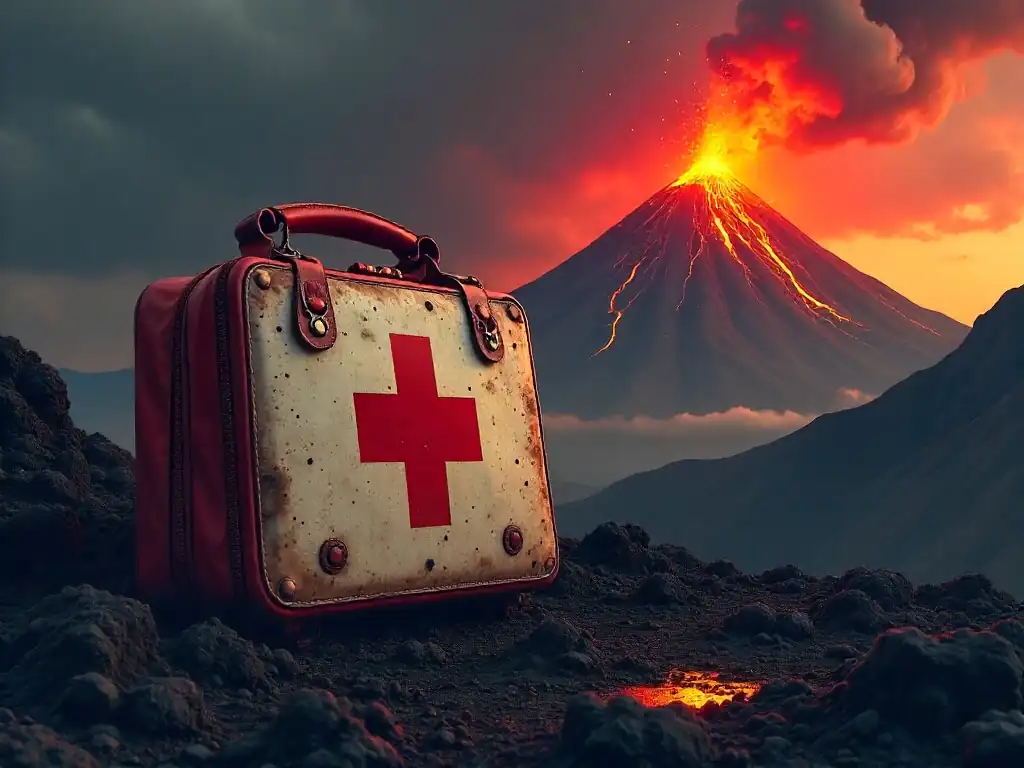
Welcome to Volcano Explorers, where we uncover the Earth's fiery secrets.
Ever wondered how far first aid has come in preparing for the raw power of a volcanic eruption? More than just bandages, today's kits are evolving to meet unprecedented threats. Dive into "FutureProofing Safety: The Evolution of First Aid Kits for Emerging Volcanic Threats" and discover the essential tools and knowledge you need to stay protected in the face of nature's most dramatic displays. What life-saving innovations are revolutionizing volcano preparedness? Let's find out together...
The Unique Dangers of Volcanic Eruptions: Ashfall, Lahars, and Toxic Gases
Volcanic eruptions present a complex array of hazards that extend far beyond the immediate threat of lava flows. Understanding these diverse dangers is paramount to preparing effective first aid kits for volcanic eruptions. Three of the most significant threats are ashfall, lahars, and the release of toxic gases, each posing unique challenges to human health and requiring specific preparedness measures.
Ashfall, composed of fine particles of volcanic rock and glass, can blanket vast areas downwind of an eruption. While seemingly innocuous, ashfall can cause significant respiratory irritation, exacerbate pre-existing conditions like asthma, and severely impact visibility. Furthermore, accumulating ash can collapse roofs, contaminate water supplies, and disrupt infrastructure, indirectly leading to injuries and health crises.
Lahars, volcanic mudflows, represent another devastating consequence of eruptions. These flows of water, rock, and debris travel at high speeds, often along river valleys, and can bury or sweep away anything in their path. The sheer force and density of lahars make them incredibly dangerous, causing traumatic injuries, crush injuries, and drowning. Finally, volcanic eruptions release a variety of toxic gases, including sulfur dioxide, carbon dioxide, and hydrogen sulfide.
These gases can be invisible and odorless at certain concentrations, yet they can cause respiratory distress, asphyxiation, and even death. Exposure to volcanic gases can lead to immediate health issues and long-term complications, highlighting the need for specialized protective equipment within first aid kits for volcanic eruptions. Therefore, a comprehensive first aid kit must address the specific injuries and health risks posed by ashfall, lahars, and toxic gases to be truly effective in a volcanic emergency.
- What are the most essential items to include in a first aid kit specifically designed for volcanic eruptions?
- How have first aid kits evolved to address the specific dangers posed by volcanic eruptions?
- Besides physical injuries, what other health concerns should a first aid kit address in the context of a volcanic eruption?
- How often should a first aid kit for volcanic emergencies be checked and replenished?
- Where should a first aid kit for volcanic eruptions be stored to ensure easy access in an emergency?
Frequently Asked Questions
What are the most essential items to include in a first aid kit specifically designed for volcanic eruptions?
A well-stocked kit should contain respiratory protection such as N95 masks, eye protection like goggles, and supplies to treat burns and injuries caused by ash and debris. Remember to include basic first aid supplies too.
How have first aid kits evolved to address the specific dangers posed by volcanic eruptions?
Modern kits now include items like specialized masks for fine particulate matter, burn treatments designed for chemical burns from volcanic gases, and resources for managing psychological trauma.
Besides physical injuries, what other health concerns should a first aid kit address in the context of a volcanic eruption?
First aid kits should also address respiratory problems caused by ash inhalation, eye irritation, and potential dehydration. Including information on mental health support is also crucial.
How often should a first aid kit for volcanic emergencies be checked and replenished?
It's recommended to check and replenish your kit at least every six months, paying close attention to expiration dates on medications and the condition of masks and other protective gear. This ensures everything is ready for immediate use.
Where should a first aid kit for volcanic eruptions be stored to ensure easy access in an emergency?
The kit should be stored in a readily accessible location, known to all members of the household or community. Consider having multiple kits: one at home, one in the car, and perhaps one at work, ensuring maximum preparedness.
Final Reflection: Embracing Preparedness in the Face of Volcanic Uncertainty
The journey through the evolution of first aid kits, specifically tailored for the unique challenges of volcanic eruptions, underscores a vital truth: proactive preparedness is paramount in safeguarding lives. While the threat of volcanic activity might seem distant to some, its potential for devastation demands our unwavering attention and a commitment to equipping ourselves with the knowledge and tools necessary to mitigate its impact.
The development and refinement of specialized first aid kits represent more than just advancements in medical technology; they reflect a growing awareness of our interconnectedness with the natural world and our responsibility to protect vulnerable communities. This evolution is deeply personal, reminding us that even in the face of overwhelming natural forces, human ingenuity and compassion can provide a beacon of hope. The best preparation for tomorrow is doing your best today.
- H. Jackson Brown, Jr. This quote encapsulates the spirit of this article, urging us to act now to ensure a safer future.
As we look ahead, let us not simply rely on the advancements detailed in this article, but actively participate in fostering a culture of preparedness. Consider the lessons learned, the innovations explored, and the critical role that even a well-stocked first aid kit can play in the aftermath of a volcanic eruption.
Ask yourself: How can I contribute to building resilience within my community and ensuring that we are all better equipped to face the unpredictable forces of nature? The future of safety is not just about the tools we possess, but the collective action we take to protect one another.
Equip Yourself: Embrace Volcano-Ready First Aid!
Thank you for learning about the evolution of first aid and how to protect yourself from volcanic hazards. Now, it's time to put that knowledge into action.
Here's how you can prepare and become a true Volcano Explorer:
- Prioritize Your Safety: Update your first aid kit with supplies specifically for volcanic hazards, such as respirators, burn gels, and eyewash.
- Share Knowledge: Spread awareness by sharing this article with fellow adventurers, hiking groups, or your community. You could save a life!
- Deepen Your Understanding: Explore Volcano Explorers' resources for advanced first aid techniques and real-world volcanic scenarios.
What addition to your first aid kit would make you feel safest while exploring volcanic landscapes? Share your thoughts and experiences in the comments below!