
The Psychology of Ashfall: Reducing Anxiety with Proactive Respirator Use

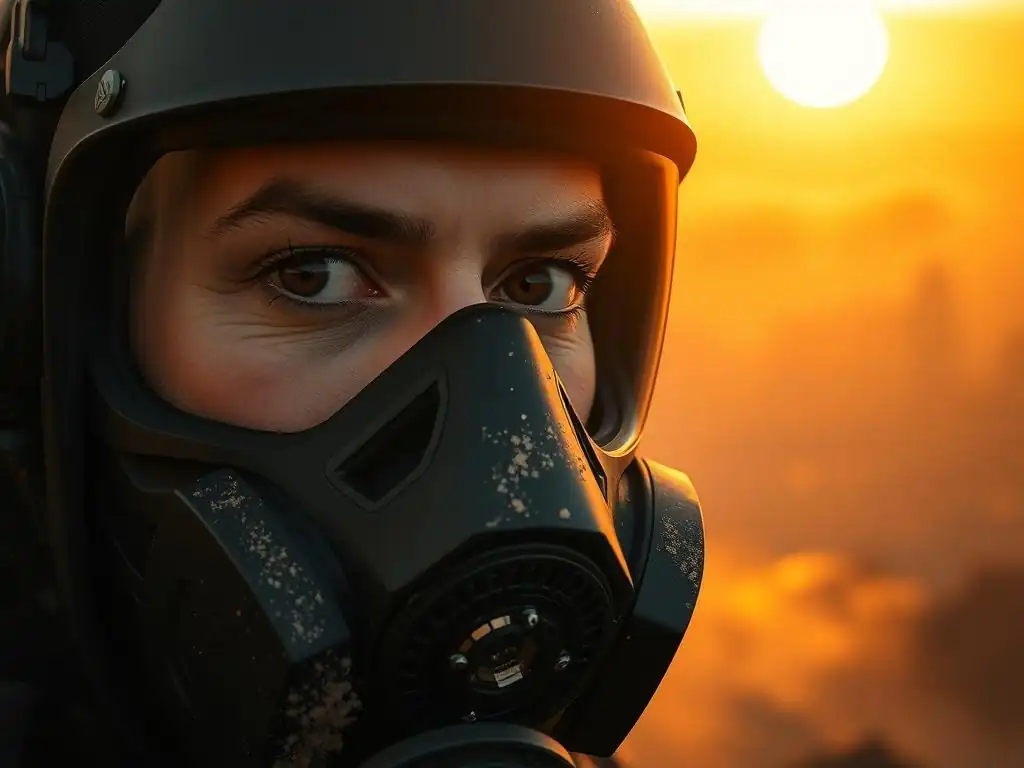
Welcome to Volcano Explorers, where the fiery heart of our planet beats! Ever felt the tremor of anxiety as ash begins to fall? This article dives deep into the surprising psychology behind ashfall and offers a powerful strategy – proactive respirator use – to not just protect your lungs, but also calm your mind. Discover how taking control can significantly reduce anxiety, and unlock a sense of preparedness in the face of nature's raw power. Intrigued? Read on to learn more about staying safe and staying sane during volcanic events.
- Understanding Ashfall Anxiety: The Psychological Impact of Volcanic Events
- Proactive Respirator Use: A Key Strategy for Managing Ashfall Anxiety
- Choosing the Right Respirator for Ashfall Protection and Anxiety Relief
- Practical Tips for Proactive Respirator Use to Combat Ashfall Anxiety
- Beyond Respirators: Additional Strategies for Managing Ashfall Anxiety
- Case Studies: How Respirator Use Reduced Anxiety During Past Ashfall Events
- Conclusion: Empowering Yourself with Proactive Respirator Use for Ashfall Preparedness and Mental Well-being
-
Frequently Asked Questions
- What is ashfall anxiety, and how does it relate to volcanic eruptions?
- Why is proactive respirator use recommended during ashfall events?
- Besides respirators, what other measures can help reduce ashfall anxiety?
- Where can I find reliable information about volcanic ashfall and safety recommendations?
- How does understanding the science of volcanoes help alleviate ashfall anxiety?
- Final Reflection: Breathing Easier in the Face of Uncertainty
- Empower Yourself: Breathe Easier During Ashfall!
Understanding Ashfall Anxiety: The Psychological Impact of Volcanic Events
The Link Between Volcanic Ash and Elevated Anxiety Levels
Volcanic ash, a seemingly innocuous term for fine particles of fragmented volcanic rock, minerals, and glass, is a potent trigger for anxiety. The connection between ashfall and elevated anxiety levels is multifaceted, stemming from both the tangible physical threats and the less visible psychological impacts. Consider the sheer disruption ashfall causes: it blankets landscapes, infiltrates homes, contaminates water supplies, and disrupts essential infrastructure like transportation and communication networks.
This immediate and widespread impact creates a sense of chaos and uncontrollability, core components in the development of anxiety. Furthermore, the uncertainty surrounding ashfall events, including duration and intensity, amplifies these feelings of anxiety.
Unlike predictable weather events, volcanic eruptions and subsequent ashfall are often less predictable, leading to a heightened state of alert and worry among affected populations. Studies following eruptions like that of Mount Pinatubo in 1991 and more recently in La Palma in 2021, have consistently shown a significant increase in reported anxiety and stress-related disorders in communities experiencing heavy ashfall.
The invisible nature of some of the hazards associated with volcanic ash also contributes to anxiety. While the physical presence of ash is undeniable, the dangers from inhaling fine particles, which can lead to respiratory problems, or the potential for contaminated water sources, are not immediately apparent. This "hidden threat" element can exacerbate anxiety, as individuals may feel vulnerable to unseen dangers. For example, a study published in the Journal of Environmental Psychology highlighted that perceived vulnerability to health risks from environmental pollutants significantly correlated with higher anxiety levels.
In the context of ashfall, this perceived vulnerability is very real. The fine ash particles, often less than 2.5 micrometers in diameter (PM2.5), can penetrate deep into the respiratory system, causing irritation and exacerbating pre-existing conditions like asthma and bronchitis. This knowledge, coupled with the sensory experience of breathing in gritty air, creates a potent mix for anxiety escalation.
How Ashfall Triggers Stress and Fear: A Psychological Breakdown
Ashfall triggers stress and fear through a complex interplay of psychological and physiological responses. At its core, ashfall is a tangible manifestation of a powerful and unpredictable natural force. The very sight of dark skies and the constant fall of gritty material can be inherently unsettling, evoking a primal fear of the unknown and uncontrollable. This visual and sensory assault is further compounded by the disruption to daily life.
Simple routines like going to work, school, or even stepping outside become challenging and potentially hazardous. This loss of normalcy and routine is a significant stressor, as human beings are creatures of habit, and disruptions to established patterns can induce feelings of insecurity and anxiety. Consider the economic impact as well; ashfall can devastate agriculture, damage property, and disrupt businesses, leading to financial anxieties and worries about long-term stability.
Psychologically, ashfall events can trigger a cascade of negative emotions, starting with fear and escalating to anxiety, helplessness, and even despair. The experience can activate the body's stress response system, releasing hormones like cortisol and adrenaline. While these hormones are designed to help us cope with immediate threats, prolonged exposure to stressors like ashfall can lead to chronic stress and anxiety disorders. Furthermore, the media coverage surrounding volcanic eruptions and ashfall, while crucial for disseminating information, can also contribute to anxiety.
Constant news updates, especially those highlighting the potential dangers and uncertainties, can keep individuals in a state of heightened alert and worry. It's a cycle: the ashfall event creates disruption and fear, which are amplified by media attention and personal experiences, leading to a significant psychological burden. Understanding this psychological breakdown is crucial in developing effective strategies to mitigate ashfall anxiety, including proactive measures like proactive respirator use.
Common Anxiety Symptoms During and After Ashfall Events
During and after ashfall events, individuals may experience a range of anxiety symptoms, both physical and emotional. These symptoms can vary in intensity from mild unease to severe anxiety disorders, depending on individual vulnerabilities, the severity of the ashfall, and access to coping mechanisms. Common physical symptoms of anxiety related to ashfall include rapid heart rate, shortness of breath or feeling winded even with minimal exertion, muscle tension, headaches, and gastrointestinal issues like nausea or stomach upset.
These physical manifestations are directly linked to the body's stress response to the perceived threat of ashfall and its associated dangers, particularly respiratory irritation. For instance, breathing in ash can trigger coughing and wheezing, further amplifying feelings of breathlessness and anxiety around respiratory health.
Emotional and cognitive symptoms are equally prevalent. Individuals may experience excessive worry about their health, the health of their family, and the future impacts of the ashfall event. Irritability, restlessness, difficulty concentrating, and sleep disturbances are also common.
The pervasive nature of ashfall, infiltrating homes and disrupting daily life, can contribute to feelings of confinement, helplessness, and loss of control, all of which are potent triggers for anxiety. Some individuals may even experience panic attacks, characterized by sudden episodes of intense fear accompanied by physical symptoms like chest pain, dizziness, and trembling. It is important to recognize that these anxiety symptoms are a normal reaction to an abnormal and stressful event like ashfall.
However, if these symptoms are severe, persistent, or significantly interfere with daily functioning, seeking professional mental health support is crucial. Furthermore, implementing proactive respirator use and other preparedness measures can significantly mitigate the triggers and reduce the severity of these anxiety symptoms.
Proactive Respirator Use: A Key Strategy for Managing Ashfall Anxiety
Proactive respirator use is not merely about physical protection from volcanic ash; it's a powerful psychological tool for managing ashfall anxiety. The act of proactively taking steps to protect oneself and one's family instills a sense of control in a situation that often feels chaotic and unpredictable. Ashfall events can trigger feelings of helplessness, as individuals may feel at the mercy of natural forces beyond their control.
However, by choosing to use a respirator, individuals actively take charge of their personal safety and well-being. This shift from a passive victim to an active agent in their own protection is fundamental in reducing anxiety. Knowing that you have a tangible means to protect yourself from the harmful effects of ash inhalation provides a significant psychological buffer against fear and worry.
The effectiveness of respirators in filtering out harmful particles is scientifically proven. N95, P100, and full-face respirators, when properly fitted and used, significantly reduce the inhalation of fine volcanic ash particles. This physical protection directly translates to psychological reassurance. Knowing that you are breathing cleaner air, free from the irritating and potentially harmful ash, directly addresses the health anxieties associated with ashfall.
Imagine the difference between facing an ashfall event feeling vulnerable and exposed versus feeling equipped and protected. The latter scenario, facilitated by proactive respirator use, fosters a sense of security and confidence, directly counteracting anxiety. Furthermore, the act of preparing for ashfall by acquiring and learning to use respirators beforehand is itself an anxiety-reducing strategy. Preparation reduces uncertainty and fosters a sense of readiness, which are crucial for psychological well-being during stressful events.
The Psychological Benefits of Taking Control During a Volcanic Event
Volcanic events, especially ashfall, are characterized by uncertainty and a perceived lack of control. The eruption itself is beyond human control, and the duration and intensity of ashfall can be unpredictable. This inherent lack of control is a major contributor to ashfall anxiety.
However, proactive respirator use offers a powerful antidote to this feeling of helplessness by empowering individuals to take control over at least one aspect of the situation: their personal respiratory health. In the face of a large-scale, uncontrollable event, focusing on what can be controlled is a crucial coping mechanism. Choosing to wear a respirator, ensuring it is properly fitted, and having a supply of respirators and filters readily available are all actions that individuals can take to exert control over their immediate environment and personal safety.
This sense of agency is profoundly beneficial for mental well-being during stressful events. Psychological research consistently demonstrates that perceived control is a key factor in resilience and coping with adversity. When individuals feel they have some control over their situation, even a small amount, their anxiety levels tend to decrease, and their ability to cope effectively increases. Proactive respirator use is a tangible action that fosters this sense of control.
It's a deliberate choice to prioritize personal safety and well-being in the face of a challenging situation. Furthermore, the act of preparing for ashfall, including learning about respirators, practicing their use, and stockpiling supplies, reinforces this sense of control. It transforms individuals from passive bystanders to active participants in their own safety, significantly reducing feelings of helplessness and anxiety.
Beyond Physical Protection: The Peace of Mind Offered by Respirators
While the primary function of respirators is physical protection from inhaling volcanic ash, their psychological benefits extend far beyond simply filtering particles. Respirators offer a profound sense of peace of mind, which is invaluable during stressful events like ashfall. This peace of mind stems from several factors. Firstly, respirators provide a tangible barrier against a perceived threat.
Knowing that you are actively reducing your exposure to harmful ash particles offers a sense of security and safety, directly addressing health anxieties related to respiratory irritation and potential long-term health effects. This is particularly important for individuals with pre-existing respiratory conditions, who are more vulnerable to the adverse effects of ash inhalation. For them, respirators are not just a precaution but a vital tool for maintaining their health and well-being, and the peace of mind they offer is even more significant.
Secondly, the act of wearing a respirator can create a psychological shift, signaling to oneself and others that safety is being prioritized. In a chaotic and uncertain environment, this visible demonstration of preparedness can be reassuring, both for the individual wearing the respirator and for those around them, particularly family members. Seeing loved ones taking proactive steps to protect themselves can reduce anxiety within the entire household.
Furthermore, the physical sensation of wearing a respirator, while initially unfamiliar, can become associated with safety and security. The feeling of breathing filtered air can be a constant reminder that protective measures are in place, fostering a sense of calm amidst the surrounding disruption. In essence, respirators become more than just physical devices; they become symbols of preparedness, control, and peace of mind in the face of ashfall anxiety.
Choosing the Right Respirator for Ashfall Protection and Anxiety Relief
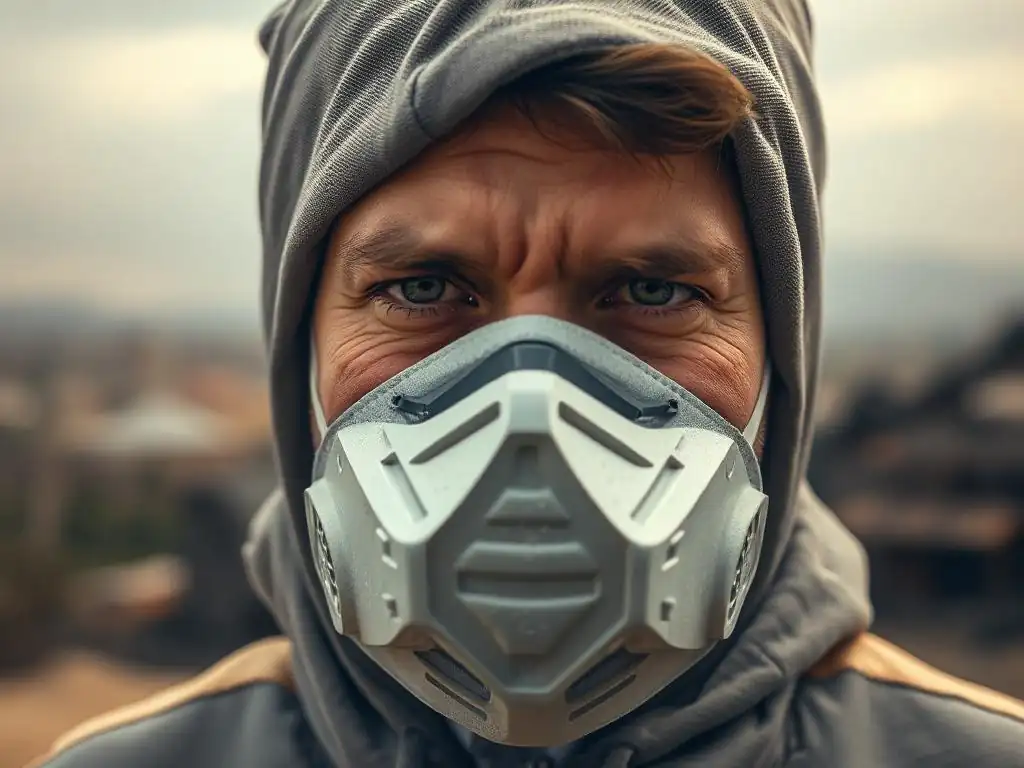
N95 Masks: A Basic Level of Protection and Psychological Comfort
N95 masks, readily available and relatively inexpensive, offer a basic yet effective level of protection against volcanic ash, and consequently, a degree of psychological comfort. These masks, designed to filter out at least 95% of airborne particles 0.3 microns in diameter, are sufficient for most general ashfall scenarios, especially for short durations or when ashfall is light to moderate. The psychological comfort derived from using an N95 mask stems from the knowledge that you are taking a concrete step to protect yourself from inhaling ash.
Even though they are considered "basic," N95 masks provide a tangible barrier and a sense of control over your respiratory health during an ashfall event. For individuals who are generally healthy and not engaged in strenuous outdoor activities during ashfall, N95 masks can be a perfectly adequate and reassuring choice.
The widespread availability and familiarity with N95 masks also contribute to their psychological benefit. Many people have used N95 masks during wildfire smoke events or flu seasons, making them a familiar and less intimidating protective measure. This familiarity can reduce anxiety associated with using unfamiliar or more complex respirators.
However, it's crucial to ensure proper fit for N95 masks to be effective. A poorly fitted N95 mask, with gaps around the edges, will not provide adequate protection and may undermine the psychological comfort it is intended to offer. Therefore, even with N95 masks, proper fitting and understanding their limitations are essential for both physical protection and psychological reassurance.
3M Aura 9205+ N95 Respirator: Secure Fit and Reduced Anxiety About Ash Inhalation
The 3M Aura 9205+ N95 Respirator is a specific example of an N95 mask that is particularly well-suited for ashfall protection and anxiety reduction due to its design features promoting a secure fit. Its three-panel design and sculpted top panel conform well to the nose and contours of the face, minimizing gaps and enhancing the seal. This secure fit is crucial not only for maximizing physical protection against ash inhalation but also for bolstering psychological confidence.
Knowing that your mask is fitting snugly and effectively reduces the worry about inhaling ash particles, directly contributing to reduced anxiety. The 3M Aura 9205+ also features a comfortable nose clip and headbands, further contributing to a secure and comfortable fit, which is important for extended wear during ashfall events.
Beyond its fit, the 3M Aura 9205+ is also designed for breathability, which is a significant factor in user comfort and psychological acceptance. Some respirators can feel restrictive and make breathing difficult, which can actually increase anxiety, especially for individuals prone to claustrophobia or panic. The Aura 9205+'s design aims to minimize breathing resistance while maintaining effective filtration, making it more comfortable to wear for longer periods and thus enhancing its anxiety-reducing benefits.
Furthermore, 3M is a reputable brand known for its quality and reliability in respiratory protection, which adds another layer of psychological reassurance. Choosing a well-known and trusted brand like 3M can further enhance the peace of mind associated with proactive respirator use.
P100 Respirators: Enhanced Protection for High-Risk Individuals and Increased Confidence
P100 respirators offer an enhanced level of protection compared to N95 masks, filtering out at least 99.97% of airborne particles, including both oil-based and non-oil-based particles. This superior filtration efficiency makes P100 respirators particularly suitable for high-risk individuals, such as those with pre-existing respiratory conditions like asthma or COPD, and for situations with heavy ashfall or prolonged exposure.
The increased protection provided by P100 respirators translates directly to increased confidence and reduced anxiety, especially for those who are more vulnerable to the health effects of ash inhalation. Knowing that you are using a respirator that offers the highest level of particulate filtration available can significantly alleviate worries about respiratory health during and after an ashfall event.
P100 respirators often come in half-mask or full-face configurations and utilize replaceable filter cartridges. While they may be slightly more complex to use and maintain than disposable N95 masks, the enhanced protection they offer can be psychologically very reassuring, particularly for individuals who are naturally more anxious about their health or who have experienced respiratory problems in the past. The robustness and perceived "professional-grade" nature of P100 respirators can further contribute to this sense of confidence and control.
However, it's important to note that P100 respirators, like all respirators, require proper fit testing and user training to ensure their effectiveness. Without a proper seal, even the most advanced respirator will not provide the intended level of protection and psychological benefit.
Honeywell North 7700 Series Half Mask Respirator with P100 Filters: Maximum Ash Filtration for Respiratory Sensitivities
The Honeywell North 7700 Series Half Mask Respirator, when paired with P100 filters, exemplifies a P100 respirator system designed for maximum ash filtration and catering to individuals with respiratory sensitivities. This reusable half-mask respirator offers a durable and comfortable design, often made from soft, medical-grade silicone, which enhances both fit and user comfort, crucial for prolonged wear during ashfall events.
The replaceable P100 filters provide the highest level of particulate filtration, ensuring that virtually all airborne ash particles are effectively blocked from inhalation. For individuals with asthma, allergies, or other respiratory conditions, this level of protection can be incredibly reassuring, significantly reducing anxiety related to potential respiratory distress triggered by ash inhalation.
The Honeywell North 7700 series also offers adjustable straps and multiple sizes, facilitating a customized and secure fit for a wide range of face shapes and sizes. A proper fit is paramount for respirator effectiveness and psychological comfort. A well-fitting respirator not only provides superior physical protection but also instills confidence in the user that they are adequately protected.
Furthermore, the reusable nature of the Honeywell North 7700 series, with its replaceable filters, can be seen as both economically and environmentally advantageous in the long run, and for some, this sustainability aspect can further enhance the peace of mind associated with proactive respirator use. The ability to replace filters as needed ensures continued high-level protection throughout an ashfall event and beyond, contributing to sustained anxiety reduction.
Full-Face Respirators: Complete Protection and Reduced Sensory Overload for Severe Ashfall
Full-face respirators offer the most comprehensive protection against volcanic ash, extending beyond respiratory protection to include eye and facial skin protection. This complete coverage makes them particularly beneficial in severe ashfall scenarios, where ash concentrations are very high, and for individuals who are highly sensitive to ash exposure or experience sensory overload. The psychological advantage of full-face respirators lies in their ability to minimize sensory input from the ashfall environment, which can be a significant source of anxiety for some individuals.
The constant gritty feel of ash on the skin, the irritation to the eyes, and the pervasive smell of volcanic gases can all contribute to sensory overload and heightened anxiety. Full-face respirators create a sealed barrier, reducing these sensory assaults and providing a more comfortable and less anxiety-provoking experience during heavy ashfall.
Moreover, full-face respirators often incorporate a wider field of vision compared to half-mask respirators, which can be important for maintaining situational awareness and reducing feelings of confinement or claustrophobia. The integrated eye protection eliminates the need for separate goggles, simplifying the protective gear and ensuring consistent protection for both respiratory and ocular systems.
For individuals who wear eyeglasses, some full-face respirators are designed to accommodate them, further enhancing usability and comfort. While full-face respirators can be more expensive and require more training to use properly than N95 or P100 half-mask respirators, the comprehensive protection and sensory reduction they offer can be invaluable for managing anxiety in severe ashfall conditions, especially for vulnerable populations.
3M Full Facepiece Reusable Respirator 6800: Eye and Respiratory Protection Minimizing Sensory Input
The 3M Full Facepiece Reusable Respirator 6800 is a prime example of a full-face respirator designed to provide comprehensive protection and minimize sensory input during severe ashfall events. Its full-face design seals around the entire face, protecting not only the respiratory system but also the eyes and facial skin from ash exposure. This complete protection is a significant anxiety reducer, particularly in heavy ashfall where eye irritation and skin discomfort can exacerbate overall stress levels.
The large lens provides a wide field of vision, which is crucial for maintaining situational awareness and reducing feelings of isolation or confinement that can be associated with wearing a respirator. The lens is also scratch-resistant and impact-resistant, adding another layer of safety and durability.
The 3M 6800 respirator is compatible with a range of 3M filters and cartridges, including P100 filters for maximum particulate filtration against volcanic ash. This versatility allows users to customize the respirator's protection level based on the specific ashfall conditions and their individual needs. The respirator is also designed for comfort, with a soft silicone faceseal and adjustable straps to ensure a secure and comfortable fit for extended wear.
Reducing discomfort is key to encouraging consistent respirator use and maximizing its anxiety-reducing benefits. For individuals who are particularly sensitive to sensory input or who require the highest level of protection, the 3M Full Facepiece Reusable Respirator 6800 offers a robust and psychologically reassuring solution for proactive respirator use during ashfall events.
Practical Tips for Proactive Respirator Use to Combat Ashfall Anxiety
Developing a Respirator Use Plan for Your Family and Community
Developing a respirator use plan for your family and community is a crucial step in proactive respirator use and anxiety reduction. This plan should outline who needs respirators, what types are appropriate for different individuals and situations, and how and when they should be used. For families, consider the age and health conditions of each member. Children, seniors, and individuals with respiratory illnesses may require higher levels of protection or specific types of respirators.
The plan should also address where respirators will be stored, how they will be accessed in an emergency, and who is responsible for maintaining the respirator supply and ensuring proper fit. For communities, a respirator use plan is even more critical, especially in areas frequently affected by volcanic ashfall. Community plans should address public awareness campaigns on respirator use, distribution strategies for vulnerable populations, and training programs on proper respirator fitting and maintenance.
A well-defined respirator use plan reduces anxiety by creating a sense of preparedness and organization. Knowing that there is a plan in place, and that everyone in the family or community knows their role, instills confidence and reduces feelings of chaos and uncertainty during an ashfall event. The process of developing the plan itself can also be empowering, as it involves actively thinking through potential scenarios and proactively addressing them.
Involving family members or community members in the planning process further enhances this sense of collective preparedness and shared responsibility, strengthening social cohesion and reducing individual anxiety levels. The plan should be documented and regularly reviewed and updated to ensure its effectiveness and relevance.
Practicing Respirator Fitting and Use Before an Ashfall Event
Practicing respirator fitting and use before an ashfall event is paramount for both maximizing physical protection and reducing anxiety during an actual event. Many people underestimate the importance of proper respirator fit and may not know how to correctly don and doff a respirator. Practicing beforehand allows individuals to become comfortable with the respirator, ensuring they can put it on quickly and correctly when needed.
This familiarity reduces fumbling and frustration during a stressful situation, and also ensures that the respirator will function as intended, providing the promised level of protection. Practice sessions should include learning how to adjust straps for a secure fit, performing a user seal check to identify and correct any leaks, and understanding how to properly remove and store the respirator.
Furthermore, practicing respirator use helps to address any potential discomfort or anxiety associated with wearing a respirator. Some individuals may feel claustrophobic or experience difficulty breathing when first wearing a respirator. Practicing in a non-emergency setting allows them to acclimate to these sensations and build confidence in their ability to wear a respirator comfortably and effectively.
For families, practice sessions can be turned into educational activities, involving children in a fun and engaging way to learn about respirator safety. Community-level practice sessions, workshops, or demonstrations can also be organized to educate the public on proactive respirator use and address common misconceptions or concerns. This proactive approach to training significantly reduces anxiety by replacing uncertainty and unfamiliarity with knowledge and confidence.
Maintaining a Stockpile of Respirators and Replacement Filters
Maintaining a stockpile of respirators and replacement filters is an essential component of proactive respirator use and a key factor in reducing ashfall anxiety. Ashfall events can last for days or even weeks, and access to supplies may be disrupted during and after an eruption. Having an adequate stockpile ensures that respirators are readily available for everyone who needs them, when they are needed.
The stockpile should include respirators in various sizes to fit different family members, and sufficient replacement filters if using reusable respirators. The quantity should be based on the anticipated duration of ashfall events in your area and the number of people who need protection. It's also important to store respirators and filters properly, in a cool, dry place, away from direct sunlight and contaminants, to maintain their effectiveness and longevity.
The psychological benefit of maintaining a stockpile is significant. Knowing that you have an adequate supply of respirators on hand eliminates the worry about running out during an ashfall event. This preparedness provides a sense of security and self-reliance, reducing anxiety associated with potential shortages or disruptions in supply chains.
Regularly checking the stockpile to ensure respirators are in good condition and filters are not expired further reinforces this sense of preparedness. For communities, establishing a centralized stockpile of respirators for emergency distribution can be a critical component of a comprehensive ashfall preparedness plan, providing reassurance to the entire community that protective resources are available and accessible.
Integrating Respirator Use into Your Emergency Preparedness Kit
Integrating respirator use into your overall emergency preparedness kit ensures that respiratory protection is readily available alongside other essential emergency supplies. An emergency preparedness kit should contain items needed for various types of emergencies, including earthquakes, floods, and volcanic eruptions. Including respirators and replacement filters in this kit ensures that they are not forgotten or misplaced when needed most.
The kit should be easily accessible and stored in a known location, so that family members can quickly grab it in case of an ashfall warning or eruption. Alongside respirators, the emergency kit should also contain other essential items for ashfall protection, such as eye protection (goggles or safety glasses), protective clothing (long sleeves and pants), and first-aid supplies.
The psychological advantage of integrating respirator use into an emergency preparedness kit is that it reinforces the message that respiratory protection is a vital part of overall emergency preparedness. It normalizes the use of respirators as a standard safety measure, similar to having a first-aid kit or a fire extinguisher.
This integration reduces the perception of respirators as something only needed in extreme situations, making proactive respirator use a more routine and less anxiety-provoking practice. Having a well-stocked and readily accessible emergency kit provides a sense of control and readiness, significantly reducing anxiety associated with the unpredictable nature of volcanic events and ashfall.
Beyond Respirators: Additional Strategies for Managing Ashfall Anxiety
Staying Informed with Reliable Volcanic Activity Updates
Staying informed with reliable volcanic activity updates is a crucial strategy for managing ashfall anxiety. Uncertainty and lack of information are significant drivers of anxiety during volcanic events. Access to timely and accurate information about volcanic activity, ashfall forecasts, and safety guidelines empowers individuals to make informed decisions and take appropriate protective measures.
Reliable sources of information include official volcano observatories (like the USGS Volcano Hazards Program in the United States or similar organizations in other volcanic regions), local emergency management agencies, and reputable news outlets that provide science-based reporting. Following these sources and regularly checking for updates can significantly reduce anxiety by replacing uncertainty with knowledge.
Knowing the current status of volcanic activity, anticipated ashfall trajectories, and expected duration allows individuals to plan their actions and feel more in control of the situation. For example, receiving an early warning about an impending ashfall event provides time to prepare homes, gather supplies, and don respirators, reducing feelings of panic and helplessness. Conversely, a lack of reliable information can lead to rumors, misinformation, and heightened anxiety based on speculation and fear. Therefore, actively seeking and relying on credible sources of volcanic activity updates is a vital component of managing ashfall anxiety and promoting informed proactive respirator use.
Creating a Safe and Clean Indoor Environment During Ashfall
Creating a safe and clean indoor environment during ashfall is another important strategy for managing ashfall anxiety and minimizing exposure to ash. Ash can easily infiltrate homes through windows, doors, and ventilation systems, creating a dusty and irritating indoor environment. Taking proactive steps to seal windows and doors with tape and plastic sheeting, closing fireplace dampers, and using damp cloths to seal gaps can significantly reduce ash infiltration.
If possible, using air purifiers with HEPA filters can further improve indoor air quality by removing fine ash particles. Regularly cleaning indoor surfaces with damp cloths or mops (avoiding sweeping or vacuuming, which can stir up ash particles) helps to maintain a cleaner and less irritating environment.
The psychological benefits of creating a safe and clean indoor environment are substantial. Having a refuge from the dusty and irritating outdoor environment provides a sense of comfort and security. Knowing that you have taken steps to minimize ash infiltration and maintain cleaner indoor air can significantly reduce anxiety related to respiratory irritation and exposure to ash contaminants.
This is particularly important for individuals who are spending extended periods indoors during ashfall events, such as families with young children, seniors, or those with health conditions. A clean and safe indoor environment promotes physical comfort and psychological well-being, contributing to overall ashfall anxiety management.
Engaging in Relaxation Techniques to Reduce Stress
Engaging in relaxation techniques is a valuable supplementary strategy for managing stress and anxiety during ashfall events. While proactive respirator use and environmental safety measures address the physical threats of ashfall, relaxation techniques target the psychological and emotional responses to stress. Simple techniques like deep breathing exercises, meditation, and progressive muscle relaxation can help to calm the nervous system, reduce heart rate and muscle tension, and promote a sense of calm and well-being.
These techniques can be practiced at any time and anywhere, and are particularly helpful when feeling overwhelmed or anxious. Even short sessions of relaxation can make a noticeable difference in reducing stress levels.
Other relaxation techniques that can be beneficial during ashfall events include listening to calming music, engaging in gentle stretching or yoga, spending time in quiet reflection, or engaging in hobbies that promote relaxation and distraction. For families, incorporating relaxation activities into daily routines during ashfall events can help to create a more peaceful and supportive environment for everyone. Teaching children simple relaxation techniques can also empower them to manage their own anxiety and cope with the stress of the situation. Combining physical preparedness with psychological self-care through relaxation techniques provides a holistic approach to managing ashfall anxiety.
Seeking Professional Mental Health Support if Needed
Seeking professional mental health support is a crucial and responsible step for individuals experiencing significant or persistent anxiety related to ashfall events. While proactive respirator use and other preparedness measures can effectively reduce anxiety for many, some individuals may experience anxiety that is overwhelming, debilitating, or interferes with their daily functioning. In such cases, seeking professional help from a therapist, counselor, or mental health professional is essential. Mental health professionals can provide specialized support, coping strategies, and therapeutic interventions to address anxiety disorders, stress-related conditions, and the emotional impact of volcanic events.
Recognizing when to seek professional help is important. Signs that professional support may be needed include persistent and excessive worry, panic attacks, significant sleep disturbances, difficulty concentrating, feelings of hopelessness or despair, or avoidance of activities due to anxiety. Mental health support can be accessed through various avenues, including primary care physicians, community mental health centers, online therapy platforms, and private practitioners.
Seeking help is a sign of strength and self-care, and it can significantly improve mental well-being and resilience in the face of ashfall anxiety. Destigmatizing mental health support and encouraging open conversations about mental well-being are crucial steps in promoting community resilience and effective coping during and after volcanic events.
Case Studies: How Respirator Use Reduced Anxiety During Past Ashfall Events
Community of Yakima, Washington during the Mount St. Helens Eruption
The 1980 eruption of Mount St. Helens in Washington State provides a compelling case study of the psychological impact of ashfall and the role of proactive respirator use in mitigating anxiety. Yakima, Washington, located approximately 80 miles east of Mount St. Helens, experienced significant ashfall from the eruption.
The community faced weeks of disruption, including school closures, business disruptions, and concerns about respiratory health. While N95 respirators were not as widely available to the general public in 1980 as they are today, local health authorities and emergency responders quickly recognized the need for respiratory protection and distributed masks and provided guidance on improvised face coverings to residents.
Interviews and reports from the time indicate that the availability and use of respiratory protection, even basic masks, played a significant role in reducing anxiety within the Yakima community. Residents who used masks reported feeling more protected and less anxious about inhaling ash. The act of taking a proactive step to protect themselves, even with simple masks, instilled a sense of control and preparedness.
Furthermore, community efforts to distribute masks and educate the public about ashfall hazards fostered a sense of collective action and mutual support, which also contributed to reducing overall anxiety levels. The Yakima experience highlights the direct link between proactive respirator use, even in its early stages of widespread adoption, and reduced anxiety in the face of significant ashfall.
Individual Experiences with Respirator Use and Anxiety Reduction
Beyond community-level case studies, numerous individual experiences underscore the anxiety-reducing benefits of proactive respirator use during ashfall events. Personal accounts shared online and in anecdotal reports from various volcanic eruptions around the world consistently mention the psychological comfort provided by respirators.
Individuals describe feeling significantly less anxious about breathing in ash and experiencing respiratory irritation when wearing a respirator, compared to times when they were without one. For example, residents of communities affected by eruptions in Iceland (Eyjafjallajökull in 2010 and Grimsvötn in 2011) and the Philippines (Mount Pinatubo in 1991 and Taal Volcano in 2020) have shared stories of how wearing respirators helped them cope with the stress and anxiety of ashfall.
These individual experiences highlight the subjective but very real psychological impact of respirator use. The peace of mind that comes from knowing you are taking a tangible step to protect your respiratory health, the reduced sensory irritation from ash, and the sense of control in an otherwise uncertain situation all contribute to a significant reduction in anxiety.
While scientific studies quantifying the precise degree of anxiety reduction attributable to respirator use are limited, these real-world experiences provide compelling evidence of the psychological benefits of proactive respirator use in ashfall scenarios. These accounts reinforce the importance of promoting respirator use not just as a physical safety measure, but also as a valuable tool for mental well-being during volcanic events.
Conclusion: Empowering Yourself with Proactive Respirator Use for Ashfall Preparedness and Mental Well-being
The Importance of Proactive Planning for Ashfall Events
Proactive planning for ashfall events is not simply about physical preparedness; it is fundamentally about mental well-being and empowerment. Volcanic ashfall, while a natural phenomenon, can be a significant source of stress and anxiety due to its disruptive nature and potential health hazards. Waiting until an ashfall event is imminent to consider protective measures is a reactive approach that can exacerbate anxiety and lead to feelings of helplessness.
In contrast, proactive planning, which includes acquiring respirators, developing a respirator use plan, practicing their use, and integrating them into emergency kits, transforms individuals from passive bystanders to active agents in their own safety. This shift in mindset is crucial for reducing anxiety and building resilience in the face of volcanic hazards.
The act of planning itself is empowering. It involves gathering information, making decisions, and taking concrete steps to prepare for a potential event. This process instills a sense of control and reduces the uncertainty that fuels anxiety.
Proactive planning also extends beyond individual preparedness to community resilience. When communities collectively plan for ashfall events, share resources, and support each other, they build stronger social bonds and enhance their overall ability to cope with and recover from volcanic hazards. Therefore, emphasizing the importance of proactive planning is not just about promoting physical safety but also about fostering mental well-being and community resilience in volcanic regions.
Building Resilience and Reducing Anxiety Through Preparedness
Building resilience to ashfall anxiety is intrinsically linked to preparedness. Resilience, the ability to bounce back from adversity, is strengthened by proactive measures that enhance coping capacity and reduce vulnerability to stress. Proactive respirator use is a cornerstone of this resilience-building process.
By equipping themselves with respirators and the knowledge to use them effectively, individuals gain a tangible tool for protecting their respiratory health and reducing their anxiety. This preparedness extends beyond respirators to encompass a broader range of actions, including staying informed, creating safe indoor environments, and practicing relaxation techniques. Each of these measures contributes to a sense of control, self-efficacy, and reduced vulnerability, all of which are key components of resilience.
Furthermore, preparedness fosters a sense of community resilience. When individuals and communities are well-prepared for ashfall events, they are better able to support each other, share resources, and recover more quickly from disruptions. This collective resilience is built on individual preparedness, but it extends beyond individual actions to encompass social networks, community organizations, and emergency management systems. Therefore, promoting preparedness for ashfall, including proactive respirator use, is not just about individual safety and anxiety reduction; it is about building stronger, more resilient communities that are better equipped to face the challenges of living in volcanic regions.
Resources for Further Information on Respirators and Mental Health Support
For those seeking further information on respirators and mental health support related to volcanic ashfall, numerous resources are available. Reliable sources of information on respirators include the National Institute for Occupational Safety and Health (NIOSH) website (cdc.gov/niosh), which provides guidance on respirator selection, fit testing, and use. Respirator manufacturers, such as 3M and Honeywell, also offer detailed product information and user guides on their websites.
Local emergency management agencies and public health departments often provide specific recommendations for respirator use during ashfall events in their respective regions. For mental health support, resources include the Substance Abuse and Mental Health Services Administration (SAMHSA) National Helpline (samhsa.gov), which provides confidential referrals to local treatment facilities, support groups, and community-based organizations.
Additionally, online mental health platforms and directories of mental health professionals can be valuable resources for finding therapists and counselors specializing in anxiety and stress management. Local community mental health centers and helplines can also provide immediate support and guidance.
Volcano observatories and geological surveys often include sections on their websites dedicated to community preparedness and public health information related to volcanic hazards, which may include resources on both respirators and mental health support. Utilizing these resources empowers individuals to make informed decisions about proactive respirator use and to access the mental health support they may need to effectively manage ashfall anxiety and build resilience.
Frequently Asked Questions
What is ashfall anxiety, and how does it relate to volcanic eruptions?
Ashfall anxiety refers to the psychological distress and emotional impact experienced by individuals anticipating or experiencing volcanic ashfall. This anxiety can stem from concerns about health risks, property damage, and disruption to daily life.
Why is proactive respirator use recommended during ashfall events?
Proactive respirator use is crucial because inhaling volcanic ash can cause respiratory problems, especially for those with pre-existing conditions. Using a respirator before and during exposure significantly reduces the risk of lung irritation and other health complications.
Besides respirators, what other measures can help reduce ashfall anxiety?
Staying informed about the volcanic activity and following official guidelines is vital. Preparing an emergency kit and having an evacuation plan can also provide a sense of control and reduce anxiety.
Where can I find reliable information about volcanic ashfall and safety recommendations?
Check the websites of local authorities, emergency management agencies, and organizations like VolcanoExplorers.org. They provide real-time updates, safety guides, and evacuation tips to help you stay informed and safe.
How does understanding the science of volcanoes help alleviate ashfall anxiety?
Learning about volcanic processes and the predictability of eruptions can demystify the event and reduce fear. Knowing the specific risks associated with ashfall allows for more informed preparedness and a greater sense of control.
Final Reflection: Breathing Easier in the Face of Uncertainty
The insights shared throughout this article highlight the crucial link between proactive respirator use and reduced ashfall anxiety. In a world increasingly susceptible to environmental events, understanding and addressing the psychological impact of natural disasters is no longer a luxury, but a necessity. By empowering individuals with knowledge and practical tools, we can mitigate the fear and anxiety associated with ashfall events, fostering resilience and promoting mental well-being.
The pervasive influence of ashfall events extends far beyond the immediate physical threat. It touches the very core of our sense of security and control, leaving lasting emotional scars. The proactive approach to respirator use, as discussed, offers a tangible way to regain that control, transforming fear into preparedness. The best way to predict the future is to create it.
- Peter Drucker. This quote underscores the power of proactive measures in shaping our response to potential crises, allowing us to navigate uncertainty with greater confidence and peace of mind.
Let us not underestimate the profound impact of preparedness on our mental state. As you reflect on the information presented, consider how you can integrate proactive strategies into your own life and community. By embracing a mindset of preparedness, not just for ashfall but for any potential environmental challenge, you can empower yourself and others to face the future with greater resilience, courage, and hope. Breathe deeply, prepare proactively, and face the future with confidence.
Empower Yourself: Breathe Easier During Ashfall!
Thank you for learning about the psychological impact of ashfall and how using a respirator can ease anxiety. You now understand how to manage anxiety and take control during volcanic events. Let's put this knowledge to work!
Here's what you can do to feel more prepared and confident:
- Find your respirator and learn how to use it. Knowing where it is and how it works will significantly reduce anxiety during an ashfall. If you don't have one, research reliable models and buy one today.
- Share this article with friends and family who live in areas prone to volcanic activity. Spreading awareness helps build community resilience.
- Consider volunteering with a local emergency response organization. Active participation in preparedness efforts turns anxiety into empowerment.
What small, practical step will you take today to be better prepared for the next ashfall? Share your ideas in the comments below!