
The Art of Volcano Education: Engaging Exhibits That Captivate and Teach

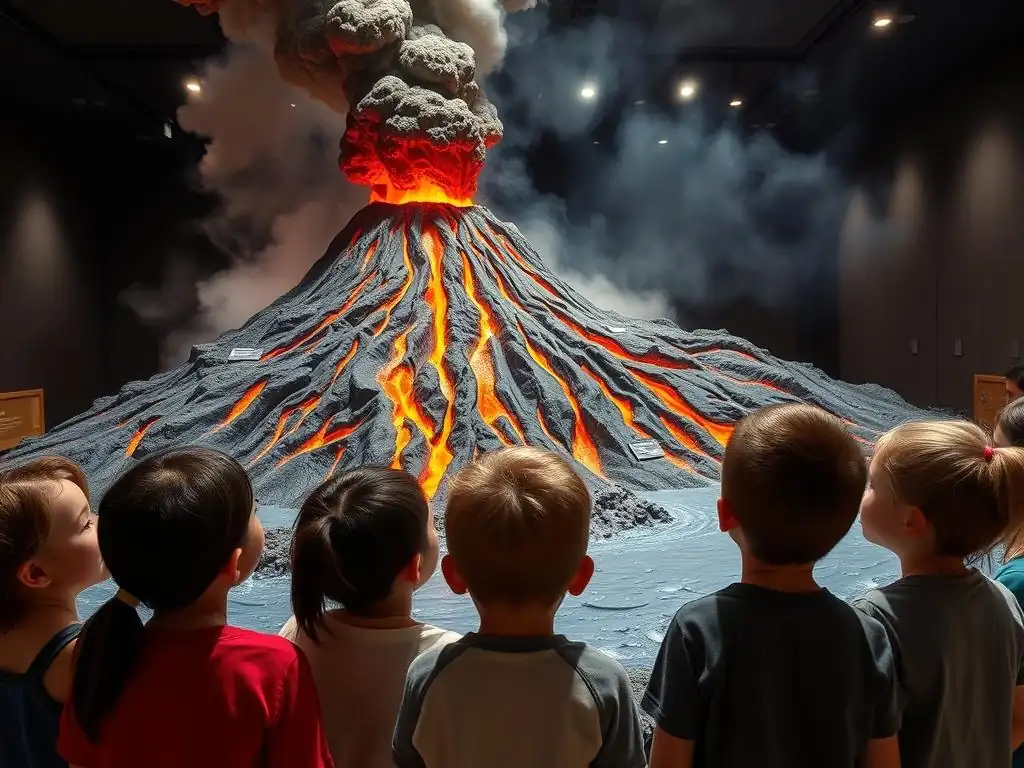
Welcome to Volcano Explorers, where the Earth's fiery heart beats strong! Ever wondered how to truly capture the raw power and science of volcanoes, not just in photos, but in experiences? Dive into our latest article and discover the secrets behind engaging volcano education exhibits – where learning erupts into a fascinating adventure. Prepare to be amazed as we uncover how these exhibits captivate minds and bring the science of volcanology to life!
- Introduction: Igniting Curiosity with Volcano Exhibits
- Why Engaging Volcano Education Exhibits Matter
- Key Elements of Engaging Volcano Education Exhibits
- Examples of Successful Engaging Volcano Education Exhibits
- Designing Your Own Engaging Volcano Education Exhibit
- The Future of Volcano Education: Trends and Innovations
- Conclusion: Empowering the Next Generation of Volcano Explorers Through Engaging Exhibits
-
Frequently Asked Questions
- What makes a volcano exhibit "engaging"?
- What are some examples of interactive elements in volcano exhibits?
- How can volcano exhibits teach about safety and preparedness?
- How do volcano exhibits showcase the cultural significance of volcanoes?
- What role does technology play in enhancing volcano education exhibits?
- Final Reflection: Igniting Curiosity, Shaping Understanding
- Ignite Your Inner Vulcanologist!
Introduction: Igniting Curiosity with Volcano Exhibits
Volcanoes, with their raw power and dramatic beauty, hold a unique fascination for people of all ages. However, understanding the complex science behind these geological phenomena can be challenging. This is where engaging volcano education exhibits play a crucial role. These exhibits serve as vital bridges, transforming abstract scientific concepts into tangible, understandable, and captivating experiences. By utilizing innovative displays and interactive technologies, they ignite curiosity and foster a deeper appreciation for the dynamic forces that shape our planet.
From bustling national park visitor centers to specialized volcano museums, these educational spaces are becoming increasingly sophisticated in their approach. They are moving beyond static displays to embrace immersive environments that actively involve visitors in the learning process. The goal is to not just impart knowledge, but to inspire wonder and encourage a lifelong interest in volcanology and Earth science. By creating memorable and impactful learning experiences, these exhibits are essential tools in promoting scientific literacy and responsible engagement with volcanic landscapes.
Why Engaging Volcano Education Exhibits Matter
Fostering a Deeper Understanding of Volcanic Processes
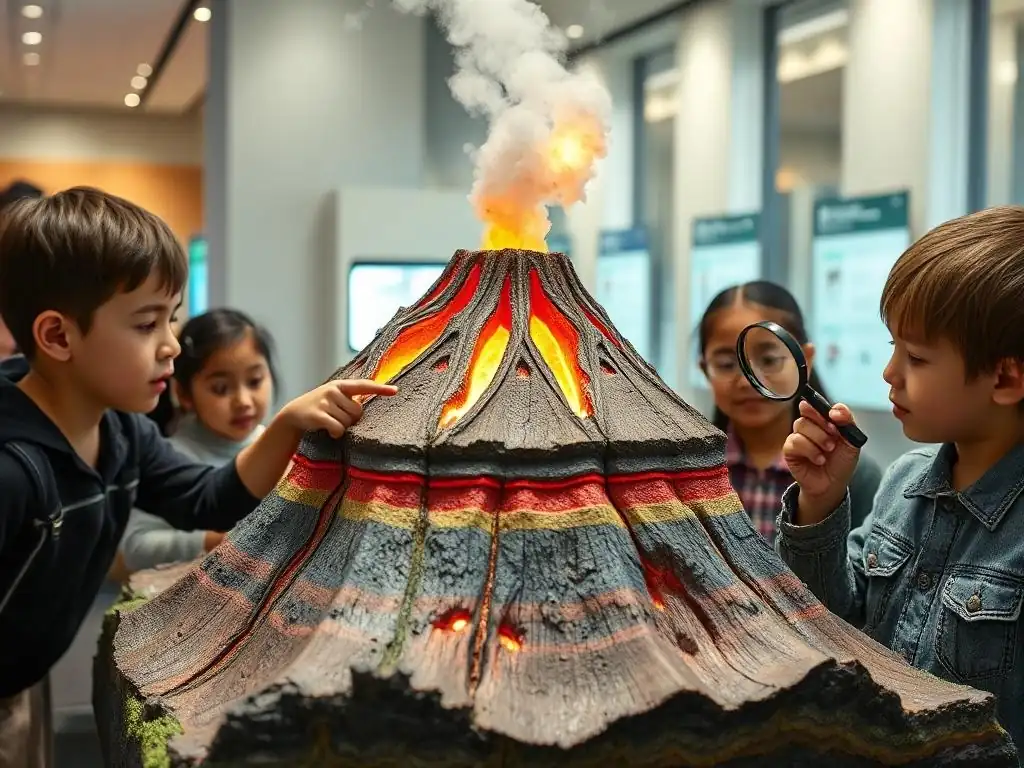
Volcanoes are complex systems governed by intricate geological and physical processes. Understanding concepts like plate tectonics, magma generation, and eruption dynamics requires more than just reading textbooks. Engaging volcano education exhibits excel at visualizing these often-invisible processes, making them accessible to a broader audience. For example, a cutaway model of a volcano can vividly illustrate the magma chamber, conduit, and different layers of volcanic rock, providing a concrete representation of internal structures.
Furthermore, exhibits can effectively demonstrate the cause-and-effect relationships in volcanic activity. Interactive simulations can show how changes in pressure and temperature within the Earth's mantle lead to magma formation and subsequent eruptions. By allowing visitors to manipulate variables and observe the outcomes, these exhibits move beyond passive learning, encouraging active exploration and a more profound grasp of the scientific principles at play. This hands-on approach is particularly effective in solidifying understanding of abstract concepts, making the science of volcanology less intimidating and more approachable for learners of all backgrounds.
Inspiring Future Geoscientists Through Interactive Learning
The field of volcanology, like many STEM disciplines, needs a constant influx of new talent to continue advancing our understanding of volcanic hazards and planetary processes. Engaging volcano education exhibits serve as powerful recruitment tools, sparking the interest of young minds and potentially inspiring them to pursue careers in geosciences. When children and teenagers are exposed to the excitement of volcano science through interactive displays and immersive experiences, they are more likely to see the field as dynamic and relevant.
Consider the impact of a virtual reality simulation that allows a visitor to "fly" into a volcanic caldera or witness a volcanic eruption from a safe distance. Such experiences can be transformative, making the abstract concepts of volcanology feel real and exciting. By showcasing the cutting-edge technologies used by volcanologists, such as remote sensing and seismic monitoring, exhibits can also highlight the diverse and fascinating career paths within the field. This early exposure and engagement can be instrumental in nurturing the next generation of scientists and ensuring the continued progress of volcanological research and hazard mitigation efforts.
Promoting Volcano Safety and Awareness in Vulnerable Communities
For communities living near active volcanoes, education is not just about scientific curiosity; it is a matter of safety and survival. Engaging volcano education exhibits play a crucial role in disseminating vital information about volcanic hazards and promoting preparedness. These exhibits can effectively communicate the potential risks associated with different types of eruptions, such as pyroclastic flows, lahars, and ashfall, using clear and accessible language and visuals.
For example, an exhibit could feature a simulated lahar flow path, demonstrating the destructive potential of these volcanic mudflows and highlighting the importance of evacuation routes and early warning systems. Interactive maps can display volcanic hazard zones and provide information on emergency shelters and community response plans.
By tailoring the content to the specific risks faced by local populations and presenting it in an engaging and memorable way, these exhibits can significantly enhance community resilience and reduce vulnerability to volcanic disasters. In areas like the Pacific Northwest of the United States or around Mount Vesuvius in Italy, such education is paramount for public safety.
Key Elements of Engaging Volcano Education Exhibits
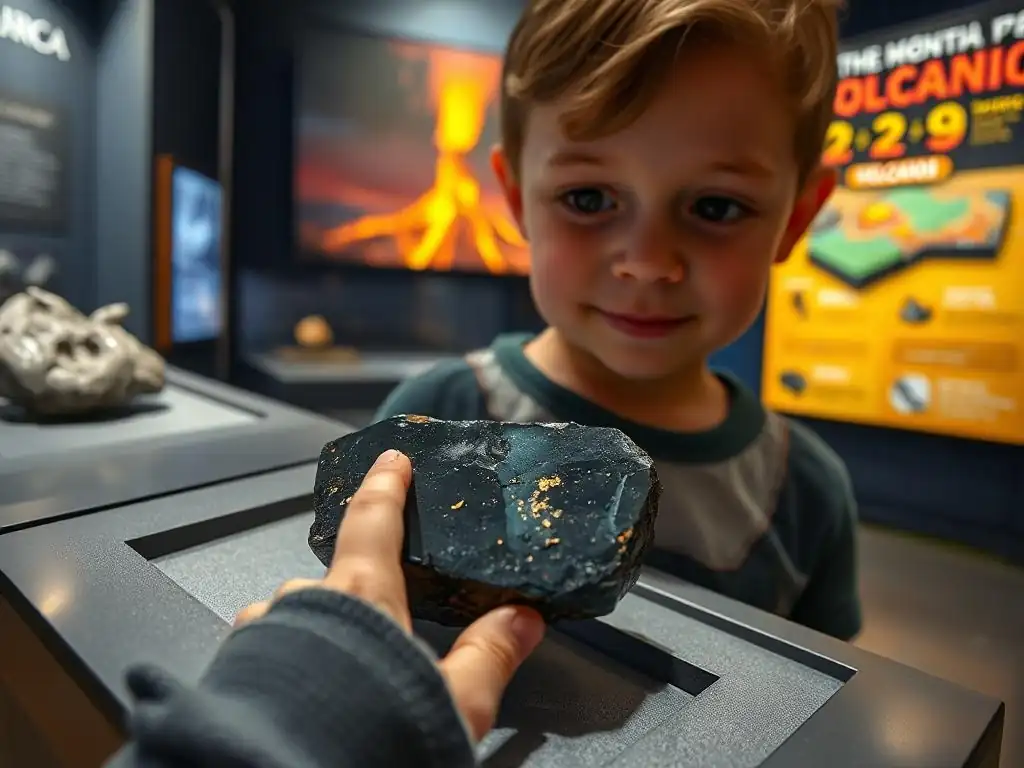
Interactive Displays and Simulations: Bringing Volcanoes to Life
Hands-on Models of Volcano Types and Eruption Styles
Physical models remain a cornerstone of effective science education, and in volcano exhibits, they are invaluable for visualizing complex geological forms. Hands-on models allow visitors to physically interact with representations of different volcano types, such as shield volcanoes, stratovolcanoes, and cinder cones.
These models can be designed to be taken apart, revealing internal structures and allowing visitors to understand how different geological processes lead to varying volcanic shapes. For instance, a model might illustrate the contrasting slopes of a gently sloping shield volcano formed by fluid basaltic lava versus the steeper profile of a stratovolcano built from layers of ash and viscous lava.
Beyond static models, dynamic models can demonstrate eruption styles. Imagine a model volcano that simulates different types of eruptions, from effusive lava flows to explosive pyroclastic events. By using pumps, lighting, and safe, simulated materials, these models can bring the dramatic power of volcanic eruptions to life in a controlled and educational setting. These tactile and visual experiences are particularly effective for kinesthetic learners and help to solidify understanding of volcanic processes in a way that purely textual or visual displays cannot achieve.
Virtual Reality Volcano Experiences: Immersive Learning
Virtual Reality (VR) technology offers an unprecedented opportunity to immerse visitors in the world of volcanoes without the inherent risks. VR experiences can transport individuals to the summit of an erupting volcano, allowing them to witness the spectacle of lava flows and ash plumes from a safe virtual vantage point. These simulations can be incredibly realistic, utilizing 360-degree video footage captured by drones or incorporating scientifically accurate 3D models of volcanic landscapes.
Furthermore, VR can be used to create interactive learning environments where visitors can "explore" the interior of a volcano, navigate through lava tubes, or even "participate" in a volcanic eruption response scenario. For example, a VR simulation could place the user in the role of a volcanologist monitoring an active volcano, requiring them to analyze real-time data and make decisions about hazard assessment and public safety. These immersive and interactive VR experiences can significantly enhance engagement and knowledge retention, making complex scientific concepts more accessible and exciting for a wide range of learners.
Real-time Data Visualization of Volcanic Activity
In the age of real-time data, volcano education exhibits can leverage live feeds from volcano monitoring networks to create dynamic and impactful displays. Seismic data, ground deformation measurements, and gas emission readings can be visualized in real-time, allowing visitors to witness the subtle signs of volcanic unrest and eruption precursors as they happen. Large screens displaying live seismographs, GPS deformation plots, and thermal imagery can provide a tangible connection to the ongoing scientific monitoring of volcanoes around the world.
These real-time data visualizations not only educate visitors about the methods volcanologists use to study volcanoes, but also underscore the dynamic nature of these geological systems. For instance, an exhibit could display real-time data from the USGS Hawaiian Volcano Observatory, showing seismic activity at Kīlauea volcano. Visitors can observe how changes in seismicity correlate with eruptive activity, gaining a deeper understanding of the processes leading to volcanic eruptions and the importance of continuous monitoring for hazard assessment and early warning.
Compelling Visual Storytelling: Volcano Photography and Videography
Showcasing the Beauty and Power of Volcanoes Through Images
Volcanoes are visually stunning natural phenomena, and photography and videography are powerful tools for capturing and conveying their beauty and raw power. Engaging volcano education exhibits effectively utilize high-quality images and videos to captivate visitors and draw them into the world of volcanoes. Large-format photographs showcasing erupting volcanoes, lava flows, and volcanic landscapes can evoke a sense of awe and wonder, sparking curiosity and a desire to learn more.
Exhibits can feature photographic timelines of volcanic eruptions, showcasing the dramatic changes in landscapes over time. Aerial photography and videography, captured by drones or aircraft, can provide breathtaking perspectives of volcanic features, such as calderas, lava fields, and volcanic plumes.
By showcasing the aesthetic appeal of volcanoes, exhibits can tap into the emotional connection people have with nature, making the learning experience more engaging and memorable. The Volcano Art Center Gallery in Hawai'i Volcanoes National Park, for example, frequently features exhibitions of volcano photography and art, enhancing the visitor experience and providing a different lens through which to appreciate volcanic landscapes.
Documenting Significant Eruptions and Their Impact
Beyond aesthetic appeal, visual media plays a crucial role in documenting significant volcanic eruptions and their profound impact on both natural and human environments. Photographs and videos from past eruptions serve as powerful historical records, illustrating the scale and consequences of these events. Exhibits can utilize archival footage and photographs from eruptions like Mount St. Helens in 1980, Pinatubo in 1991, or Krakatoa in 1883 to demonstrate the diverse hazards associated with volcanic activity and their devastating effects.
Documentary films and video installations can tell compelling stories of volcanic eruptions, focusing on both the scientific aspects and the human stories of resilience and recovery. These visual narratives can effectively convey the long-term impacts of volcanic eruptions on ecosystems, infrastructure, and communities, highlighting the importance of volcano monitoring, hazard mitigation, and preparedness. By presenting these historical and contemporary accounts, exhibits can provide valuable lessons and promote a deeper understanding of the complex relationship between humans and volcanoes.
Incorporating Local Knowledge and Cultural Significance of Volcanoes
Volcanoes are often deeply interwoven with the cultures and traditions of communities living in volcanic regions. Engaging volcano education exhibits should strive to incorporate local knowledge and acknowledge the cultural significance of volcanoes to indigenous populations and other communities. This can be achieved through the inclusion of oral histories, traditional stories, artwork, and artifacts that reflect the unique relationship between people and volcanoes in specific geographic locations.
For example, an exhibit in Hawai'i could feature stories and legends surrounding Pele, the Hawaiian volcano goddess, and incorporate traditional Hawaiian perspectives on volcanic processes. In Iceland, exhibits might explore the mythical creatures and folklore associated with volcanoes and geothermal areas. By incorporating these cultural elements, exhibits become more inclusive and relevant to local communities, fostering a sense of ownership and pride in their volcanic heritage. This also enriches the educational experience for all visitors, providing a broader and more holistic understanding of the human-volcano interaction.
Educational Games and Activities: Making Learning Fun
Volcano-themed Puzzles and Quizzes
Learning about volcanoes doesn't have to be confined to passive observation. Educational games and activities are excellent tools for making learning fun and interactive, especially for younger audiences. Volcano-themed puzzles, such as jigsaw puzzles depicting volcanic landscapes or crosswords with volcanology vocabulary, can engage visitors in a playful yet educational way. These activities can reinforce key concepts and vocabulary in a relaxed and enjoyable setting.
Quizzes, both in traditional paper-based formats and interactive digital versions, can test visitor knowledge and encourage active recall of information presented in the exhibit. These quizzes can be designed to be self-guided or part of a larger game or competition, adding an element of challenge and motivation. By incorporating elements of play and competition, these educational games and activities can transform learning from a passive experience to an active and engaging one, making it more memorable and effective.
Interactive Volcano Building Challenges
Hands-on activities are particularly effective for engaging children and promoting deeper understanding of scientific concepts. Interactive volcano building challenges provide a fun and tactile way for visitors to learn about volcano structure and eruption processes. These challenges can involve using various materials, such as clay, sand, or LEGO bricks, to construct models of different types of volcanoes. Visitors can experiment with different shapes, materials, and internal structures to see how they affect the volcano's form and potential eruption style.
More advanced volcano building challenges could incorporate elements of engineering and design, tasking visitors with building a volcano that can withstand simulated seismic activity or contain a simulated eruption. These activities encourage problem-solving, creativity, and teamwork, while simultaneously reinforcing key concepts about volcano morphology, structure, and dynamics. The act of physically building a volcano provides a kinesthetic learning experience that can be particularly impactful for young learners.
Simulating Volcanic Hazards and Emergency Response
To promote volcano safety awareness, exhibits can incorporate simulations of volcanic hazards and emergency response scenarios. These simulations can range from tabletop exercises to computer-based interactive games, allowing visitors to experience, in a safe and controlled environment, the potential impacts of volcanic hazards like ashfall, lahars, or pyroclastic flows. For example, a tabletop simulation might involve moving miniature houses and infrastructure around a map to understand evacuation routes and the areas most vulnerable to different hazards.
More advanced simulations can utilize computer programs to model the spread of ash clouds or lahar flows in real-time, requiring visitors to make decisions about evacuation and resource allocation. These simulations can be designed to be collaborative, encouraging teamwork and communication in emergency response scenarios. By actively engaging in these simulations, visitors can develop a better understanding of volcanic hazards, the importance of preparedness, and the roles and responsibilities of emergency responders and community members in mitigating volcanic risks.
Examples of Successful Engaging Volcano Education Exhibits
Hawai'i Volcanoes National Park: A Case Study in Interactive Learning
Hawai'i Volcanoes National Park, home to Kīlauea and Mauna Loa, offers a natural laboratory for volcano education and features several exemplary exhibits within its Kīlauea Visitor Center and Jaggar Museum. The exhibits effectively blend scientific information with cultural context, reflecting the deep connection between Hawaiian culture and volcanism.
Highlighting Specific Exhibit Features and Their Impact
One notable feature is the Jaggar Museum's overlook, providing a panoramic view of Kīlauea caldera and Halemaʻumaʻu crater. Real-time seismographs display live seismic data, allowing visitors to witness the ongoing volcanic activity. Informative panels explain the geological processes at play, and park rangers are readily available to answer questions and provide further insights. Inside the visitor center, interactive displays showcase the different types of lava flows, volcanic gases, and the impact of eruptions on the surrounding ecosystem. Hands-on exhibits allow visitors to touch different types of volcanic rocks and learn about their formation.
The park also incorporates Hawaiian cultural elements throughout its exhibits. Interpretive panels discuss the significance of Pele, the volcano goddess, and the traditional Hawaiian understanding of volcanic phenomena. Ranger talks and cultural demonstrations further enrich the visitor experience, providing a holistic understanding of the natural and cultural heritage of volcanoes in Hawai'i.
Analyzing Visitor Engagement and Feedback
Visitor feedback consistently praises the park's exhibits for their clarity, interactivity, and integration of cultural perspectives. Surveys and visitor comments highlight the effectiveness of the real-time seismographs and the hands-on rock displays in enhancing understanding of volcanic processes. The park's emphasis on ranger interpretation is also highly valued, with visitors appreciating the opportunity to interact with knowledgeable staff and ask questions.
The combination of scientific information, cultural context, and interactive elements contributes to a highly engaging and educational experience, making Hawai'i Volcanoes National Park a model for volcano education. The park sees over 1.5 million visitors annually, a testament to its appeal and educational impact.
Mount St. Helens Visitor Center: Combining Science and Remembrance
The Mount St. Helens Visitor Center, part of the Mount St. Helens National Volcanic Monument, stands as a powerful example of how volcano education can be combined with remembrance and reflection. The exhibits at the center effectively tell the story of the 1980 eruption, its scientific significance, and its profound impact on the surrounding landscape and communities.
Exploring the Use of Personal Stories to Explain Complex Volcanic Concepts
A key strength of the Mount St. Helens Visitor Center is its incorporation of personal stories from survivors, scientists, and members of the local community affected by the eruption. These first-hand accounts humanize the event and make the complex scientific concepts more relatable and emotionally resonant. Exhibits feature video interviews, photographs, and artifacts that tell the stories of individuals who experienced the eruption firsthand, from geologists studying the volcano to residents who lived through the devastating event.
By weaving these personal narratives into the scientific explanations of the eruption, the visitor center creates a more engaging and impactful learning experience. Visitors not only learn about the mechanics of a Plinian eruption and the formation of a lahar, but also connect with the human dimension of the disaster and the resilience of the community in the face of volcanic devastation. This approach makes the science more accessible and emotionally engaging, particularly for visitors who may not have a strong scientific background.
Discussing the Center's Educational Programs and Outreach
Beyond its exhibits, the Mount St. Helens Visitor Center is actively involved in educational programs and outreach initiatives. The center hosts field trips for school groups, offering guided tours and hands-on activities that explore the volcanic landscape and the science behind the eruption. Ranger-led programs delve into topics such as volcano monitoring, ecological recovery, and volcanic hazards, catering to a range of age groups and learning styles.
The center also partners with local schools and community organizations to provide educational resources and workshops on volcano preparedness and safety. Outreach programs extend beyond the visitor center itself, reaching communities in the surrounding region and beyond. By actively engaging in education and outreach, the Mount St. Helens Visitor Center serves as a vital resource for promoting scientific literacy and volcano safety awareness, extending its educational impact far beyond the walls of the exhibit hall. Approximately 300,000 people visit the monument annually, many participating in these educational programs.
Iceland's LAVA Centre: Innovative Approaches to Volcano Education
The LAVA Centre in Iceland represents a modern and technologically advanced approach to volcano education. Located in Hvolsvöllur, in the heart of Iceland's volcanic south, the center utilizes cutting-edge interactive displays and immersive technologies to showcase Iceland's unique volcanic landscape and geological history.
Examining the Exhibit's Unique Design and Technology
The LAVA Centre distinguishes itself through its innovative use of technology to create highly engaging and immersive exhibits. One highlight is a 360° cinema that surrounds visitors with stunning visuals and soundscapes of Icelandic volcanoes and eruptions. Interactive touchscreens and augmented reality (AR) applications allow visitors to explore geological maps, learn about different types of volcanic eruptions, and even "build" their own virtual volcanoes.
The center's design is also notable, with a modern and minimalist aesthetic that complements the dramatic volcanic landscape outside. The exhibits are carefully curated to provide a seamless and intuitive learning experience, guiding visitors through the complexities of Icelandic volcanism in an accessible and captivating manner. The use of large-scale projections, interactive installations, and immersive sound design creates a multi-sensory learning environment that is both educational and aesthetically impressive.
Evaluating its Effectiveness in Communicating Volcano Science
Visitor reviews and educational assessments consistently praise the LAVA Centre for its effectiveness in communicating volcano science. The interactive displays and immersive technologies are highly engaging, particularly for younger audiences and tech-savvy visitors. The center's focus on Icelandic volcanism provides a specific and compelling case study, allowing visitors to delve deeply into the geological processes that have shaped this unique island nation.
The LAVA Centre's use of multiple languages and its accessibility features also contribute to its effectiveness in reaching a broad audience. The center's commitment to scientific accuracy, combined with its innovative and engaging presentation, makes it a leading example of modern volcano education. Since opening in 2017, it has become a popular destination for tourists and school groups alike, effectively leveraging technology to enhance volcano literacy and appreciation.
Designing Your Own Engaging Volcano Education Exhibit
Identifying Your Target Audience and Learning Objectives
Before embarking on the design of a volcano education exhibit, it is crucial to clearly define the target audience and learning objectives. Who are you trying to reach with your exhibit? Are you primarily targeting school children, families, tourists, or a more specialized audience? The target audience will significantly influence the content, complexity, and presentation style of the exhibit. For example, an exhibit designed for elementary school children will differ greatly from one intended for university geology students.
Next, what are the key learning objectives? What specific knowledge and skills do you want visitors to gain from the exhibit? Are you aiming to educate visitors about basic volcano types, volcanic hazards, volcano monitoring techniques, or the cultural significance of volcanoes? Clearly defined learning objectives will provide a roadmap for content development and exhibit design, ensuring that the exhibit is focused and effective in achieving its educational goals. For instance, if the objective is to promote volcano safety awareness in a local community, the exhibit should prioritize information on local hazards, evacuation procedures, and emergency preparedness.
Selecting the Right Exhibit Format and Content
Once the target audience and learning objectives are defined, the next step is to select the most appropriate exhibit format and content. Exhibit formats can range from traditional museum displays with static panels and artifacts to highly interactive and technology-driven installations. The choice of format will depend on factors such as budget, available space, target audience, and learning objectives. For a limited budget, traditional displays with well-designed panels, photographs, and models can be effective. For larger budgets and a focus on engaging younger audiences, interactive displays, simulations, and VR experiences may be more suitable.
Content selection should be guided by the learning objectives and tailored to the target audience. Prioritize key concepts and information that are most relevant and impactful. Use clear, concise language and avoid jargon. Incorporate visuals, such as photographs, illustrations, diagrams, and videos, to enhance understanding and engagement. Consider incorporating hands-on elements, such as rock samples, models, or interactive games, to cater to different learning styles. For example, an exhibit on volcanic hazards might include content on different types of hazards, hazard maps, evacuation routes, and preparedness tips, presented through a mix of panels, videos, and interactive simulations.
Incorporating Accessibility and Inclusivity
Accessibility and inclusivity are essential considerations in modern exhibit design. An engaging volcano education exhibit should be accessible to visitors of all abilities and backgrounds. Physical accessibility includes ensuring wheelchair ramps, accessible restrooms, and adequate space for visitors with mobility aids. Visual accessibility involves using large print, high contrast colors, and tactile elements for visitors with visual impairments. Auditory accessibility can be enhanced through the use of assistive listening devices and transcripts for audio-visual materials.
Inclusivity extends beyond physical accessibility to encompass cultural and linguistic diversity. Exhibits should be designed to be culturally sensitive and avoid stereotypes or biases. Consider incorporating multiple languages, particularly if the exhibit is located in a multilingual community or targets international visitors. Present information in a way that is relevant and engaging to diverse cultural backgrounds, acknowledging different perspectives and experiences related to volcanoes. For example, an exhibit could include information in both English and Spanish, and incorporate cultural perspectives on volcanoes from different indigenous communities.
Budgeting and Resource Allocation for Exhibit Development
Developing an engaging volcano education exhibit requires careful budgeting and resource allocation. Exhibit development costs can vary widely depending on the scope, complexity, and technology incorporated. Key budget items include design fees, fabrication costs, technology acquisition, installation expenses, staffing, and ongoing maintenance. It is essential to develop a realistic budget early in the planning process and prioritize resource allocation based on the learning objectives and target audience.
Seek funding from diverse sources, including grants, sponsorships, and institutional support. Consider phasing the exhibit development over time to manage budget constraints. Explore cost-effective design solutions, such as using readily available materials, incorporating reusable components, and leveraging open-source technologies. Prioritize investments in elements that will have the greatest impact on visitor engagement and learning, such as interactive displays, high-quality visuals, and well-trained staff. For example, for a smaller budget, focusing on creating high-quality, informative panels and incorporating a few key hands-on models might be more effective than attempting to develop a complex, technology-heavy exhibit.
The Future of Volcano Education: Trends and Innovations
Utilizing Augmented Reality and Artificial Intelligence
The future of volcano education is poised to be transformed by emerging technologies such as augmented reality (AR) and artificial intelligence (AI). AR can overlay digital information onto the real world, enhancing visitor experiences and providing new ways to interact with exhibits. Imagine using an AR app on a smartphone or tablet to point at a volcanic rock sample and instantly access information about its composition, origin, and geological history. AR can also be used to create interactive overlays on physical models, bringing them to life with animations and simulations.
AI can personalize learning experiences and provide customized content to visitors based on their interests and knowledge levels. AI-powered chatbots can answer visitor questions, guide them through exhibits, and provide tailored recommendations for further exploration. AI algorithms can analyze visitor interactions with exhibits to identify areas for improvement and optimize the learning experience. For instance, an AR application could allow visitors to "virtually" excavate a volcano, uncovering different layers and geological features, while AI could provide personalized feedback and guidance throughout the activity.
Creating Personalized Learning Experiences
Personalized learning is becoming increasingly important in education, and volcano education exhibits can leverage technology to cater to individual learning needs and preferences. Adaptive exhibits can adjust the content and level of detail based on visitor interactions and feedback. Interactive kiosks can offer different learning paths and allow visitors to choose topics that are of particular interest to them. Mobile apps can provide personalized tours and activities, guiding visitors through exhibits based on their learning goals and time constraints.
Personalized learning experiences can enhance engagement and knowledge retention by making learning more relevant and meaningful to individual visitors. By tailoring the content and delivery methods to suit diverse learning styles and preferences, exhibits can become more effective and impactful for a wider range of learners. For example, a visitor interested in volcano photography could be offered a personalized tour focusing on the visual aspects of volcanoes and the techniques used to capture stunning images, while another visitor interested in volcano hazards could be guided towards interactive simulations and preparedness information.
Expanding Online Volcano Education Resources
While physical exhibits remain crucial, the future of volcano education also lies in expanding online resources and reaching a global audience. Websites, virtual tours, online courses, and interactive simulations can make volcano education accessible to anyone, anywhere in the world. High-quality online resources can complement physical exhibits, providing pre-visit information, post-visit follow-up, and ongoing learning opportunities.
Virtual field trips to volcanic regions can bring the excitement of volcano exploration to classrooms and homes around the globe. Online databases and interactive maps can provide access to vast amounts of volcano data and information. Collaborative online platforms can connect volcano educators and enthusiasts worldwide, fostering knowledge sharing and community building.
By expanding online resources, volcano education can reach a wider audience, promote global volcano literacy, and inspire a new generation of volcano explorers. Organizations like the USGS Volcano Hazards Program and the Smithsonian National Museum of Natural History already offer extensive online resources, and these are likely to expand and become even more interactive in the future.
Conclusion: Empowering the Next Generation of Volcano Explorers Through Engaging Exhibits
Engaging volcano education exhibits are more than just displays of rocks and scientific information; they are dynamic learning environments that ignite curiosity, foster understanding, and empower the next generation of volcano explorers. By embracing interactive technologies, compelling visual storytelling, and hands-on activities, these exhibits transform complex scientific concepts into accessible and captivating experiences. They play a vital role in promoting scientific literacy, inspiring future geoscientists, and enhancing volcano safety awareness in vulnerable communities.
As technology continues to evolve and new pedagogical approaches emerge, the potential for volcano education exhibits to engage and inspire will only grow. By embracing innovation, prioritizing accessibility and inclusivity, and focusing on creating meaningful learning experiences, we can ensure that volcano education exhibits continue to play a crucial role in fostering a deeper appreciation for the dynamic forces that shape our planet and empowering individuals to become informed and responsible stewards of our volcanic world.
Frequently Asked Questions
What makes a volcano exhibit "engaging"?
An engaging volcano exhibit usually involves interactive elements, like simulations and hands-on displays, that actively involve visitors in the learning process and make the science of volcanoes more accessible. It also incorporates visually appealing designs and compelling storytelling.
What are some examples of interactive elements in volcano exhibits?
Interactive elements may include volcano eruption simulations, where visitors can control variables and observe the effects. Other examples are touchable lava rocks and virtual reality experiences that allow users to explore volcanic landscapes.
How can volcano exhibits teach about safety and preparedness?
Exhibits can incorporate safety guidelines and evacuation procedures through interactive games and simulations, allowing visitors to learn about volcanic hazards and how to respond in case of an eruption.
How do volcano exhibits showcase the cultural significance of volcanoes?
Exhibits can display artifacts, stories, and artwork from cultures that have historically lived near volcanoes, highlighting the role of volcanoes in their mythology, rituals, and daily life.
What role does technology play in enhancing volcano education exhibits?
Technology enables the creation of immersive experiences through virtual reality, augmented reality, and interactive displays. It can also provide real-time data on volcanic activity and connect visitors to scientists and researchers.
Final Reflection: Igniting Curiosity, Shaping Understanding
The power of volcanoes, both destructive and creative, continues to fascinate and inspire awe. Engaging volcano education exhibits are more crucial than ever, not just for scientific literacy, but for fostering a deeper understanding of our planet's dynamic processes and the communities that live in their shadow. By transforming complex geological concepts into accessible and captivating experiences, these exhibits empower individuals to appreciate the Earth's raw power and the importance of preparedness.
The impact of effective volcano education extends far beyond the museum walls. It shapes our perception of risk, influences policy decisions regarding land use and disaster mitigation, and cultivates a sense of responsibility towards our environment. As the world faces increasing environmental challenges, understanding the forces that shape our planet becomes paramount. The important thing is to never stop questioning.
- Albert Einstein. This quote reminds us that curiosity, sparked by engaging experiences, is the foundation of knowledge and progress.
Now, consider the lessons learned from these exhibits. How can you apply this spirit of inquiry and engagement to other areas of your life? How can you become a more informed and responsible citizen, advocating for science education and supporting communities at risk? Let the fiery lessons of volcanoes ignite a passion for learning and a commitment to building a more resilient and sustainable future for all.
Okay, I understand. Here's a Call to Action (CTA) tailored for the end of a web article titled "The Art of Volcano Education: Engaging Exhibits That Captivate and Teach," targeting readers of Volcano Explorers (volcanoexplorers.org):
Ignite Your Inner Vulcanologist!
Thanks for exploring the fascinating world of volcano education with us! We hope you've gained valuable insights into creating engaging exhibits that inspire learning. Ready to put that knowledge into action?
Here are a few ways to get started:
- Begin brainstorming ways to improve or create a new exhibit at your local museum or science center. This is the most impactful action!
- Share this article with fellow educators and museum professionals to spark a discussion about innovative exhibit designs.
- Consider volunteering your time at a volcano-related organization or event to further your involvement in public education.
What innovative volcano exhibit idea are you most excited to explore first? Share your thoughts in the comments below!