
Beyond the Smoke and Ash: Discovering Volcanoes' Hidden Beauty from Above

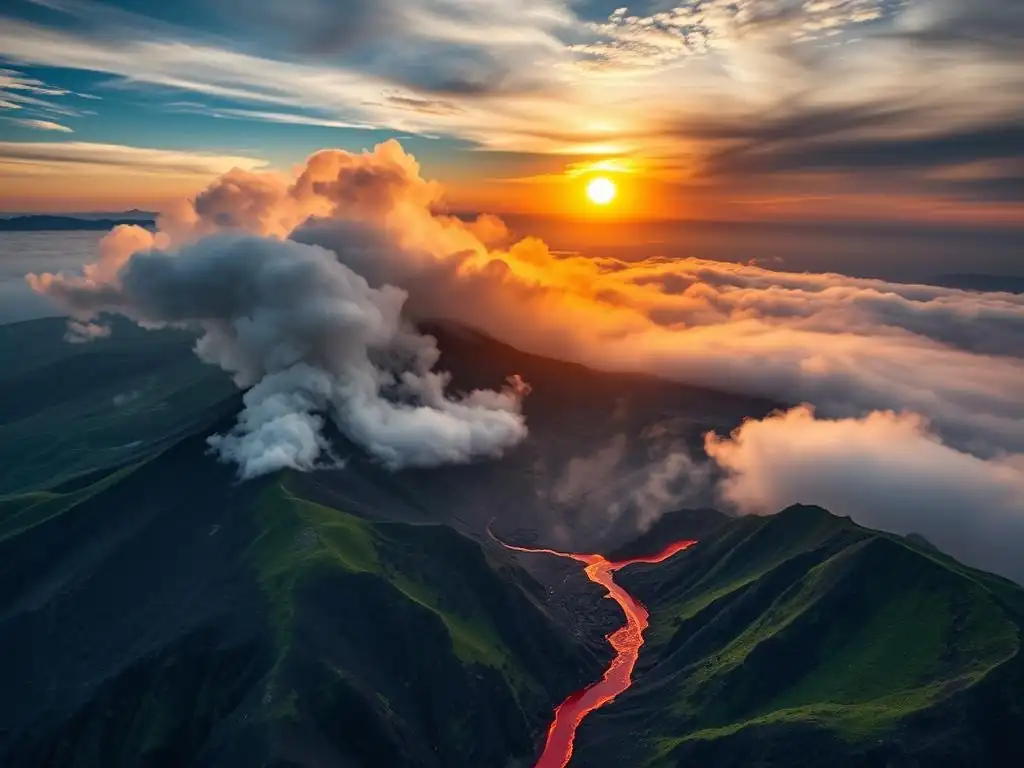
Welcome to Volcano Explorers!
Prepare to be captivated. Ever wondered what secrets lie hidden beyond the smoke and ash of a volcano? This site unveils the breathtaking beauty and raw power of these geological giants. Today, we're soaring above, offering a perspective few ever witness: stunning aerial views of volcanoes that will redefine your understanding of these magnificent formations. But that's just the beginning. What other wonders await discovery? Dive in and explore!
- Volcano Tourism: Experiencing Aerial Views of Volcanoes
- The Allure of Aerial Volcano Tours
- Capturing Stunning Aerial Volcano Photography
- Types of Volcanoes Best Viewed from Above
- Safety Considerations for Volcano Helicopter Tours
- Famous Volcanoes to Explore by Air
- The Environmental Impact of Volcano Tourism
- The Future of Volcano Aerial Tours
- Planning Your Volcano Helicopter Adventure
- Conclusion: Appreciating Volcanoes from a New Perspective
-
Frequently Asked Questions
- What makes aerial views of volcanoes so special?
- How do volcanologists utilize aerial views in their research?
- What safety precautions should be taken when flying near an active volcano?
- What are some famous volcanoes that offer stunning aerial views?
- Where can I find the best aerial photography of volcanoes?
- Final Reflection: Embracing the Fiery Majesty
- Unveil Your Inner Explorer: Take Flight with Volcanoes!
Volcano Tourism: Experiencing Aerial Views of Volcanoes
VolcanoExplorers.org: Your Gateway to Volcano Adventures
Welcome to VolcanoExplorers.org, your premier online destination for delving into the captivating world of volcanoes. Our mission is to ignite your curiosity and provide a comprehensive understanding of these awe-inspiring geological phenomena. Whether you are a seasoned volcanologist, an avid photographer, or simply a curious traveler, VolcanoExplorers.org offers a wealth of resources, from in-depth articles on volcanic science and history to practical guides for volcano tourism and safety. We are dedicated to showcasing the dramatic power and often-overlooked beauty of volcanoes, inviting you to explore these natural wonders from every angle, including breathtaking perspectives from above.
At VolcanoExplorers.org, we believe that experiencing volcanoes firsthand, even if virtually or through guided tours, fosters a deeper appreciation for our planet's dynamic forces. We provide information on various ways to engage with volcanoes responsibly and respectfully, emphasizing safety and sustainable practices. From understanding the science behind eruptions to planning your next volcano-themed adventure, VolcanoExplorers.org is your trusted companion in uncovering the secrets and splendor of these fiery giants. Join us as we ascend beyond the smoke and ash to reveal the hidden beauty of volcanoes, starting with the unparalleled experience of aerial views.
The Allure of Aerial Volcano Tours
Why Choose a Helicopter Tour for Volcano Exploration?
Helicopter tours offer an unparalleled vantage point for volcano exploration, transforming the way we perceive these geological titans. Unlike ground-level viewing, which is often restricted to designated viewpoints and trails, helicopter tours grant unrestricted access to the volcanic landscape. Imagine soaring above vast calderas, peering directly into steaming craters, and tracing the paths of ancient lava flows – all from the comfort and safety of a helicopter. This aerial perspective reveals the grand scale and intricate details of volcanic formations that are simply impossible to appreciate from the ground.
Beyond the enhanced visual experience, helicopter tours save valuable time and energy, allowing you to cover vast distances and see multiple volcanic features in a single excursion. Reaching remote or rugged volcanic areas, which would require days of hiking, becomes a matter of minutes. Furthermore, the dynamic nature of a helicopter flight, with its ability to hover, maneuver, and change altitude, provides photographers and videographers with exceptional opportunities to capture stunning aerial views of volcanoes. For those seeking a truly immersive and comprehensive volcano experience, a helicopter tour is an investment in perspective, accessibility, and unforgettable memories.
Unveiling Volcanic Landscapes from a Bird's-Eye View
From a bird's-eye view, volcanic landscapes transform into breathtaking tapestries of geological history and raw natural power. The intricate patterns of lava flows, often resembling frozen rivers of rock, become strikingly clear, revealing the direction and extent of past eruptions. Craters, which may appear as simple depressions from the ground, reveal their true depth and dramatic circular forms when viewed from above. The vibrant colors of volcanic minerals, often unseen at ground level, are amplified in aerial views, painting the landscape in hues of ochre, red, yellow, and even iridescent blues and greens, particularly in geothermal areas.
Aerial views of volcanoes also provide a crucial understanding of the broader geological context. Fault lines, tectonic plate boundaries, and the relationship between volcanoes and surrounding terrain become readily apparent. The sheer scale of volcanic edifices, such as shield volcanoes that spread across vast areas or stratovolcanoes that tower thousands of meters above sea level, is truly comprehended only from above.
Observing the interplay between volcanic activity and the environment, such as the impact on vegetation, water systems, and human settlements, offers a holistic perspective on the powerful forces shaping our planet. Aerial views are not just visually stunning; they are educational tools that unlock a deeper understanding of volcanic processes and their impact on Earth.
Capturing Stunning Aerial Volcano Photography
Tips for Taking Breathtaking Volcano Photos from Above
Capturing breathtaking aerial views of volcanoes requires a blend of preparation, technique, and an understanding of the unique challenges of airborne photography. Firstly, consider the timing of your flight. Golden hour, the period shortly after sunrise and before sunset, often provides the most dramatic lighting, casting long shadows and enhancing the textures of the volcanic landscape. Midday light can be harsh and create unwanted glare, so aim for flights during these optimal times if possible. Communicate with your helicopter tour operator about the desired lighting conditions and potential flight paths to maximize photographic opportunities.
Stability is crucial for sharp aerial photos. Minimize vibrations by using fast shutter speeds – ideally at least 1/500th of a second or faster, depending on your lens and the helicopter's speed. If permitted and safe, brace your camera against the helicopter frame or use a beanbag for added stability.
Shooting in continuous burst mode increases your chances of capturing sharp images amidst the vibrations. Focus on composition, utilizing leading lines formed by lava flows or crater rims to guide the viewer's eye. Experiment with different angles and altitudes to capture the volcano's features from various perspectives, and don't forget to include elements of the surrounding landscape to provide context and scale.
Essential Camera Gear for Volcano Aerial Photography
Choosing the right camera gear is essential for capturing stunning aerial volcano photographs. A DSLR or mirrorless camera with interchangeable lenses offers the versatility needed for different perspectives and shooting conditions. A wide-angle lens, such as a 16-35mm or 24-70mm, is ideal for capturing expansive volcanic landscapes and dramatic crater views. A telephoto lens, such as a 70-200mm or 100-400mm, allows you to zoom in on specific details, like lava flows or fumaroles, and compress the perspective for impactful compositions.
Invest in a high-quality polarizing filter to reduce glare from the helicopter windows and enhance the colors of the volcanic landscape. A sturdy camera bag is crucial to protect your gear during transport and while in the helicopter. Bring extra batteries and memory cards, as you'll likely be taking many photos.
Consider using a lens hood to minimize lens flare, especially when shooting towards the sun. While not strictly essential, a gimbal stabilizer might be beneficial for videography, but for still photography, focusing on fast shutter speeds and stable shooting techniques is generally sufficient. Remember to prioritize lightweight and compact gear, as space and weight might be limited in the helicopter.
Types of Volcanoes Best Viewed from Above
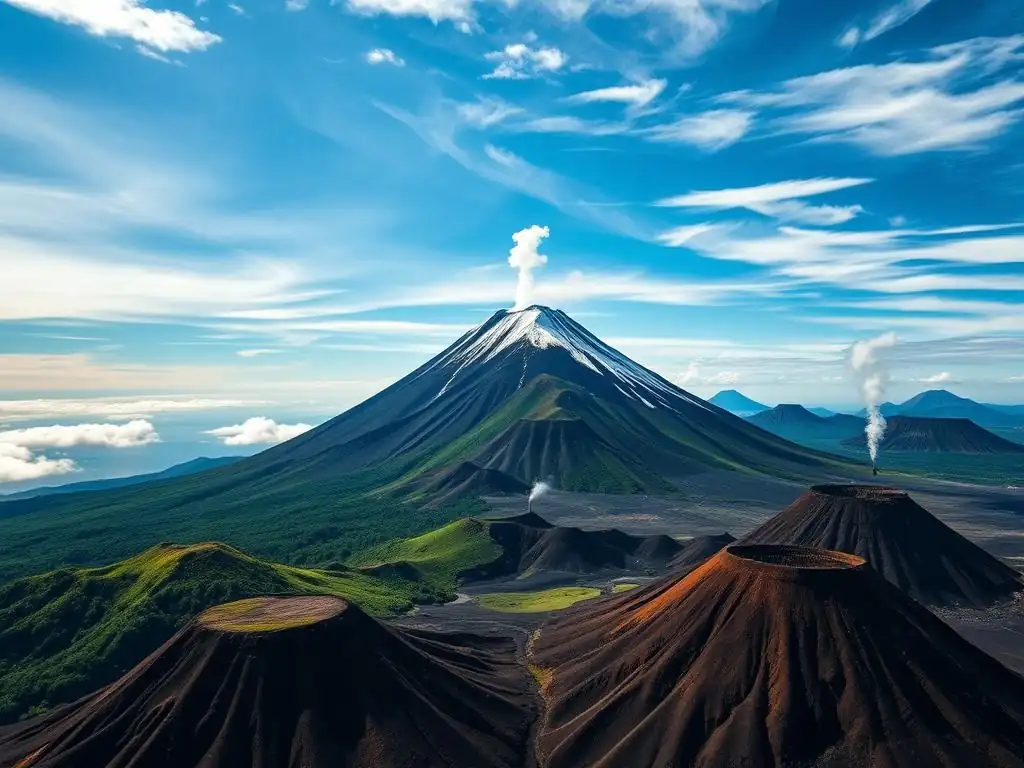
Exploring Stratovolcanoes from the Air: Mount Fuji, Japan
Stratovolcanoes, characterized by their steep, conical shapes and explosive eruption styles, are particularly captivating when viewed from above. Their symmetrical profiles, built up over millennia by layers of lava flows, ash, and volcanic debris, are fully revealed from an aerial perspective. Mount Fuji in Japan, a quintessential stratovolcano, exemplifies this beauty. From above, its iconic snow-capped peak, often shrouded in mist and clouds, emerges majestically. The radial drainage patterns emanating from its summit, carved by centuries of rainfall and snowmelt, become distinctly visible, showcasing the volcano's intricate geological history.
Aerial views of Mount Fuji also reveal the surrounding landscape, highlighting the contrast between the serene beauty of the volcano and the densely populated areas at its base. The vast caldera at its summit, formed by past eruptions, becomes apparent, offering a glimpse into the volcano's powerful past. Helicopter tours around Mount Fuji often provide breathtaking views of the Five Fuji Lakes nestled at its northern base, creating stunning compositions that blend natural beauty with human interaction. Exploring stratovolcanoes like Mount Fuji from the air provides a comprehensive understanding of their structure, scale, and integration within their surrounding environments.
Witnessing Shield Volcanoes' Vastness: Mauna Loa, Hawaii
Shield volcanoes, known for their broad, gently sloping profiles and effusive eruptions of fluid lava, present a different but equally impressive spectacle from above. Their immense size, often spanning vast areas, is difficult to grasp from ground level. Mauna Loa in Hawaii, one of the largest shield volcanoes on Earth, exemplifies this vastness. Aerial views are crucial to truly appreciate its scale and the sheer volume of lava that has shaped its landscape over millions of years. From above, the subtle slopes of Mauna Loa stretch out to the horizon, revealing the immense footprint of this volcanic giant.
Helicopter tours over Mauna Loa often showcase active lava flows, providing a unique opportunity to witness volcanic activity in real-time from a safe distance. The intricate patterns of solidified lava flows, resembling vast, dark rivers winding across the landscape, become strikingly clear from above, illustrating the volcano's eruptive history.
The summit caldera, Moku‘āweoweo, a large depression formed by the collapse of the magma chamber, is also best appreciated from an aerial perspective, revealing its dimensions and geological significance. Aerial views of shield volcanoes like Mauna Loa offer a profound sense of the immense power and scale of volcanic processes shaping our planet.
Calderas from Above: A Unique Perspective on Volcanic History
Calderas, large, basin-shaped depressions formed by the collapse of a volcano's magma chamber after a major eruption, offer a unique window into volcanic history when viewed from above. Their immense size and often complex geological features are best understood from an aerial perspective. Crater Lake in Oregon, USA, which occupies the caldera of Mount Mazama, serves as a stunning example. From above, the near-perfect circular shape of the caldera, filled with deep blue water, is dramatically revealed, surrounded by steep caldera walls that tell the story of a cataclysmic eruption thousands of years ago.
Aerial views of calderas can also expose hidden geological details, such as resurgent domes, volcanic islands within the caldera lake, and the intricate layering of volcanic deposits along the caldera walls. The scale of the eruption that formed the caldera becomes palpable when viewed from above, providing a powerful sense of the immense forces involved.
Exploring calderas from the air is not only visually captivating but also educational, offering a unique perspective on the long-term evolution of volcanoes and the dramatic events that shape our planet's surface. Whether it's the vast expanse of Yellowstone Caldera or the serene beauty of Crater Lake, aerial views unlock a deeper appreciation for these significant volcanic features.
Safety Considerations for Volcano Helicopter Tours
Understanding Volcanic Hazards During Aerial Tours
While volcano helicopter tours offer breathtaking experiences, it's crucial to be aware of potential volcanic hazards and safety considerations. Volcanoes are dynamic systems, and even dormant volcanoes can pose risks. One primary hazard is volcanic gas emissions. Volcanic gases, such as sulfur dioxide, carbon dioxide, and hydrogen sulfide, can be harmful or even deadly in high concentrations. While helicopter tours typically maintain a safe distance from active vents and fumaroles, it's essential to be aware of wind direction and potential gas plumes. Tour operators should monitor gas levels and adjust flight paths accordingly.
Another hazard, particularly around active volcanoes, is volcanic ash. Ash clouds from eruptions can pose a significant danger to aircraft, potentially causing engine failure and reduced visibility. Reputable tour operators closely monitor volcanic activity and weather conditions, including ash advisories, and will cancel or reroute flights if necessary.
Although less common during aerial tours, the risk of ballistic projectiles (rocks ejected during eruptions) and lava flows should also be considered, especially near actively erupting volcanoes. Operators should maintain a safe distance from active eruption sites and be prepared to adjust flight paths in response to changing volcanic conditions. Prioritizing safety and choosing a reputable tour operator are paramount for a safe and enjoyable volcano helicopter experience.
Choosing a Reputable Volcano Tour Operator: Safety First
Selecting a reputable and experienced volcano tour operator is paramount for ensuring a safe and enjoyable aerial volcano adventure. Prioritize operators with a proven track record of safety and compliance with aviation regulations. Check for certifications and affiliations with relevant aviation and tourism organizations. Read online reviews and testimonials from previous customers to gauge their experiences and assess the operator's reputation for safety and professionalism.
Inquire about the operator's safety protocols and procedures. Do they conduct pre-flight safety briefings? Are their pilots experienced in flying in volcanic environments? Do they have emergency plans in place? A reputable operator will be transparent about their safety measures and willing to answer your questions thoroughly. Ensure that the operator uses well-maintained helicopters and adheres to regular maintenance schedules. Confirm that they have appropriate insurance coverage and licenses. Choosing a tour operator that prioritizes safety above all else will provide peace of mind and allow you to fully appreciate the awe-inspiring experience of aerial volcano views.
Famous Volcanoes to Explore by Air
Kilauea, Hawaii: Witnessing Active Lava Flows from Above
Kilauea, located on the Big Island of Hawaii, is one of the world's most active volcanoes and a prime destination for aerial volcano tours. Helicopter tours over Kilauea offer the unparalleled opportunity to witness active lava flows from above, a truly breathtaking and unforgettable spectacle. From the air, you can observe molten lava rivers snaking across the volcanic landscape, often flowing towards the ocean, creating dramatic steam plumes where lava meets water. The vibrant colors of the lava, ranging from bright orange to fiery red, are vividly contrasted against the dark, solidified lava fields.
Aerial views of Kilauea also reveal the vast scale of recent eruptions, showcasing the areas reshaped by lava flows and volcanic activity. You can witness the Puʻu ʻŌʻō vent, a historically active site on Kilauea's East Rift Zone, and observe the remnants of past lava lakes and volcanic cones. Helicopter tours often fly over the Halemaʻumaʻu crater at the summit of Kilauea, although activity levels and visibility can vary.
Witnessing Kilauea from above provides a dynamic and awe-inspiring perspective on active volcanism, showcasing the raw power and ongoing geological processes shaping the Hawaiian Islands. It is an experience that truly brings the dynamism of our planet to life.
Mount Etna, Italy: A European Volcano Adventure from the Sky
Mount Etna, towering over Sicily, Italy, is Europe's highest and most active volcano, offering a unique European volcano adventure from the sky. Helicopter tours around Mount Etna provide stunning aerial views of its diverse volcanic landscapes, from snow-capped peaks in winter to steaming craters and lava fields throughout the year. From above, you can appreciate the complex structure of Etna, a stratovolcano with multiple summit craters and numerous flank vents, reflecting its long and active eruptive history.
Aerial views reveal the stark contrast between the volcanic landscape and the surrounding fertile slopes, dotted with vineyards and citrus groves, showcasing the interplay between volcanic activity and human habitation. You can trace the paths of recent lava flows, often contrasting sharply with older, vegetated areas. Helicopter tours may fly over the Valle del Bove, a large volcanic depression on Etna's eastern flank, offering dramatic views of its steep walls and geological formations. Exploring Mount Etna by air provides a comprehensive perspective on this iconic European volcano, blending natural beauty with geological intrigue and cultural context.
Villarrica, Chile: A Unique Aerial Volcano Experience
Villarrica volcano, located in the Chilean Lake District, presents a unique aerial volcano experience, combining dramatic volcanic scenery with stunning alpine landscapes. Known for its near-constant activity and often visible lava lake within its summit crater, Villarrica offers spectacular views from above. Helicopter tours around Villarrica provide a privileged perspective of its perfectly conical shape, often capped with snow and ice, rising majestically above the surrounding lakes and forests. From the air, you can peer directly into the active summit crater, often witnessing the glow of molten lava, plumes of volcanic gas, and even minor explosions.
Aerial views of Villarrica also showcase the surrounding landscape, including the picturesque Villarrica Lake and the charming town of Pucón nestled at its base. The stark contrast between the snow-covered volcano and the lush green forests below is particularly striking. Helicopter tours may also fly over nearby volcanic features, such as lava caves and geothermal areas, providing a broader understanding of the region's volcanic activity. Exploring Villarrica volcano from the air is a truly unforgettable adventure, offering a blend of dramatic volcanic beauty and stunning Patagonian scenery.
The Environmental Impact of Volcano Tourism
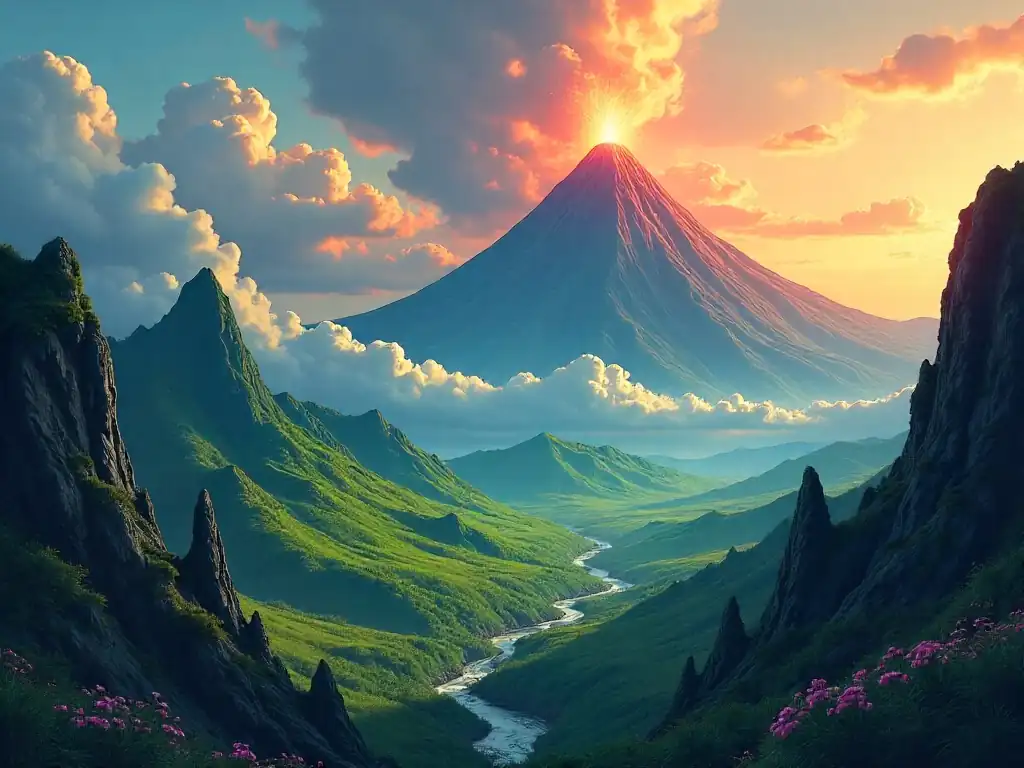
Responsible Volcano Exploration: Minimizing Our Footprint
Volcano tourism, while offering incredible experiences, also carries environmental responsibilities. Responsible volcano exploration requires minimizing our footprint and ensuring the preservation of these fragile ecosystems. Aerial tours, in particular, have a lower direct impact on ground vegetation and wildlife compared to on-foot tourism, but noise pollution from helicopters can still affect local fauna, especially birds and sensitive wildlife populations. Tour operators should adhere to flight paths that minimize disturbance to wildlife habitats and maintain appropriate altitudes to reduce noise impact.
Supporting eco-conscious tour operators who prioritize environmental sustainability is crucial. These operators often implement practices such as carbon offsetting, using fuel-efficient helicopters, and contributing to local conservation efforts. As tourists, we can also contribute by choosing responsible operators, respecting guidelines provided by tour operators and park authorities, and avoiding littering or disturbing the natural environment. Educating ourselves about the local ecology and volcanic environment helps us appreciate the delicate balance and encourages responsible behavior. By embracing responsible volcano exploration practices, we can enjoy these natural wonders while ensuring their preservation for future generations.
Supporting Sustainable Volcano Tourism Practices
Supporting sustainable volcano tourism practices is essential for ensuring the long-term viability of volcano exploration and the well-being of local communities and ecosystems. Choose tour operators committed to sustainability, who demonstrate responsible environmental practices and contribute positively to the local economy. Look for operators that are certified by sustainable tourism organizations or adhere to recognized environmental standards. Inquire about their environmental policies and initiatives, such as waste management, carbon reduction, and community engagement.
Supporting local businesses and communities around volcano destinations is also a key aspect of sustainable tourism. Choose locally owned tour operators, accommodations, and restaurants whenever possible, ensuring that tourism revenue benefits the local economy directly. Respect local cultures and traditions, and be mindful of the social impact of tourism.
Educate yourself about the environmental and cultural context of the volcano destination you are visiting and be a responsible and respectful traveler. By actively supporting sustainable volcano tourism practices, we can contribute to the preservation of these unique environments and ensure that volcano tourism benefits both visitors and local communities in the long run.
The Future of Volcano Aerial Tours
Technological Advancements in Volcano Aerial Observation
The future of volcano aerial tours is poised to be transformed by technological advancements, enhancing both the experience for tourists and the scientific observation of volcanoes. Drones are increasingly being utilized for volcano monitoring and exploration, offering cost-effective and less intrusive alternatives to traditional helicopter flights for certain applications. While drones may not fully replace helicopter tours for tourism due to passenger capacity and experience factors, they are becoming valuable tools for capturing high-resolution aerial imagery and data, which can then be integrated into virtual reality (VR) and augmented reality (AR) experiences for tourists.
Advances in helicopter technology, such as quieter and more fuel-efficient aircraft, will further minimize the environmental impact of aerial tours. Improved camera technology, including higher resolution sensors and advanced stabilization systems, will enable even more breathtaking aerial photography and videography of volcanoes.
Real-time data integration, such as live feeds from volcano monitoring networks displayed within the helicopter cabin, could enhance the educational and informative aspects of volcano tours, providing passengers with up-to-the-minute insights into volcanic activity. The integration of VR and AR technologies into helicopter tours could further enrich the experience, overlaying geological data, historical information, and even simulated eruption scenarios onto the real-world view, creating a truly immersive and educational adventure.
Expanding Access to Volcano Exploration Through Aerial Tours
Aerial volcano tours have the potential to expand access to volcano exploration for a wider range of people, including those with mobility limitations or those who prefer a less physically demanding way to experience volcanoes. Helicopter tours can reach remote and rugged volcanic areas that are inaccessible by other means, opening up new frontiers for volcano tourism. As technology advances and costs potentially decrease over time, aerial tours may become more affordable and accessible to a broader demographic.
Virtual aerial tours, utilizing drone footage and VR technology, offer another avenue for expanding access to volcano exploration, allowing people to experience the thrill of aerial volcano views from anywhere in the world. These virtual experiences can be particularly beneficial for educational purposes, allowing students and researchers to explore volcanoes remotely. The development of more sustainable and environmentally friendly aerial tourism options, such as electric helicopters or quieter drone-based tours, will further enhance the accessibility and appeal of volcano exploration, ensuring that more people can appreciate the beauty and wonder of these natural phenomena while minimizing environmental impact.
Planning Your Volcano Helicopter Adventure
What to Expect on a Volcano Aerial Tour: A Detailed Guide
Planning a volcano helicopter adventure requires understanding what to expect to ensure a smooth and enjoyable experience. Most tours begin with a safety briefing, outlining safety procedures and what to do in case of emergencies. You'll be provided with a headset to communicate with the pilot and other passengers during the flight. Helicopters typically have large windows designed for optimal viewing and photography. Dress in layers, as temperatures can vary at different altitudes and inside the helicopter cabin. Wear comfortable clothing and closed-toe shoes.
Motion sickness can be a concern for some individuals. If you are prone to motion sickness, consider taking preventative medication beforehand and inform the tour operator. During the flight, the pilot will provide commentary about the volcanic landscape, geological features, and volcanic history. Flight durations vary, typically ranging from 30 minutes to over an hour, depending on the tour and location.
Be prepared for potential turbulence, especially in windy conditions or near volcanic plumes. Photography is usually encouraged, but be mindful of safety instructions and avoid obstructing the views of other passengers. Upon landing, there may be opportunities to ask questions and further explore the volcano area from the ground, depending on the tour itinerary.
Booking Your Flight: Tips and Considerations
Booking your volcano helicopter tour involves several tips and considerations to ensure you secure the best experience. Book in advance, especially during peak tourist seasons, as tours can fill up quickly. Compare different tour operators, considering factors such as price, duration, flight paths, safety record, and customer reviews. Read the tour descriptions carefully to understand what is included and excluded, such as national park fees or transportation to the heliport. Check the operator's cancellation policy in case of unforeseen circumstances, such as weather or volcanic activity cancellations.
Consider the time of day for your flight, as lighting conditions can significantly impact your viewing and photography experience. Golden hour flights (sunrise or sunset) often offer the most dramatic lighting, but midday flights may provide clearer views in certain weather conditions. Communicate any specific requests or interests to the tour operator, such as focusing on specific volcanic features or photographic opportunities.
Confirm the meeting point and time, and ensure you have appropriate transportation to the heliport. Be prepared to be flexible, as flight schedules may be subject to change due to weather or volcanic activity. By planning ahead and considering these tips, you can ensure a seamless and unforgettable volcano helicopter adventure.
Conclusion: Appreciating Volcanoes from a New Perspective
Aerial views of volcanoes offer a transformative perspective, revealing the hidden beauty and immense scale of these geological wonders in ways simply unattainable from the ground. From the intricate patterns of lava flows to the vast expanse of calderas and the dramatic silhouettes of stratovolcanoes, seeing volcanoes from above unlocks a deeper appreciation for the powerful forces that shape our planet. Volcano tourism, particularly through aerial tours, provides a unique opportunity to connect with nature's raw power and witness the dynamic processes of volcanism firsthand.
As we continue to explore and understand volcanoes, aerial perspectives will undoubtedly play an increasingly vital role, both in scientific research and in fostering a greater public appreciation for these awe-inspiring phenomena. By embracing responsible and sustainable volcano tourism practices and utilizing technological advancements, we can ensure that future generations have the opportunity to witness and learn from the hidden beauty of volcanoes from above, continuing to marvel at these dramatic landscapes and the profound geological stories they tell.
Frequently Asked Questions
What makes aerial views of volcanoes so special?
Aerial views offer a unique perspective on volcanic landscapes, revealing details often hidden from the ground. They showcase the vast scale and intricate formations of craters, lava flows, and surrounding terrain.
How do volcanologists utilize aerial views in their research?
Volcanologists use aerial imagery and data from drones and satellites to monitor volcanic activity, map changes in the terrain, and assess potential hazards. This helps them predict eruptions and mitigate risks.
What safety precautions should be taken when flying near an active volcano?
Flying near an active volcano requires extreme caution. Pilots must maintain a safe distance from the vent, avoid flying through ash clouds, and be aware of changing weather conditions and potential turbulence.
What are some famous volcanoes that offer stunning aerial views?
Several volcanoes offer spectacular aerial views, including Mount St. Helens in the USA, Mount Etna in Italy, and Kilauea in Hawaii. Their unique geological features are best appreciated from above.
Where can I find the best aerial photography of volcanoes?
VolcanoExplorers.org features a dedicated section showcasing stunning aerial photography of volcanoes worldwide. You can also find incredible images on websites dedicated to volcanic exploration and photography.
Final Reflection: Embracing the Fiery Majesty
The breathtaking aerial views of volcanoes, as we've explored, are more than just stunning photographs; they are powerful reminders of the Earth's raw energy and creative force. In a world increasingly dominated by the digital and the artificial, these natural wonders offer a vital connection to the planet's primal origins and its ongoing evolution.
The impact of witnessing these landscapes, even through images, continues to resonate deeply within our cultural consciousness. The sheer scale and drama of volcanic formations challenge our perspectives and inspire a sense of awe and humility. The mountains are calling and I must go.
- John Muir. This quote encapsulates the irresistible pull these geological giants exert, urging us to explore, understand, and ultimately, respect the forces that shape our world.
Now, consider the implications of what you've seen. How can you carry this newfound appreciation for the Earth's power and beauty into your daily life? Let the fiery majesty of these aerial views of volcanoes ignite your own passions and inspire you to seek out wonder in the world around you, both above and below.
Unveil Your Inner Explorer: Take Flight with Volcanoes!
Thank you for joining us on a journey to discover the mesmerizing beauty of volcanoes from a unique perspective. We hope you've gained a deeper appreciation for these powerful forces of nature. Now, it's time to take your exploration further.
Here are a few ways to continue your adventure:
- Explore our interactive 3D map at volcanoexplorers.org and virtually soar over the stunning landscapes featured in this article.
- Share the wonder: Inspire others by sharing this article with friends and family who appreciate the power and beauty of the natural world.
- Delve deeper: Research a volcano that captivated you and create a presentation about its unique geological features.
Which volcano ignited your imagination the most, and how will you uncover its secrets? Share your thoughts in the comments below!