
The Lasting Scars of Laki: Environmental Damage and Recovery in Iceland

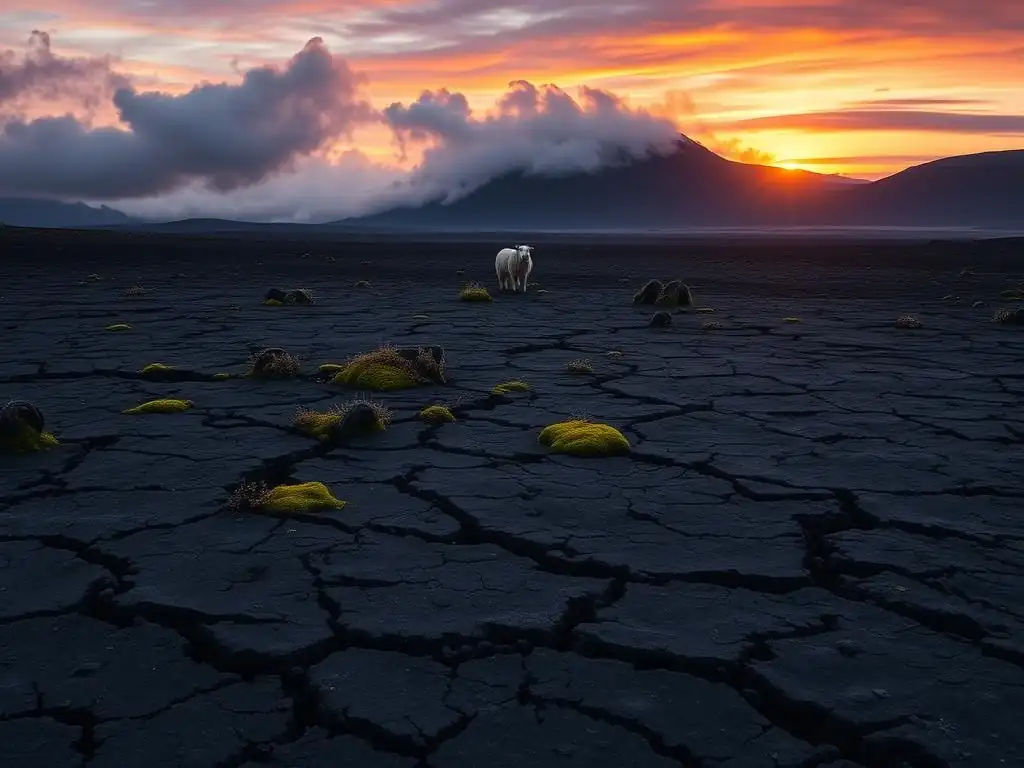
Welcome to Volcano Explorers, where we unearth the power and mystery of Earth's fiery giants. Ever wondered how a single eruption could reshape not just a landscape, but the very climate? Dive in to discover the lasting scars of Laki, a volcano whose environmental impact continues to reverberate through history. Prepare to be captivated by a story of destruction, resilience, and the enduring power of nature's most volatile forces... what secrets does Iceland's landscape hold, and what lessons can we learn from Laki's legacy?
Introduction: Exploring the Devastating Laki Fissure Eruption
The Laki fissure eruption, a colossal volcanic event that unfolded in Iceland between 1783 and 1784, stands as a stark reminder of nature's raw power and the profound environmental impact volcanoes can unleash. This eruption, originating from the Grímsvötn volcanic system, was not characterized by a singular, cone-shaped volcano exploding dramatically, but by a vast fissure, a ground rupture stretching over 27 kilometers. The consequences of this fissure's relentless outpouring of lava and volcanic gases were catastrophic, leaving lasting scars on the Icelandic landscape and reverberating across Europe, primarily due to the significant Laki volcano environmental impact.
The Laki eruption serves as a pivotal case study in understanding the long-term ecological and societal ramifications of large-scale volcanic events. It is a grim testament to the vulnerability of ecosystems and human populations to natural disasters.
By examining the environmental devastation wrought by Laki and the subsequent recovery processes, we gain crucial insights into how to better prepare for and mitigate the impacts of future volcanic eruptions, ensuring a more resilient future in volcanically active regions. This article will delve into the multifaceted environmental damage caused by the Laki eruption, exploring its immediate and long-term consequences, and examining the path towards recovery in Iceland.
- What was the primary environmental impact of the Laki eruption in Iceland?
- How did the Laki eruption affect the human population in Iceland?
- What were the long-term global climate effects of the Laki eruption?
- How has the environment around Laki recovered since the eruption?
- What lessons can be learned from the Laki eruption regarding volcanic hazards and environmental preparedness?
The Laki Eruption of 1783-1784: A Catastrophic Icelandic Event
Historical Context: Iceland Before Laki
Prior to the Laki eruption, Iceland was a sparsely populated island nation, heavily reliant on agriculture and fishing. The late 18th century was already a challenging period, marked by the "Little Ice Age," which brought colder temperatures and shorter growing seasons, placing considerable strain on agricultural productivity. Icelandic society was largely agrarian, with a significant portion of the population engaged in sheep farming and subsistence agriculture. The environment, while resilient, was already under pressure from the climatic shifts and traditional farming practices.
The Icelandic economy was vulnerable, and the population, estimated to be around 50,000 at the time, was relatively isolated. Communities were scattered, and communication was slow. This pre-eruption context is crucial because it highlights the existing vulnerabilities that were exacerbated by the Laki disaster. The eruption did not occur in a vacuum; it struck a society already facing environmental and economic challenges, amplifying its devastating effects and making recovery even more arduous. The resilience of the Icelandic people was about to be tested in ways few could have imagined.
The Eruption Begins: Initial Explosions and Fissure Formation
On June 8, 1783, the earth trembled in Iceland. The initial phase of the Laki eruption was marked by violent phreatomagmatic explosions, resulting from the interaction of magma with groundwater. These explosions ripped open the earth, creating the Laki fissure in the highlands between the glaciers Mýrdalsjökull and Vatnajökull. Eyewitness accounts describe the sky turning black with ash and tephra, accompanied by thunderous booms and the terrifying spectacle of the earth splitting apart.
The fissure didn't erupt uniformly along its entire length immediately. Instead, volcanic activity initiated at the southwestern end and progressively propagated northeastward over several weeks. This fissure eruption was characterized by effusive lava flows and sustained gas emissions, rather than explosive eruptions from a central vent. Molten rock gushed from numerous vents along the fissure, creating a series of volcanic craters that are still visible today, marking the immense scale of the event that was about to unfold and the beginning of the Laki volcano environmental impact.
Duration and Scale: Understanding the Magnitude of the Laki Eruption
The Laki eruption was not a short-lived event; it raged for eight long months, finally ceasing in February 1784. During this protracted period, an estimated 14.7 cubic kilometers of basalt lava were erupted, making it one of the largest effusive eruptions in recorded history. This vast volume of lava covered an area of approximately 600 square kilometers, transforming the landscape dramatically. However, the lava flows were only part of the disaster.
Equally, if not more devastating, were the massive quantities of volcanic gases released into the atmosphere. It is estimated that the eruption emitted around 8 million tons of hydrogen fluoride and a staggering 120 million tons of sulfur dioxide. To put this into perspective, the sulfur dioxide emissions were several times greater than the annual global industrial emissions at the time. This massive release of gases into the atmosphere had far-reaching consequences, contributing to both local and global environmental disruptions, and solidifying the Laki eruption's place as a benchmark for volcanic environmental impact.
Laki Volcano Environmental Impact: The Immediate and Long-Term Consequences
Atmospheric Pollution: The Toxic Haze Across Europe
The sheer volume of sulfur dioxide released during the Laki eruption had profound atmospheric consequences far beyond Iceland. Sulfur dioxide reacted with water vapor in the atmosphere to form sulfuric acid aerosols, creating a persistent, toxic haze that blanketed Iceland and spread across Europe. This "Laki haze," as it became known, reduced sunlight, leading to lower temperatures and impacting plant growth across the continent.
Contemporary accounts from Europe describe a thick, acrid fog that lingered for months, obscuring the sun and causing respiratory problems. The haze was reported as far south as Portugal and Italy, and eastward into Russia. The air quality deteriorated dramatically, and people experienced symptoms like coughing, wheezing, and eye irritation. This widespread atmospheric pollution was a direct and immediate consequence of the Laki eruption, demonstrating the transboundary nature of volcanic environmental impact and the ability of volcanic eruptions to affect global atmospheric conditions.
Fluoride Poisoning: Impact on Livestock and Human Health in Iceland
Perhaps the most devastating immediate environmental impact of the Laki eruption in Iceland was fluoride poisoning. Volcanic gases, particularly hydrogen fluoride, settled on vegetation, contaminating grazing lands. Fluoride is highly toxic, and when livestock, primarily sheep and cattle, consumed this contaminated forage, they suffered from fluorosis. This condition leads to bone deformation, teeth erosion, and ultimately, death.
The consequences for Icelandic agriculture were catastrophic. It is estimated that over 80% of Iceland's sheep population perished, along with over 50% of cattle and horses. This livestock mortality rate decimated the agricultural base of the Icelandic economy, leading to widespread famine. Furthermore, fluoride poisoning also directly affected human health. While less immediately lethal than for livestock, chronic fluoride exposure caused skeletal fluorosis in humans, leading to joint pain, bone deformities, and other debilitating health issues, compounding the already immense suffering in Iceland due to the Laki volcano environmental impact.
Agricultural Devastation: Crop Failures and Famine
Beyond livestock losses, the Laki eruption inflicted severe damage on Icelandic agriculture through multiple pathways. The volcanic ash, while initially seeming like it might fertilize the soil, contained high concentrations of acid and fluoride, which poisoned the land. The toxic haze reduced sunlight, inhibiting photosynthesis and leading to stunted crop growth and widespread crop failures. The combination of ashfall, toxic gases, and reduced sunlight created a perfect storm for agricultural collapse.
Grain crops, hay meadows, and other vital food sources failed across Iceland. The already short growing season was further curtailed by the colder temperatures and reduced sunlight caused by the haze. With livestock decimated and crops failing, Iceland was plunged into a severe famine known as the "Mist Hardships" (Móðuharðindin). It is estimated that approximately 10,000 people, roughly 20-25% of Iceland's population at the time, died due to famine and disease exacerbated by malnutrition, making the agricultural devastation a central aspect of the Laki volcano environmental impact.
Water Contamination: The Effects on Icelandic Water Sources
The Laki eruption also significantly impacted Icelandic water sources. Volcanic ash and acidic gases contaminated rivers, lakes, and groundwater. Acid rain, formed from the sulfur dioxide and other volcanic gases reacting with atmospheric moisture, further acidified water bodies and leached toxic metals from the soil into the water supply. This water contamination had multiple detrimental effects.
Firstly, it directly impacted the potability of drinking water. Water sources became unpalatable and potentially toxic, contributing to health problems and disease. Secondly, contaminated water affected fish populations in rivers and lakes, further reducing food sources and impacting the fishing industry, another crucial component of the Icelandic economy. The water contamination was a less immediately visible impact than the livestock deaths or crop failures, but it was a significant and pervasive aspect of the Laki volcano environmental impact, contributing to the overall hardship and hindering recovery.
Laki's Impact on Iceland's Ecosystems: A Detailed Analysis
Vegetation Damage and Recovery: Analyzing the Effects on Icelandic Flora
The immediate impact of the Laki eruption on Icelandic vegetation was devastating. Acid rain and ashfall scorched plant life, defoliating forests and grasslands. The toxic gases directly damaged plant tissues, inhibiting growth and causing widespread dieback. Lichens, mosses, and other sensitive vegetation types, crucial components of the Icelandic ecosystem, were particularly vulnerable. The initial period after the eruption saw a dramatic reduction in vegetation cover across large areas.
However, Icelandic flora exhibits remarkable resilience. Over time, recovery processes began. Pioneer species, adapted to harsh conditions, started to recolonize the barren landscapes. Grasses and hardy shrubs gradually returned, followed by slower-growing vegetation like birch and willow in some areas. The recovery process was not uniform; areas closer to the fissure and those receiving heavier ashfall experienced slower regeneration. The long-term vegetation damage and subsequent recovery are crucial aspects of understanding the Laki volcano environmental impact on Icelandic ecosystems, highlighting both vulnerability and resilience.
Soil Erosion: The Long-Term Consequences for Land Stability
The Laki eruption had significant long-term consequences for soil stability in Iceland. The widespread vegetation die-off, coupled with heavy rainfall and wind, led to increased soil erosion. Without plant roots to bind the soil, topsoil was easily washed or blown away, particularly in the highlands and areas with steep slopes. This soil erosion further degraded the land, reducing its fertility and hindering vegetation recovery.
The loss of topsoil not only impacted vegetation regrowth but also affected water retention and nutrient cycling within the ecosystem. Eroded areas became more susceptible to desertification, a process of land degradation in dry and semi-arid regions. While Iceland is not typically considered arid, the volcanic eruption and its aftermath created conditions conducive to soil erosion and land degradation. The long-term soil erosion is a less visible but persistent legacy of the Laki eruption, representing a significant aspect of the Laki volcano environmental impact and its lasting effects on land stability.
Impact on Wildlife: Examining the Effects on Icelandic Fauna
Beyond livestock, the Laki eruption had significant impacts on Icelandic wildlife. Birds, particularly seabirds and migratory species, suffered from the toxic haze and acid rain. Respiratory problems and reduced food availability likely contributed to population declines. Fish populations in rivers and lakes were affected by water contamination, leading to mortality and reduced reproductive success. Terrestrial wildlife, such as Arctic foxes and reindeer, also faced challenges.
Reduced vegetation cover limited food sources for herbivores like reindeer, while the overall ecosystem disruption impacted the entire food web. The long-term effects on wildlife populations are harder to quantify precisely compared to livestock losses, but ecological studies suggest that the Laki eruption had a cascading effect throughout the Icelandic ecosystem. While some wildlife populations likely recovered relatively quickly, others may have experienced more prolonged impacts, making the broader ecological consequences an important dimension of the Laki volcano environmental impact.
Climatic Effects of the Laki Eruption: Beyond Iceland's Shores
Global Temperature Drop: Laki's Influence on the Northern Hemisphere
The massive release of sulfur dioxide from the Laki eruption had a measurable cooling effect on global temperatures, particularly in the Northern Hemisphere. Sulfuric acid aerosols formed in the stratosphere reflected incoming sunlight back into space, reducing the amount of solar radiation reaching the Earth's surface. Climate reconstructions based on tree rings and ice core data show a distinct cooling signal in the years following the eruption.
While the exact magnitude of the temperature drop is debated, estimates range from 0.5 to 1 degree Celsius in the Northern Hemisphere in the summer of 1783. This cooling effect, although seemingly small, was significant in the context of late 18th-century climate variability and contributed to already challenging weather conditions in many parts of the world. The Laki eruption provides a clear example of how large volcanic eruptions can influence global climate patterns, demonstrating a planetary-scale Laki volcano environmental impact.
The "Laki Haze" and its Impact on European Weather Patterns
The "Laki haze" not only caused atmospheric pollution but also disrupted European weather patterns. The haze altered atmospheric circulation, leading to unusual and extreme weather events across the continent. Historical records from 1783 and 1784 document unusually hot summers in some regions, followed by harsh winters. The haze may have contributed to drought conditions in parts of Europe and altered rainfall patterns.
These weather anomalies had significant consequences for agriculture and society across Europe. Crop failures were reported in several countries, potentially exacerbating existing social and economic tensions. The Laki eruption's influence on European weather patterns highlights the complex and interconnected nature of climate systems and the ability of volcanic eruptions to trigger widespread meteorological disturbances, extending the reach of the Laki volcano environmental impact far beyond Iceland.
Potential Links to the French Revolution: Exploring Laki's Socio-Political Influence
Some historians have proposed a potential link between the Laki eruption and the French Revolution, which began just a few years later in 1789. The argument centers on the idea that the eruption-induced climate anomalies and crop failures in Europe, particularly in France, contributed to economic hardship and social unrest. Poor harvests, food shortages, and rising bread prices could have exacerbated existing inequalities and grievances, creating a volatile social environment.
While the Laki eruption was certainly not the sole cause of the French Revolution, it may have been a contributing factor. The environmental stress caused by the eruption could have acted as a "tipping point" in an already tense socio-political situation. This potential link, though still debated, underscores the far-reaching consequences of large volcanic eruptions and their capacity to influence not only environmental but also social and political systems, suggesting a subtle but potentially significant socio-political dimension to the Laki volcano environmental impact.
Recovery Efforts and Lessons Learned from the Laki Eruption
Icelandic Responses to the Disaster: Survival Strategies and Community Resilience
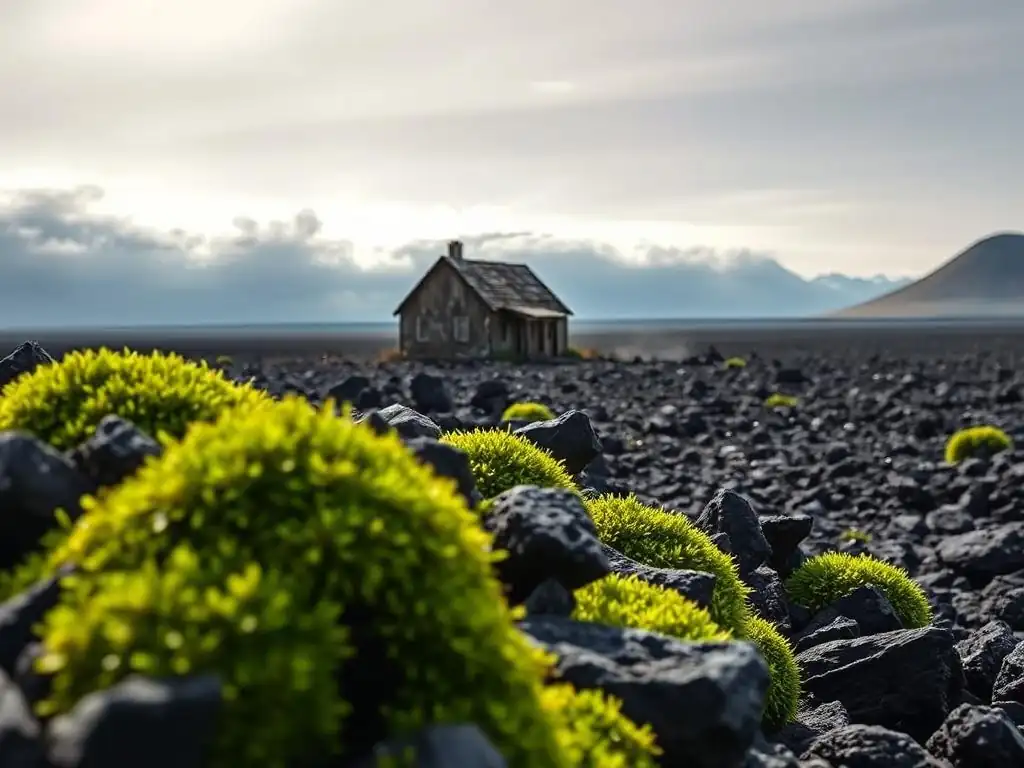
Faced with unprecedented environmental devastation, Icelanders displayed remarkable resilience and developed various survival strategies. Community cooperation was crucial. People shared dwindling food resources, assisted each other in caring for the sick and vulnerable, and worked together to adapt to the changed environment. Traditional knowledge of resource management and adaptation to harsh conditions proved invaluable.
Fishing became even more critical as a food source, as livestock farming was decimated. People migrated to coastal areas to access fish and other marine resources. Some limited trade and aid from Denmark, which then ruled Iceland, provided some relief, although it was often insufficient. The Icelandic response to the Laki disaster highlights the importance of community solidarity, adaptive capacity, and leveraging available resources in the face of catastrophic environmental events. This period of hardship tested Icelandic society to its limits, but also demonstrated its enduring resilience in the face of the Laki volcano environmental impact.
Modern Monitoring and Mitigation: Preventing Future Laki-Scale Disasters
The Laki eruption serves as a stark reminder of the potential for large-scale volcanic disasters and the importance of preparedness. Modern volcanology has advanced significantly since the 18th century. Iceland is now one of the most volcanically monitored regions in the world, with sophisticated networks of seismic sensors, GPS stations, gas detectors, and satellite monitoring systems. These technologies allow volcanologists to detect subtle changes in volcanic activity, providing early warnings of potential eruptions.
Furthermore, advancements in atmospheric modeling and hazard assessment allow for better prediction of ash dispersal and gas plume trajectories, crucial for aviation safety and public health. Evacuation plans and emergency response protocols are in place in volcanically active areas. While it is impossible to completely prevent volcanic eruptions, modern monitoring and mitigation efforts significantly reduce the risks and potential for catastrophic consequences, learning crucial lessons from historical events like the Laki eruption and its extensive Laki volcano environmental impact.
The Legacy of Laki: Understanding Volcanic Hazards and Environmental Impacts
The Laki eruption's legacy extends far beyond Iceland. It has become a key case study in volcanology, climate science, and environmental history. Scientists continue to study the eruption's deposits, gas emissions, and environmental consequences to better understand volcanic processes and their global impacts. The Laki eruption provides valuable insights into the long-term effects of volcanic eruptions on ecosystems, climate, and human societies.
It underscores the importance of understanding volcanic hazards and developing robust mitigation strategies. The eruption also highlights the interconnectedness of environmental systems and the potential for local volcanic events to have global ramifications. The lessons learned from Laki inform volcanic hazard assessments and preparedness efforts worldwide, ensuring that future generations are better equipped to manage the risks posed by volcanic activity and mitigate the potential Laki volcano environmental impact of future eruptions.
Laki Volcano Environmental Impact Today: A Landscape Still Marked
Current Environmental Conditions: Assessing the Recovery of Affected Areas
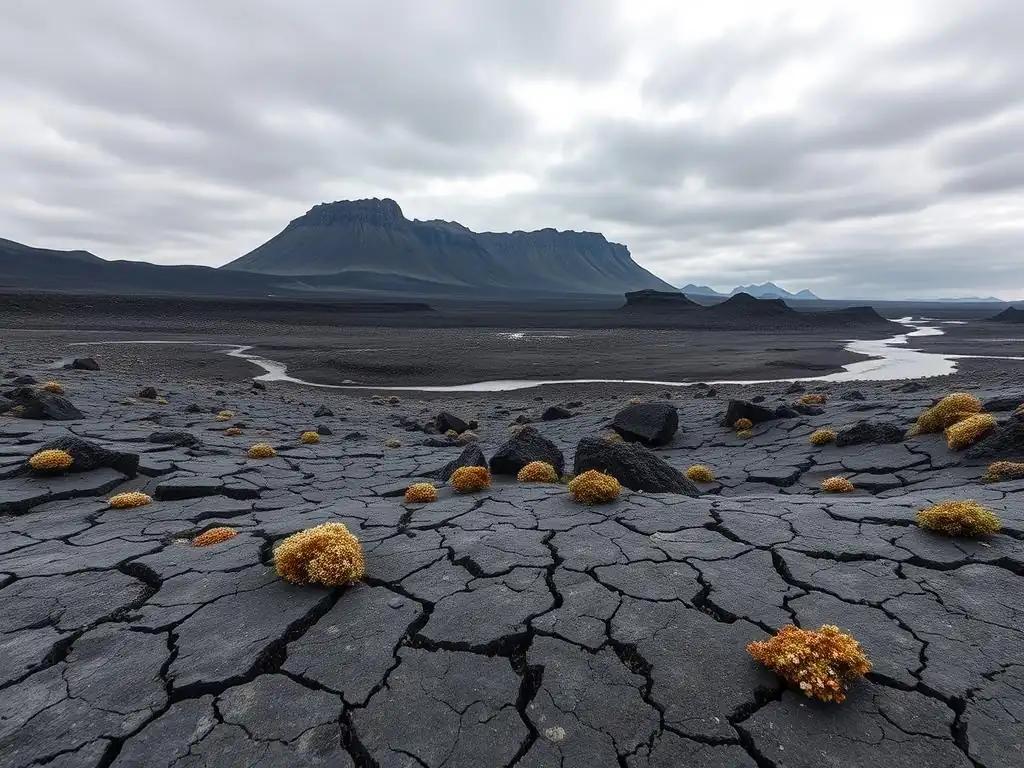
Over two centuries after the Laki eruption, the Icelandic landscape still bears the scars of this catastrophic event. While vegetation has largely recovered in many areas, particularly in lower elevations, some regions, especially closer to the fissure and in the highlands, show slower recovery. The lava fields themselves remain largely barren, a stark reminder of the eruption's scale. Soil erosion continues to be a concern in some areas, particularly where vegetation cover is still sparse.
Water quality has generally recovered, but ongoing monitoring is essential to detect any potential long-term contamination. Wildlife populations have largely rebounded, but ecosystem dynamics may still be influenced by the long-term effects of the eruption. Overall, while significant recovery has occurred, the Laki eruption's environmental footprint is still visible, particularly in the landscape's morphology and the slower recovery of certain ecosystems, demonstrating the long-lasting Laki volcano environmental impact.
Ongoing Research: Monitoring the Long-Term Effects of the Laki Eruption
Scientific research on the Laki eruption continues to this day. Volcanologists, ecologists, and climate scientists are still studying various aspects of the eruption and its aftermath. Ongoing research includes monitoring vegetation recovery, soil erosion rates, and long-term changes in ecosystem structure and function. Scientists are also investigating the long-term impacts of fluoride and other volcanic pollutants on the environment and human health.
Studies of ice cores and sediment records provide further insights into the eruption's climatic effects and its role in past environmental changes. This ongoing research underscores the importance of long-term monitoring and interdisciplinary approaches to understanding the complex and lasting consequences of large volcanic eruptions. By continuing to study Laki, scientists aim to refine our understanding of volcanic hazards and improve our ability to predict and mitigate the Laki volcano environmental impact of future events.
Laki as a Case Study: Implications for Volcanic Hazard Management Globally
The Laki eruption serves as a crucial case study for volcanic hazard management globally. Its scale, duration, and far-reaching environmental and social consequences highlight the need for comprehensive volcanic hazard assessments, robust monitoring systems, and effective emergency preparedness plans in volcanically active regions worldwide. The Laki experience underscores the importance of considering not only immediate volcanic hazards like lava flows and ashfall but also the longer-term and more widespread impacts of volcanic gases and atmospheric pollution.
Lessons learned from Laki inform volcanic hazard mitigation strategies in diverse volcanic settings, from Iceland to Indonesia, from Japan to Latin America. By studying Laki, volcanologists and emergency managers can better prepare for future large-scale volcanic events and work towards building more resilient communities in volcanically active areas, minimizing the potential Laki volcano environmental impact in future eruptions globally.
Conclusion: Remembering Laki and Preparing for Future Volcanic Events
The Importance of Understanding Laki's Environmental Legacy
Understanding the environmental legacy of the Laki eruption is crucial for several reasons. Firstly, it provides a sobering reminder of the immense destructive power of nature and the potential for volcanic eruptions to cause widespread and long-lasting environmental damage. Secondly, it offers valuable insights into ecosystem resilience and recovery processes following major disturbances. Thirdly, it underscores the importance of long-term monitoring and research to fully comprehend the complex and cascading effects of volcanic eruptions.
The Laki eruption is not just a historical event; it is a living laboratory for studying environmental change and ecological dynamics. By remembering Laki and its environmental legacy, we can gain a deeper appreciation for the interconnectedness of environmental systems and the need for proactive measures to mitigate volcanic hazards and build more sustainable and resilient societies. The story of Laki's environmental impact is a powerful lesson for the present and the future.
Volcano Exploration and Safety: Learning from Past Eruptions
Volcano exploration and scientific research are essential for enhancing our understanding of volcanic processes and improving our ability to predict and prepare for future eruptions. Websites like VolcanoExplorers.org play a vital role in disseminating knowledge about volcanoes, educating the public about volcanic hazards, and promoting responsible volcano tourism and exploration. Learning from past eruptions, such as Laki, is paramount for developing effective safety measures and minimizing the risks associated with living near or visiting volcanic areas.
By combining scientific knowledge with public awareness and preparedness efforts, we can strive to coexist more safely with volcanoes and appreciate their awe-inspiring power while mitigating potential disasters. The Laki eruption serves as a powerful example of why continued volcano exploration and a strong focus on safety are so critical in our ongoing relationship with these dynamic and often unpredictable forces of nature.
Frequently Asked Questions
What was the primary environmental impact of the Laki eruption in Iceland?
The primary impact was the release of massive amounts of sulfur dioxide into the atmosphere. This caused widespread acid rain and a volcanic fog known as "vog," which devastated crops and livestock.
How did the Laki eruption affect the human population in Iceland?
The eruption led to widespread famine and disease, resulting in a significant decline in the Icelandic population. It is estimated that roughly a quarter of Iceland's population perished due to the eruption's consequences.
What were the long-term global climate effects of the Laki eruption?
The Laki eruption is believed to have caused a noticeable cooling effect across the Northern Hemisphere. This led to unusual weather patterns and crop failures in many parts of Europe and North America.
How has the environment around Laki recovered since the eruption?
While the landscape still bears the scars of the eruption, natural processes have slowly led to recovery. Vegetation has returned, though it is still influenced by the altered soil composition, and ecosystems are gradually rebuilding.
What lessons can be learned from the Laki eruption regarding volcanic hazards and environmental preparedness?
The Laki eruption highlights the potential for far-reaching environmental consequences from volcanic events. It underscores the importance of monitoring volcanic activity and developing effective strategies for disaster preparedness and mitigation to safeguard human health and ecosystems.
Final Reflection: Echoes of Laki, Lessons for Tomorrow
The eruption of Laki in 1783 stands as a stark reminder of nature's immense power and the devastating consequences of environmental catastrophe. The long shadow of Laki continues to stretch across Iceland and beyond, influencing our understanding of volcanic activity and its profound impact on climate and ecosystems. Its legacy is not merely a historical footnote, but a crucial lesson in resilience and the interconnectedness of our planet.
The scars left by Laki serve as a constant reminder of the fragility of our environment and the enduring consequences of ecological disruption. Witnessing the slow, painstaking recovery of the Icelandic landscape underscores the importance of proactive environmental stewardship and the need to learn from the past. The earth does not belong to us: we belong to the earth.
- Chief Seattle. This quote encapsulates the responsibility we have to protect the delicate balance of our planet, a lesson etched in the volcanic rock of Iceland.
Let us carry the lessons of Laki forward, not as a burden of despair, but as a beacon of hope and a call to action. Consider how you can contribute to a more sustainable future, one where we learn to live in harmony with nature and mitigate the risks of environmental disasters. The echoes of Laki remind us that our actions today will shape the world of tomorrow.
Okay, here's a CTA tailored for an article titled "The Lasting Scars of Laki: Environmental Damage and Recovery in Iceland" on the website Volcano Explorers (volcanoexplorers.org):
Unearth Iceland's Resilience: Become a Guardian of Volcanic Landscapes!
Thank you for delving into the story of Laki and its profound impact on Iceland's environment. You've gained valuable insight into the delicate balance between volcanic forces and the remarkable capacity for recovery. Now, let's translate that understanding into action.
Here's how you can continue exploring and contributing to the preservation of volcanic landscapes:
- Contribute to reforestation efforts in Iceland: Support organizations dedicated to replanting native trees and restoring vital ecosystems affected by volcanic eruptions. This is the most impactful way to directly address the environmental damage.
- Share this article with your network to raise awareness about the long-term consequences of volcanic activity and the importance of environmental stewardship.
- Explore our interactive map to discover other volcanic regions around the world facing similar challenges and learn about their unique recovery stories. Consider researching sustainable tourism options to support their economies while minimizing environmental impact.
What small step will you take today to become a guardian of our planet's volcanic landscapes?