
Nature's Fury Unfiltered: The Raw Power of Volcanoes in Documentary Film

Welcome!
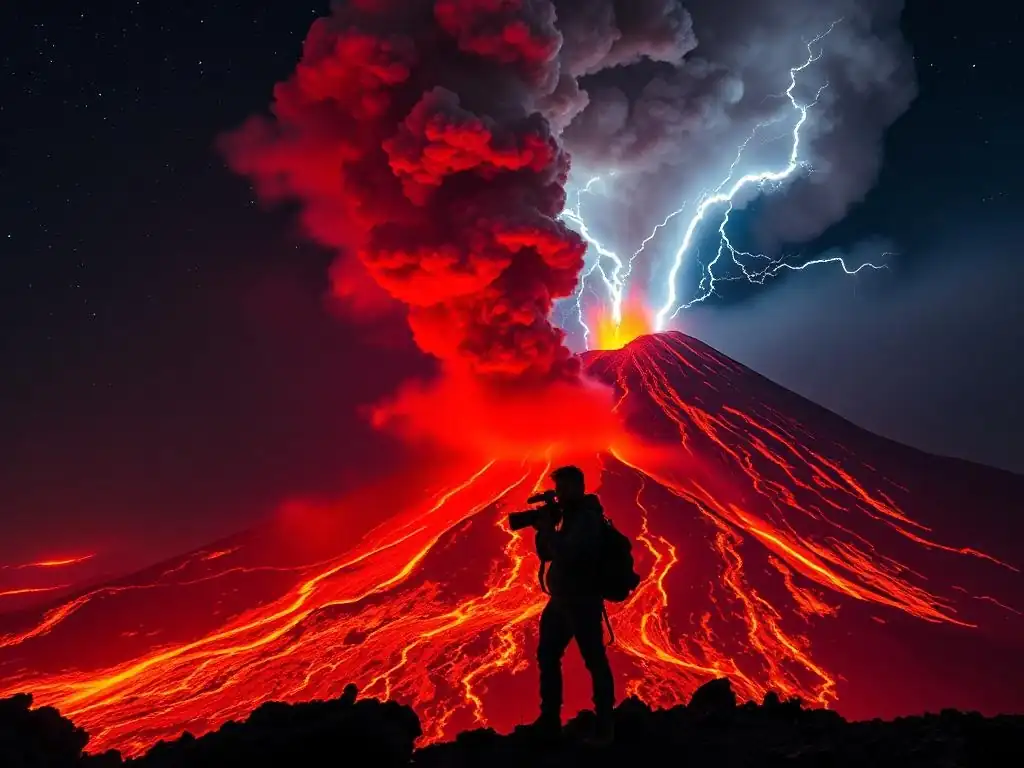
Prepare to be mesmerized. At VolcanoExplorers.org, we pull back the curtain on Earth's fiery heart. Ever wondered how documentary films about volcanoes capture the raw, untamed power that lies beneath our feet? We're about to show you. Dare to witness nature's fury, unfiltered, and discover the stories these films tell about our planet and its volatile beauty. What secrets will you unearth?
- Volcanoes on Screen: Exploring the Power of Documentary Films
- The Allure of Volcano Documentaries: Why We Watch
- Must-See Documentary Films About Volcanoes: A Curated List
- Beyond the Eruption: Themes Explored in Volcano Documentaries
- The Future of Volcano Filmmaking: New Technologies and Perspectives
- Where to Watch: Streaming and Accessing Volcano Documentaries
- Conclusion: Appreciating the Power and Beauty of Volcanoes Through Film
-
Frequently Asked Questions
- What makes documentary films about volcanoes so compelling?
- Where can I find documentary films about volcanoes?
- What are some famous volcanic eruptions that have been featured in documentaries?
- How do documentary films about volcanoes contribute to scientific understanding?
- Do documentary films about volcanoes provide safety information for people living near active volcanoes?
- Final Reflection: Embracing the Volcanic Narrative
- Ignite Your Inner Explorer: Witness Volcanoes Like Never Before!
Volcanoes on Screen: Exploring the Power of Documentary Films
Volcanoes, with their awe-inspiring power and potential for destruction, have long captivated human imagination. Beyond scientific study, their dramatic eruptions and geological significance lend themselves perfectly to the visual medium of film. Documentary films about volcanoes offer a unique window into these natural phenomena, allowing audiences to witness the raw power of Earth's processes from the safety of their screens. These films go beyond simple observation, delving into the science behind volcanic activity, exploring the impact on surrounding environments and communities, and capturing the sheer spectacle of eruptions in breathtaking detail.
The allure of volcanoes in documentary filmmaking lies in their inherent drama and visual impact. Unlike many geological processes that occur over millennia, volcanic eruptions are often sudden, violent, and visually stunning. Documentary filmmakers are drawn to capture these events, often risking their own safety to bring viewers closer to the heart of volcanic activity.
Furthermore, volcanoes are not just geological wonders; they are integral parts of ecosystems and have profound cultural significance for communities living in their shadows. Documentary films are uniquely positioned to explore these multifaceted aspects, presenting a holistic view of volcanoes that goes beyond scientific data.
The Allure of Volcano Documentaries: Why We Watch
Capturing the Unseen: How Documentaries Reveal Volcanic Activity
Documentary films about volcanoes excel at revealing aspects of volcanic activity that are often unseen or inaccessible to the general public. Volcanic eruptions, especially explosive ones, are inherently dangerous and unpredictable. Filmmakers, often equipped with specialized gear and expertise, can venture closer to active volcanoes than most individuals, capturing footage from vantage points that offer unparalleled perspectives.
Using techniques like drone cinematography and time-lapse photography, documentaries can showcase the subtle precursors to eruptions, the dynamic flow of lava, and the long-term geological changes wrought by volcanic events. For example, slow-motion footage can reveal the complex mechanics of pyroclastic flows, while thermal cameras can visualize the invisible heat signatures emanating from volcanic vents, making the unseen forces at play tangible for viewers.
Beyond the immediate spectacle of eruptions, documentaries also illuminate the less visible, yet equally crucial, aspects of volcanic systems. They can take viewers deep inside volcanic craters, showcasing fumaroles releasing gases, molten lava lakes simmering within calderas, and the intricate geological formations sculpted by past eruptions.
Through expert interviews with volcanologists and geologists, these films demystify the complex processes occurring beneath the Earth's surface, explaining plate tectonics, magma generation, and the various types of volcanic eruptions. By visually representing scientific data and geological concepts, documentary films make complex information accessible and engaging for a wider audience, fostering a deeper understanding of the planet's dynamic nature.
Understanding the Science: Educational Value of Volcano Films
Documentary films about volcanoes serve as powerful educational tools, bridging the gap between scientific research and public understanding. These films often incorporate interviews with leading volcanologists, geophysicists, and other experts, providing viewers with direct access to cutting-edge scientific knowledge. They explain complex concepts such as the Volcanic Explosivity Index (VEI), which measures the magnitude of eruptions, and discuss the methods used to monitor volcanic activity, including seismographs, gas sensors, and satellite imagery. By visually illustrating these scientific principles and monitoring techniques, documentaries make abstract concepts concrete and relatable.
Moreover, documentary films can showcase real-world applications of volcanology, highlighting the crucial role scientists play in hazard assessment and risk mitigation. They can document the work of volcano observatories around the world, illustrating how scientists monitor volcanic unrest, issue warnings, and work with communities to prepare for potential eruptions.
By presenting case studies of past eruptions and the lessons learned, these films underscore the importance of scientific research in protecting lives and property in volcanically active regions. For instance, a documentary might detail the eruption of Mount Pinatubo in 1991, showcasing how scientific monitoring and timely evacuations significantly reduced casualties, demonstrating the practical impact of volcanological research.
The Human Element: Stories of Resilience Near Active Volcanoes
Beyond the geological spectacle and scientific analysis, documentary films about volcanoes often focus on the human element, exploring the lives and experiences of communities living in close proximity to these powerful natural forces. These films delve into the unique relationship between people and volcanoes, showcasing both the challenges and the adaptations involved in living in volcanically active regions. They capture the stories of individuals whose lives are directly impacted by volcanic activity, from scientists studying volcanoes to residents whose livelihoods and homes are at risk.
These narratives often highlight the resilience and resourcefulness of communities that have learned to coexist with volcanoes for generations. Documentaries may explore traditional knowledge and practices developed by indigenous populations for predicting and mitigating volcanic hazards.
They can also showcase the economic and cultural benefits that volcanoes can bring, such as fertile volcanic soils for agriculture, geothermal energy resources, and tourism opportunities. By focusing on the human stories behind volcanic events, these films add a layer of emotional depth and social relevance to the scientific and geological narrative, fostering empathy and understanding for those living in the shadow of these natural wonders.
Must-See Documentary Films About Volcanoes: A Curated List
Fire of Love: A Passionate Journey into Volcanic Exploration
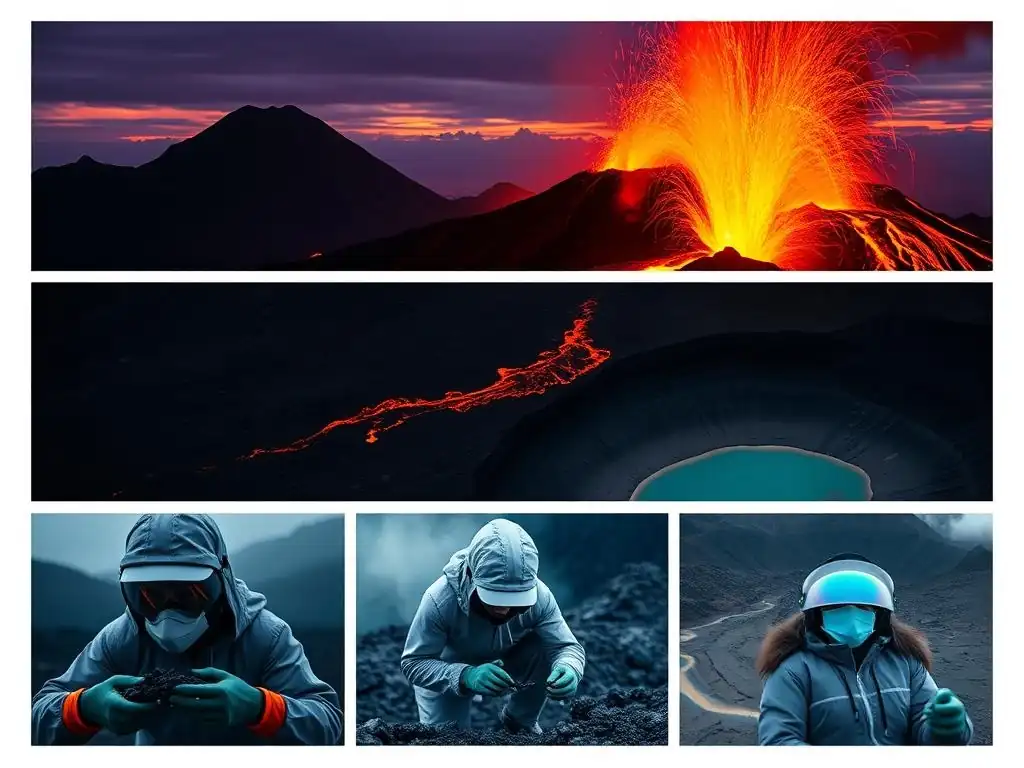
Fire of Love, a 2022 documentary directed by Sara Dosa, stands out as a deeply personal and visually stunning portrayal of volcanologists Katia and Maurice Krafft. This film utilizes archival footage shot by the Kraffts themselves, offering an intimate glimpse into their decades-long career studying volcanoes around the globe. Fire of Love is not just a scientific documentary; it's a love story, both between Katia and Maurice and their shared passion for volcanoes. The film masterfully weaves together breathtaking volcanic imagery with the Kraffts' personal narratives, philosophical reflections, and unwavering dedication to understanding these powerful forces of nature.
Key Features and Highlights of Fire of Love
Fire of Love is distinguished by its extensive use of vibrant and dramatic footage captured by Katia and Maurice Krafft, often filmed in incredibly dangerous proximity to active volcanoes. The film showcases a remarkable collection of volcanic eruptions from around the world, from effusive lava flows in Iceland to explosive eruptions in Japan and Indonesia. Beyond the visual spectacle, the documentary delves into the Kraffts’ unique working methods, their adventurous spirit, and their profound respect for volcanoes.
It highlights their pioneering work in capturing close-range footage of eruptions and their efforts to educate the public about volcanic hazards through their films and photography. The film is narrated by Miranda July, whose evocative voice adds another layer of depth and emotion to the already compelling story.
Scientific Accuracy and Educational Impact of Fire of Love
While Fire of Love is deeply personal and poetic, it also maintains a strong foundation in scientific accuracy. The film accurately portrays the Kraffts' scientific contributions to volcanology, showcasing their detailed observations of volcanic processes and their work in documenting different types of eruptions. It implicitly educates viewers about volcanic hazards, including pyroclastic flows, lava bombs, and volcanic gases, through the Kraffts’ own explanations and experiences.
By showing the Kraffts in action, collecting samples, and making observations in the field, the film provides a realistic portrayal of volcanological fieldwork. Although not explicitly structured as a traditional educational documentary, Fire of Love effectively imparts scientific knowledge and inspires curiosity about volcanoes through its engaging narrative and stunning visuals.
Into the Inferno: Witnessing the Power of Active Volcanoes Worldwide
Werner Herzog's Into the Inferno, released in 2016, is a visually arresting documentary that explores the cultural and mythological significance of volcanoes alongside their scientific aspects. Herzog travels the globe, visiting active volcanoes in Iceland, Indonesia, Ethiopia, and North Korea, interviewing volcanologists, local communities, and even shamans to understand humanity's enduring fascination with these fiery mountains. Into the Inferno is less a straightforward scientific exposition and more a philosophical meditation on the power of nature and the human condition in the face of overwhelming forces.
Visual Spectacle and Cinematography in Into the Inferno
Into the Inferno is renowned for its breathtaking cinematography, capturing the raw power and otherworldly beauty of active volcanoes. Herzog's signature visual style is on full display, with stunning aerial shots of volcanic landscapes, close-ups of molten lava flows, and dramatic depictions of eruptions. The film utilizes high-definition cameras to capture the textures and colors of volcanic landscapes in incredible detail, from the fiery orange of lava to the stark blackness of volcanic rock.
The cinematography effectively conveys the scale and immensity of volcanoes, immersing viewers in the visceral experience of witnessing these geological giants. The film’s visual impact is further enhanced by Herzog's poetic narration and philosophical reflections, creating a truly cinematic and thought-provoking experience.
Perspectives on Volcanic Hazards and Mitigation in Into the Inferno
While Into the Inferno emphasizes the cultural and philosophical dimensions of volcanoes, it also touches upon the realities of volcanic hazards and mitigation efforts. The film visits regions where communities live in close proximity to active volcanoes, highlighting the risks they face and the adaptations they have developed. It includes interviews with volcanologists who discuss the dangers of pyroclastic flows, lahars (volcanic mudflows), and ashfall, and explain the importance of monitoring and early warning systems.
While not the primary focus, the documentary subtly underscores the practical implications of volcanology for communities living in volcanically active areas. Herzog's approach is to present these hazards within a broader context of human history and mythology, suggesting that our fascination with volcanoes is intertwined with both awe and fear of their destructive potential.
The Volcano: Rescue From Whakaari: Exploring the Human Cost of Volcanic Eruptions
The Volcano: Rescue From Whakaari, a 2022 Netflix documentary, provides a harrowing and deeply emotional account of the 2019 eruption of Whakaari/White Island volcano in New Zealand. Unlike the previous films which focus more broadly on volcanology and exploration, The Volcano centers on the human tragedy of this specific eruption, detailing the events leading up to, during, and after the disaster. It uses firsthand accounts from survivors, rescuers, and family members to reconstruct the eruption and its devastating aftermath, highlighting the bravery of those involved in the rescue efforts and the long-term impact on the victims and their families.
Indigenous Knowledge and Volcanic Beliefs Depicted in The Volcano: Rescue From Whakaari
The Volcano: Rescue From Whakaari touches upon the cultural significance of Whakaari/White Island for the Māori people, the indigenous population of New Zealand. While not a central theme, the film acknowledges the island's spiritual importance and its place in Māori traditions and legends. It subtly hints at the long history of human interaction with volcanoes in New Zealand and the deep respect that indigenous cultures often hold for these natural forces.
Further exploration of indigenous perspectives on volcanoes in documentary filmmaking could offer valuable insights into different cultural understandings of volcanic phenomena and risk perception. Future documentaries could delve deeper into the rich tapestry of indigenous knowledge related to volcanoes, providing a more holistic and culturally sensitive portrayal.
The Role of Volcanoes in Shaping New Zealand's Landscape in The Volcano: Rescue From Whakaari
The Volcano: Rescue From Whakaari implicitly showcases the role of volcanoes in shaping New Zealand's dramatic landscape. Whakaari/White Island itself is a stark reminder of the ongoing volcanic activity that has sculpted the North Island of New Zealand over millennia. The film's aerial shots of the island and its surrounding environment reveal the volcanic terrain and the impact of past eruptions.
While the documentary primarily focuses on the human tragedy, it serves as a powerful reminder of the geological forces that have shaped the region and continue to pose both risks and opportunities for the people of New Zealand. The film indirectly highlights the ongoing dynamic interplay between volcanic activity and the environment, a theme that could be further explored in future documentary films about New Zealand's volcanic landscape.
Beyond the Eruption: Themes Explored in Volcano Documentaries
Volcanic Hazards and Risk Assessment: Documenting the Dangers
Documentary films play a critical role in documenting and communicating the diverse hazards associated with volcanic activity. They visually illustrate the destructive potential of pyroclastic flows, superheated clouds of gas and ash that can travel at speeds exceeding 700 km/h, and lahars, which are volcanic mudflows capable of burying entire towns.
Films can use computer-generated imagery (CGI) to realistically depict these hazards, making them understandable to a wider audience. For instance, documentaries often feature simulations of pyroclastic flows engulfing landscapes, based on real-world data from past eruptions like the 1902 eruption of Mount Pelée in Martinique, which tragically killed approximately 30,000 people.
Furthermore, documentaries delve into the scientific methodologies behind volcanic risk assessment. They showcase the work of volcanologists in monitoring volcanic activity, analyzing seismic data, and interpreting gas emissions to predict potential eruptions. Films can illustrate the use of hazard maps, which delineate areas at different levels of risk from various volcanic hazards, and explain how these maps are used for land-use planning and emergency preparedness. By presenting real-world examples of volcanic crises and the scientific efforts to mitigate risks, documentary films underscore the importance of proactive hazard assessment and community preparedness in volcanically active regions globally.
The Science of Volcanology: Unveiling Earth's Inner Workings
Volcano documentaries are invaluable tools for popularizing the science of volcanology and unveiling the intricate workings of our planet. They explain complex geological processes such as plate tectonics, mantle convection, and magma generation in an accessible and visually engaging manner.
Animated sequences and diagrams can simplify the understanding of how magma forms deep within the Earth and rises to the surface, leading to volcanic eruptions. Films can also explore the different types of volcanoes, from shield volcanoes like Mauna Loa in Hawaii, known for their gentle effusive eruptions, to stratovolcanoes like Mount Fuji in Japan, characterized by their explosive potential.
Moreover, documentaries showcase the diverse tools and techniques used by volcanologists in their research. They might feature scientists deploying seismometers to detect underground tremors, collecting gas samples from volcanic vents to analyze their composition, or using satellite data to monitor ground deformation. By highlighting these scientific endeavors, documentaries demystify the process of volcanological research and inspire public interest in Earth science. They can also showcase the interdisciplinary nature of volcanology, involving fields such as geology, geophysics, geochemistry, and remote sensing, demonstrating the collaborative efforts required to understand these complex natural phenomena.
Human Impact and Adaptation: Living Alongside Active Volcanoes
Beyond the immediate dangers, volcano documentaries explore the long-term human impact and adaptation strategies in volcanically active regions. They examine how communities living near volcanoes have learned to coexist with these powerful forces, developing unique cultural practices, economic activities, and social structures. Films can showcase the agricultural benefits of volcanic soils, which are often rich in nutrients and highly fertile, supporting thriving agricultural communities in regions like Java, Indonesia, despite the constant threat of eruptions from volcanoes like Mount Merapi.
Documentaries also explore the challenges of balancing development and safety in volcanically active areas. They may examine case studies of urban planning in volcanic cities, such as Naples, Italy, located near Mount Vesuvius, highlighting the complexities of managing risk in densely populated areas.
Films can also showcase innovative approaches to volcanic risk mitigation, such as the development of lahar diversion channels and early warning systems, demonstrating human ingenuity in adapting to and mitigating the impacts of volcanic activity. By focusing on the human dimension, these documentaries offer a nuanced perspective on the complex relationship between humans and volcanoes, highlighting both the risks and the opportunities of living in these dynamic environments.
The Future of Volcano Filmmaking: New Technologies and Perspectives
Immersive Experiences: VR and 360° Volcano Documentaries
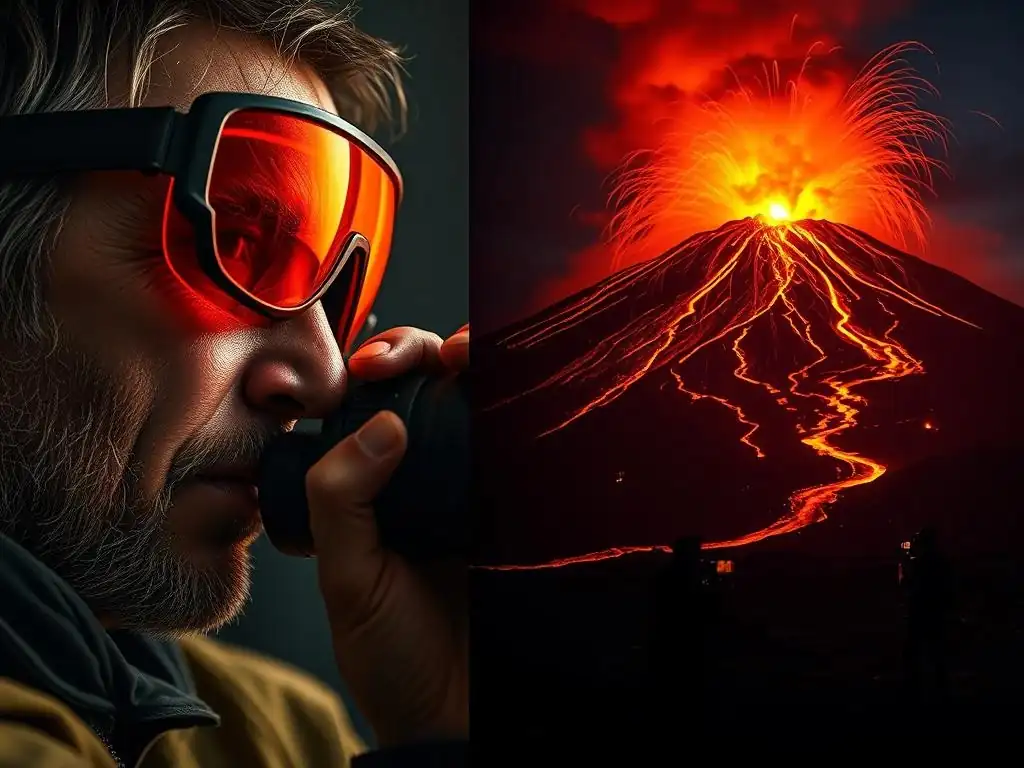
The future of volcano documentary filmmaking is increasingly intertwined with immersive technologies like Virtual Reality (VR) and 360° video. VR documentaries offer the potential to transport viewers directly to the heart of volcanic landscapes, providing a truly visceral and immersive experience.
Imagine experiencing a volcanic eruption from within a safe but realistic VR simulation, feeling the ground rumble and witnessing the spectacle of lava flows and ash plumes all around you. This immersive approach can enhance engagement and understanding, particularly for educational purposes, allowing viewers to experience the scale and intensity of volcanic events in a way that traditional 2D films cannot replicate.
360° video, while less immersive than VR, still offers a significant step forward in visual storytelling. 360° volcano documentaries allow viewers to explore volcanic environments at their own pace, looking around in all directions to fully appreciate the landscape and the volcanic features.
This technology can be particularly effective in showcasing volcanic crater lakes, lava fields, and geothermal areas, providing a sense of presence and exploration. As VR and 360° filmmaking technologies become more accessible and affordable, we can expect to see a growing number of immersive volcano documentaries that push the boundaries of visual storytelling and enhance the viewer experience.
Citizen Science and Volcano Monitoring: Engaging the Public Through Film
Documentary films have the potential to play a crucial role in promoting citizen science and public engagement in volcano monitoring. Films can showcase citizen science initiatives where volunteers contribute to data collection, such as monitoring volcanic ashfall or reporting volcanic activity through mobile apps. By highlighting these initiatives, documentaries can inspire viewers to become actively involved in volcano research and monitoring efforts. For example, a documentary could feature projects where citizens use low-cost sensors to monitor volcanic gases or contribute to online platforms for analyzing satellite imagery of volcanoes.
Furthermore, documentaries can educate the public about the importance of volcano monitoring and early warning systems, empowering communities to be better prepared for volcanic hazards. By showcasing the work of volcano observatories and the technologies they use, films can build public trust in scientific institutions and encourage collaboration between scientists and local communities. In the future, we may see interactive volcano documentaries that incorporate citizen science data in real-time, allowing viewers to contribute to and learn from ongoing monitoring efforts, fostering a greater sense of ownership and responsibility in volcano hazard management.
Ethical Considerations in Volcano Documentation: Respecting Communities and the Environment
As volcano filmmaking becomes more prevalent and accessible, ethical considerations become increasingly important. Documentaries must prioritize the safety and well-being of both film crews and the communities living in volcanically active regions. Filmmakers have a responsibility to obtain informed consent from individuals and communities before filming and to ensure that their presence does not disrupt local cultures or environments. Ethical volcano filmmaking also involves responsible representation, avoiding sensationalism or exploitation of vulnerable communities affected by volcanic disasters.
Furthermore, documentaries should promote environmental stewardship and responsible tourism in volcanic areas. Films can highlight the fragility of volcanic ecosystems and the importance of minimizing human impact on these unique environments. They can also showcase sustainable tourism practices that benefit local communities and protect volcanic landscapes. In the future, ethical guidelines and best practices for volcano filmmaking will be crucial to ensure that these powerful documentaries are created and shared responsibly, contributing to both scientific understanding and social well-being.
Where to Watch: Streaming and Accessing Volcano Documentaries
Online Platforms for Volcano Film Enthusiasts
For volcano film enthusiasts seeking to explore a wide range of documentary films about volcanoes, various online platforms offer readily accessible options. Streaming services like Netflix, Amazon Prime Video, and Disney+ often feature volcano documentaries, though their availability may vary depending on region and licensing agreements.
Searching for titles like Fire of Love, Into the Inferno, and The Volcano: Rescue From Whakaari on these platforms is a good starting point. YouTube also hosts a significant amount of volcano documentary content, ranging from independent productions to excerpts from larger films and educational videos from institutions like the USGS (United States Geological Survey).
Specialized documentary streaming platforms, such as DocuBay and CuriosityStream, may offer a curated selection of science and nature documentaries, including films about volcanoes. These platforms often provide a more focused and in-depth collection of documentary content compared to general entertainment streaming services. For those interested in older or more niche volcano documentaries, online archives and university libraries may offer access to digital collections or physical media. Exploring these diverse online resources can provide a rich viewing experience for anyone fascinated by volcanoes and their depiction in documentary film.
Film Festivals Showcasing Volcanic Cinema
Film festivals dedicated to documentary cinema or specializing in science and nature films often showcase new and noteworthy volcano documentaries. Festivals like the Sundance Film Festival, Tribeca Film Festival, and Hot Docs Canadian International Documentary Festival are known for premiering high-profile documentaries, and volcano-themed films occasionally feature in their lineups, as seen with the premiere of Fire of Love at Sundance. Science film festivals, such as the Imagine Science Film Festival and the Jackson Wild Media Awards, specifically celebrate films that explore scientific themes and often include documentaries about natural phenomena like volcanoes.
Attending or following these film festivals can be a way to discover emerging volcano documentaries and engage with filmmakers and other enthusiasts. Festival websites and online programs often provide information about screenings, awards, and filmmaker interviews, offering insights into the latest trends and perspectives in volcano documentary filmmaking. For those passionate about volcanic cinema, keeping an eye on the schedules of relevant film festivals can be a rewarding way to stay informed and discover compelling new films that explore the power and beauty of volcanoes.
Conclusion: Appreciating the Power and Beauty of Volcanoes Through Film
Documentary films about volcanoes serve as a powerful medium for understanding and appreciating these awe-inspiring forces of nature. They offer a unique blend of scientific education, visual spectacle, and human stories, bringing the raw power and beauty of volcanoes to audiences worldwide. From the intimate explorations of Fire of Love to the philosophical meditations of Into the Inferno and the harrowing human drama of The Volcano: Rescue From Whakaari, these films demonstrate the diverse ways in which documentary filmmaking can illuminate the multifaceted nature of volcanoes.
By capturing the unseen aspects of volcanic activity, explaining complex scientific concepts, and highlighting the resilience of communities living alongside volcanoes, these documentaries foster a deeper understanding and respect for these dynamic geological phenomena. As technology advances and new filmmaking perspectives emerge, the future of volcano documentary filmmaking promises even more immersive and engaging experiences, further enhancing our appreciation for the power and beauty of volcanoes and their enduring impact on our planet and human imagination.
Frequently Asked Questions
What makes documentary films about volcanoes so compelling?
Documentary films capture the raw power and destructive potential of volcanoes in a way that static images simply cannot. They offer a dynamic and immersive experience showcasing the science and the spectacle.
Where can I find documentary films about volcanoes?
Many documentary films about volcanoes are available on streaming services like Netflix, Amazon Prime Video, and Discovery+. You can also find them on YouTube or purchase them on DVD/Blu-ray.
What are some famous volcanic eruptions that have been featured in documentaries?
Documentaries often focus on eruptions like Mount St. Helens, Pompeii, Mount Vesuvius, and the recent events in Iceland. These events offer compelling narratives and visual documentation of volcanic impacts.
How do documentary films about volcanoes contribute to scientific understanding?
These films often feature interviews with volcanologists and showcase the latest research and monitoring techniques. They help to educate the public about the science behind volcanic activity and the importance of hazard assessment.
Do documentary films about volcanoes provide safety information for people living near active volcanoes?
Some documentaries include information about volcanic hazards, evacuation procedures, and the work of volcanologists in monitoring and predicting eruptions. They can raise awareness about the importance of preparedness.
Final Reflection: Embracing the Volcanic Narrative
The exploration of volcanoes through documentary film, as we've seen, is more than just scientific observation; it's a confrontation with the raw, untamed power of nature. The enduring fascination with these fiery giants speaks to our primal connection with the Earth and its capacity for both creation and destruction. In a world increasingly shaped by human intervention, these films serve as stark reminders of forces beyond our control, forces that demand respect and understanding.
The impact of these documentaries extends far beyond mere entertainment. They shape our understanding of geological processes, influence disaster preparedness, and even inspire artistic expression. The visceral imagery and compelling narratives woven within these films have profoundly impacted my own perspective, fostering a deeper appreciation for the delicate balance of our planet. We are part of nature, not separate from it. Volcanoes remind us of this truth with breathtaking force.
This quote encapsulates the humbling experience of witnessing these natural phenomena, even through the lens of a camera.
As we conclude this journey through the world of documentary films about volcanoes, I invite you to reflect on the lessons they impart. Consider the power of nature, the fragility of life, and the importance of scientific inquiry. Let these cinematic experiences inspire you to seek a deeper connection with the Earth and to advocate for responsible stewardship of our planet. Let the fiery narrative of volcanoes ignite within you a passion for understanding and protecting the world around us.
Ignite Your Inner Explorer: Witness Volcanoes Like Never Before!
Thanks for joining us on this cinematic journey into the heart of volcanic power! We hope you've gained a newfound appreciation for these awe-inspiring forces of nature and the dedication of the filmmakers who capture their raw beauty and power. Now, it's your turn to delve deeper into the world of volcanoes.
Here are a few ways to continue your exploration:
- Experience the thrill of standing at the rim of an active volcano with our curated selection of immersive Virtual Reality tours, all from the comfort of your own home!
- Discover the inspiring work of independent filmmakers who dedicate themselves to showcasing the power and majesty of volcanoes. Learn more about their unique perspectives and filmmaking techniques.
- Share your favorite volcano documentary recommendations with other enthusiasts in the comments below. Let's build a community of volcano lovers!
What aspect of volcano documentaries captivated you most, and which volcanic phenomenon are you most eager to see depicted on screen next? Let's discuss!