
Civilizations at the Crater's Edge: Living and Dying in the Shadow of Volcanoes

Welcome to Volcano Explorers!
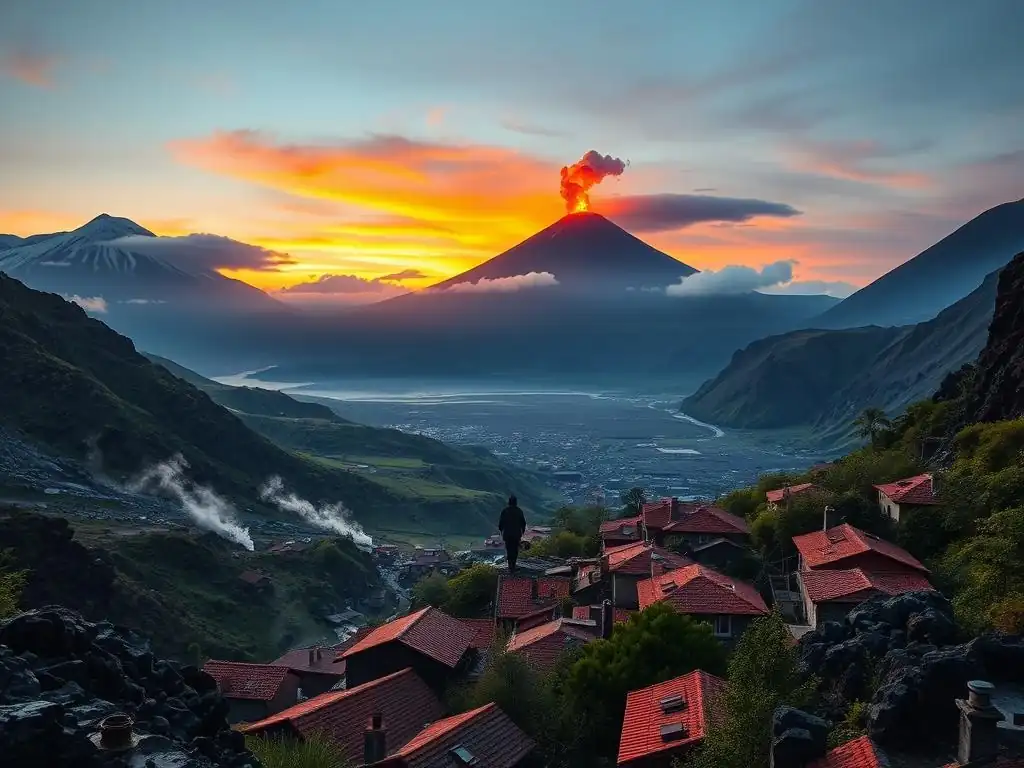
Prepare to journey to the Earth's fiery heart. Ever wondered what it's like living near active volcanoes, dancing with danger at the edge of a potential inferno? This site unveils the captivating, and often perilous, reality of civilizations coexisting with these powerful forces of nature. But how have people managed to thrive—or tragically succumb—in the shadow of giants like Vesuvius and Krakatoa? Uncover the secrets and stories within... your exploration begins now!
- Introduction: The Allure and Peril of Living Near Active Volcanoes
- Why Civilizations Thrive Near Volcanoes: The Volcanic Advantage
- The Shadow of Destruction: Catastrophic Volcanic Eruptions and Civilizational Collapse
- Adapting to Life in Volcanic Regions: Strategies for Survival
- Conclusion: The Enduring Legacy of Volcanoes on Human Civilization
-
Frequently Asked Questions
- What are the primary hazards faced by people living near active volcanoes?
- How do volcanologists monitor volcanoes to help protect communities?
- What are some crucial evacuation strategies for communities living near active volcanoes?
- Beyond the dangers, what are some potential benefits of living near active volcanoes?
- What is the role of education in helping people safely live near active volcanoes?
- Final Reflection: Embracing the Volcanic Embrace
- Ignite Your Inner Explorer: Embrace the Volcanic Spirit!
Introduction: The Allure and Peril of Living Near Active Volcanoes
For millennia, humans have established settlements in the most seemingly precarious locations, often defying the obvious dangers posed by nature's raw power. Among these seemingly paradoxical choices, living in the shadow of active volcanoes stands out. These colossal geological features, capable of unleashing unimaginable fury, have paradoxically attracted and sustained civilizations throughout history.
The allure is potent, a blend of necessity and opportunity born from the unique benefits volcanic landscapes offer. Yet, this proximity comes at a steep price, a constant awareness of the inherent risks, the potential for sudden devastation, and the delicate balance between thriving and perishing in the face of unpredictable natural forces. Understanding this duality – the attraction and the threat – is key to comprehending the complex relationship between humanity and volcanoes.
Why Civilizations Thrive Near Volcanoes: The Volcanic Advantage
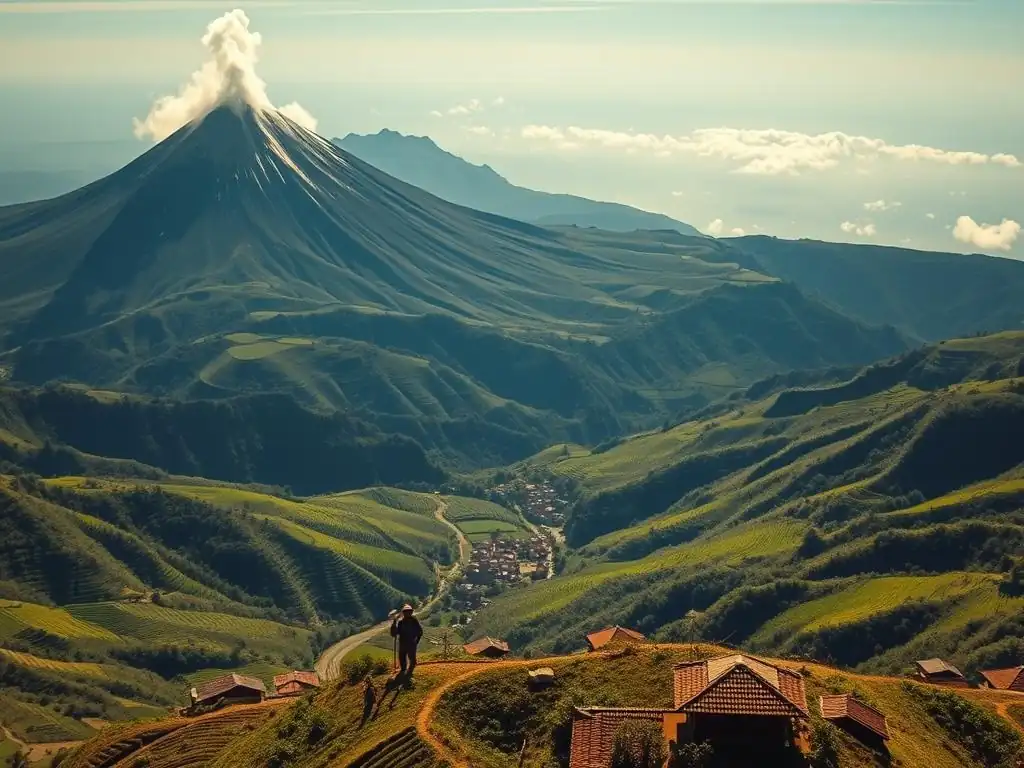
Despite the evident dangers, numerous civilizations across the globe have not only endured but flourished in close proximity to active volcanoes. This is not a matter of mere chance, but rather a consequence of the significant advantages these geological hotspots provide. Volcanic regions, while potentially hazardous, are also incredibly fertile and resource-rich, offering compelling reasons for human settlement and development. These advantages, spanning from agriculture to resource extraction and strategic positioning, have historically outweighed the perceived risks for many communities.
Fertile Lands: Volcanic Soil and Agricultural Bounty
Volcanic eruptions, while destructive in their immediate impact, ironically lay the foundation for exceptionally fertile lands. Volcanic ash, the fine particulate matter ejected during eruptions, is rich in essential minerals and nutrients crucial for plant growth. As this ash weathers and breaks down, it enriches the soil with elements like phosphorus, potassium, calcium, and magnesium – vital building blocks for healthy vegetation. This process creates Andisols, a soil type specifically formed from volcanic material, known for its exceptional fertility and water retention capabilities.
Consider the regions surrounding Mount Etna in Sicily, Italy, or the volcanic islands of Indonesia. These areas are densely populated and agriculturally productive precisely because of the fertile volcanic soil. Citrus groves, vineyards, and olive orchards thrive on the slopes of Etna, benefiting from the mineral-rich soil continuously replenished by the volcano's activity.
Similarly, Indonesian islands like Java and Bali, despite being dotted with active volcanoes, are agricultural powerhouses, feeding millions thanks to the bounty of their volcanic soils. This agricultural productivity has historically sustained large populations and fostered economic development in these regions, making living near active volcanoes a calculated, albeit risky, agricultural strategy.
Abundant Resources: Minerals, Geothermal Energy, and Building Materials
Beyond fertile soil, volcanic regions are treasure troves of other valuable resources. Volcanic activity is intrinsically linked to the formation of various mineral deposits. Hydrothermal processes associated with volcanoes concentrate minerals like sulfur, copper, silver, gold, and lead in the surrounding rocks. Historically, the extraction of these minerals has been a significant economic driver for communities living near volcanoes. For instance, volcanic sulfur deposits have been mined for centuries for various industrial and medicinal purposes.
Furthermore, geothermal energy, a clean and sustainable energy source, is readily available in volcanic areas. The Earth's internal heat, manifested in volcanic activity, can be harnessed to generate electricity and provide heating. Iceland, a nation built on volcanic activity, is a prime example, deriving a significant portion of its energy needs from geothermal power plants.
In addition to energy and minerals, volcanic rock itself, such as basalt and obsidian, provides excellent building materials. Durable and readily available, these materials have been utilized for construction since ancient times, evident in the Roman roads paved with basalt and the obsidian tools crafted by early civilizations. The combination of mineral wealth, geothermal energy potential, and readily available building materials further incentivizes settlements near volcanoes, creating a resource-rich environment.
Strategic Locations: Natural Defenses and Trade Routes
In certain geographical contexts, volcanic landscapes have offered strategic advantages in terms of defense and trade. Volcanic mountains and calderas can provide natural fortifications, offering defensible positions against invaders. The rugged terrain and elevated vantage points associated with volcanoes can be easily fortified and defended, making them attractive locations for settlements seeking security. Throughout history, numerous hilltop settlements and fortresses have been built on volcanic formations, leveraging the natural topography for military advantage.
Moreover, volcanic islands and coastal volcanic regions often occupy strategically important locations for maritime trade routes. Volcanic islands, while potentially isolated, can serve as vital stopping points for ships, providing resources, shelter, and opportunities for trade. Coastal volcanic regions can also be naturally endowed with harbors formed by volcanic processes, facilitating maritime activities.
Historically, volcanic islands in the Mediterranean and Pacific have played crucial roles in regional trade networks, acting as hubs for exchange and interaction. The strategic value, both defensively and commercially, has further contributed to the enduring appeal of living near active volcanoes, especially in a historical context where natural defenses and trade routes were paramount.
The Shadow of Destruction: Catastrophic Volcanic Eruptions and Civilizational Collapse
The advantages of living near volcanoes, however compelling, are perpetually counterbalanced by the ever-present threat of devastating eruptions. Throughout history, volcanic eruptions have not only caused immense localized destruction but have also profoundly impacted entire civilizations, sometimes even contributing to their decline or collapse. These events serve as stark reminders of the volatile nature of these geological giants and the precariousness of life lived in their shadow.
Case Study: Pompeii and Mount Vesuvius - A City Frozen in Time
The eruption of Mount Vesuvius in 79 AD remains one of the most iconic and tragically illustrative examples of volcanic destruction. The Roman city of Pompeii, along with Herculaneum and other surrounding settlements, was thriving at the foot of Vesuvius, oblivious to the catastrophic potential of the seemingly dormant volcano. The fertile volcanic soil of the region undoubtedly contributed to Pompeii's prosperity, supporting agriculture and a vibrant economy. However, this prosperity was abruptly and violently terminated when Vesuvius unleashed a Plinian eruption of immense magnitude.
The eruption began with a massive column of ash and pumice that rained down on Pompeii, burying buildings and streets under meters of volcanic debris. This initial phase was followed by pyroclastic flows – searing hot avalanches of gas and volcanic debris – that engulfed Herculaneum and then reached Pompeii. These flows moved at speeds exceeding highway speeds and temperatures reaching hundreds of degrees Celsius, instantly incinerating everything in their path.
Pompeii was buried under layers of ash and pumice, effectively freezing the city in time, preserving a snapshot of Roman life in the 1st century AD. The eruption resulted in the complete destruction of Pompeii and Herculaneum and the deaths of thousands, serving as a chilling testament to the destructive power of volcanoes and the vulnerability of civilizations living in their vicinity.
Case Study: The Minoan Civilization and the Thera Eruption
The Minoan civilization, a sophisticated Bronze Age culture centered on the island of Crete, flourished in the Aegean Sea during the 2nd millennium BC. Their civilization was characterized by impressive palaces, advanced maritime trade, and a vibrant artistic tradition. However, the Minoan civilization suffered a catastrophic blow from the eruption of the Thera volcano (modern Santorini), located approximately 100 kilometers north of Crete. While the exact timeline and impact are still debated by historians and volcanologists, the Thera eruption is widely believed to have played a significant role in the decline of the Minoan civilization.
The Thera eruption was one of the largest volcanic events of the Holocene epoch, releasing vast quantities of ash, pumice, and volcanic gases into the atmosphere. The eruption generated a massive tsunami that devastated coastal settlements across the Aegean, including those on Crete. The ashfall likely impacted agricultural productivity across the region, leading to crop failures and famine.
While the Minoan civilization did not vanish instantaneously, the Thera eruption is considered a major contributing factor to its weakening and eventual decline. The eruption disrupted trade networks, damaged infrastructure, and likely triggered social and political instability, demonstrating the far-reaching consequences of a major volcanic event on a complex civilization.
Case Study: The Tambora Eruption and its Global Impact
The eruption of Mount Tambora in Indonesia in 1815 stands as a stark reminder that volcanic eruptions can have global consequences. While geographically distant from many major civilizations, the Tambora eruption had a profound impact on weather patterns and societies worldwide. Tambora's VEI 7 eruption, one of the largest in recorded history, injected enormous amounts of volcanic ash and sulfur dioxide into the stratosphere. These aerosols circled the globe, reflecting sunlight back into space and causing a significant global cooling effect.
The year 1816 became known as the "Year Without a Summer" in many parts of the world. North America and Europe experienced unusually cold temperatures, widespread crop failures, and famine. New England experienced frosts in every month of the summer, leading to devastating agricultural losses.
Europe was also severely affected, with widespread food shortages and social unrest. The Tambora eruption demonstrates that even eruptions in remote locations can have cascading global effects, impacting climate, agriculture, and societies far beyond the immediate vicinity of the volcano. It underscores the interconnectedness of the global system and the potential for volcanic events to trigger widespread crises, even in regions far removed from the eruption itself.
Adapting to Life in Volcanic Regions: Strategies for Survival
Despite the inherent risks, communities continue to live and thrive near active volcanoes. Over time, societies have developed various strategies to mitigate the dangers and adapt to life in these dynamic environments. These strategies range from scientific monitoring and prediction to community preparedness and sustainable land management practices, reflecting a constant effort to balance the benefits and risks of living near active volcanoes.
Monitoring and Prediction: Volcanology and Early Warning Systems
Modern volcanology plays a crucial role in reducing the risks associated with living near active volcanoes. Volcanologists utilize a range of sophisticated instruments and techniques to monitor volcanic activity and detect signs of impending eruptions. Seismometers track ground tremors associated with magma movement, gas sensors measure changes in volcanic gas emissions, and GPS and satellite data monitor ground deformation indicating magma accumulation. By analyzing these data streams, volcanologists can assess the state of a volcano and, in some cases, issue warnings about potential eruptions.
For example, the USGS Volcano Hazards Program in the United States monitors volcanoes across the country, providing real-time data and assessments. Similarly, volcano observatories exist in many volcanic regions around the world, continuously monitoring and assessing volcanic activity. These monitoring efforts have significantly improved our ability to anticipate eruptions, allowing for timely evacuations and reducing casualties. While predicting the precise timing and magnitude of eruptions remains a challenge, advancements in volcanology have greatly enhanced our capacity to manage volcanic risk and protect communities living near active volcanoes.
Building Resilience: Infrastructure and Community Preparedness
Beyond scientific monitoring, building resilient infrastructure and fostering community preparedness are essential components of adapting to life in volcanic regions. This involves developing infrastructure that can withstand volcanic hazards, such as earthquake-resistant buildings and evacuation routes designed to accommodate rapid population movements. It also includes implementing robust emergency management plans, conducting regular drills, and educating the public about volcanic risks and safety procedures.
In Japan, a country highly prone to volcanic eruptions and earthquakes, building codes are stringent, and emergency preparedness is deeply ingrained in society. Communities regularly participate in earthquake and tsunami drills, and public awareness campaigns ensure that citizens are informed about disaster risks and response protocols. Similarly, in volcanic regions around the world, community-based disaster risk reduction programs are crucial for enhancing resilience and minimizing the impact of volcanic events. Building both physical and social resilience is key to creating safer and more sustainable communities in volcanic regions.
Sustainable Living: Balancing Risk and Opportunity
Ultimately, sustainable living in volcanic regions requires a careful balancing act between harnessing the opportunities offered by these environments and mitigating the inherent risks. This involves adopting land-use planning strategies that minimize exposure to volcanic hazards, such as restricting development in high-risk zones and promoting safer land use practices. It also necessitates integrating volcanic risk considerations into economic development planning, diversifying livelihoods, and promoting sustainable resource management.
For instance, in some volcanic regions, tourism based on volcanic landscapes and geothermal features can provide economic opportunities while minimizing reliance on agriculture in high-risk areas. Geothermal energy development can offer a sustainable and locally sourced energy alternative. By embracing a holistic and integrated approach to development that considers both the benefits and risks of living near active volcanoes, communities can strive towards a more sustainable and resilient future in these dynamic and challenging environments.
Conclusion: The Enduring Legacy of Volcanoes on Human Civilization
Volcanoes, in their duality of creation and destruction, have profoundly shaped human civilization. They have provided fertile lands and abundant resources that have sustained communities for millennia, yet they have also unleashed catastrophic eruptions that have reshaped landscapes and contributed to civilizational decline. The history of humanity's relationship with volcanoes is a testament to our adaptability, resilience, and enduring drive to inhabit even the most challenging environments.
From the ancient Romans of Pompeii to modern communities living near active volcanoes worldwide, the allure and peril of the crater's edge continue to define a unique and complex chapter in the human story. Living near active volcanoes is a calculated risk, a testament to the enduring human capacity to thrive in the face of nature's most awe-inspiring and formidable forces.
Frequently Asked Questions
What are the primary hazards faced by people living near active volcanoes?
The main dangers include pyroclastic flows, lahars (mudflows), ashfall, volcanic gases, and potential for tsunamis if the volcano is coastal. These hazards can cause significant damage and loss of life.
How do volcanologists monitor volcanoes to help protect communities?
Volcanologists use various tools like seismometers to detect earthquake activity, gas sensors to measure emissions, and satellite imagery to track ground deformation, providing early warnings of potential eruptions.
What are some crucial evacuation strategies for communities living near active volcanoes?
Effective evacuation plans include designated routes, emergency shelters, and clear communication systems. Knowing the signs of an impending eruption and following official instructions are vital.
Beyond the dangers, what are some potential benefits of living near active volcanoes?
Volcanic soil is often very fertile, leading to rich agricultural lands. Geothermal energy and tourism opportunities also provide economic advantages for some communities.
What is the role of education in helping people safely live near active volcanoes?
Education is crucial for raising awareness about volcanic hazards and teaching people how to respond effectively. Understanding the risks and knowing how to prepare can save lives.
Final Reflection: Embracing the Volcanic Embrace
The preceding exploration of civilizations nestled near active volcanoes underscores a profound truth: humanity's enduring capacity to thrive amidst inherent risk. From the fertile slopes of Vesuvius to the vibrant communities surrounding Mount Merapi, the narrative is not one of mere survival, but of a dynamic interplay between human ingenuity and the raw power of nature. These communities, far from being victims, are active participants in a complex dance with the earth, a testament to resilience and adaptation.
The allure of volcanic landscapes, despite their inherent dangers, continues to shape our world. The rich soils, geothermal energy, and unique cultural identities forged in the crucible of volcanic activity are undeniable draws, reminding us that beauty and peril often coexist. This delicate balance demands respect and understanding, a recognition that we are but temporary custodians of these powerful landscapes. We cannot command nature except by obeying her.
- Francis Bacon. This quote encapsulates the wisdom gleaned from generations who have learned to live in harmony with the volatile earth.
As we conclude this journey through the heart of volcanic civilizations, let us not simply marvel at their resilience, but also reflect on our own relationship with risk and reward. Consider the choices we make, the environments we inhabit, and the legacy we leave behind. Are we truly prepared to embrace the potential consequences of our actions? Let the stories of those who live and die in the shadow of volcanoes inspire us to live more consciously, more sustainably, and with a deeper appreciation for the delicate balance that sustains us all.
Ignite Your Inner Explorer: Embrace the Volcanic Spirit!
Thank you for exploring the captivating world of civilizations shaped by volcanoes. We hope you've gained a new appreciation for the resilience and ingenuity of communities living alongside these powerful forces of nature. Now, let's put that knowledge to work:
Here's how you can connect with the volcanic world:
- Share your thoughts! Which civilization resonated most with you, and why? Let's discuss it in the comments below!
- Explore our interactive map to discover other fascinating volcanic regions around the globe. Perhaps plan a virtual journey?
- Consider researching a local or historical volcanic disaster and using that knowledge to improve disaster preparedness in your community.
What's one step you can take today to deepen your understanding or share the stories of those living in the shadow of volcanoes?