
Mammalian Migrations: Wildlife Reclaiming Volcanic Territories

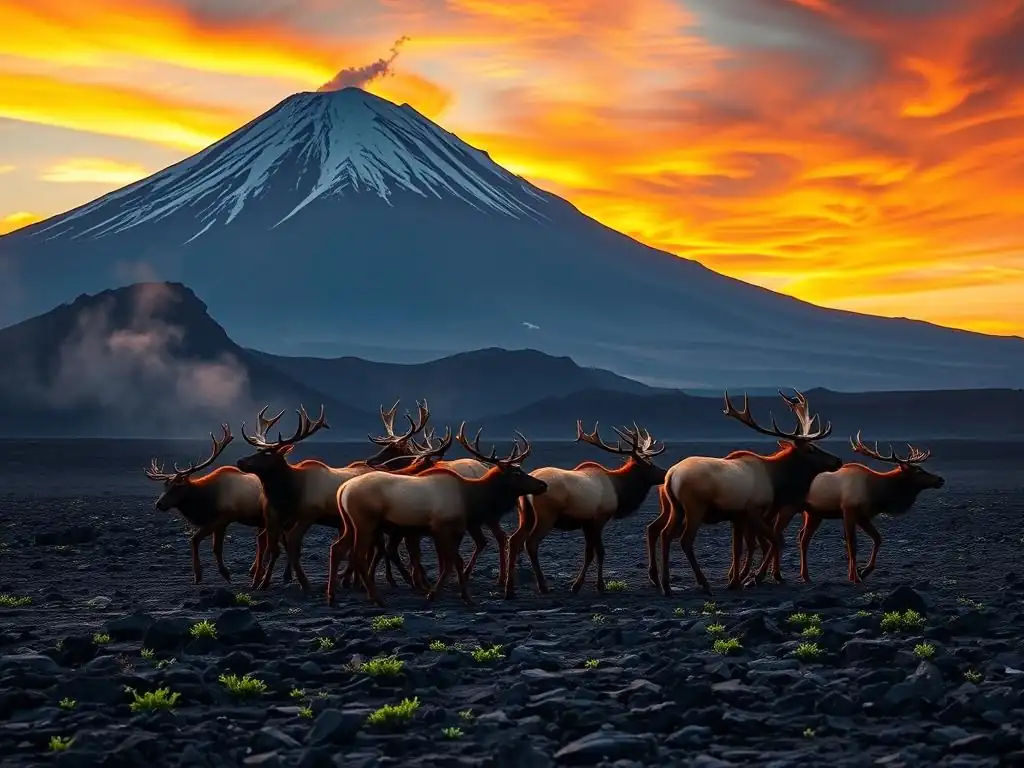
Welcome to Volcano Explorers, where the Earth breathes fire and fury. But beyond the molten rock and ash clouds, life finds a way. Are you ready to witness the remarkable resilience of nature? This article uncovers the surprising world of Wildlife in Volcanic Regions, specifically delving into the incredible phenomenon of Mammalian Migrations: Wildlife Reclaiming Volcanic Territories. Prepare to be amazed by how these creatures adapt and thrive amidst landscapes forged by volcanic power. What secrets do these volcanic territories hold for the animal kingdom? Let's explore!
- Introduction: The Resilient Return of Mammals to Volcanic Landscapes
- Volcanic Impact on Environment: A Catalyst for Change
- Mammalian Pioneers: First Colonizers of Volcanic Zones
- Case Studies: Mammalian Migration Patterns in Specific Volcanic Regions
- Adaptation Strategies: How Mammals Survive in Volcanic Environments
- Wildlife Conservation in Volcanic Territories: Protecting Vulnerable Species
- Long-Term Ecological Effects: The Future of Mammals in Volcanic Regions
- Conclusion: Mammalian Resilience in the Face of Volcanic Fury
-
Frequently Asked Questions
- How does volcanic activity impact the initial stages of wildlife repopulation in affected areas?
- What types of mammals are typically the first to migrate back into volcanic regions, and why?
- How do volcanic landscapes, like lava fields and geothermal areas, provide unique habitats for certain mammal species?
- What are some of the challenges mammals face when migrating back into areas affected by volcanic eruptions?
- How can conservation efforts support wildlife repopulation in volcanic regions after eruptions?
- Final Reflection: Resilience in the Ashes
- Witness the Revival: Answer the Volcano's Call!
Introduction: The Resilient Return of Mammals to Volcanic Landscapes
Volcanic eruptions, among Earth's most dramatic and destructive natural phenomena, reshape landscapes in moments, leaving behind seemingly barren terrains. However, nature's resilience is profound. While initial images of volcanic devastation may suggest complete annihilation of life, the reality is far more nuanced and speaks to the tenacious spirit of ecosystems, particularly the remarkable ability of wildlife, especially mammals, to reclaim these territories.
This article explores the fascinating journey of mammalian migrations into volcanic regions, detailing the ecological processes that pave the way for their return and the adaptations that allow them to thrive in these dynamic environments. From the initial pioneering species to the complex interactions that develop over time, we will uncover the story of how wildlife in volcanic regions not only survives but also contributes to the revitalization of these unique landscapes.
Volcanic Impact on Environment: A Catalyst for Change
Volcanic eruptions are powerful agents of environmental change, fundamentally altering ecosystems in their vicinity. The immediate impacts are often catastrophic, involving pyroclastic flows, ashfalls, and lava flows that can incinerate vegetation, displace wildlife, and contaminate water sources. However, these destructive forces are also catalysts for renewal and ecological succession.
Volcanic ash, while initially disruptive, enriches the soil with essential minerals over time, creating fertile ground for plant life. Lava flows, after cooling and weathering, provide new geological substrates that can be colonized by vegetation, eventually leading to diverse habitats. The very act of volcanic eruption, while seemingly destructive, sets in motion a chain of ecological events that ultimately facilitates the return of life, including the migration of mammals into these transformed landscapes.
Ecological Succession After Eruptions: Paving the Way for Mammal Habitats
Ecological succession in volcanic regions is a gradual process of ecological recovery and development following a volcanic disturbance. Primary succession occurs on newly formed volcanic rock, where no soil previously existed. Pioneer species, often lichens and mosses, are the first to colonize these barren surfaces. They break down the rock, contributing to soil formation and creating conditions suitable for hardy plants like grasses and ferns.
As vegetation establishes, it modifies the microclimate, improves soil structure, and increases nutrient availability. This, in turn, attracts insects and smaller animals, initiating a food web. Secondary succession takes place in areas where pre-existing soil and vegetation have been disturbed but not entirely removed, such as after ashfall.
This process is often faster than primary succession as soil and seed banks may already be present. Both types of succession are crucial in creating habitats capable of supporting mammal populations. The development of vegetation cover provides food and shelter, attracting herbivores initially, followed by carnivores as the ecosystem matures and diversifies.
The Initial Barren Landscape: Challenges for Wildlife in Volcanic Regions
The immediate aftermath of a significant volcanic eruption presents an extremely challenging environment for wildlife. The landscape is often characterized by a lack of vegetation, limited water sources, and unstable terrain. Thick ash deposits can bury food sources, contaminate water, and make movement difficult for animals. Pyroclastic flows and lava flows leave behind scorched earth devoid of organic matter. Air quality can be severely compromised by volcanic gases and ash particles, posing respiratory hazards.
For mammals, these initial conditions represent a significant barrier to survival and colonization. Food scarcity is a primary challenge, as the vegetation base of the food web is destroyed. Shelter is also limited, leaving animals exposed to harsh weather conditions and predators. Water sources may be polluted or buried under ash. Despite these harsh conditions, certain resilient species are capable of pioneering these landscapes, initiating the process of biological recovery.
Mammalian Pioneers: First Colonizers of Volcanic Zones
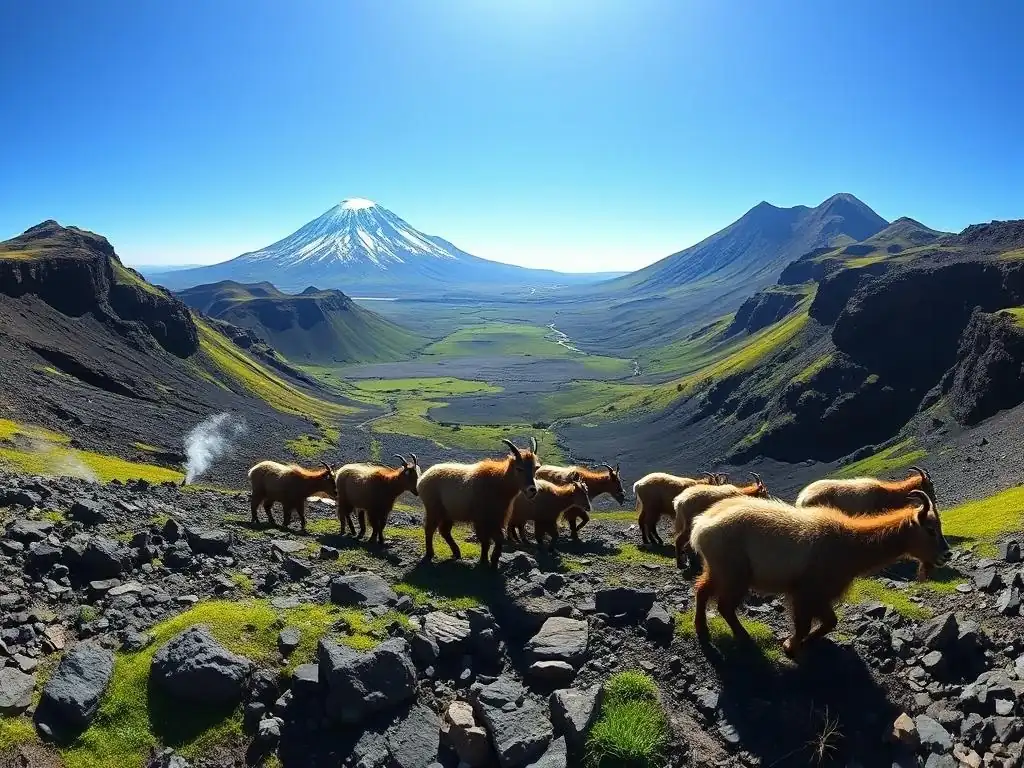
Mammals are not typically the first organisms to return to devastated volcanic landscapes; that role often falls to plants, insects, and birds. However, once the initial stages of ecological succession have begun and some vegetation has re-established, certain mammal species emerge as pioneering colonizers. These are typically species with high dispersal capabilities, broad diets, and adaptability to varied environments.
Small mammals, such as rodents, are often among the first mammals to reappear, due to their rapid reproduction rates and ability to exploit small pockets of resources. Larger herbivores and carnivores follow as vegetation recovers and prey becomes available. These mammalian pioneers play a crucial role in shaping the recovering ecosystem, influencing plant communities, nutrient cycling, and the overall trajectory of ecological succession in volcanic regions.
Herbivores Leading the Charge: Grazers and Browsers in Newly Formed Habitats
Herbivores often lead the mammalian charge into newly formed volcanic habitats, driven by the initial re-establishment of vegetation. Species like deer, elk, and rabbits, known for their adaptability and browsing or grazing habits, are well-suited to exploit the early successional plant communities. These herbivores play a critical role in shaping the recovering vegetation. Their grazing can influence plant diversity and distribution, preventing any single plant species from dominating and promoting a more balanced ecosystem.
Furthermore, their droppings contribute to nutrient cycling, enriching the soil and further facilitating plant growth. The presence of herbivores, in turn, attracts carnivores, setting the stage for a more complex food web to develop in these volcanic regions. The return of herbivores signals a significant step in the ecological recovery process, indicating that the landscape is once again capable of supporting a more diverse range of wildlife in volcanic regions.
Carnivores Following the Food: Predators Adapting to Volcanic Ecosystems
Following the herbivores, carnivores gradually migrate into volcanic regions, drawn by the newly available food source. Species like foxes, coyotes, and even larger predators such as wolves or mountain lions may colonize these areas as herbivore populations establish themselves. Carnivores play a vital role in regulating herbivore populations, preventing overgrazing and maintaining ecosystem balance. Their presence indicates a more mature and complex ecosystem, where trophic levels are becoming interconnected.
Adapting to volcanic ecosystems requires carnivores to be flexible in their hunting strategies and prey selection. Initially, prey densities may be low and dispersed, demanding efficient foraging and adaptability. As the ecosystem recovers and diversifies, carnivore populations can grow and contribute to the ongoing shaping of the food web in these dynamic volcanic environments.
Case Studies: Mammalian Migration Patterns in Specific Volcanic Regions
Mount St. Helens: The Return of Elk and Deer
The 1980 eruption of Mount St. Helens in Washington State, USA, provided a remarkable natural laboratory for studying ecological succession. The eruption devastated a vast area, but within years, signs of life began to reappear. Elk and deer were among the early mammalian colonizers, migrating back into the blast zone from surrounding unimpacted forests.
Researchers observed elk and deer grazing on the recovering vegetation, particularly in areas where ashfall had enriched the soil. By the late 1980s, elk populations in the Mount St. Helens National Volcanic Monument were estimated to be in the hundreds, demonstrating their rapid return and adaptation to the recovering landscape. Their presence played a crucial role in shaping the vegetation dynamics and nutrient cycling within the recovering ecosystem, illustrating the resilience of wildlife in volcanic regions and their ability to reclaim even severely impacted territories.
Krakatoa: Rodent and Bat Colonization
The volcanic island of Krakatoa in Indonesia was famously devastated by a massive eruption in 1883, which was thought to have sterilized the island. However, within decades, life began to return, largely through dispersal from neighboring islands. While larger mammals were absent, rodents and bats were among the early mammalian colonizers of Krakatoa.
These species, capable of long-distance dispersal via swimming or flight, reached the island and established populations. Studies have documented the presence of rats and various bat species on Krakatoa and its surrounding islands within the Krakatoa archipelago. These mammals, although small, played a significant role in the early stages of ecosystem development on Krakatoa, contributing to seed dispersal and insect control, and highlighting the importance of even seemingly insignificant wildlife in volcanic regions in ecosystem recovery.
Yellowstone: Bison and Wolf Interactions
Yellowstone National Park, a volcanically active region in the USA, provides a long-term example of mammalian interactions within a volcanic landscape. Bison and wolves are two keystone mammal species in Yellowstone. Bison, large herbivores, thrive in the grasslands and geothermal areas of the park, benefiting from the nutrient-rich volcanic soils.
The reintroduction of wolves to Yellowstone in the 1990s had profound effects on the ecosystem, including bison populations. Wolves, as apex predators, regulate bison numbers and influence their grazing patterns, leading to cascading effects throughout the ecosystem. This interplay between bison and wolves in Yellowstone demonstrates the complex ecological relationships that can develop in volcanic regions over extended periods, highlighting the dynamic role of wildlife in volcanic regions in shaping and maintaining ecosystem health and resilience.
Adaptation Strategies: How Mammals Survive in Volcanic Environments
Dietary Adjustments: Foraging in Scarce Resources
Mammals inhabiting volcanic regions often face periods of resource scarcity, especially in the early stages of ecological succession or after fresh eruptions. Dietary flexibility is a crucial adaptation for survival in these environments. Herbivores may need to broaden their diets to include less palatable plant species or rely on roots and tubers when above-ground vegetation is limited.
Carnivores may need to become more opportunistic hunters, preying on a wider range of animals or scavenging for food. For example, foxes in volcanic areas may supplement their diet with insects and berries when rodent populations are low. Dietary adjustments allow mammals to persist in volcanic regions even when resources arepatchy or limited, showcasing their adaptability and resilience.
Shelter Seeking: Utilizing Volcanic Formations for Protection
Volcanic landscapes, while initially barren, often feature unique geological formations that can provide shelter for mammals. Lava tubes, caves, and rock crevices created by volcanic activity offer protection from predators, harsh weather conditions, and temperature extremes. Small mammals, such as rodents and bats, frequently utilize these volcanic formations as refugia and roosting sites.
Larger mammals may also seek shelter in rock outcrops or vegetated gullies within volcanic terrain. The availability of natural shelters within volcanic regions can be a critical factor in supporting mammal populations, particularly during periods of environmental stress, and demonstrates how wildlife in volcanic regions leverages the unique features of these landscapes for survival.
Reproductive Strategies: Maximizing Offspring Survival
In challenging volcanic environments, reproductive strategies that maximize offspring survival are particularly advantageous. Some mammals in volcanic regions may exhibit adaptations such as delayed implantation, allowing them to time births to coincide with periods of resource abundance. Others may have shorter gestation periods or produce larger litters to compensate for higher offspring mortality rates due to harsh conditions or predation.
For example, rodents, often early colonizers of volcanic areas, are known for their high reproductive rates, enabling them to rapidly increase their populations when conditions become favorable. These reproductive adaptations contribute to the persistence and success of mammals in volcanic regions, ensuring the continuation of their populations even in the face of environmental challenges.
Wildlife Conservation in Volcanic Territories: Protecting Vulnerable Species
Habitat Restoration Efforts: Supporting Mammal Populations
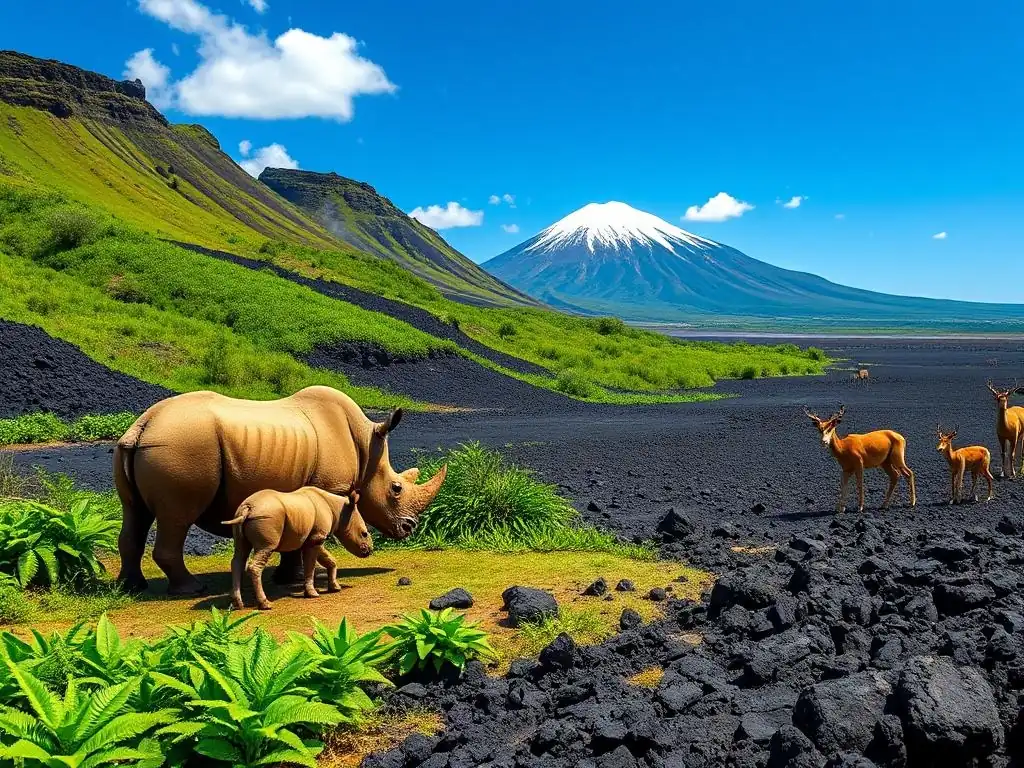
Volcanic regions, while resilient, can be vulnerable to human activities that can hinder ecological recovery and threaten wildlife populations. Habitat restoration efforts are crucial for supporting mammal populations in these areas. These efforts may include reforestation projects, control of invasive species, and restoration of water sources.
For example, after the Mount St. Helens eruption, reforestation efforts focused on planting native trees and shrubs to accelerate habitat recovery for wildlife. Controlling invasive plant species that can outcompete native vegetation is also essential for maintaining healthy ecosystems for mammals. Habitat restoration initiatives directly benefit wildlife in volcanic regions by providing food, shelter, and breeding grounds, promoting the long-term recovery and conservation of these unique environments.
Monitoring Mammalian Movements: Tracking Recovery and Adaptation
Monitoring mammalian movements and populations is vital for understanding their recovery and adaptation in volcanic regions. Techniques such as radio telemetry, GPS tracking, and camera trapping allow researchers to track animal movements, habitat use, and population dynamics. This information is crucial for assessing the success of conservation efforts, identifying threats to mammal populations, and informing management decisions.
For example, monitoring elk movements in Mount St. Helens National Volcanic Monument provided valuable insights into their recolonization patterns and habitat preferences. Long-term monitoring programs are essential for tracking the ongoing responses of wildlife in volcanic regions to environmental changes and ensuring their continued conservation.
The Role of National Parks and Protected Areas
National parks and protected areas play a critical role in conserving wildlife in volcanic regions. These areas provide refuges for mammals, safeguarding habitats from human development and exploitation. They also facilitate scientific research and monitoring, contributing to our understanding of ecological processes in volcanic landscapes.
Many volcanic regions around the world are designated as national parks or protected areas, such as Yellowstone National Park, Mount Rainier National Park, and Volcanoes National Park in Hawaii. These protected areas are essential for the long-term conservation of biodiversity and the preservation of the unique ecological values of wildlife in volcanic regions, ensuring these natural wonders are protected for future generations.
Long-Term Ecological Effects: The Future of Mammals in Volcanic Regions
Climate Change Impacts on Mammalian Migration in Volcanic Areas
Climate change is an emerging factor that will increasingly influence mammalian migration and distribution in volcanic regions. Changes in temperature and precipitation patterns can alter vegetation communities, affecting food availability and habitat suitability for mammals. Melting glaciers and changes in snowpack in volcanic mountain ranges can impact water resources and alter hydrological regimes, further influencing mammal habitats.
Climate change may also exacerbate the impacts of volcanic eruptions, potentially leading to more frequent or intense disturbances. Understanding how climate change interacts with volcanic activity and affects wildlife in volcanic regions is crucial for developing effective conservation strategies in the face of these compounding environmental challenges.
The Interplay Between Mammals and Volcanic Ecosystem Development
Mammals are not simply passive recipients of volcanic ecosystem development; they actively participate in shaping these environments. Through grazing, browsing, seed dispersal, and nutrient cycling, mammals influence vegetation dynamics, soil properties, and overall ecosystem structure in volcanic regions. Herbivores can promote plant diversity and prevent dominance by single species.
Carnivores regulate herbivore populations, preventing overgrazing and maintaining ecosystem balance. Mammalian activities contribute to the long-term ecological trajectory of volcanic regions, playing a vital role in ecosystem resilience and recovery after volcanic disturbances. Recognizing this interplay is essential for understanding the complex ecological dynamics of wildlife in volcanic regions and for effective conservation management.
Conclusion: Mammalian Resilience in the Face of Volcanic Fury
The return of mammals to volcanic landscapes is a testament to the remarkable resilience of life on Earth. Despite the initial devastation caused by volcanic eruptions, wildlife in volcanic regions, particularly mammals, demonstrates an impressive ability to recolonize, adapt, and thrive in these dynamic environments. From the pioneering herbivores to the following carnivores, each species plays a vital role in the ecological recovery process, contributing to the revitalization of these unique ecosystems.
Understanding the processes of mammalian migration and adaptation in volcanic regions not only provides valuable insights into ecological resilience but also underscores the importance of conservation efforts to protect these fascinating landscapes and the wildlife that calls them home. The story of mammals reclaiming volcanic territories is a powerful reminder of nature's enduring capacity for renewal and the enduring spirit of wildlife in the face of volcanic fury.
Frequently Asked Questions
How does volcanic activity impact the initial stages of wildlife repopulation in affected areas?
Volcanic eruptions often create barren landscapes. However, the resulting ash and minerals can enrich the soil, eventually supporting plant life that attracts herbivores. This initiates a slow but steady process of ecological succession.
What types of mammals are typically the first to migrate back into volcanic regions, and why?
The first mammals to return are usually small, adaptable species like rodents and insects. These animals are more mobile and can exploit the limited resources available in the early stages of ecosystem recovery.
How do volcanic landscapes, like lava fields and geothermal areas, provide unique habitats for certain mammal species?
Volcanic landscapes can create unique microclimates and habitats. Geothermal areas, for example, may provide warmth during colder periods, allowing certain species to survive harsh conditions that would otherwise be uninhabitable.
What are some of the challenges mammals face when migrating back into areas affected by volcanic eruptions?
Challenges include limited food and water sources, altered terrain, and the potential for further volcanic activity. Competition for resources is also intense as new species arrive.
How can conservation efforts support wildlife repopulation in volcanic regions after eruptions?
Conservation strategies often involve monitoring wildlife populations, controlling invasive species, and protecting key habitats. Ensuring access to clean water sources and minimizing human disturbance are also crucial.
Final Reflection: Resilience in the Ashes
The story of mammalian migrations into volcanic territories is more than just a scientific observation; it's a powerful testament to nature's indomitable spirit. What we've explored in this article, the remarkable resilience of wildlife in volcanic regions, speaks directly to our own capacity to adapt and thrive in the face of adversity, a lesson profoundly relevant in our rapidly changing world.
The enduring image of life reclaiming barren landscapes, of mammals navigating the challenges of volcanic terrain, has deeply resonated with me. It underscores the interconnectedness of all living things and the persistent drive for survival that binds us together. This ongoing process of ecological recovery is a constant reminder of nature's ability to heal and regenerate, even after catastrophic events. The earth has music for those who listen.
- William Shakespeare. This quote encapsulates the silent symphony of life that unfolds even in the most seemingly desolate environments.
Let us carry the lessons learned from these resilient creatures into our own lives. Consider the challenges you face, the "volcanic landscapes" you navigate. Can you find inspiration in the tenacity of these mammals, their unwavering pursuit of life amidst adversity? Embrace your own capacity for adaptation and renewal. Let the story of wildlife in volcanic regions be a reminder that even from the ashes, new life, new hope, and new beginnings are always possible.
Okay, here's a CTA based on the article title "Mammalian Migrations: Wildlife Reclaiming Volcanic Territories" for the website "Volcano Explorers" with the domain "volcanoexplorers.org":
Witness the Revival: Answer the Volcano's Call!
Thank you for joining us on this journey exploring the resilient wildlife reclaiming volcanic territories! We hope you found inspiration in nature's remarkable ability to adapt and thrive even in the most challenging environments. Now, it's your turn to be part of the story!
- Become a Citizen Scientist! Report sightings of migrating mammals in your local volcanic area to contribute valuable data to conservation efforts.
- Dive deeper: Explore our interactive maps showcasing the latest migration patterns around active and dormant volcanoes.
- Ignite the Conversation: Share this article with fellow nature enthusiasts and spark awareness about the importance of preserving these unique ecosystems.
What fascinating creatures have you observed near volcanic landscapes, and what steps can we take together to further protect their amazing migrations?