
Geothermal Gastronomy: Steaming Dishes from Iceland's Volcanic Heart

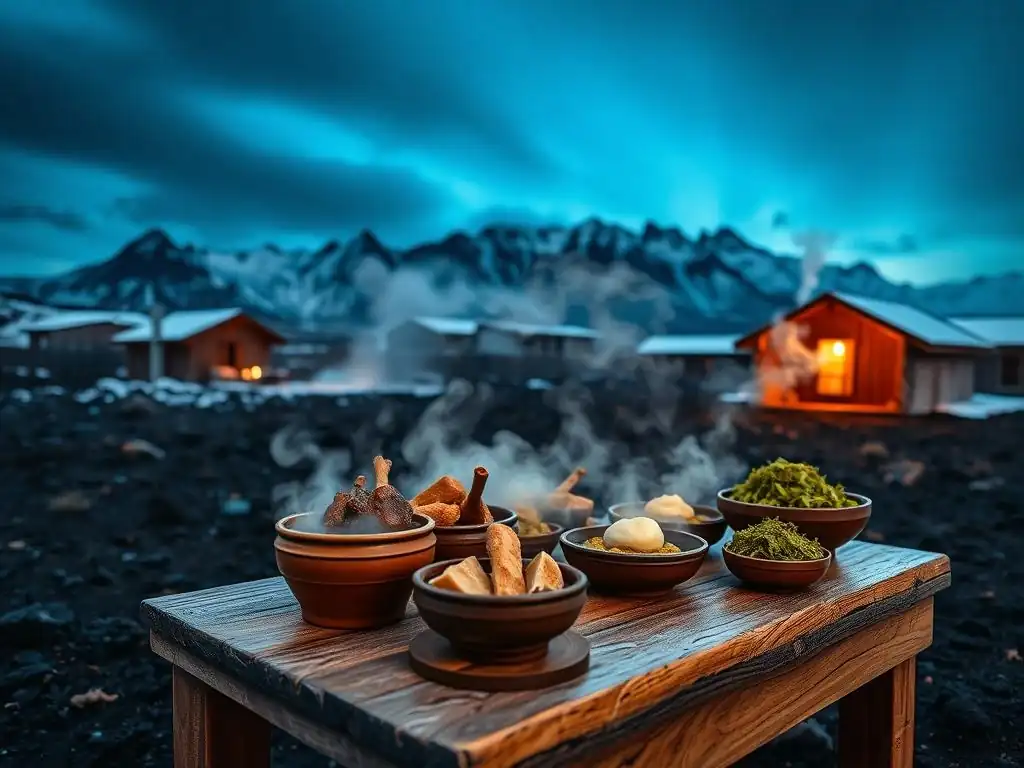
Welcome to Volcano Explorers!
Dare to venture beyond the fiery landscapes and molten rock? Here, we uncover the secrets hidden within the Earth's volcanic heart. Today, we're not just exploring the geological wonders of Iceland, but something far more tantalizing: the unique and surprisingly delicious world of Icelandic volcanic food experiences. Prepare to have your culinary perceptions challenged as we delve into how geothermal energy shapes the flavors of this Nordic island. What unexpected delicacies are born from the heat beneath our feet? Let's find out!
- Volcanoes and Culinary Traditions: An Introduction to Icelandic Geothermal Cooking
- Discovering Iceland's Unique Volcanic Food Experiences
- The History of Geothermal Cooking in Iceland
- Signature Icelandic Dishes Cooked with Geothermal Energy
- Experiencing Geothermal Cooking Firsthand: Tours and Destinations
- The Science Behind Geothermal Food Preparation
- Benefits of Geothermal Gastronomy
- Tips for Planning Your Iceland Volcanic Food Adventure
- Beyond Food: Other Geothermal Wonders in Iceland
- The Future of Geothermal Gastronomy in Iceland
-
Frequently Asked Questions
- What is "Geothermal Gastronomy" in the context of VolcanoExplorers.org?
- How does geothermal cooking work in Iceland?
- What types of foods are commonly cooked using geothermal methods in Iceland?
- Is geothermal cooking safe, considering the volcanic environment?
- Why is VolcanoExplorers.org featuring Icelandic geothermal cooking?
- Final Reflection: Embracing the Earth's Culinary Embrace
- Embark on Your Own Geothermal Culinary Adventure!
Volcanoes and Culinary Traditions: An Introduction to Icelandic Geothermal Cooking
Iceland, the land of fire and ice, owes its dramatic landscapes and unique culture to intense volcanic activity. This geological dynamism doesn't just shape the scenery; it profoundly influences Icelandic culinary traditions. For centuries, Icelanders have ingeniously harnessed the Earth's natural heat to cook food, creating a distinctive cuisine deeply intertwined with the island's volcanic heart. This practice, known as geothermal cooking, is not merely a novelty; it's a fundamental aspect of Icelandic heritage, offering a sustainable and flavorful approach to food preparation that is unlike anywhere else in the world.
From the steaming vents and bubbling hot springs to the vast, otherworldly landscapes formed by volcanic eruptions, Iceland's geothermal energy is palpable. It's a resource that early settlers quickly recognized and adapted to, turning a potentially harsh environment into a culinary playground. Geothermal cooking in Iceland represents a fascinating intersection of geology, culture, and gastronomy, showcasing the resourcefulness and ingenuity of a nation living in harmony with its volcanic surroundings. It’s a testament to how humans can not only survive but thrive by leveraging the natural forces around them, resulting in truly unique Iceland volcanic food experiences.
Discovering Iceland's Unique Volcanic Food Experiences
Iceland volcanic food experiences are unlike any other culinary adventure. Imagine tasting bread baked underground in hot springs, or savoring slow-cooked lamb infused with the subtle earthy aromas of geothermal steam. This is not just about eating; it's about immersing yourself in a living, breathing landscape where the earth itself participates in the cooking process. Exploring Icelandic geothermal gastronomy is a journey that engages all senses, connecting you to the raw power of nature and the rich traditions of Icelandic culture.
These unique culinary encounters extend beyond just tasting the food. They involve witnessing the process firsthand, visiting geothermal areas where steam rises from the ground, and learning about the history and science behind this ancient cooking method. Whether it's digging up rye bread from the earth or enjoying a meal prepared in a geothermal restaurant, Iceland's volcanic food experiences offer a profound connection to the island's volcanic identity. For travelers seeking authentic and unforgettable culinary adventures, Iceland’s geothermal gastronomy is an absolute must-try, offering a taste of the island's soul.
The Intersection of Geology and Gastronomy in Iceland
The very foundation of Iceland's culinary identity rests upon its unique geology. Situated on the Mid-Atlantic Ridge, where the North American and Eurasian tectonic plates diverge, Iceland is a hotbed of volcanic and geothermal activity. This geological setting provides an abundance of geothermal energy, a readily available and sustainable heat source that Icelanders have expertly integrated into their daily lives, including their culinary practices. This isn't just a matter of convenience; it’s a fundamental element that has shaped Icelandic cuisine and culture for centuries.
The presence of numerous volcanoes, hot springs, and geysers across the island creates a natural infrastructure for geothermal cooking. These geological features aren't merely scenic attractions; they are active kitchens, providing consistent and natural heat that has been utilized for food preparation since the settlement era. The intersection of geology and gastronomy in Iceland is so profound that it's impossible to separate the two; the island's volcanic nature is not just a backdrop but an active participant in creating its distinctive and sought-after Iceland volcanic food experiences.
Why Iceland's Volcanic Activity Makes Geothermal Cooking Possible
Iceland's intense volcanic activity is the direct result of its location on the Mid-Atlantic Ridge and the Iceland hotspot. The diverging tectonic plates create fissures in the Earth's crust, allowing magma from the mantle to rise closer to the surface. Simultaneously, the Iceland hotspot, a plume of unusually hot mantle material, further intensifies volcanic and geothermal activity. This combination results in a remarkably high geothermal gradient, meaning that temperatures increase rapidly as you descend beneath the Earth's surface.
This readily accessible subsurface heat is what makes geothermal cooking not just possible, but practical and widespread in Iceland. Groundwater, heated by the Earth's magma, rises to the surface in the form of hot springs and steam vents. These natural geothermal manifestations provide a consistent and renewable source of heat, perfect for various cooking methods. The geological forces that sculpt Iceland's dramatic landscapes are the same forces that enable its unique culinary heritage, making Iceland a prime destination for experiencing volcanic food adventures.
The History of Geothermal Cooking in Iceland
Geothermal cooking in Iceland boasts a long and fascinating history, dating back to the island's settlement in the 9th century. Early Viking settlers, arriving in a land of harsh climate and volcanic landscapes, quickly recognized the potential of the readily available geothermal heat. Faced with limited resources and challenging conditions, they ingeniously adapted to their environment, harnessing geothermal energy for heating, bathing, and, crucially, food preparation. This marked the beginning of a culinary tradition that has been passed down through generations, deeply embedding geothermal cooking into the fabric of Icelandic culture.
This historical practice wasn't just about survival; it also contributed to the development of unique Icelandic flavors and dishes. The slow, gentle heat of geothermal sources imparted distinct characteristics to food, creating textures and tastes that were different from conventionally cooked meals. Over centuries, geothermal cooking evolved from a necessity into a cherished culinary art, becoming an integral part of Iceland's heritage and a testament to the resourcefulness and adaptability of its people. Today, this historical legacy is a key element in the allure of Iceland volcanic food experiences.
Traditional Icelandic Uses of Geothermal Energy for Food Preparation
Traditionally, Icelanders utilized geothermal energy for food preparation in a variety of ingenious ways. One of the most iconic examples is baking rye bread, or rúgbrauð, by burying dough-filled pots in the ground near hot springs. This slow-cooking method, taking up to 24 hours, resulted in a dense, slightly sweet, and incredibly moist bread, uniquely flavored by the earth's warmth and minerals. This technique demonstrated a deep understanding of geothermal heat and its potential for transforming simple ingredients.
Beyond bread, geothermal areas were also used for boiling and steaming. Vegetables like potatoes and turnips, as well as eggs, could be cooked directly in hot springs or steam vents. This method was particularly practical in rural areas where access to other fuel sources was limited. Geothermal cooking wasn't just confined to homes; it was also employed during outdoor activities, such as when shepherds tended to their flocks in the highlands. They would utilize geothermal areas to prepare simple meals, further solidifying the connection between Icelanders and their volcanic landscape.
How Icelanders Have Harnessed Volcanic Heat for Centuries
Icelanders have not only traditionally used geothermal heat but have also continuously refined and adapted their techniques over centuries. Early methods involved directly burying food in hot ground or immersing it in hot springs. As technology advanced, so did the methods of harnessing geothermal energy for cooking. The development of better containers and more controlled cooking environments allowed for greater precision and versatility in geothermal gastronomy.
In more recent times, Iceland has become a leader in geothermal energy utilization, not just for cooking but also for heating homes and generating electricity. This widespread use of geothermal resources reflects a deep-seated understanding and respect for the Earth's natural power. In culinary contexts, this has translated into the establishment of geothermal bakeries and restaurants, where traditional methods are combined with modern culinary techniques to offer sophisticated and unique Iceland volcanic food experiences. This continuous evolution demonstrates Iceland's ongoing commitment to sustainable practices and its innovative spirit in harnessing its volcanic resources.
Signature Icelandic Dishes Cooked with Geothermal Energy
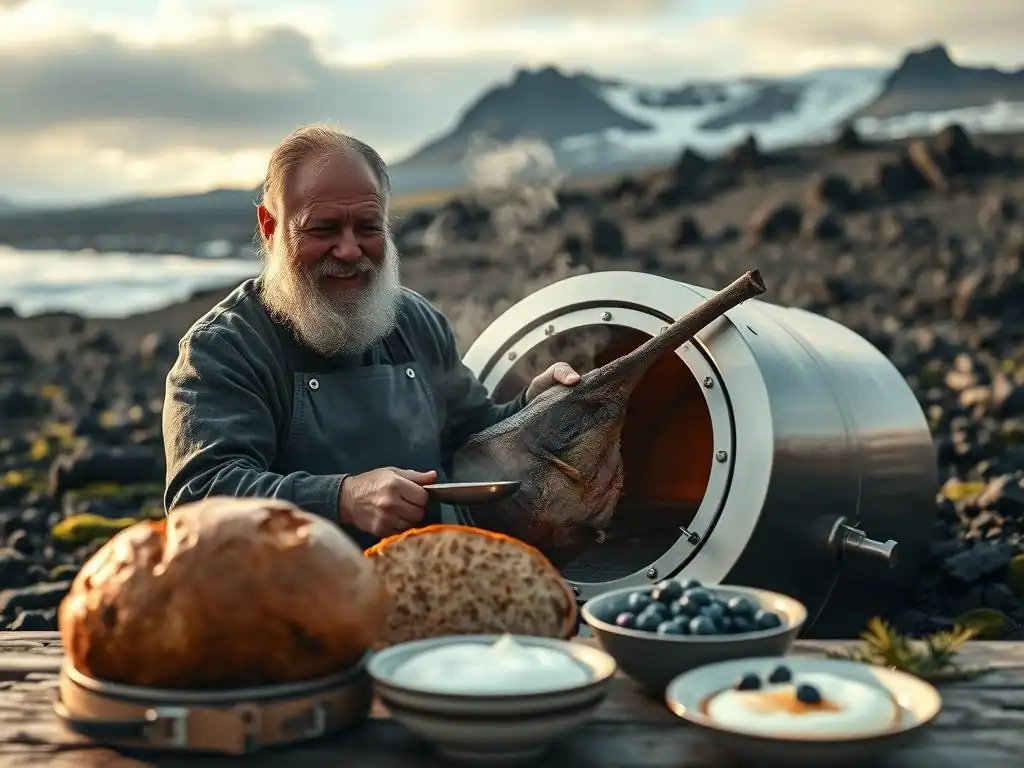
Icelandic geothermal gastronomy boasts a range of signature dishes, each uniquely shaped by the earth's heat. These dishes are not just meals; they are culinary expressions of Iceland's volcanic landscape, offering a distinct taste of the island's natural character. From hearty breads to tender meats and simply cooked staples, geothermal cooking imparts a flavor profile that is both earthy and subtly sweet, setting Icelandic cuisine apart. Exploring these signature dishes is essential for anyone seeking authentic Iceland volcanic food experiences.
The slow and gentle heat of geothermal sources allows for unique cooking processes that conventional methods cannot replicate. This results in textures and flavors that are highly prized in Icelandic cuisine. The following dishes exemplify the ingenuity and culinary artistry of geothermal cooking in Iceland, showcasing the diverse possibilities of this sustainable and flavorful approach. They represent the heart of Iceland's geothermal gastronomy and are must-try experiences for any visitor.
Geothermal Bread: Baking Rye Bread in Hot Springs (Rúgbrauð)
Perhaps the most iconic example of geothermal cooking in Iceland is rúgbrauð, a dense, dark rye bread traditionally baked in hot springs. The process is remarkably simple yet yields an incredibly flavorful result. A mixture of rye flour, water, and a touch of sugar is placed in a lidded pot, which is then buried in the hot ground near a geothermal area, often near a hot spring. The natural heat of the earth slowly cooks the bread for up to 24 hours, sometimes even longer.
The long, slow cooking process in geothermal heat gives rúgbrauð its distinctive characteristics. It develops a moist, almost pudding-like texture, with a subtle sweetness and a hint of earthy flavor imparted by the minerals in the geothermal soil. Unlike oven-baked rye bread, rúgbrauð is not crusty; it is dense and sliceable, often served with butter, smoked salmon, or cheese. Experiencing freshly baked rúgbrauð, dug directly from the ground, is a quintessential Iceland volcanic food experience, connecting you directly to the island's geothermal heart.
Geothermal Lamb: Slow-Cooking with Volcanic Heat
Lamb is a staple in Icelandic cuisine, and geothermal cooking offers a unique method for preparing this prized meat. While not as ubiquitous as rúgbrauð, geothermal lamb showcases the versatility of volcanic heat. Similar to the bread-making process, lamb can be slow-cooked using geothermal steam or buried in thermally heated ground. This method typically involves wrapping the lamb in foil or placing it in a sealed container before burying it in a geothermal area.
The slow, low-temperature cooking environment of geothermal heat is ideal for tenderizing tougher cuts of lamb. Over many hours, the gentle heat breaks down connective tissues, resulting in incredibly tender and flavorful meat. The geothermal steam also imparts a subtle smoky and earthy aroma to the lamb, enhancing its natural flavors. Geothermal lamb, often served with traditional Icelandic side dishes like potatoes and root vegetables, offers a deeply satisfying and authentically Icelandic dining experience, highlighting the culinary potential of volcanic heat.
Exploring Other Geothermally-Cooked Icelandic Specialties: Geothermal Eggs, Boiled Potatoes
Beyond rúgbrauð and lamb, Iceland's geothermal kitchens extend to other simple yet delicious specialties. Eggs, for instance, can be easily cooked in hot springs or steam vents. Submerging eggs in boiling hot spring water results in perfectly cooked hard-boiled eggs, often with a slightly mineral-rich taste from the geothermal water. This simple method showcases the direct and efficient nature of geothermal cooking.
Potatoes and other root vegetables also lend themselves well to geothermal cooking. Boiling potatoes in hot spring water or steaming them over geothermal vents results in tender and flavorful vegetables. The natural minerals present in geothermal water can even subtly enhance the taste of these simple ingredients. These examples illustrate the everyday practicality of geothermal cooking in Iceland, extending beyond signature dishes to encompass basic food preparation, and demonstrating the broad applicability of volcanic heat in Icelandic gastronomy.
Experiencing Geothermal Cooking Firsthand: Tours and Destinations
To truly appreciate Iceland volcanic food experiences, firsthand immersion is key. Numerous opportunities exist for travelers to witness and participate in geothermal cooking, from visiting bakeries that utilize geothermal heat to exploring natural hot spring areas where food is prepared. These experiences offer not just a taste of Icelandic cuisine but also a deeper understanding of the island's unique cultural and geological landscape. Embarking on a geothermal culinary adventure is an unforgettable way to connect with Iceland’s volcanic heart.
These immersive experiences range from guided tours to self-directed explorations, catering to different interests and travel styles. Whether you prefer a structured culinary tour or a more independent adventure, Iceland provides ample opportunities to engage with geothermal gastronomy. The following destinations and activities highlight some of the best ways to experience geothermal cooking firsthand, offering a memorable and authentic taste of Iceland.
Visiting Geothermal Bakeries and Restaurants in Iceland
Several bakeries and restaurants across Iceland have embraced geothermal cooking, offering visitors a chance to sample dishes prepared using volcanic heat in a commercial setting. These establishments often combine traditional geothermal methods with modern culinary techniques, resulting in sophisticated and delicious Iceland volcanic food experiences. Visiting these places provides a comfortable and accessible way to explore geothermal gastronomy.
One notable example is the Laugarvatn Fontana geothermal baths, which also features a rye bread bakery. Here, visitors can witness the process of burying rúgbrauð dough in the hot sand near the lake and later taste the freshly baked bread. Other restaurants in geothermal areas, like those in Hveragerði, may offer dishes cooked using geothermal steam or heat, showcasing a wider range of geothermal culinary applications. These establishments provide a convenient and enjoyable introduction to Iceland's geothermal food culture.
Exploring Geothermal Areas Where Food is Cooked Naturally
For a more adventurous and authentic experience, exploring geothermal areas where food is cooked directly in the natural landscape is highly recommended. These areas, often located in valleys and near hot spring regions, offer a glimpse into the traditional methods of geothermal cooking and the raw power of Iceland's volcanic environment. Visiting these locations allows for a truly immersive and unique Iceland volcanic food experience.
Areas like Hveravellir Nature Reserve and Landmannalaugar in the highlands offer opportunities to witness geothermal activity firsthand. While cooking food directly in these protected areas might be restricted or require permits, some guided tours and designated areas allow for controlled geothermal cooking demonstrations. Even observing the geothermal landscape and learning about the potential for cooking in these environments provides a valuable and educational experience, enhancing your appreciation for Iceland’s volcanic gastronomy.
Laugarvatn Fontana, Hveragerði Geothermal Park
Two prominent destinations for experiencing geothermal cooking in Iceland are Laugarvatn Fontana and Hveragerði Geothermal Park. Laugarvatn Fontana, located on the Golden Circle route, is renowned for its geothermal baths and its rye bread bakery. Visitors can witness the unique process of baking rúgbrauð in the hot sands of Laugarvatn lake and then savor the freshly baked bread while enjoying the beautiful lakeside scenery. This location offers a convenient and accessible introduction to geothermal cooking.
Hveragerði, known as the "hot spring town," is another excellent destination. The town is situated in a highly geothermal area, with numerous hot springs and steam vents both within and around the town. Hveragerði Geothermal Park provides a dedicated area to explore geothermal activity, with walking paths through steaming vents and hot springs. Several restaurants in Hveragerði utilize geothermal energy in their cooking, and some even offer demonstrations of geothermal cooking techniques. Both Laugarvatn Fontana and Hveragerði offer diverse and enriching Iceland volcanic food experiences.
The Science Behind Geothermal Food Preparation
Geothermal cooking, while seemingly simple, is underpinned by fascinating scientific principles. Understanding the heat transfer process and the considerations for temperature control and safety enhances appreciation for this unique culinary method. It's not just about harnessing natural heat; it's about applying scientific principles to effectively and safely utilize geothermal energy for food preparation. Exploring the science behind geothermal cooking adds another layer of intrigue to Iceland volcanic food experiences.
The effectiveness of geothermal cooking relies on the efficient transfer of heat from the Earth to the food. This process involves conduction, convection, and sometimes steam, depending on the specific geothermal source and cooking method. Understanding these scientific aspects provides insights into why geothermal cooking works and how Icelanders have successfully harnessed this natural resource for centuries.
Understanding the Geothermal Heat Transfer Process
The primary mechanism of heat transfer in geothermal cooking is conduction. When food is buried in hot ground or placed in contact with a heated surface, heat energy is directly transferred from the hotter material (the earth or geothermal source) to the cooler food. This is particularly evident in rúgbrauð baking, where the pot containing the dough is in direct contact with the hot soil, allowing heat to conduct through the pot and cook the bread.
Convection also plays a role, especially when using geothermal steam. Steam, heated by the Earth's thermal energy, carries heat and transfers it to the food through convection. This method is often used for steaming vegetables or cooking eggs. The moist heat of steam cooking helps to retain moisture in the food, contributing to tender and flavorful results. Understanding these heat transfer processes highlights the scientific basis of geothermal cooking and its effectiveness as a food preparation method.
Temperature Control and Safety Considerations in Geothermal Cooking
While geothermal energy provides a natural heat source, temperature control and safety are crucial considerations in geothermal cooking. Geothermal areas can vary significantly in temperature, ranging from relatively warm ground to boiling hot springs. Understanding the temperature characteristics of a specific geothermal area is essential for safe and effective cooking.
In traditional methods, Icelanders have developed an intuitive understanding of suitable geothermal areas for cooking. They often use specific locations known for consistent temperatures, avoiding overly hot or unstable areas. When cooking directly in hot springs, it's crucial to ensure the water is boiling (around 100°C or 212°F) to safely cook food and eliminate potential bacteria. Safety precautions also involve using appropriate containers to protect food from contamination and handling hot items carefully. Modern geothermal cooking practices often incorporate temperature monitoring and controlled environments to enhance safety and ensure consistent results.
Benefits of Geothermal Gastronomy
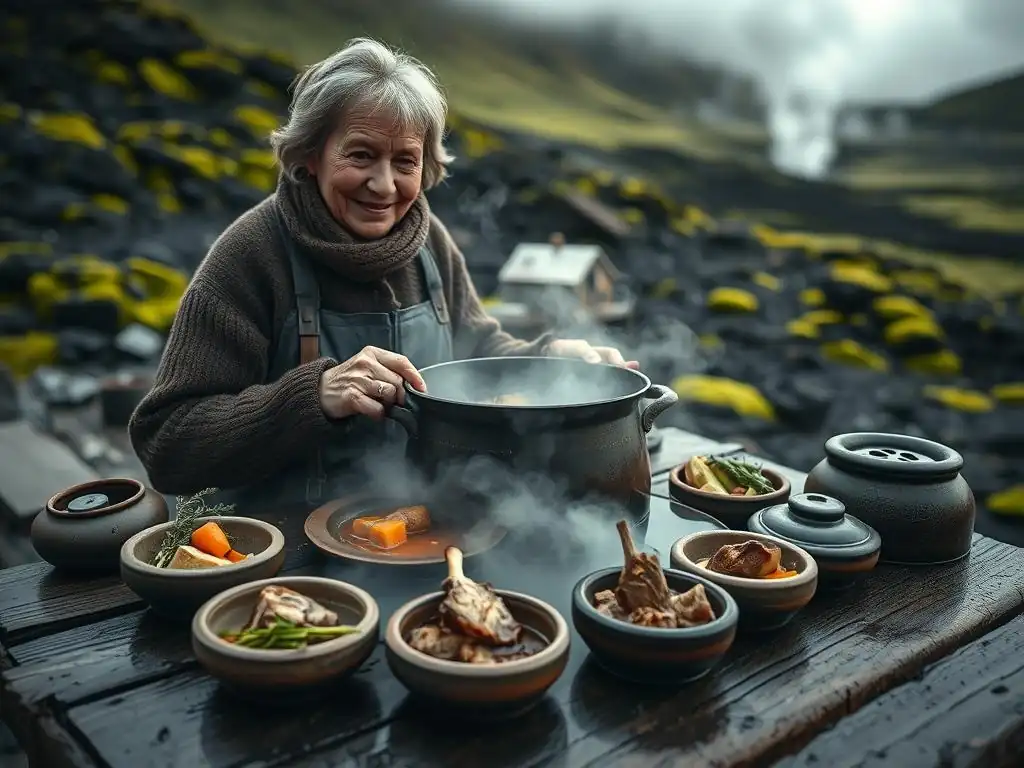
Geothermal gastronomy in Iceland offers numerous benefits, extending beyond just unique flavors and culinary experiences. It represents a sustainable approach to cooking, deeply rooted in Icelandic culture and offering distinct advantages in terms of environmental impact and culinary qualities. Exploring these benefits underscores the value of geothermal gastronomy as a sustainable and culturally significant culinary practice.
These benefits encompass environmental sustainability, unique flavor profiles, and cultural preservation, making geothermal gastronomy a valuable asset for Iceland. Understanding these advantages enhances appreciation for Iceland volcanic food experiences and their broader significance.
Sustainable Cooking Practices in Iceland
One of the most significant benefits of geothermal gastronomy is its inherent sustainability. Iceland is a global leader in renewable energy, with geothermal energy playing a crucial role in its energy mix. Utilizing geothermal heat for cooking aligns perfectly with Iceland's commitment to sustainable practices, minimizing reliance on fossil fuels and reducing carbon footprint. Geothermal energy is a renewable resource, constantly replenished by the Earth's internal heat, making it an environmentally friendly alternative to conventional cooking methods.
In a world increasingly concerned about climate change, geothermal gastronomy showcases a practical and delicious example of sustainable living. By harnessing natural heat for food preparation, Iceland reduces its environmental impact while preserving culinary traditions. This sustainable approach not only benefits the environment but also enhances the authenticity and appeal of Iceland volcanic food experiences for environmentally conscious travelers.
Unique Flavors and Textures Achieved Through Geothermal Methods
Geothermal cooking imparts unique flavors and textures to food that are difficult to replicate with conventional cooking methods. The slow, gentle heat of geothermal sources allows for gradual cooking, resulting in tender and moist dishes. The earthy minerals present in geothermal areas can also subtly influence the flavor profile, adding a distinctive terroir to geothermal cuisine. This results in Iceland volcanic food experiences that are not only unique but also exceptionally flavorful.
Rúgbrauð, for example, develops a moist, slightly sweet, and earthy flavor profile that is directly attributable to the geothermal baking process. Geothermal lamb becomes incredibly tender and infused with subtle smoky aromas. Even simple ingredients like eggs and potatoes take on a unique character when cooked in geothermal water. These distinctive flavors and textures are a key attraction of geothermal gastronomy, offering a culinary experience that is truly unique to Iceland.
The Cultural Significance of Geothermal Food in Iceland
Geothermal food is deeply interwoven with Icelandic culture and heritage. It's not just a cooking method; it's a tradition passed down through generations, reflecting Icelanders' ingenuity and resourcefulness in adapting to their volcanic environment. Geothermal cooking represents a tangible link to Iceland's past, connecting modern Icelanders to their Viking ancestors who first harnessed the Earth's heat for survival. This cultural significance adds a layer of depth and meaning to Iceland volcanic food experiences.
Preserving geothermal cooking traditions is seen as essential to maintaining Icelandic cultural identity. It's a way of celebrating the island's unique geological character and the resourcefulness of its people. Geothermal gastronomy is not just about food; it's about cultural heritage, sustainability, and the deep connection between Icelanders and their volcanic land. Experiencing geothermal food in Iceland is therefore not just a meal; it's an immersion into Icelandic culture and history.
Tips for Planning Your Iceland Volcanic Food Adventure
Planning an Iceland volcanic food adventure requires some consideration to maximize your experience. Knowing the best times to visit, what to expect on geothermal cooking tours, and essential packing tips will help ensure a smooth and enjoyable culinary journey. Proper planning will enhance your Iceland volcanic food experiences and make your trip more rewarding.
These tips cover practical aspects of planning your geothermal food adventure, ensuring you are well-prepared and can fully enjoy the unique culinary offerings of Iceland. Considering these factors will contribute to a memorable and enriching travel experience.
Best Times to Visit Iceland for Geothermal Cooking Experiences
Iceland can be visited year-round for geothermal experiences, but the best time to focus on volcanic food adventures is during the shoulder seasons (spring and fall) or summer. Summer months (June-August) offer milder weather, longer daylight hours, and easier access to highland areas where some geothermal sites are located. Spring (April-May) and fall (September-October) provide a balance of pleasant weather and fewer crowds, making it ideal for exploring geothermal regions and enjoying culinary tours.
Winter (November-March) can also be an interesting time to visit, with the possibility of experiencing geothermal areas in a snowy landscape. However, some highland roads may be closed, limiting access to certain geothermal sites. Regardless of the season, it's advisable to check weather conditions and tour availability in advance when planning your Iceland volcanic food adventure.
What to Expect on a Geothermal Cooking Tour
Geothermal cooking tours in Iceland vary in format and content, but generally offer a combination of culinary experiences, cultural insights, and geological exploration. Expect to visit geothermal areas, witness demonstrations of geothermal cooking techniques, and sample dishes prepared using volcanic heat. Tours may include hands-on activities, such as digging up rúgbrauð or preparing simple geothermal snacks.
Guided tours often provide valuable information about the history, science, and cultural significance of geothermal gastronomy in Iceland. They may also include visits to geothermal bakeries or restaurants, offering a broader range of Iceland volcanic food experiences. Tour durations can range from a few hours to full-day excursions, depending on the specific itinerary and focus. Choosing a tour that aligns with your interests and time constraints is key to maximizing your geothermal culinary adventure.
Pack appropriate clothing, book tours in advance, respect the environment
When embarking on an Iceland volcanic food adventure, packing appropriately is essential. Weather in Iceland can be unpredictable, so layering clothing is recommended. Bring waterproof and windproof outerwear, comfortable walking shoes or hiking boots, and warm layers, even in summer. If planning to visit geothermal areas, consider bringing swimwear and a towel if hot spring bathing is an option (check tour details).
Booking geothermal cooking tours and accommodations in advance is highly recommended, especially during peak tourist seasons. Popular tours and destinations can fill up quickly, so early booking ensures availability. Finally, always respect the environment when visiting geothermal areas. Stay on marked paths, avoid touching or disturbing geothermal features, and dispose of waste responsibly. Respecting the fragile geothermal environment ensures its preservation for future generations and enhances the sustainability of Iceland volcanic food experiences.
Beyond Food: Other Geothermal Wonders in Iceland
While geothermal gastronomy is a fascinating aspect of Iceland's volcanic culture, it's just one facet of the island's broader geothermal wonders. Iceland harnesses geothermal energy for a multitude of purposes, from generating electricity and heating homes to creating relaxing geothermal spas and pools. Exploring these other geothermal applications provides a more comprehensive understanding of Iceland's unique relationship with its volcanic landscape. These geothermal wonders extend beyond culinary experiences, enriching the Icelandic experience in diverse ways.
These additional geothermal applications showcase the versatility and importance of geothermal energy in Icelandic society. From powering the nation to providing relaxation and leisure, geothermal resources are integral to Icelandic life. Exploring these aspects alongside geothermal gastronomy offers a holistic appreciation of Iceland's volcanic identity.
Geothermal Power Plants and Their Role in Icelandic Society
Iceland is a global leader in geothermal energy utilization, with geothermal power plants playing a critical role in its energy independence and sustainability. These power plants harness the Earth's heat to generate electricity and provide district heating for homes and businesses throughout the country. Geothermal energy accounts for a significant portion of Iceland's electricity production and heating needs, making it one of the most sustainable nations in the world.
Visiting a geothermal power plant, such as Hellisheidi Geothermal Power Plant near Reykjavík, offers a fascinating insight into the scale and technology of geothermal energy production. These facilities showcase Iceland's commitment to renewable energy and its innovative approach to harnessing volcanic resources. Understanding the role of geothermal power plants in Icelandic society provides a broader context for appreciating the sustainability of geothermal gastronomy and its place within Iceland's overall energy landscape.
Geothermal Spas and Pools: Relaxing in Volcanic Waters
Iceland is famous for its geothermal spas and pools, offering visitors and locals alike opportunities to relax and rejuvenate in naturally heated waters. These geothermal pools range from world-renowned spas like the Blue Lagoon to smaller, more intimate local pools found throughout the country. Soaking in geothermal waters is a quintessential Icelandic experience, offering therapeutic benefits and a connection to the island's volcanic nature.
The mineral-rich geothermal waters are believed to have healing properties, and the warm temperatures provide relaxation and comfort, especially in Iceland's cooler climate. Visiting geothermal spas and pools is a perfect complement to exploring geothermal gastronomy, offering another way to experience and appreciate Iceland's volcanic wonders. The combination of culinary and relaxation experiences creates a well-rounded and enriching Iceland adventure.
Exploring Iceland's Diverse Geothermal Landscapes
Beyond specific geothermal sites and attractions, Iceland as a whole is a diverse geothermal landscape, offering a multitude of geological wonders to explore. From steaming fumaroles and bubbling mud pools to colorful hot spring areas and volcanic craters, Iceland's geothermal landscapes are visually stunning and scientifically fascinating. Exploring these diverse landscapes provides a deeper appreciation for the geological forces that shape Iceland and enable geothermal gastronomy.
Areas like Mývatn Nature Baths and the surrounding geothermal region in North Iceland, the geothermal areas of South Iceland along the Golden Circle, and the volcanic highlands offer diverse examples of Iceland's geothermal landscapes. Hiking through these areas, observing geothermal features, and learning about the geological processes at play enhances the overall Iceland experience and provides a rich context for understanding and appreciating geothermal gastronomy.
The Future of Geothermal Gastronomy in Iceland
The future of geothermal gastronomy in Iceland is bright, with ongoing innovations, a growing focus on sustainability, and increasing tourism interest. As Iceland continues to embrace its geothermal resources and culinary traditions, geothermal gastronomy is poised to play an even more significant role in Icelandic culture and tourism. The future holds exciting possibilities for both preserving and evolving Iceland volcanic food experiences.
These future trends suggest a continued growth and evolution of geothermal gastronomy in Iceland, further solidifying its place as a unique and valuable culinary tradition. Innovation, preservation, and sustainable tourism will be key drivers in shaping the future of Iceland volcanic food experiences.
Innovations in Geothermal Cooking Techniques
Innovation is constantly shaping the future of geothermal cooking techniques in Iceland. Chefs and culinary researchers are exploring new ways to harness geothermal heat, experimenting with different cooking methods and ingredients. Modern technology is being integrated with traditional practices to enhance efficiency, temperature control, and culinary possibilities. These innovations are expanding the scope of geothermal gastronomy and creating even more exciting Iceland volcanic food experiences.
Examples of innovation include developing more precise geothermal ovens and steamers, utilizing geothermal heat in modern restaurant kitchens, and exploring new geothermal preservation techniques. Culinary schools and research institutions are also playing a role in advancing geothermal gastronomy, ensuring its continued evolution and adaptation to contemporary culinary trends. These innovations promise to further refine and elevate Iceland volcanic food experiences in the future.
Preserving Icelandic Culinary Traditions
While innovation is important, preserving Icelandic culinary traditions is equally crucial for the future of geothermal gastronomy. Maintaining the authenticity and cultural significance of dishes like rúgbrauð and geothermal lamb is essential to preserving Iceland's culinary heritage. Efforts are being made to document and promote traditional geothermal cooking methods, ensuring that these skills and knowledge are passed down to future generations.
Local communities and cultural organizations play a vital role in preserving geothermal culinary traditions. Festivals, workshops, and educational programs help to raise awareness and appreciation for geothermal gastronomy. By balancing innovation with preservation, Iceland can ensure that its unique culinary heritage remains vibrant and relevant for years to come. This preservation is key to the continued appeal and authenticity of Iceland volcanic food experiences.
Increased tourism and potential for further sustainable development
Increased tourism to Iceland presents both opportunities and challenges for geothermal gastronomy. On one hand, tourism drives demand for unique Iceland volcanic food experiences, supporting local businesses and promoting geothermal culinary traditions. On the other hand, increased tourism must be managed sustainably to avoid negative impacts on the fragile geothermal environment and ensure the long-term viability of geothermal resources.
Sustainable tourism practices are crucial for the future of geothermal gastronomy. This includes responsible tour operations, environmental protection measures in geothermal areas, and community-based tourism initiatives that benefit local populations. By embracing sustainable tourism, Iceland can harness the economic potential of geothermal gastronomy while preserving its cultural heritage and protecting its unique volcanic landscape. This balanced approach will ensure that Iceland volcanic food experiences continue to be a sustainable and enriching part of the island's allure.
Frequently Asked Questions
What is "Geothermal Gastronomy" in the context of VolcanoExplorers.org?
It refers to the unique culinary practice in Iceland where volcanic geothermal energy is used for cooking food. This method leverages the Earth's natural heat to prepare traditional Icelandic dishes.
How does geothermal cooking work in Iceland?
Geothermal cooking typically involves burying food underground near hot springs or using geothermal ovens powered by steam. This slow-cooking process imparts unique flavors and textures.
What types of foods are commonly cooked using geothermal methods in Iceland?
Rye bread (rúgbrauð) is a classic example, often baked in the ground. Other foods include eggs, lamb, and even fish, all benefiting from the consistent and natural heat.
Is geothermal cooking safe, considering the volcanic environment?
Yes, when done properly. The cooking locations are carefully chosen to avoid contamination from volcanic gases or other harmful substances. Experienced cooks understand the process.
Why is VolcanoExplorers.org featuring Icelandic geothermal cooking?
It showcases the cultural significance and practical uses of volcanoes beyond just eruptions. It also highlights the sustainable use of geothermal energy in a unique and engaging way.
Final Reflection: Embracing the Earth's Culinary Embrace
The unique culinary landscape of Iceland, forged in the heart of its volcanic activity, is more than just a novelty; it's a testament to human ingenuity and our ability to harness the power of nature. Geothermal gastronomy represents a sustainable and deeply connected approach to food, offering a glimpse into a future where culinary traditions are intertwined with environmental consciousness. The steaming dishes, slow-cooked in the earth's embrace, are not just meals; they are stories whispered from the land itself.
The influence of geothermal cooking extends beyond the plate, shaping Iceland's cultural identity and attracting curious palates from around the globe. This ancient practice, revived and refined, reminds us of the profound connection between our food and the environment. We are part of the earth and it is part of us. The steaming earth is our kitchen, and the flavors it imparts are our heritage.
This sentiment encapsulates the essence of Icelandic geothermal gastronomy, a culinary journey that nourishes both body and soul.
Now, consider the lessons learned from Iceland's volcanic heart. How can we, in our own lives and communities, embrace more sustainable and innovative approaches to food? Let us be inspired by the resourcefulness of the Icelanders, seeking out ways to connect with the earth and create culinary experiences that are both delicious and environmentally responsible. The future of food lies in our ability to harness the power of nature, not just for sustenance, but for a deeper connection to the world around us.
Embark on Your Own Geothermal Culinary Adventure!
Thank you for joining us on this delicious exploration of Iceland’s unique geothermal cooking! We hope you’ve discovered the fascinating possibilities that arise when food meets volcanic power. Now, it’s time to turn inspiration into action.
Ready to dive in? Here are a few ways to continue your geothermal journey:
- Plan your trip to Iceland to witness and taste this magic firsthand! Research local farms and restaurants offering geothermal cooking experiences.
- Explore other unique culinary traditions born from extreme environments around the world and share your findings with us.
- Start a conversation! What unusual cooking methods or ingredients are used in your local area that might surprise others?
What’s the first dish cooked using geothermal energy that you’d try if you had the chance? Share your culinary aspirations in the comments below!