
Shadows of Vesuvius: Pompeii's Echo in Storytelling

Welcome to Volcano Explorers!
Ever felt the chilling whisper of history carried on the wind? Here, we journey into the heart of volcanic power, exploring not only the science but also the enduring stories etched into the landscape. Today, we delve into one such story, a chilling tale forever intertwined with the fury of Vesuvius: the Pompeii storytelling and history.
Prepare to be transported back in time, uncovering the echoes of a lost civilization and the lessons learned from its tragic fate. What secrets does Pompeii still hold, and how has its story shaped our understanding of volcanoes and their cultural impact? Let's begin this unforgettable exploration...
- Introduction: Pompeii, Vesuvius, and the Power of Narrative
- The Historical Eruption of Vesuvius and its Impact on Pompeii
- Pompeii Storytelling and History: From Ancient Accounts to Modern Interpretations
- Pompeii's Influence on Literature and Art: Exploring Recurring Themes
- The Power of Visual Storytelling: Pompeii in Film and Documentaries
- Pompeii Storytelling and History: Modern Novels and Fictional Accounts
- Pompeii as a Cautionary Tale: Lessons from the Past
- The Future of Pompeii Storytelling: New Perspectives and Technologies
- Conclusion: The Enduring Legacy of Pompeii and Vesuvius in Storytelling
-
Frequently Asked Questions
- What makes Pompeii such a powerful subject for storytelling?
- How does VolcanoExplorers.org connect the science of volcanoes to the story of Pompeii?
- Besides the eruption itself, what historical aspects of Pompeii are highlighted on VolcanoExplorers.org?
- What safety information is provided on VolcanoExplorers.org for people living near active volcanoes, considering Pompeii as a historical example?
- How does VolcanoExplorers.org use visual elements to enhance the storytelling of Pompeii's history?
- Final Reflection: Echoes of Resilience
Introduction: Pompeii, Vesuvius, and the Power of Narrative
The name Pompeii evokes a powerful image – a city frozen in time, tragically silenced by the eruption of Mount Vesuvius in 79 AD. More than just an archaeological site, Pompeii is a narrative etched in ash and stone, a story of Roman life abruptly interrupted and remarkably preserved. The dramatic demise of Pompeii, overshadowed by the looming presence of Vesuvius, has resonated through centuries, becoming a potent symbol in art, literature, and popular culture.
This enduring fascination stems from the inherent human desire to understand the past, to find meaning in tragedy, and to connect with those who came before us. Pompeii offers a unique window into the daily lives of ordinary Romans, amplified by the extraordinary circumstances of its destruction, making it a compelling subject for storytelling across diverse mediums.
The narrative power of Pompeii lies in its stark contrast: the vibrancy of life juxtaposed with the sudden finality of death. The city's ruins are not just remnants of buildings; they are fragments of human stories – homes, businesses, public spaces, and even the plaster casts of the victims themselves speak volumes about the lives lived and lost. Vesuvius, the silent antagonist in this drama, adds another layer to the narrative.
Its imposing presence, both then and now, serves as a constant reminder of the unpredictable forces of nature and the fragility of human existence. Through centuries of retelling, the story of Pompeii has evolved, reflecting changing societal values and artistic trends, yet its core elements – disaster, discovery, and the poignant glimpse into a lost world – continue to captivate and inspire.
The Historical Eruption of Vesuvius and its Impact on Pompeii
The Day History Stopped: The 79 AD Eruption
The eruption of Mount Vesuvius in 79 AD was not just a natural disaster; it was a cataclysmic event that effectively halted a moment in time, preserving a snapshot of Roman life with astonishing clarity. The eruption, likely beginning around midday on August 24th, unfolded in distinct phases. Initially, a Plinian phase saw a towering column of ash and pumice ejected high into the atmosphere, blanketing Pompeii and the surrounding region in volcanic debris.
This phase, while disruptive and causing roof collapses, allowed some inhabitants to flee. However, the eruption intensified dramatically in the early hours of the following day with the onset of pyroclastic flows – superheated avalanches of gas, ash, and rock surging down the volcano's slopes.
These pyroclastic flows were the true killers, reaching temperatures of hundreds of degrees Celsius and moving at speeds exceeding highway traffic. Pompeii, located closer to Vesuvius than Herculaneum which was initially spared the pumice fall, was engulfed by several surges. The intense heat and asphyxiating gases instantly killed those who remained, encasing them in layers of ash that would later solidify and preserve their forms.
Contemporary accounts, most notably the letters of Pliny the Younger, who witnessed the eruption from a distance across the Bay of Naples, provide invaluable firsthand testimony to the scale and terror of the event. Pliny’s uncle, Pliny the Elder, perished while attempting to rescue people near Pompeii, further cementing the eruption's place in historical record and personal tragedy. The eruption buried Pompeii and Herculaneum under meters of volcanic material, effectively erasing them from the map for centuries, until their accidental rediscovery.
Preserved in Ash: The Unprecedented Archaeological Significance of Pompeii
The layers of volcanic ash and pumice that buried Pompeii acted as a remarkable preservative agent, creating a time capsule of Roman daily life unparalleled in the ancient world. Unlike other archaeological sites that have suffered from centuries of looting, weathering, or rebuilding, Pompeii was sealed off from the elements and human interference for over 1600 years.
This unique preservation allows archaeologists and historians to study not just grand public buildings, but also ordinary homes, workshops, taverns, and even latrines, providing an intimate glimpse into the lives of all social classes in a Roman city of the first century AD.
The most poignant and iconic aspect of Pompeii's preservation is the creation of plaster casts of the eruption victims. Archaeologist Giuseppe Fiorelli, in the 19th century, realized that the voids left in the hardened ash by decomposed bodies could be filled with plaster to recreate the final moments of the victims. These casts, revealing the postures, clothing, and even facial expressions of those caught in the pyroclastic flows, are profoundly moving and provide an immediate, visceral connection to the human tragedy of Pompeii.
Beyond the human remains, the ash preserved organic materials like wood, food remains, and even textiles, offering insights into Roman diet, craftsmanship, and daily routines that would be lost at most other sites. The level of detail preserved at Pompeii is extraordinary, making it an invaluable resource for understanding Roman society, urban planning, art, and culture, and a cornerstone of archaeological research and public fascination.
Pompeii Storytelling and History: From Ancient Accounts to Modern Interpretations
Ancient Roman Accounts of the Vesuvius Eruption
The earliest narratives of the Vesuvius eruption stem from the immediate aftermath and the surviving written accounts of ancient Romans. The most famous and detailed of these are the letters of Pliny the Younger to the historian Tacitus, written approximately 25 years after the event. Pliny's letters are not only crucial historical documents but also masterful pieces of descriptive writing, vividly portraying the unfolding disaster from his vantage point at Misenum.
He recounts the unusual seismic activity preceding the eruption, the towering plume erupting from Vesuvius resembling a pine tree, the pumice fall, and the terrifying pyroclastic surges. His account of his uncle, Pliny the Elder's, ill-fated rescue mission adds a personal and tragic dimension to the historical record.
Beyond Pliny's letters, other ancient Roman writers, though less detailed, also alluded to the eruption and its devastating consequences. Historians like Suetonius and Cassius Dio mention the event in their works, often in the context of the reign of Emperor Titus, during whose rule the disaster occurred.
These accounts, while not as comprehensive as Pliny's, corroborate the scale of the catastrophe and its impact on the region. Ancient Roman poets and writers might also have referenced Vesuvius and Pompeii in their works, though direct and explicit mentions before the rediscovery are less common.
These ancient accounts served as the primary source of information about the eruption for centuries, shaping the early understanding and narratives surrounding Pompeii before archaeology began to unveil the city itself. They highlight the immediate shock and long-lasting impact of the disaster on the Roman world, framing it as a significant historical event worthy of remembrance and documentation.
The Rediscovery of Pompeii: Sparking a New Wave of Stories
The rediscovery of Pompeii in the 18th century marked a turning point, not only for archaeology but also for the narrative of Pompeii itself. Accidental findings occurred earlier, but it was the systematic excavations initiated in 1748 under the Bourbon monarchy of Naples that truly brought Pompeii back to light. This rediscovery coincided with the burgeoning Enlightenment and a growing interest in classical antiquity.
Pompeii, emerging from centuries of obscurity, captivated European intellectuals, artists, and the public imagination, sparking a new wave of stories and interpretations. The physical unearthing of a complete Roman city, frozen in time, provided tangible evidence to supplement the ancient texts, dramatically enriching the narrative of Roman life and the Vesuvius eruption.
The rediscovery fueled a surge of artistic and literary creativity. Painters, writers, and architects flocked to Pompeii, seeking inspiration from the newly revealed ruins. Grand Tour travelers made Pompeii a must-see destination, further disseminating its story and images across Europe.
The excavations themselves became a spectacle, and early archaeological reports, often embellished with romanticized descriptions and illustrations, contributed to the popularization of Pompeii's narrative. This era saw the emergence of fictionalized accounts of Pompeii, often blending historical details with romantic melodrama and moralistic interpretations of the city's fate. The rediscovery transformed Pompeii from a historical footnote into a vivid and captivating story, readily accessible and endlessly fascinating to a modern audience, laying the foundation for its continued presence in storytelling and history.
Pompeii's Influence on Literature and Art: Exploring Recurring Themes
Pompeii as a Symbol of Mortality and the Fleeting Nature of Life
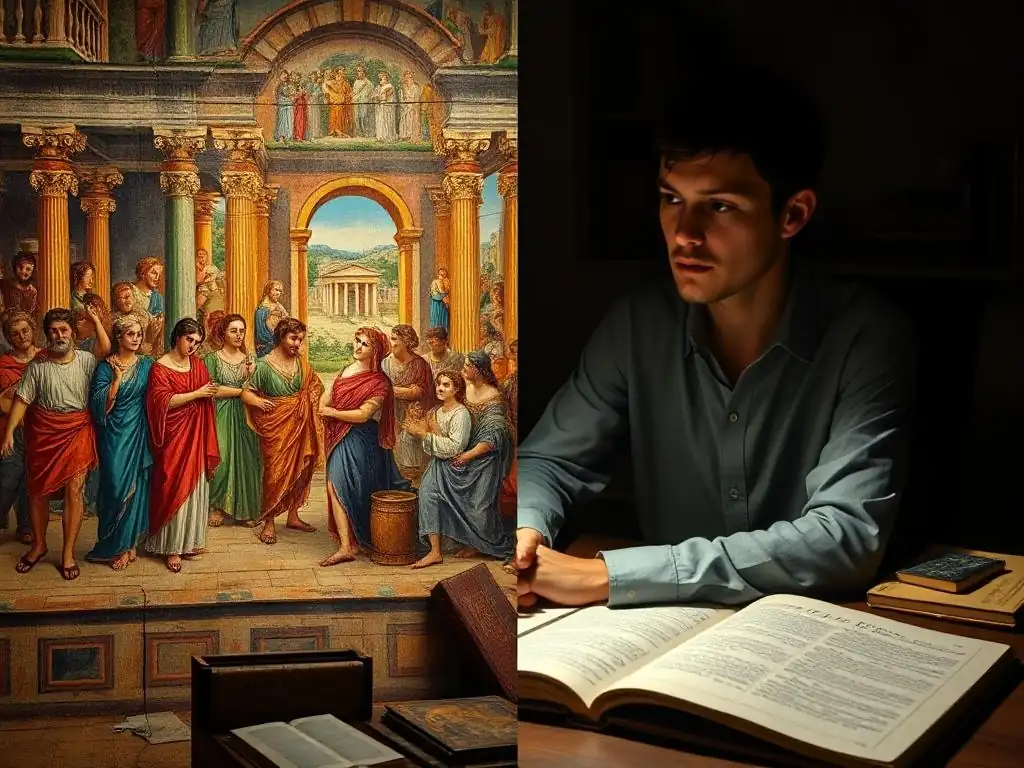
Pompeii's sudden and catastrophic destruction has profoundly shaped its symbolic representation in literature and art, most notably as a potent symbol of mortality and the ephemeral nature of human existence. The city, frozen in its final moments of daily life, serves as a stark memento mori, reminding viewers and readers of the inevitability of death and the fragility of civilization. The preserved ruins and the plaster casts of the victims visually underscore the suddenness with which life can be extinguished, prompting reflection on the transient nature of earthly pursuits and achievements.
Artists and writers have consistently drawn upon Pompeii to explore themes of vanitas and the fleeting passage of time. The juxtaposition of opulent Roman villas and vibrant frescoes with the grim reality of the volcanic destruction creates a powerful visual and narrative metaphor for the impermanence of beauty and worldly possessions.
In literature, Pompeii often appears as a setting for stories that explore themes of love, loss, and the futility of human ambition in the face of overwhelming natural forces or fate. The city's ruins become a stage for contemplating the human condition, urging audiences to consider their own mortality and the importance of living a meaningful life in the present moment, as vividly contrasted with the abruptly terminated lives of the Pompeiians.
The enduring appeal of Pompeii as a subject for art and literature lies in its capacity to evoke these profound reflections on life and death, making it a timeless symbol of human vulnerability.
Vesuvius and Pompeii in Romantic Literature and Art
The Romantic era of the 19th century found a particularly resonant symbol in Pompeii and Vesuvius, aligning perfectly with the movement's fascination with ruins, sublime landscapes, and the power of nature. The rediscovery of Pompeii coincided with the rise of Romanticism, and the site became a source of intense inspiration for Romantic writers, painters, and composers.
Vesuvius, with its dramatic and unpredictable volcanic power, embodied the Romantic ideal of the sublime – awe-inspiring and terrifying forces of nature that dwarf human endeavors. Pompeii, as a ruined city, perfectly exemplified the Romantic sensibility for melancholic beauty and the contemplation of past glories.
Romantic literature often depicted Pompeii as a setting for tales of love, tragedy, and moral reflection, frequently emphasizing the contrast between the vibrant sensuality of Roman life and the devastating consequences of divine or natural retribution. Edward Bulwer-Lytton's 1834 novel The Last Days of Pompeii became a defining work of Romantic Pompeii literature, blending historical detail with fictional romance and moralizing themes, achieving immense popularity and solidifying Pompeii's place in the Romantic imagination. In painting, Romantic artists like John Martin and J.M.W.
Turner depicted Vesuvius in dramatic and often apocalyptic terms, capturing the volcano's power and the overwhelming scale of the disaster. Pompeii, in Romantic art and literature, became a stage for exploring grand themes of human destiny, the forces of nature, and the poignant beauty of ruins, reflecting the era's characteristic emotional intensity and historical consciousness.
The Enduring Allure: Why Pompeii Still Captivates Artists Today
Despite centuries of storytelling and evolving artistic trends, Pompeii continues to exert a powerful allure on contemporary artists across various disciplines. Its enduring appeal stems from its multifaceted nature – it is simultaneously a historical site, a scene of catastrophic tragedy, and a remarkably preserved window into the past. For modern artists, Pompeii offers a rich tapestry of themes and visual imagery to explore, ranging from the personal stories of its inhabitants to broader reflections on history, memory, and the relationship between humanity and nature.
Contemporary artists often engage with Pompeii in ways that reflect modern concerns and perspectives. Some artists focus on the human aspect of the disaster, creating works that commemorate the victims and explore themes of loss, trauma, and resilience. Others are drawn to the archaeological aspects, using Pompeii as a starting point to investigate the process of excavation, preservation, and the interpretation of the past.
Conceptual artists might explore Pompeii as a metaphor for societal collapse or the fragility of modern civilization. The visual starkness of the ruins, the haunting plaster casts, and the dramatic backdrop of Vesuvius continue to provide potent visual and emotional stimuli for artistic creation. Furthermore, new technologies and media offer artists innovative ways to reinterpret and reimagine Pompeii, ensuring its story remains relevant and captivating for contemporary audiences and artistic exploration.
The Power of Visual Storytelling: Pompeii in Film and Documentaries
Recreating the Disaster: Pompeii on the Silver Screen
The dramatic nature of Pompeii's destruction and its visually compelling ruins make it a natural subject for cinematic storytelling. Film, with its capacity for spectacle and emotional engagement, has frequently turned to Pompeii to recreate the disaster and bring the past to life for a mass audience.
Films about Pompeii often focus on the eruption itself, depicting the terrifying sequence of events – from the initial pumice fall to the devastating pyroclastic flows – offering a visceral and dramatic portrayal of the catastrophe. These cinematic recreations often blend historical elements with fictional narratives, typically centered around personal stories of love, survival, and loss amidst the volcanic chaos.
Films like the 2014 movie Pompeii, directed by Paul W.S. Anderson, exemplify this approach. While taking liberties with historical accuracy for dramatic effect, these films utilize CGI and special effects to visually recreate the eruption and the destruction of the city on a grand scale.
They often feature fictional characters caught in the disaster, allowing audiences to connect with the historical event on a personal and emotional level. While sometimes criticized for prioritizing spectacle over historical authenticity, these films play a significant role in popularizing the story of Pompeii and introducing it to new generations. They leverage the visual power of cinema to make the ancient disaster feel immediate and impactful, contributing to the enduring cultural memory of Pompeii.
Documenting the Past: Unveiling New Discoveries through Film
Beyond fictionalized recreations, Pompeii is also a frequent subject for documentaries, which offer a different approach to visual storytelling. Documentary films about Pompeii focus on presenting factual information, archaeological discoveries, and historical analysis to educate and inform viewers. These documentaries often feature interviews with archaeologists, historians, and volcanologists, providing expert insights into the city's history, the eruption, and ongoing research at the site. They utilize visual media – footage of the ruins, archaeological digs, reconstructions, and graphics – to illustrate the historical context and the significance of Pompeii.
Documentaries about Pompeii serve an essential educational purpose, bringing the latest archaeological findings and scholarly interpretations to a wider audience. They can showcase new discoveries, such as recent excavations revealing previously unknown aspects of Pompeian life or new insights into the eruption itself.
Television channels like the BBC, National Geographic, and Discovery Channel have produced numerous documentaries on Pompeii, highlighting various aspects of the site, from daily life in the city to the science of volcanology. These documentaries contribute to a deeper public understanding of Pompeii, moving beyond the purely sensational aspects of the disaster to explore its historical and archaeological significance, and further solidifying Pompeii's place in collective memory through factual and informative visual narratives.
Pompeii Storytelling and History: Modern Novels and Fictional Accounts
Notable Fictionalizations: Pompeii by Robert Harris and The Last Pompeian by Edward Bulwer-Lytton
Modern literature continues to draw inspiration from Pompeii, producing novels and fictional accounts that offer diverse interpretations of the historical event and the lives of its inhabitants. Two notable examples that span different eras and approaches are Edward Bulwer-Lytton's The Last Days of Pompeii (1834) and Robert Harris's Pompeii (2003). Bulwer-Lytton's novel, a product of the Romantic era, is a sweeping and melodramatic tale set in Pompeii in the days leading up to the eruption.
It weaves together fictional characters and historical details to create a vivid picture of Roman society, exploring themes of love, religion, and morality, culminating in the dramatic volcanic destruction. While influential and widely popular in its time, Bulwer-Lytton's work reflects 19th-century sensibilities and a more romanticized, less archaeologically accurate portrayal of Pompeii.
Robert Harris's Pompeii, in contrast, takes a more contemporary and historically grounded approach. Published in the 21st century, Harris's novel focuses on the practical and logistical aspects of Roman life in Pompeii, centering on the story of Attilius, an aquarius (hydraulic engineer) tasked with maintaining the city's water supply in the days preceding the eruption. Harris meticulously researched Roman engineering and daily life, creating a more realistic and less romanticized depiction of Pompeii.
The eruption in Harris's novel is portrayed with scientific accuracy and dramatic tension, emphasizing the natural disaster aspect rather than moralistic interpretations. These two novels, representing different literary periods and approaches to historical fiction, demonstrate the enduring appeal of Pompeii as a setting and subject for fictional narratives, showcasing the diverse ways in which authors have interpreted and reimagined the city's story.
The Human Cost: Exploring Personal Stories within the Pompeii Narrative
A crucial aspect of Pompeii storytelling, particularly in modern interpretations, is the emphasis on the human cost of the disaster and the exploration of personal stories within the larger historical narrative. While the scale of the eruption and the archaeological significance of the site are undeniable, contemporary narratives increasingly focus on the individual lives disrupted and lost in 79 AD. This shift reflects a broader trend in historical storytelling towards humanizing the past and connecting with individual experiences rather than solely focusing on grand historical events or figures.
Modern novels, documentaries, and even museum exhibitions often highlight the personal stories of Pompeiians, drawing upon archaeological evidence and historical context to imagine their lives, relationships, and final moments. The plaster casts of the victims, in particular, have become powerful symbols of this human-centered approach, providing tangible reminders of individual tragedies.
Authors and filmmakers create fictional characters or reconstruct real lives based on archaeological findings, allowing audiences to empathize with the victims and understand the disaster not just as a historical event but as a profound human tragedy. This focus on personal narratives adds emotional depth and resonance to the story of Pompeii, making it more relatable and impactful for contemporary audiences, and ensuring that the human cost of the disaster remains central to its enduring legacy.
Pompeii as a Cautionary Tale: Lessons from the Past
Volcanic Hazards and Community Preparedness: A Modern Perspective
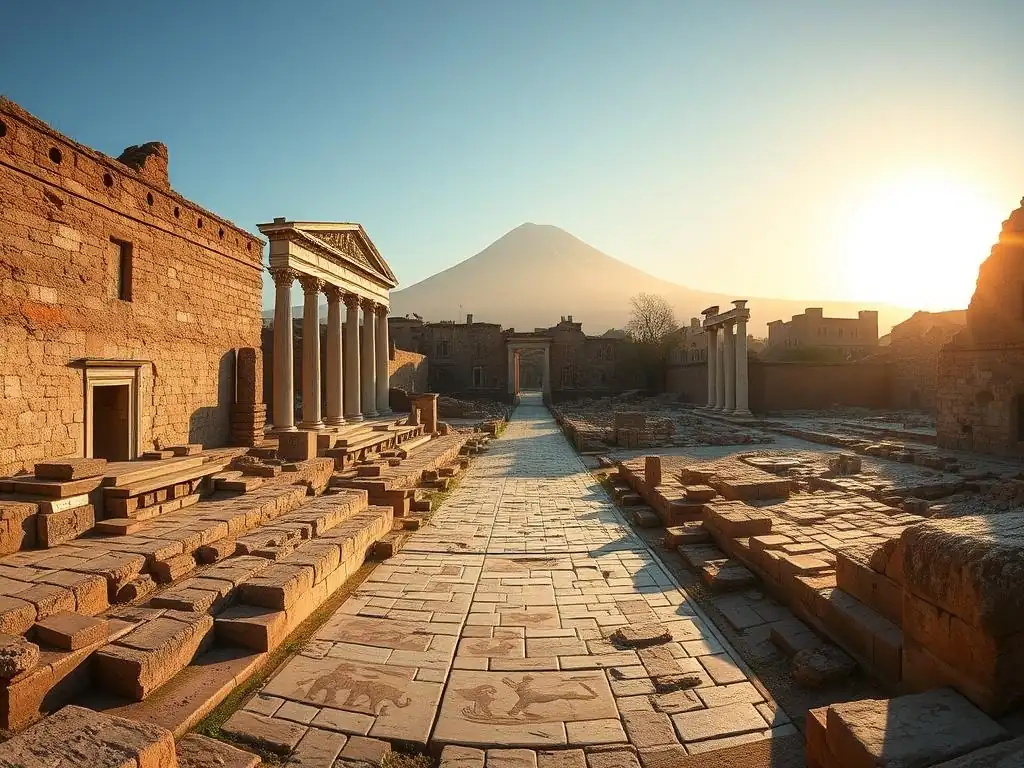
Beyond its historical and artistic significance, Pompeii serves as a powerful cautionary tale about volcanic hazards and the importance of community preparedness. The sudden and devastating destruction of Pompeii and Herculaneum vividly illustrates the potential dangers of living near active volcanoes. In a world where millions of people reside in volcanically active regions, Pompeii's story carries a crucial message about risk assessment, early warning systems, and effective evacuation strategies. Studying the eruption of Vesuvius and its impact on Pompeii provides valuable insights for volcanologists and emergency management officials in mitigating volcanic risks today.
Modern volcanology and geological research have significantly advanced our understanding of volcanic processes, including pyroclastic flows like those that destroyed Pompeii. Scientists can now monitor volcanoes, detect signs of unrest, and issue warnings to at-risk populations. However, effective community preparedness requires more than just scientific monitoring; it necessitates public education, evacuation planning, and infrastructure development to minimize vulnerability.
Pompeii's fate underscores the need for communities living near volcanoes to be aware of the potential hazards, to heed scientific warnings, and to have robust emergency plans in place. The story of Pompeii, therefore, serves as a constant reminder of the potential consequences of volcanic eruptions and the critical importance of proactive risk reduction measures in volcanically active regions worldwide.
Remembering Pompeii: Ensuring its Legacy Serves as a Warning
Remembering Pompeii is not just about commemorating a historical tragedy; it is about ensuring that its legacy serves as a warning and a source of learning for future generations. The story of Pompeii, when effectively communicated, can raise public awareness about volcanic hazards, promote responsible land-use planning in volcanic areas, and encourage proactive community engagement in disaster preparedness. Museums, educational institutions, and media play a vital role in keeping the memory of Pompeii alive and using it as a platform for education and risk communication.
By emphasizing the human stories of Pompeii, educational initiatives can make the lessons of the past more relatable and impactful. Visiting Pompeii itself is a powerful experience, allowing individuals to witness firsthand the scale of the destruction and to connect with the human tragedy.
Archaeological sites like Pompeii, therefore, have a crucial role to play not only in preserving the past but also in informing and educating the present and future. The enduring legacy of Pompeii should be one of remembrance, learning, and proactive preparedness, ensuring that the lessons from this ancient disaster contribute to building safer and more resilient communities in volcanically active regions around the globe.
The Future of Pompeii Storytelling: New Perspectives and Technologies
Virtual Reality and Immersive Experiences: Bringing Pompeii to Life
The future of Pompeii storytelling is increasingly intertwined with technological advancements, particularly in virtual reality (VR) and immersive experiences. VR offers unprecedented opportunities to transport audiences back in time, allowing them to virtually walk the streets of Pompeii as it existed before the eruption. These immersive experiences can recreate not just the physical environment of the city but also aspects of daily life, sounds, and even interactions with virtual Pompeians, creating a more engaging and visceral connection to the past than traditional storytelling methods.
VR reconstructions of Pompeii are becoming increasingly sophisticated, utilizing archaeological data and historical research to create accurate and detailed virtual environments. Museums and cultural heritage institutions are beginning to incorporate VR experiences into their exhibitions, offering visitors a chance to "step into" Pompeii and explore its ruins or even witness the city as it was in its prime. These technologies can enhance educational outreach, making history more accessible and engaging for diverse audiences, particularly younger generations.
Furthermore, VR and augmented reality (AR) applications can be used at the archaeological site itself, allowing visitors to overlay virtual reconstructions onto the physical ruins, bridging the gap between the past and present and enriching the on-site experience. The continued development of immersive technologies promises to revolutionize Pompeii storytelling, offering new and powerful ways to connect with the past and learn from its lessons.
Ongoing Archaeological Research: Uncovering New Stories from Pompeii
Despite centuries of excavation and study, Pompeii continues to yield new archaeological discoveries, ensuring that its story is constantly being updated and enriched. Ongoing archaeological research at Pompeii employs cutting-edge technologies and interdisciplinary approaches to uncover previously unknown aspects of the city's history, urban layout, and daily life. New excavations, often focusing on previously unexplored areas of the city or re-examining already excavated sectors with modern techniques, continue to reveal new buildings, artifacts, and human remains, adding to our understanding of Pompeii.
Modern archaeological methods, such as advanced imaging techniques, DNA analysis, and 3D modeling, provide increasingly detailed insights into the past. Recent excavations have uncovered new houses, workshops, and even entire neighborhoods, shedding light on the social and economic structures of Pompeii. Analysis of organic remains, like food and plant materials, provides a more nuanced understanding of Roman diet and agriculture.
The ongoing research at Pompeii is not just about uncovering more artifacts; it's about piecing together a more complete and nuanced narrative of the city and its inhabitants. Each new discovery contributes to the ever-evolving story of Pompeii, ensuring that it remains a dynamic and relevant subject of historical inquiry and public fascination, promising even richer and more detailed narratives in the future.
Conclusion: The Enduring Legacy of Pompeii and Vesuvius in Storytelling
The story of Pompeii, forever entwined with the looming presence of Vesuvius, has resonated through millennia, evolving from ancient accounts of disaster to modern multimedia narratives. From the firsthand accounts of Pliny the Younger to blockbuster films and immersive virtual reality experiences, Pompeii's tale continues to be retold and reimagined, captivating audiences across generations and cultures. Its enduring legacy in storytelling stems from the powerful combination of historical tragedy, archaeological wonder, and the poignant glimpse it offers into the lives of ordinary people caught in an extraordinary event.
Pompeii is more than just a ruined city; it is a narrative etched in volcanic ash, a testament to human vulnerability and resilience, and a potent reminder of the forces of nature. Its story serves as a memento mori, prompting reflection on mortality and the fleeting nature of life, but also as a cautionary tale about volcanic hazards and the importance of preparedness.
As technology advances and archaeological research continues, the narrative of Pompeii will undoubtedly evolve further, uncovering new stories and offering fresh perspectives on this ancient tragedy. The shadows of Vesuvius continue to fall upon Pompeii, but within those shadows lies an enduring echo of human experience, forever preserved and endlessly retold in the ongoing story of Pompeii.
Frequently Asked Questions
What makes Pompeii such a powerful subject for storytelling?
Pompeii's destruction by Mount Vesuvius provides a compelling narrative of a vibrant city frozen in time. The suddenness of the event and the preservation of everyday life offer a unique window into Roman history and human vulnerability.
How does VolcanoExplorers.org connect the science of volcanoes to the story of Pompeii?
The site explores the geological forces behind the eruption of Vesuvius, providing context for understanding the scale of the disaster. This scientific perspective adds depth to the human drama of Pompeii by explaining the devastating impact of volcanic activity.
Besides the eruption itself, what historical aspects of Pompeii are highlighted on VolcanoExplorers.org?
The website delves into the daily life of Pompeiians, including their art, architecture, and social structures. This allows visitors to understand what was lost and appreciate the rich cultural heritage buried by the eruption.
What safety information is provided on VolcanoExplorers.org for people living near active volcanoes, considering Pompeii as a historical example?
The site offers evacuation guidelines and real-time updates on volcanic activity to help communities prepare for potential eruptions. The lessons learned from Pompeii underscore the importance of preparedness and awareness.
How does VolcanoExplorers.org use visual elements to enhance the storytelling of Pompeii's history?
The website features photographs and illustrations of Pompeii's ruins, allowing users to visually explore the site and connect with its history. This visual storytelling helps to evoke the atmosphere and tragedy of the eruption.
Final Reflection: Echoes of Resilience
The haunting beauty of Pompeii, frozen in time by Vesuvius's wrath, continues to captivate and inspire, reminding us of the fragility of life and the enduring power of the human spirit. Pompeii's story, meticulously unearthed and retold, serves as a potent reminder of our shared humanity across millennia. It is a narrative etched in ash, a testament to both destruction and the vibrant lives that were abruptly extinguished.
The impact of Pompeii on storytelling is undeniable, shaping narratives that explore themes of fate, loss, and the ephemeral nature of existence. The enduring fascination with Pompeii speaks to our innate desire to understand the past and to connect with those who came before us. It serves as a mirror, reflecting our own hopes, fears, and vulnerabilities. The past is never dead. It's not even past.
- William Faulkner. This quote encapsulates the essence of Pompeii's enduring relevance; its story continues to resonate, influencing art, literature, and our understanding of history.
As we reflect on the shadows of Vesuvius and the stories they hold, let us remember the lessons etched in stone and ash. Let us strive to live with intention, to appreciate the present moment, and to honor the memory of those who lived and loved in Pompeii. Consider how their story can inspire you to embrace life's fleeting beauty and to leave your own enduring mark on the world.
Okay, I understand. Now, give me the article content so I can craft the perfect Call to Action based on that context. I need the content of the article you want the CTA for. The more information you give me about the article, the better I can tailor the CTA. For example:
- What's the central argument or takeaway of the article?
- What specific aspects of Pompeii's story are highlighted? (e.g., art, daily life, the disaster itself, lessons learned, etc.)
- What kind of reader are you targeting? (e.g., history buffs, aspiring writers, travelers, etc.)
Once I have this information, I can write a compelling CTA.