
The Future of Volcanic Ecosystems: Challenges and Opportunities


Welcome to Volcano Explorers!
Imagine a world sculpted by fire, where life clings to the edge of destruction. Our journey today takes us to the heart of these volatile landscapes, exploring the future of volcanic ecosystems. Can life truly thrive amidst such chaos? Discover the surprising resilience of nature and the challenges and opportunities that lie ahead in this fascinating realm. Read on to uncover the secrets hidden within the shadow of the crater and learn how these extreme environments might hold keys to understanding life itself.
- Introduction: Understanding Volcanic Ecosystems and Their Importance
- Ecological Succession on Volcanic Landscapes: A Foundation for the Future
- Challenges Facing Volcanic Ecosystems in the 21st Century
- Opportunities for Conservation and Restoration of Volcanic Ecosystems
- The Future of Volcanic Ecosystems: Predictions and Scenarios
- Case Studies: Successful Volcanic Ecosystem Restoration Projects
- The Interplay of Volcanic Activity and Ecosystem Development
- Policy and Management Recommendations for Securing the Future of Volcanic Ecosystems
- Conclusion: A Call to Action for Protecting Volcanic Ecosystems
-
Frequently Asked Questions
- What are the main challenges facing volcanic ecosystems in the future?
- How does volcanic activity itself influence the future of volcanic ecosystems?
- What opportunities exist for conserving and restoring volcanic ecosystems?
- How can local communities contribute to the preservation of volcanic ecosystems?
- What role does technology play in understanding and protecting volcanic ecosystems?
- Final Reflection: Embracing the Volcanic Tomorrow
- Ignite Your Passion: Champion Volcanic Life!
Introduction: Understanding Volcanic Ecosystems and Their Importance
The Unique Nature of Volcanic Habitats
Volcanic ecosystems represent some of the most dynamic and fascinating environments on Earth. Characterized by their recent geological origins, often stemming from volcanic eruptions, these habitats are shaped by unique abiotic factors. Fresh volcanic substrates are initially devoid of organic matter and essential nutrients, presenting extreme conditions for life.
The mineral composition of volcanic rocks, the presence of geothermal activity, and the frequency of disturbances like eruptions and gas emissions all contribute to the distinctiveness of these landscapes. This combination of harsh conditions and geological dynamism fosters the evolution of specialized life forms and unique ecological processes not found in more stable environments.
These environments are also inherently heterogeneous. A single volcanic landscape can encompass a mosaic of habitats, from barren lava flows to ash-covered plains and hydrothermal vents. This heterogeneity arises from variations in eruption history, substrate age, elevation, and microclimate. Such diversity within a relatively small area promotes biodiversity and complex ecological interactions. Understanding the unique nature of these habitats is crucial for appreciating their ecological value and the specific challenges they face in the context of global environmental change.
Why Study the Future of Volcanic Environments?
Studying the future of volcanic environments is of paramount importance for several compelling reasons. Firstly, these ecosystems, despite their apparent harshness, play a critical role in global biodiversity. They often harbor endemic species – plants and animals found nowhere else on Earth – that have adapted to the unique conditions. For example, the Hawaiian Islands, formed by volcanic activity, are renowned for their extraordinarily high levels of endemism, with a significant proportion of their flora and fauna being unique to the archipelago. Understanding the future of volcanic ecosystems is therefore crucial for conserving global biodiversity and preventing species extinctions.
Secondly, volcanic regions are increasingly under pressure from human activities and global environmental changes. Climate change, in particular, poses significant threats, altering temperature and precipitation regimes that can dramatically impact these sensitive ecosystems. Furthermore, human activities like tourism, resource extraction, and agricultural expansion encroach upon volcanic landscapes, leading to habitat degradation and loss.
By studying the future trajectory of these ecosystems, we can better anticipate the impacts of these pressures and develop effective conservation and management strategies to ensure their long-term survival. This proactive approach is essential for safeguarding not only the ecological integrity of these unique places but also the valuable ecosystem services they provide, such as water regulation and carbon sequestration.
Ecological Succession on Volcanic Landscapes: A Foundation for the Future
Primary Succession: The First Colonizers of Volcanic Rock
Primary succession on volcanic landscapes is a remarkable process of ecological development that begins on newly formed or completely barren volcanic rock. Following a volcanic eruption that creates new land, such as a lava flow or volcanic ash deposit, the initial environment is devoid of soil and organic matter. The first colonizers, often referred to as pioneer species, are crucial for initiating soil formation and creating conditions suitable for subsequent plant and animal communities.
These pioneers are typically stress-tolerant organisms capable of surviving in nutrient-poor and often physically unstable environments. Examples include lichens, mosses, and certain hardy grasses and ferns.
Lichens play a particularly vital role in early primary succession. They are symbiotic organisms composed of a fungus and an alga, and they can colonize bare rock surfaces directly. Lichens secrete acids that slowly break down the rock, initiating the process of soil formation. As lichens and mosses accumulate, they trap moisture and organic debris, further contributing to the development of a rudimentary soil layer.
Over time, this thin soil can support the establishment of vascular plants, marking the transition to later stages of succession. The rate of primary succession on volcanic landscapes is highly variable, depending on factors such as climate, volcanic substrate type, and the availability of propagules (seeds, spores) from surrounding areas. However, this process is fundamental to the long-term development of complex ecosystems on volcanic terrains.
Secondary Succession: Recovery After Volcanic Disturbances
Secondary succession occurs in volcanic ecosystems following disturbances that do not entirely eliminate existing soil and vegetation. Unlike primary succession, which starts from bare rock, secondary succession begins with a pre-existing soil profile, although it may be significantly altered by the disturbance.
Common volcanic disturbances that trigger secondary succession include ashfall, pyroclastic flows that scorch but do not completely sterilize the land, and lahars (volcanic mudflows) that deposit new sediment layers. These events can drastically alter the vegetation structure and composition, but the presence of soil and potentially surviving seeds, roots, and other propagules allows for a faster recovery compared to primary succession.
The process of secondary succession in volcanic areas often involves a rapid initial regrowth of vegetation from surviving root systems or seed banks present in the soil before the disturbance. For example, after a moderate ashfall event, herbaceous plants and fast-growing shrubs may quickly re-establish themselves. The composition of the recovering community will be influenced by the severity of the disturbance, the pre-disturbance vegetation, and the availability of colonizing species from surrounding, less disturbed areas.
Understanding secondary succession is crucial for predicting the resilience of volcanic ecosystems to volcanic eruptions and other disturbances, and for informing management strategies aimed at promoting natural regeneration and ecosystem recovery. The speed and trajectory of secondary succession are key factors in determining the future ecological state of volcanic landscapes.
Challenges Facing Volcanic Ecosystems in the 21st Century
Climate Change Impacts on Volcanic Regions
Altered Precipitation Patterns and Their Effects
Climate change is projected to significantly alter precipitation patterns across the globe, and volcanic regions are not exempt from these changes. Many volcanic areas are characterized by distinct wet and dry seasons, and shifts in the timing, intensity, and duration of rainfall can have profound effects on volcanic ecosystems.
For instance, some regions may experience increased drought frequency and severity, leading to water stress for vegetation, reduced plant growth, and increased risk of wildfires. Conversely, other areas may face more intense rainfall events, resulting in increased soil erosion, landslides, and flooding, particularly on the steep slopes and unstable substrates often found in volcanic landscapes.
Changes in precipitation patterns can also disrupt critical ecological processes in volcanic ecosystems. For example, altered snowmelt patterns in high-elevation volcanic regions can affect water availability for downstream ecosystems and human populations. Furthermore, shifts in rainfall seasonality can mismatch the timing of plant growth and reproduction with the availability of water and pollinators, potentially leading to declines in plant populations and cascading effects throughout the food web. Understanding and predicting these altered precipitation patterns is crucial for assessing the vulnerability of volcanic ecosystems to climate change and developing adaptation strategies to mitigate the negative impacts.
Rising Temperatures and Volcanic Biota
Rising global temperatures, a hallmark of climate change, pose a direct threat to the biota of volcanic ecosystems. Volcanic regions often exhibit steep elevational gradients, leading to a range of temperature zones and specialized habitats within relatively short distances. As temperatures increase, species adapted to cooler, higher-elevation zones may find their suitable habitat shrinking and becoming fragmented, potentially leading to range contractions and population declines. For example, alpine plant species on volcanic mountains, already living at the edge of their physiological limits, are particularly vulnerable to warming temperatures.
Furthermore, rising temperatures can exacerbate other environmental stresses in volcanic ecosystems. Increased evaporation rates can intensify drought conditions, while warmer temperatures can also favor the spread of invasive species that are better adapted to warmer climates. Changes in temperature regimes can also affect the phenology of volcanic biota, altering the timing of flowering, fruiting, and animal migration patterns.
These phenological shifts can disrupt ecological interactions, such as pollination and seed dispersal, with potentially cascading consequences for ecosystem functioning. Monitoring temperature trends in volcanic regions and understanding the thermal tolerances of volcanic species are essential for predicting the impacts of climate change and implementing effective conservation measures.
Human Activities Threatening Volcanic Habitats
Tourism and Recreation Pressures
Volcanic landscapes, with their dramatic scenery and geological wonders, are increasingly popular destinations for tourism and recreation. While tourism can bring economic benefits to local communities, it also exerts significant pressure on volcanic ecosystems.
Uncontrolled tourism can lead to habitat degradation through trampling of vegetation, soil compaction, and erosion, particularly along hiking trails and at popular viewpoints. For example, in volcanic national parks worldwide, heavy foot traffic can damage fragile plant communities and alter soil properties, reducing vegetation cover and increasing soil erosion rates by as much as 50% in heavily used areas according to some studies on trail impacts in sensitive ecosystems.
Furthermore, tourism infrastructure development, such as roads, trails, visitor centers, and accommodation facilities, can directly destroy or fragment volcanic habitats. Litter and waste disposal from tourists can also pollute volcanic environments and harm wildlife. Noise and light pollution associated with tourism activities can disrupt animal behavior and breeding patterns. Sustainable tourism practices are crucial for mitigating these negative impacts. This includes implementing visitor management strategies, such as designated trails, carrying capacity limits, and educational programs to promote responsible behavior and minimize the ecological footprint of tourism in volcanic regions.
Resource Extraction and Land Use Changes
Volcanic regions often contain valuable mineral resources, geothermal energy potential, and fertile soils, making them attractive for resource extraction and land use changes. Mining activities, including the extraction of sulfur, pumice, and precious metals, can directly destroy volcanic habitats, contaminate soils and water sources, and generate significant waste. Geothermal energy development, while a renewable energy source, can also have environmental impacts, such as habitat destruction during infrastructure construction and potential release of geothermal fluids that may contain pollutants.
Conversion of volcanic lands for agriculture, forestry, and urbanization is another major driver of habitat loss and fragmentation. Fertile volcanic soils are often highly sought after for agriculture, leading to the clearing of natural vegetation. Commercial forestry plantations can replace native volcanic forests with monocultures, reducing biodiversity and altering ecosystem functions.
Urban development in volcanic regions can lead to habitat destruction, fragmentation, and increased pollution. Sustainable land use planning and management are essential for balancing human needs with the conservation of volcanic ecosystems. This includes implementing land zoning regulations, promoting sustainable agricultural practices, and minimizing the environmental footprint of resource extraction and urban development in volcanic areas.
Invasive Species: A Growing Threat to Native Volcanic Flora and Fauna
Invasive species represent a significant and growing threat to the biodiversity and ecological integrity of volcanic ecosystems. Volcanic islands and isolated volcanic mountains are particularly vulnerable to invasions due to their geographic isolation and often unique evolutionary history. Native volcanic flora and fauna have often evolved in the absence of strong competition and predation pressures, making them ill-equipped to cope with the arrival of aggressive non-native species.
Invasive plants can outcompete native vegetation for resources like sunlight, water, and nutrients, altering habitat structure and reducing native plant diversity. For example, in Hawai'i, invasive grasses have dramatically altered fire regimes in volcanic ecosystems, leading to more frequent and intense wildfires that further favor the spread of invasive grasses and suppress native forest regeneration.
Invasive animals can also have devastating impacts on volcanic ecosystems. Introduced predators, such as rats, cats, and mongooses, can prey on native birds, reptiles, and invertebrates that have not evolved defenses against these new threats. Invasive herbivores, such as goats, pigs, and rabbits, can overgraze native vegetation, causing soil erosion and preventing the regeneration of native plant species.
Controlling and managing invasive species in volcanic ecosystems is a complex and often costly undertaking. Effective strategies include prevention of new introductions through biosecurity measures, early detection and rapid response programs, and targeted control efforts such as trapping, hunting, and herbicide application. Long-term commitment and sustained efforts are crucial for mitigating the impacts of invasive species and protecting native volcanic biodiversity.
Opportunities for Conservation and Restoration of Volcanic Ecosystems
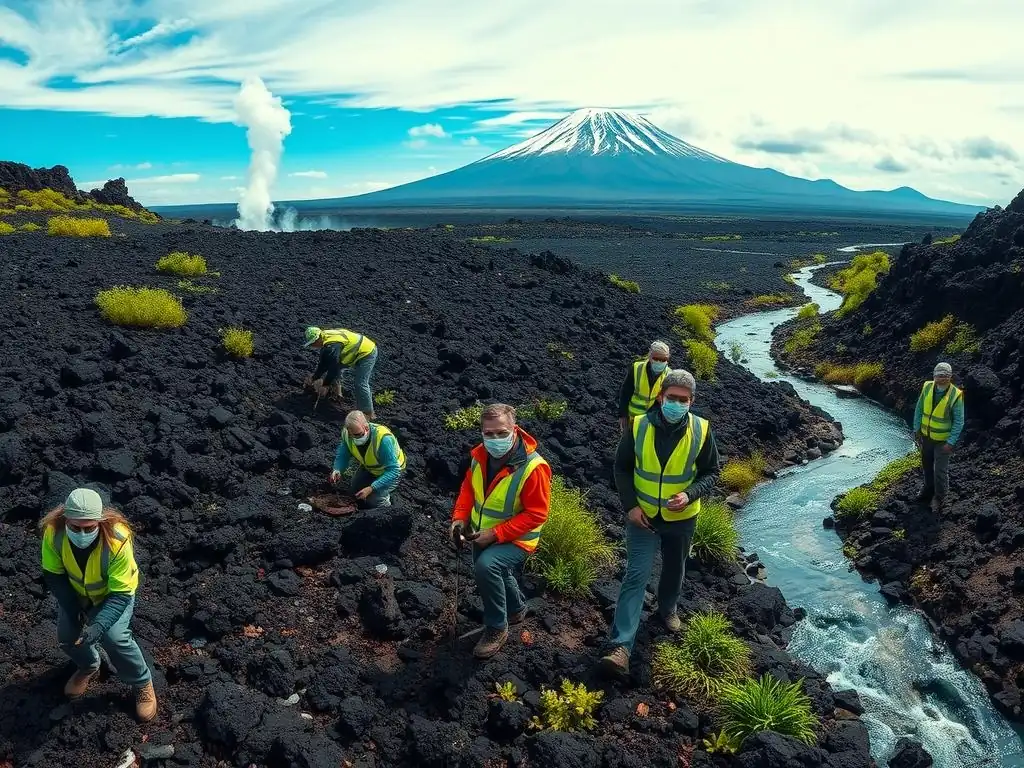
Innovative Restoration Techniques for Volcanic Soils
Biochar Amendment for Enhanced Soil Fertility
Volcanic soils, while often fertile in the long term, can be initially poor in organic matter and essential nutrients, especially after volcanic disturbances. Biochar, a charcoal-like material produced from biomass pyrolysis, has emerged as a promising soil amendment for enhancing soil fertility and promoting plant growth in degraded volcanic soils. Biochar is rich in carbon and has a porous structure that improves soil water retention, nutrient retention, and aeration. Studies have shown that biochar amendment can significantly increase soil pH, cation exchange capacity, and the availability of essential nutrients like phosphorus and potassium in volcanic soils.
For example, research on volcanic ash soils in Chile has demonstrated that biochar application at rates of 10-20 tons per hectare can increase soil organic carbon content by 20-50% and significantly improve plant growth and yield of crops like wheat and potatoes. In volcanic reforestation projects, biochar amendment can enhance the survival and growth of planted seedlings, accelerating the recovery of vegetation cover on degraded volcanic landscapes.
Biochar can be produced from locally available biomass, such as volcanic vegetation cleared for fuel management or agricultural residues, making it a potentially sustainable and cost-effective restoration technique for volcanic ecosystems. Further research is needed to optimize biochar application rates and methods for different volcanic soil types and restoration goals.
Native Seed Banks and Reforestation Efforts
Native seed banks play a crucial role in the natural regeneration of volcanic ecosystems after disturbances. Volcanic soils often contain a reservoir of viable seeds from native plant species that can germinate and re-establish vegetation cover following eruptions or other disturbances. However, in severely degraded volcanic areas, natural regeneration may be slow or limited due to seed depletion, soil degradation, or competition from invasive species. Reforestation efforts, using native plant species grown from seed banks or nurseries, are essential for accelerating ecosystem recovery and restoring biodiversity in these areas.
Collecting and utilizing native seed banks is a critical component of successful volcanic reforestation projects. Seed collection should be carefully planned to ensure genetic diversity and avoid depleting wild populations. Seeds can be stored in seed banks under controlled conditions to maintain viability for long-term use.
Reforestation efforts should prioritize the use of native plant species that are ecologically appropriate for the specific volcanic habitat and disturbance regime. For example, in Hawai'i, reforestation projects in volcanic areas often focus on planting native tree species like Acacia koa and Metrosideros polymorpha, which are well-adapted to volcanic soils and play key roles in forest ecosystem functioning. Community involvement and local knowledge are also essential for successful and sustainable volcanic reforestation initiatives.
Conservation Strategies for Vulnerable Volcanic Species
Protecting Endemic Plants and Animals
Volcanic ecosystems are hotspots of endemism, harboring many plant and animal species found nowhere else on Earth. Protecting these endemic species is a paramount conservation priority. Habitat loss and degradation, invasive species, and climate change pose significant threats to the survival of volcanic endemics. Effective conservation strategies require a multi-faceted approach, including habitat protection, invasive species management, and ex-situ conservation measures.
Establishing protected areas, such as national parks and nature reserves, is crucial for safeguarding critical habitats for endemic volcanic species. These protected areas should be managed to minimize human impacts and maintain ecological integrity. Invasive species control programs are essential for reducing the threats posed by non-native competitors and predators to endemic volcanic flora and fauna.
Ex-situ conservation, such as seed banking and captive breeding programs, can provide a safety net for highly endangered endemic species, ensuring their survival in case of catastrophic events in their natural habitats. For example, the critically endangered Hawaiian crow ( Corvus hawaiiensis), or 'Alalā, has been brought back from the brink of extinction through a captive breeding and reintroduction program. Long-term monitoring and research are essential for assessing the effectiveness of conservation strategies and adapting management approaches as needed to protect vulnerable volcanic species.
Managing Invasive Species Populations
Managing invasive species populations is a critical and often challenging aspect of volcanic ecosystem conservation. Invasive species can have devastating impacts on native volcanic biodiversity and ecosystem functioning, and their control requires sustained and integrated approaches. Prevention of new invasions is the most cost-effective strategy, through strict biosecurity measures at ports of entry and public awareness campaigns to prevent the accidental or intentional introduction of non-native species.
Early detection and rapid response programs are crucial for eradicating or containing new invasive species before they become widespread and established. Once invasive species are established, control efforts may involve a combination of methods, including manual removal, trapping, biological control, and chemical control. Biological control, the introduction of natural enemies to control invasive species, requires careful research and risk assessment to ensure that the control agent does not become invasive itself.
Chemical control, such as herbicide application, should be used judiciously and in a targeted manner to minimize impacts on non-target native species. Community involvement and collaboration among stakeholders are essential for successful and sustainable invasive species management programs in volcanic ecosystems. Long-term monitoring is necessary to assess the effectiveness of control efforts and adapt management strategies as needed.
The Role of Monitoring and Research in Guiding Future Conservation Efforts
Utilizing Remote Sensing Technologies
Remote sensing technologies, such as satellite imagery and aerial photography, are increasingly valuable tools for monitoring volcanic ecosystems and guiding conservation efforts. Remote sensing can provide a synoptic and cost-effective way to assess vegetation cover, land use changes, and disturbance patterns over large volcanic landscapes. Satellite imagery can be used to track changes in forest cover, detect deforestation or reforestation areas, and monitor the spread of invasive species. For example, Normalized Difference Vegetation Index (NDVI) derived from satellite imagery can be used to assess vegetation health and identify areas of vegetation stress or degradation in volcanic regions.
High-resolution aerial photography and drone imagery can provide more detailed information on habitat structure, vegetation composition, and the impacts of human activities or volcanic disturbances at finer spatial scales. Remote sensing data can be integrated with Geographic Information Systems (GIS) to map volcanic habitats, identify priority areas for conservation, and track changes over time.
Remote sensing technologies can also be used to monitor volcanic activity, such as lava flows and ash plumes, providing valuable information for assessing the impacts of eruptions on ecosystems and guiding emergency response efforts. The use of remote sensing in volcanic ecosystem monitoring and research is expected to expand in the future, providing increasingly sophisticated tools for conservation management.
Long-Term Ecological Monitoring Programs
Long-term ecological monitoring programs are essential for understanding the dynamics of volcanic ecosystems and guiding effective conservation strategies. Volcanic ecosystems are inherently dynamic and subject to both natural disturbances, such as volcanic eruptions, and anthropogenic pressures, such as climate change and human activities. Long-term monitoring programs provide valuable data on ecosystem trends, species population dynamics, and the impacts of environmental changes over time. These data are crucial for detecting early warning signs of ecosystem degradation, assessing the effectiveness of conservation interventions, and adapting management strategies to changing conditions.
Long-term monitoring programs in volcanic ecosystems should include a range of ecological indicators, such as vegetation cover and composition, species diversity and abundance, soil properties, and water quality. Monitoring should be conducted at regular intervals and using standardized methods to ensure data comparability over time.
Citizen science initiatives can also play a valuable role in long-term monitoring programs, engaging local communities in data collection and raising public awareness about volcanic ecosystem conservation. Data from long-term monitoring programs should be analyzed and disseminated to inform conservation policy and management decisions, ensuring that conservation efforts are based on the best available scientific evidence.
The Future of Volcanic Ecosystems: Predictions and Scenarios
Optimistic Scenario: Sustainable Management and Ecosystem Recovery
An optimistic scenario for the future of volcanic ecosystems envisions a world where sustainable management practices are widely adopted, leading to significant ecosystem recovery and enhanced biodiversity. This scenario assumes a global commitment to mitigating climate change, resulting in stabilized temperatures and predictable precipitation patterns, reducing climate-related stresses on volcanic biota. Furthermore, this optimistic future envisions effective implementation of conservation policies, including the expansion of protected areas in volcanic regions, strict regulation of tourism and resource extraction, and successful invasive species control programs.
In this scenario, innovative restoration techniques, such as biochar amendment and native seed bank utilization, are widely applied to restore degraded volcanic soils and vegetation. Sustainable tourism practices are implemented in volcanic regions, minimizing ecological impacts and generating revenue for conservation efforts. Local communities are actively involved in conservation management, benefiting from ecotourism and sustainable resource use. Long-term ecological monitoring programs provide valuable data to guide adaptive management and ensure the continued health and resilience of volcanic ecosystems. Under this optimistic scenario, volcanic ecosystems thrive, maintaining their unique biodiversity and providing valuable ecosystem services for future generations.
Pessimistic Scenario: Continued Degradation and Biodiversity Loss
A pessimistic scenario for the future of volcanic ecosystems paints a picture of continued environmental degradation and significant biodiversity loss. This scenario assumes that climate change continues unabated, leading to more extreme weather events, altered precipitation patterns, and rising temperatures that exceed the tolerance limits of many volcanic species. Human activities, such as unsustainable tourism, resource extraction, and land use changes, continue to encroach upon volcanic habitats, leading to further habitat loss and fragmentation. Invasive species continue to spread and outcompete native volcanic flora and fauna, driving native species towards extinction.
In this pessimistic future, conservation efforts are underfunded and ineffective, failing to stem the tide of environmental degradation. Restoration efforts are limited in scale and scope, unable to keep pace with the rate of habitat loss. Long-term ecological monitoring programs are lacking, hindering our ability to understand ecosystem dynamics and adapt management strategies. Under this pessimistic scenario, volcanic ecosystems suffer widespread degradation, leading to significant biodiversity loss, the decline of ecosystem services, and the irreversible loss of unique volcanic landscapes and their ecological heritage.
Adaptive Scenario: Integrating Local Knowledge and Scientific Monitoring
An adaptive scenario for the future of volcanic ecosystems proposes a more nuanced and realistic pathway, one that integrates local knowledge with scientific monitoring to achieve resilient and sustainable volcanic landscapes. This scenario acknowledges the ongoing challenges of climate change and human pressures, but emphasizes the importance of adaptive management and community-based conservation. It envisions a future where conservation strategies are flexible and responsive to changing environmental conditions and local needs.
In this adaptive scenario, scientific monitoring provides crucial data on ecosystem trends and the impacts of environmental changes, while local ecological knowledge informs management decisions and ensures that conservation efforts are culturally appropriate and socially equitable. Collaborative partnerships are forged between scientists, policymakers, local communities, and other stakeholders to co-manage volcanic ecosystems. Sustainable resource use practices are promoted, balancing human needs with ecosystem conservation.
Adaptive management frameworks are implemented, allowing for adjustments to conservation strategies based on monitoring data and evolving understanding of ecosystem dynamics. Under this adaptive scenario, volcanic ecosystems are managed for resilience and sustainability, ensuring their long-term health and providing benefits for both nature and people.
Case Studies: Successful Volcanic Ecosystem Restoration Projects
Case Study: The Pu'u Wa'awa'a Forest Restoration Project, Hawai'i
The Pu'u Wa'awa'a Forest Restoration Project in Hawai'i provides a compelling example of successful volcanic ecosystem restoration. Located on the slopes of the Hualālai volcano, this project focuses on restoring a dryland forest ecosystem that has been degraded by cattle grazing, invasive species, and wildfires. The project began in the early 1990s and has involved a multi-faceted approach, including invasive species control, native plant propagation and outplanting, and community engagement. Significant efforts have been made to remove invasive grasses and shrubs that were suppressing native forest regeneration.
Native Hawaiian plants, including endangered species, have been propagated from seeds collected locally and outplanted in degraded areas. Community volunteers have played a crucial role in planting trees, weeding, and monitoring restoration progress. Over the years, the Pu'u Wa'awa'a project has achieved remarkable success in restoring native dryland forest habitat.
Vegetation cover has increased significantly, native plant diversity has rebounded, and populations of native birds have shown signs of recovery. The Pu'u Wa'awa'a project demonstrates the effectiveness of long-term, community-based restoration efforts in volcanic ecosystems and provides valuable lessons for other similar projects around the world. It highlights the importance of adaptive management, community partnerships, and sustained commitment to achieving successful volcanic ecosystem restoration.
Case Study: Lake Nyos Degassing and Ecosystem Recovery, Cameroon
Lake Nyos in Cameroon offers a unique case study of ecosystem recovery following a natural disaster in a volcanic environment. In 1986, a massive limnic eruption at Lake Nyos released a large volume of carbon dioxide gas, resulting in the asphyxiation of over 1,700 people and thousands of livestock in the surrounding area.
The eruption also had significant impacts on the lake ecosystem, causing a major disturbance to aquatic life and altering water chemistry. Following the disaster, efforts were undertaken to degas Lake Nyos by installing degassing pipes to continuously remove carbon dioxide from the lake bottom, preventing future eruptions.
Remarkably, the ecosystem of Lake Nyos has shown signs of recovery despite the catastrophic event. Aquatic life has gradually returned to the lake, and water quality has improved as degassing efforts have reduced carbon dioxide concentrations. Studies have documented the re-establishment of phytoplankton, zooplankton, and fish populations in Lake Nyos.
The recovery of Lake Nyos ecosystem demonstrates the resilience of natural systems even after major disturbances. It also highlights the importance of mitigating hazards in volcanic regions to protect both human lives and ecosystems. While the recovery of Lake Nyos is still ongoing, it provides a hopeful example of ecosystem resilience and the potential for natural recovery in volcanic environments following catastrophic events.
The Interplay of Volcanic Activity and Ecosystem Development
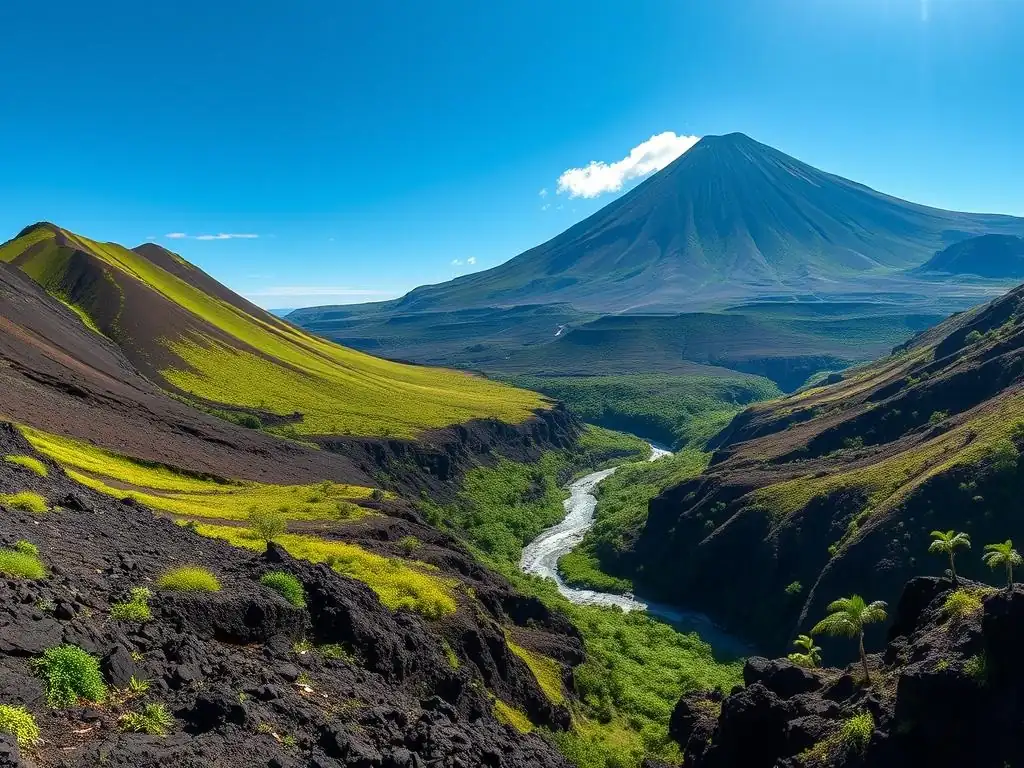
How Eruptions Shape Long-Term Ecosystem Dynamics
Volcanic eruptions are not merely destructive events; they are also fundamental drivers of long-term ecosystem dynamics in volcanic regions. Eruptions create new land, deposit nutrient-rich ash, and alter landscape topography, shaping the physical template upon which ecosystems develop. Lava flows and pyroclastic flows create new substrates for primary succession, initiating the long process of ecological development from bare rock to complex ecosystems.
Volcanic ash deposits can enrich soils with essential nutrients, such as phosphorus and potassium, enhancing soil fertility and promoting plant growth in the long term. However, ashfall can also have short-term negative impacts, such as burying vegetation and altering soil properties.
Volcanic eruptions create a mosaic of habitats across volcanic landscapes, with varying ages of volcanic substrates and disturbance histories. This spatial heterogeneity promotes biodiversity and complex ecological interactions. Eruptions also act as periodic disturbances that reset ecological succession, maintaining early successional habitats and preventing ecosystems from reaching a stable climax state. This disturbance regime is crucial for maintaining biodiversity in volcanic landscapes, as many species are adapted to early successional habitats and depend on periodic disturbances for their persistence. Understanding the interplay between volcanic eruptions and ecosystem dynamics is essential for managing volcanic landscapes for long-term ecological sustainability.
The Role of Geothermal Activity in Supporting Unique Ecosystems
Geothermal activity, a common feature of volcanic regions, plays a significant role in supporting unique and often highly specialized ecosystems. Geothermal areas, such as hot springs, fumaroles, and geysers, provide heat and chemically enriched fluids to the surrounding environment, creating habitats with distinct physical and chemical conditions. These geothermal habitats often support microbial communities that are adapted to extreme temperatures and chemical conditions, such as thermophilic bacteria and archaea. These microorganisms form the base of food webs in geothermal ecosystems, supporting specialized invertebrates and, in some cases, vertebrates.
Geothermal areas can also create unique microclimates that influence vegetation patterns in volcanic landscapes. Warm soils and moist air associated with geothermal activity can create localized areas of enhanced plant growth and species diversity, even in otherwise harsh environments. Geothermal vents can also release gases, such as hydrogen sulfide, that support chemosynthetic bacteria, forming the basis of unique food webs in subterranean or deep-sea volcanic ecosystems.
The study of geothermal ecosystems in volcanic regions provides insights into the limits of life and the potential for life to thrive in extreme environments. Conserving geothermal areas is important for protecting these unique ecosystems and their specialized biota.
Policy and Management Recommendations for Securing the Future of Volcanic Ecosystems
Integrating Volcanic Ecosystem Conservation into Land Use Planning
Integrating volcanic ecosystem conservation into land use planning is crucial for ensuring the long-term protection of these valuable environments. Land use planning in volcanic regions should consider the ecological sensitivity of volcanic ecosystems, the potential impacts of human activities, and the need to maintain ecosystem connectivity and resilience. Zoning regulations can be used to designate protected areas in critical volcanic habitats, limiting development and resource extraction in these zones. Buffer zones can be established around protected areas to minimize edge effects and protect against external disturbances.
Land use planning should also promote sustainable development practices in volcanic regions, guiding development away from sensitive ecosystems and minimizing environmental impacts. Environmental impact assessments should be required for all major development projects in volcanic areas, ensuring that potential ecological impacts are thoroughly evaluated and mitigated. Land use planning should also consider the potential impacts of climate change on volcanic ecosystems, incorporating climate adaptation strategies into planning decisions. Collaborative land use planning processes, involving local communities, scientists, policymakers, and other stakeholders, are essential for achieving effective and equitable conservation outcomes in volcanic regions.
Promoting Sustainable Tourism in Volcanic Regions
Promoting sustainable tourism is essential for minimizing the negative impacts of tourism on volcanic ecosystems while maximizing the economic benefits for local communities. Sustainable tourism practices should aim to reduce the ecological footprint of tourism activities, protect natural resources, and enhance the visitor experience. Visitor management strategies, such as designated trails, carrying capacity limits, and permits, can help to minimize trampling and habitat degradation in popular volcanic areas. Educational programs for tourists can promote responsible behavior and raise awareness about volcanic ecosystem conservation.
Ecotourism initiatives, which focus on nature-based tourism and environmental education, can generate revenue for conservation and support local livelihoods. Tourism infrastructure should be designed and constructed in an environmentally sensitive manner, minimizing habitat destruction and pollution. Sustainable tourism businesses should be encouraged to adopt best practices, such as reducing waste, conserving energy and water, and supporting local communities. Monitoring the ecological impacts of tourism and adapting management strategies as needed is crucial for ensuring the long-term sustainability of tourism in volcanic regions.
Fostering Collaboration Between Scientists, Policymakers, and Local Communities
Fostering collaboration between scientists, policymakers, and local communities is essential for effective volcanic ecosystem conservation. Scientists provide the scientific knowledge and monitoring data needed to understand ecosystem dynamics and inform conservation strategies. Policymakers are responsible for developing and implementing conservation policies and regulations. Local communities are the stewards of volcanic landscapes and play a crucial role in on-the-ground conservation efforts. Effective collaboration requires open communication, trust-building, and shared decision-making.
Participatory conservation approaches, which involve local communities in all stages of conservation planning and management, are particularly important for volcanic ecosystems, often located in or near communities with strong cultural connections to the land. Community-based monitoring programs can engage local residents in data collection and raise awareness about conservation issues. Co-management agreements, which share responsibility for management between government agencies and local communities, can empower local stakeholders and enhance conservation effectiveness. Building strong partnerships between scientists, policymakers, and local communities is crucial for achieving long-term conservation success in volcanic regions and ensuring that conservation benefits both nature and people.
Conclusion: A Call to Action for Protecting Volcanic Ecosystems
The Importance of Long-Term Commitment
Protecting volcanic ecosystems is not a short-term endeavor; it requires a long-term commitment from governments, organizations, communities, and individuals. Volcanic ecosystems are dynamic and face ongoing threats from climate change, human activities, and invasive species. Effective conservation requires sustained efforts over decades and even centuries to ensure the long-term health and resilience of these unique environments. Long-term ecological monitoring programs are essential for tracking ecosystem trends and adapting management strategies over time.
Financial resources must be allocated to support long-term conservation efforts, including protected area management, restoration projects, invasive species control, and research and monitoring. Political will and public support are crucial for sustaining long-term conservation commitment. Education and outreach programs can raise public awareness about the importance of volcanic ecosystems and inspire long-term stewardship. A long-term perspective is essential for ensuring that future generations can continue to benefit from the ecological, cultural, and economic values of volcanic landscapes.
Embracing a Future of Coexistence with Volcanoes
Ultimately, securing the future of volcanic ecosystems requires embracing a future of coexistence with volcanoes. Volcanoes are powerful natural forces that shape landscapes and create unique habitats. Human societies have long coexisted with volcanoes, adapting to their dynamism and harnessing their resources. A future of coexistence recognizes the inherent risks and challenges of living near volcanoes, but also embraces the opportunities and benefits that volcanic landscapes provide. This approach emphasizes sustainable development, risk reduction, and ecosystem conservation.
It requires integrating volcanic hazard mitigation into land use planning, promoting community resilience to volcanic eruptions, and fostering respect for the ecological and cultural values of volcanic landscapes. It calls for a shift from viewing volcanoes solely as threats to recognizing them as integral parts of the Earth system and valuable components of our natural heritage. By embracing a future of coexistence with volcanoes, we can ensure the long-term sustainability of both human societies and volcanic ecosystems, fostering a harmonious relationship between people and these dynamic and awe-inspiring natural wonders.
Frequently Asked Questions
What are the main challenges facing volcanic ecosystems in the future?
The main challenges include climate change, which can alter precipitation patterns and temperatures, and human encroachment, leading to habitat destruction and pollution. These factors can significantly impact the delicate balance of these unique environments.
How does volcanic activity itself influence the future of volcanic ecosystems?
Volcanic eruptions, while destructive in the short term, are also a source of new nutrients and can create new habitats for pioneer species. The long-term effects depend on the frequency and intensity of eruptions.
What opportunities exist for conserving and restoring volcanic ecosystems?
Opportunities include research and monitoring to better understand ecosystem dynamics, sustainable tourism that minimizes environmental impact, and habitat restoration projects following volcanic events.
How can local communities contribute to the preservation of volcanic ecosystems?
Local communities can play a vital role through participatory conservation, supporting sustainable livelihoods that don't harm the environment, and educating others about the importance of volcanic ecosystems.
What role does technology play in understanding and protecting volcanic ecosystems?
Technology plays a crucial role through remote sensing to monitor vegetation and land use, geochemical analysis to understand soil composition, and advanced modeling to predict the impacts of future eruptions and climate change.
Final Reflection: Embracing the Volcanic Tomorrow
The preceding exploration of volcanic ecosystems, their inherent vulnerabilities, and the burgeoning opportunities for their conservation and restoration, culminates in a stark realization: the future of these unique environments hangs precariously in the balance. Understanding the complex interplay of geological forces, climate change, and human impact is no longer a theoretical exercise; it is a critical imperative for safeguarding these biodiversity hotspots.
The resilience and fragility of volcanic ecosystems have profoundly shaped my perspective on conservation efforts. Witnessing the tenacity of life in such extreme conditions underscores the importance of proactive and innovative approaches to environmental stewardship. The Earth is resilient, but its resilience is not infinite. We must act as stewards, not exploiters, to ensure a vibrant future for all ecosystems, including those forged in fire.
This quote encapsulates the responsibility we bear to protect these unique landscapes, not just for their intrinsic value, but for the lessons they hold about adaptation and survival in a changing world.
As we look towards the future, let us not be paralyzed by the challenges, but inspired by the opportunities. Consider how you can contribute, however small, to supporting research, advocating for responsible land management, and raising awareness about the importance of these often-overlooked ecosystems. The future of volcanic ecosystems, and indeed the future of our planet, depends on our collective commitment to understanding, protecting, and celebrating the power and beauty of nature in all its forms.
Okay, I'm ready. Here's a CTA based on the article title "The Future of Volcanic Ecosystems: Challenges and Opportunities" for the website "Volcano Explorers" (volcanoexplorers.org), formatted as requested:
Ignite Your Passion: Champion Volcanic Life!
Thank you for exploring the fascinating world of volcanic ecosystems with us! We hope this article has sparked your appreciation for these resilient environments and the challenges they face. Now, let’s translate that knowledge into action. Here's how you can make a difference:
- Become a Citizen Scientist: Report Volcanic Flora and Fauna Observations in Your Area!: This is the most direct way to contribute to our understanding of these ecosystems. Use our mobile app (available on volcanoexplorers.org) to document your findings!
- Share This Article with Three Friends! Spreading awareness is crucial for garnering support and driving further research. Let's get more people talking about these incredible places!
- Brainstorm creative solutions! Can you invent a low-cost method to monitor soil pH near active volcanoes, or an innovative way to protect endangered species in these unique habitats?
What innovative approaches can you envision to further protect and study these remarkable volcanic ecosystems for future generations? Share your ideas in the comments below!