
Beyond the Blast Zone: Reclaiming Agricultural Land After Volcanic Devastation

Welcome to Volcano Explorers!
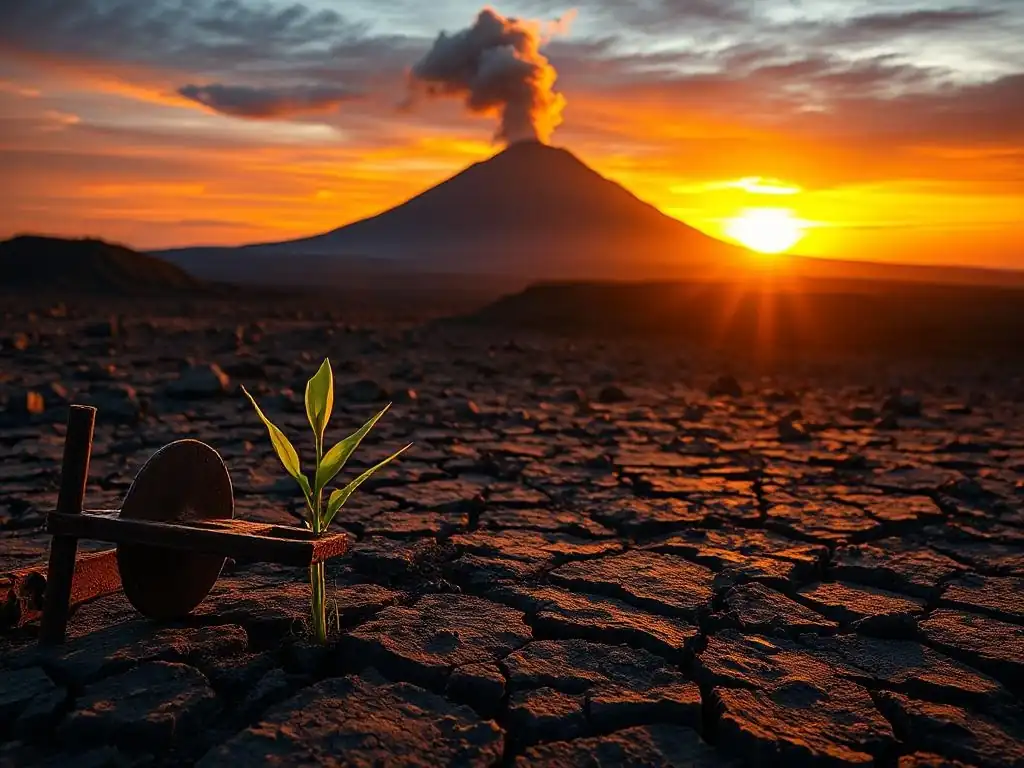
Ever wondered how life tenaciously returns to a landscape ravaged by volcanic fire? Beyond the Blast Zone, the earth holds secrets of resilience. This month, we delve into the surprising story of reclaiming land after a volcano eruption, revealing the methods and the miracles that transform barren ash into fertile fields once more. Prepare to witness nature's power to heal and rebuild. Let's explore!
- Reclaiming Land After Volcano Eruption: A Step-by-Step Guide
-
Frequently Asked Questions
- How does a volcanic eruption impact agricultural land?
- What are the initial steps in reclaiming land after a volcanic eruption?
- How can the soil be improved after a volcanic eruption?
- What types of crops are best suited for planting in reclaimed volcanic soil?
- How long does it typically take to fully reclaim agricultural land after a volcanic eruption?
- Final Reflection: Seeds of Hope in Volcanic Ash
- Reclaim Your Future: Plant the Seeds of Hope!
Reclaiming Land After Volcano Eruption: A Step-by-Step Guide
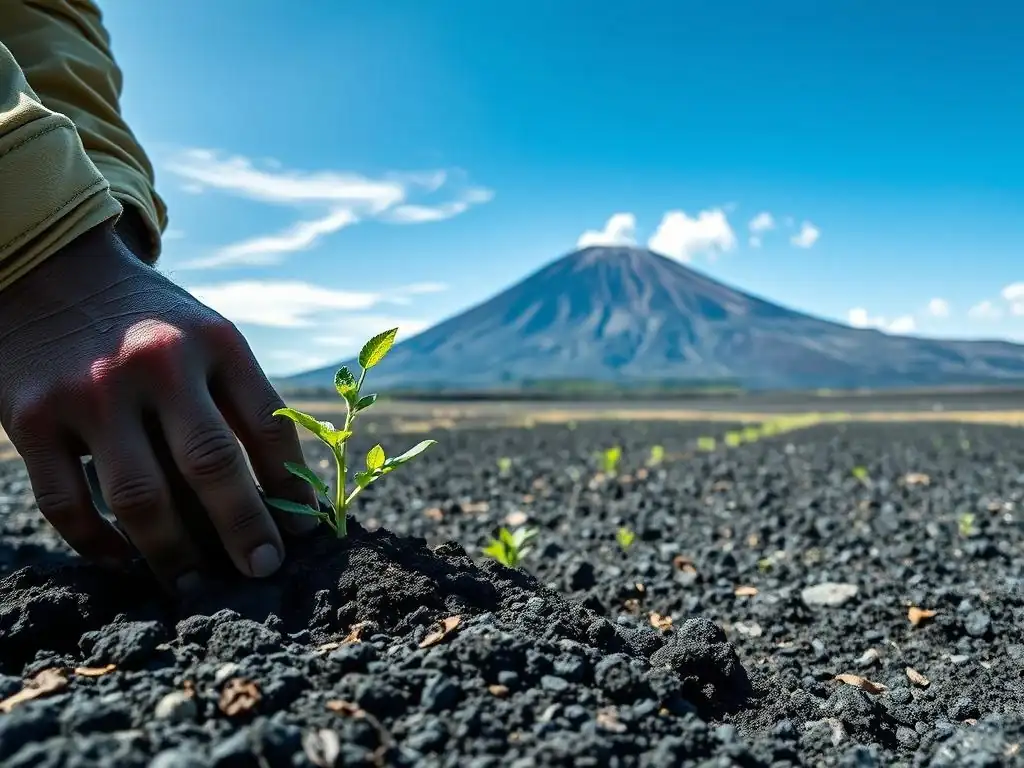
Step 1: Soil Testing and Analysis for Volcanic Impact
Determining Soil pH Levels and Nutrient Deficiencies Post-Eruption
The first crucial step in reclaiming land after a volcanic eruption is to thoroughly assess the state of the soil. Volcanic ash, while potentially fertile in the long term, can initially drastically alter soil pH levels. Fresh volcanic ash is often acidic, but can also be alkaline depending on the volcano's gas content and magma composition.
This pH imbalance can directly affect nutrient availability for plants. Essential nutrients like phosphorus, potassium, and micronutrients can become either locked up or leached away, making them unavailable for plant uptake. Therefore, a detailed soil test is paramount to understand the current pH and identify specific nutrient deficiencies that need to be addressed.
Beyond pH, it is vital to quantify the immediate nutrient profile of the volcanic-affected soil. Volcanic ash can be rich in some minerals, but often lacks essential macronutrients like nitrogen and phosphorus in forms readily available to plants. Laboratory analysis is necessary to determine the precise levels of macronutrients (Nitrogen, Phosphorus, Potassium - NPK) and micronutrients (like iron, zinc, manganese, copper, boron, and molybdenum). This comprehensive analysis will serve as the foundation for developing a targeted soil amendment strategy, ensuring that the reclaimed land can effectively support plant growth and agricultural activities.
Identifying and Measuring Toxic Elements in Volcanic Ash-Affected Soils
Volcanic eruptions can introduce a range of potentially toxic elements into the soil, posing risks to both plant health and the wider ecosystem. These elements, including heavy metals like arsenic, mercury, lead, and cadmium, are naturally present in volcanic rocks and gases. During an eruption, they can be dispersed in ashfall and volcanic gases, contaminating the soil surface.
The concentration of these toxic elements varies depending on the type of volcanic eruption, the composition of the magma, and the distance from the volcano. Consequently, identifying and measuring the levels of these toxic elements is a critical step in the reclamation process.
Specialized laboratory tests are required to accurately quantify the concentration of toxic elements in the affected soil. These tests often involve techniques like inductively coupled plasma mass spectrometry (ICP-MS) or atomic absorption spectrometry (AAS) to detect even trace amounts of heavy metals. Understanding the specific types and concentrations of toxic elements present is crucial for devising appropriate remediation strategies. In cases of severe contamination, it might be necessary to implement measures like soil washing, phytoremediation (using plants to absorb contaminants), or even excavation and removal of the most heavily contaminated topsoil before agricultural activities can safely resume.
Step 2: Removing Debris and Preparing the Land for Rehabilitation
Clearing Volcanic Ash and Rock Fragments: Efficient Removal Techniques
After a volcanic eruption, agricultural land is often blanketed in a thick layer of volcanic ash, sometimes mixed with larger rock fragments or pyroclastic debris. This debris physically obstructs planting and can smother existing vegetation. The initial step in land preparation involves the efficient removal of this surface layer.
The optimal removal method depends on the depth and type of ashfall, the size of the affected area, and available resources. For thinner ash layers on large fields, agricultural machinery like tractors with blades or specialized ash removal equipment might be employed. In smaller areas or where ash is very thick, manual removal using shovels and wheelbarrows might be necessary.
Beyond just removing the ash, it’s crucial to consider the method of disposal. Simply piling up ash on the edge of the field can lead to re-erosion and further contamination. Ideally, removed ash should be transported to designated disposal sites, or, if appropriate and after careful analysis, it might be used in construction or other industrial applications. For larger rock fragments, heavy machinery like excavators or loaders may be required. The goal is to clear the land surface sufficiently to allow for tillage and subsequent soil rehabilitation activities, creating a workable base for agricultural recovery.
Land Leveling and Erosion Control Measures
Volcanic eruptions can significantly alter the landscape, creating uneven terrain and disrupting natural drainage patterns. Ashfall deposition can lead to the formation of gullies and depressions, increasing the risk of waterlogging and soil erosion. Therefore, land leveling is a critical step in preparing the land for agriculture. Leveling ensures uniform water distribution, improves drainage, and facilitates efficient planting and harvesting. This can be achieved using graders, land planes, or laser leveling equipment, depending on the scale of the area and the required precision.
Simultaneously, implementing erosion control measures is crucial to prevent further soil degradation, especially in volcanic landscapes prone to rainfall-induced erosion. Techniques such as contour plowing, terracing on sloping land, and the construction of drainage ditches can help manage water runoff and minimize soil loss. Establishing vegetative barriers, like cover crops or windbreaks, can also provide long-term protection against wind and water erosion. These combined leveling and erosion control strategies are vital for creating a stable and productive agricultural environment in the aftermath of volcanic activity.
Step 3: Soil Amendment Strategies for Volcanic Soils
Incorporating Organic Matter: Compost, Manure, and Biochar
Volcanic ash, while containing minerals, is often deficient in organic matter, which is crucial for soil structure, water retention, and nutrient availability. Incorporating organic matter is therefore a cornerstone of soil reclamation after volcanic eruptions. Compost, well-rotted animal manure, and biochar are excellent soil amendments that can significantly improve the physical and chemical properties of volcanic soils.
Compost and manure provide a readily available source of nutrients, improve soil structure by enhancing aggregation, and increase water-holding capacity. Biochar, a charcoal-like material produced from biomass pyrolysis, is particularly beneficial for long-term soil improvement. It enhances water retention, improves nutrient retention, and can sequester carbon in the soil for extended periods.
The application rate of organic amendments should be determined based on soil test results and the specific needs of the crops to be grown. For example, heavily ash-affected soils may require substantial initial applications of compost or manure, while biochar can be incorporated at lower rates but provides long-lasting benefits. The method of incorporation is also important. Amendments should be thoroughly mixed into the topsoil layer through tillage or no-till methods to ensure even distribution and maximum effectiveness. Regular additions of organic matter over time are essential to maintain soil health and fertility in volcanic regions.
The Role of Soil Microorganisms in Volcanic Soil Reclamation
Soil microorganisms, including bacteria, fungi, and archaea, play a vital role in soil health and nutrient cycling. Volcanic eruptions can severely disrupt these microbial communities, impacting essential processes like decomposition, nutrient mineralization, and disease suppression. Re-establishing a healthy and diverse soil microbial community is therefore crucial for successful land reclamation. Organic amendments, as discussed previously, provide a food source for beneficial microorganisms and help to stimulate their growth and activity.
In addition to organic matter, specific microbial inoculants can be used to accelerate the recovery of soil microbial communities. These inoculants may contain beneficial bacteria like nitrogen-fixing bacteria (e.g., Rhizobium, Azotobacter) and phosphate-solubilizing bacteria, as well as mycorrhizal fungi that enhance nutrient uptake by plant roots. Applying these inoculants can help to jumpstart nutrient cycling processes and improve plant establishment in volcanic soils. Furthermore, promoting soil biodiversity through diverse cropping systems and reduced tillage practices can contribute to the long-term resilience and functionality of soil microbial communities in volcanic landscapes.
Amending Soil with Minerals: Addressing Nutrient Deficiencies
While organic matter improves the overall soil environment, specific mineral amendments are often necessary to directly address nutrient deficiencies identified through soil testing. Volcanic ash can be deficient in essential macronutrients like nitrogen, phosphorus, and potassium (NPK), as well as micronutrients. Nitrogen is frequently lost from volcanic soils due to volatilization and leaching. Phosphorus availability can be limited by high levels of aluminum and iron in volcanic ash, which can fix phosphorus in forms unavailable to plants. Potassium, while often present in volcanic rocks, may not be readily available in the short term.
Based on soil test results, targeted mineral fertilizers should be applied to correct specific nutrient deficiencies. Nitrogen fertilizers, such as urea or ammonium nitrate, can be used to address nitrogen deficits. Phosphorus fertilizers, like rock phosphate or superphosphate, can improve phosphorus availability, although the choice of phosphorus fertilizer may need to consider soil pH.
Potassium fertilizers, such as potassium chloride or potassium sulfate, can replenish potassium levels. Micronutrient deficiencies can be addressed using micronutrient fertilizers or by incorporating mineral-rich rock dusts. It's important to apply mineral amendments judiciously, following soil test recommendations and crop nutrient requirements, to avoid over-fertilization and potential environmental impacts.
Step 4: Selecting Suitable Crops for Volcanic Soils
Identifying Crops Tolerant to Volcanic Soils for Initial Planting
In the initial stages of land reclamation after a volcanic eruption, it is prudent to select crops that are tolerant to the challenging conditions of volcanic soils. These conditions often include low nutrient availability, potential toxicity from heavy metals, and altered soil physical properties. Pioneer crops, which are fast-growing and can tolerate harsh environments, are particularly suitable for initial planting.
Legumes, such as beans, peas, and clover, are excellent choices as they can fix atmospheric nitrogen, enriching the soil and reducing the need for nitrogen fertilizers. Certain grains like rye and oats are also known for their tolerance to poor soil conditions and can help to improve soil structure.
Other crops that may exhibit tolerance to volcanic soils include buckwheat, which can tolerate acidic soils and extract phosphorus efficiently, and certain root crops like potatoes and turnips, which can access nutrients from deeper soil layers. Local knowledge and traditional farming practices are invaluable in identifying native or locally adapted crop varieties that are naturally more resilient to volcanic soil conditions. The selection of initial crops should prioritize soil improvement and stabilization, alongside providing a harvest, contributing to the overall land reclamation process.
Crop Rotation Strategies to Improve Soil Health Over Time
Crop rotation is a fundamental sustainable agricultural practice that is particularly beneficial in volcanic regions for long-term soil health improvement. Rotating different types of crops in a planned sequence helps to break pest and disease cycles, improve soil structure, and enhance nutrient cycling. Including leguminous crops in the rotation is crucial for maintaining soil nitrogen levels naturally, reducing reliance on synthetic nitrogen fertilizers. Deep-rooted crops can help to improve soil drainage and access nutrients from deeper soil horizons, while shallow-rooted crops can utilize nutrients in the topsoil.
A well-designed crop rotation plan should consider the specific needs of the soil and the target crops for the long term. For example, a rotation might include a nitrogen-fixing legume crop followed by a high-nitrogen demanding crop like maize or wheat. Cover crops can be incorporated into the rotation during fallow periods to prevent soil erosion, suppress weeds, and further enhance soil organic matter. Over time, a carefully planned crop rotation system can significantly improve the physical, chemical, and biological properties of volcanic soils, leading to sustained agricultural productivity and resilience in volcanic landscapes.
Frequently Asked Questions
How does a volcanic eruption impact agricultural land?
Volcanic eruptions deposit ash and debris which can contaminate soil, bury crops, and release toxic gases, rendering land unusable for agriculture. The severity depends on the eruption's intensity and ash composition.
What are the initial steps in reclaiming land after a volcanic eruption?
The first steps involve assessing the damage, removing thick layers of ash, and testing the soil for pH levels and nutrient content. This helps determine the extent of contamination and the necessary remediation measures.
How can the soil be improved after a volcanic eruption?
Soil improvement often involves adding organic matter like compost or manure to improve soil structure and fertility. Neutralizing acidity with lime and introducing beneficial microorganisms can also help restore the soil's health.
What types of crops are best suited for planting in reclaimed volcanic soil?
Pioneer plants that can tolerate nutrient-poor soil and have deep root systems are often the best choice. These can include certain grasses, legumes, and hardy vegetables that can help stabilize the soil.
How long does it typically take to fully reclaim agricultural land after a volcanic eruption?
The time required for full reclamation varies greatly, depending on the severity of the eruption, the remediation efforts, and the local climate. It can range from a few years to several decades.
Final Reflection: Seeds of Hope in Volcanic Ash
The journey from devastation to cultivation, as explored in this article, highlights the enduring human spirit and the remarkable resilience of nature. Reclaiming land after a volcano eruption is not merely a technical challenge; it's a testament to our ability to rebuild, adapt, and find life even in the face of overwhelming destruction. The lessons learned from these experiences are profoundly relevant today, as we grapple with increasing environmental challenges and the urgent need for sustainable land management practices.
This process of reclamation extends far beyond simply replanting crops. It's about healing the earth, restoring ecosystems, and rebuilding communities. It's a powerful reminder that even after the most catastrophic events, hope can take root and flourish. The dedication and ingenuity displayed in these efforts are deeply inspiring, and underscore the importance of scientific research and community collaboration. The ultimate test of a moral society is the kind of world that it leaves to its children.
- Dietrich Bonhoeffer. This quote resonates deeply, reminding us of our responsibility to heal and protect the land for future generations.
Now, as you reflect on the stories and strategies shared within these pages, consider how you can contribute to a more sustainable and resilient future. What small seeds of change can you plant in your own life, in your community, to help heal the earth and foster a world where even the most devastated landscapes can once again bloom? Let the lessons of reclaiming land after a volcano eruption inspire you to cultivate hope, resilience, and a deep respect for the power of nature's renewal.
Reclaim Your Future: Plant the Seeds of Hope!
Thank you for delving into the innovative methods for restoring agricultural land ravaged by volcanic activity. You've gained valuable insights into rebuilding ecosystems and revitalizing communities. Now, it's time to translate knowledge into action and contribute to a greener tomorrow.
Here are a few ways you can make a difference:
- Start small: experiment with volcanic soil amendments in your own garden.: Even a small-scale trial can provide valuable data and contribute to wider research.
- Share this article with friends, family, and community groups to raise awareness about the potential for post-volcanic recovery. The more people know, the more support we can generate.
- Connect with Volcano Explorers to explore volunteer opportunities and contribute directly to land reclamation projects near active volcanoes.
What innovative ideas do you have for supporting communities recovering from volcanic events, and how can we work together to turn them into reality?