
The Cultural Impact of Volcanoes on Ancient Societies: Art, Mythology, and Ritual

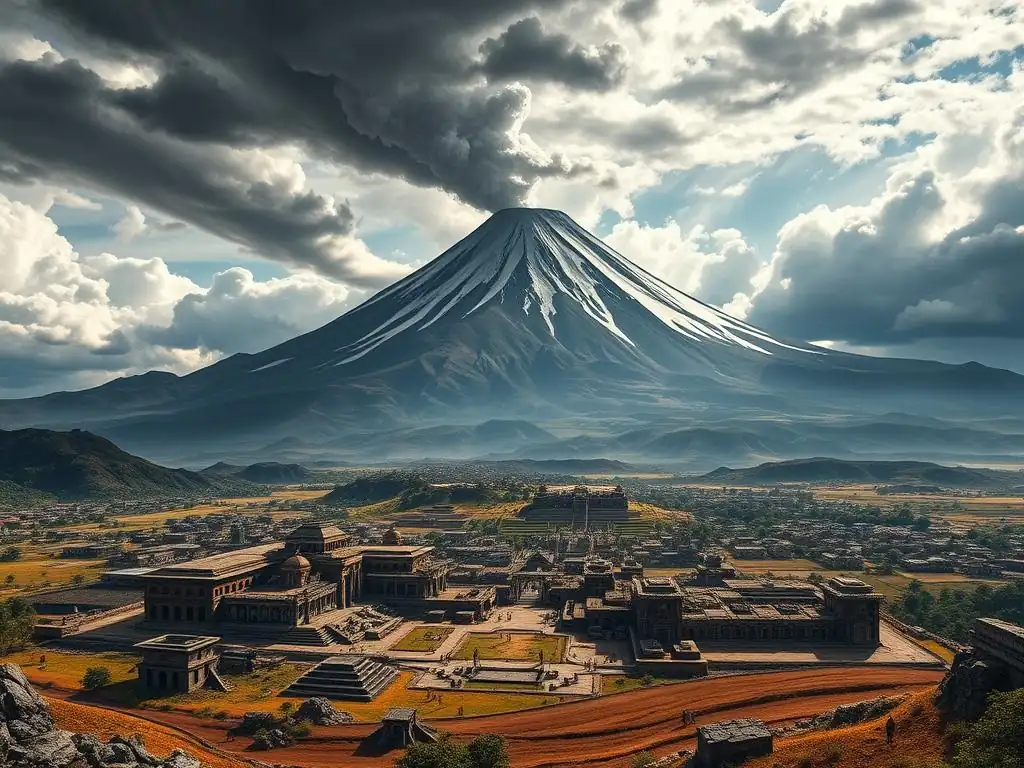
Welcome to Volcano Explorers!
Ever wondered how fiery mountains shaped not just the landscape, but also the very fabric of ancient societies? Prepare to uncover the profound and often surprising ways volcanoes influenced art, mythology, and ritual in civilizations around the world. Dive into the cultural significance of volcanoes and discover how these geological titans inspired both awe and fear, leaving an indelible mark on human history. What secrets do they still hold? Let's explore...
- Introduction: Volcanoes as Agents of Cultural Shaping
- Volcanoes in Ancient Mythology: Divine Wrath and Creation Myths
- Volcanic Art: Depictions of Eruptions and Landscapes in Ancient Cultures
- Rituals and Ceremonies Honoring Volcanoes: Appeasing the Earth's Fury
- Case Studies: Cultural Significance of Volcanoes in Specific Ancient Societies
- The Long-Term Legacy: How Ancient Perceptions of Volcanoes Shape Modern Understanding
- Conclusion: The Enduring Cultural Significance of Volcanoes
-
Frequently Asked Questions
- How did volcanoes influence the art of ancient societies?
- What role did volcanoes play in ancient mythology and religion?
- In what ways did ancient rituals relate to volcanic activity?
- How did living near volcanoes affect the daily lives of people in ancient times?
- What evidence suggests the cultural significance of volcanoes in ancient societies?
- Final Reflection: Echoes of Fire and Faith
- Unearth the Power Within: Your Volcanic Journey Begins!
Introduction: Volcanoes as Agents of Cultural Shaping
Understanding the Enduring Influence of Volcanic Activity on Ancient Civilizations
Volcanoes, with their awe-inspiring power and dramatic displays of nature's force, have profoundly shaped human societies since time immemorial. For ancient civilizations, lacking the scientific understanding we possess today, volcanic eruptions were often interpreted as acts of gods, manifestations of divine wrath, or pivotal moments in the creation of the world. This perception permeated their cultures, influencing mythology, religious practices, artistic expressions, and even daily life in communities living in the shadow of these geological giants. The very ground beneath their feet, capable of both destruction and creation, became deeply intertwined with their cultural identity and worldview.
The impact of volcanoes extends beyond mere physical destruction. Volcanic landscapes, with their unique geological formations, fertile soils born from ash, and dramatic beauty, inspired a range of responses from ancient peoples. They fostered both fear and reverence, shaping social structures, dictating settlement patterns, and influencing the development of unique artistic and ritualistic traditions. Understanding this enduring influence provides crucial insights into how ancient societies grappled with the power of nature and integrated it into the fabric of their cultural existence.
Volcanoes in Ancient Mythology: Divine Wrath and Creation Myths
Volcanic Deities: Pele (Hawaii), Vulcan (Roman), Etna (Greek)
Across diverse cultures, volcanoes were personified as deities, powerful figures embodying the earth’s fiery core and unpredictable nature. In Hawaiian mythology, Pele reigns as the volatile goddess of volcanoes and fire, believed to reside in the Kīlauea volcano. Legends depict her fiery temper and immense power, shaping the islands through her volcanic activity. Similarly, in Roman mythology, Vulcan, the god of fire, metalworking, and volcanoes, held a significant place. His forge was said to be located beneath volcanoes like Mount Etna, explaining the fiery eruptions as the result of his divine craftsmanship.
Greek mythology also attributed volcanic activity to divine forces. Mount Etna, in Sicily, was believed to be the forge of Hephaestus, the Greek counterpart of Vulcan, and the prison of the monster Typhon. These deities, Pele, Vulcan, and Hephaestus, are not mere figures of folklore; they represent the ancient understanding of volcanoes as sentient forces, capable of both creation and devastation. The myths surrounding them served to explain the inexplicable, instilling both respect and fear in the face of volcanic power.
Volcanoes as Symbols of Power and Destruction in Ancient Narratives
Volcanoes frequently appear in ancient narratives as potent symbols of both untamed power and devastating destruction. Their eruptions, capable of reshaping landscapes and burying entire cities, were often interpreted as divine punishment or warnings. The biblical story of Sodom and Gomorrah, while debated in its geological accuracy, echoes volcanic destruction in its depiction of fire and brimstone raining down from the heavens as retribution for human sin. Similarly, in numerous Mesoamerican cultures, volcanic eruptions were seen as signs of displeasure from the gods, demanding appeasement and reinforcing the precariousness of human existence.
The destructive capacity of volcanoes, however, was not solely viewed negatively. Ancient narratives also recognized the transformative power inherent in volcanic events. Eruptions, while destructive in the short term, were understood to enrich the soil, leading to renewed fertility in the long run. This duality – destruction and creation – is a recurring theme in ancient volcano-related narratives, reflecting a complex understanding of these natural phenomena. Volcanoes became powerful metaphors for cyclical processes of death and rebirth, destruction paving the way for new beginnings.
The Role of Volcanoes in Origin Stories and Cosmological Beliefs
Volcanoes played a crucial role in the origin stories and cosmological beliefs of many ancient societies, particularly those inhabiting volcanic regions. In Hawaiian creation myths, Pele is not only a goddess of fire but also a central figure in the formation of the islands themselves. Her travels and volcanic activities are narratively linked to the creation of the Hawaiian archipelago, making volcanoes integral to their understanding of the world's genesis. Similarly, in parts of Indonesia, volcanic mountains are revered as the homes of ancestral spirits and are considered sacred centers of the cosmos.
Across various cultures, the verticality of volcanic mountains, reaching towards the sky while emerging from the earth's depths, often positioned them as axes mundi – the mythical center of the world connecting the heavens, the earth, and the underworld. This cosmological significance elevated volcanoes beyond mere geographical features; they became sacred spaces, imbued with spiritual power and deeply embedded in the worldview of ancient peoples. Origin myths often intertwined with volcanic landscapes, solidifying the cultural significance of volcanoes as fundamental elements of their perceived reality.
Volcanic Art: Depictions of Eruptions and Landscapes in Ancient Cultures
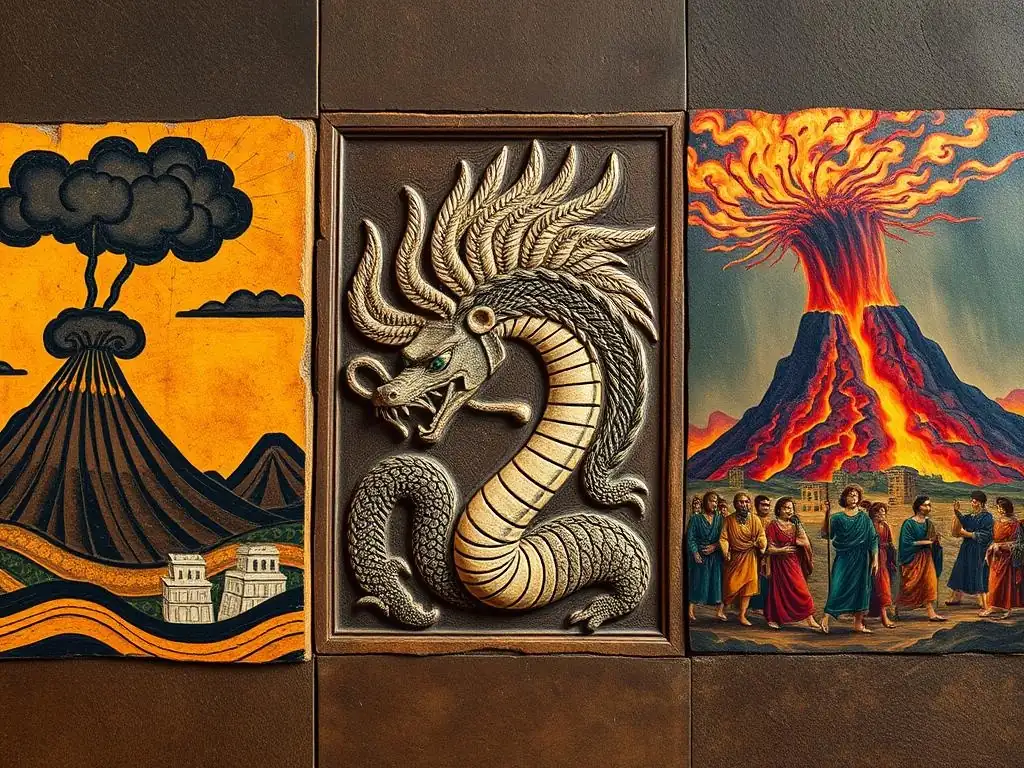
Ancient Pottery and Paintings Reflecting Volcanic Activity: Minoan Frescoes (Thera), Andean Ceramics
The dramatic nature of volcanic eruptions and the unique beauty of volcanic landscapes inspired artistic expression in ancient cultures. The Minoan civilization on the island of Thera (modern Santorini), tragically impacted by a massive volcanic eruption around 1627 BCE, left behind stunning frescoes that may depict volcanic landscapes and possibly even eruptions. These frescoes, preserved under layers of volcanic ash, offer potential glimpses into how this ancient society perceived and represented their volcanic environment. The "Flotilla Fresco" from Akrotiri, for example, showcases a coastal landscape that some scholars interpret as being shaped by volcanic activity.
In the Andes, ancient cultures like the Moche and Nazca, who lived in close proximity to volcanic ranges, incorporated volcanic motifs into their ceramics. Moche pottery, dating from around 100 to 800 CE, frequently depicts mountains and possibly volcanic forms, suggesting their significance in their worldview. Andean textiles and ceramics often utilize earth tones and geometric patterns reminiscent of volcanic landscapes, indicating an aesthetic appreciation and cultural integration of their volcanic surroundings. These artistic representations, from Minoan frescoes to Andean ceramics, demonstrate how ancient societies visually engaged with and interpreted volcanic phenomena.
Volcanic Rock and Ash in Ancient Art and Architecture: Roman Concrete, Obsidian Blades (Mesoamerica)
Beyond depictions of volcanoes, volcanic materials themselves were integral to ancient art and architecture. The Romans famously utilized pozzolanic ash, a volcanic ash from Pozzuoli, Italy, in the creation of Roman concrete. This revolutionary material, remarkably durable and water-resistant, allowed for the construction of monumental structures like the Pantheon and the Colosseum, shaping Roman architectural innovation and leaving a lasting legacy on the world. The use of volcanic ash in concrete was not just a practical application; it fundamentally altered the possibilities of ancient construction and artistic expression in architecture.
In Mesoamerica, obsidian, a volcanic glass formed from rapidly cooled lava, was highly prized for its sharp edges and lustrous black sheen. Cultures like the Olmec, Maya, and Aztec used obsidian to craft blades, tools, and ceremonial objects. Obsidian blades were sharper than bronze and held significant economic and ritual value.
Obsidian mirrors, polished to a reflective surface, were also crafted and used in divination and ritual practices. The widespread use of obsidian in Mesoamerica highlights the resourcefulness of ancient societies in utilizing volcanic materials for both practical and artistic purposes, demonstrating a deep connection between volcanic geology and cultural development.
The Aesthetic Impact of Volcanic Landscapes on Artistic Expression
Volcanic landscapes, characterized by dramatic formations like calderas, lava flows, and volcanic cones, exerted a profound aesthetic influence on ancient artistic expression. The stark beauty and otherworldly appearance of these landscapes inspired awe and wonder, shaping artistic sensibilities and providing a rich source of imagery. The black sand beaches of volcanic islands, the contrasting colors of mineral deposits around fumaroles, and the imposing silhouettes of volcanic mountains against the sky all contributed to a unique visual vocabulary that found its way into ancient art.
From the monumental stone carvings of Easter Island, located on a volcanic island and crafted from volcanic rock, to the intricate rock-cut tombs of Petra, Jordan, carved into sandstone formations shaped by past volcanic activity, the aesthetic impact of volcanic landscapes is evident across diverse cultures and geographical regions. The very texture and color palettes of volcanic environments influenced artistic choices, fostering a unique aesthetic sensibility that reflected the power and beauty of these geological forces. Ancient artists were not just depicting volcanoes; they were responding to and interpreting the aesthetic language of volcanic landscapes.
Rituals and Ceremonies Honoring Volcanoes: Appeasing the Earth's Fury
Sacrifices and Offerings to Volcanic Deities: Human Sacrifice (Inca), Food Offerings (Hawaii)
Recognizing volcanoes as powerful and potentially destructive forces, ancient societies developed rituals and ceremonies aimed at appeasing volcanic deities and ensuring their continued benevolence or at least mitigating their wrath. In some cultures, this appeasement took the form of sacrifices, sometimes even human sacrifices. While the extent of human sacrifice to volcanoes is debated, some historical accounts and archaeological evidence suggest that in certain contexts, particularly in Andean cultures like the Inca, human offerings might have been made to mountain deities, potentially including volcanic peaks.
More commonly, offerings to volcanic deities involved gifts of food, precious materials, or symbolic objects. In Hawaiian traditions, offerings to Pele included pigs, chickens, and ʻawa (kava), placed into volcanic craters or at sacred sites associated with her. These offerings were intended to honor Pele, express gratitude for her gifts, and plead for her continued favor and protection from destructive eruptions. Such rituals, involving sacrifices and offerings, underscore the ancient perception of volcanoes as sentient, powerful entities that needed to be respectfully engaged with and appeased through ceremonial actions.
Volcanic Ash and Lava in Ancient Ritual Practices: Fertility Rites, Purification Ceremonies
Beyond offerings, volcanic materials themselves, particularly ash and lava, were incorporated into ancient ritual practices. Volcanic ash, rich in minerals, was often seen as a symbol of fertility and renewal. In some agricultural societies, volcanic ash may have been used in fertility rites, sprinkled on fields to promote bountiful harvests, connecting the destructive power of volcanoes with the life-giving properties of volcanic soil. The dark color of volcanic ash could also have been symbolically linked to the earth and the underworld, further enhancing its ritual significance.
Lava, in its molten and solidified forms, was also imbued with ritual meaning. Solidified lava rocks were sometimes used in purification ceremonies, representing the earth's cleansing fire. The very process of volcanic eruption, transforming molten rock into solid land, could have been interpreted as a powerful act of creation and purification, making lava a symbolically charged material for ritualistic purposes. The integration of volcanic ash and lava into ritual practices highlights the deep entanglement of ancient religious beliefs with the physical manifestations of volcanic activity.
The Connection Between Volcanic Events and Ancient Religious Beliefs
Volcanic events, particularly eruptions, profoundly influenced ancient religious beliefs, often reinforcing existing cosmological frameworks or prompting shifts in religious practices. A major volcanic eruption could be interpreted as divine intervention, confirming the power of volcanic deities and the need for continued appeasement. Conversely, periods of volcanic quiescence might be seen as a sign of divine favor, reinforcing existing religious structures and practices. The unpredictability of volcanic activity further solidified the perception of volcanoes as powerful and capricious forces requiring constant attention and respect.
The cultural memory of past volcanic eruptions, often preserved through oral traditions and myths, shaped religious beliefs across generations. Stories of devastating eruptions served as cautionary tales, reinforcing the importance of rituals and offerings to maintain harmony with volcanic deities. The cyclical nature of volcanic activity – periods of quiet interspersed with eruptions – likely contributed to cyclical concepts of time and renewal in ancient religious thought. The connection between volcanic events and ancient religious beliefs was not merely a matter of fear and appeasement; it was a dynamic interplay shaping religious systems and worldviews over centuries.
Case Studies: Cultural Significance of Volcanoes in Specific Ancient Societies
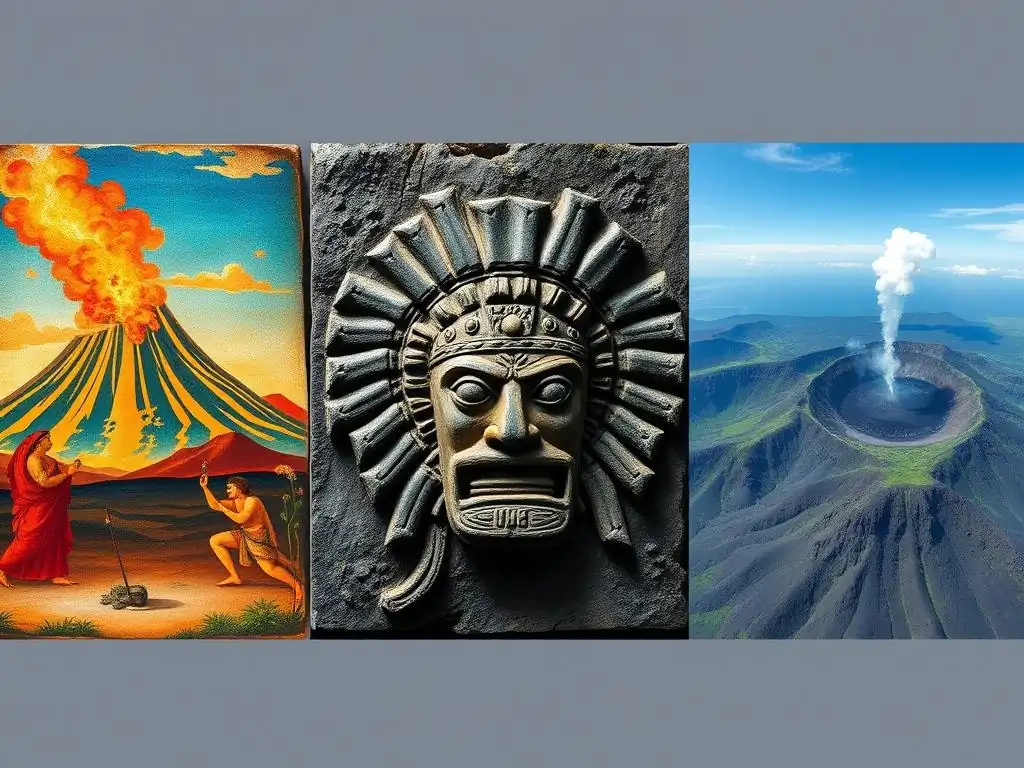
Mount Vesuvius and Pompeii: A Cultural Time Capsule Preserved by Volcanic Ash
The Impact of Vesuvius on Roman Art, Architecture, and Religion
The catastrophic eruption of Mount Vesuvius in 79 CE, which buried the Roman cities of Pompeii and Herculaneum, provides an unparalleled case study in the cultural impact of volcanoes. While the eruption was undeniably devastating, it also inadvertently created a time capsule, preserving Roman art, architecture, and aspects of daily life in remarkable detail under layers of volcanic ash and pumice. Before the eruption, Vesuvius, though recognized as a volcano by some, was not perceived as an immediate threat. The fertile volcanic soil supported thriving vineyards and orchards, contributing to the region's prosperity and influencing Roman art and agriculture.
The eruption itself, however, dramatically altered the Roman perception of Vesuvius and volcanoes in general. The sheer scale of destruction undoubtedly reinforced beliefs in divine power and the unpredictable nature of the natural world. While not directly linked to a specific Roman volcanic deity like Vulcan (whose domain was more Mount Etna), the Vesuvius eruption likely contributed to a broader Roman understanding of volcanoes as forces to be reckoned with. The preserved ruins of Pompeii and Herculaneum, now UNESCO World Heritage sites, continue to offer invaluable insights into Roman culture and the impact of volcanic disaster on ancient societies.
Lessons from Pompeii: Understanding Ancient Life Through Volcanic Preservation
Pompeii, preserved by volcanic ash, offers a unique window into the daily life of an ancient Roman city. The ashfall, while deadly, acted as a preservative, encapsulating buildings, artifacts, and even the forms of the inhabitants themselves. Excavations at Pompeii have revealed remarkably well-preserved houses, shops, public buildings, and artworks, providing an unprecedented level of detail about Roman urban life in the 1st century CE. The preserved frescoes, mosaics, and graffiti offer insights into Roman aesthetics, social customs, and even everyday concerns.
The tragic circumstances of Pompeii’s destruction also provide valuable lessons about volcanic hazards and the importance of disaster preparedness. The eruption of Vesuvius was not entirely unexpected; there were precursory earthquakes and warnings. However, the scale and speed of the eruption overwhelmed the inhabitants. Pompeii serves as a stark reminder of the destructive potential of volcanoes and the need for effective monitoring, evacuation plans, and public education in volcanic regions. The lessons learned from Pompeii continue to inform modern volcanology and disaster risk reduction efforts.
Volcanoes in Ancient Hawaiian Culture: Pele and the Creation of the Islands
Pele: The Hawaiian Goddess of Volcanoes and Fire
In ancient Hawaiian culture, volcanoes are not merely geological features but sacred spaces intimately connected to the goddess Pele. Pele is the central figure in Hawaiian volcanology and mythology, embodying the dynamic and creative forces of volcanism. Legends recount her journeys across the Hawaiian islands, her fiery temper, and her role in shaping the landscape through volcanic eruptions. She is believed to reside in the Halemaʻumaʻu crater at the summit of Kīlauea, one of the world’s most active volcanoes.
Pele is not simply a goddess of destruction; she is also a creator, responsible for the formation of the Hawaiian Islands. Her volcanic activity is seen as a continuous process of creation and renewal. Hawaiian chants and oral traditions are rich with stories of Pele's power, her interactions with other deities, and the significance of volcanic eruptions in the Hawaiian worldview. Understanding Pele is crucial to understanding the profound cultural significance of volcanoes in Hawaiian society.
Volcanic Landscapes as Sacred Sites in Hawaiian Traditions
Volcanic landscapes throughout the Hawaiian Islands are considered sacred sites in traditional Hawaiian culture. Volcanic craters, lava tubes, and steaming vents are not just geological features but places imbued with spiritual mana (power) and associated with Pele and other deities. These sites are often kapu (forbidden or sacred), requiring specific protocols and respectful behavior. Offerings and prayers are traditionally given at these sacred sites to honor Pele and seek her blessings.
The volcanic landscape itself shapes Hawaiian cultural practices and worldview. Traditional Hawaiian land divisions, known as ahupuaʻa, often extend from the mountains to the sea, encompassing diverse ecological zones including volcanic slopes. This land management system reflects an understanding of the interconnectedness of the environment, including volcanic processes. The cultural significance of volcanic landscapes in Hawaii extends beyond religious beliefs, influencing social structures, resource management, and the very fabric of Hawaiian identity.
The Cultural Impact of Volcanoes on Ancient Mesoamerican Civilizations: Popocatépetl and its Role in Aztec Mythology
Volcanic Activity and its influence on Ancient Mesoamerican Mythology
Volcanoes played a significant role in the mythology and worldview of ancient Mesoamerican civilizations, including the Aztec, Maya, and Teotihuacan. Volcanic activity, common in the region, was often interpreted through a mythological lens, with volcanoes personified as deities or associated with powerful supernatural forces. The towering volcanoes surrounding the Valley of Mexico, such as Popocatépetl and Iztaccíhuatl, held particular significance in Aztec cosmology and religious beliefs.
Popocatépetl, meaning "Smoking Mountain" in Nahuatl, the Aztec language, was revered as a sacred mountain and associated with various deities, including fire gods and rain gods. Its periodic eruptions were interpreted as divine pronouncements or acts of power, influencing Aztec rituals and political ideology. Mesoamerican mythology is replete with stories involving volcanoes, often linking them to creation myths, ancestral figures, and the cyclical nature of time. Volcanic activity was not just a natural phenomenon; it was an integral part of the Mesoamerican mythological landscape.
Use of Obsidian and other Volcanic Materials in Mesoamerican Art and Tools
Mesoamerican civilizations were highly adept at utilizing volcanic materials, particularly obsidian, in their art, tools, and technology. Obsidian, readily available from volcanic deposits throughout the region, was a prized resource for crafting sharp blades, projectile points, mirrors, and ceremonial objects. The control of obsidian sources and trade routes was likely a significant factor in the economic and political power of various Mesoamerican city-states.
Beyond obsidian, other volcanic materials, such as basalt and volcanic tuff, were used in Mesoamerican architecture and sculpture. The monumental pyramids of Teotihuacan and other Mesoamerican sites were constructed using volcanic stone, reflecting the abundance and accessibility of these materials. Volcanic ash, similar to Roman pozzolan, may have also been utilized in construction materials. The widespread use of volcanic materials in Mesoamerica underscores the close relationship between these civilizations and their volcanic environment, demonstrating a sophisticated understanding and utilization of volcanic resources.
The Long-Term Legacy: How Ancient Perceptions of Volcanoes Shape Modern Understanding
The Enduring Power of Volcanic Imagery in Contemporary Art and Culture
The ancient perceptions of volcanoes as powerful, awe-inspiring, and sometimes terrifying forces continue to resonate in contemporary art and culture. Volcanic imagery remains a potent symbol, evoking themes of destruction, creation, transformation, and the sublime power of nature. From dramatic landscape photography capturing volcanic eruptions to artistic representations of mythical volcanic deities in modern media, the cultural legacy of volcanoes persists.
Volcanoes continue to inspire artists, writers, and filmmakers, serving as metaphors for both personal and societal upheaval, as well as for the raw beauty and dynamism of the natural world. The visual drama of volcanic eruptions, the stark landscapes they create, and the enduring myths associated with them ensure that volcanic imagery will remain a powerful and evocative force in contemporary artistic expression. The echoes of ancient perceptions of volcanoes can be found in diverse forms of modern art, literature, and popular culture.
Lessons from the Past: Understanding Volcanic Hazards Through Ancient Accounts
Ancient accounts of volcanic eruptions, while often framed within mythological or religious contexts, can still offer valuable lessons for modern understanding of volcanic hazards. Descriptions of past eruptions, preserved in historical texts, oral traditions, or archaeological records, can provide insights into the frequency, intensity, and impacts of volcanic events in specific regions. These ancient accounts can supplement scientific data and contribute to a more comprehensive understanding of long-term volcanic activity patterns.
For communities living in volcanic regions today, understanding the cultural memory of past eruptions can be crucial for disaster preparedness and risk communication. Local knowledge and traditional narratives about volcanic hazards, passed down through generations, can complement scientific monitoring and early warning systems. Learning from the past, both through scientific analysis and cultural heritage, is essential for mitigating the risks associated with living near volcanoes and building resilient communities.
Preserving the Cultural Heritage of Volcanic Regions
Preserving the cultural heritage associated with volcanic regions is crucial for understanding the long-term relationship between humanity and volcanoes. Archaeological sites, historical monuments, traditional practices, and oral traditions connected to volcanoes represent a valuable repository of knowledge about past interactions with these dynamic landscapes. Protecting these cultural resources is not only important for preserving cultural identity but also for enhancing our understanding of human adaptation to volcanic environments.
Efforts to preserve the cultural heritage of volcanic regions should involve collaboration between archaeologists, volcanologists, local communities, and cultural heritage organizations. Sustainable tourism initiatives that respect and promote local culture can also contribute to the preservation of volcanic heritage. By recognizing and valuing the cultural significance of volcanoes, we can foster a deeper appreciation for the complex relationship between humanity and these powerful forces of nature and ensure that the lessons of the past inform our future interactions with volcanic landscapes.
Conclusion: The Enduring Cultural Significance of Volcanoes
Reflecting on the Deep Connection Between Humanity and Volcanic Landscapes
Volcanoes, throughout history, have been more than just geological phenomena; they have been powerful agents shaping human cultures, beliefs, and artistic expressions. From ancient mythologies that personified volcanoes as deities to artistic representations inspired by volcanic landscapes, the cultural significance of volcanoes is deeply embedded in the human story.
The case studies of Pompeii, Hawaii, and Mesoamerica demonstrate the diverse ways in which different societies have interacted with and interpreted volcanic activity, highlighting the enduring and multifaceted connection between humanity and volcanic landscapes. This connection, forged through awe, fear, respect, and adaptation, continues to shape our understanding of both the natural world and our place within it.
Frequently Asked Questions
How did volcanoes influence the art of ancient societies?
Volcanoes provided powerful imagery and inspiration for ancient artists. They often depicted volcanic landscapes and eruptions in their art, symbolizing creation, destruction, and divine power.
What role did volcanoes play in ancient mythology and religion?
Many ancient cultures viewed volcanoes as sacred places and the homes of gods or spirits. Volcanic eruptions were often interpreted as expressions of divine anger or favor, shaping their religious beliefs and rituals.
In what ways did ancient rituals relate to volcanic activity?
Ancient societies performed rituals to appease volcanic deities and prevent eruptions. These rituals could involve offerings, sacrifices, or dances intended to maintain harmony with the volcanic forces.
How did living near volcanoes affect the daily lives of people in ancient times?
Living near volcanoes presented both challenges and opportunities for ancient communities. While eruptions posed a threat, volcanic soil also provided fertile land for agriculture, influencing settlement patterns and livelihoods.
What evidence suggests the cultural significance of volcanoes in ancient societies?
Archaeological findings, such as volcanic artifacts, religious sites near volcanoes, and mythological narratives, provide evidence of the profound cultural significance of volcanoes in shaping the beliefs, practices, and art of ancient societies.
Final Reflection: Echoes of Fire and Faith
The enduring power of volcanoes, as explored throughout this article, transcends mere geological phenomena; it is deeply interwoven with the fabric of human culture. The cultural significance of volcanoes, once a matter of survival and spiritual interpretation for ancient societies, continues to resonate in our collective consciousness, shaping art, mythology, and our understanding of the world's raw power.
The influence of volcanic activity on shaping ancient belief systems and artistic expression is undeniable. Witnessing the earth's fury firsthand instilled a profound sense of awe and vulnerability, leading to the creation of elaborate rituals and myths designed to appease the volatile forces of nature. The earth is not our plaything; it is our mother. We must treat her with respect and reverence, for she holds the power of life and death in her hands.
This ancient wisdom, born from the shadow of the volcano, still holds profound relevance today.
As we reflect on the cultural legacy of volcanoes, let us consider how we, too, can learn from the past. Let us strive to understand and respect the forces that shape our world, embracing the lessons of resilience, adaptation, and the interconnectedness of humanity and nature. May the echoes of fire and faith inspire us to build a future where we live in harmony with the earth, honoring the power and beauty of the volcanic landscapes that have shaped our history.
Okay, I'm ready to craft a CTA for that article. Here's what I came up with:
Unearth the Power Within: Your Volcanic Journey Begins!
Thank you for exploring the fascinating ways ancient societies intertwined volcanoes with art, mythology, and ritual. Now, it’s your turn to connect with this powerful heritage and keep the exploration alive.
Here’s how you can continue the journey:
- Start mapping: Research and document a local geological site or landmark influenced by past volcanic activity. Share your findings and photos to help others appreciate these landscapes.
- Delve into Mythology: Explore regional folklore and myths associated with volcanoes. Compare these tales with those discussed in the article and note the common motifs.
- Fuel the Conversation: Share this article with someone who appreciates history, geology, or mythology and spark a conversation about the enduring impact of volcanoes.
What is one local legend or piece of art you've encountered that reflects the immense power and reverence ancient cultures had for volcanoes? Share your insights in the comments!