
Our Earth, Our Stories: Celebrating Indigenous Volcano Culture and Science

Welcome to Volcano Explorers!
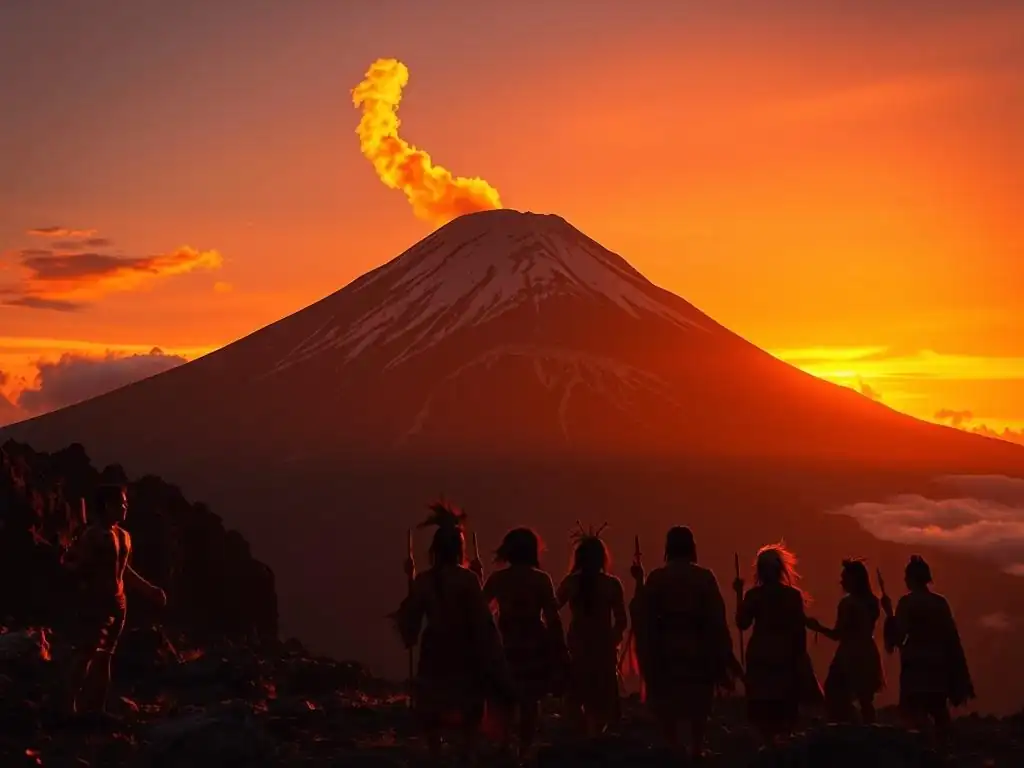
Have you ever wondered how ancient cultures interpreted the fiery breath of volcanoes, blending myth and observation into a profound understanding of these geological giants? Our Earth, Our Stories invites you to explore the fascinating intersection of indigenous culture and volcano science. Discover how generations have lived alongside these powerful forces, weaving their wisdom into the very fabric of their lives, and how modern volcanology is only now beginning to fully appreciate their insights. Intrigued? Dive in and uncover the secrets whispered on the wind by the volcanoes themselves...
- VolcanoExplorers.org: Exploring Indigenous Knowledge of Volcanoes
- Understanding the Intersection of Indigenous Culture and Volcano Science
- Case Studies: Indigenous Volcano Stories Around the World
- The Importance of Preserving Indigenous Volcano Knowledge
- Bridging the Gap: Integrating Indigenous Knowledge and Western Science
- Indigenous Oral Traditions: Volcano Stories Passed Down Through Generations
- The Future of Indigenous Culture and Volcano Science
- Conclusion: Celebrating the Rich Tapestry of Indigenous Volcano Culture
-
Frequently Asked Questions
- What is the connection between Indigenous culture and volcano science as explored on VolcanoExplorers.org?
- How does VolcanoExplorers.org highlight the cultural significance of volcanoes?
- Does VolcanoExplorers.org provide information on how Indigenous knowledge can contribute to volcano monitoring and hazard mitigation?
- What types of resources does VolcanoExplorers.org offer for learning about the intersection of Indigenous culture and volcano science?
- How can understanding the Indigenous perspective enhance our appreciation for the beauty and danger of volcanoes?
- Final Reflection: Echoes of Fire and Wisdom
- Ignite Your Connection: Explore the Volcano's Wisdom!
VolcanoExplorers.org: Exploring Indigenous Knowledge of Volcanoes
VolcanoExplorers.org recognizes the invaluable contributions of Indigenous communities to our understanding of volcanoes. For millennia, Indigenous peoples have lived in close proximity to these powerful geological forces, developing sophisticated knowledge systems based on observation, experience, and cultural transmission. This website aims to highlight and celebrate the rich tapestry of Indigenous knowledge related to volcanoes, recognizing it as a vital complement to Western scientific approaches.
We believe that by exploring and respecting Indigenous perspectives, we can gain a more holistic and comprehensive understanding of volcanic phenomena and their impact on both the natural world and human societies. This exploration is not just about acknowledging the past, but also about fostering collaboration and mutual learning for a more sustainable and informed future in volcanology.
Understanding the Intersection of Indigenous Culture and Volcano Science
The intersection of Indigenous culture and volcano science is a dynamic and increasingly recognized field of study. It acknowledges that scientific understanding of volcanoes is not solely derived from Western scientific methods but is also deeply rooted in the traditional ecological knowledge held by Indigenous communities. This knowledge, accumulated over generations, offers unique insights into volcanic processes, eruption patterns, and the long-term effects of volcanic activity on ecosystems and human populations.
By embracing this intersection, we can move towards a more inclusive and effective approach to volcano research, hazard mitigation, and community resilience. It also allows us to appreciate the diverse ways humans interact with and understand the natural world, enriching our collective knowledge and fostering respect for different worldviews.
The Deep Connection: Indigenous Peoples and Volcanic Landscapes
For Indigenous peoples living near volcanoes, the relationship transcends mere proximity; it is a deep, spiritual, and practical connection interwoven into their cultural identity and daily lives. Volcanic landscapes are not just geological formations but are often considered sacred spaces, ancestral homelands, and sources of vital resources.
Indigenous communities have developed intricate systems of understanding volcanic behavior through generations of observation, interpreting subtle signs in nature that might precede eruptions, and understanding the long-term cycles of volcanic activity. This intimate relationship fosters a profound respect for the power of volcanoes and a nuanced understanding of living in dynamic, volcanic environments.
This deep connection is reflected in their languages, oral traditions, and cultural practices. Volcanoes often feature prominently in creation myths, legends, and spiritual beliefs, embodying powerful deities or ancestral spirits. Traditional ceremonies and rituals are frequently performed to honor these forces, seek protection, or maintain balance with the natural world.
Furthermore, Indigenous communities have historically relied on volcanic resources, such as fertile soils for agriculture, geothermal energy for heating and cooking, and volcanic rocks for tools and building materials. This reciprocal relationship, built on respect and sustainable resource management, exemplifies a profound understanding of living in harmony with volcanic landscapes.
Honoring Traditional Ecological Knowledge (TEK) in Volcanology
Traditional Ecological Knowledge (TEK), also known as Indigenous Knowledge, represents a wealth of information accumulated by Indigenous peoples over centuries of living in close interaction with their environment. In volcanology, TEK offers invaluable insights that complement and enrich Western scientific approaches. TEK encompasses detailed observations of volcanic phenomena, including precursory signs of eruptions, eruption patterns, and the impacts of volcanic activity on ecosystems and human communities. This knowledge is often transmitted orally through generations, embedded in stories, songs, and cultural practices, and is deeply rooted in a holistic worldview that emphasizes interconnectedness and respect for nature.
Honoring TEK in volcanology means recognizing its validity and value alongside Western scientific methods. It involves actively engaging with Indigenous knowledge holders, respecting their protocols and intellectual property rights, and creating collaborative research partnerships. Integrating TEK into volcanological studies can lead to more comprehensive hazard assessments, improved monitoring strategies, and culturally appropriate risk communication.
For example, Indigenous communities may possess knowledge of subtle environmental changes, such as variations in plant behavior or animal migration patterns, that could serve as early warning indicators of volcanic unrest, information that might be overlooked by solely relying on instrumental monitoring. By embracing TEK, volcanology can become more inclusive, effective, and ethically grounded, ultimately benefiting both scientific understanding and community resilience.
Case Studies: Indigenous Volcano Stories Around the World
Hawai'i - Indigenous Perspectives on Volcanic Activity
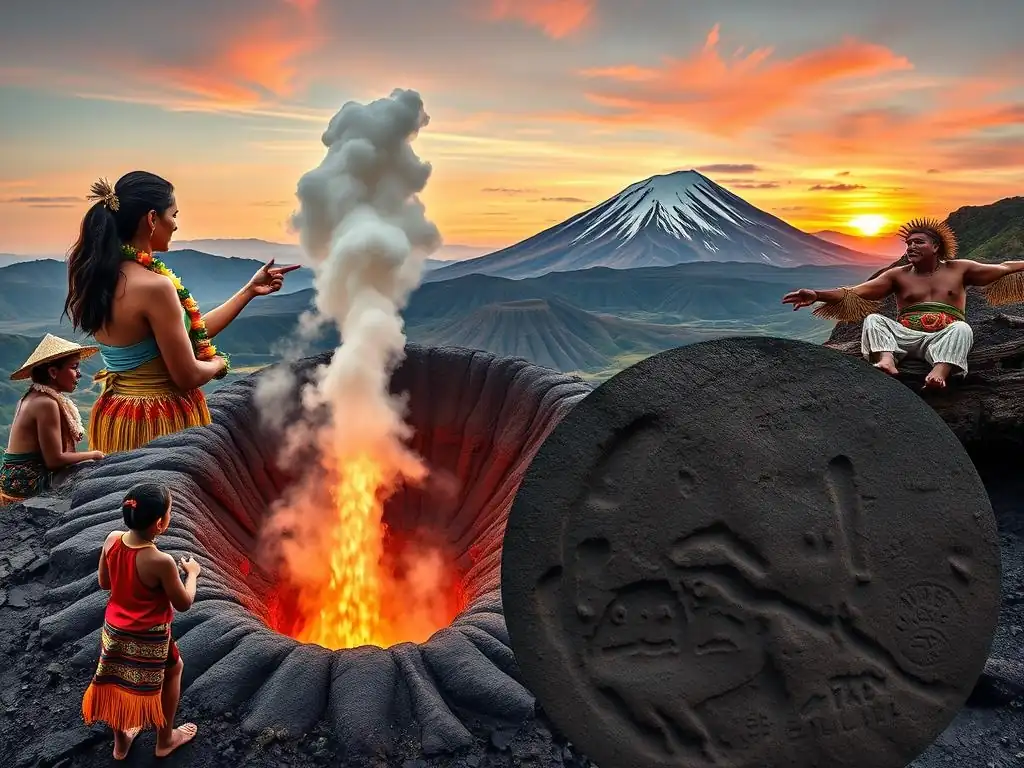
Hawai'i, a volcanic archipelago in the Pacific Ocean, boasts a rich Indigenous culture deeply intertwined with volcanic activity. For Native Hawaiians, volcanoes are not merely geological features but living entities, manifestations of deities, and integral parts of their ancestral lands. Volcanoes, particularly Kīlauea and Mauna Loa, are central to Hawaiian cosmology, mythology, and traditional practices. This deep spiritual and cultural connection has shaped Hawaiian understanding of volcanic processes for centuries, offering unique perspectives that complement Western scientific approaches to volcanology.
Traditional Explanations of Eruptions in Hawai'i
Traditional Hawaiian explanations of volcanic eruptions are deeply rooted in their mythology and spiritual beliefs. The most prominent figure is Pele, the powerful and revered goddess of volcanoes and fire. Eruptions are often attributed to Pele's actions, expressing her anger, passion, or creative energy. Different types of volcanic activity, such as lava flows, ash plumes, and volcanic gases, are interpreted as manifestations of Pele's different moods and powers. These stories and legends are not simply metaphorical; they represent a sophisticated understanding of volcanic processes expressed through a cultural lens.
For example, the fiery lava flows are seen as Pele's flowing hair, and the explosive eruptions are considered her fiery temper. Traditional chants and hula dances often recount the stories of Pele and her interactions with other deities and the natural world, passing down knowledge about volcanic phenomena through generations.
These narratives also serve as mnemonic devices, helping to remember important volcanic events and understand the potential hazards associated with them. Furthermore, traditional Hawaiian knowledge includes observations of natural signs preceding eruptions, such as changes in water levels, seismic activity, and unusual animal behavior, demonstrating a keen awareness of the natural world.
How Indigenous Knowledge Informs Modern Volcano Monitoring in Hawai'i
Indigenous knowledge in Hawai'i is increasingly being recognized and integrated into modern volcano monitoring and hazard assessment. The U.S. Geological Survey's Hawaiian Volcano Observatory (HVO) actively collaborates with Native Hawaiian cultural practitioners and community members to incorporate traditional knowledge into their monitoring efforts. This collaboration recognizes the valuable insights that Indigenous knowledge can provide, particularly in understanding long-term volcanic patterns and interpreting subtle precursory signs that might be missed by purely scientific instruments.
For instance, traditional Hawaiian place names often reflect volcanic activity, indicating past eruption sites and lava flow paths. Oral histories and legends can provide valuable historical records of eruptions that predate written records, extending the timeline of volcanic activity and improving hazard assessments.
Furthermore, Indigenous knowledge holders possess a deep understanding of the interconnectedness of ecosystems and the impacts of volcanic activity on natural resources, which is crucial for developing comprehensive risk management strategies. By combining Western scientific data with Indigenous knowledge, HVO can enhance its monitoring capabilities, improve communication with local communities, and develop more culturally sensitive and effective volcanic hazard mitigation strategies.
Mount Etna, Sicily - Volcano Deities and Rituals
Mount Etna, a majestic and active volcano in Sicily, Italy, has been a focal point of cultural and spiritual significance for centuries. The volcano's dramatic eruptions and fertile slopes have shaped the lives and beliefs of the people living in its shadow. Ancient cultures, including the Greeks and Romans, revered Etna as a sacred site, associating it with powerful deities and incorporating it into their mythology and religious practices. This rich cultural heritage continues to influence contemporary Sicilian traditions and perspectives on living with an active volcano.
The Role of Volcano Gods and Goddesses in Sicilian Culture
In ancient Sicilian cultures, Mount Etna was believed to be the dwelling place of powerful gods and goddesses. For the Greeks, Etna was associated with Hephaestus (Vulcan in Roman mythology), the god of fire, metalworking, and volcanoes. They believed that Hephaestus had his forge beneath the mountain, and the eruptions were attributed to his divine activities. Legends also connected Etna to other mythical figures, such as the one-eyed giant Cyclops, further embedding the volcano within a rich tapestry of mythology and folklore.
These deities were not simply abstract figures; they were actively invoked and worshipped through rituals and offerings, seeking their favor and protection from the volcano's unpredictable forces. Temples and shrines were often built on the slopes of Etna, dedicated to these volcanic gods and goddesses, reflecting the deep reverence and spiritual connection people felt towards the mountain. Even today, echoes of these ancient beliefs can be found in local traditions and folklore, demonstrating the enduring influence of these mythical figures on Sicilian culture and the perception of Mount Etna.
Volcano-Related Ceremonies and Practices in Sicily
While ancient temples may no longer stand, volcano-related ceremonies and practices have persisted in Sicilian culture, albeit often syncretized with Christian traditions. Festivals and processions are held in towns surrounding Mount Etna, often incorporating elements that can be traced back to pre-Christian beliefs and rituals aimed at appeasing the volcano and ensuring protection from eruptions. These practices demonstrate a continued recognition of Etna's power and a desire to maintain a harmonious relationship with this potentially destructive, yet life-giving, force of nature.
For example, some religious festivals feature processions carrying statues of patron saints around the affected villages, a practice that some scholars interpret as a continuation of ancient Roman processions intended to placate volcanic deities. Prayers and offerings are still made, albeit now directed towards Christian saints, reflecting a blend of traditional beliefs and contemporary religious practices.
These ceremonies serve not only as spiritual expressions but also as community-building events, reinforcing social cohesion and collective resilience in the face of living with volcanic hazards. They highlight the enduring cultural significance of Mount Etna and the ways in which people have adapted their traditions to coexist with this dynamic volcanic landscape.
Iceland - Sustainable Living Near Volcanoes
Iceland, the "Land of Fire and Ice," is a nation sculpted by volcanic activity, where living near volcanoes is not just a reality but an integral part of the Icelandic experience. For centuries, Icelanders have developed unique strategies and adaptations to thrive in this geologically dynamic environment, drawing upon both traditional knowledge and modern innovation. This resilience is evident in their building techniques, land management practices, and community structures, showcasing a remarkable ability to live sustainably alongside active volcanoes.
Indigenous Strategies for Resilient Communities Near Volcanoes in Iceland
While Iceland's written history dates back to the Viking Age, the early settlers undoubtedly brought with them pre-existing knowledge and skills for living in challenging environments, adapting and innovating further in the volcanic landscape of Iceland. Traditional Icelandic strategies for resilient communities near volcanoes are deeply rooted in practicality and resourcefulness. These strategies encompass building techniques that can withstand seismic activity, land management practices that mitigate volcanic hazards, and community-based support systems that promote recovery after eruptions.
One key aspect of traditional resilience is the decentralized settlement pattern in Iceland. Historically, farms and communities were dispersed across the landscape, reducing the vulnerability of the entire population to a single volcanic event. This spatial distribution, combined with strong community ties and mutual support networks, allowed for quicker recovery and resource sharing in the aftermath of volcanic eruptions or other natural disasters. Furthermore, traditional Icelandic building practices, such as the use of turf houses and the skillful utilization of volcanic rock, provided durable and adaptable housing that could withstand the harsh climate and seismic activity.
Traditional Building Techniques and Land Management in Volcanic Areas
Traditional Icelandic building techniques demonstrate a remarkable adaptation to the volcanic environment. Turf houses, constructed with layers of earth and grass sod, provided excellent insulation against the cold climate and offered a degree of resilience to earthquakes. The use of locally sourced volcanic rock, abundant throughout Iceland, provided strong and durable building materials. These traditional methods prioritized sustainability, utilizing readily available resources and minimizing environmental impact.
Land management practices in volcanic areas also reflected a deep understanding of the landscape and its vulnerabilities. Traditional grazing patterns, for instance, helped maintain vegetation cover, reducing soil erosion in areas susceptible to ashfall and volcanic debris flows. Forest management, although limited in Iceland's naturally sparsely forested environment, also played a role in stabilizing slopes and mitigating landslide risks, particularly in volcanic regions. These traditional techniques, combined with a strong sense of community and preparedness, have enabled Icelanders to thrive in a volcanic landscape for centuries, providing valuable lessons for sustainable living in similar environments worldwide.
The Importance of Preserving Indigenous Volcano Knowledge
The preservation of Indigenous volcano knowledge is of paramount importance, not only for safeguarding cultural heritage but also for enhancing our collective understanding of volcanic processes and improving disaster preparedness. Indigenous knowledge systems are under threat from various factors, including cultural assimilation, environmental changes, and lack of recognition. Losing this knowledge would be a significant loss for both science and culture, diminishing our capacity to learn from the past and build a more sustainable future in volcanic regions.
Indigenous cultural heritage related to volcanoes faces numerous threats in the modern world. Cultural assimilation, driven by globalization and dominant societal norms, can lead to the erosion of traditional languages, oral traditions, and cultural practices through which volcano knowledge is transmitted. Environmental changes, including climate change and land use alterations, can disrupt traditional ways of life and alter the environment to which Indigenous knowledge is adapted, making it seem less relevant or applicable in contemporary contexts.
Furthermore, lack of formal recognition and protection of Indigenous knowledge systems within mainstream scientific and policy frameworks often marginalizes these valuable perspectives. Economic development and resource extraction in volcanic regions can also displace Indigenous communities and disrupt their connection to ancestral lands and traditional practices. These threats underscore the urgency of documenting, preserving, and revitalizing Indigenous volcano knowledge, ensuring its continuity for future generations and its integration into broader societal understanding and practices.
Supporting Indigenous-Led Research and Conservation Efforts
Supporting Indigenous-led research and conservation efforts is crucial for preserving Indigenous volcano knowledge and empowering Indigenous communities. This support involves providing resources, training, and opportunities for Indigenous communities to document, study, and manage their own knowledge systems. It also requires fostering collaborative partnerships between Indigenous knowledge holders, researchers, and policymakers, ensuring that Indigenous voices and perspectives are central to research agendas and conservation initiatives.
Indigenous-led research can take various forms, including community-based documentation projects, participatory research initiatives, and the establishment of Indigenous cultural centers and knowledge repositories. Conservation efforts can focus on protecting sacred sites, preserving traditional languages and oral traditions, and promoting intergenerational knowledge transmission. Financial and institutional support from governments, research institutions, and philanthropic organizations is essential to enable these Indigenous-led initiatives to thrive and contribute to both cultural preservation and scientific advancement in volcanology.
Bridging the Gap: Integrating Indigenous Knowledge and Western Science
Bridging the gap between Indigenous Knowledge and Western science is essential for fostering a more holistic and effective approach to volcanology. Both knowledge systems offer unique strengths and perspectives, and their integration can lead to a richer and more comprehensive understanding of volcanoes and their impacts. This integration requires mutual respect, open communication, and a willingness to learn from each other, recognizing the validity and value of both Indigenous and scientific ways of knowing.
Collaborative Approaches to Volcano Hazard Assessment
Collaborative approaches to volcano hazard assessment that integrate Indigenous Knowledge and Western science can significantly improve the accuracy, effectiveness, and cultural appropriateness of risk management strategies. By working together, scientists and Indigenous knowledge holders can combine their respective strengths to gain a more complete picture of volcanic hazards and vulnerabilities. This collaboration should be based on principles of mutual respect, equitable partnership, and recognition of Indigenous self-determination.
For example, Indigenous communities often possess detailed knowledge of past eruption events, including their impacts and the effectiveness of traditional coping mechanisms. Scientists can contribute instrumental monitoring data, geological mapping, and hazard modeling expertise. By combining these sources of information, it is possible to develop more comprehensive hazard assessments that consider both historical patterns and future projections. Furthermore, collaborative hazard assessment processes can ensure that risk communication and mitigation strategies are culturally appropriate and effectively address the specific needs and concerns of Indigenous communities.
Benefits of Combining Traditional Wisdom and Scientific Data
The benefits of combining traditional wisdom and scientific data in volcanology are numerous and far-reaching. Integrating Indigenous Knowledge can enhance the accuracy and depth of scientific understanding, particularly in areas where long-term historical data or nuanced ecological observations are lacking. Traditional wisdom can provide valuable insights into precursory signs of eruptions, long-term volcanic cycles, and the impacts of volcanic activity on ecosystems and human health.
Conversely, scientific data can provide quantitative measurements, analytical tools, and broader regional perspectives that complement Indigenous Knowledge. The combination of these knowledge systems can lead to more robust and comprehensive hazard assessments, improved monitoring strategies, and more effective risk communication and mitigation measures. Moreover, this integration fosters mutual learning and respect between scientists and Indigenous communities, promoting a more inclusive and equitable approach to volcanology that benefits both scientific advancement and community well-being.
Indigenous Oral Traditions: Volcano Stories Passed Down Through Generations
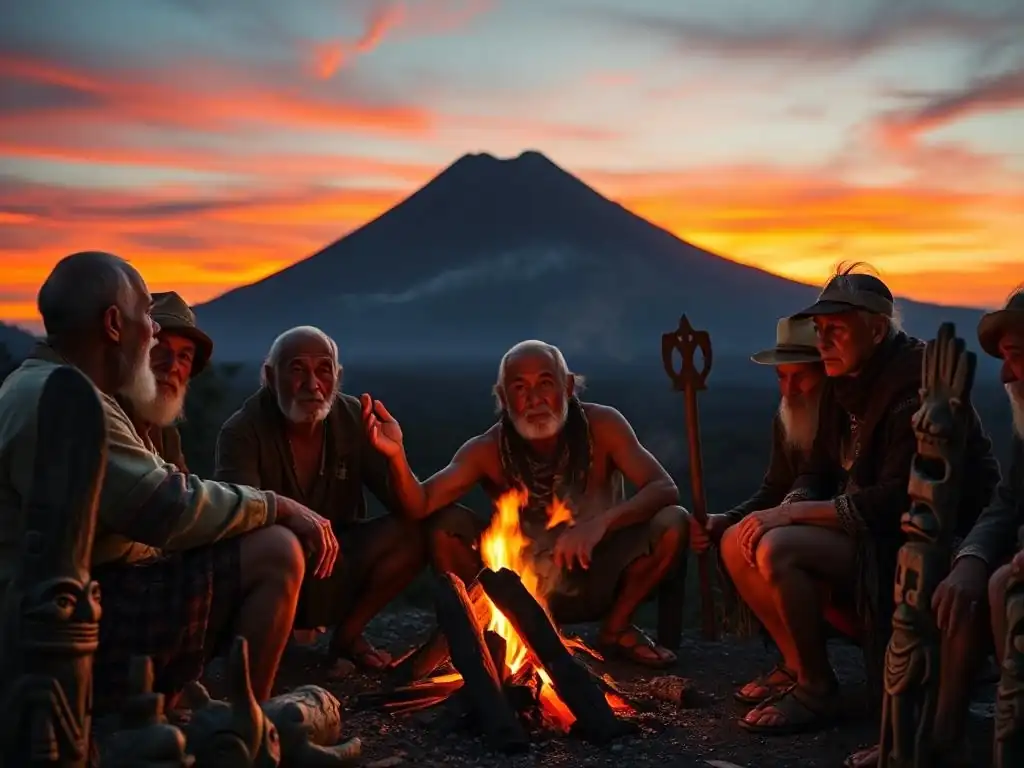
Indigenous oral traditions play a vital role in preserving and transmitting volcano knowledge across generations. Stories, legends, chants, and songs are not merely entertaining narratives; they are repositories of accumulated wisdom, historical accounts, and cultural values related to volcanoes. These oral traditions offer a unique window into Indigenous understandings of volcanic phenomena, providing insights that complement and enrich written records and scientific studies.
The Power of Storytelling in Understanding Volcanic History
Storytelling is a powerful tool for understanding volcanic history from an Indigenous perspective. Oral traditions often recount past eruption events, describing their causes, impacts, and the responses of communities. These stories serve as historical records, preserving knowledge of volcanic activity that may predate written accounts or scientific monitoring. They also convey important lessons about living with volcanoes, including traditional warning signs, evacuation strategies, and coping mechanisms.
Furthermore, volcano stories often embed cultural values, spiritual beliefs, and ethical principles related to human-nature relationships. They may explain the origin of volcanoes, the roles of deities or spirits associated with volcanic activity, and the importance of respecting the power of nature. By analyzing and interpreting these stories, we can gain a deeper understanding of Indigenous worldviews, historical experiences, and traditional ecological knowledge related to volcanoes, enriching our overall understanding of volcanic history and human-volcano interactions.
Pele and Hi'iaka - Lessons from an Ancient Eruption
The Hawaiian legend of Pele and Hi'iaka is a rich and complex narrative that encapsulates traditional Hawaiian understanding of volcanic activity and landscape formation. Pele, the volatile goddess of volcanoes, and her sister Hi'iaka, the goddess of hula and healing, are central figures in this epic tale. The story recounts their travels, rivalries, and interactions with the Hawaiian Islands, explaining the creation of volcanic landscapes and the dynamic nature of volcanic processes.
Within the Pele and Hi'iaka legend are embedded valuable lessons about volcanic eruptions, lava flows, and the interconnectedness of the natural world. The story describes different types of volcanic activity, such as fiery eruptions and slow-moving lava flows, reflecting a keen observation of volcanic phenomena. It also conveys the power and unpredictability of volcanoes, emphasizing the importance of respect and preparedness when living in volcanic environments. Furthermore, the legend highlights the role of volcanoes in shaping the Hawaiian Islands and the ongoing creation and destruction processes that characterize volcanic landscapes.
Katla's Veil - The Creation Myth of Katla
"Katla's Veil" is an Icelandic creation myth associated with the Katla volcano, one of Iceland's most powerful and active volcanoes. This story, passed down through oral tradition, explains the origin of Katla and its eruptions through a narrative involving a powerful and vengeful woman named Katla. The myth provides a cultural framework for understanding the volcano's unpredictable nature and the potential hazards associated with its eruptions.
According to the myth, Katla was a sorceress who worked at a monastery. When she was accused of theft, she plunged into a cauldron filled with magic liquid, creating a flood that overwhelmed the surrounding area and formed the caldera of the Katla volcano. The story connects Katla's actions and emotions to the volcano's eruptions, portraying Katla as a force of nature whose anger and power are manifested in volcanic activity.
"Katla's Veil" serves as a cautionary tale, reminding people of the volcano's potential for destruction and the importance of respecting its power. It also illustrates how oral traditions can encode historical knowledge, cultural values, and practical lessons about living with volcanic hazards.
The Future of Indigenous Culture and Volcano Science
The future of Indigenous culture and volcano science lies in fostering greater collaboration, mutual respect, and equitable partnerships between Indigenous communities and the scientific community. Empowering Indigenous communities in volcano research, promoting respectful engagement with Indigenous knowledge holders, and ensuring the intergenerational transmission of Indigenous knowledge are crucial steps towards a more inclusive and sustainable future in volcanology.
Empowering Indigenous Communities in Volcano Research
Empowering Indigenous communities in volcano research means providing them with the resources, opportunities, and agency to lead and participate in research initiatives that are relevant to their needs and priorities. This empowerment involves supporting Indigenous-led research projects, building research capacity within Indigenous communities, and ensuring that research benefits are shared equitably. It also requires respecting Indigenous self-determination and recognizing their inherent rights to their knowledge, lands, and resources.
Empowering Indigenous communities can take various forms, including providing funding for Indigenous researchers and community-based research projects, offering training and mentorship opportunities in scientific fields, and establishing collaborative research partnerships that are co-designed and co-managed by Indigenous communities and scientists. By empowering Indigenous communities, we can ensure that volcano research is more culturally relevant, ethically sound, and effectively addresses the needs of those most directly affected by volcanic hazards.
Promoting Respectful Engagement with Indigenous Knowledge Holders
Promoting respectful engagement with Indigenous knowledge holders is paramount for fostering meaningful collaboration and ensuring the ethical use of Indigenous Knowledge in volcanology. Respectful engagement requires recognizing Indigenous knowledge as a valid and valuable knowledge system, acknowledging Indigenous intellectual property rights, and adhering to Indigenous protocols and ethical guidelines for research and knowledge sharing. It also involves building trust-based relationships with Indigenous communities, engaging in open and transparent communication, and ensuring that Indigenous voices are heard and respected throughout the research process.
Respectful engagement should be guided by principles of free, prior, and informed consent (FPIC), ensuring that Indigenous communities have the right to decide whether and how their knowledge is used. It also requires recognizing the diversity of Indigenous cultures and knowledge systems, avoiding generalizations, and engaging with specific communities and knowledge holders in a culturally appropriate manner. By prioritizing respectful engagement, we can foster mutually beneficial partnerships that advance both scientific understanding and Indigenous well-being.
Conclusion: Celebrating the Rich Tapestry of Indigenous Volcano Culture
Celebrating the rich tapestry of Indigenous volcano culture and science is essential for a more complete and nuanced understanding of volcanoes and our relationship with them. Indigenous knowledge systems offer invaluable insights that complement Western scientific approaches, enriching our collective understanding of volcanic processes, hazard mitigation, and sustainable living in volcanic regions. By recognizing, respecting, and supporting Indigenous knowledge, we can foster a more inclusive, equitable, and effective approach to volcanology that benefits both scientific advancement and the well-being of communities living in volcanic landscapes around the world. Let us continue to learn from and celebrate the diverse perspectives and wisdom of Indigenous peoples, ensuring that their stories and knowledge continue to shape our understanding of these powerful forces of nature for generations to come.
Frequently Asked Questions
What is the connection between Indigenous culture and volcano science as explored on VolcanoExplorers.org?
VolcanoExplorers.org examines how Indigenous communities have long understood and interacted with volcanoes, often incorporating them into their spiritual beliefs and traditional practices. This knowledge complements and enriches modern volcanic science.
How does VolcanoExplorers.org highlight the cultural significance of volcanoes?
The website features sections dedicated to the cultural significance of volcanoes in different regions, showcasing stories, legends, and rituals associated with these natural wonders. It emphasizes the deep connection between Indigenous peoples and volcanic landscapes.
Does VolcanoExplorers.org provide information on how Indigenous knowledge can contribute to volcano monitoring and hazard mitigation?
Yes, the website explores how traditional Indigenous knowledge can offer valuable insights into volcanic behavior and contribute to more effective volcano monitoring and disaster preparedness in communities near active volcanoes.
What types of resources does VolcanoExplorers.org offer for learning about the intersection of Indigenous culture and volcano science?
VolcanoExplorers.org provides educational content, including articles, photographs, and stories, that illustrate the intertwined relationship between Indigenous cultures and the scientific understanding of volcanoes. It also includes links to external resources.
How can understanding the Indigenous perspective enhance our appreciation for the beauty and danger of volcanoes?
Learning about the Indigenous perspective on volcanoes provides a deeper understanding of their spiritual and cultural significance, adding another layer of appreciation for their beauty, power, and potential danger. It fosters a more holistic view of these natural formations.
Final Reflection: Echoes of Fire and Wisdom
The interwoven narratives of Indigenous culture and volcano science, as explored throughout this article, are not relics of the past, but rather vital threads in the tapestry of our present and future. The profound understanding and respect Indigenous communities hold for volcanic landscapes offer invaluable insights for modern scientific endeavors, reminding us that true progress lies in collaboration and reciprocal learning.
The enduring connection between Indigenous peoples and volcanoes has shaped not only their cultural identities but also their resilience in the face of natural forces. This deep-seated relationship serves as a powerful reminder of the interconnectedness of humanity and the environment, urging us to listen to the voices of those who have lived in harmony with the Earth for generations. We do not inherit the Earth from our ancestors; we borrow it from our children.
This ancient proverb encapsulates the responsibility we all share to safeguard the planet and its cultural heritage.
As we conclude this exploration, I invite you to reflect on the lessons learned from Indigenous volcano culture and science. Consider how you can incorporate this wisdom into your own life, fostering a deeper appreciation for the natural world and a greater respect for the diverse perspectives that enrich our understanding of it. Let us all strive to be better stewards of the Earth, honoring both the scientific and cultural knowledge that guides us toward a sustainable future.
Ignite Your Connection: Explore the Volcano's Wisdom!
Thank you for joining us on this journey into the rich intersection of Indigenous culture and volcanic science. We hope you've gained a deeper appreciation for the stories and knowledge connecting us to the Earth's powerful forces. Now, let's put that appreciation into action!
Here are a few ways to continue your exploration:
- Dive deeper: Research the history and cultural significance of volcanoes in your region. What stories and traditions surround these powerful landforms?
- Share your insights: Spread the word by sharing this article with your friends and family, helping to amplify the voices and wisdom of Indigenous communities.
- Support Indigenous communities: Explore organizations dedicated to preserving Indigenous volcano heritage and consider ways to support their vital work.
What's one thing you learned today that will change how you see volcanoes? Share your reflections in the comments below!