
Balancing Beauty and Burden: Sustainable Tourism in the Shadow of Giants

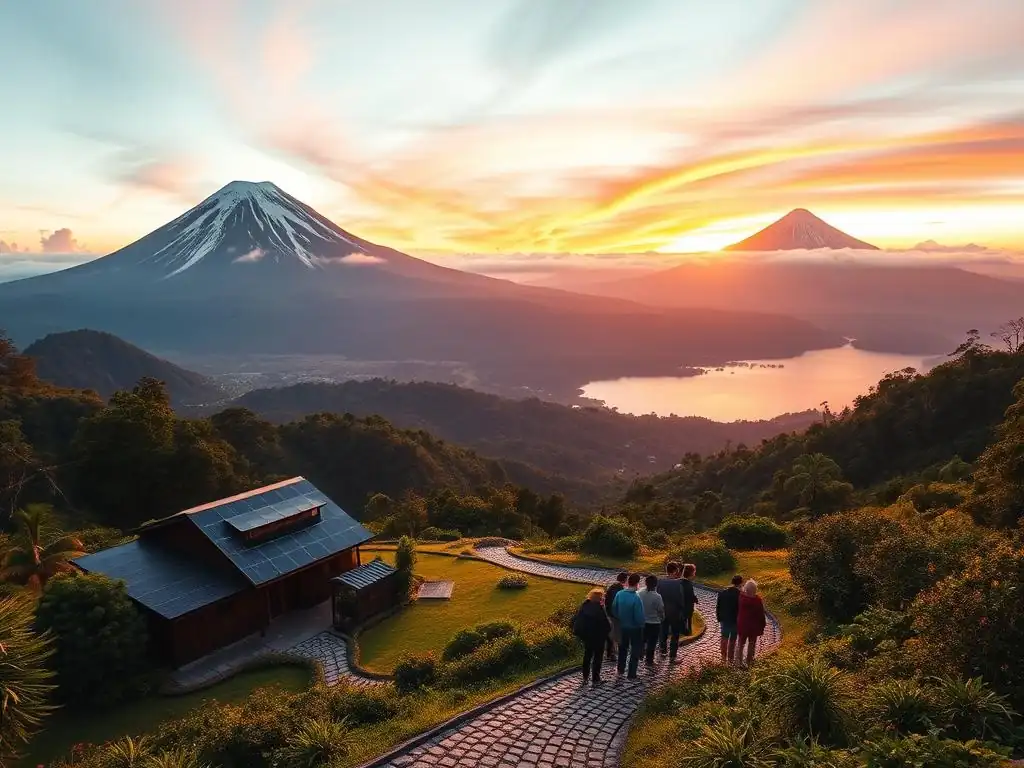
Welcome to Volcano Explorers!
Prepare to be captivated by the raw power and breathtaking beauty of volcanoes. Ever wondered how we can explore these fiery giants responsibly? This time, we're diving deep into the crucial topic of sustainable tourism near volcanoes. Discover how we can protect both these magnificent landscapes and the communities that call their slopes home, all while experiencing the wonder they inspire. Intrigued? The journey begins now...
- Introduction: The Allure and Impact of Volcano Tourism
- Sustainable Tourism Near Volcanoes: A Delicate Equilibrium
- Challenges to Sustainable Tourism Development Around Volcanoes
- Best Practices for Sustainable Volcano Tourism
- Case Studies: Success Stories in Sustainable Volcano Tourism
- The Role of Education and Awareness in Sustainable Volcano Tourism
- Mitigation Strategies: Preserving Volcanic Environments for Future Generations
- The Future of Sustainable Tourism Near Volcanoes
- Conclusion: Embracing a Sustainable Approach to Volcano Exploration
-
Frequently Asked Questions
- What is sustainable tourism near volcanoes, and why is it important?
- How can tourist activities impact volcanic environments?
- What are some examples of sustainable tourism practices near volcanoes?
- How can local communities benefit from sustainable tourism near volcanoes?
- Where can I find information on responsible tour operators and accommodations near volcanoes?
- Final Reflection: Embracing Responsible Exploration
- Ignite Your Inner Explorer: Champion Sustainable Volcano Tourism!
Introduction: The Allure and Impact of Volcano Tourism
Exploring the Dual Nature of Volcanic Destinations
Volcanoes, with their raw power and breathtaking landscapes, hold an undeniable allure for travelers. They are simultaneously symbols of destruction and creation, attracting millions annually to witness their majestic presence. From the snow-capped peaks of Mount Fuji in Japan to the fiery craters of Kilauea in Hawai'i, these geological wonders offer unparalleled experiences, ranging from thrilling hikes along caldera rims to serene moments observing geothermal features. However, this attraction comes with a significant impact.
The very environments that draw tourists are often fragile and vulnerable, requiring careful management to ensure their preservation. The influx of visitors can strain local resources, disrupt ecosystems, and even pose risks in areas prone to volcanic activity. Therefore, understanding the dual nature of volcano tourism – its potential for both wonder and detriment – is crucial for fostering responsible and sustainable practices.
The fascination with volcanoes is deeply rooted in human history and culture. For centuries, these natural phenomena have been revered, feared, and studied. Modern tourism capitalizes on this long-standing intrigue, offering curated experiences that range from educational tours led by volcanologists to adventurous expeditions into volcanic caves and lava fields.
This growing interest translates into economic opportunities for local communities, but it also presents a complex challenge: how to harness the economic potential of volcano tourism without compromising the very landscapes and ecosystems that make these destinations so captivating. The key lies in adopting a sustainable approach that balances the needs of tourists, local populations, and the environment, ensuring that future generations can also marvel at the beauty and power of these geological giants.
The Growing Popularity of Volcano-Based Tourism
The global tourism industry has witnessed a significant surge in niche markets, and volcano tourism is no exception. Fueled by a growing desire for unique and adventurous travel experiences, more and more people are seeking destinations where they can witness volcanic landscapes firsthand. Several factors contribute to this increasing popularity.
Documentaries and nature programs showcasing the dramatic beauty of volcanic eruptions and geothermal areas have piqued public interest. Social media platforms amplify this trend, with stunning images and videos of volcanoes shared widely, inspiring wanderlust and a desire to experience these locations personally. Furthermore, the rise of adventure tourism and ecotourism has created a demographic of travelers actively seeking destinations that offer both excitement and opportunities for environmental engagement.
Data from tourism boards in volcanic regions worldwide illustrates this upward trend. For example, Iceland, known for its volcanic landscapes and geothermal features, has seen its tourism numbers explode in the past decade. In 2010, Iceland welcomed approximately 488,000 tourists.
By 2019, this number had skyrocketed to over 2 million annually, a testament to the growing appeal of volcano-related experiences. Similarly, countries like Indonesia, with its numerous active volcanoes, and Chile, home to the volcanic Andes, are experiencing increased tourist arrivals drawn by the promise of volcanic adventures. This surge in popularity underscores the urgent need for sustainable tourism strategies to manage visitor impact and ensure the long-term preservation of these extraordinary natural environments.
Sustainable Tourism Near Volcanoes: A Delicate Equilibrium
Defining Sustainable Tourism in Volcanic Regions
Sustainable tourism near volcanoes goes beyond simply minimizing environmental damage; it embodies a holistic approach that integrates environmental, economic, and socio-cultural considerations. In the context of volcanic regions, sustainable tourism aims to protect the unique and often fragile ecosystems, support local communities, and provide enriching experiences for visitors, all while ensuring the long-term viability of these destinations. This definition acknowledges the inherent challenges of volcanic environments, including seismic activity, geothermal hazards, and fragile geological formations, and seeks to mitigate tourism's impact on these elements.
Operationally, sustainable tourism in volcanic areas means implementing practices that conserve natural resources, reduce pollution, and minimize disruption to wildlife and habitats. It also involves empowering local communities by providing economic opportunities, respecting cultural heritage, and ensuring that tourism benefits are distributed equitably. For tourists, it means offering educational and responsible travel experiences that promote awareness and appreciation for volcanic environments. Ultimately, the goal is to create a harmonious balance where tourism contributes positively to the region, preserving its natural and cultural assets for future generations while offering memorable and responsible adventures.
The Environmental Footprint of Volcano Tourism
While volcano tourism offers unique experiences, it inevitably leaves an environmental footprint. This footprint encompasses various aspects, from increased carbon emissions from transportation to the physical impact on volcanic landscapes. Air travel to reach remote volcanic destinations contributes significantly to greenhouse gas emissions. On-site, transportation within volcanic areas, often relying on vehicles with internal combustion engines, further adds to the carbon footprint and can cause localized air pollution. Beyond emissions, physical infrastructure development, such as hotels, roads, and trails, can lead to habitat fragmentation and destruction in sensitive volcanic ecosystems.
Furthermore, tourist activities themselves can contribute to environmental degradation. Uncontrolled foot traffic can cause soil erosion and damage fragile vegetation, particularly in areas with delicate volcanic soils. Waste generation from tourism, if not properly managed, can pollute land and water sources, impacting both ecosystems and local communities.
Noise pollution from vehicles and tourist groups can disturb wildlife, affecting their behavior and breeding patterns. Geothermal areas, often popular tourist attractions, are particularly vulnerable to damage from trampling and the introduction of foreign materials, which can alter their delicate chemical balance and microbial communities. Understanding and mitigating these diverse environmental impacts is crucial for developing truly sustainable volcano tourism practices.
Economic Benefits and Community Involvement in Sustainable Volcano Tourism
Sustainable tourism near volcanoes, when implemented effectively, can be a powerful engine for economic growth and community development. Volcano tourism generates revenue through various channels, including accommodation, transportation, guided tours, local restaurants, and souvenir sales. This income can provide vital economic opportunities for communities living in often remote and economically marginalized volcanic regions. By diversifying local economies beyond traditional sectors like agriculture or resource extraction, tourism can create more resilient and sustainable livelihoods.
However, for tourism to be truly sustainable and beneficial to local communities, their active involvement is paramount. Community-based tourism initiatives, where local residents are directly involved in planning, managing, and benefiting from tourism activities, are increasingly recognized as best practices. This approach ensures that tourism revenue is reinvested locally, empowering communities, preserving cultural heritage, and fostering a sense of ownership and stewardship over natural resources.
Examples range from community-run guesthouses and eco-lodges to locally guided tours that showcase indigenous knowledge and cultural traditions related to volcanoes. By prioritizing community involvement and equitable benefit sharing, sustainable volcano tourism can become a catalyst for both economic prosperity and social well-being.
Challenges to Sustainable Tourism Development Around Volcanoes
Infrastructure Limitations and Environmental Strain
Developing sustainable tourism around volcanoes presents unique infrastructure challenges and potential environmental strains. Volcanic regions are often characterized by rugged terrain, remoteness, and seismic activity, making infrastructure development complex and costly. Building roads, accommodation facilities, and visitor centers in these environments requires careful planning and engineering to minimize environmental impact and ensure safety. The very act of constructing infrastructure can lead to habitat disturbance, soil erosion, and visual pollution, detracting from the natural beauty of volcanic landscapes.
Moreover, the infrastructure required to support tourism, such as water supply, waste management, and energy provision, can place significant strain on local resources, particularly in areas with limited infrastructure capacity. Inadequate waste management systems, for instance, can lead to pollution of volcanic soils and water sources, while increased demand for water and energy can exacerbate existing resource scarcity issues. Sustainable tourism development must prioritize infrastructure solutions that are both environmentally sensitive and resilient to the unique challenges of volcanic environments, such as utilizing renewable energy sources, implementing efficient water management systems, and adopting eco-friendly building materials.
The Risk of Over-tourism in Volcanic Areas
The increasing popularity of volcano tourism brings with it the growing risk of over-tourism, a phenomenon where excessive visitor numbers negatively impact the environment, local communities, and the quality of the tourist experience itself. Fragile volcanic ecosystems are particularly susceptible to the pressures of over-tourism. Increased foot traffic can lead to soil compaction, erosion, and damage to delicate vegetation. Overcrowding at popular viewpoints and trails can diminish the sense of solitude and natural immersion that many volcano tourists seek, while also increasing the risk of accidents and safety hazards.
Furthermore, over-tourism can strain local communities, leading to increased prices, traffic congestion, and a decline in the quality of life for residents. The influx of tourists can also overwhelm local infrastructure and services, such as waste management and sanitation facilities, exacerbating environmental problems. Managing visitor numbers effectively is crucial for mitigating the risks of over-tourism in volcanic areas. Strategies such as implementing carrying capacity limits, diversifying tourism offerings to less crowded areas, and promoting off-season travel can help distribute visitor pressure and ensure a more sustainable and enjoyable tourism experience for all.
Balancing Conservation and Economic Growth: A Complex Equation
One of the central challenges of sustainable tourism development around volcanoes lies in balancing the often competing objectives of conservation and economic growth. Volcanic regions are often biodiversity hotspots, harboring unique flora and fauna adapted to extreme environments. They also hold immense geological and scientific value, providing insights into Earth's processes and volcanic activity. Conserving these natural assets is essential for maintaining ecological integrity, preserving biodiversity, and safeguarding scientific research opportunities for future generations.
However, tourism is often seen as a key driver of economic development in volcanic regions, offering opportunities for job creation, income generation, and infrastructure improvements. The economic benefits of tourism can be significant, particularly for communities facing economic hardship. Finding the right balance between maximizing economic gains from tourism and ensuring the long-term conservation of volcanic environments is a complex equation.
It requires careful planning, stakeholder collaboration, and a commitment to prioritizing sustainability over short-term economic gains. Strategies such as ecotourism certification schemes, revenue reinvestment in conservation projects, and community-based conservation initiatives can help reconcile these seemingly conflicting objectives and create a more sustainable and harmonious relationship between tourism and conservation.
Best Practices for Sustainable Volcano Tourism
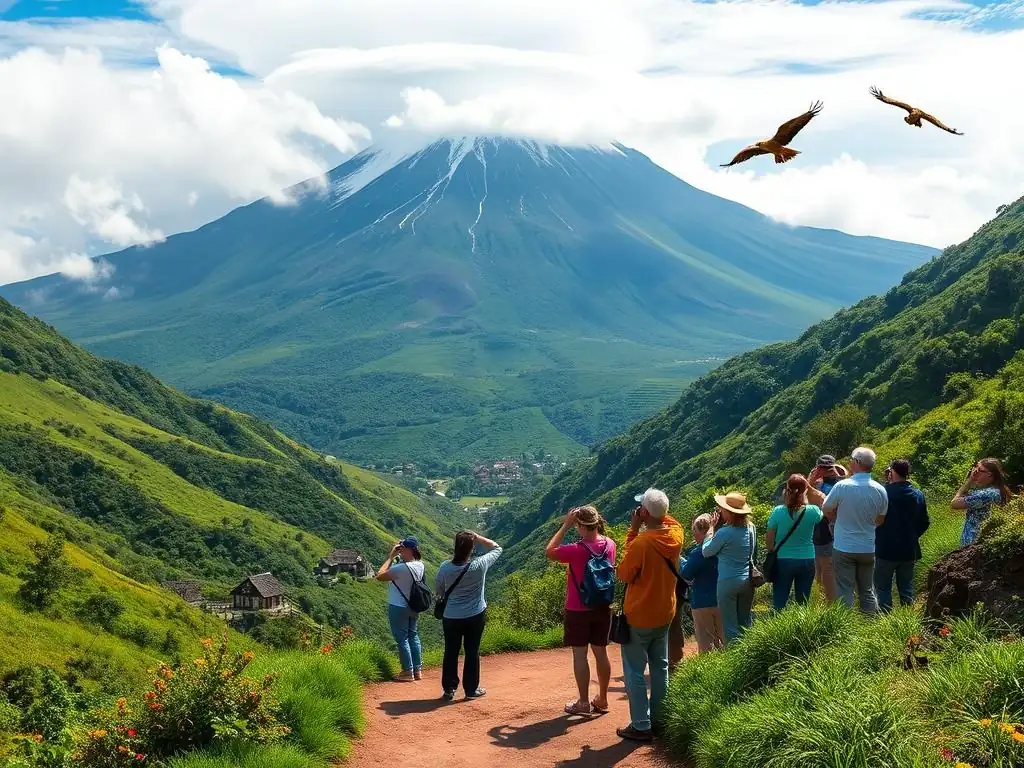
Eco-Friendly Accommodation and Transportation Options
Embracing eco-friendly accommodation and transportation is paramount for minimizing the environmental impact of volcano tourism. In terms of accommodation, eco-lodges and sustainable hotels are gaining prominence in volcanic regions. These establishments prioritize energy efficiency, often utilizing solar power or other renewable energy sources. They implement water conservation measures, such as rainwater harvesting and greywater recycling. Construction materials are often locally sourced and sustainable, minimizing embodied energy and supporting local economies. Waste management is a key focus, with composting, recycling, and reduction strategies in place. Choosing eco-friendly accommodation significantly reduces the environmental footprint associated with lodging.
Sustainable transportation options are equally crucial. Promoting walking, cycling, and the use of public transportation within volcanic areas minimizes carbon emissions and reduces traffic congestion. Electric vehicles and hybrid vehicles are increasingly viable alternatives to traditional gasoline-powered vehicles, particularly for guided tours and transportation within national parks.
Investing in well-maintained trails and cycling infrastructure encourages active and low-impact modes of transportation. For longer distances, promoting train travel or organized bus tours over individual car rentals can significantly reduce the overall carbon footprint of volcano tourism. By prioritizing eco-friendly accommodation and transportation, tourists can significantly lessen their environmental impact and contribute to the sustainability of volcano destinations.
Supporting Local Communities and Businesses
A cornerstone of sustainable volcano tourism is the active support of local communities and businesses. This approach ensures that tourism benefits are distributed equitably and contribute to the economic and social well-being of residents. Choosing locally owned and operated accommodations, restaurants, and tour companies directly injects tourism revenue into the local economy. This helps create jobs, support small businesses, and diversify income sources for communities that may have historically relied on less sustainable industries. Purchasing locally made crafts and souvenirs further strengthens local economies and promotes cultural preservation.
Engaging with community-based tourism initiatives is another powerful way to support local communities. These initiatives often involve local residents directly in the management and operation of tourism activities, ensuring that they have a voice in decision-making and receive a fair share of tourism benefits. Community-run guesthouses, guided tours led by local experts, and cultural experiences showcasing indigenous traditions are examples of such initiatives. By consciously choosing to support local communities and businesses, tourists become active participants in fostering sustainable and equitable tourism development in volcanic regions.
Minimizing Waste and Pollution in Volcanic Environments
Minimizing waste and pollution is essential for preserving the pristine beauty of volcanic environments. Tourists play a crucial role in this effort by adopting responsible waste management practices. Reducing single-use plastics is a key step. Bringing reusable water bottles, coffee cups, and shopping bags minimizes plastic waste generation.
Choosing products with minimal packaging and avoiding individually wrapped items further reduces waste. Properly disposing of waste in designated bins and recycling where facilities are available is essential. In remote volcanic areas with limited waste management infrastructure, practicing "pack it in, pack it out" principles, meaning taking all trash out of the area, is crucial.
Beyond solid waste, minimizing other forms of pollution is also important. Avoiding the use of harsh chemicals and detergents in volcanic areas protects fragile ecosystems and water sources. Staying on marked trails and avoiding off-trail exploration prevents soil erosion and habitat damage.
Respecting wildlife and avoiding feeding or disturbing animals helps maintain natural ecological balance. Being mindful of noise levels and minimizing noise pollution ensures a more tranquil and enjoyable experience for both tourists and wildlife. By adopting these simple yet effective practices, tourists can significantly contribute to minimizing waste and pollution and preserving the natural integrity of volcanic environments.
Case Studies: Success Stories in Sustainable Volcano Tourism
Volcanoes National Park, Hawai'i: Integrating Culture and Conservation
Volcanoes National Park in Hawai'i serves as a compelling example of integrating culture and conservation in sustainable volcano tourism. The park, home to two active volcanoes, Kilauea and Mauna Loa, recognizes the deep cultural significance of volcanoes to Native Hawaiians. Park management actively collaborates with local communities and cultural practitioners to incorporate Hawaiian cultural values and traditions into park interpretation and management practices. This includes respecting sacred sites, incorporating traditional ecological knowledge into conservation efforts, and providing opportunities for cultural education and engagement for visitors.
Sustainable tourism practices are integral to the park's operation. Efforts are made to minimize environmental impact through trail maintenance, waste management, and resource conservation. Educational programs raise awareness among visitors about volcanic hazards, ecosystem fragility, and cultural sensitivity. The park also works to ensure that tourism benefits local communities through employment opportunities and support for local businesses. Volcanoes National Park demonstrates that sustainable volcano tourism can be achieved by respecting cultural heritage, prioritizing conservation, and fostering collaboration between park management, local communities, and visitors.
Timanfaya National Park, Lanzarote: Geopark Model for Sustainable Tourism
Timanfaya National Park on the island of Lanzarote, Spain, showcases the Geopark model for sustainable tourism in a volcanic landscape. Designated as a UNESCO Geopark, Timanfaya emphasizes the geological heritage of the volcanic island while promoting sustainable development and tourism. The park effectively manages visitor access to the volcanic landscape, utilizing guided bus tours and designated walking trails to minimize environmental impact. Geothermal demonstrations showcase the volcanic activity in a controlled and educational manner, attracting visitors while protecting sensitive areas.
Sustainability is embedded in the park's infrastructure and operations. The iconic restaurant, El Diablo, utilizes geothermal heat for cooking, demonstrating a practical application of renewable energy. Educational centers and interpretive programs highlight the geological, ecological, and cultural significance of the volcanic landscape. The Geopark designation fosters collaboration between the park, local communities, and businesses to promote sustainable tourism development across the island. Timanfaya National Park exemplifies how the Geopark model can effectively integrate conservation, education, and sustainable tourism in a volcanic region, creating a model for responsible volcano exploration.
Arenal Volcano Area, Costa Rica: Community-Based Ecotourism Initiatives
The Arenal Volcano area in Costa Rica provides a strong example of community-based ecotourism initiatives driving sustainable volcano tourism. The region, dominated by the majestic Arenal Volcano, has developed a thriving ecotourism sector that prioritizes environmental conservation and community benefits. Local communities are actively involved in tourism businesses, including eco-lodges, guided tours, and adventure activities. Many accommodations are small-scale, locally owned, and designed to minimize environmental impact, often utilizing sustainable building materials and practices.
Community-based tourism initiatives in the Arenal area focus on showcasing the natural beauty of the volcanic landscape and promoting responsible wildlife viewing. Guided hikes through rainforests surrounding the volcano, ziplining adventures, and hot springs visits are popular activities that generate revenue for local communities while promoting environmental awareness. The success of ecotourism in Arenal demonstrates that community involvement, environmental stewardship, and a focus on nature-based experiences can create a sustainable and economically viable model for volcano tourism, benefiting both the environment and local populations.
The Role of Education and Awareness in Sustainable Volcano Tourism
Educating Tourists about Volcanic Hazards and Ecosystems
Education and awareness are fundamental pillars of sustainable volcano tourism. Educating tourists about volcanic hazards is paramount for ensuring their safety and responsible behavior in volcanic areas. Pre-trip information, on-site signage, and guided tours should clearly communicate potential volcanic risks, such as eruptions, gas emissions, and unstable terrain. Tourists should be informed about evacuation procedures, safety guidelines, and appropriate behavior in case of volcanic activity. Understanding the potential dangers empowers tourists to make informed decisions and act responsibly, minimizing risks and ensuring their well-being.
Equally important is educating tourists about the unique ecosystems and geological features of volcanic landscapes. Interpretive centers, guided tours, and educational materials can highlight the ecological significance of volcanic environments, showcasing the specialized flora and fauna adapted to these extreme conditions. Explaining the geological processes that shape volcanic landscapes, from magma formation to eruption dynamics, enhances visitor appreciation and understanding. Raising awareness about the fragility of volcanic ecosystems and the potential impacts of tourism encourages responsible behavior and fosters a sense of environmental stewardship among visitors.
Raising Awareness Among Local Communities
Education and awareness initiatives are not only crucial for tourists but also for local communities living in volcanic regions. Raising awareness among local residents about the principles and benefits of sustainable tourism is essential for fostering community support and participation. Educational programs can highlight the economic opportunities that sustainable tourism can provide, while also emphasizing the importance of environmental conservation and cultural preservation. Workshops and training programs can equip local communities with the skills and knowledge needed to participate effectively in the tourism sector, whether as guides, accommodation providers, or business owners.
Furthermore, raising awareness about environmental issues, such as waste management and ecosystem protection, empowers local communities to become active stewards of their natural resources. Community-based environmental education programs can promote sustainable practices in daily life and encourage community involvement in conservation efforts. By fostering a shared understanding of the benefits of sustainable tourism and the importance of environmental protection, education and awareness initiatives can build a strong foundation for long-term sustainability in volcanic regions.
Promoting Responsible Travel Practices
Promoting responsible travel practices among tourists is a crucial aspect of sustainable volcano tourism. Responsible travel goes beyond simply minimizing environmental impact; it encompasses ethical considerations, cultural sensitivity, and a commitment to contributing positively to local communities. Tour operators and tourism businesses play a key role in promoting responsible travel by providing clear guidelines and information to tourists. Pre-trip briefings, website resources, and on-site signage can communicate responsible travel practices and encourage tourists to adopt them.
Responsible travel practices include respecting local cultures and traditions, supporting local businesses, minimizing waste and pollution, conserving water and energy, and avoiding disturbance to wildlife and habitats. Tourists can also contribute to responsible travel by choosing eco-friendly accommodations and transportation, participating in community-based tourism initiatives, and engaging in educational and interpretive experiences. By actively promoting responsible travel practices, the volcano tourism industry can foster a culture of sustainability and ensure that tourism benefits both visitors and host communities while preserving the natural and cultural heritage of volcanic regions.
Mitigation Strategies: Preserving Volcanic Environments for Future Generations
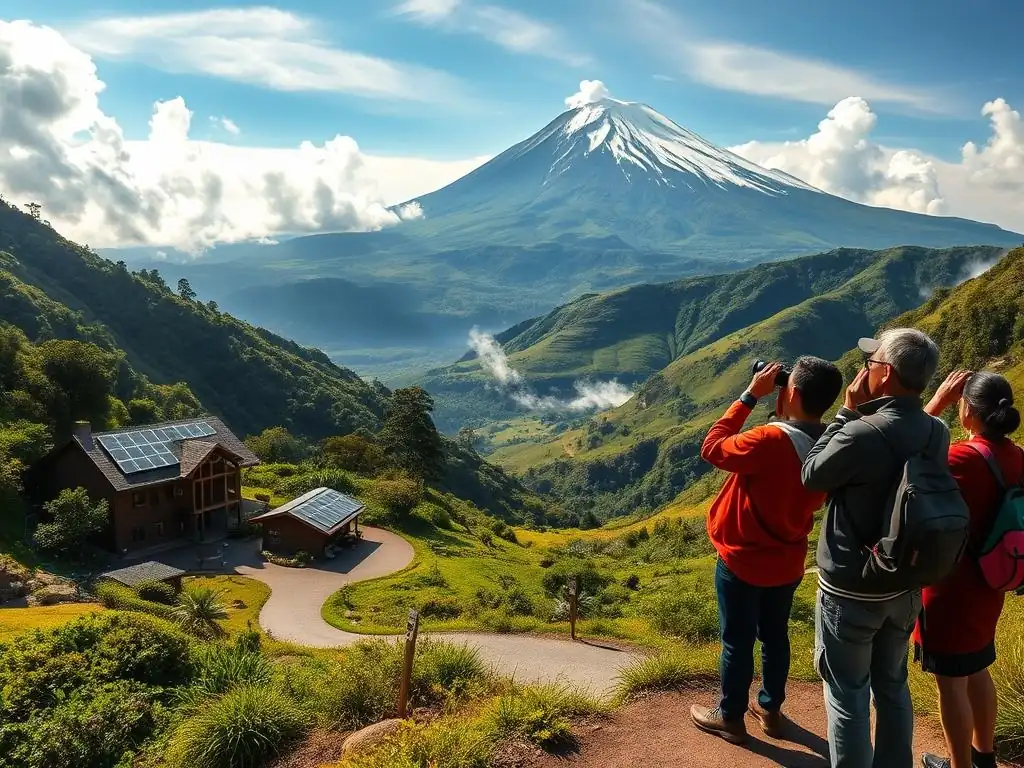
Implementing Carrying Capacity Limits
Implementing carrying capacity limits is a vital mitigation strategy for preserving volcanic environments from the negative impacts of over-tourism. Carrying capacity refers to the maximum number of visitors that an area can accommodate without causing unacceptable environmental, social, or experiential degradation. Determining appropriate carrying capacity limits requires careful assessment of the specific characteristics of each volcanic destination, including its ecological sensitivity, infrastructure capacity, and visitor experience objectives. Factors such as trail width, parking availability, waste management capacity, and the fragility of ecosystems should be considered.
Once carrying capacity limits are established, various management tools can be used to regulate visitor numbers. Permit systems, reservation systems, and timed entry tickets can effectively control access to popular volcanic sites. Pricing strategies, such as differential pricing for peak and off-peak seasons, can incentivize visitors to travel during less crowded times. Promoting alternative destinations and diversifying tourism offerings can also help distribute visitor pressure and reduce congestion at hotspots. Implementing carrying capacity limits ensures that visitor numbers remain within sustainable levels, protecting volcanic environments and preserving the quality of the tourist experience for future generations.
Investing in Sustainable Infrastructure
Investing in sustainable infrastructure is essential for mitigating the environmental impact of volcano tourism and ensuring long-term preservation. Sustainable infrastructure encompasses facilities and systems designed to minimize environmental footprint, conserve resources, and enhance visitor experience. This includes eco-lodges and hotels built with sustainable materials and utilizing renewable energy sources. Developing well-maintained trails and boardwalks minimizes soil erosion and habitat disturbance while providing safe and accessible visitor access. Investing in efficient waste management systems, including recycling and composting facilities, reduces pollution and protects volcanic landscapes.
Sustainable infrastructure also includes visitor centers and interpretive facilities that educate tourists about volcanic hazards, ecosystems, and responsible travel practices. Investing in public transportation, such as electric shuttle buses and cycling infrastructure, reduces reliance on private vehicles and minimizes carbon emissions. Water conservation measures, such as rainwater harvesting and water-efficient fixtures, reduce water consumption and protect water resources. By prioritizing investments in sustainable infrastructure, volcano tourism destinations can minimize their environmental impact, enhance visitor experience, and ensure the long-term viability of these valuable natural assets.
Strengthening Environmental Regulations and Enforcement
Strengthening environmental regulations and enforcement is crucial for protecting volcanic environments from unsustainable tourism practices. Clear and comprehensive environmental regulations are needed to govern tourism activities in volcanic regions, addressing issues such as waste disposal, habitat protection, infrastructure development, and visitor behavior. Regulations should be tailored to the specific ecological sensitivities and challenges of each volcanic destination, taking into account local conditions and stakeholder input. Effective enforcement of environmental regulations is equally important.
Adequate staffing of park rangers and environmental enforcement officers is necessary to monitor tourism activities, ensure compliance with regulations, and address violations. Penalties for environmental infractions should be sufficiently deterrent to discourage unsustainable practices. Collaboration between government agencies, tourism businesses, and local communities is essential for effective environmental regulation and enforcement. Community-based monitoring programs can empower local residents to participate in environmental stewardship and report violations. By strengthening environmental regulations and ensuring effective enforcement, volcano tourism destinations can safeguard their natural resources and promote responsible and sustainable tourism practices.
The Future of Sustainable Tourism Near Volcanoes
Emerging Trends in Responsible Travel
The future of sustainable tourism near volcanoes is being shaped by emerging trends in responsible travel. A growing segment of travelers is actively seeking experiences that are not only adventurous and enriching but also environmentally and socially responsible. This trend, often referred to as conscious travel or ethical tourism, prioritizes destinations and businesses that demonstrate a commitment to sustainability. Volcano tourism destinations that embrace responsible travel principles are increasingly attractive to this discerning market.
Emerging trends include a greater emphasis on minimizing carbon footprint, with tourists seeking low-carbon transportation options and eco-friendly accommodations. There is a growing demand for authentic cultural experiences and opportunities to engage with local communities, moving beyond mass tourism models. Regenerative tourism, which aims to go beyond sustainability by actively restoring and enhancing ecosystems and communities, is gaining traction.
Technology plays an increasingly important role, with digital platforms facilitating sustainable travel choices and providing information on eco-friendly options. Volcano tourism destinations that adapt to these emerging trends and cater to the growing demand for responsible travel are well-positioned for long-term success.
The Importance of Collaboration and Partnerships
Collaboration and partnerships are paramount for ensuring the future sustainability of volcano tourism. Sustainable tourism is not solely the responsibility of individual businesses or government agencies; it requires a collective effort involving all stakeholders. Effective collaboration between tourism businesses, government agencies, local communities, non-governmental organizations, and research institutions is essential for developing and implementing sustainable tourism strategies. Partnerships can leverage diverse expertise, resources, and perspectives to address complex challenges and achieve shared goals.
Collaboration is crucial for developing integrated destination management plans that balance tourism development with environmental conservation and community well-being. Public-private partnerships can facilitate investments in sustainable infrastructure and promote innovation in eco-friendly tourism practices. Community participation in decision-making processes ensures that tourism development aligns with local needs and priorities. International collaborations can facilitate knowledge sharing and best practice exchange in sustainable volcano tourism management. By fostering strong collaboration and partnerships, the volcano tourism sector can build a more resilient and sustainable future.
Ensuring the Long-Term Viability of Volcano Tourism
Ensuring the long-term viability of volcano tourism requires a proactive and adaptive approach. Volcanic environments are dynamic and subject to natural hazards, including eruptions, earthquakes, and landslides. Climate change also poses significant challenges, potentially altering ecosystems, increasing extreme weather events, and impacting tourism infrastructure. Sustainable volcano tourism strategies must be resilient to these environmental changes and uncertainties. Long-term viability requires ongoing monitoring of environmental and social impacts, adaptive management approaches, and continuous improvement of sustainable practices.
Investing in research and monitoring programs provides valuable data for informed decision-making and adaptive management. Developing contingency plans for volcanic eruptions and other natural disasters ensures visitor safety and minimizes disruption to tourism operations. Diversifying tourism offerings and reducing reliance on single attractions enhances resilience to environmental changes and visitor fluctuations.
Promoting responsible tourism practices and fostering a culture of sustainability among tourists and businesses ensures the long-term health and vitality of volcano destinations. By adopting a proactive and adaptive approach, the volcano tourism sector can navigate future challenges and ensure its long-term viability, preserving the beauty and wonder of volcanic landscapes for generations to come.
Conclusion: Embracing a Sustainable Approach to Volcano Exploration
Reconciling Adventure and Conservation
Reconciling the desire for adventure and exploration with the imperative of conservation is the central challenge and opportunity of sustainable volcano tourism. Volcanoes inherently embody both the thrill of adventure and the need for careful stewardship. Their raw power and dramatic landscapes attract those seeking unique and exhilarating experiences. Yet, these very environments are often fragile and vulnerable, requiring careful management to ensure their long-term preservation. Sustainable volcano tourism seeks to bridge this gap, demonstrating that adventure and conservation are not mutually exclusive but rather mutually reinforcing.
By embracing responsible travel practices, supporting local communities, and minimizing environmental impact, tourists can experience the thrill of volcano exploration while contributing to the conservation of these extraordinary landscapes. Eco-friendly accommodations, sustainable transportation options, and community-based tourism initiatives offer avenues for adventure that align with conservation values.
Education and awareness programs empower tourists to become informed and responsible explorers, appreciating both the beauty and the fragility of volcanic environments. Reconciling adventure and conservation requires a shift in mindset, moving away from purely consumptive tourism models towards a more mindful and sustainable approach that values both the experience of exploration and the responsibility of preservation.
A Call to Action for Responsible Volcano Tourism
The future of volcano tourism hinges on a collective commitment to responsible practices. This is a call to action for all stakeholders – tourists, tourism businesses, government agencies, and local communities – to embrace sustainability as the guiding principle for volcano exploration. Tourists are called upon to be conscious travelers, making informed choices that minimize their environmental footprint, support local communities, and respect cultural heritage. Tourism businesses are urged to adopt sustainable practices, invest in eco-friendly infrastructure, and prioritize responsible operations. Government agencies are encouraged to strengthen environmental regulations, enforce them effectively, and promote sustainable tourism policies.
Local communities are invited to actively participate in tourism planning and management, ensuring that tourism benefits are shared equitably and that cultural and environmental values are protected. Together, by embracing a collaborative and responsible approach, we can ensure that volcano tourism becomes a force for good, contributing to both economic prosperity and environmental conservation. The challenge is significant, but the rewards are immense: preserving the awe-inspiring beauty and geological wonder of volcanoes for future generations while creating sustainable livelihoods and enriching experiences for all who venture into the shadow of these giants.
Frequently Asked Questions
What is sustainable tourism near volcanoes, and why is it important?
Sustainable tourism near volcanoes focuses on minimizing environmental impact and supporting local communities while allowing visitors to experience these natural wonders. It's important to preserve the environment and ensure the long-term benefits for local populations.
How can tourist activities impact volcanic environments?
Tourist activities can lead to erosion, pollution, and disruption of natural habitats surrounding volcanoes. Increased foot traffic, waste disposal, and infrastructure development can all contribute to negative environmental effects.
What are some examples of sustainable tourism practices near volcanoes?
Examples include supporting local businesses, using eco-friendly transportation, and participating in responsible waste management. Choosing tours that prioritize environmental conservation and cultural sensitivity is also crucial.
How can local communities benefit from sustainable tourism near volcanoes?
Sustainable tourism can create economic opportunities for local residents, preserve cultural heritage, and empower communities to manage their resources effectively. It ensures that tourism benefits, rather than exploits, the local population.
Where can I find information on responsible tour operators and accommodations near volcanoes?
Websites like VolcanoExplorers.org often provide listings of certified sustainable tour operators and eco-friendly accommodations. Look for certifications and reviews that highlight commitment to environmental and social responsibility.
Final Reflection: Embracing Responsible Exploration
The allure of volcanic landscapes, as explored throughout this article, is undeniable, drawing travelers from across the globe. However, the delicate balance between economic benefit and environmental preservation is now more crucial than ever, particularly in regions experiencing a surge in "sustainable tourism near volcanoes." We must acknowledge the profound impact our presence has on these fragile ecosystems.
The ongoing influence of tourism, both positive and negative, shapes the cultural and environmental landscape around these majestic giants. My hope is that this article serves as a catalyst for a more conscious approach to travel, one that prioritizes the well-being of local communities and the preservation of these natural wonders. We do not inherit the earth from our ancestors; we borrow it from our children.
This ancient proverb reminds us of our responsibility to future generations.
As you reflect on the breathtaking beauty and inherent vulnerability of these volcanic regions, I urge you to consider your own role in their preservation. Let us all strive to be more than just tourists; let us be responsible stewards, ensuring that the awe-inspiring power and beauty of these landscapes remain for generations to come. Choose sustainable practices, support local initiatives, and advocate for responsible tourism policies. The future of these volcanic paradises, and indeed our planet, depends on it.
Okay, here's a CTA designed for the end of a web article titled "Balancing Beauty and Burden: Sustainable Tourism in the Shadow of Giants" on the website "Volcano Explorers" (volcanoexplorers.org):
Ignite Your Inner Explorer: Champion Sustainable Volcano Tourism!
Thank you for delving into the complexities of sustainable tourism near volcanoes. We hope this article has sparked a deeper understanding of the delicate balance between exploring these majestic landscapes and protecting them for future generations. Now, it's your turn to make a difference!
Here are a few ways you can contribute to sustainable volcano tourism:
- Embark on a conscious adventure: Plan your next volcano visit with locally owned and eco-certified tour operators. Prioritize experiences that directly benefit the community and minimize environmental impact. This is the single most impactful action you can take.
- Become a Volcano Guardian: Share this article with your friends, family, and fellow travel enthusiasts! Let's collectively raise awareness about the importance of responsible tourism in these unique ecosystems.
- Consider donating to volcano protection charities. Even a small amount can help protect the amazing volcanic regions.
What specific steps will you take on your next adventure to ensure a positive impact on the volcanic landscapes and local communities you visit? Let us know in the comments below!