
Divine Fury Unleashed: Roman Accounts of Volcanic Eruptions as Omens

Welcome to Volcano Explorers!
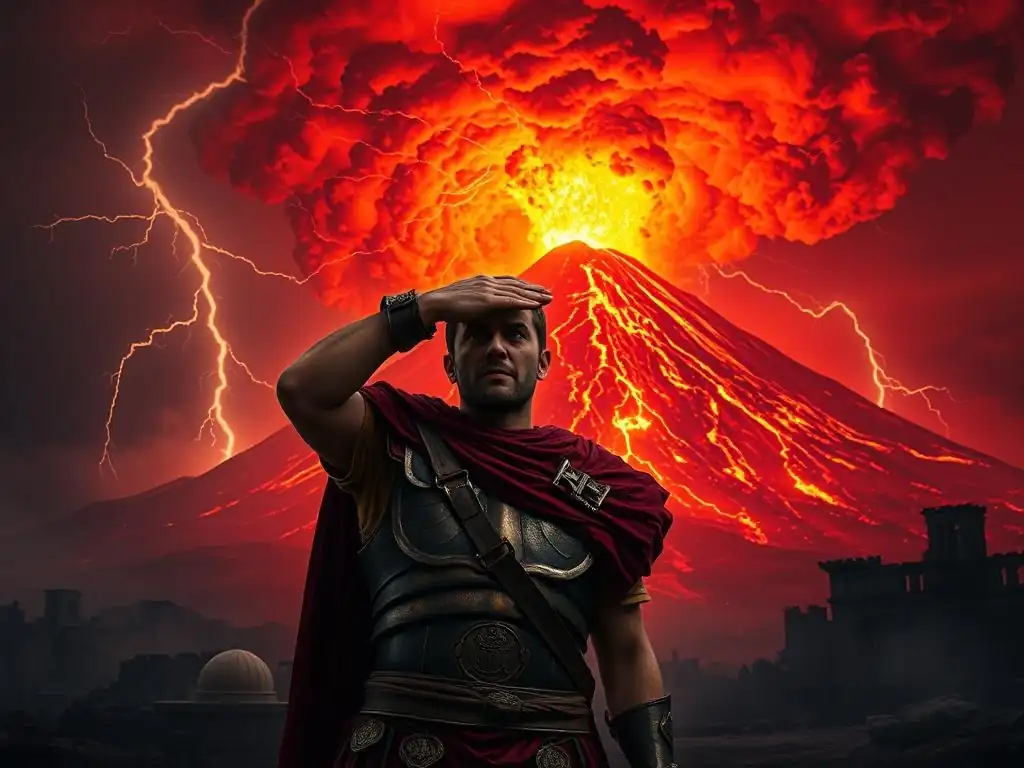
Prepare to journey into the heart of Earth's fiery giants. But before you witness the raw power of modern eruptions, let's rewind through history to a time when volcanic events were seen as messages from the gods. Dive into our latest exploration of Roman volcanic eruption omens and discover how ancient civilizations interpreted these earth-shattering events. Could the ancients have understood more than we give them credit for? Read on, and let the fiery revelations begin…
- Introduction: Volcanoes as Divine Messengers in Ancient Rome
-
Frequently Asked Questions
- How did the ancient Romans interpret volcanic eruptions?
- Did specific Roman emperors associate volcanic eruptions with their reign?
- What types of events did Romans believe volcanic eruptions foretold?
- Were there specific rituals or practices the Romans used to appease the gods after an eruption?
- How did Roman writers document volcanic eruptions and their perceived meanings?
- Final Reflection: Echoes of Vesuvius
- Decode Ancient Whispers: Your Volcanic Journey Starts Now!
Introduction: Volcanoes as Divine Messengers in Ancient Rome
Setting the Stage: The Roman World and Natural Disasters
The Roman world, a vast empire stretching across continents, was no stranger to the unpredictable forces of nature. Earthquakes, floods, storms, and plagues were all too familiar occurrences that could disrupt daily life, devastate communities, and inspire both fear and awe. In a society deeply rooted in religious beliefs and the interpretation of divine will, these natural disasters were rarely seen as random events.
Instead, they were often perceived as messages from the gods, divine pronouncements meant to communicate displeasure, warnings, or even blessings. The Romans, pragmatic in many aspects of life, were also deeply superstitious and believed in a complex system of omens, signs, and portents that could reveal the intentions of the divine.
Within this context of interpreting natural phenomena as divine communication, volcanic eruptions held a particularly potent significance. Unlike more common occurrences like storms, volcanic eruptions were relatively infrequent and far more dramatic. The earth itself seemed to be convulsing, spewing fire, ash, and molten rock into the sky.
The sheer power and destructive capacity of a volcano, capable of burying entire cities and altering landscapes in moments, resonated deeply with the Roman understanding of divine power. These events were not merely natural disasters; they were dramatic displays of the gods’ capacity for both creation and annihilation, demanding interpretation and understanding within the framework of Roman religious and societal beliefs.
The Dual Nature of Volcanoes: Destruction and Awe in Roman Culture
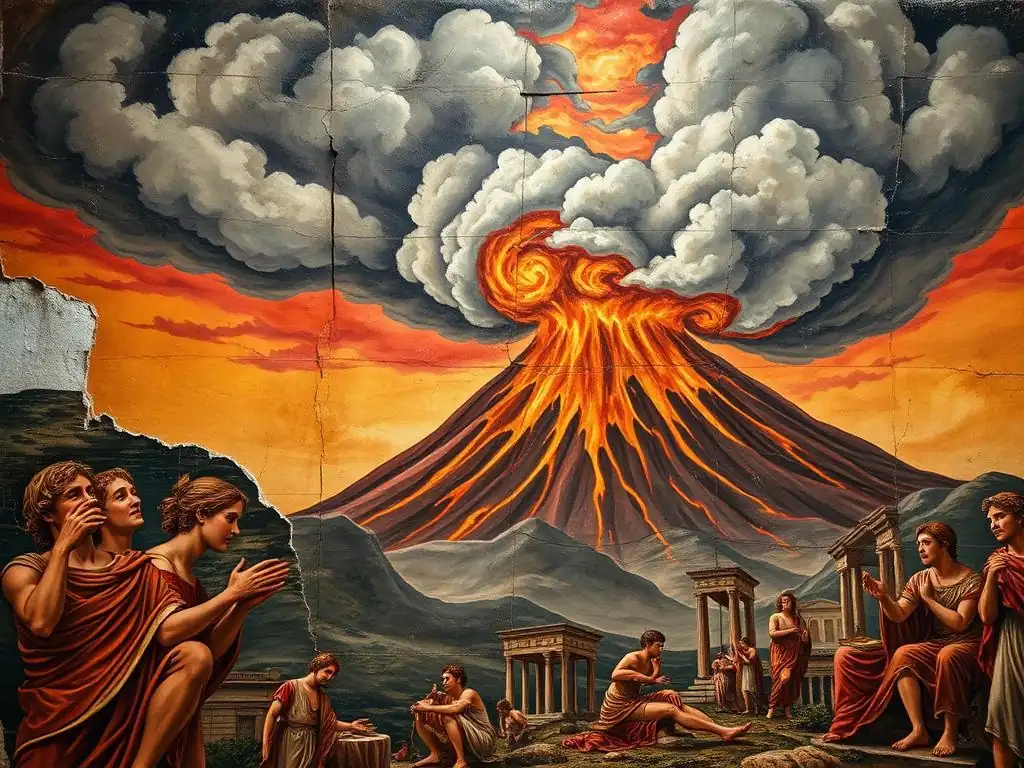
Volcanoes, in the Roman world, were imbued with a dual nature, representing both terrifying destruction and awe-inspiring power. On one hand, the destructive potential of a volcanic eruption was undeniable. The eruption of Mount Vesuvius in 79 AD, which buried Pompeii and Herculaneum, served as a stark and horrifying reminder of the devastation these geological events could unleash.
Eyewitness accounts, such as those from Pliny the Younger, vividly describe the raining ash, the suffocating fumes, and the agonizing deaths that accompanied such eruptions. This destructive aspect naturally led to interpretations of volcanic eruptions as signs of divine wrath or punishment.
On the other hand, volcanoes also evoked a sense of awe and wonder. The sheer spectacle of fire bursting from the earth, the towering plumes of smoke and ash reaching into the heavens, and the raw energy unleashed were all seen as manifestations of immense, almost supernatural power. The fertile volcanic soil that could result after eruptions, though after a period of destruction, was also recognized, hinting at a cycle of destruction and renewal inherent in these natural phenomena.
This duality meant that Roman interpretations of volcanic eruptions were not always solely negative. They could also be seen as warnings, opportunities for repentance, or even signs that, while destructive, ultimately served a larger, divinely ordained purpose within the cosmos.
Thesis Statement: Exploring Roman Interpretations of Volcanic Eruptions as Omens
This article delves into the Roman understanding of volcanic eruptions, specifically focusing on how these dramatic events were interpreted as omens. We will explore the Roman religious and cultural context that shaped these interpretations, examining the roles of gods, seers, and societal beliefs in deciphering the messages conveyed by volcanic activity.
By analyzing historical accounts, particularly focusing on the eruptions of Mount Vesuvius and Mount Etna, and considering archaeological evidence, we aim to understand how the Romans perceived volcanic eruptions not merely as natural disasters, but as potent divine communications that could foretell the future, reflect the present state of affairs, and demand a response from both individuals and the Roman state. Ultimately, this exploration will reveal how Roman volcanic eruption omens provide a fascinating window into the intersection of ancient religion, societal anxieties, and the awe-inspiring power of the natural world.
Frequently Asked Questions
How did the ancient Romans interpret volcanic eruptions?
The ancient Romans often viewed volcanic eruptions as divine warnings or omens of impending disaster, either political or natural. These were interpreted by priests and seers.
Did specific Roman emperors associate volcanic eruptions with their reign?
Yes, accounts suggest that eruptions during an emperor's reign were often interpreted as a reflection of their leadership and moral standing. A large eruption might be seen as divine displeasure.
What types of events did Romans believe volcanic eruptions foretold?
Romans thought eruptions could predict military defeats, political upheaval, or even plagues and famines. The severity of the eruption often correlated with the perceived scale of the future event.
Were there specific rituals or practices the Romans used to appease the gods after an eruption?
Historical records indicate that the Romans performed various religious rituals and sacrifices to appease the gods after a volcanic eruption, hoping to avert further calamities.
How did Roman writers document volcanic eruptions and their perceived meanings?
Roman historians and writers like Pliny the Younger provided detailed accounts of eruptions, often including their interpretation of the omen's significance and the impact on Roman society.
Final Reflection: Echoes of Vesuvius
The chilling accounts of Roman volcanic eruptions, once interpreted as divine pronouncements of wrath and impending doom, resonate even today. While we now understand the science behind these cataclysmic events, the human tendency to seek meaning in chaos, to find patterns in destruction, remains a powerful and enduring aspect of our nature. The echoes of Vesuvius, and the interpretations placed upon it by the Romans, serve as a potent reminder of our vulnerability and our enduring need to understand the forces that shape our world.
The enduring power of these ancient narratives lies in their ability to connect us to a shared human experience – the struggle to comprehend the incomprehensible. The fear and awe experienced by the Romans, as they witnessed the earth itself erupting, are emotions that transcend time and culture. The gods are just, and of our pleasant vices / Make instruments to plague us.
- William Shakespeare, King Lear. This quote, though not Roman, perfectly encapsulates the Roman mindset of attributing natural disasters to divine displeasure, a mindset that continues to subtly influence how we perceive and react to global crises today.
Let us, therefore, reflect on the lessons gleaned from the ashes of Pompeii and Herculaneum. Consider how we, too, seek meaning in the face of overwhelming events. Let us strive to learn from the past, not by fearing the wrath of gods, but by understanding the power of nature and embracing our responsibility to protect ourselves and our planet. Let the memory of the Roman volcanic eruption omens inspire us to build a future where knowledge triumphs over superstition and resilience overcomes despair.
Decode Ancient Whispers: Your Volcanic Journey Starts Now!
Thank you for exploring the fascinating connection between Roman beliefs and volcanic eruptions! We hope you’ve gained a deeper appreciation for how ancient cultures interpreted these powerful events. Ready to delve even deeper into the history and mythology surrounding volcanoes?
Here are a few ways to continue your exploration:
- Retrace the steps of ancient Roman observers! Research the specific eruptions mentioned in the article and compare the ancient accounts to modern geological findings.
- Share this article with fellow history enthusiasts! Spread the knowledge and spark conversations about the intriguing intersection of volcanoes and ancient cultures.
- Dive into the archives: Search volcanoexplorers.org for more articles and breathtaking volcano images!
What other historical events do you think were interpreted as omens, and how do you think our understanding of natural phenomena has changed since then? Share your thoughts in the comments below!