
When the Rivers Turned to Ash: Medieval Agriculture and Volcanic Fallout

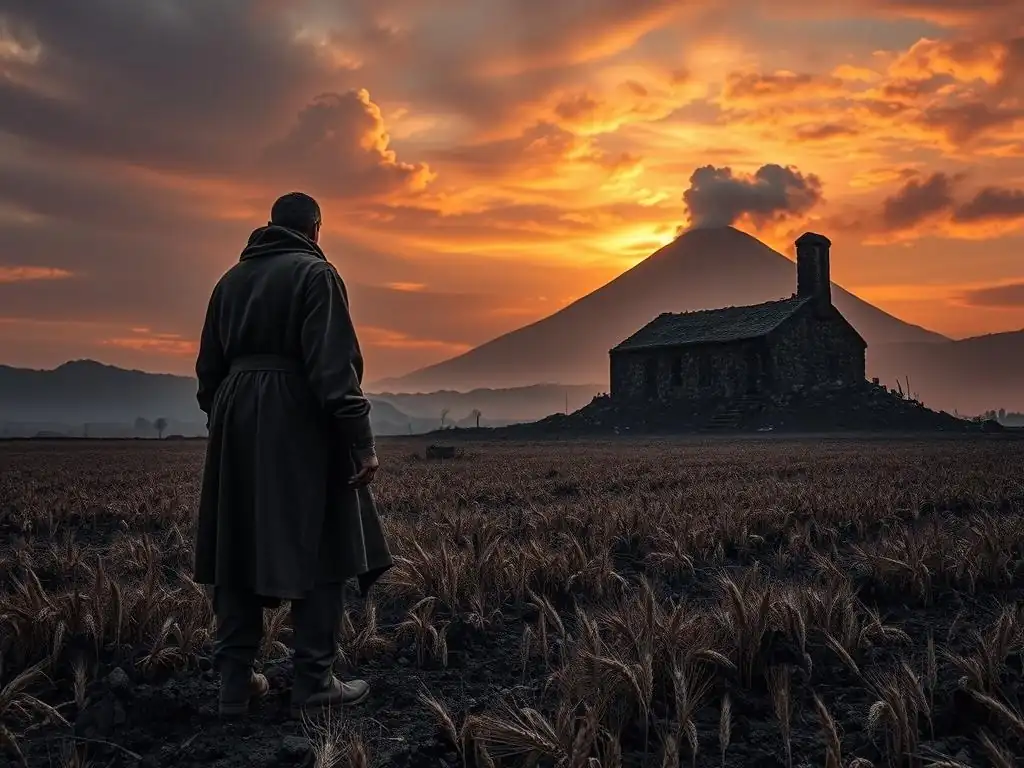
Welcome to Volcano Explorers, where the Earth breathes fire! Ever wondered how a single eruption could reshape the course of history? Prepare to uncover the surprising connection between ancient cataclysms and the fate of civilizations. Our journey begins with a fascinating look at the impact of volcanic fallout on Medieval Agriculture. But what happened when the rivers turned to ash? Dive in to discover the untold story...
- Introduction: Unearthing the Impact of Medieval Volcanic Eruptions on Agriculture
- The Little Ice Age and Increased Volcanic Activity: Setting the Stage for Medieval Agricultural Challenges
- Major Medieval Volcanic Eruptions and Their Reach: A Global Perspective
- Immediate Effects of Volcanic Ashfall on Medieval Agriculture
-
Frequently Asked Questions
- How did volcanic eruptions impact medieval agriculture?
- What specific types of damage did volcanic ash cause to medieval crops?
- Did medieval societies have any strategies to cope with volcanic fallout and its impact on agriculture?
- How did volcanic eruptions contribute to societal changes in medieval Europe?
- What is the lasting legacy of volcanic eruptions on medieval agriculture and land use?
- Final Reflection: Echoes of Ash, Lessons for Tomorrow
- Unearth the Past: Reclaim Our Future!
Introduction: Unearthing the Impact of Medieval Volcanic Eruptions on Agriculture
The Intersection of History and Volcanic Activity
Volcanic eruptions are often perceived as geological events with immediate, localized impacts. However, history reveals a much broader and longer-lasting influence, particularly on societies deeply rooted in agriculture. The medieval period, spanning roughly from the 5th to the 15th century, was a time when agriculture was the backbone of civilization.
Societies across Europe, Asia, and the Americas relied heavily on predictable harvests to sustain populations, trade, and political stability. When volcanic forces intervened, disrupting agricultural cycles, the repercussions resonated through all aspects of medieval life. Understanding the intersection of these two seemingly disparate domains—historical societies and volcanic activity—is crucial to appreciating the true scale of volcanic impact throughout history.
The medieval era witnessed significant volcanic events, some of which were of global magnitude. These eruptions were not merely spectacular natural phenomena; they were powerful agents of environmental and societal change. Volcanic fallout, in the form of ash and aerosols, could blanket vast regions, altering sunlight, temperature, and precipitation patterns.
For medieval populations whose livelihoods were inextricably linked to the land, these changes presented profound challenges. By examining the historical record, including chronicles, agricultural data, and scientific analyses of ice cores and tree rings, we can begin to reconstruct the intricate ways in which medieval agriculture was shaped and often disrupted by volcanic forces.
The Little Ice Age and Increased Volcanic Activity: Setting the Stage for Medieval Agricultural Challenges
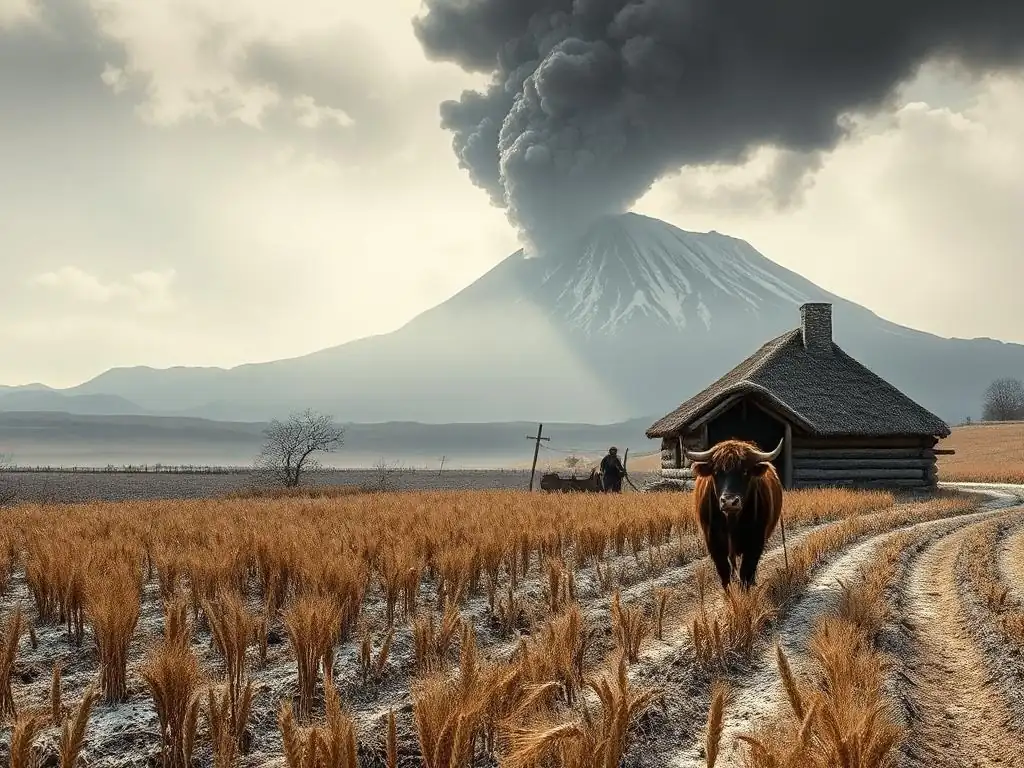
Volcanic Aerosols and Climate Cooling in the Medieval Period
The medieval period was not climatically uniform. While the early Middle Ages experienced a period of relative warmth known as the Medieval Warm Period, the later centuries saw a shift towards cooler temperatures, marking the onset of the Little Ice Age. This cooling trend, which began around the 13th century and intensified in subsequent centuries, is now understood to be partly driven by increased volcanic activity.
Volcanic eruptions inject sulfur dioxide gas into the stratosphere, where it reacts with water vapor to form sulfate aerosols. These aerosols are highly effective at reflecting incoming solar radiation back into space, leading to a reduction in global temperatures.
The impact of volcanic aerosols on medieval climate was not subtle. Large eruptions could cause significant, albeit temporary, cooling events that lasted for months or even years. For example, the massive Samalas volcano eruption in Indonesia around 1257 CE is estimated to have injected an enormous quantity of sulfur dioxide into the stratosphere.
Ice core records show a clear spike in sulfate deposition around this time, and historical chronicles from across Europe document unusually cold summers and harvest failures in the years following the eruption. This cooling effect, superimposed on the broader trend towards the Little Ice Age, exacerbated the challenges faced by medieval agriculture, making crops more vulnerable to frost damage, shortening growing seasons, and disrupting established agricultural practices.
Major Medieval Volcanic Eruptions and Their Reach: A Global Perspective
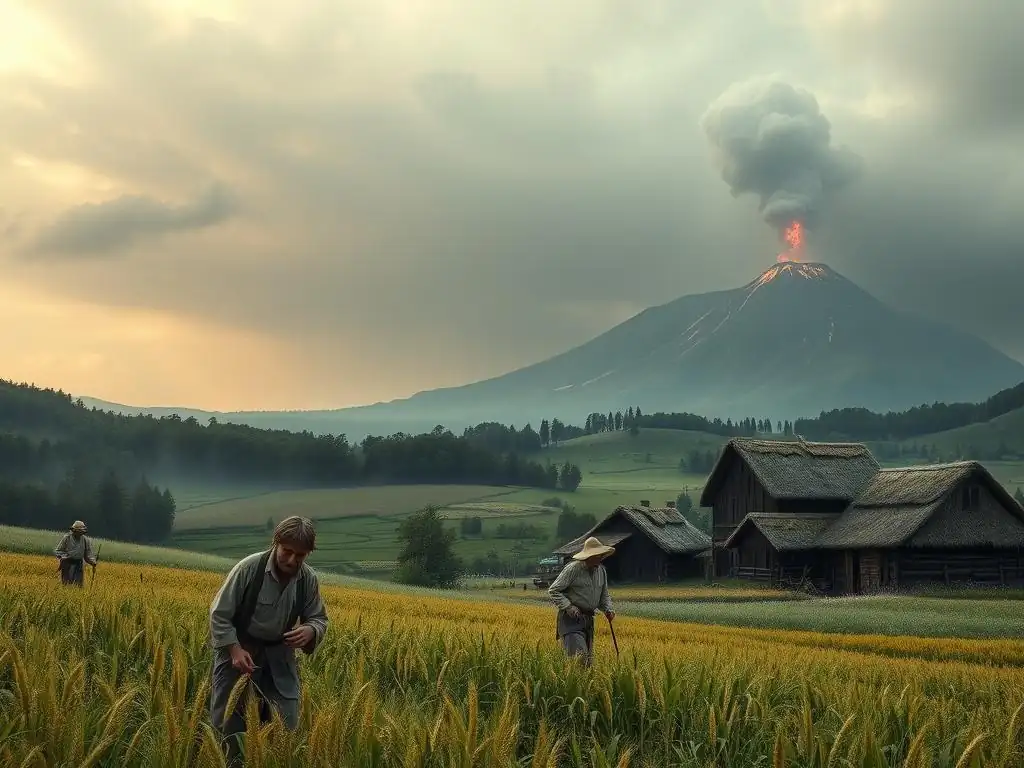
Key Volcanic Events Affecting Medieval Europe and Beyond (Samalas, Kuwae, Grímsvötn)
Several major volcanic eruptions punctuated the medieval period, leaving their mark on societies across the globe. The 1257 eruption of Samalas volcano in Indonesia, as mentioned, is considered one of the largest eruptions of the Holocene epoch. Its impact was truly global, with evidence of its atmospheric effects found in ice cores from both Greenland and Antarctica. Medieval chronicles from Europe to the Middle East record unusually cold weather, widespread crop failures, and famine in the years following 1257, demonstrating the far-reaching consequences of this single volcanic event on medieval agriculture.
Another significant eruption occurred around 1452 or 1453 from the Kuwae volcano, located in the Vanuatu archipelago in the Pacific Ocean. While geographically distant from Europe, Kuwae's eruption also injected vast quantities of aerosols into the stratosphere, contributing to global cooling. Tree ring data and ice core records provide evidence of a sharp drop in temperatures around this time, and historical records from Europe again suggest a period of climatic instability and agricultural hardship.
Closer to Europe, the Icelandic volcano Grímsvötn has been persistently active throughout history, including the medieval period. While individual eruptions from Grímsvötn may have been smaller than Samalas or Kuwae, their frequency and location in the North Atlantic meant they could have had a more localized but nonetheless significant impact on medieval European weather patterns and agriculture, particularly in regions downwind of Iceland.
Immediate Effects of Volcanic Ashfall on Medieval Agriculture
Crop Damage: The Direct Impact of Ash Deposition on Medieval Harvests
Volcanic ashfall is perhaps the most visually dramatic and immediately impactful consequence of a volcanic eruption on agriculture. When an eruption occurs, fine particles of pulverized rock, minerals, and volcanic glass are ejected into the atmosphere and can be carried by winds for hundreds or even thousands of kilometers. If significant ashfall reaches agricultural areas, it can cause immediate and widespread damage to crops.
A thick layer of ash can physically smother plants, blocking sunlight necessary for photosynthesis and hindering gas exchange through leaf pores (stomata). The weight of ash can also cause lodging, where cereal crops like wheat and barley are flattened, making harvesting extremely difficult or impossible.
The abrasive nature of volcanic ash also poses a direct threat to crops. The tiny, sharp particles can damage plant tissues, particularly delicate fruits and vegetables, making them unmarketable and susceptible to disease. Furthermore, even a thin coating of ash on leaves can reduce photosynthetic efficiency and increase water stress in plants, leading to reduced yields.
Historical accounts from regions experiencing volcanic eruptions often vividly describe the devastation of ashfall on medieval harvests. For example, records from Iceland following eruptions of Hekla in the medieval period detail fields buried under ash, crops destroyed, and subsequent famines. The immediate impact of ash deposition on medieval agriculture was therefore a significant and often catastrophic reduction in food availability.
Livestock Vulnerability: Ash Contamination and the Health of Medieval Farm Animals
The impact of volcanic eruptions on medieval agriculture extended beyond crops to include livestock, which were integral to the agricultural system for draught power, manure, and food products like meat and milk. Volcanic ash poses several threats to livestock health. One of the most immediate dangers is respiratory distress. Inhaling fine volcanic ash particles can irritate the respiratory tracts of animals, leading to coughing, labored breathing, and in severe cases, respiratory diseases like silicosis. This was particularly problematic for animals grazing in ash-laden pastures or drinking from ash-contaminated water sources.
Beyond respiratory issues, ash contamination of pastureland and fodder crops led to digestive problems in livestock. Ingesting ash-covered vegetation could cause gastrointestinal irritation, dental abrasion, and impaction of the digestive tract. Fluoride, often present in volcanic ash, can also accumulate in animal tissues over time, leading to fluorosis, a debilitating condition affecting bones and teeth.
Water sources, crucial for livestock survival, were also vulnerable to contamination. Ash runoff into rivers and streams could pollute drinking water, making it unpalatable or even toxic to animals. Medieval farmers, therefore, faced the dual challenge of protecting their crops and ensuring the health and survival of their livestock in the aftermath of volcanic eruptions, further compounding the agricultural crisis.
Water Contamination: How Volcanic Ash Polluted Medieval Water Sources
Clean water was as essential to medieval agriculture and society as fertile land. Volcanic eruptions, however, could severely compromise water sources through ash contamination. Rainfall following an eruption washes volcanic ash into rivers, lakes, and wells, turning clear water into a murky, often undrinkable liquid. The fine particles of ash suspended in water can make it turbid and aesthetically unappealing, but more importantly, they can carry a range of chemical contaminants that pose health risks to both humans and livestock.
Volcanic ash can leach various elements into water, including fluorine, sulfur, and heavy metals. Fluoride contamination, as mentioned in the context of livestock, is a significant concern. High concentrations of fluoride in drinking water can lead to fluorosis in humans as well, causing dental and skeletal problems, particularly in children.
Sulfur compounds in ash can acidify water sources, making them corrosive and potentially harmful to drink. The presence of heavy metals, even in trace amounts, can also pose long-term health risks. For medieval communities reliant on surface water and shallow wells, volcanic ash contamination could render their primary water sources unusable for extended periods, exacerbating the challenges of food production and daily life in the wake of volcanic disasters.
Frequently Asked Questions
How did volcanic eruptions impact medieval agriculture?
Volcanic eruptions caused widespread crop failures due to ashfall blocking sunlight and contaminating water sources. This led to famine and economic hardship in affected regions.
What specific types of damage did volcanic ash cause to medieval crops?
The ash physically damaged plants, smothering leaves and preventing photosynthesis. It also contaminated soil, making it unsuitable for growing crops for extended periods and acidified water sources.
Did medieval societies have any strategies to cope with volcanic fallout and its impact on agriculture?
Yes, they employed strategies like crop diversification to mitigate losses, ash removal from fields (though limited effectiveness), and reliance on stored food supplies when available.
How did volcanic eruptions contribute to societal changes in medieval Europe?
Severe eruptions led to increased social unrest due to food shortages and economic instability. They also spurred migration away from affected areas and, in some cases, political upheaval.
What is the lasting legacy of volcanic eruptions on medieval agriculture and land use?
Volcanic eruptions left a lasting impact on soil composition, sometimes enriching the soil in the long term, but also causing long-term abandonment of some agricultural lands after particularly devastating events. The memory and fear of such events also influenced land management practices for centuries.
Final Reflection: Echoes of Ash, Lessons for Tomorrow
The devastation wrought by volcanic eruptions on medieval agriculture serves as a stark reminder of the fragility of our food systems in the face of natural disasters. What happened centuries ago, when ash choked the fields and rivers ran gray, echoes in our current climate crisis, urging us to understand and prepare for similar challenges that may lie ahead.
The resilience, ingenuity, and sometimes, the tragic failures of medieval farmers in the face of volcanic fallout deeply resonate today. Their struggles highlight the profound connection between human societies and the environment, a connection we often take for granted. Those who cannot remember the past are condemned to repeat it.
- George Santayana. This quote underscores the importance of learning from history, not just to understand the past, but to safeguard our future.
Let us, therefore, reflect on the lessons learned from "When the Rivers Turned to Ash." Consider how we can build more resilient agricultural systems, develop better disaster preparedness strategies, and foster a deeper respect for the power and unpredictability of nature. The past speaks volumes; it is up to us to listen, learn, and act to ensure a more sustainable and secure future for all.
Okay, I'm ready. Here's a CTA crafted based on your specifications, targeting readers of an article titled "When the Rivers Turned to Ash: Medieval Agriculture and Volcanic Fallout" on Volcano Explorers (volcanoexplorers.org):
Unearth the Past: Reclaim Our Future!
Thank you for delving into the dramatic intersection of medieval agriculture and volcanic devastation. You've gained a deeper understanding of how past eruptions shaped societies and ecosystems. Now, let's turn that knowledge into action!
Here are a few ways you can continue your exploration and contribute to a better future:
- Analyze the impact of a local volcanic event on historical farming practices in your region using readily available historical records. Start by visiting your local historical society or library.
- Explore the role of modern farming techniques in mitigating the impacts of potential volcanic ashfalls, share insights with a friend.
- Volunteer your time with a local organization focused on sustainable agriculture and disaster preparedness. Help build resilient communities for generations to come!
How will you use this historical perspective to cultivate a more resilient future in the face of environmental challenges?