
From Ash to Art: Transforming Volcanic Materials into Performance Pieces

Welcome to Volcano Explorers!
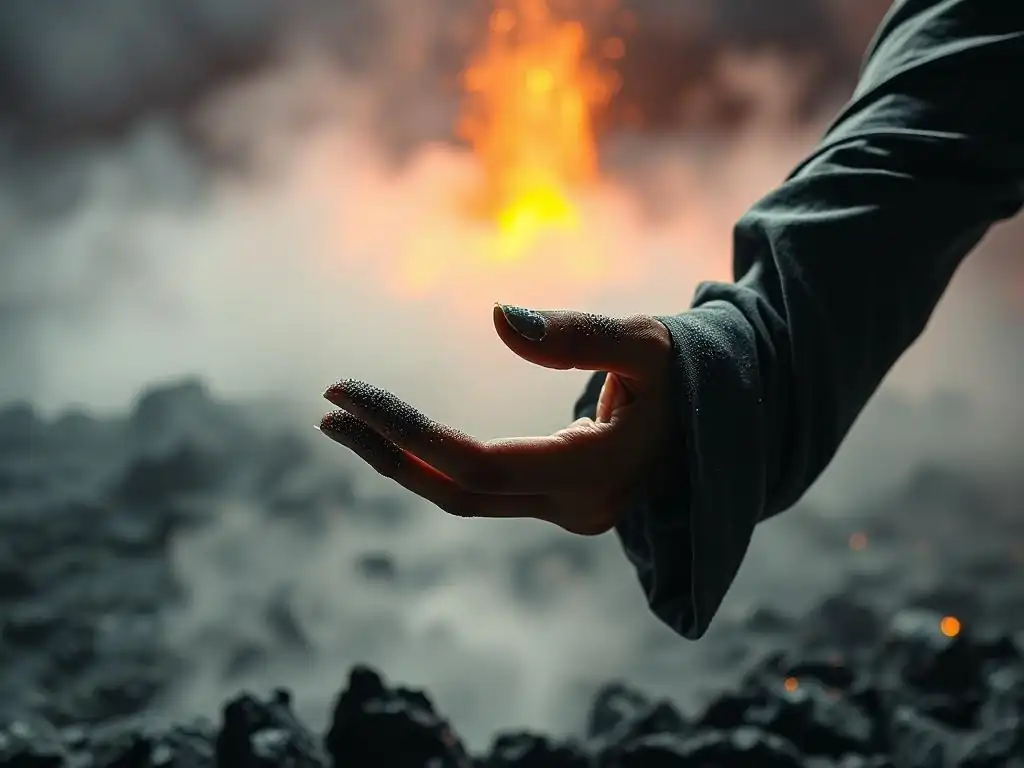
Prepare to be captivated by the Earth's fiery heart. But what happens when that raw power meets human creativity? In " From Ash to Art: Transforming Volcanic Materials into Performance Pieces," we uncover the surprising ways volcanic materials are being used to create breathtaking and thought-provoking art. It's a story that's both destructive and beautiful, and it's just the beginning of your exploration into the cultural significance of volcanoes right here on VolcanoExplorers.org. Intrigued? Delve deeper and discover the extraordinary possibilities born from the ashes...
- The Allure of Volcanoes in Performance Art
- Sourcing Volcanic Materials for Artistic Creation
- Transforming Volcanic Ash: From Dust to Sculptural Forms
- Utilizing Lava Rock in Performance and Installation Art
- Performance Art with Volcanic Materials: Risk and Reward
- Volcanic Materials as Instruments: Creating Soundscapes of the Earth
- Future Directions in Volcanic Art and Performance
-
Frequently Asked Questions
- How are volcanic materials used in art, specifically performance art?
- What types of volcanic materials are most commonly used by artists?
- What is the significance of using volcanic materials in art related to cultural or historical contexts?
- Where can I find information about artists who work with volcanic materials?
- Are there any environmental concerns associated with using volcanic materials in art?
- Final Reflection: The Enduring Power of Transformation
- Unleash Your Inner Volcano Artist!
The Allure of Volcanoes in Performance Art
Exploring the Cultural Significance of Volcanic Landscapes in Art
Volcanic landscapes have held a powerful grip on the human imagination for millennia, permeating art across cultures and eras. From ancient cave paintings depicting eruptions to Romantic landscape paintings capturing the sublime terror of volcanoes, these geological forces have consistently served as potent symbols. Consider the Māori people of New Zealand, for whom volcanic landscapes are deeply intertwined with mythology and ancestral narratives.
Mount Ruapehu, for example, is not merely a mountain but a sacred ancestor, its eruptions carrying profound spiritual meaning reflected in traditional carvings and performance rituals. Similarly, in Japan, Mount Fuji, a dormant volcano, has been immortalized in countless works of art, embodying notions of beauty, strength, and the transient nature of life, deeply influencing Japanese aesthetics and performance traditions like Noh theatre.
The dramatic scenery sculpted by volcanic activity—jagged peaks, steaming vents, and vast lava fields—offers a stage in itself, inspiring artists to respond to its inherent drama. The stark beauty and raw power of these environments resonate with fundamental human experiences of awe, fear, and transformation. Think of the volcanic landscapes of Iceland, which have become synonymous with otherworldly beauty and desolation, attracting artists from around the globe.
These landscapes are not just backdrops; they are active participants in the artistic process, their geological history and ongoing activity informing and shaping creative expression in diverse forms, from visual arts to performance. The very ground beneath our feet in volcanic regions speaks volumes, and artists are increasingly listening and translating these geological narratives into compelling artistic statements.
Volcanoes in Music and Performing Arts: An Introduction
The incorporation of volcanic themes and, more strikingly, actual volcanic materials into music and performing arts represents a fascinating intersection of geology, culture, and artistic innovation. Beyond merely depicting volcanoes in paintings or literature, artists are now engaging with the very substance of volcanic eruptions—ash, lava rock, and geothermal energy—to create immersive and visceral performance experiences.
This trend marks a shift from passive observation to active participation with volcanic phenomena, utilizing the raw energy and materials of these geological events as artistic mediums. From sound installations using the resonant properties of lava rock to dance performances staged amidst volcanic landscapes, artists are pushing the boundaries of traditional art forms to explore the dramatic potential of volcanic environments.
This exploration is not simply about spectacle; it's about forging a deeper connection with the Earth’s dynamic processes. By using volcanic materials in art, performers are tapping into a primal source of energy and transformation, mirroring the destructive and creative forces inherent in volcanic activity.
The ephemeral nature of performance art, combined with the powerful symbolism of volcanoes, creates a unique space for exploring themes of impermanence, change, and the relationship between humanity and the natural world. This interdisciplinary approach, blending earth science with artistic expression, offers audiences new ways to understand and appreciate the profound impact of volcanoes on our planet and our cultural imagination.
Sourcing Volcanic Materials for Artistic Creation
Ethical Considerations for Gathering Volcanic Ash and Lava Rock
The allure of using authentic volcanic materials in art must be tempered with a strong ethical framework. Gathering volcanic ash and lava rock, particularly from protected areas or active volcanic sites, raises significant environmental and cultural considerations. For instance, in many volcanic regions, lava formations and ash deposits are part of delicate ecosystems that support unique flora and fauna.
Indiscriminate collection can disrupt these habitats, leading to soil erosion, habitat loss, and the degradation of natural landscapes. Furthermore, many indigenous cultures hold volcanic sites as sacred, with specific geological formations carrying deep spiritual significance. Removing materials from these sites without permission or understanding of their cultural value is not only disrespectful but can also be legally problematic.
Before collecting any volcanic materials, artists must prioritize responsible sourcing. This involves thorough research to identify areas where collection is permitted and environmentally sustainable. Consulting with local communities, environmental agencies, and geological experts is crucial to ensure that any collection activities are conducted ethically and legally.
In some cases, volcanic ash may be collected as a byproduct of volcanic hazard mitigation efforts, offering a more sustainable source. Alternatively, artists might consider using commercially available volcanic materials sourced from quarries or suppliers who adhere to ethical and environmental standards. The key is to approach the use of volcanic materials with respect for both the environment and the cultural heritage associated with volcanic landscapes, ensuring that artistic creation does not come at the expense of ecological or cultural integrity.
Sustainable Practices in Volcanic Art: Minimizing Environmental Impact
Sustainability must be at the forefront of any artistic practice involving volcanic materials. Beyond ethical sourcing, artists should consider the entire lifecycle of their artwork, from material acquisition to disposal, minimizing environmental impact at every stage. For example, when working with volcanic ash, artists can explore using eco-friendly binding agents and firing techniques that reduce energy consumption and emissions. In ceramics, low-fire glazes incorporating volcanic ash can be a more sustainable alternative to high-fire processes. Furthermore, minimizing waste through careful material planning and recycling or repurposing leftover materials is essential.
The concept of ephemeral art aligns particularly well with sustainable practices in volcanic art. Performance pieces and installations that are designed to be temporary and leave minimal trace can significantly reduce environmental impact compared to permanent artworks requiring extensive material use and disposal. Consider the use of volcanic ash in temporary land art installations that naturally degrade over time, returning to the landscape from which they originated.
Similarly, performance pieces that utilize volcanic materials in situ, without removing them from their natural environment, can offer powerful artistic experiences while respecting ecological boundaries. By embracing sustainable practices, artists can ensure that their engagement with volcanic materials is not only creatively enriching but also environmentally responsible, contributing to a more conscious and ethical approach to artmaking.
Iceland's Volcanic Landscape as Inspiration and Material Source
Iceland, a land forged by fire and ice, stands as a compelling example of how a volcanic landscape can serve as both profound inspiration and a tangible source of materials for artistic creation. The island's dramatic volcanic terrain, characterized by black sand beaches, towering basalt columns, and active geothermal areas, has deeply influenced Icelandic art and culture for centuries.
From traditional sagas referencing volcanic eruptions to contemporary music and visual arts, the volcanic environment is a constant presence in the Icelandic creative landscape. Artists are drawn to the raw beauty and elemental power of Iceland’s volcanoes, finding inspiration in the textures, colors, and geological processes that shape the island.
Beyond inspiration, Iceland also offers a unique context for sourcing volcanic materials for art, albeit with careful consideration for sustainability and regulations. Volcanic ash, readily available after eruptions, has been used by Icelandic artists in ceramics, sculptures, and even architectural projects. Lava rock, abundant across the island, finds its way into landscaping, sculptural installations, and building materials.
However, responsible sourcing is paramount. Icelandic authorities are increasingly focused on protecting their unique natural environment, and regulations regarding the collection of geological materials are in place. Artists working in Iceland must be mindful of these regulations, collaborating with local communities and adhering to sustainable practices to ensure that their artistic endeavors contribute to the preservation, rather than the exploitation, of this extraordinary volcanic landscape.
Transforming Volcanic Ash: From Dust to Sculptural Forms
Techniques for Working with Volcanic Ash: Binding Agents and Firing Processes
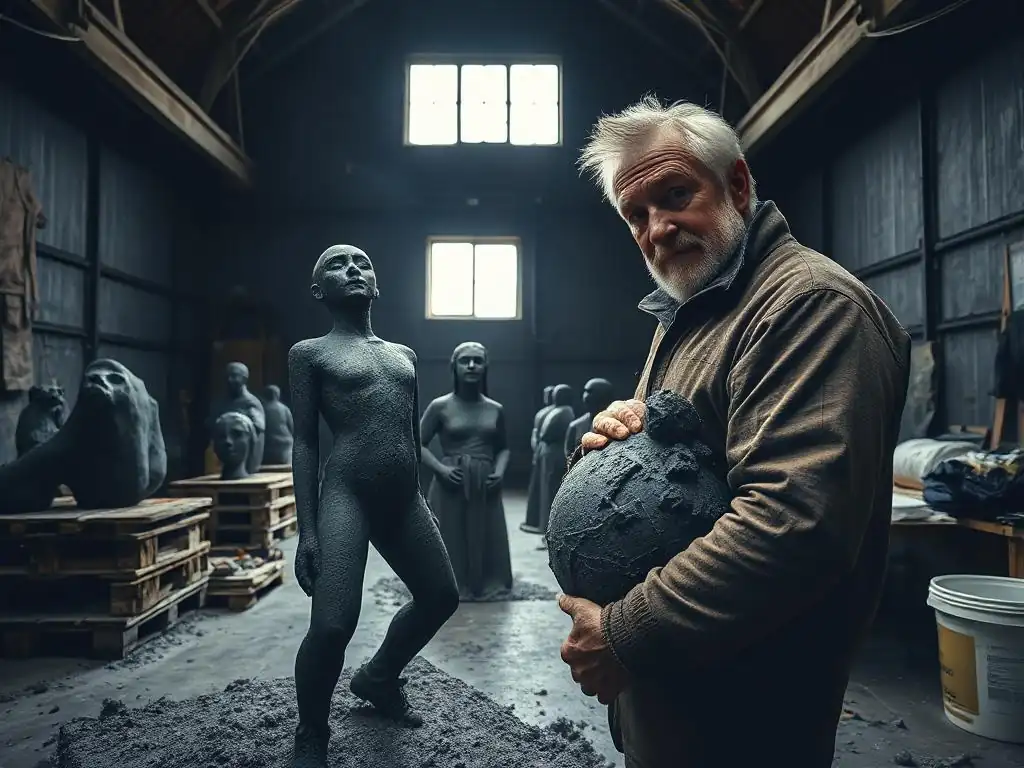
Volcanic ash, seemingly a fragile and ephemeral substance, possesses surprising versatility as an artistic medium. Transforming this fine particulate matter into durable sculptural forms requires understanding its unique properties and employing specific techniques. A crucial aspect is the selection of appropriate binding agents.
Traditional ceramic binders like clay can be mixed with volcanic ash to improve plasticity and workability. For non-fired applications, natural binders such as plant-based gums or even casein (milk protein) can be used to create more environmentally friendly and biodegradable sculptures. The choice of binder depends on the desired properties of the final artwork, whether it needs to be fired for permanence or remain unfired for a more temporary or conceptual piece.
Firing processes play a significant role in transforming volcanic ash into ceramic or stoneware forms. Volcanic ash itself often contains silica and alumina, the primary components of ceramic glazes. When mixed with clay and fired at high temperatures, the ash can contribute to the vitrification process, resulting in strong and durable ceramic objects.
The specific firing temperature and atmosphere (oxidation or reduction) will influence the final color and texture of the volcanic ash-infused ceramic. Experimentation with different firing schedules and ash-to-clay ratios is key to unlocking the unique aesthetic potential of this material. Artists are increasingly exploring raku firing techniques, which involve rapid temperature changes and often result in dramatic and unpredictable surface effects, perfectly complementing the volcanic nature of the material.
Volcanic Ash Glazes: Unique Textures and Colors in Ceramics
One of the most compelling applications of volcanic ash in ceramics is its use in creating distinctive glazes. Volcanic ash is a complex mixture of minerals and volcanic glass fragments, each contributing to the glaze's final characteristics. The specific composition of the ash, which varies depending on the volcano and eruption type, dictates the range of colors and textures achievable.
For example, ash rich in iron oxides may produce earthy red, brown, or black glazes, while ash with higher silica content might yield smoother, more glassy surfaces. The presence of trace elements can also contribute to unexpected and subtle color variations, making volcanic ash glazes inherently unique and unpredictable.
Volcanic ash glazes are prized for their natural, often unrefined aesthetic. They tend to exhibit variations in color and texture across the surface, creating a sense of depth and dynamism. These glazes can range from matte and earthy to glossy and flowing, depending on the firing conditions and the specific ash composition.
Ceramic artists are drawn to the unpredictable nature of volcanic ash glazes, embracing the element of chance and allowing the material to dictate the final outcome. This approach resonates with the inherent unpredictability of volcanic eruptions themselves, creating a powerful connection between the material and the artistic process. The use of volcanic ash glazes allows ceramic art to embody the very essence of volcanic landscapes, capturing their raw beauty and geological complexity in tangible forms.
Case Study: Olafur Eliasson and His Glacial Rock Compositions
While Olafur Eliasson is perhaps better known for his large-scale installations dealing with light, water, and atmospheric phenomena, his engagement with natural materials, including glacial rocks and landscapes reminiscent of volcanic terrains, offers relevant insights into the artistic use of geological elements. Eliasson's work often explores the relationship between humans and the environment, prompting viewers to reconsider their perception of nature and their place within it. His installations frequently incorporate raw, unprocessed materials like rocks, ice, and moss, emphasizing the inherent beauty and materiality of the natural world.
Although not explicitly focused on volcanic materials, Eliasson's approach to incorporating geological elements into his art provides a valuable case study for artists working with volcanic ash and lava rock. His emphasis on direct experience, sensory engagement, and the inherent qualities of materials resonates with the potential of volcanic materials to evoke a sense of place and geological history.
Eliasson’s use of glacial rocks, often presented in stark, minimalist arrangements, highlights their textural and formal qualities, inviting contemplation on the immense timescales of geological processes. This approach can be translated to volcanic materials, encouraging artists to showcase the raw beauty and inherent narratives embedded within volcanic ash and lava formations, moving beyond mere representation to a more direct and material-based artistic engagement with volcanic landscapes.
Utilizing Lava Rock in Performance and Installation Art
The Raw Power of Lava: Incorporating Volcanic Rock into Stage Design
Lava rock, in its solidified and often dramatic forms, offers a powerful visual and tactile element for stage design in performance art. Its jagged textures, varied colors ranging from black basalt to reddish scoria, and inherent associations with volcanic power can transform a stage into a landscape of geological drama. Imagine a stage strewn with large, irregular lava rocks, creating an uneven and challenging terrain for performers to navigate.
This immediately introduces a sense of rawness and primal energy, evoking the volcanic landscapes from which the material originates. The sheer weight and presence of lava rock on stage can also create a sense of groundedness and geological time, contrasting with the often ephemeral nature of performance.
Incorporating lava rock into stage design is not merely about visual aesthetics; it can also influence the performers' movements and the audience's sensory experience. The uneven surface encourages deliberate and careful movement, potentially inspiring choreography that reflects the challenges and beauty of volcanic terrains. The tactile nature of lava rock, even if not directly touched by the audience, can create a visceral connection to the earth and its geological forces.
Lighting design can further enhance the dramatic effect of lava rock on stage, highlighting its textures and casting dramatic shadows, transforming the performance space into a dynamic and evocative volcanic environment. The use of volcanic rock in stage design allows for a powerful and direct representation of geological forces within the context of performance art.
Sound and Texture: Exploring the Acoustic Properties of Lava
Beyond its visual impact, lava rock also possesses unique acoustic properties that can be explored in performance art, particularly in sound installations and musical performances. Different types of lava rock, varying in density and porosity, produce distinct sounds when struck or manipulated. Basalt, being denser, tends to produce deeper, resonant tones, while scoria, with its vesicular texture, might create lighter, more percussive sounds. Artists can experiment with striking lava rocks of different sizes and compositions with various implements to create a range of percussive sounds, exploring the sonic potential of this geological material.
The texture of lava rock also contributes to its acoustic properties. The rough, irregular surfaces can diffuse sound waves, creating interesting reverberation and echo effects. In sound installations, arrangements of lava rocks can be used to shape and direct sound, creating immersive sonic environments.
Imagine a performance space where sound is generated by manipulating lava rocks – scraping, rubbing, or gently tapping – amplified and processed to create a soundscape evocative of volcanic activity. This could range from subtle rumbling sounds reminiscent of subterranean magma movements to sharp, percussive sounds mirroring volcanic explosions. By exploring the acoustic properties of lava rock, artists can tap into a unique sonic palette derived directly from the Earth’s volcanic processes, adding another layer of sensory richness to performance art.
"SubTerra": A Fusion of Dance and Volcanic Elements
"SubTerra," a fictional performance piece, exemplifies the fusion of dance and volcanic elements, utilizing both lava rock and volcanic ash to create a powerful and immersive artistic experience. Imagine a dimly lit stage covered in a layer of volcanic ash, creating a soft, yielding surface. Scattered across the stage are large, irregularly shaped lava rocks, serving as both set pieces and obstacles for the dancers.
The performance begins with dancers emerging from beneath the ash, their movements slow and deliberate, as if rising from the depths of the earth. Their costumes, textured and earthy in tone, blend seamlessly with the volcanic landscape.
The choreography of "SubTerra" is inspired by volcanic processes – the slow, inexorable movement of magma, the explosive release of energy, and the gradual cooling and solidification of lava. Dancers interact with the lava rocks, using them as points of support, resistance, or even percussion. Volcanic ash is incorporated into the movement vocabulary, with dancers creating swirling patterns in the dust, evoking volcanic plumes and ash clouds.
The soundscape for "SubTerra" blends ambient sounds of volcanic activity – rumbles, hisses, and crackles – with percussive elements derived from striking lava rocks. Lighting shifts from deep reds and oranges, mimicking molten lava, to cool blues and grays, representing solidified rock and ash. "SubTerra" aims to create a visceral and evocative performance that explores the raw power and geological beauty of volcanic landscapes through the language of dance and the materiality of volcanic elements.
Performance Art with Volcanic Materials: Risk and Reward
Safety Protocols for Working with Volcanic Materials on Stage
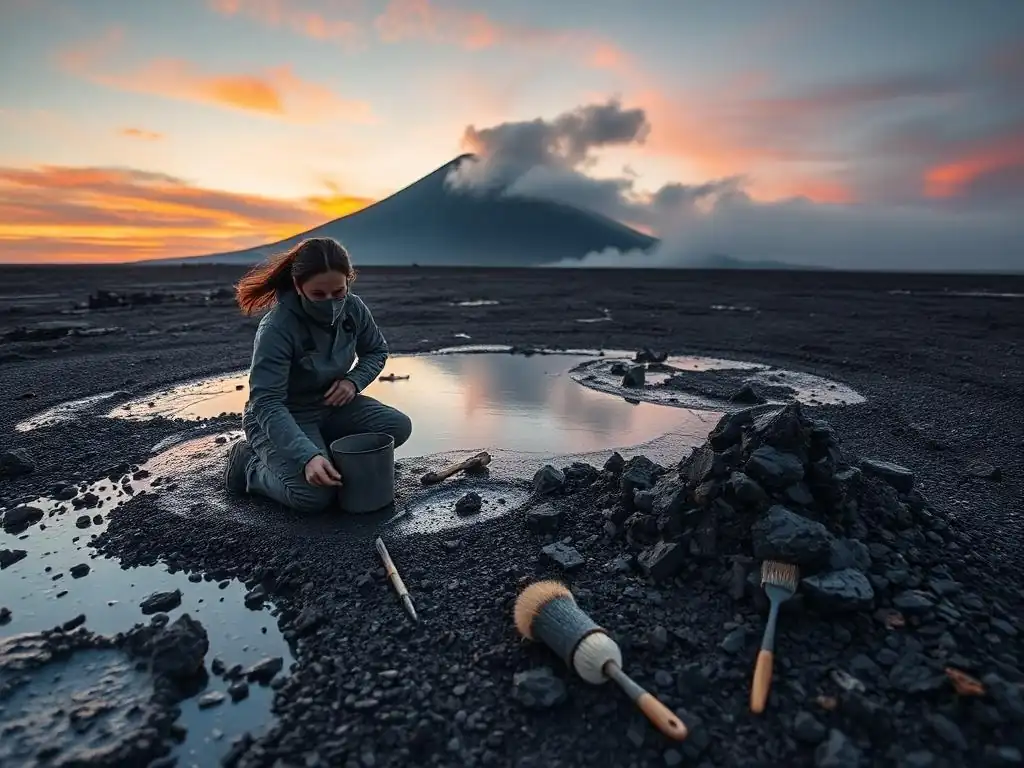
While the allure of volcanic materials in performance art is undeniable, safety must be paramount. Volcanic ash, though seemingly innocuous, can be abrasive and irritating to the respiratory system and eyes. Lava rock, while solid, can be heavy, sharp, and potentially unstable. Therefore, implementing strict safety protocols is crucial for any performance involving these materials, protecting both performers and audience members.
For performances utilizing volcanic ash, proper ventilation is essential to minimize dust inhalation. Performers should wear respirators or dust masks, eye protection, and protective clothing to prevent skin irritation. If volcanic ash is used to create dust effects, the quantity should be carefully controlled and dispersed in a way that minimizes airborne particles.
When working with lava rock on stage, stability and weight are key considerations. Large rocks should be securely positioned to prevent them from shifting or falling, especially during dynamic performances. Performers should be trained on safe handling techniques for lifting and moving lava rocks, using proper lifting techniques and protective gloves to avoid injury. The stage surface should be checked for stability and reinforced if necessary to support the weight of the rocks.
Clear pathways and safe zones should be established on stage to minimize the risk of tripping or collisions. Furthermore, audience areas should be kept a safe distance from the stage to prevent any accidental projections of volcanic materials. A thorough risk assessment and safety briefing should be conducted before each performance, ensuring that all participants are aware of potential hazards and safety procedures.
The Ephemeral Nature of Volcanic Art: Capturing the Moment
Performance art, by its very nature, is often ephemeral, existing primarily in the moment of its execution. When combined with volcanic materials, which themselves are products of dynamic and often transient geological processes, this ephemerality is amplified. Volcanic ash, easily dispersed by wind or washed away by rain, and lava rock, subject to erosion and weathering over time, contribute to the inherently impermanent nature of volcanic art. This fleeting quality can be both a challenge and a powerful artistic attribute. Capturing the essence of these ephemeral volcanic art pieces becomes crucial for documentation and preservation of the artistic experience.
Photography and videography play a vital role in documenting performance art with volcanic materials. High-quality visual documentation can capture the textures, forms, and dynamic interactions between performers and materials, preserving the visual impact of the artwork for posterity. Beyond simple recording, artistic documentation can itself become an extension of the performance, employing creative camera angles, editing techniques, and time-lapse photography to highlight the ephemeral qualities of the work.
Oral histories and artist interviews can also contribute to documenting the conceptual and process-based aspects of volcanic art, capturing the artists' intentions, experiences, and the unique challenges and rewards of working with such dynamic and geographically charged materials. Embracing the ephemeral nature of volcanic art while actively documenting its fleeting moments ensures that its impact and message can extend beyond the immediate performance.
The Symbolic Meaning of Volcanoes in Performance: Destruction and Creation
Volcanoes, embodying both destructive and creative forces, offer a rich tapestry of symbolic meanings that resonate deeply within performance art. The destructive power of volcanic eruptions—the earthquakes, pyroclastic flows, and ashfall—represents chaos, upheaval, and the raw forces of nature capable of reshaping landscapes and societies. This symbolism can be explored in performance to represent societal disruptions, personal transformations, or the cyclical nature of destruction and renewal. Conversely, the creative aspect of volcanoes—the formation of new land, the enrichment of soil, and the geothermal energy they provide—symbolizes genesis, fertility, and the potential for rebirth after periods of devastation.
In performance, these contrasting symbolic meanings can be explored through movement, sound, and visual elements. Violent, fragmented movements can evoke the destructive phase of an eruption, while fluid, generative movements can represent the creative aftermath. Soundscapes can shift from harsh, dissonant sounds representing destruction to harmonious, resonant sounds symbolizing creation.
The use of volcanic materials themselves reinforces this duality; volcanic ash, representing destruction and dispersal, can be contrasted with the solid, newly formed lava rock, symbolizing creation and permanence. Performance art that engages with the symbolic meaning of volcanoes can offer powerful metaphors for human experience, exploring themes of resilience, transformation, and the ongoing interplay between destruction and creation that shapes both the natural world and human lives.
Volcanic Materials as Instruments: Creating Soundscapes of the Earth
Lava Rock Percussion: Exploring the Sonic Potential of Volcanic Stone
Lava rock, beyond its visual and tactile qualities, possesses a remarkable sonic potential, making it a compelling material for creating unique percussion instruments. Different types of lava rock, with varying densities and mineral compositions, produce a diverse range of sounds when struck. Dense basalt, for example, can resonate with deep, resonant tones, akin to tuned gongs, while lighter scoria might yield sharper, more percussive clicks and clacks. Artists and musicians are increasingly exploring these sonic nuances, crafting lava rock percussion instruments that tap into the Earth's geological soundscape.
Creating lava rock percussion instruments involves careful selection and shaping of the stones. Rocks can be chosen for their specific resonant qualities and then shaped or arranged to produce desired pitches and timbres. Arrays of lava rocks, arranged in scales or tonal clusters, can form lithophones – stone xylophones – capable of producing melodic and harmonic sounds. Smaller lava pebbles can be used as shakers or rattles, creating rhythmic textures.
Larger, flat pieces of lava rock can function as resonant plates, struck with mallets to produce sustained tones. The natural variations in lava rock ensure that each instrument is unique, both visually and sonically, reflecting the unpredictable nature of volcanic formations. Lava rock percussion instruments offer a direct connection to the Earth’s sonic voice, allowing musicians to create soundscapes that resonate with geological time and volcanic energy.
Volcanic Ash Instruments: Unique Timbres and Resonance
While less immediately obvious than lava rock, volcanic ash can also be utilized to create unique musical instruments, albeit often in combination with other materials. Volcanic ash, when mixed with binders and formed into specific shapes, can create ceramic-like materials with distinct acoustic properties. These materials can be used to craft ocarinas, whistles, or even resonant chambers for stringed instruments, imparting unique timbres and resonance qualities. The fine particulate nature of volcanic ash, even after being solidified, can contribute to a softer, more muted tone compared to instruments made from denser materials.
One approach involves incorporating volcanic ash into clay bodies used for crafting ceramic instruments. The ash can alter the clay’s firing properties and final density, influencing the instrument’s resonance and tone. Volcanic ash glazes, applied to ceramic instruments, can also affect their acoustic properties, creating unique surface textures that modify sound reflection and projection.
Another possibility is to use volcanic ash as a filling material within instrument bodies, altering their resonant frequencies and damping characteristics. Imagine a drum with a shell partially filled with volcanic ash, creating a muffled, earthier tone compared to a conventionally filled drum. Experimentation with volcanic ash in instrument making opens up a realm of sonic possibilities, allowing for the creation of instruments with timbres that are deeply connected to the volcanic origins of the material.
"Eruption Suite": A Volcanic-Inspired Symphony
"Eruption Suite," a fictional volcanic-inspired symphony, exemplifies the potential of volcanic materials to inform and inspire musical composition and performance. Imagine a symphony orchestra incorporating instruments crafted from lava rock and volcanic ash alongside traditional instruments. The composition itself is structured to mirror the stages of a volcanic eruption, from the subtle rumblings beneath the surface to the explosive climax and the subsequent period of cooling and geological reshaping. The first movement, "Magma Rising," might utilize low, sustained tones from lava rock lithophones and deep brass instruments to evoke the building pressure and subterranean movements of magma.
The second movement, "Explosive Venting," could feature a dramatic crescendo, incorporating sharp, percussive sounds from lava rock rattles and cymbals, alongside orchestral bursts and dissonant harmonies, representing the violent eruption. The third movement, "Ashfall," might employ softer, more muted timbres from volcanic ash instruments – perhaps ceramic flutes or ocarinas – creating a melancholic and ethereal soundscape, reflecting the settling ash and the aftermath of the eruption.
The final movement, "Geothermal Resurgence," could build towards a more hopeful and resonant conclusion, incorporating melodic themes and warmer orchestral textures, symbolizing the creative and regenerative forces that follow volcanic activity. "Eruption Suite" aims to translate the dramatic narrative of a volcanic eruption into a symphonic experience, utilizing both traditional and volcanic-material instruments to create a powerful and evocative soundscape of the Earth’s dynamic processes.
Future Directions in Volcanic Art and Performance
Emerging Technologies and Volcanic Materials: 3D Printing and Beyond
The intersection of emerging technologies, such as 3D printing, and volcanic materials opens exciting new avenues for artistic exploration and innovation. 3D printing with volcanic ash-based materials could revolutionize the creation of sculptural forms, ceramic objects, and even architectural elements. Imagine 3D-printing complex and intricate sculptures directly from a paste or filament derived from volcanic ash, allowing for unprecedented levels of detail and customization. This technology could enable artists to create larger-scale volcanic ash artworks with greater structural integrity and durability than traditional hand-building techniques allow.
Beyond 3D printing, other emerging technologies, such as material science advancements, could lead to the development of new composite materials incorporating volcanic ash or lava rock with enhanced properties. These composites could be lighter, stronger, or possess unique textural or acoustic characteristics, expanding the possibilities for using volcanic materials in diverse artistic applications. For performance art, wearable technologies and interactive sensors could be integrated with volcanic materials, creating responsive installations or costumes that react to performer movement or environmental stimuli.
Imagine a costume made from volcanic ash-infused fabric that changes color or texture in response to body heat or stage lighting. The fusion of emerging technologies with the raw materiality of volcanic elements promises to unlock new dimensions in volcanic art, pushing creative boundaries and fostering innovative forms of expression.
Collaborative Projects: Volcanologists and Artists Working Together
The future of volcanic art and performance is ripe for collaborative projects that bridge the gap between artistic expression and scientific understanding. Bringing volcanologists and artists together can foster a deeper engagement with volcanic phenomena, enriching both artistic creations and scientific communication. Volcanologists can provide artists with invaluable insights into volcanic processes, material properties, and the geological context of volcanic landscapes.
This scientific knowledge can inform artistic concepts, material choices, and the overall narrative of volcanic artworks. Conversely, artists can bring creative perspectives and communication skills to volcanology, helping to visualize complex scientific data, engage the public with volcanic science, and communicate the cultural and human dimensions of living with volcanoes.
Collaborative projects could take various forms, from joint research expeditions to volcanic sites, where artists and volcanologists work side-by-side, to residencies where artists are embedded in volcanology research institutions. Imagine a project where volcanologists provide artists with detailed data on volcanic ash composition and eruption dynamics, which artists then use to create data-driven sculptures or performance pieces.
Or consider a collaboration where artists work with volcanologists to design interactive museum exhibits that communicate volcanic hazards and safety information in engaging and accessible ways. These interdisciplinary collaborations can foster mutual learning, spark new creative and scientific insights, and contribute to a more holistic understanding and appreciation of volcanoes, bridging the realms of art and science.
Preserving the Legacy of Volcanic Art: Documentation and Conservation
As volcanic art and performance gain momentum, establishing strategies for documenting and preserving its legacy becomes increasingly important. Given the often ephemeral nature of performance art and the potential fragility of volcanic materials, proactive measures are needed to ensure that these artistic expressions are not lost to time. Comprehensive documentation is paramount, encompassing high-quality photography, videography, audio recordings, and written records of the artistic process, conceptual framework, and audience reception. Digital archives and online platforms can serve as valuable repositories for this documentation, making volcanic art accessible to researchers, artists, and the public worldwide.
For volcanic artworks that are intended to be more permanent, conservation strategies need to be considered, particularly for pieces incorporating volcanic ash or lava rock. Proper storage and handling techniques are essential to prevent damage from environmental factors such as humidity, temperature fluctuations, and physical abrasion. Conservation specialists may need to develop specific techniques for cleaning, stabilizing, and repairing volcanic materials, ensuring their long-term preservation.
Furthermore, ethical considerations surrounding the long-term ownership and stewardship of volcanic artworks, especially those created in collaboration with or inspired by indigenous communities, need to be addressed. By prioritizing documentation and conservation, we can ensure that the rich and evolving legacy of volcanic art is preserved for future generations, allowing its creative and cultural significance to endure.
Frequently Asked Questions
How are volcanic materials used in art, specifically performance art?
Volcanic materials like ash and pumice are incorporated into performance art to explore themes of destruction, creation, and the power of nature. They can be used as physical mediums for sculpting, painting, or as symbolic elements representing volcanic forces.
What types of volcanic materials are most commonly used by artists?
Volcanic ash is popular due to its accessibility and textural qualities, offering interesting visual effects. Lava rock is also used, providing a raw and powerful element reflecting the Earth's energy.
Using volcanic materials can connect art to specific geographical locations and their associated histories of volcanic activity. This allows artists to explore the cultural impact of volcanoes on communities, including both their destructive and creative aspects.
Where can I find information about artists who work with volcanic materials?
Websites such as VolcanoExplorers.org and art databases often feature artists who incorporate natural elements. Searching for keywords like "volcanic art" or "earth art" may also lead to relevant resources.
Are there any environmental concerns associated with using volcanic materials in art?
Yes, responsible sourcing and disposal of volcanic materials are important to minimize environmental impact. Artists should ensure they are not damaging sensitive ecosystems when collecting materials and should dispose of them properly after use.
Final Reflection: The Enduring Power of Transformation
The journey from destructive force to creative expression, as explored through the use of volcanic materials in art, reveals a profound truth about humanity's capacity for resilience and innovation. The raw, untamed power of a volcano, once a symbol of devastation, is now harnessed to create breathtaking performance pieces, demonstrating our ability to not only survive but to thrive and find beauty even in the face of destruction. This transformation speaks volumes about our inherent drive to find meaning and purpose in the world around us.
The impact of this artistic movement extends far beyond the gallery walls, influencing our perception of nature and our relationship with the earth. Witnessing artists breathe life into volcanic ash and rock forces us to reconsider our understanding of waste and potential. The best and most beautiful things in the world cannot be seen or even touched - they must be felt with the heart.
- Helen Keller. This quote resonates deeply when considering the emotional connection forged between the artist, the material, and the audience, a connection that transcends the physical form and speaks to the shared human experience of creation and renewal.
Now, consider the power of transformation within your own life. Just as artists are finding new ways to utilize volcanic materials, what dormant potential lies within you, waiting to be ignited? Embrace the challenges and unexpected circumstances that come your way, for within them lies the opportunity to create something truly extraordinary. Let the story of volcanic materials in art inspire you to find beauty in the unexpected and to transform your own "ashes" into works of art.
Okay, here's a CTA designed for the end of a web article titled "From Ash to Art: Transforming Volcanic Materials into Performance Pieces," published on Volcano Explorers (volcanoexplorers.org).
Unleash Your Inner Volcano Artist!
Thank you for exploring the fascinating world where volcanic ash transforms into breathtaking art. We hope this article sparked your creativity and showed you the incredible potential hidden within nature's raw materials. Now, let's ignite your passion and turn inspiration into action!
Here are a few ideas to get you started:
- Start small: Collect a handful of volcanic ash (safely, of course!) and experiment with mixing it with simple mediums like clay or paint to discover its unique textures.: This is your primary action, a direct extension of the article.
- Explore your local environment. Could found materials around you be used in ways you never imagined?
- Share your own "volcanic art" (or art inspired by the earth!) on social media using #VolcanoArt and inspire others to see the beauty in unexpected places.
What unexpected material will you transform into art next? Let us know in the comments!