
The Evolutionary Spark of Volcanoes: Driving Biodiversity in Unique Habitats

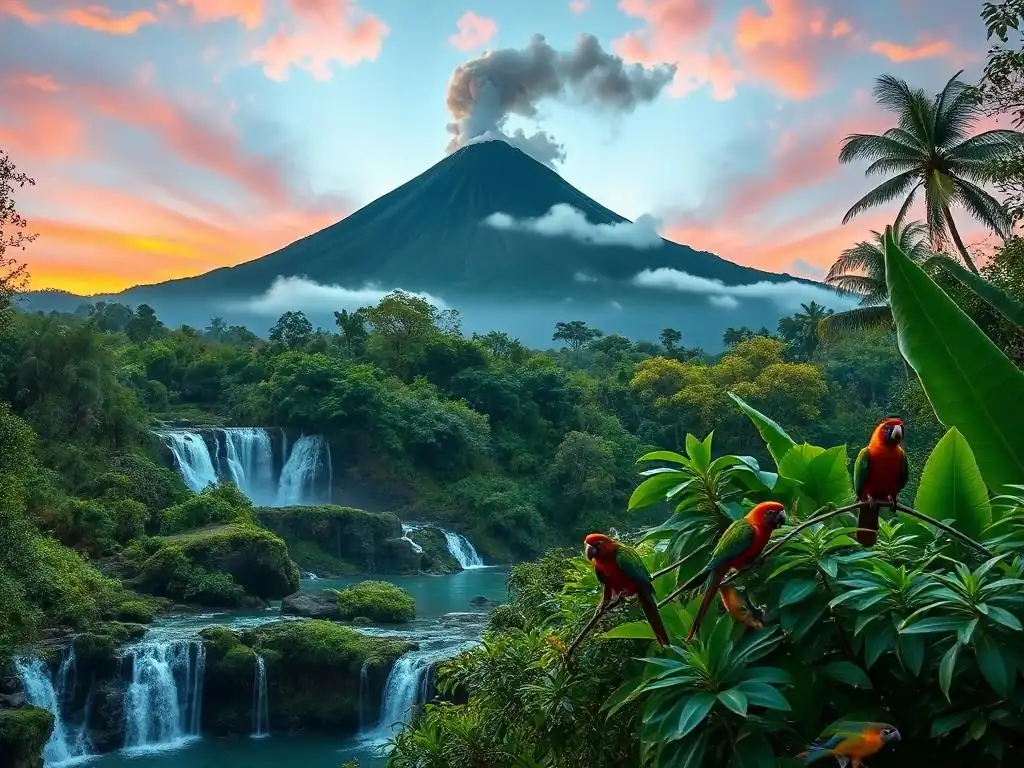
Welcome to Volcano Explorers, where we venture into the heart of Earth's fiery giants! Ever wondered how destruction can give rise to incredible life? Dive in to discover how volcanoes and biodiversity hotspots are intricately linked, creating unique and thriving ecosystems. Uncover the surprising ways volcanic activity fosters evolution and shapes the landscapes of some of the most diverse regions on our planet. Are you ready to explore the evolutionary spark?
- Introduction: Volcanoes as Unexpected Biodiversity Hotspots
- Volcanic Regions: A Cradle for New Life
- Unique Habitats Forged by Volcanic Activity
- Volcanoes and Biodiversity Hotspots: Case Studies
- The Evolutionary Spark: Volcanoes as Catalysts for Adaptation
- Protecting Volcanic Ecosystems: A Call to Action
- Conclusion: Appreciating the Dual Nature of Volcanoes
-
Frequently Asked Questions
- How can volcanoes be considered biodiversity hotspots when they're often associated with destruction?
- What specific features of volcanic landscapes contribute to their unique biodiversity?
- How do volcanoes contribute to the establishment of new ecosystems?
- What are some examples of species that have evolved specifically due to volcanic activity?
- How do scientists study the relationship between volcanoes and biodiversity?
- Final Reflection: The Enduring Power of Creation
- Unearth Your Inner Explorer!
Introduction: Volcanoes as Unexpected Biodiversity Hotspots
Volcanoes, often perceived as agents of destruction and harbingers of devastation, are paradoxically vital engines of creation and biodiversity. While eruptions can undeniably obliterate existing ecosystems, the geological and ecological aftermath lays the foundation for unique habitats that foster an astonishing array of life. These seemingly barren landscapes, sculpted by fire and molten rock, become cradles of evolution, giving rise to specialized species and contributing significantly to global biodiversity hotspots. Far from being desolate wastelands, volcanic regions are dynamic environments where life finds a way, adapting and thriving in conditions that are often extreme and perpetually changing.
This article explores the fascinating intersection of volcanoes and biodiversity, revealing how volcanic activity shapes landscapes and drives evolutionary processes. We will delve into the mechanisms through which volcanic regions become biodiversity hotspots, examining the unique habitats they create and the remarkable species they harbor.
From the nutrient-rich soils that emerge from volcanic ash to the isolated ecosystems within lava caves and hydrothermal vents, we will uncover the surprising ways in which volcanoes contribute to the richness and resilience of life on Earth. By understanding this intricate relationship, we can better appreciate the dual nature of volcanoes – as forces of both destruction and creation – and recognize the importance of conserving these dynamic and biologically significant landscapes.
Volcanic Regions: A Cradle for New Life
The Initial Devastation and Subsequent Renewal
The immediate impact of a volcanic eruption is undeniably catastrophic for local ecosystems. Pyroclastic flows, lava flows, and ashfalls can incinerate vegetation, displace animal populations, and drastically alter the landscape. The 1980 eruption of Mount St. Helens in Washington State, USA, serves as a stark example. The eruption devastated over 230 square miles of forest, lakes, and rivers, initially appearing to be a scene of complete biological annihilation. However, this devastation is only the first act in a story of remarkable ecological resilience.
In the years following the eruption of Mount St. Helens, scientists observed a rapid and unexpected recovery. Pioneer species, such as fireweed and lupines, began to colonize the barren ash fields, their seeds dispersed by wind and carried by surviving animals. These hardy plants, adapted to nutrient-poor conditions, initiated the process of primary succession, slowly enriching the soil with organic matter.
Microorganisms, including nitrogen-fixing bacteria, played a crucial role in enhancing soil fertility. Within a decade, the landscape was transformed from a grey wasteland to a mosaic of green, demonstrating the inherent capacity of nature to rebound and rebuild even after extreme disturbances. This process of ecological renewal highlights how volcanic events, while initially destructive, ultimately pave the way for new beginnings and the establishment of novel ecosystems.
Volcanic Soils: A Nutrient-Rich Foundation
One of the key factors contributing to the biodiversity of volcanic regions is the exceptional fertility of volcanic soils. Unlike soils derived from other geological processes, volcanic soils are typically rich in essential minerals and trace elements that are vital for plant growth. The source material, volcanic ash and weathered lava rock, is composed of minerals such as phosphorus, potassium, calcium, magnesium, and iron. These nutrients are released gradually over time through weathering, providing a sustained supply to plant life.
Consider the volcanic soils of the Canary Islands, known for their exceptional agricultural productivity, particularly for banana plantations and vineyards. These soils, derived from basaltic volcanic rock, are characterized by their high phosphorus content, good drainage, and water retention capacity. Phosphorus, often a limiting nutrient in many terrestrial ecosystems, is abundant in volcanic soils, promoting vigorous plant growth and supporting diverse plant communities.
Furthermore, the porous nature of volcanic soils facilitates good aeration and water infiltration, creating favorable conditions for root development and microbial activity. This inherent fertility makes volcanic regions prime locations for the establishment of diverse and productive ecosystems, contrasting sharply with the initial perception of volcanic landscapes as barren and lifeless.
Unique Habitats Forged by Volcanic Activity
Lava Flows and Their Ecological Significance
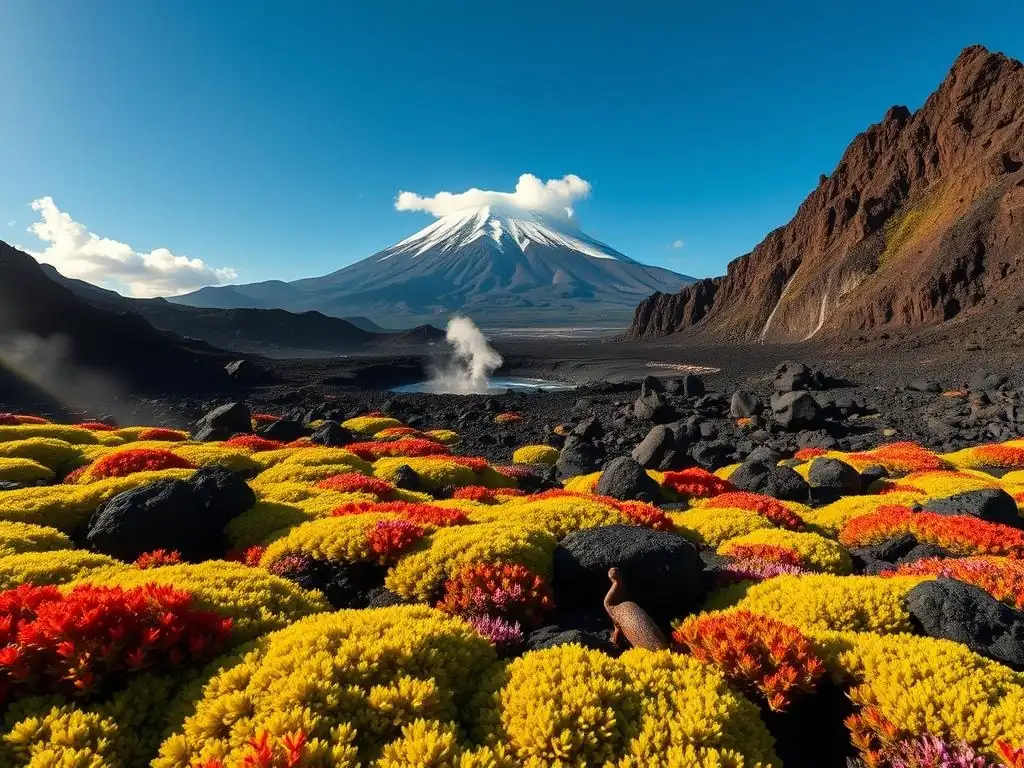
Lava flows, the rivers of molten rock that cascade down volcanic slopes, are powerful agents of landscape modification, creating entirely new land surfaces and a variety of unique habitats. The type of lava flow, whether smooth pahoehoe or blocky ʻaʻā, influences the resulting topography and ecological opportunities. Pahoehoe flows, with their ropy texture, often create relatively smooth surfaces, while ʻaʻā flows form rugged, uneven terrain with numerous crevices and hollows.
The ecological significance of lava flows lies in their role as primary successional surfaces. Initially devoid of life, these solidified rockscapes are gradually colonized by pioneer species, such as lichens and mosses. These organisms, capable of weathering rock and accumulating organic matter, initiate the process of soil formation, paving the way for more complex plant communities.
On the slopes of Mauna Loa in Hawaii, different aged lava flows showcase a clear successional sequence, from barren rock to sparsely vegetated areas dominated by ferns and shrubs, eventually leading to mature forests on older flows. The varying ages and types of lava flows within a volcanic region create a mosaic of habitats, increasing landscape heterogeneity and supporting a wider range of species than would be found in a uniform environment. This dynamic process of creation and colonization makes lava flows crucial components of volcanic biodiversity.
Volcanic Caves: Shelters of Biodiversity
Volcanic caves, also known as lava tubes, are fascinating underground ecosystems formed during volcanic eruptions. As the surface of a lava flow cools and solidifies, the molten lava beneath continues to flow, eventually draining out and leaving behind hollow tunnels. These caves provide stable and isolated environments, shielded from surface fluctuations in temperature, humidity, and light. This unique environment has led to the evolution of highly specialized cave-adapted organisms, known as troglobites.
Volcanic caves in regions like the Canary Islands and Hawaii harbor a remarkable array of cave-dwelling fauna, including blind insects, spiders, crustaceans, and even fish. These troglobites often exhibit adaptations to the dark, nutrient-poor cave environment, such as loss of pigmentation and eyes, and elongated appendages for navigating in the dark. For example, the Kauai cave wolf spider ( Adelocosa anops) is a critically endangered, eyeless spider found only in a few lava tubes in Kauai, Hawaii.
Volcanic caves are not only refuges for these specialized species but also provide important habitats for bats, which utilize caves for roosting and breeding. The stable microclimate and isolation of volcanic caves contribute significantly to subterranean biodiversity, highlighting the hidden ecological wealth found beneath the surface of volcanic landscapes.
Hydrothermal Vents and Hot Springs: Oases of Life
Hydrothermal vents and hot springs are geothermal features associated with volcanic activity, creating unique aquatic and semi-aquatic habitats that support extraordinary forms of life. Hydrothermal vents, typically found in deep-sea volcanic regions, release superheated water and dissolved chemicals from the Earth's interior. Hot springs, found on land, are surface expressions of geothermal activity, characterized by elevated water temperatures and mineral-rich waters.
These geothermal environments are home to extremophiles – organisms that thrive in extreme conditions, such as high temperatures, high acidity, or high concentrations of chemicals. In deep-sea hydrothermal vents, chemosynthetic bacteria form the base of the food web, utilizing chemicals like hydrogen sulfide as an energy source in the absence of sunlight. These bacteria support diverse communities of tube worms, clams, shrimp, and other invertebrates adapted to the vent environment. On land, hot springs in places like Yellowstone National Park host thermophilic bacteria and archaea that create vibrant microbial mats and support specialized insect and plant communities. For example, the Thermus aquaticus bacterium, discovered in Yellowstone hot springs, is the source of Taq polymerase, an enzyme crucial for PCR technology in molecular biology. Hydrothermal vents and hot springs represent oases of life in otherwise challenging environments, showcasing the remarkable adaptability of life and the unique biodiversity fostered by volcanic activity.
Volcanoes and Biodiversity Hotspots: Case Studies
The Galapagos Islands: A Volcanic Archipelago of Evolution
The Galapagos Islands, a volcanic archipelago in the Pacific Ocean, are perhaps the most iconic example of a volcanic biodiversity hotspot. Formed by volcanic activity over millions of years, these islands have never been connected to a continent, resulting in unique evolutionary pathways and a high degree of endemism. The isolation, coupled with the diverse volcanic landscapes and varying environmental conditions across the islands, has driven remarkable adaptive radiation.
Charles Darwin's observations in the Galapagos Islands were instrumental in the development of his theory of evolution by natural selection. The islands are famous for their endemic species, including giant tortoises, marine iguanas, flightless cormorants, and Darwin's finches. Each island often harbors distinct subspecies or even species, adapted to the specific ecological niches available.
For instance, Darwin's finches exhibit diverse beak shapes and sizes, reflecting adaptations to different food sources, from seeds to insects to nectar. The volcanic nature of the Galapagos Islands, with its young geological age and ongoing volcanic activity, continues to shape the environment and drive evolutionary processes, making it a living laboratory for studying biodiversity and adaptation.
Mount Kilimanjaro: An Island in the Sky
Mount Kilimanjaro, a dormant volcano in Tanzania, East Africa, stands as an isolated "island in the sky," showcasing how volcanic mountains can create altitudinal biodiversity gradients. Rising dramatically from the surrounding plains, Kilimanjaro’s slopes encompass a remarkable range of ecosystems, from savanna at the base to rainforest, heathland, alpine desert, and finally, glacial ice at the summit. This altitudinal zonation is driven by changes in temperature, precipitation, and vegetation with increasing elevation.
The biodiversity of Mount Kilimanjaro is exceptionally rich, reflecting its diverse habitats. The lower slopes support lush rainforests teeming with primates, birds, and insects. As altitude increases, the rainforest transitions to heath and moorland, characterized by giant heathers and groundsels, many of which are endemic to Kilimanjaro. The alpine zone, above the treeline, is home to specialized plants adapted to cold, dry conditions.
While large mammal diversity decreases at higher altitudes, smaller mammals and birds are still present. Kilimanjaro’s volcanic soils contribute to the fertility of the lower slopes, supporting the dense vegetation. The mountain's isolation and altitudinal gradient have fostered unique evolutionary trajectories, making it a significant biodiversity hotspot and a crucial water tower for the surrounding region.
Iceland: A Land Forged by Fire and Ice
Iceland, a North Atlantic island nation situated on the Mid-Atlantic Ridge, is a prime example of a volcanic landscape shaped by both fire and ice. Geologically young and volcanically active, Iceland's landscape is dominated by volcanoes, lava fields, glaciers, and geothermal areas. This dynamic interplay of volcanic and glacial forces has created a unique environment that supports a distinct, albeit relatively low in species richness compared to tropical hotspots, but highly specialized biodiversity.
Iceland's ecosystems are characterized by resilience and adaptation to harsh conditions. Pioneer species like mosses and lichens are crucial colonizers of lava fields, gradually building soil. Geothermal areas, with their hot springs and fumaroles, host thermophilic microorganisms and specialized plant communities adapted to high temperatures and mineral-rich waters.
Despite the challenging climate and volcanic activity, Iceland supports populations of arctic foxes, reindeer, and a variety of bird species, particularly seabirds that nest along its coastlines. The island's isolation and unique geological history have shaped its biodiversity, demonstrating how even in high-latitude volcanic regions, life finds a way to thrive and adapt. Iceland serves as a powerful example of volcanic influence on biodiversity in a contrasting environment to tropical examples like Galapagos.
The Evolutionary Spark: Volcanoes as Catalysts for Adaptation
Endemic Species: Born from Volcanic Landscapes
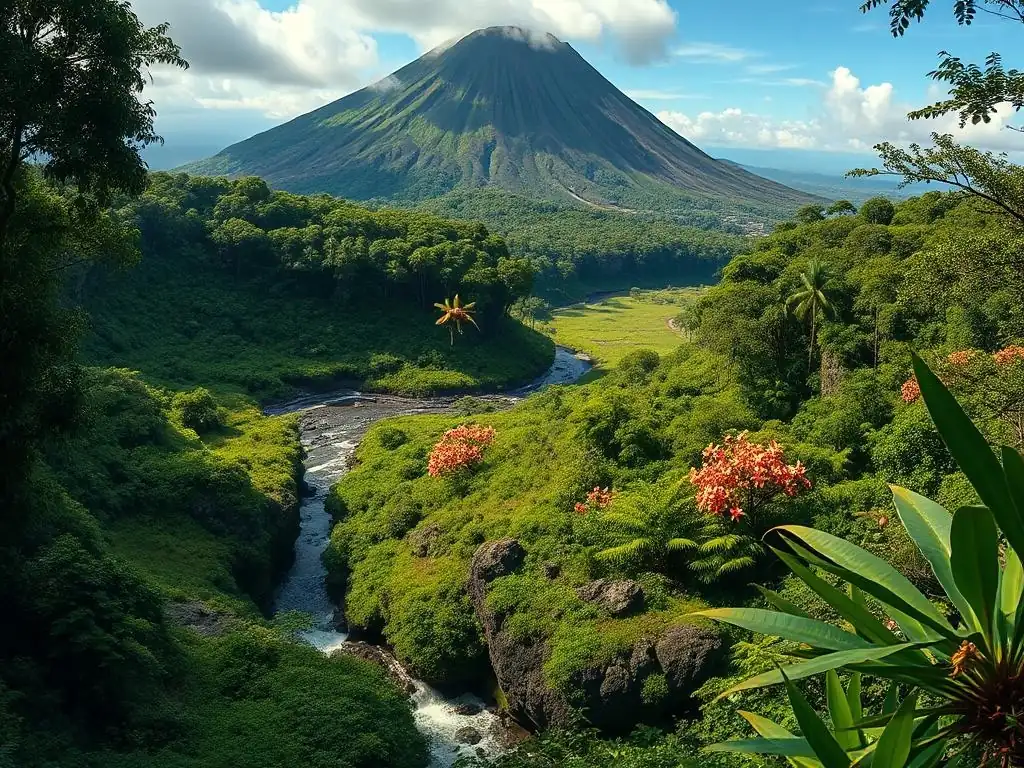
Volcanic landscapes are hotspots for endemism – the occurrence of species found nowhere else on Earth. The geological isolation of volcanic islands and the unique environmental conditions created by volcanic activity are key drivers of endemic species evolution. Island isolation limits gene flow from mainland populations, allowing isolated populations to diverge and adapt to their specific island environments. Volcanic landscapes themselves present unique selection pressures, such as nutrient-poor soils, harsh climates, and newly formed habitats, favoring the evolution of specialized traits.
The Hawaiian Islands are a prime example of volcanic endemism. Formed by a volcanic hotspot in the Pacific Ocean, Hawaii boasts an incredibly high percentage of endemic species across various taxa, including plants, insects, birds, and snails. For example, the Hawaiian honeycreepers, a diverse group of birds, evolved from a single ancestral finch species that colonized the islands.
Through adaptive radiation, they diversified into numerous species with specialized beaks adapted to different nectar sources, seeds, and insects, all within the isolated volcanic archipelago. Similarly, the Canary Islands, another volcanic archipelago, are renowned for their endemic laurel forests and dragon trees. Volcanic regions, by virtue of their isolation and unique environments, act as evolutionary laboratories, fostering the development of unique and irreplaceable endemic species.
Genetic Diversity: A Legacy of Volcanic Activity
While volcanic eruptions can cause localized extinctions and reduce population sizes, paradoxically, volcanic activity can also contribute to long-term genetic diversity. Initial volcanic events may create genetic bottlenecks, where only a small subset of the original population survives, reducing genetic variation in the short term. However, the newly created and diverse habitats in volcanic regions can then drive adaptive radiation and speciation, leading to an increase in genetic diversity over evolutionary timescales.
Consider the repeated volcanic eruptions in Iceland throughout its geological history. These events have likely caused population bottlenecks in various species, but the subsequent colonization of newly formed volcanic landscapes and adaptation to diverse geothermal environments have also promoted genetic divergence. Studies of Icelandic plant populations have revealed genetic adaptations to different volcanic substrates and geothermal gradients.
Furthermore, the isolation of volcanic islands can prevent gene flow, allowing genetic differences to accumulate between populations on different islands or volcanic peaks. In the long run, the dynamic nature of volcanic landscapes, with their cycles of destruction and creation, can act as a catalyst for evolutionary change and the generation of genetic diversity, enriching the overall gene pool of life on Earth.
Protecting Volcanic Ecosystems: A Call to Action
The Threats to Volcanic Biodiversity
Despite their ecological significance, volcanic ecosystems are increasingly facing threats that jeopardize their unique biodiversity. Habitat destruction, driven by agriculture, urbanization, and infrastructure development, is a major concern, particularly in volcanic regions with fertile soils and geothermal resources. Invasive species pose another significant threat, outcompeting native flora and fauna, disrupting ecological balance, and contributing to the decline of endemic species. Tourism, while economically important, can also have negative impacts if not managed sustainably, including habitat degradation, disturbance to wildlife, and introduction of invasive species.
Climate change is an emerging threat to volcanic biodiversity, with potential impacts on temperature regimes, precipitation patterns, and glacial meltwater availability. Changes in climate can alter habitat suitability, disrupt species distributions, and exacerbate the impacts of other threats. For example, rising temperatures could impact the delicate ecosystems of high-altitude volcanic mountains and geothermal areas. The unique and often fragile biodiversity of volcanic regions is vulnerable to these multiple and interacting threats, requiring urgent conservation action.
Sustainable Practices for Volcanic Regions
Protecting the unique biodiversity of volcanic regions requires a multifaceted approach that integrates conservation efforts with sustainable development practices. Establishing protected areas, such as national parks and nature reserves, is crucial for safeguarding critical habitats and endemic species. Effective management of tourism is essential, promoting responsible tourism practices that minimize environmental impact and benefit local communities. Controlling and eradicating invasive species is a challenging but necessary task to protect native biodiversity.
Community involvement is vital for successful conservation, ensuring that local populations are engaged in and benefit from conservation initiatives. Promoting sustainable land-use practices, such as agroforestry and ecofriendly agriculture, can reduce habitat destruction and enhance biodiversity conservation in human-modified volcanic landscapes. Furthermore, ongoing research and monitoring are crucial for understanding the dynamics of volcanic ecosystems, assessing the impacts of threats, and informing effective conservation strategies. By implementing these sustainable practices, we can strive to conserve the remarkable biodiversity of volcanic regions for future generations.
Conclusion: Appreciating the Dual Nature of Volcanoes
Volcanoes, in their dramatic duality, are both agents of destruction and architects of creation. While eruptions can unleash devastating forces, the aftermath sets the stage for ecological renewal and the emergence of unique biodiversity hotspots. Volcanic regions, with their nutrient-rich soils, diverse habitats, and geological isolation, foster remarkable evolutionary processes, giving rise to endemic species and contributing significantly to global biodiversity. From the iconic Galapagos Islands to the geothermal landscapes of Iceland and the altitudinal gradients of Mount Kilimanjaro, volcanoes shape landscapes and drive life in extraordinary ways.
Appreciating the dual nature of volcanoes requires a shift in perspective, recognizing them not just as forces of nature to be feared, but also as vital components of Earth's dynamic and life-sustaining systems. Conserving volcanic ecosystems is not only essential for protecting their unique biodiversity but also for understanding fundamental ecological and evolutionary processes. By embracing sustainable practices and fostering a greater appreciation for these dynamic landscapes, we can ensure that the evolutionary spark of volcanoes continues to ignite biodiversity for generations to come.
Frequently Asked Questions
How can volcanoes be considered biodiversity hotspots when they're often associated with destruction?
Volcanoes create unique habitats through new land formation and mineral-rich soils. This allows for the evolution of specialized species adapted to these harsh environments, leading to biodiversity.
What specific features of volcanic landscapes contribute to their unique biodiversity?
Volcanic landscapes offer varying altitudes, soil compositions, and microclimates. These differences create ecological niches, fostering the development of diverse flora and fauna adapted to these specific conditions.
How do volcanoes contribute to the establishment of new ecosystems?
Volcanic eruptions can create entirely new landmasses, such as islands. These newly formed areas are initially barren, but over time, they are colonized by species, leading to the establishment of new ecosystems and unique evolutionary pathways.
What are some examples of species that have evolved specifically due to volcanic activity?
Many endemic species are found on volcanic islands, such as the Galapagos finches or certain Hawaiian plants. These organisms have adapted to the unique environmental pressures presented by the volcanic environment.
How do scientists study the relationship between volcanoes and biodiversity?
Scientists use various methods, including ecological surveys, genetic analysis, and geological mapping. They examine the distribution of species, analyze their evolutionary relationships, and assess the impact of volcanic activity on the surrounding ecosystems.
Final Reflection: The Enduring Power of Creation
The exploration of volcanic landscapes as biodiversity hotspots reveals a profound truth: destruction and creation are inextricably linked. The fiery birth of these geological wonders, though seemingly devastating, paves the way for unique ecosystems to flourish, challenging our conventional understanding of life's resilience and adaptability. This intricate dance between chaos and order underscores the inherent dynamism of our planet and the surprising origins of life's most vibrant expressions.
The impact of volcanic activity on biodiversity extends far beyond isolated islands and remote mountain ranges. It serves as a powerful reminder that life finds a way, even in the most extreme environments, and that these environments, often overlooked, are crucial for maintaining global biodiversity. This understanding compels us to re-evaluate our conservation efforts, recognizing the intrinsic value of these seemingly barren landscapes. The volcano is a creation machine, spewing out new land, new life, new possibilities.
- Werner Herzog (adapted to fit the theme).
As we conclude this journey into the heart of volcanic biodiversity, let us carry forward a renewed appreciation for the power of resilience and the unexpected sources of life's richness. Consider the lessons learned from these fiery landscapes: how can we, too, embrace change, adapt to adversity, and foster environments where life, in all its diverse forms, can thrive? Let the evolutionary spark of volcanoes ignite within you a passion for conservation and a commitment to protecting the planet's most extraordinary, and often overlooked, treasures.
Unearth Your Inner Explorer!
Thanks for delving into the fascinating world of volcanic biodiversity! We hope you’ve gained a newfound appreciation for the resilient life that thrives in these extreme environments. Now, it's time to take that knowledge and passion a step further.
Here are a few ways you can continue your volcanic exploration:
- Plan Your Own Volcanic Adventure! Research a unique volcanic habitat and start planning a responsible, eco-conscious trip to witness this amazing biodiversity firsthand. Remember to prioritize sustainable tourism!
- Share this article! Spread the word about the incredible resilience of life and the importance of protecting these unique ecosystems with your friends and family. Encourage them to learn more at VolcanoExplorers.org.
- Contribute Your Observations! Did you know even simple observations about local plants and animals can contribute to scientists' understanding of evolution? Start a nature journal and document your outdoor experiences, no volcano required!
What small step will you take today to better understand and protect our planet's volcanic landscapes?