
Sacred Peaks: Exploring Volcanoes as Mountains of the Gods

Welcome to Volcano Explorers!
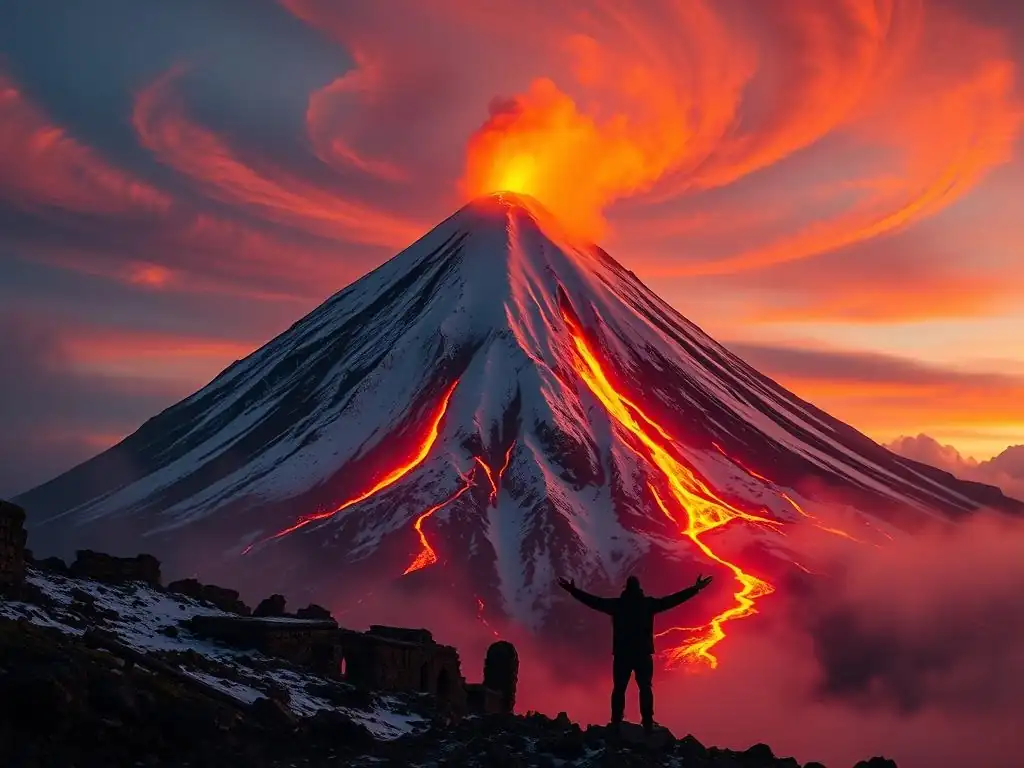
Have you ever wondered why cultures around the world have revered volcanoes as sacred mountains, the dwelling places of gods? Dive into the heart of the myth and science as we explore " Volcanoes as Sacred Mountains." Uncover the powerful symbolism and spiritual significance woven into the fiery landscapes that have shaped human history and belief. Prepare to be captivated by the profound connection between humanity and these awe-inspiring giants.
- Volcanoes as Sacred Mountains: An Introduction
- Volcanoes in Mythology and Religion
- Rituals and Ceremonies on Volcanic Slopes
- Sacred Volcanoes: Case Studies
- Volcanoes as Places of Power and Transformation
- Modern Perspectives on Volcanoes as Sacred Sites
- Conclusion: The Enduring Legacy of Volcanoes as Sacred Mountains
-
Frequently Asked Questions
- What does it mean to consider volcanoes as sacred mountains?
- How are volcanoes connected to mythology and religion?
- Why would people living near volcanoes consider them sacred despite the danger?
- What are some examples of cultures that view volcanoes as sacred mountains?
- How does VolcanoExplorers.org explore the cultural significance of volcanoes?
- Final Reflection: Echoes of the Divine
- Ignite Your Inner Explorer: Discover the Divine Within!
Volcanoes as Sacred Mountains: An Introduction
The Enduring Mystique of Volcanic Peaks
Volcanoes have always captivated humanity. Their dramatic eruptions, towering heights, and the raw power they unleash have inspired awe and wonder across cultures and throughout history. The very ground trembling beneath one’s feet, coupled with the sight of smoke and fire reaching towards the sky, naturally evokes a sense of something beyond the ordinary, something almost supernatural. This inherent mystique has contributed to the perception of volcanic peaks as more than just geological formations; they are often seen as places of immense spiritual significance.
This mystique is amplified by the life-altering potential of volcanoes. Eruptions can bring both destruction and creation, burying settlements under ash and lava flows, yet simultaneously enriching soils and forming new land. This duality, the power to destroy and to create anew, reinforces the idea of volcanoes as powerful forces of nature, worthy of reverence and respect. From ancient civilizations to modern societies, this inherent power has shaped human perceptions of volcanoes, often elevating them to the realm of the sacred.
Cultural Significance of Volcanoes: A Volcano Explorers Perspective
At Volcano Explorers, we recognize the profound cultural significance of volcanoes that extends far beyond their scientific and geological interest. For countless communities around the globe, volcanoes are not merely mountains; they are sacred entities, imbued with spiritual meaning and deeply interwoven with cultural identity. Understanding this dimension is crucial to appreciating the full spectrum of human interaction with these powerful natural phenomena.
Exploring volcanoes as sacred mountains allows us to delve into the rich tapestry of human beliefs, rituals, and traditions associated with these geological wonders. By examining different cultures and their perspectives, we gain a deeper understanding of how humanity has interpreted and interacted with volcanic landscapes. This exploration enriches our appreciation for the diverse ways in which humans connect with the natural world and ascribe meaning to their surroundings.
Volcanoes in Mythology and Religion
Ancient Beliefs: Volcanoes as Abodes of Gods and Spirits
Across numerous ancient cultures, volcanoes were perceived as the dwelling places of gods, spirits, or powerful supernatural beings. The dramatic and unpredictable nature of volcanic activity seemed to confirm this belief, with eruptions interpreted as manifestations of divine will or displeasure. For example, in ancient Greek mythology, Mount Etna was considered the forge of Hephaestus, the god of fire and metalworking, its rumbling and fiery outbursts attributed to his divine craftsmanship.
Similarly, in many indigenous cultures of the Americas, volcanic peaks were revered as sacred mountains inhabited by powerful spirits. The Andean peoples, for instance, viewed volcanoes like Cotopaxi and Chimborazo as apus, mountain deities who controlled weather, fertility, and the fate of communities. These beliefs were not merely symbolic; they shaped social structures, influenced daily life, and dictated rituals and ceremonies aimed at maintaining harmony with the volcanic deities.
Volcano Gods and Goddesses: Examples from Different Cultures
The world's mythologies are replete with deities associated with volcanoes, reflecting the widespread recognition of their power and influence. Pele, the Hawaiian goddess of volcanoes and fire, is perhaps one of the most well-known examples. Her fiery temper and creative force are embodied in the volcanic eruptions of the Hawaiian Islands, and she remains a central figure in Hawaiian cosmology and cultural identity.
In Roman mythology, Vulcan, the god of fire and volcanoes, lent his name to these geological formations. His forge was said to be located beneath volcanic islands, and his power was associated with both destruction and creation. Further east, in Japanese Shinto tradition, Mount Fuji is not only a sacred mountain but also believed to be inhabited by deities, including Konohanasakuya-hime, the princess of blossoming trees, subtly linking volcanic power with nature's generative forces. These diverse examples highlight the global phenomenon of personifying volcanic power through deities.
The Connection Between Volcanic Activity and Divine Wrath/Blessing
Volcanic eruptions, with their potential for both devastation and renewal, were frequently interpreted as direct communication from the divine realm. Destructive eruptions, with lava flows and ashfalls, were often seen as expressions of divine wrath or punishment for human transgressions. Conversely, periods of quiescence and the fertile soils produced by volcanic ash could be interpreted as blessings and signs of divine favor.
For societies living near active volcanoes, understanding these signs and maintaining a favorable relationship with the volcanic deities was paramount for survival. Rituals, prayers, and offerings were conducted to appease potentially angered gods and to ensure continued blessings. This direct link between volcanic activity and perceived divine intervention shaped religious practices and influenced social behaviors around volcanoes for centuries.
Rituals and Ceremonies on Volcanic Slopes
Offerings and Sacrifices to Appease the Volcano Gods
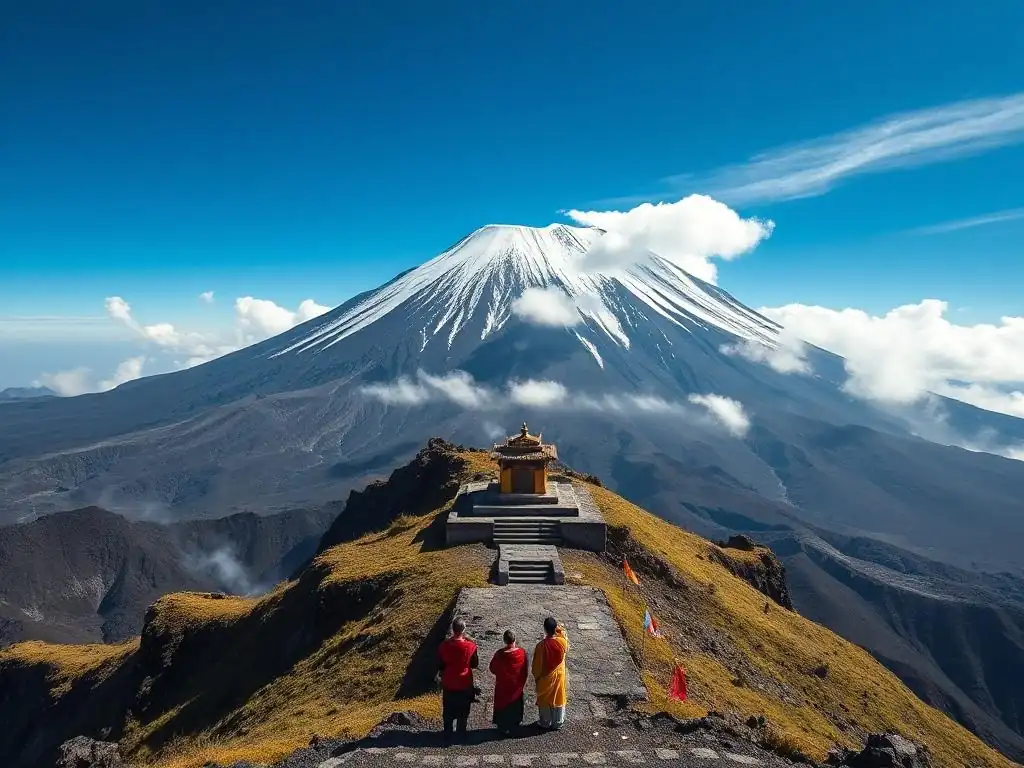
To maintain harmony with the powerful volcanic deities and to avert their wrath, many cultures developed elaborate rituals involving offerings and sacrifices. These practices aimed to appease the gods and ensure protection from destructive eruptions. Archaeological evidence and historical accounts reveal a wide range of offerings, from food and precious objects to, in some extreme cases, human sacrifices.
For instance, in pre-Columbian Andean cultures, offerings of llamas, textiles, and precious metals have been found on high-altitude volcanic peaks, suggesting ritualistic practices intended to honor the mountain deities. Similarly, in some Polynesian cultures, offerings of pigs and other valuable items were made to volcanic gods like Pele. These acts of propitiation underscore the deep-seated belief in the power of volcanoes and the necessity of maintaining a positive relationship with the forces they represented.
Pilgrimages to Volcanic Mountains: Sacred Journeys
Volcanic mountains often became focal points for pilgrimages, sacred journeys undertaken to connect with the divine and seek blessings or purification. The physical act of ascending these towering peaks was itself considered a spiritual undertaking, a journey closer to the heavens and the dwelling places of the gods. These pilgrimages often involved specific routes, rituals performed along the way, and culminating ceremonies at the summit or sacred sites on the volcano's slopes.
Mount Fuji in Japan is a prime example of a volcanic mountain that has been a pilgrimage site for centuries. Ascending Fuji is considered a sacred act in Shinto and Buddhist traditions, with thousands of pilgrims undertaking the climb annually. Similarly, in various parts of the Andes, pilgrimages to high volcanic peaks continue to be practiced by indigenous communities, maintaining ancient traditions of spiritual connection with these sacred landscapes.
Specific Examples of Rituals and Ceremonies Around the World
Across the globe, diverse rituals and ceremonies have been practiced around volcanoes, reflecting the unique cultural interpretations and interactions with these powerful natural features. In Guatemala, for example, Mayan priests still perform ceremonies at Pacaya volcano, offering prayers and incense to ensure good harvests and protection from eruptions. These contemporary practices are a continuation of ancient traditions that have adapted over time.
In Vanuatu, in the South Pacific, the land diving ceremony on Pentecost Island, though not directly on a volcano, is related to volcanic fertility beliefs. The ritual, involving young men diving from high towers with vines tied to their ankles, is performed to ensure a bountiful yam harvest, indirectly connecting volcanic fertility with agricultural prosperity. These examples, from different continents and cultures, illustrate the rich tapestry of rituals and ceremonies associated with volcanoes, each reflecting a unique cultural context and set of beliefs.
Sacred Volcanoes: Case Studies
Mount Fuji, Japan: A Symbol of National Identity and Spiritual Power
Mount Fuji, or Fuji-san, is arguably Japan's most iconic landmark and a deeply revered sacred mountain. Its perfectly symmetrical cone has inspired artists, poets, and pilgrims for centuries, embodying both natural beauty and spiritual power. For the Japanese people, Fuji-san is more than just a volcano; it is a symbol of national identity, cultural heritage, and profound spiritual significance.
Shinto and Buddhist traditions intertwine on Fuji-san, with numerous shrines and temples dotting its slopes. Ascending the mountain is considered a pilgrimage, a journey of purification and spiritual renewal. The mountain's image is ubiquitous in Japanese art and culture, from woodblock prints to contemporary media, constantly reinforcing its sacred status and its central role in Japanese identity. Approximately 200,000 to 300,000 people climb Mount Fuji annually during the official climbing season, a testament to its enduring appeal as a sacred site.
Mount Etna, Italy: Legends, Myths, and the Forge of Vulcan
Mount Etna, Europe's largest active volcano, has been a source of both awe and fear for the people of Sicily for millennia. Its frequent eruptions and dramatic landscape have fueled a rich tapestry of legends and myths, deeply intertwined with Greek and Roman mythology. Ancient Greeks believed Mount Etna to be the forge of Hephaestus (Vulcan in Roman mythology), the god of fire and blacksmithing, its fiery outbursts attributed to his divine craftsmanship.
The myths surrounding Etna also included tales of giants and monstrous creatures trapped beneath the mountain, their struggles causing earthquakes and eruptions. These stories reflect the ancient understanding of Etna as a place of immense power, both creative and destructive, a liminal space between the human world and the realm of gods and mythical beings. Even today, Etna continues to be a potent symbol for Sicilians, representing the island's volatile beauty and enduring spirit.
Mauna Loa, Hawaii: Pele, the Volcano Goddess, and Hawaiian Cosmology
Mauna Loa, one of the largest volcanoes on Earth, is deeply sacred in Hawaiian cosmology and the abode of Pele, the powerful goddess of volcanoes and fire. For Native Hawaiians, Mauna Loa and the other volcanoes of the archipelago are not inanimate objects but living entities, embodiments of divine forces. Pele's presence is felt in every eruption, every lava flow, and every rumble of the earth.
Hawaiian traditions are rich with stories and chants (oli) that recount Pele's journeys, her fiery temper, and her creative power. Respect for Pele and the volcanic landscape is deeply ingrained in Hawaiian culture, influencing daily life, social customs, and environmental stewardship. Traditional Hawaiian practices, such as offerings (hoʻokupu) and chants, continue to be performed to honor Pele and maintain harmony with the volcanic forces of the islands.
Popocatépetl, Mexico: Ancient Aztec Beliefs and Modern-Day Rituals
Popocatépetl, often simply called "Popo," is an active volcano near Mexico City and holds deep sacred significance dating back to Aztec times. In Aztec mythology, Popocatépetl and its neighboring volcano Iztaccihuatl were lovers immortalized as mountains. Popocatépetl represented a warrior, while Iztaccihuatl symbolized a sleeping woman. The volcano was revered as a powerful force of nature and integrated into Aztec religious beliefs and cosmology.
Even today, Popocatépetl retains its sacred status for many communities living in its vicinity. Indigenous groups continue to perform rituals and ceremonies on its slopes, seeking blessings for rain, good harvests, and protection from eruptions. These modern-day practices are a testament to the enduring power of ancient beliefs and the continued reverence for volcanoes as sacred entities in contemporary Mexican culture.
Volcanoes as Places of Power and Transformation
The Symbolic Meaning of Volcanic Eruptions: Destruction and Rebirth
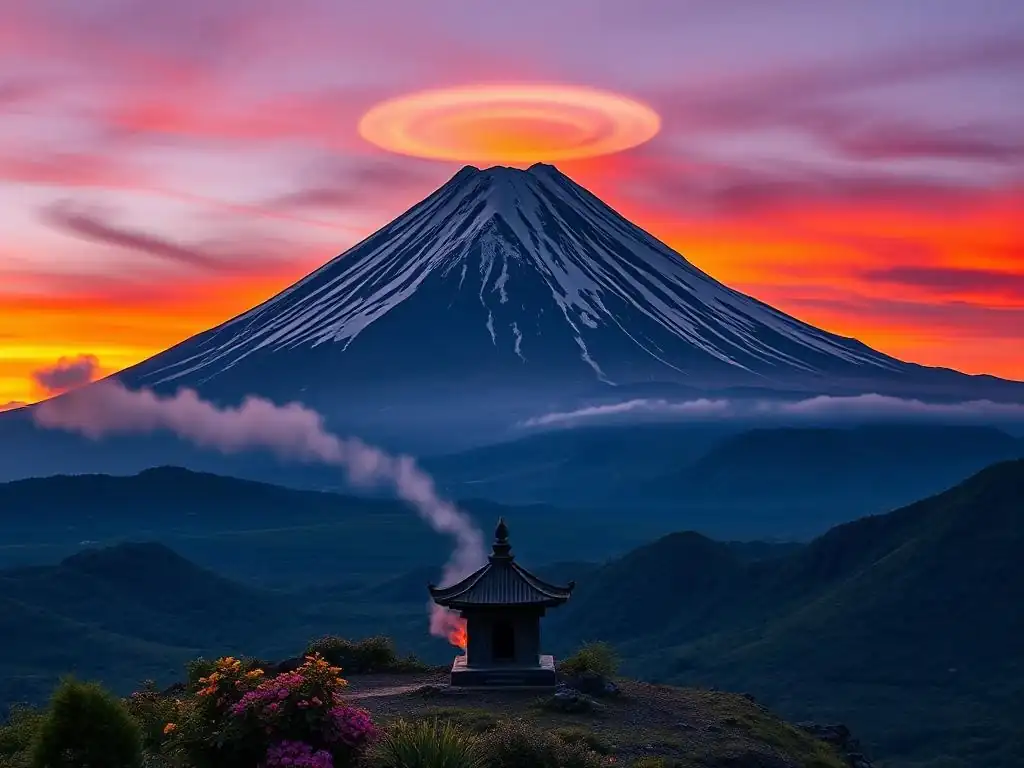
Volcanic eruptions, while often destructive, are also fundamentally acts of creation. They reshape landscapes, create new land, and enrich soils with volcanic minerals, fostering fertile environments over time. This duality of destruction and rebirth is a powerful symbolic theme associated with volcanoes across many cultures. Eruptions can be seen as cleansing fires, clearing away the old to make way for the new.
This symbolic interpretation is reflected in various myths and religious beliefs. The fiery destruction can represent the purging of impurities, the end of a cycle, or divine punishment, while the subsequent regrowth and renewal symbolize resurrection, fertility, and the cyclical nature of life. This transformative power of volcanoes has contributed to their perception as places of profound spiritual significance, where destruction and creation are intertwined.
Volcanoes as Gateways to the Underworld: Myths and Legends
The fiery depths of volcanoes, seemingly connected to the Earth's interior, have often been perceived as gateways to the underworld or realms of the dead in various mythologies. The rumbling sounds, smoke plumes, and molten lava emerging from the earth reinforced this association with subterranean realms and the forces dwelling within. This perception is found in cultures around the world, from ancient Greece to indigenous American societies.
For example, in Greek mythology, some believed the entrances to Hades, the underworld, were located within volcanic caves or craters. Similarly, in some indigenous beliefs, volcanic vents were seen as passages to the spirit world or the realm of ancestral spirits. This connection to the underworld further enhanced the mystique and sacredness of volcanoes, associating them with powerful forces beyond the realm of the living.
The Psychological Impact of Volcanoes: Awe, Fear, and Respect
The sheer scale and power of volcanoes evoke a complex range of emotions in humans, including awe, fear, and deep respect. The sight of an erupting volcano, with its towering ash plumes, glowing lava flows, and earth-shaking tremors, is undeniably awe-inspiring, dwarfing human endeavors and highlighting the immense forces of nature. This spectacle can instill a sense of humility and wonder, prompting reflection on our place in the universe.
At the same time, the destructive potential of volcanoes naturally evokes fear and apprehension. The unpredictable nature of eruptions and the potential for devastation can create a sense of vulnerability and dependence on forces beyond human control. This combination of awe and fear often translates into respect, a recognition of the immense power of volcanoes and the need to approach them with caution and reverence. This psychological impact has undoubtedly contributed to the perception of volcanoes as sacred sites, deserving of both veneration and careful consideration.
Modern Perspectives on Volcanoes as Sacred Sites
Indigenous Communities and Their Relationship with Volcanoes Today
For many indigenous communities living near volcanoes, the sacred connection to these mountains remains a vital part of their cultural identity and spiritual practices today. Despite modernization and globalization, traditional beliefs and rituals persist, often intertwined with contemporary life. These communities continue to see volcanoes not just as geological features, but as living entities, ancestors, or deities deserving of respect and care.
In places like Hawaii, Japan, and throughout the Andes, indigenous communities actively maintain their cultural heritage related to volcanoes. They may continue to perform traditional ceremonies, advocate for the protection of sacred volcanic sites, and work to integrate traditional knowledge with modern scientific understanding of volcanoes. Their ongoing relationship with volcanoes highlights the enduring power of cultural heritage and the importance of respecting indigenous perspectives in volcano research and management.
Ecotourism and the Preservation of Sacred Volcanic Landscapes
Ecotourism presents both opportunities and challenges for the preservation of sacred volcanic landscapes. On one hand, responsible ecotourism can generate economic benefits for local communities, raise awareness about the cultural and natural significance of volcanoes, and promote conservation efforts. Volcano tourism, particularly when guided by local communities, can offer visitors a deeper understanding of the cultural dimensions of these sites.
However, uncontrolled tourism can also pose threats to sacred sites, including environmental degradation, disruption of traditional practices, and commodification of cultural heritage. Balancing the economic benefits of tourism with the need to protect the integrity of sacred volcanic landscapes is crucial. Sustainable ecotourism models, developed in partnership with local communities and guided by principles of respect and cultural sensitivity, are essential for ensuring the long-term preservation of these sites.
Balancing Respect for Cultural Heritage with Scientific Exploration
As scientists continue to study volcanoes to better understand their processes and mitigate hazards, it is crucial to balance scientific exploration with respect for the cultural heritage associated with these sites. Volcanoes are not just objects of scientific inquiry; they are also places of profound cultural and spiritual significance for many communities. Scientific research should be conducted in a way that is sensitive to these cultural values and engages with local communities.
Collaboration between scientists and indigenous communities can be particularly beneficial, combining scientific expertise with traditional knowledge. This interdisciplinary approach can lead to a more holistic understanding of volcanoes, integrating both scientific and cultural perspectives. Respectful scientific exploration not only enriches our understanding of volcanoes but also contributes to the preservation of cultural heritage and promotes ethical engagement with these sacred landscapes.
Conclusion: The Enduring Legacy of Volcanoes as Sacred Mountains
Understanding the Intertwined Nature of Culture, Spirituality, and Volcanic Landscapes
The exploration of volcanoes as sacred mountains reveals the deeply intertwined nature of culture, spirituality, and volcanic landscapes. For millennia, humans have perceived volcanoes not just as geological phenomena, but as powerful forces imbued with spiritual meaning, shaping religious beliefs, cultural practices, and social structures. Understanding this intertwined relationship is crucial for a comprehensive appreciation of human interaction with the natural world.
Volcanoes, in their dramatic power and transformative capacity, have served as potent symbols and focal points for spiritual expression across diverse cultures. From ancient myths of gods dwelling within volcanic peaks to contemporary rituals performed on their slopes, the sacred dimension of volcanoes continues to resonate. Recognizing this cultural significance enriches our understanding of both human culture and the natural world, highlighting the profound ways in which they are interconnected.
Further Exploration of Sacred Volcanoes with VolcanoExplorers.org
VolcanoExplorers.org invites you to continue your exploration of the fascinating world of volcanoes, including their rich cultural and spiritual dimensions. Delve deeper into our articles, resources, and galleries to discover more about sacred volcanoes around the globe, the myths and legends that surround them, and the enduring traditions of the communities who hold them in reverence.
Join us as we continue to explore the science, culture, and beauty of volcanoes, recognizing their multifaceted significance as both natural wonders and sacred peaks. Through VolcanoExplorers.org, embark on a journey to understand the powerful connection between humanity and these awe-inspiring mountains of the gods.
Frequently Asked Questions
What does it mean to consider volcanoes as sacred mountains?
It means that in many cultures around the world, volcanoes are not simply geological formations, but are viewed as sacred places imbued with spiritual significance and often associated with deities.
How are volcanoes connected to mythology and religion?
Volcanoes are often seen as gateways to the underworld, the homes of gods, or the source of powerful forces, thus featuring prominently in numerous myths and religious beliefs, reflecting their destructive and creative power.
Why would people living near volcanoes consider them sacred despite the danger?
Despite the risks, volcanoes provide fertile land for agriculture, valuable resources, and are often seen as a necessary part of the natural cycle. This leads to a perspective of respectful coexistence and a belief in the volcano's life-giving properties.
What are some examples of cultures that view volcanoes as sacred mountains?
Many cultures around the world, including those in Hawaii (with Pele), Japan (with Mount Fuji), and various indigenous communities in South America, have long traditions of venerating volcanoes as sacred entities.
How does VolcanoExplorers.org explore the cultural significance of volcanoes?
VolcanoExplorers.org offers resources on the cultural beliefs associated with volcanoes, including their role in mythology, art, and rituals, showcasing the diverse ways cultures interact with and interpret these powerful natural landscapes.
Final Reflection: Echoes of the Divine
The journey through "Sacred Peaks: Exploring Volcanoes as Mountains of the Gods" reveals that the reverence for volcanoes transcends mere geological fascination; it's a deeply rooted connection to the primal forces that shape our world. This enduring perception of volcanoes as sacred spaces highlights humanity's innate need to understand and connect with the powerful, often unpredictable, aspects of nature. These fiery giants continue to inspire awe and respect, reminding us of our place within the grand tapestry of the Earth.
The impact of these beliefs resonates even today, influencing cultural practices and shaping our understanding of the natural world. My own fascination with volcanoes stems from this very duality – the destructive power juxtaposed with the breathtaking beauty and the profound sense of connection to something ancient and powerful. The mountains are fountains of men as well as of rivers, of glaciers as well as of fertile soil. They are the great storehouses of life.
- John Muir. This quote perfectly encapsulates the life-giving and life-taking nature of volcanoes, a paradox that fuels their sacred status.
Now, as you reflect on the sacred peaks explored within these pages, consider how you perceive the power of nature in your own life. How do you connect with the forces that shape our world, and what lessons can you draw from the enduring reverence for volcanoes as mountains of the gods? Let the fiery spirit of these sacred places ignite a deeper appreciation for the Earth and inspire you to protect the delicate balance of our planet.
Ignite Your Inner Explorer: Discover the Divine Within!
Thank you for joining us on this journey into the spiritual significance of volcanoes. We hope you've gained a new appreciation for the powerful connection between these majestic peaks and human beliefs. Now, let's translate that appreciation into action:
- Embark on a virtual exploration of a volcano that has always captivated you. Use online resources like Google Earth or virtual tours to immerse yourself in its landscape and contemplate its rich history and cultural significance. This is your primary action – a deep dive into the article's theme.
- Share your favorite volcano myth or legend with a friend or on social media. Let's spread awareness of these incredible stories!
- Research the geological features of a volcano that holds spiritual significance, either nearby or one you can easily access online. Understanding the science enhances your appreciation for its spiritual aspects. This adds an element of scientific exploration and direct interaction.
What personal connection have you felt with a volcano, and how does that shape your understanding of its sacredness? Share your thoughts in the comments below!