
Survival Sustenance: Foods That Sustained Communities Through Volcanic Eruptions

Welcome to Volcano Explorers!
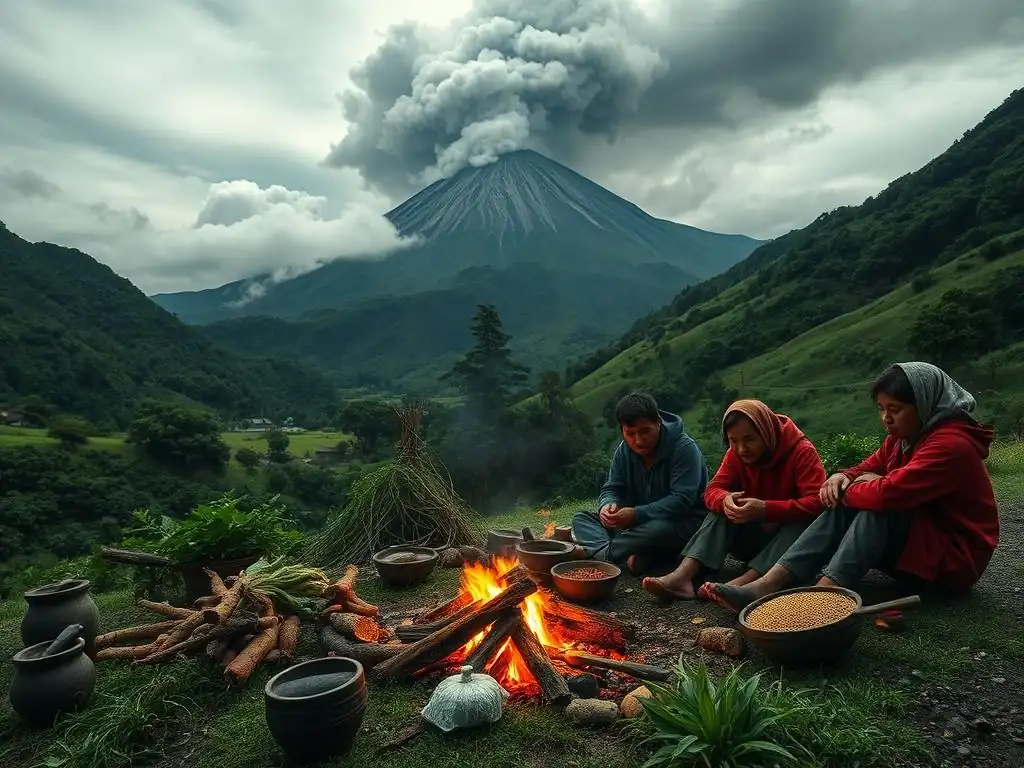
Ever wondered what it takes to survive in the shadow of a volcano? Beyond the science and the spectacle, lies a story of resilience, told through the foods for volcanic eruption survival that sustained communities through unimaginable hardship. Discover how ingenuity and resourcefulness met the challenge of ash-covered fields and disrupted supply lines. This is more than just survival; it's a testament to the enduring spirit of humanity, and the unexpected role food plays in the cultural significance of volcanoes. Prepare to be surprised.
- Volcanoes and Culinary Traditions: A Story of Resilience
- The Challenge: Securing Food After a Volcanic Eruption
- Foods for Volcanic Eruption Survival: Lessons from History
- Case Studies: Volcanic Eruption Survival Food Strategies
- Modern Approaches to Food Security in Volcanic Regions
- Nutritional Considerations: Maintaining Health After a Volcanic Event
- The Future of Food Security Near Volcanoes
- Conclusion: Adapting and Thriving in the Face of Volcanic Activity
-
Frequently Asked Questions
- What types of food are most important for volcanic eruption survival?
- How can I store food safely to withstand a volcanic eruption's impact?
- What are some good sources of hydration during a volcanic eruption, besides water?
- Why is it important to have food supplies specifically for a volcanic eruption?
- What considerations should be made for children's or elderly people's dietary needs in a volcanic eruption survival kit?
- Final Reflection: Resilience in the Face of Ash
- Reclaim Resilience: Cook Up a Volcanic Legacy!
Volcanoes and Culinary Traditions: A Story of Resilience
Volcanoes, often perceived as agents of destruction, have paradoxically shaped culinary traditions in numerous communities around the globe. The fertile volcanic soils, rich in minerals, have long supported agriculture, fostering unique food cultures intrinsically linked to these dramatic landscapes. However, the very eruptions that enrich the soil also pose immediate and significant threats to food security.
Throughout history, communities living in the shadow of volcanoes have developed remarkable strategies to ensure their survival, relying on specific foods and preservation techniques to weather the inevitable disruptions caused by volcanic activity. These adaptations, born out of necessity, offer invaluable lessons for modern approaches to food security in volcanic regions.
The Challenge: Securing Food After a Volcanic Eruption
Understanding the Impact of Volcanic Eruptions on Food Sources
Volcanic eruptions present a multifaceted challenge to food security. The immediate aftermath of an eruption can be devastating to agricultural systems and food supplies. Ashfall, a primary hazard, blankets landscapes in a thick layer of volcanic debris. This ash can contaminate crops, smother vegetation, and reduce sunlight, severely hindering photosynthesis and plant growth.
For instance, the 1991 eruption of Mount Pinatubo in the Philippines deposited ash over a wide area, leading to significant crop losses and livestock deaths. Furthermore, pyroclastic flows and lava flows can directly destroy agricultural land and infrastructure, rendering fields unusable and displacing communities from their means of food production. Lahars, volcanic mudflows, can also inundate fertile valleys and farmlands, burying crops and disrupting irrigation systems. Beyond the immediate physical destruction, volcanic eruptions can trigger longer-term environmental changes, such as acid rain caused by volcanic gases like sulfur dioxide, which can further damage crops and ecosystems.
Traditional Diets Disrupted: The Need for Alternative Food Sources
Volcanic eruptions often disrupt traditional diets and established food systems, necessitating a shift towards alternative food sources for survival. Communities heavily reliant on agriculture and livestock farming find their livelihoods directly threatened. The loss of crops and grazing lands due to ashfall, lava flows, or lahars can lead to immediate food shortages.
Trade routes and supply chains can be severed by volcanic activity, isolating communities and preventing the import of food from unaffected areas. For example, after the 1815 eruption of Mount Tambora in Indonesia, the massive ash cloud caused global climate anomalies known as the "Year Without a Summer." This led to widespread crop failures across Europe and North America, highlighting the far-reaching impact of volcanic eruptions on global food systems.
In such scenarios, communities must rely on stored food reserves, preserved foods, and locally available resources that can withstand or recover quickly from volcanic disturbances. The ability to adapt dietary habits and utilize alternative food sources becomes crucial for survival in the face of volcanic upheaval.
Foods for Volcanic Eruption Survival: Lessons from History
Root Vegetables: A Reliable Starchy Staple in Volcanic Regions
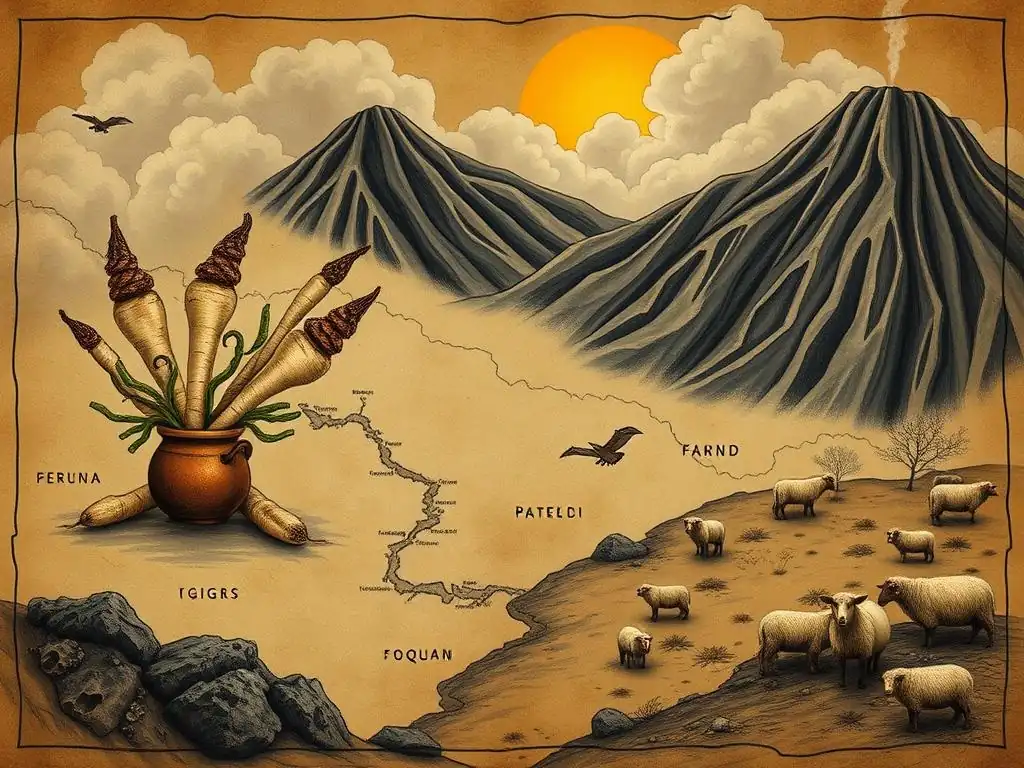
Root vegetables have historically served as a reliable starchy staple for communities living in volcanic regions, offering a degree of resilience against the immediate impacts of eruptions. Their underground growth provides a natural protection against ashfall and surface contamination. Unlike above-ground crops that can be directly smothered or damaged by ash, root vegetables like potatoes, taro, yams, and cassava are shielded beneath the soil.
They can often survive ashfalls and, in some cases, even benefit from the mineral-rich volcanic ash in the long term, once the immediate toxicity subsides. Furthermore, many root vegetables are relatively easy to store and preserve, making them valuable resources during periods of food scarcity following volcanic events. Their nutritional value, particularly their carbohydrate content, provides essential energy for communities facing hardship and recovery efforts.
Taro: Cultivation and Nutritional Value in Volcanic Soils
Taro, a starchy root crop, is particularly significant in volcanic regions of the Pacific Islands and Southeast Asia. It thrives in the well-drained, fertile soils often found in volcanic landscapes. Traditional cultivation practices for taro in these areas often incorporate volcanic ash as a natural fertilizer, recognizing its long-term benefits for soil fertility.
Taro is not only well-suited to volcanic environments but also provides substantial nutritional value. It is a good source of carbohydrates, dietary fiber, and various vitamins and minerals, including vitamin C, vitamin B6, and potassium.
In regions like Hawaii and Samoa, taro has been a staple food for centuries, and its cultivation and consumption are deeply intertwined with cultural practices and resilience strategies in the face of volcanic activity. The ability of taro to grow in volcanic soils and its nutritional richness make it a vital food source for communities in these regions, particularly in the aftermath of eruptions.
Potatoes: A Cold-Climate Survival Food After Eruptions
Potatoes, known for their adaptability to various climates and their nutritional density, have proven to be a valuable survival food in volcanic regions, especially in colder climates. Potatoes are relatively resilient and can tolerate some degree of environmental stress, including the short-term impacts of volcanic ash. Their underground tubers are protected from direct ash contamination, and the plants can often recover after moderate ashfalls. Furthermore, potatoes are a highly efficient source of calories and carbohydrates, providing essential energy for survival.
They are also a good source of vitamin C and potassium. In regions like the Andes Mountains, where volcanic activity is common and temperatures can be cold, potatoes have been a staple crop for millennia. Their ability to grow in volcanic soils, withstand cooler temperatures, and provide substantial nutrition makes them a crucial food source for communities facing the challenges of volcanic eruptions and their aftermath in colder environments.
Preserved Foods: Extending Shelf Life in Uncertain Times
Food preservation techniques have been essential for communities living near volcanoes to extend the shelf life of food supplies, particularly in anticipation of or following eruptions that can disrupt access to fresh food. Preserving food allows communities to build reserves that can sustain them through periods of food scarcity when agricultural production is compromised or supply chains are disrupted. Traditional methods of food preservation, such as drying, fermentation, and salting, have been practiced for centuries in volcanic regions worldwide.
These techniques not only extend the storage life of food but can also enhance its nutritional value and palatability. Having access to preserved foods is a critical component of food security in volcanic areas, providing a buffer against the uncertainties and disruptions caused by eruptions.
Drying Techniques: Preserving Fruits and Vegetables Near Volcanoes
Drying is a simple yet effective method of food preservation widely used in volcanic regions to preserve fruits and vegetables. Exposure to sunlight and wind naturally reduces the moisture content of food, inhibiting microbial growth and spoilage. Fruits like bananas, mangoes, and papayas, commonly grown in tropical volcanic areas, can be dried into nutritious snacks that store for extended periods. Vegetables such as tomatoes, peppers, and beans can also be dried and rehydrated later for cooking.
In volcanic regions with dry seasons or windy conditions, drying is a particularly efficient and energy-saving preservation method. Dried fruits and vegetables retain much of their nutritional value and provide essential vitamins and minerals during times when fresh produce is unavailable due to volcanic disruptions. This method offers a practical way to ensure a supply of shelf-stable, nutritious foods in volcanic areas.
Fermentation: Creating Nutritious and Long-Lasting Food Supplies
Fermentation is another crucial food preservation technique that has been historically important in volcanic regions, particularly for creating nutritious and long-lasting food supplies. Fermentation involves using beneficial microorganisms, such as bacteria and yeasts, to transform food. This process not only preserves food by creating an acidic environment that inhibits spoilage bacteria but also often enhances its nutritional value and digestibility.
For example, in Indonesia, a volcanically active archipelago, tempeh and oncom, fermented soybean and peanut products respectively, are staple foods. Fermentation increases the bioavailability of nutrients in soybeans and peanuts and produces B vitamins. Kimchi in Korea, another volcanically active region, is a fermented cabbage dish rich in probiotics and vitamins.
Fermented foods can be stored for longer periods without refrigeration, making them invaluable in situations where power outages or disruptions to food supply chains are expected after a volcanic eruption. Fermentation provides a double benefit: preservation and nutritional enhancement, making it a vital strategy for food security in volcanic environments.
Locally Sourced Protein: Animals and Insects as Survival Food
In the aftermath of volcanic eruptions, when traditional food sources are disrupted, locally sourced protein becomes particularly important for survival. While livestock raising can be challenged in volcanic areas, and conventional animal agriculture might suffer setbacks after eruptions, alternative protein sources, such as edible insects, can play a crucial role in ensuring nutritional needs are met. Historically, communities in volcanic regions have relied on a combination of animal husbandry, fishing, and foraging to secure protein. In the context of volcanic disruptions, adapting protein sourcing strategies and considering unconventional options becomes critical for maintaining health and resilience.
Raising Livestock: Challenges and Solutions in Volcanic Areas
Raising livestock in volcanic areas presents specific challenges, but also opportunities. Volcanic ash can contaminate grazing lands and water sources, posing health risks to animals. Ashfall can also damage pastures and reduce forage availability. Volcanic gases can be harmful to livestock respiratory systems.
However, volcanic soils, in the long term, can support lush pastures due to their mineral richness. Traditional livestock management practices in volcanic regions often involve strategies to mitigate these risks. This can include sheltering animals during ashfalls, providing supplemental feed, and ensuring access to clean water sources.
In Iceland, for example, livestock farming, particularly sheep raising, is a significant part of the economy, even with the presence of active volcanoes. Farmers have developed techniques to protect their animals and manage grazing in volcanic landscapes. Adapting livestock management practices to the specific challenges of volcanic environments is essential for ensuring a sustainable source of animal protein in these regions.
Edible Insects: A Sustainable Protein Source Post-Eruption
Edible insects represent a sustainable and often overlooked protein source that can be particularly valuable in volcanic regions, especially after eruptions disrupt conventional food systems. Insects are highly nutritious, rich in protein, and can be raised with minimal resources compared to traditional livestock. They also have a rapid reproduction rate, making them a potentially quick source of protein replenishment after disasters.
In many parts of the world, including volcanic regions of Southeast Asia, Africa, and Latin America, entomophagy (eating insects) is already a traditional practice. Grasshoppers, crickets, beetle larvae, and termites are examples of insects consumed in volcanic areas.
After a volcanic eruption, when conventional food sources are scarce and livestock farming is disrupted, edible insects can provide a readily available and nutritious protein supplement. Promoting and developing sustainable insect farming or harvesting practices can enhance food security and resilience in volcanic communities, offering a culturally appropriate and environmentally sound protein source.
Case Studies: Volcanic Eruption Survival Food Strategies
Mount Vesuvius: Ancient Roman Food Preservation Techniques
The ancient Roman civilization, living in the shadow of Mount Vesuvius, developed sophisticated food preservation techniques to ensure food security in a region prone to volcanic activity and other natural disasters. Pompeii and Herculaneum, famously buried by the eruption of Vesuvius in 79 AD, provide archaeological evidence of Roman food preservation methods. Excavations have revealed storage jars (dolia) used for grains, olive oil, and wine, indicating bulk storage strategies.
Dried fruits, nuts, and preserved fish were also common in the Roman diet. Salting, drying, and smoking were widely used to preserve meat and fish. Grains were stored in granaries to provide a staple food source throughout the year.
These preservation techniques allowed the Roman communities around Vesuvius to create food reserves that could buffer against periods of scarcity caused by volcanic eruptions, earthquakes, or other disruptions. Their reliance on preserved foods demonstrates a proactive approach to food security in a hazardous environment.
Mount Tambora: The Impact of Ashfall on Food Production in Indonesia
The 1815 eruption of Mount Tambora in Indonesia, one of the largest volcanic eruptions in recorded history, had a devastating impact on food production and led to widespread famine. The massive volume of volcanic ash ejected into the atmosphere caused global climate cooling and widespread crop failures. In Indonesia, the immediate ashfall destroyed crops and livestock, leading to severe food shortages.
The eruption occurred during the rice planting season, and the ashfall prevented successful harvests. Rice paddies were buried, and the ash contaminated water sources, further hindering agriculture. The resulting famine caused tens of thousands of deaths in Indonesia and contributed to food shortages and social unrest globally.
The Tambora eruption serves as a stark reminder of the profound and far-reaching impact that volcanic ashfall can have on food production and the critical importance of food security planning in volcanic regions. The lack of diverse food sources and effective food preservation strategies exacerbated the famine in the aftermath of Tambora.
Mount St. Helens: Community Resilience and Food Sharing After the Eruption
The 1980 eruption of Mount St. Helens in the United States, while less globally impactful than Tambora, still presented significant challenges to food security in the affected region of Washington State. The eruption caused widespread ashfall and destruction of agricultural lands near the volcano. However, the response to the Mount St. Helens eruption highlighted community resilience and food sharing as crucial survival strategies. Local communities, government agencies, and aid organizations mobilized quickly to provide food assistance to those affected.
Food banks and emergency food distribution centers were established. Neighbor-to-neighbor food sharing networks emerged, with communities helping each other by sharing stored food and garden produce. The eruption demonstrated the importance of community-based food systems and social networks in enhancing food security during and after volcanic events. The rapid response and collaborative efforts minimized the long-term food security impacts and facilitated recovery in the region.
Modern Approaches to Food Security in Volcanic Regions
Emergency Food Supplies: Planning for Volcanic Disasters
Modern approaches to food security in volcanic regions emphasize proactive planning and preparedness, including the establishment of emergency food supplies. Recognizing the potential for volcanic eruptions to disrupt food access, many communities and governments in volcanic areas maintain stockpiles of emergency food. These supplies typically include non-perishable foods with long shelf lives, such as canned goods, dried foods, and energy bars. Emergency food kits are often distributed to households in high-risk areas, and community shelters are equipped with food reserves.
Planning for emergency food distribution logistics is also crucial, ensuring that food can be efficiently delivered to affected populations after an eruption. Regularly reviewing and replenishing emergency food supplies is essential to maintain their effectiveness. Investing in emergency food preparedness is a vital component of building resilience to volcanic hazards and ensuring immediate food security in the aftermath of an eruption.
Crop Diversification: Building Resilient Agricultural Systems
Crop diversification is a key strategy for building resilient agricultural systems in volcanic regions and enhancing long-term food security. Relying on a monoculture or a limited number of crops increases vulnerability to volcanic hazards. If a single crop is highly susceptible to ashfall or other volcanic impacts, an eruption can decimate the entire agricultural output. Diversifying crop production by growing a variety of crops with different levels of resilience and growth cycles reduces this risk.
This can include incorporating root crops, fruits, vegetables, and grains with varying tolerances to ashfall and volcanic gases. Crop diversification also enhances nutritional diversity and improves soil health. Promoting diverse farming systems, including agroforestry and intercropping, can further strengthen agricultural resilience in volcanic landscapes. By reducing reliance on single crops and fostering agricultural biodiversity, communities can build more robust food systems that are better able to withstand volcanic disruptions and ensure long-term food security.
Food Aid and Distribution: Supporting Affected Communities
Food aid and distribution systems are crucial for supporting communities affected by volcanic eruptions, particularly in the immediate aftermath when local food production and supply chains are disrupted. National and international aid organizations play a vital role in providing emergency food assistance to volcanic-affected populations. This can include distributing food rations, establishing temporary feeding centers, and providing logistical support for food delivery.
Effective food aid distribution requires careful coordination between government agencies, aid organizations, and local communities. Needs assessments are essential to determine the extent of food insecurity and target aid to the most vulnerable populations. Food aid efforts should also consider cultural appropriateness and nutritional needs.
While emergency food aid provides immediate relief, it is also important to transition towards longer-term food security solutions, such as supporting agricultural recovery and rebuilding local food systems. Food aid serves as a critical safety net in the short term and should be integrated with long-term strategies for building food resilience in volcanic regions.
Nutritional Considerations: Maintaining Health After a Volcanic Event
Essential Vitamins and Minerals for Recovery
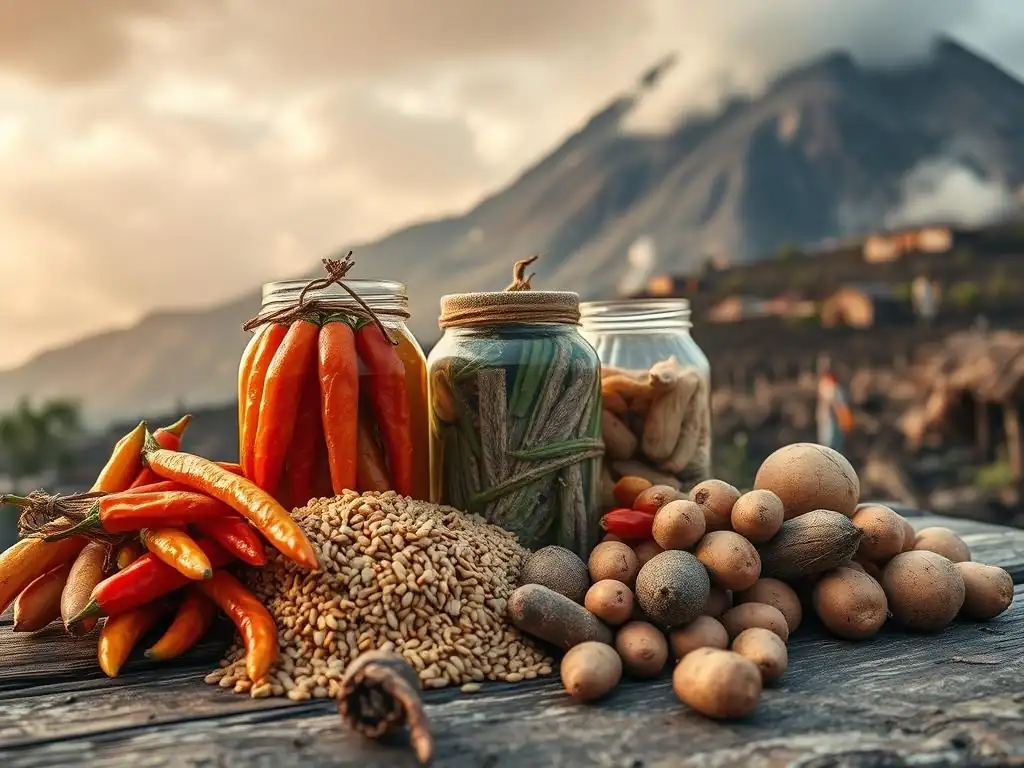
Maintaining adequate nutrition is critical for recovery and health in the aftermath of a volcanic event, especially when food supplies are disrupted and access to fresh foods is limited. Volcanic eruptions can lead to food scarcity and reduced dietary diversity, potentially resulting in deficiencies in essential vitamins and minerals. Vitamin C, crucial for immune function and wound healing, can be lacking when access to fresh fruits and vegetables is limited. Vitamin A, important for vision and immune health, and B vitamins, essential for energy metabolism, are also vital.
Minerals like iron, zinc, and iodine, which play key roles in various bodily functions, should also be prioritized. Emergency food rations and aid packages should ideally be fortified with essential vitamins and minerals. Nutritional education and awareness campaigns can also help communities make informed food choices and maximize the nutritional value of available resources during recovery periods.
Addressing Food Scarcity and Malnutrition
Addressing food scarcity and malnutrition is a primary concern in the response to volcanic eruptions. Prolonged food shortages can lead to malnutrition, particularly among vulnerable populations such as children, pregnant women, and the elderly. Monitoring nutritional status and identifying cases of malnutrition are essential for targeted interventions. Supplementary feeding programs can provide nutrient-rich foods to vulnerable groups.
Promoting breastfeeding and providing infant formula when necessary are crucial for infant nutrition. Addressing underlying causes of malnutrition, such as food insecurity and lack of access to clean water and sanitation, is also important for long-term recovery. Community-based nutrition programs can empower local populations to improve their nutritional status and build resilience to future food shocks. A comprehensive approach that combines immediate food aid with long-term nutrition interventions is necessary to effectively address food scarcity and malnutrition in volcanic-affected regions.
The Future of Food Security Near Volcanoes
Sustainable Agriculture in Volcanic Environments
The future of food security near volcanoes hinges on developing sustainable agricultural practices that are resilient to volcanic hazards and environmentally sound. This includes promoting agroecological farming methods that enhance soil health, conserve water, and reduce reliance on external inputs. Integrating traditional knowledge with modern agricultural techniques can lead to innovative and sustainable solutions. Developing crop varieties that are tolerant to volcanic ash and adapted to volcanic soils is crucial.
Agroforestry systems, which combine trees and crops, can improve soil fertility and provide diversified food sources. Sustainable livestock management practices that minimize environmental impact and protect animal health in volcanic environments are also essential. Investing in research and development of sustainable agricultural technologies and practices tailored to volcanic regions is key to ensuring long-term food security and environmental sustainability.
Community-Based Food Systems: Empowering Local Resilience
Empowering local communities to build resilient food systems is vital for enhancing food security near volcanoes. Community-based food systems emphasize local food production, processing, and distribution, reducing reliance on external supply chains that can be disrupted by volcanic events. Supporting local farmers and food producers through training, access to resources, and market opportunities strengthens local food economies. Community gardens and urban agriculture initiatives can increase local food availability and promote food access.
Establishing local food storage facilities and community kitchens can enhance food preparedness and resilience. Promoting traditional food knowledge and practices can contribute to culturally appropriate and sustainable food systems. Empowering communities to take ownership of their food systems fosters self-reliance and strengthens their capacity to cope with volcanic hazards and ensure long-term food security.
Volcanic Soil Amendments: Optimizing Crop Yields in Ash-Affected Areas
Volcanic ash, while initially detrimental, can, over time, act as a valuable soil amendment, enriching soils with essential minerals and potentially optimizing crop yields in ash-affected areas. Fresh volcanic ash can be acidic and contain toxic elements, requiring careful management. However, weathered volcanic ash releases nutrients like phosphorus, potassium, calcium, and magnesium, which are beneficial for plant growth.
Using volcanic ash as a soil amendment requires understanding its properties and applying appropriate techniques. Mixing ash with organic matter and allowing it to weather can improve its suitability for agriculture. In some volcanic regions, farmers have traditionally incorporated volcanic ash into their fields to enhance soil fertility.
Research into the optimal use of volcanic ash as a soil amendment can help maximize its benefits and minimize its negative impacts. By harnessing the long-term fertility potential of volcanic ash, communities can turn a volcanic hazard into an opportunity for sustainable agricultural productivity and enhanced food security.
Conclusion: Adapting and Thriving in the Face of Volcanic Activity
Volcanic eruptions present formidable challenges to food security, but history and modern approaches demonstrate the remarkable capacity of communities to adapt and thrive in these dynamic environments. From ancient Roman preservation techniques to contemporary emergency food planning and sustainable agriculture, strategies for securing sustenance in volcanic regions are diverse and evolving.
Root vegetables, preserved foods, and locally sourced protein have historically been vital, while crop diversification, community-based food systems, and strategic use of volcanic soil amendments offer pathways to future resilience. By learning from past experiences, embracing innovation, and empowering local communities, we can build food systems that not only withstand volcanic disruptions but also harness the unique opportunities presented by volcanic landscapes, ensuring food security and fostering a sustainable coexistence with these powerful forces of nature.
Frequently Asked Questions
What types of food are most important for volcanic eruption survival?
The most important foods are those that are non-perishable, nutrient-rich, and require little to no cooking. Think canned goods, dried fruits, and protein bars.
How can I store food safely to withstand a volcanic eruption's impact?
Store food in waterproof and airtight containers to protect it from ash contamination and potential flooding. Keep them in a cool, dry place away from potential heat sources.
What are some good sources of hydration during a volcanic eruption, besides water?
Consider bringing electrolyte solutions and fruit juices that are shelf stable. These can help replenish lost minerals and energy in a stressful situation.
Why is it important to have food supplies specifically for a volcanic eruption?
Volcanic eruptions can disrupt supply chains, making access to fresh food difficult. Having a dedicated emergency food supply ensures you have sustenance during and after the event.
What considerations should be made for children's or elderly people's dietary needs in a volcanic eruption survival kit?
Include easily digestible and soft foods like purees or mashed fruits for children and the elderly. Consider their specific dietary restrictions and nutritional needs when building the kit.
Final Reflection: Resilience in the Face of Ash
The stories of communities enduring volcanic eruptions, as revealed through their foods for volcanic eruption survival, are not just historical anecdotes; they are potent reminders of human resilience in the face of unimaginable adversity. These culinary adaptations, born of necessity, highlight the enduring spirit of communities who refused to be defined by disaster, instead finding sustenance and strength in the ashes.
The ingenuity displayed in utilizing available resources, from hardy root vegetables to preserved goods, underscores the profound connection between food and cultural survival. This connection resonates deeply, reminding us that food is more than just sustenance; it's a repository of history, tradition, and hope. We cannot despair of humanity, since we are ourselves human beings.
- Albert Einstein. This quote underscores the inherent capacity for survival and adaptation that resides within us all, a capacity vividly illustrated by the communities who found life-sustaining nourishment amidst volcanic devastation.
Let us carry forward the lessons learned from these resilient communities. Consider how you can cultivate your own preparedness, not just in terms of physical supplies, but also in terms of resourcefulness and community spirit. Reflect on the foods that connect you to your heritage and the skills you can learn to ensure your own resilience in the face of unforeseen challenges. The spirit of survival, like the seeds of hope, can be nurtured and grown, ensuring that even in the face of adversity, we can find sustenance and strength within ourselves and within our communities.
Reclaim Resilience: Cook Up a Volcanic Legacy!
Thank you for exploring the incredible ways communities have adapted and thrived in the face of volcanic eruptions. You've now discovered the surprising resilience found in traditional foods and agricultural practices. Ready to tap into that same resourcefulness?
Here's how you can connect with this powerful history and prepare for the future:
- Boldly try recreating one of the volcanic-adapted recipes mentioned in the article. Share your experience and photos online using #VolcanoEats.
- Research the indigenous food traditions in your own region and consider supporting local farmers who are preserving these valuable practices.
- Discuss with friends and family how your community could become more food resilient in the face of potential natural disasters. What simple steps can you take together?
What innovative food adaptation will you champion to ensure a more resilient future?