
Beyond the Fire: The Unseen Ways Volcanic Gases Poison Forest Vegetation


Welcome to Volcano Explorers!
Ever wondered about the silent killers lurking near those majestic peaks? We often focus on the fiery spectacle of eruptions, but what about the invisible forces at play? Prepare to uncover a hidden danger as we delve into how volcanic gases impact forest health, a critical yet often overlooked aspect of volcanic activity. This is just the beginning – explore further and discover the surprising ways these potent emissions are reshaping our world, one forest at a time.
- Introduction: The Hidden Threat of Volcanic Gases to Forests
- Understanding Volcanic Gas Composition and Emission
- Mechanisms of Volcanic Gas Damage to Forest Vegetation
- Specific Examples of Volcanic Gas Impact on Forests Worldwide
- Visual Symptoms of Volcanic Gas Damage in Trees and Plants
- Factors Influencing the Severity of Volcanic Gas Impact
- Monitoring and Mitigation Strategies for Volcanic Gas Impacts on Forests
- Long-Term Consequences of Volcanic Gas Exposure on Forest Ecosystems
- Conclusion: Protecting Forests from the Unseen Threat of Volcanic Gases
-
Frequently Asked Questions
- How do volcanic gases specifically impact forest health?
- What are the most common volcanic gases that affect forests?
- How far away from a volcano can volcanic gas damage to forests be observed?
- Can forests recover after being affected by volcanic gases?
- What can be done to mitigate the impact of volcanic gases on forest health?
- Final Reflection: A Breath of Awareness
- Unearth the Secrets: Become a Guardian of Volcanic Forests!
More Than Just Lava: Understanding the Full Impact of Volcanoes
Volcanic eruptions are often visualized as dramatic displays of fiery lava flows and explosive ash clouds. These are indeed potent forces of nature, capable of causing immediate and widespread devastation. However, the impact of volcanoes extends far beyond these visually striking phenomena.
A less obvious, yet equally significant, aspect of volcanic activity is the release of gases. These volcanic gases, invisible to the naked eye, can travel vast distances and exert a silent, insidious influence on the surrounding environment, particularly on forest ecosystems. While lava may incinerate everything in its path, and ashfall can smother vegetation under a heavy blanket, volcanic gases pose a more subtle, chronic threat that can weaken and ultimately destroy forests over time.
Why Volcanic Gases Impact Forest Health: An Overlooked Danger
The detrimental effects of volcanic gases on forest health are often overlooked because they are not as immediately apparent as the destruction caused by lava flows or pyroclastic surges. Unlike these direct, catastrophic events, the impact of volcanic gases is typically gradual and cumulative. Forests exposed to volcanic emissions may not instantly wither and die.
Instead, they may exhibit a slow decline, characterized by subtle symptoms such as leaf discoloration, reduced growth rates, and increased susceptibility to diseases and pests. This slow degradation can be easily attributed to other environmental stressors, masking the underlying role of volcanic gases in weakening forest ecosystems. Recognizing and understanding the impact of volcanic gases is crucial for a comprehensive assessment of volcanic hazards and for developing effective strategies for forest conservation in volcanic regions.
Understanding Volcanic Gas Composition and Emission
Major Volcanic Gases: Sulfur Dioxide (SO2), Carbon Dioxide (CO2), and Hydrogen Fluoride (HF)
Volcanic gases are a complex mixture, but a few key components are primarily responsible for their detrimental effects on forest vegetation. Sulfur dioxide (SO2) is a major constituent, known for its pungent odor and its role in acid rain formation. Released in substantial quantities during eruptions and degassing, SO2 can directly damage plant tissues and contribute to widespread acidification. Carbon dioxide (CO2), while essential for plant life in normal atmospheric concentrations, can reach phytotoxic levels near volcanic vents, particularly in enclosed or low-lying areas.
Hydrogen fluoride (HF) is another highly toxic gas emitted by volcanoes. Even in minute concentrations, HF can accumulate in plant leaves, causing severe fluorosis and disrupting vital physiological processes. These three gases, often present in significant amounts, represent the primary threat to forest health from volcanic emissions.
Minor Volcanic Gases and Their Combined Effects on Vegetation
Beyond the major gases, volcanic emissions contain a cocktail of other compounds, including hydrogen sulfide (H2S), carbon monoxide (CO), and various halogen gases like hydrogen chloride (HCl). While these gases may be present in lower concentrations compared to SO2, CO2, and HF, they can still contribute to the overall phytotoxicity of volcanic plumes. For instance, H2S can interfere with plant respiration, while CO can compete with oxygen binding in plant tissues.
Furthermore, these minor gases can interact synergistically with major gases, amplifying their negative effects on vegetation. The combined presence of multiple toxic gases can create a complex environmental stressor that weakens forest ecosystems and makes them more vulnerable to other disturbances.
How Volcanic Gas Emission Patterns Affect Forest Exposure
The pattern of volcanic gas emission significantly influences the extent and severity of forest exposure. Continuous degassing, common at persistently active volcanoes, releases a steady stream of gases into the atmosphere. This can lead to chronic exposure for forests downwind, resulting in gradual, cumulative damage. Episodic eruptions, on the other hand, release large pulses of gases over shorter periods.
These events can cause acute, intense exposure, leading to rapid and widespread forest damage in the affected areas. Explosive eruptions, while often associated with ash and pyroclastic flows, also inject massive amounts of gases high into the atmosphere. These gases can be dispersed over vast areas, potentially impacting forests far from the volcano itself through acid rain and long-range transport of toxic compounds. The temporal dynamics of gas release, therefore, play a crucial role in determining the nature and magnitude of volcanic gas impacts on forest vegetation.
Mechanisms of Volcanic Gas Damage to Forest Vegetation
Direct Toxicity: How Gases Poison Plant Cells
Volcanic gases exert direct toxic effects on plant cells through various biochemical mechanisms. Sulfur dioxide (SO2), for example, can enter plant leaves through stomata and dissolve in the moist intercellular spaces to form sulfurous acid and sulfite ions. These compounds are highly reactive and can disrupt cellular metabolism by interfering with enzyme activity and damaging cell membranes.
Hydrogen fluoride (HF) is even more insidious, as fluoride ions can accumulate in plant tissues, particularly in leaves, over time. Fluoride can inhibit photosynthesis, disrupt respiration, and interfere with calcium metabolism, leading to chlorosis, necrosis, and ultimately, cell death. The direct exposure to these toxic gases at a cellular level initiates a cascade of detrimental effects that weaken and eventually kill plant tissues.
Acid Rain Formation: The Secondary Impact of Sulfur Dioxide
Sulfur dioxide (SO2) released into the atmosphere undergoes chemical transformations, reacting with water vapor and oxygen to form sulfuric acid (H2SO4). This process leads to the formation of acid rain, which is a significant secondary impact of volcanic gas emissions on forest ecosystems. Acid rain can directly damage plant leaves, causing lesions and necrosis, particularly on the upper leaf surfaces exposed to rainfall.
It also leaches essential nutrients, such as calcium and magnesium, from leaves and soils, further weakening plant health. The increased acidity of precipitation can also mobilize toxic metals in the soil, such as aluminum, which can be absorbed by plant roots and interfere with nutrient uptake and root function. Acid rain, therefore, acts as a pervasive and widespread stressor, exacerbating the direct toxic effects of volcanic gases and impacting forest health across broad areas.
Soil Acidification: Long-Term Effects on Forest Ecosystems
Beyond the immediate impact of acid rain, volcanic gas emissions, particularly sulfur dioxide, contribute to long-term soil acidification. Continuous deposition of acidic compounds from the atmosphere gradually lowers the soil pH. This acidification process has profound and lasting consequences for forest ecosystems.
Acidic soils can reduce the availability of essential nutrients like phosphorus, potassium, and molybdenum, hindering plant growth and nutrient uptake. It also increases the solubility and mobility of toxic metals, such as aluminum and manganese, which can reach phytotoxic concentrations in the soil solution, damaging plant roots and disrupting nutrient balance. Soil acidification also alters microbial communities in the soil, reducing the activity of beneficial microorganisms involved in nutrient cycling and decomposition, further impacting forest health and ecosystem function over extended periods.
Specific Examples of Volcanic Gas Impact on Forests Worldwide
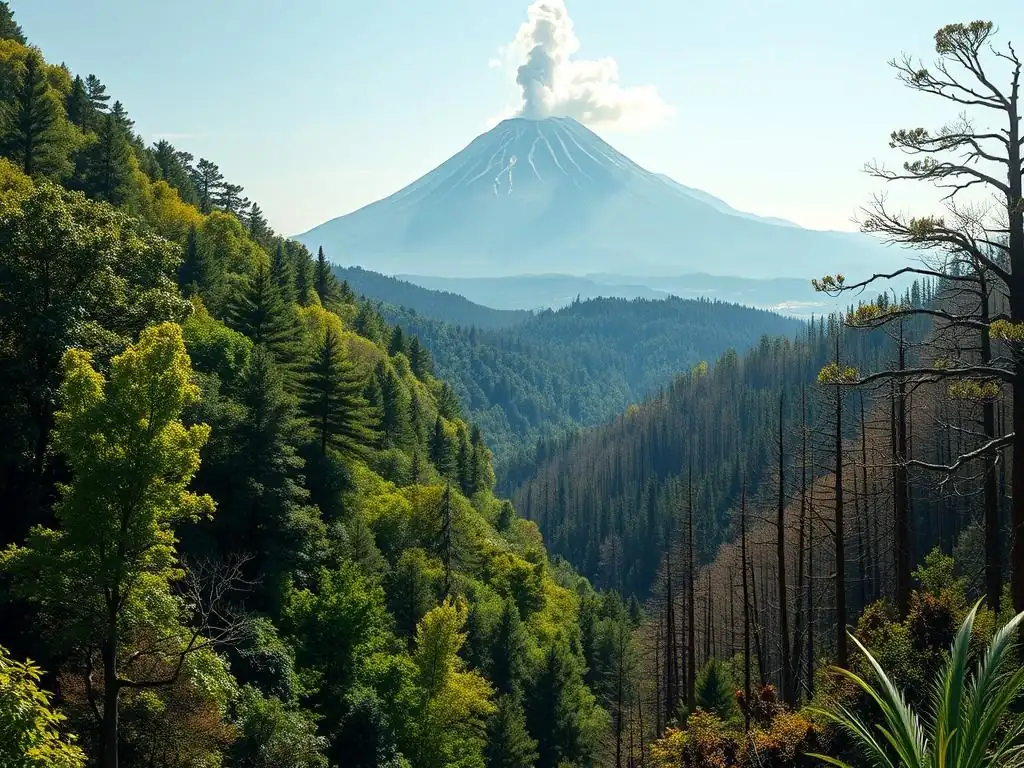
Mount St. Helens: A Case Study of Forest Devastation and Recovery
The 1980 eruption of Mount St. Helens in Washington State provides a stark example of volcanic gas impact on forests. While the immediate blast zone was completely devastated by pyroclastic flows and lahars, forests surrounding the volcano, beyond the reach of direct destruction, suffered significant damage from volcanic gases and ashfall. Studies conducted after the eruption revealed widespread foliar injury, growth reduction, and mortality in coniferous forests downwind of the volcano.
Sulfur dioxide and hydrogen fluoride were identified as major contributors to the observed damage. However, Mount St. Helens also demonstrates forest resilience. Over subsequent decades, vegetation has gradually recovered, showcasing the capacity of forest ecosystems to regenerate even after severe volcanic gas exposure, although species composition and forest structure have been altered in some areas.
Hekla, Iceland: Impact of Fluoride Emissions on Birch Forests
Hekla volcano in Iceland is known for its frequent eruptions and significant emissions of hydrogen fluoride (HF). The birch forests surrounding Hekla have been particularly affected by fluoride pollution. Studies have documented high levels of fluoride accumulation in birch leaves and twigs in areas exposed to Hekla's emissions.
This fluoride accumulation leads to fluorosis, characterized by leaf necrosis, reduced growth, and even tree mortality. Grazing animals, such as sheep and reindeer, that consume vegetation contaminated with fluoride also suffer from fluorosis, highlighting the broader ecological consequences of volcanic gas pollution. The Hekla case study underscores the specific threat of hydrogen fluoride to forest ecosystems and the potential for long-term ecological damage due to chronic fluoride exposure.
Kilauea, Hawaii: The Effects of "Vog" on Ohia Lehua and Other Native Vegetation
Kilauea volcano in Hawaii, with its ongoing effusive eruptions, produces a persistent volcanic smog known as "vog." Vog is a mixture of sulfur dioxide and other volcanic gases that react in the atmosphere to form sulfate aerosols. This vog has been shown to negatively impact native Hawaiian vegetation, particularly Ohia Lehua forests.
Studies have documented reduced photosynthetic rates, increased leaf damage, and decreased growth in Ohia Lehua trees exposed to vog. Other native plant species, including ferns and orchids, are also susceptible to vog damage. The chronic exposure to vog from Kilauea illustrates how even relatively low-level, continuous volcanic gas emissions can exert significant stress on forest ecosystems, especially in sensitive native habitats.
Visual Symptoms of Volcanic Gas Damage in Trees and Plants
Leaf Damage: Chlorosis, Necrosis, and Stippling
One of the most readily observable symptoms of volcanic gas damage in forest vegetation is leaf damage. Chlorosis, the yellowing of leaf tissue due to chlorophyll breakdown, is a common sign of stress induced by gases like sulfur dioxide and hydrogen fluoride. Necrosis, the death of leaf tissue, often manifests as brown or black patches, particularly along leaf margins or between veins.
Stippling, characterized by small, discolored spots on the leaf surface, is another visual symptom associated with exposure to certain volcanic gases. These leaf symptoms are direct indicators of cellular damage and physiological disruption caused by the toxic effects of volcanic emissions. The pattern and severity of leaf damage can provide clues about the type and concentration of gases involved and the extent of forest exposure.
Growth Inhibition: Stunted Growth and Reduced Reproduction
Beyond visible leaf damage, volcanic gases can also induce less obvious, but equally significant, effects on plant growth and reproduction. Growth inhibition is a common consequence of chronic exposure to volcanic emissions. Trees and plants may exhibit stunted growth, with reduced stem elongation, smaller leaf size, and decreased overall biomass accumulation.
Volcanic gases can also negatively impact reproductive processes, leading to reduced flowering, lower seed production, and decreased seed viability. These effects on growth and reproduction can significantly weaken forest ecosystems over time, reducing their productivity, resilience, and capacity for regeneration. The subtle nature of growth inhibition can make it a less immediately apparent symptom than leaf damage, but it represents a critical long-term consequence of volcanic gas exposure.
Forest Dieback: Large-Scale Mortality of Trees
In severe cases of volcanic gas exposure, particularly during intense eruptions or prolonged periods of degassing, forest dieback can occur. Forest dieback refers to the large-scale mortality of trees across a significant area. This phenomenon represents the most extreme manifestation of volcanic gas impact on forest vegetation.
Dieback can be triggered by a combination of factors, including direct toxicity of gases, acid rain, soil acidification, and increased susceptibility to secondary stressors like insect infestations or diseases. Forest dieback events can dramatically alter forest structure and composition, leading to significant ecological and economic consequences. The recovery of forests after dieback can be a slow and complex process, often requiring decades or even centuries, depending on the severity of the damage and the environmental conditions.
Factors Influencing the Severity of Volcanic Gas Impact
Proximity to Vent: Distance as a Key Determinant
Distance from the volcanic vent is a primary determinant of the severity of volcanic gas impact on forests. Gas concentrations typically decrease exponentially with increasing distance from the source. Forests located close to the vent are exposed to the highest concentrations of toxic gases, leading to the most severe damage.
As distance increases, gas concentrations diminish, and the severity of impact generally decreases. This distance-decay relationship is a fundamental principle governing the spatial distribution of volcanic gas effects on vegetation. However, other factors, such as wind direction, topography, and emission patterns, can modify this simple distance-based pattern, creating complex spatial gradients of gas exposure and forest damage.
Wind Direction and Topography: How Terrain Shapes Gas Dispersion
Wind direction and topography play crucial roles in shaping the dispersion of volcanic gases and influencing the spatial patterns of forest impact. Prevailing wind directions dictate the primary pathways of gas plume movement. Forests downwind of a volcano are exposed to higher gas concentrations compared to those upwind.
Topography, including mountains, valleys, and slopes, can further modify gas dispersion patterns. Valleys can channel gas plumes, leading to localized areas of high concentration, while mountains can act as barriers, creating rain shadow effects and altering wind flow patterns. Complex terrain can thus result in highly heterogeneous patterns of gas exposure and forest damage, with some areas experiencing severe impacts while others remain relatively unaffected, even at similar distances from the vent.
Plant Species Sensitivity: Varying Vulnerability to Volcanic Gases
Plant species exhibit varying degrees of sensitivity to volcanic gases. Some species are highly tolerant and can withstand relatively high concentrations of gases with minimal damage, while others are highly sensitive and suffer severe injury even at low exposure levels. Coniferous trees, for example, are generally considered more sensitive to sulfur dioxide than deciduous trees.
Within coniferous forests, different species may also show varying levels of vulnerability. Native plant species, particularly those adapted to specific local conditions, may be more or less resilient to volcanic gas stress compared to introduced species. Understanding plant species sensitivity is crucial for predicting the ecological consequences of volcanic gas exposure and for guiding reforestation efforts in volcanic regions, selecting species that are more likely to thrive in gas-affected environments.
Monitoring and Mitigation Strategies for Volcanic Gas Impacts on Forests
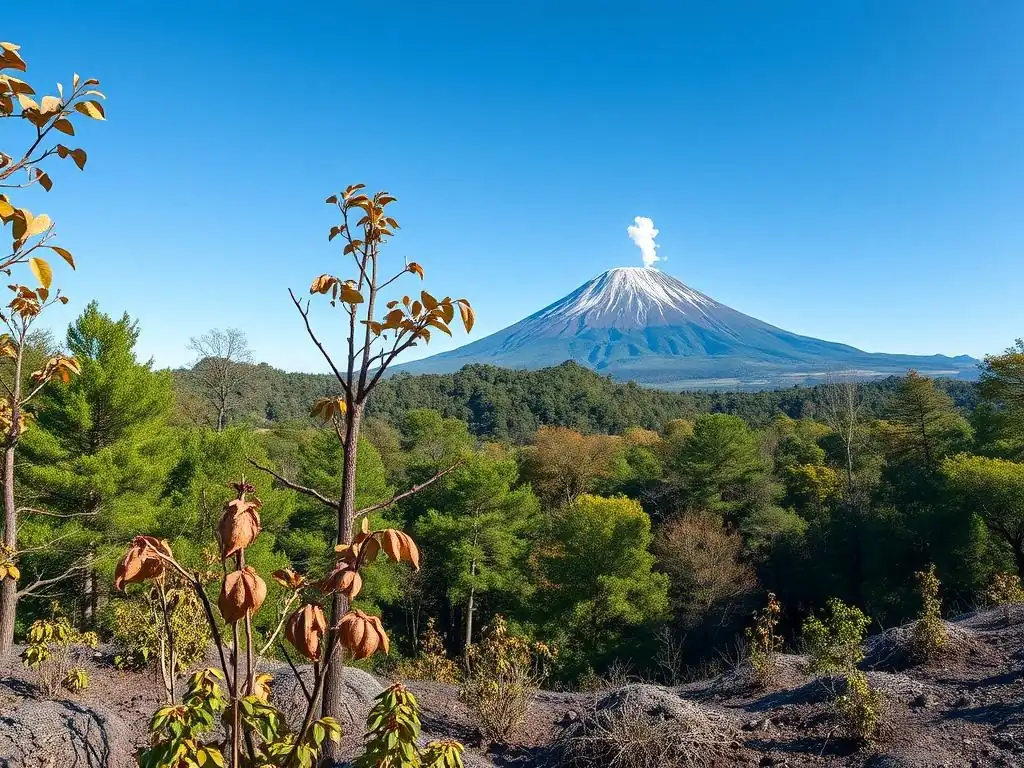
Gas Detection Techniques: Measuring Volcanic Emissions
Effective monitoring of volcanic gas emissions is essential for assessing and mitigating their impact on forest health. Various techniques are employed to detect and measure volcanic gases. Ground-based instruments, such as spectrometers and gas sensors, can be deployed near volcanoes to continuously monitor gas concentrations in the atmosphere.
Remote sensing techniques, using satellites and aircraft equipped with specialized sensors, can detect and quantify volcanic gas plumes over broader areas. These remote sensing methods are particularly valuable for monitoring gas emissions from remote or inaccessible volcanoes. Regular and accurate gas monitoring provides crucial data for assessing the potential risk to forests, tracking changes in emission rates, and informing mitigation strategies.
Forest Health Assessments: Identifying and Tracking Damage
Assessing forest health in volcanic regions is critical for identifying and tracking the impacts of volcanic gases. Forest health assessments typically involve a combination of field surveys and remote sensing methods. Field surveys include visual assessments of tree condition, measurements of tree growth, and analysis of leaf and soil samples.
Remote sensing techniques, using multispectral and hyperspectral imagery, can detect changes in vegetation indices that are indicative of stress and damage. Geographic Information Systems (GIS) are used to integrate data from field surveys and remote sensing, creating maps of forest health and identifying areas most affected by volcanic gas exposure. Long-term monitoring programs are essential for tracking the progression of forest damage and evaluating the effectiveness of mitigation or restoration efforts.
Reforestation Efforts: Restoring Damaged Forest Ecosystems
Reforestation is a key strategy for restoring forest ecosystems damaged by volcanic gases. Successful reforestation requires careful planning and species selection. In areas severely affected by volcanic gases, soil remediation may be necessary to reduce acidity and improve nutrient availability before planting. Selecting plant species that are tolerant to volcanic gases and adapted to the local environmental conditions is crucial for ensuring reforestation success.
Native species are generally preferred, as they are better suited to the ecosystem and provide habitat for native wildlife. Reforestation efforts may also involve assisted natural regeneration, promoting the regrowth of native vegetation through measures such as weed control and protection from grazing. Long-term monitoring of reforestation sites is essential to assess plant survival, growth, and ecosystem recovery.
Long-Term Consequences of Volcanic Gas Exposure on Forest Ecosystems
Changes in Species Composition: Shifts in Plant Communities
Long-term exposure to volcanic gases can lead to significant changes in forest species composition. Sensitive plant species may decline or disappear from gas-affected areas, while more tolerant species become dominant. This process can result in a simplification of plant communities, with a reduction in biodiversity.
For example, in areas chronically exposed to sulfur dioxide, forests may transition from diverse mixed forests to communities dominated by a few tolerant tree species or even to shrublands or grasslands. These shifts in species composition can have cascading effects on the entire forest ecosystem, altering food webs, nutrient cycling, and habitat availability for wildlife. Understanding these long-term ecological changes is crucial for predicting the future trajectory of forest ecosystems in volcanic regions.
Soil Degradation and Nutrient Cycling: Impacts on Ecosystem Function
Volcanic gas emissions, particularly sulfur dioxide, contribute to long-term soil degradation and disruption of nutrient cycling. Soil acidification, caused by acid rain and atmospheric deposition of acidic compounds, can lead to nutrient leaching, reduced nutrient availability, and increased mobility of toxic metals. These soil changes can impair plant growth, reduce forest productivity, and alter ecosystem function.
Soil microbial communities, which play a vital role in nutrient cycling, can also be negatively affected by soil acidification and exposure to volcanic gases. Changes in microbial activity can further disrupt nutrient cycling processes, such as nitrogen fixation and decomposition, leading to long-term alterations in ecosystem function and resilience.
Increased Vulnerability to Other Stressors: Weakened Forest Resilience
Forests exposed to volcanic gases often exhibit reduced resilience and increased vulnerability to other environmental stressors. Chronic exposure to volcanic emissions weakens trees and plants, making them more susceptible to diseases, insect infestations, drought, and climate change impacts. For example, trees stressed by volcanic gases may be less resistant to bark beetle attacks or more vulnerable to drought-induced mortality.
The cumulative effects of volcanic gas exposure and other stressors can lead to a decline in forest health and an increased risk of large-scale forest disturbances. Maintaining forest health and resilience in volcanic regions requires a holistic approach that considers the complex interactions between volcanic gases and other environmental factors.
Conclusion: Protecting Forests from the Unseen Threat of Volcanic Gases
The Importance of Interdisciplinary Research for Forest Conservation
Protecting forests from the unseen threat of volcanic gases requires a concerted interdisciplinary effort. Collaboration between volcanologists, forest ecologists, soil scientists, and atmospheric chemists is essential for a comprehensive understanding of volcanic gas impacts on forest ecosystems. Volcanologists provide crucial information on gas emission rates, composition, and dispersion patterns. Forest ecologists assess the ecological consequences of gas exposure and develop strategies for forest conservation and restoration.
Soil scientists investigate the impacts of volcanic gases on soil properties and nutrient cycling. Atmospheric chemists study the atmospheric processes that transform volcanic gases and contribute to acid rain formation. Integrating knowledge and expertise from these diverse disciplines is crucial for developing effective strategies to mitigate volcanic gas impacts and ensure the long-term health and resilience of forest ecosystems in volcanic regions.
Future Research Directions: Understanding the Complex Interactions of Volcanic Gases and Forests
Future research should focus on further elucidating the complex interactions between volcanic gases and forest ecosystems. Long-term monitoring studies are needed to track the chronic effects of volcanic gas exposure on forest health, species composition, and ecosystem function. Research is also needed to improve our understanding of plant species sensitivity to different volcanic gases and to identify genetic traits that confer tolerance.
Developing predictive models that integrate volcanic gas dispersion, plant physiology, and ecosystem processes is crucial for forecasting the impacts of future volcanic eruptions and for guiding forest management decisions. Furthermore, research should explore innovative mitigation strategies, such as developing gas-resistant tree varieties and implementing soil remediation techniques, to enhance forest resilience and promote ecosystem recovery in volcanic landscapes.
Frequently Asked Questions
How do volcanic gases specifically impact forest health?
Volcanic gases like sulfur dioxide (SO2) and hydrogen fluoride (HF) can directly damage vegetation, causing leaf burn, reduced growth, and even forest dieback. The gases interfere with essential plant processes like photosynthesis.
What are the most common volcanic gases that affect forests?
The most impactful volcanic gases are typically sulfur dioxide (SO2), hydrogen fluoride (HF), and carbon dioxide (CO2). High concentrations of these gases can be toxic to plant life and contribute to acid rain, which further damages forests.
How far away from a volcano can volcanic gas damage to forests be observed?
The distance depends on factors like wind direction, gas emission rates, and topography. However, significant damage can be observed several kilometers downwind from an active vent, especially with chronic exposure to low concentrations.
Can forests recover after being affected by volcanic gases?
Recovery is possible, but it's a slow and complex process. It depends on the severity of the damage, the type of vegetation, and the degree of ongoing gas emissions. Reforestation efforts may be required.
What can be done to mitigate the impact of volcanic gases on forest health?
Mitigation strategies are limited, but monitoring gas emissions and identifying vulnerable areas are crucial. Developing volcanic hazard maps can help communities prepare and minimize exposure to harmful gases, protecting both human and environmental health.
Final Reflection: A Breath of Awareness
The intricate dance between volcanic activity and forest health, as explored throughout this article, highlights a crucial, often overlooked aspect of environmental science. The insidious impact of volcanic gases on forest vegetation is a stark reminder of nature's interconnectedness and the far-reaching consequences of geological events. Understanding these unseen threats is paramount in a world increasingly facing the challenges of climate change and environmental degradation.
The subtle yet devastating effects of volcanic gases on forest ecosystems underscore the fragility of our natural world. This understanding compels us to reconsider our relationship with the environment and to acknowledge the hidden dangers that can silently reshape our landscapes. As the Roman philosopher Seneca wisely stated, Every new beginning comes from some other beginning's end.
This quote reminds us that even in destruction, there is an opportunity for growth and a call for proactive stewardship.
Now, take a moment to reflect on the information presented. Consider how the knowledge of the "Volcanic gases impact forest health" can inform your own actions, whether it's supporting research, advocating for environmental policies, or simply appreciating the resilience of nature. Let us all strive to be more informed and responsible stewards of our planet, ensuring the health and vitality of our forests for generations to come.
Unearth the Secrets: Become a Guardian of Volcanic Forests!
Thank you for exploring the hidden dangers volcanic gases pose to our forests. You've gained valuable insight into this often-overlooked threat. Now, let's take action!
Here's how you can help protect these vulnerable ecosystems:
- Report any signs of volcanic gas damage in your local forests to your local park authority or forestry department. This is crucial.
- Learn more about volcanic gas composition and its long-term impact by exploring our website's resource library.
- Share this article to raise awareness about this silent threat to our forests. Encourage others to learn more and become forest guardians, too!
What steps will you take this week to protect volcanic forests from gas poisoning? Share your plans in the comments below!