
Beyond the Horizon: Discovering New Volcanic Marine Ecosystems Yet Unknown

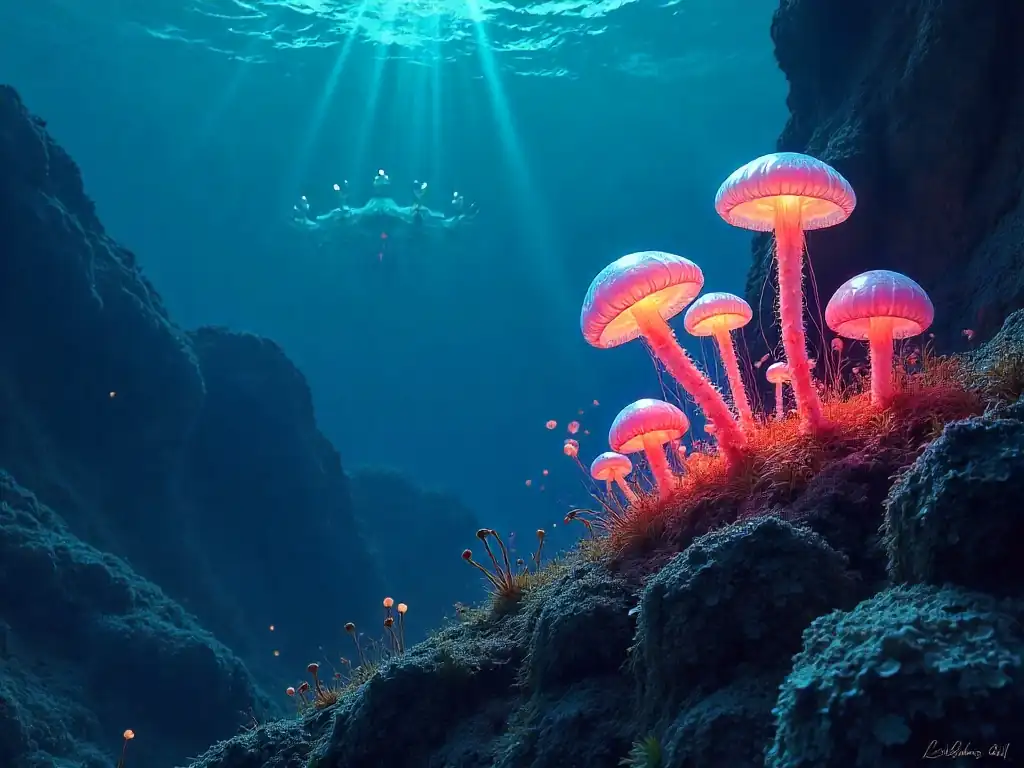
Welcome to Volcano Explorers, where the Earth's fiery secrets are unveiled. But what lies beneath the waves, hidden from our view? Prepare to journey Beyond the Horizon as we dive into the fascinating world of unexplored volcanic marine ecosystems, a realm teeming with life and mystery. What wonders await discovery in these extreme environments? Let's plunge in and find out!
- Introduction: The Allure of Unexplored Volcanic Marine Ecosystems
- The Formation and Characteristics of Volcanic Marine Ecosystems
- Challenges in Exploring Unexplored Volcanic Marine Environments
- Known Examples of Thriving Volcanic Marine Ecosystems
- The Potential for Discovering New and Unique Marine Life
- The Importance of Conservation and Sustainable Management
- Future Directions in Exploring Underwater Volcanoes
- Conclusion: The Future of Volcanic Marine Ecosystem Exploration
-
Frequently Asked Questions
- What are unexplored volcanic marine ecosystems, and why are they important?
- Where are these unexplored volcanic marine ecosystems typically found?
- What challenges do scientists face when exploring these remote volcanic marine ecosystems?
- What kind of unique life might we find in these unexplored volcanic marine ecosystems?
- How does exploring these ecosystems contribute to our understanding of volcanic activity?
- Final Reflection: Embracing the Unknown Depths
- Plunge Deeper: Uncover the Mysteries of the Volcanic Deep!
Introduction: The Allure of Unexplored Volcanic Marine Ecosystems
The ocean's depths remain largely unexplored, and within this vast realm, underwater volcanoes, also known as seamounts, are particularly enigmatic. These geological formations, often found in the deepest parts of our oceans, are not just dramatic landscapes; they are potential hotspots of biodiversity yet to be fully understood.
Exploring these unexplored volcanic marine ecosystems is crucial because they might harbor unique life forms adapted to extreme conditions, offering insights into the very limits of biological adaptation and evolution. Scientists estimate that there are hundreds of thousands of seamounts globally, but only a small fraction have been even superficially studied, suggesting a tremendous gap in our knowledge of marine biodiversity and ecological processes in these unique volcanic settings.
The drive to explore underwater volcanoes is fueled by the potential for groundbreaking discoveries that could revolutionize our understanding of life on Earth. These ecosystems, driven by chemosynthesis rather than photosynthesis, represent a fundamental alternative to the sunlit world we are familiar with.
By investigating these unexplored volcanic marine ecosystems, we can uncover novel species, understand unique biochemical pathways, and learn about the resilience of life in extreme environments. This knowledge is not only scientifically valuable but could also have practical applications in fields like biotechnology and medicine, as these unique organisms may produce novel compounds with pharmaceutical or industrial potential.
Underwater Volcano Research: Charting the Unknown Depths
Underwater volcano research is a frontier science, pushing the boundaries of oceanography, geology, and biology. Charting the unknown depths where these volcanic systems reside requires sophisticated technology and interdisciplinary collaboration. Current research efforts involve using remotely operated vehicles (ROVs) and autonomous underwater vehicles (AUVs) equipped with advanced sensors and cameras to map the seafloor, sample hydrothermal fluids, and observe marine life in situ.
These technologies are constantly evolving, allowing scientists to reach ever deeper and explore more remote and challenging volcanic regions. For example, the Challenger Deep in the Mariana Trench, the deepest part of the ocean, has been explored using specialized submersibles, revealing surprising life even at such extreme depths and pressures.
Despite technological advancements, the scale of the unexplored is immense. The global ocean covers over 70% of the Earth's surface, and a significant portion of this is in the deep sea, where underwater volcanoes are abundant. Mapping these regions is a monumental task, and detailed biological and ecological studies are even more resource-intensive.
International collaborations, such as the Census of Marine Life and the Global Ocean Observing System (GOOS), are critical in coordinating research efforts and sharing data to accelerate our understanding of these unexplored volcanic marine ecosystems. These initiatives highlight the global nature of ocean exploration and the shared responsibility to uncover and protect the hidden wonders of the deep sea.
The Formation and Characteristics of Volcanic Marine Ecosystems
Submarine Volcanic Activity: A Cradle of Life?
Submarine volcanic activity is a fundamental geological process that shapes the ocean floor and potentially serves as a "cradle of life" in the deep sea. When underwater volcanoes erupt, they release not only molten rock but also vast quantities of chemicals from the Earth's interior into the surrounding seawater. This volcanic outgassing creates unique geochemical environments that are distinct from typical deep-sea conditions.
These eruptions can form new seafloor, create hydrothermal vents, and alter the chemical composition of the water column, all of which can significantly influence the development and characteristics of marine ecosystems. For instance, the formation of new volcanic islands like Surtsey off the coast of Iceland, though not strictly a deep-sea example, demonstrates the rapid geological and biological colonization processes that can follow volcanic events.
The heat and chemicals released from submarine volcanoes create conditions that can support life in the absence of sunlight. Chemosynthetic bacteria, the foundation of these ecosystems, thrive on the chemical energy derived from compounds like hydrogen sulfide, methane, and iron, which are abundant in volcanic fluids.
These bacteria, in turn, form the base of food webs that support a diverse array of organisms adapted to these unique environments. The idea that life may have originated in hydrothermal vent systems associated with submarine volcanism is a compelling hypothesis in the field of abiogenesis, further highlighting the potential importance of unexplored volcanic marine ecosystems in understanding the origins and evolution of life itself.
Hydrothermal Vents: Oases in the Deep-Sea Volcanic Landscape
Hydrothermal vents are perhaps the most iconic features of volcanic marine ecosystems, often described as "oases" in the deep-sea landscape. These vents are formed when seawater percolates down through cracks in the ocean crust near volcanic activity, is heated by magma, and then re-emerges back into the ocean through fissures. As this hot, chemically enriched water mixes with the cold, ambient seawater, it creates dramatic plumes and precipitates minerals, forming chimney-like structures.
These vent systems are not static; they are dynamic environments with fluctuating temperatures, chemical compositions, and fluid flow rates, creating a mosaic of habitats that support a remarkable diversity of life. The "Lost City" hydrothermal vent field, discovered in the Atlantic Ocean, is an example of a unique vent system characterized by alkaline fluids and towering carbonate chimneys, hosting a different community of organisms compared to the more common "black smoker" vents.
The biological communities around hydrothermal vents are highly specialized and adapted to the extreme conditions. They are dominated by chemosynthetic organisms, primarily bacteria and archaea, which utilize the chemical energy from vent fluids to produce organic matter. These microorganisms support a complex food web that includes tube worms, mussels, clams, shrimp, and various other invertebrates and fish.
Many of these organisms exhibit remarkable adaptations to the high temperatures, pressures, and toxic chemicals found in vent environments. For example, Pompeii worms ( Alvinella pompejana) are among the most heat-tolerant animals on Earth, able to survive temperatures up to 80°C (176°F) near black smoker vents. The study of these vent ecosystems provides invaluable insights into the adaptability of life and the potential for life to exist in other extreme environments, perhaps even beyond Earth.
Unique Geochemical Composition of Volcanic Seawater and Its Influence on Marine Life
The seawater surrounding underwater volcanoes possesses a unique geochemical composition that profoundly influences the marine life inhabiting these unexplored volcanic marine ecosystems. Volcanic activity releases a cocktail of chemicals into the ocean, including hydrogen sulfide, methane, iron, manganese, and various trace metals. These chemicals are not only energy sources for chemosynthetic organisms but also essential nutrients and, in some cases, toxic substances that shape the physiology and ecology of vent communities. For instance, the high concentrations of hydrogen sulfide, while toxic to most aerobic organisms, are the primary energy source for many vent bacteria.
The geochemical gradients around volcanic vents create a diverse range of microhabitats, each supporting different microbial communities and influencing the distribution of larger organisms. The concentration of metals like iron and manganese in volcanic plumes can also affect the wider ocean, potentially fertilizing surface waters and influencing phytoplankton productivity far from the vent sites.
Furthermore, the acidity (pH) and redox potential of volcanic fluids are significantly different from ambient seawater, creating unique physiological challenges and opportunities for marine organisms. The study of the geochemical interactions between volcanic fluids, seawater, and living organisms is crucial for understanding the functioning and evolution of these unique ecosystems and their broader impact on ocean chemistry and global biogeochemical cycles.
Challenges in Exploring Unexplored Volcanic Marine Environments
Technological Hurdles: Deep-Sea Exploration Equipment and Limitations
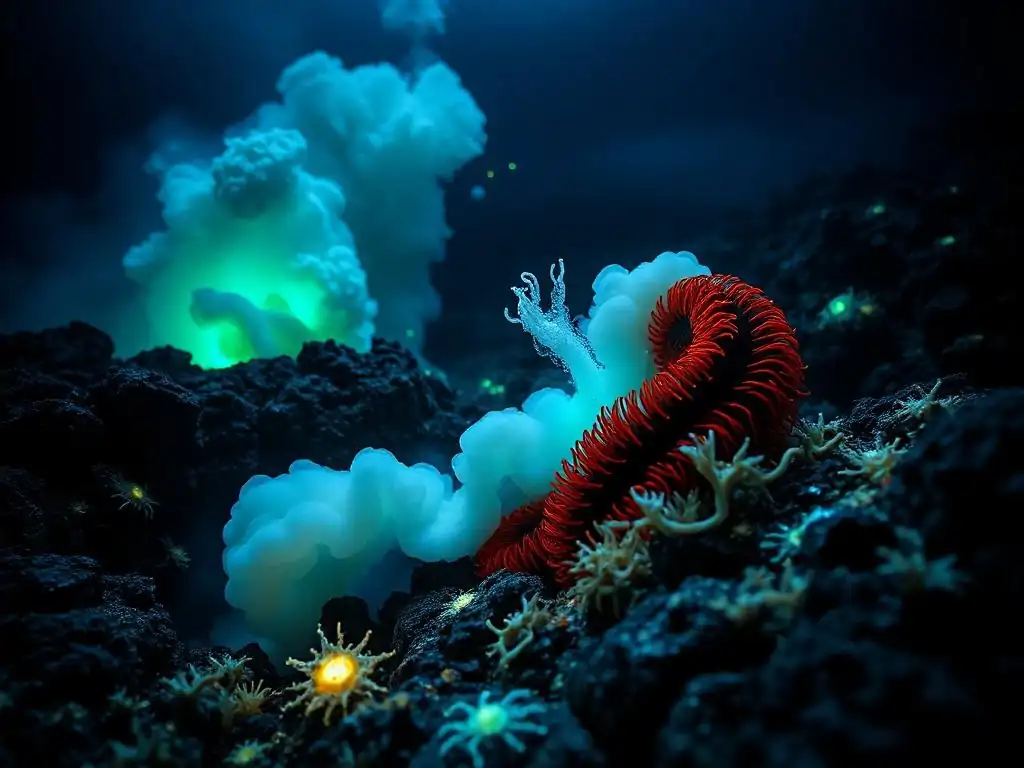
Exploring unexplored volcanic marine environments presents significant technological hurdles due to the extreme depths and harsh conditions involved. Deep-sea exploration relies heavily on specialized equipment, such as remotely operated vehicles (ROVs), autonomous underwater vehicles (AUVs), and deep-sea submersibles, which are costly to develop, maintain, and operate. ROVs, like Jason and Alvin, are tethered to a research vessel and allow for real-time observation and sample collection but have limited range and maneuverability.
AUVs, such as Sentry, can cover larger areas and operate independently but have limitations in terms of real-time control and complex sample manipulation. Deep-sea submersibles, like Alvin and Shinkai 6500, allow scientists to directly observe the deep sea but are limited in dive duration and passenger capacity.
Despite advancements in deep-sea technology, there are still significant limitations. Operating in high-pressure environments requires robust and specialized materials and engineering. Communication and navigation underwater are challenging, relying on acoustic signals which have limited bandwidth and range.
Powering equipment at great depths is also a constraint, often requiring large battery packs or long umbilicals. Furthermore, the complex topography of volcanic regions, with steep slopes, lava flows, and hydrothermal vent structures, poses navigational and operational challenges for underwater vehicles. Developing more versatile, robust, and cost-effective deep-sea exploration technologies is crucial for expanding our ability to explore and understand unexplored volcanic marine ecosystems effectively.
Extreme Conditions: Pressure, Temperature, and Toxicity in Volcanic Zones
The extreme conditions prevalent in volcanic zones, including immense pressure, temperature gradients, and chemical toxicity, pose substantial challenges to exploration and scientific investigation. Pressure increases by approximately one atmosphere for every 10 meters of depth in the ocean, meaning that at typical depths of underwater volcanoes (thousands of meters), equipment and organisms must withstand pressures hundreds of times greater than at sea level. This extreme pressure can affect the functioning of instruments, the physiology of organisms, and the behavior of chemical reactions.
Temperature gradients around hydrothermal vents are also extreme, ranging from near-freezing ambient seawater to over 400°C (752°F) at black smoker vents. These temperature extremes require specialized sensors and materials for accurate measurements and can limit the operational lifespan of equipment.
In addition to pressure and temperature, volcanic zones are characterized by high concentrations of toxic chemicals, such as hydrogen sulfide, heavy metals, and dissolved gases. These chemicals can be corrosive to equipment and pose risks to biological samples if not handled carefully. Furthermore, the combination of extreme conditions can create complex and unpredictable environments that are difficult to model and understand fully.
For example, the buoyancy of hydrothermal plumes is affected by temperature, salinity, and chemical composition, making it challenging to predict their dispersal and impact on surrounding ecosystems. Researchers must develop specialized sampling and analysis techniques to overcome these challenges and accurately characterize the physical, chemical, and biological properties of unexplored volcanic marine ecosystems.
Logistical Considerations: Funding, Permits, and International Collaboration
Exploring unexplored volcanic marine environments involves significant logistical considerations beyond the technological and environmental challenges. Deep-sea research expeditions are expensive, requiring substantial funding for ship time, equipment operation, personnel, and data analysis. Securing adequate funding from government agencies, private foundations, or industry partners is a continuous challenge for researchers in this field. Furthermore, research in international waters or within the Exclusive Economic Zones (EEZs) of different countries often requires obtaining permits and navigating complex regulatory frameworks. This can involve lengthy application processes and negotiations with multiple authorities.
International collaboration is often essential for large-scale deep-sea research projects, as it allows for the pooling of resources, expertise, and infrastructure. Collaborative expeditions involving researchers from multiple countries can maximize the scientific output and share the logistical burden. However, international collaborations also require careful planning and coordination to address issues such as data sharing, intellectual property, and research priorities.
The United Nations Convention on the Law of the Sea (UNCLOS) provides a legal framework for marine research in international waters, but its interpretation and implementation can be complex. Addressing these logistical considerations through strategic planning, effective communication, and strong international partnerships is crucial for advancing the exploration and understanding of unexplored volcanic marine ecosystems.
Known Examples of Thriving Volcanic Marine Ecosystems
Axial Seamount: A Case Study in Volcanic Eruption and Ecosystem Response
Axial Seamount, located on the Juan de Fuca Ridge in the Northeast Pacific Ocean, is one of the most well-studied underwater volcanoes and serves as a crucial case study for understanding volcanic eruption and ecosystem response. This active volcano has experienced several documented eruptions in recent decades, including events in 1998, 2011, and 2015, providing scientists with unprecedented opportunities to observe the immediate and long-term impacts of volcanic activity on deep-sea ecosystems.
Following eruptions, researchers have observed dramatic changes in hydrothermal vent activity, seafloor morphology, and biological communities. For example, after the 2011 eruption, there was a significant increase in diffuse venting and a shift in the dominant microbial communities around the vent sites.
Studies at Axial Seamount have revealed the remarkable resilience and adaptability of vent ecosystems to volcanic disturbances. While eruptions can initially disrupt and even destroy vent communities in the immediate vicinity, they also create new habitats and stimulate biological succession.
Fast-growing vent organisms, like tubeworms and microbial mats, can rapidly colonize newly formed vent sites, demonstrating the capacity for these ecosystems to recover from catastrophic events. Long-term monitoring at Axial Seamount, through initiatives like the Ocean Observatories Initiative (OOI), provides valuable data on the cyclical nature of volcanic activity and ecosystem dynamics, contributing to our understanding of how unexplored volcanic marine ecosystems function over time and respond to natural disturbances.
The Mariana Back-Arc: A Hotspot of Chemosynthesis-Based Life
The Mariana Back-Arc, located in the western Pacific Ocean near the Mariana Trench, is a tectonically active region characterized by extensive submarine volcanism and hydrothermal venting, making it a hotspot of chemosynthesis-based life. This area hosts a variety of unique vent systems, including both high-temperature black smokers and lower-temperature diffuse vents, supporting diverse and often novel biological communities.
The Mariana Back-Arc is particularly notable for hosting the deepest known hydrothermal vents, found at depths exceeding 4,000 meters. These extreme depths, coupled with the unique geochemical conditions of the vents, have led to the evolution of highly specialized organisms found nowhere else on Earth.
Research in the Mariana Back-Arc has revealed extraordinary adaptations of life to extreme pressure and unique chemical environments. For instance, the "Daikoku" vent field in the Mariana Trough is known for its liquid carbon dioxide vents, a rare type of vent system that supports unique microbial communities adapted to high CO2 concentrations.
Studies of these ecosystems have expanded our understanding of the physiological limits of life and the diversity of chemosynthetic pathways. The Mariana Back-Arc serves as a prime example of how unexplored volcanic marine ecosystems can harbor exceptional biodiversity and provide insights into the potential for life in other extreme environments, both on Earth and potentially on other planets or moons with subsurface oceans and volcanic activity.
Kolumbo Submarine Volcano: Hydrothermal Vent Ecology and Geochemical Cycling
Kolumbo submarine volcano, part of the Hellenic Volcanic Arc in the Aegean Sea, is an actively degassing volcano known for its shallow hydrothermal vents and significant geochemical cycling. Unlike many deep-sea vent systems, Kolumbo's vents are located at relatively shallow depths (around 500 meters), making them more accessible for study and offering a unique perspective on vent ecology in a shallower marine environment. Kolumbo is characterized by intense hydrothermal venting, releasing gases rich in carbon dioxide, hydrogen sulfide, and methane, creating a chemically dynamic environment that influences the surrounding seawater and supports chemosynthetic microbial communities.
Studies at Kolumbo have focused on the interplay between volcanic degassing, hydrothermal vent ecology, and geochemical cycling in a shallow volcanic setting. Researchers have investigated the impact of Kolumbo's vents on the local marine environment, including the effects of volcanic gases on seawater pH, nutrient availability, and microbial community structure.
The shallow depth of Kolumbo's vents allows for easier access and observation compared to deep-sea systems, facilitating studies of gas fluxes, microbial processes, and the exchange of chemicals between the volcanic system and the overlying water column. Kolumbo serves as a valuable natural laboratory for understanding the broader role of submarine volcanism in ocean chemistry and the functioning of shallow unexplored volcanic marine ecosystems.
The Potential for Discovering New and Unique Marine Life
Chemosynthetic Organisms: Life Without Sunlight in Volcanic Vents
One of the most exciting aspects of exploring unexplored volcanic marine ecosystems is the potential to discover new and unique chemosynthetic organisms, life forms that thrive in the absence of sunlight. Chemosynthesis is a process where microorganisms derive energy from chemical reactions, rather than from sunlight as in photosynthesis.
In volcanic vent environments, these organisms, primarily bacteria and archaea, utilize chemical compounds like hydrogen sulfide, methane, ammonia, and hydrogen released from hydrothermal vents to produce organic matter. These chemosynthetic microbes form the base of the food web in vent ecosystems, supporting a diverse array of animals that directly or indirectly depend on them for sustenance.
The diversity of chemosynthetic organisms is vast and largely unexplored. New species and even entirely new metabolic pathways are continuously being discovered in volcanic vent environments. For example, methanotrophic archaea, which consume methane as an energy source, play a crucial role in regulating methane fluxes from vents and preventing this potent greenhouse gas from reaching the atmosphere.
Sulfur-oxidizing bacteria, which utilize hydrogen sulfide, are another dominant group, forming dense microbial mats and symbiotic relationships with vent animals like tubeworms and clams. Exploring unexplored volcanic marine ecosystems provides a window into the remarkable diversity and metabolic versatility of chemosynthetic life and its fundamental role in deep-sea biogeochemical cycles.
Extremophiles: Adapting to Harsh Volcanic Conditions
Volcanic marine environments are extreme habitats characterized by high pressure, temperature gradients, chemical toxicity, and darkness, making them ideal locations to discover extremophiles – organisms that thrive in conditions considered hostile to most life forms. Extremophiles found in these unexplored volcanic marine ecosystems exhibit remarkable adaptations to survive and even flourish in these harsh conditions. Hyperthermophiles, for instance, are microorganisms that thrive at temperatures above 80°C (176°F) and are found in the hottest parts of hydrothermal vents.
Piezophiles (or barophiles) are adapted to high pressure, while acidophiles and alkaliphiles tolerate extreme pH conditions. Chemolithotrophs are extremophiles that obtain energy from inorganic compounds, as mentioned in the previous section on chemosynthesis.
Studying extremophiles from volcanic marine environments offers insights into the limits of life and the mechanisms of adaptation to extreme conditions. These organisms often possess unique enzymes and proteins that function optimally under extreme conditions and have potential applications in biotechnology and industrial processes. For example, thermostable enzymes from hyperthermophiles are used in PCR (polymerase chain reaction), a widely used technique in molecular biology. Exploring unexplored volcanic marine ecosystems is likely to reveal even more diverse and novel extremophiles with unique adaptations and biotechnological potential, further expanding our understanding of the biosphere and its capabilities.
Potential for Novel Species and Genetic Discoveries
The vastness and inaccessibility of unexplored volcanic marine ecosystems suggest a high potential for discovering novel species and making significant genetic discoveries. Given that only a small fraction of these environments have been explored, it is highly probable that many species of microorganisms, invertebrates, and even fish remain unknown to science. Each unexplored volcano or vent field could harbor unique communities adapted to its specific geochemical and geological conditions. The isolation and unique selective pressures in these environments can drive evolutionary diversification, leading to the emergence of novel species with distinct genetic traits.
Genetic studies of organisms from volcanic marine ecosystems have already revealed a wealth of novel genes and metabolic pathways. Metagenomic analyses, which study the genetic material recovered directly from environmental samples, have uncovered a vast diversity of microbial genes, many of which have no known function or homology to genes from known organisms.
Exploring unexplored volcanic marine ecosystems and applying advanced genomic and bioinformatic techniques is crucial for unlocking this genetic treasure trove, understanding the evolutionary relationships of deep-sea life, and potentially discovering new genes and biomolecules with applications in medicine, biotechnology, and other fields. The search for novel species and genetic information in these extreme environments is a frontier in biological exploration with immense potential.
The Importance of Conservation and Sustainable Management
Threats to Unexplored Volcanic Marine Ecosystems: Mining, Pollution, and Climate Change
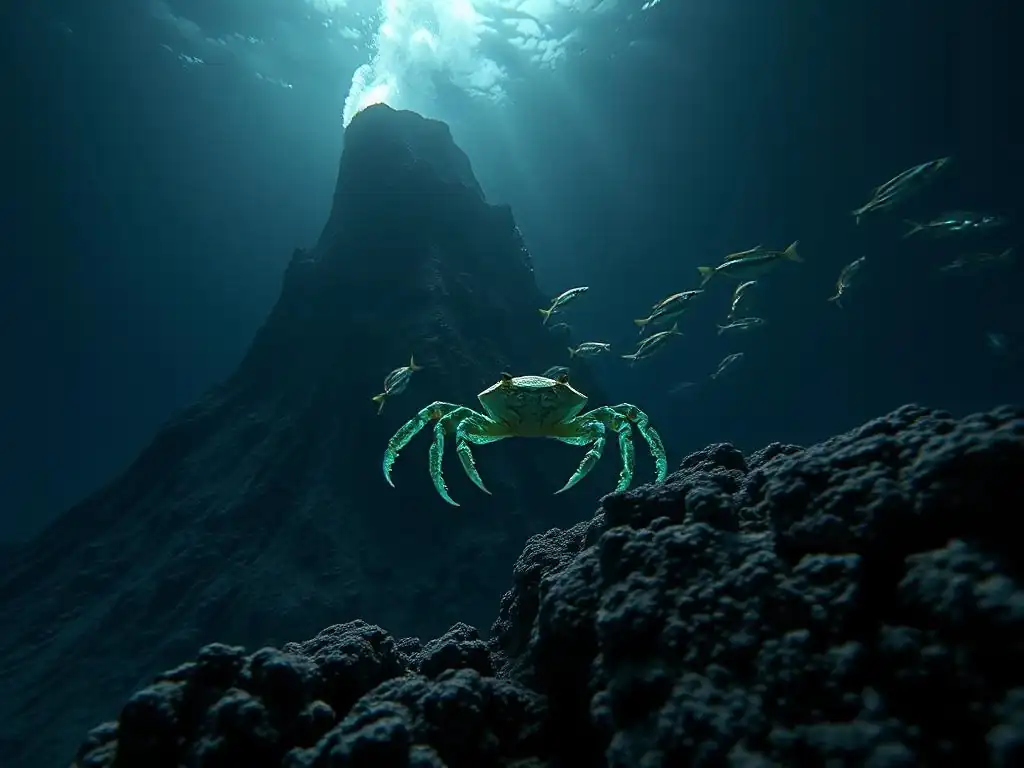
Despite their remote location, unexplored volcanic marine ecosystems are not immune to human impacts and face increasing threats from activities such as deep-sea mining, pollution, and climate change. Deep-sea mining for valuable minerals like polymetallic sulfides, which are often concentrated around hydrothermal vents, poses a direct threat to these fragile ecosystems. Mining activities can destroy vent habitats, disrupt biological communities, and release toxic plumes into the water column. The potential for large-scale deep-sea mining in volcanic regions is growing, raising concerns about the long-term impacts on these unique and poorly understood environments.
Pollution, including plastic debris, chemical contaminants, and noise pollution, can also reach even the deepest parts of the ocean and affect volcanic marine ecosystems. Plastic pollution can entangle marine organisms and introduce harmful chemicals into the food web. Chemical contaminants, such as persistent organic pollutants and heavy metals, can accumulate in vent organisms and disrupt their physiology.
Noise pollution from shipping and underwater activities can interfere with the communication and behavior of deep-sea animals. Climate change is another significant threat, as ocean acidification, warming temperatures, and changes in ocean currents can alter vent fluid chemistry, disrupt vent ecosystems, and impact the distribution and abundance of vent organisms. Understanding and mitigating these threats is crucial for the conservation of unexplored volcanic marine ecosystems.
Protecting Vulnerable Habitats: Establishing Marine Protected Areas
Protecting vulnerable unexplored volcanic marine ecosystems requires proactive conservation measures, including the establishment of marine protected areas (MPAs). MPAs are geographically defined areas designated to protect marine biodiversity and habitats from human activities. Establishing MPAs in volcanic regions can safeguard hydrothermal vent ecosystems, seamounts, and other unique features from destructive activities like deep-sea mining and bottom trawling. MPAs can range from fully protected "no-take" zones, where all extractive activities are prohibited, to multiple-use zones that allow for some sustainable activities while prioritizing conservation.
The process of establishing MPAs in the deep sea is complex and involves international cooperation, scientific data, and policy frameworks. Organizations like the International Seabed Authority (ISA) and regional fisheries management organizations (RFMOs) play a role in regulating activities in international waters and EEZs. Effective MPAs require robust monitoring and enforcement mechanisms to ensure compliance and achieve conservation goals.
Furthermore, engaging stakeholders, including scientists, policymakers, industry representatives, and local communities, is essential for the successful establishment and management of MPAs in unexplored volcanic marine ecosystems. MPAs are a critical tool for conserving these unique habitats and ensuring their long-term ecological integrity.
Sustainable Research Practices: Minimizing Environmental Impact
Even scientific research in unexplored volcanic marine ecosystems can have potential environmental impacts, and it is crucial to adopt sustainable research practices to minimize these effects. Deep-sea research activities, such as deploying ROVs and submersibles, collecting samples, and conducting experiments, can cause physical disturbance to vent habitats, disturb biological communities, and introduce foreign materials into the environment. Therefore, researchers have a responsibility to minimize their environmental footprint and adhere to best practices for deep-sea research.
Sustainable research practices include careful planning of expeditions to minimize disturbance, using non-invasive sampling techniques whenever possible, minimizing the use of potentially harmful chemicals or materials, and properly disposing of waste. Following established protocols for equipment deployment and retrieval, avoiding sensitive habitats, and limiting the duration of research activities in specific areas are also important considerations.
Furthermore, sharing data and samples, collaborating with other researchers, and promoting public awareness about the importance of deep-sea conservation can enhance the overall sustainability and impact of research efforts in unexplored volcanic marine ecosystems. By adopting responsible research practices, scientists can contribute to both scientific discovery and the long-term conservation of these unique environments.
Future Directions in Exploring Underwater Volcanoes
Advancements in Deep-Sea Exploration Technology
The future of exploring unexplored volcanic marine ecosystems is inextricably linked to advancements in deep-sea exploration technology. Continued development of more capable, efficient, and cost-effective technologies is essential for expanding our reach and understanding of these remote environments. Future advancements are likely to focus on areas such as autonomous underwater vehicles (AUVs) with increased endurance, range, and sensor capabilities, allowing for broader and more detailed surveys of volcanic regions. Development of smaller, more agile remotely operated vehicles (ROVs) could improve maneuverability in complex vent environments and reduce the logistical footprint of research expeditions.
Improvements in underwater communication and navigation technologies are also crucial. Developing high-bandwidth underwater communication systems would enable real-time data transmission and remote operation of underwater vehicles, enhancing efficiency and responsiveness. Advancements in acoustic and optical imaging technologies will improve our ability to map seafloor topography, visualize vent plumes, and observe biological communities in situ.
Furthermore, the development of new sensors and analytical tools for in situ chemical and biological measurements will provide more detailed and real-time data on the processes occurring in unexplored volcanic marine ecosystems. Technological innovation is the key to unlocking the secrets of the deep-sea volcanic world.
Mapping Unexplored Volcanic Regions: Identifying Potential Ecosystems
A critical future direction in exploring underwater volcanoes is to systematically map unexplored volcanic regions to identify potential ecosystems. While we know the general distribution of seamounts and mid-ocean ridges, detailed mapping of many volcanic areas, especially in remote ocean basins, is still lacking. Utilizing advanced sonar technologies, satellite altimetry data, and AUV surveys, we can create high-resolution maps of the seafloor, identify volcanic features, and prioritize areas for further exploration. Mapping efforts should focus on regions with known or suspected volcanic activity, hydrothermal venting, and unique geological settings.
Identifying potential ecosystems also involves integrating geological, geochemical, and oceanographic data to predict the likely locations of hydrothermal vents and chemosynthesis-based communities. For example, areas with high heat flow, evidence of recent volcanic eruptions, or plumes detected in satellite imagery can be targeted for more detailed investigation. Predictive models based on environmental variables can also help identify areas with a high probability of hosting unique ecosystems. Systematic mapping and predictive modeling are essential for efficiently targeting exploration efforts and maximizing the chances of discovering new and unexplored volcanic marine ecosystems and their associated biodiversity.
Studying the Long-Term Effects of Volcanic Eruptions on Marine Ecosystems
Understanding the long-term effects of volcanic eruptions on marine ecosystems is a crucial area for future research. While short-term responses to volcanic events, such as changes in vent activity and biological succession, have been observed at sites like Axial Seamount, the long-term ecological consequences of eruptions are less well understood. Long-term monitoring studies, spanning years to decades, are needed to track the recovery of vent communities, assess the resilience of ecosystems to repeated volcanic disturbances, and investigate the broader impacts of eruptions on deep-sea biogeochemical cycles.
Studying the long-term effects of eruptions requires sustained observation programs, including repeated surveys of vent sites, time-series measurements of hydrothermal fluid chemistry, and long-term ecological monitoring of vent communities. Developing autonomous monitoring platforms and sensors that can operate for extended periods in deep-sea volcanic environments is essential for this type of research. Furthermore, integrating geological, geochemical, and biological data over long timescales will provide a more comprehensive understanding of the complex interactions between volcanic activity and marine ecosystems and contribute to predicting the future trajectory of these dynamic environments.
Conclusion: The Future of Volcanic Marine Ecosystem Exploration
The Urgent Need for Research and Conservation
The exploration of unexplored volcanic marine ecosystems is not merely an academic pursuit; it is an urgent endeavor with profound implications for our understanding of life on Earth and the future of ocean conservation. These unique environments harbor undiscovered biodiversity, hold clues to the origins of life, and play a significant role in global biogeochemical cycles.
However, these ecosystems are also increasingly vulnerable to human impacts, highlighting the urgent need for research to understand their functioning and for conservation efforts to protect them from threats like deep-sea mining and pollution. The knowledge gained from exploring these frontiers is crucial for informing effective conservation strategies and ensuring the sustainable management of deep-sea resources.
The urgency of research and conservation is amplified by the rapid pace of technological development and the growing interest in exploiting deep-sea resources. As deep-sea mining becomes more economically and technically feasible, the pressure on volcanic vent ecosystems and seamounts will intensify. Without a comprehensive understanding of these ecosystems and proactive conservation measures, we risk losing unique biodiversity and disrupting critical ecological processes before we even fully appreciate their value. Therefore, investing in research, promoting international collaboration, and establishing effective conservation frameworks are essential steps to safeguard these unexplored volcanic marine ecosystems for future generations.
Inspiring Future Generations of Underwater Volcano Explorers
The allure of unexplored volcanic marine ecosystems lies not only in their scientific significance but also in their capacity to inspire wonder and curiosity about the natural world. These extreme environments, teeming with life in the absence of sunlight, challenge our perceptions of what is possible and ignite the imagination. Inspiring future generations of underwater volcano explorers is crucial for ensuring the continued exploration, understanding, and conservation of these hidden realms. This can be achieved through education, outreach, and engagement initiatives that showcase the excitement of deep-sea exploration, the importance of scientific discovery, and the need for ocean stewardship.
By fostering a sense of wonder and responsibility towards the deep sea, we can cultivate a new generation of scientists, engineers, policymakers, and citizens who are passionate about exploring and protecting unexplored volcanic marine ecosystems. Supporting educational programs, providing opportunities for students and young researchers to participate in deep-sea expeditions, and communicating the discoveries and challenges of deep-sea exploration to the public are vital steps in this process.
The future of underwater volcano exploration depends on inspiring and empowering the next generation to push the boundaries of knowledge and become stewards of the deep ocean, ensuring that these unexplored wonders are valued and protected for years to come.
Frequently Asked Questions
What are unexplored volcanic marine ecosystems, and why are they important?
These are underwater environments formed by volcanic activity that haven't been thoroughly studied. They're important because they likely harbor unique life forms adapted to extreme conditions and hold valuable insights into evolution and geology.
Where are these unexplored volcanic marine ecosystems typically found?
They are often located near active or dormant underwater volcanoes, particularly in the deep ocean or along tectonically active zones like mid-ocean ridges and island arcs.
What challenges do scientists face when exploring these remote volcanic marine ecosystems?
The extreme depths and pressures require specialized equipment like remotely operated vehicles (ROVs) and submersibles. Funding and logistical support for these complex expeditions are also significant hurdles.
What kind of unique life might we find in these unexplored volcanic marine ecosystems?
We might find extremophiles – organisms adapted to high temperatures, pressure, and toxic chemicals. These could include novel bacteria, archaea, and invertebrates that rely on chemosynthesis rather than photosynthesis.
How does exploring these ecosystems contribute to our understanding of volcanic activity?
Studying these ecosystems helps us understand the interaction between volcanic processes and marine life. It also provides insights into the chemical and thermal fluxes associated with underwater volcanoes, which can influence ocean chemistry and climate.
Final Reflection: Embracing the Unknown Depths
The exploration of unexplored volcanic marine ecosystems is more than just scientific discovery; it's a testament to humanity's insatiable curiosity and our drive to understand the intricate web of life that thrives even in the most extreme environments. These hidden oases, teeming with unique organisms, hold vital clues to the origins of life and offer potential solutions to some of our planet's most pressing challenges.
The ongoing quest to uncover these hidden worlds has profoundly shaped our understanding of biodiversity and resilience. The sheer existence of life flourishing in such harsh conditions challenges our preconceived notions and inspires awe at the adaptability of nature. The important thing is not to stop questioning. Curiosity has its own reason for existing.
- Albert Einstein. This quote perfectly encapsulates the spirit of exploration that drives us to venture into the unknown, seeking knowledge and understanding in the most unexpected places.
As we stand on the precipice of further discoveries, let us remember that the ocean's depths hold countless secrets waiting to be unveiled. Consider the implications of these findings for conservation efforts, technological advancements, and our understanding of life itself. Let the allure of the unexplored volcanic marine ecosystems ignite your own curiosity and inspire you to embrace the unknown, both within the ocean and within yourself.
Okay, I will create a Call to Action (CTA) section for the end of a web article titled "Beyond the Horizon: Discovering New Volcanic Marine Ecosystems Yet Unknown," hosted on the website Volcano Explorers (volcanoexplorers.org), following the provided instructions.
Plunge Deeper: Uncover the Mysteries of the Volcanic Deep!
Thank you for exploring the hidden wonders of volcanic marine ecosystems with us. We hope this journey into the unknown has sparked your curiosity and deepened your appreciation for the incredible life that thrives in these extreme environments. Ready to take the next step?
Here's how you can continue your exploration:
- Map Your Own Hypothetical Volcanic Vent Ecosystem: Use the information gleaned from the article to create a diagram of what a previously undiscovered volcanic vent ecosystem could look like. Include species and adaptations you hypothesize might exist.
- Share this article with friends, family, or colleagues who might be captivated by the secrets hidden beneath the waves. Spread the word and fuel further exploration!
- Engage with the Volcano Explorers community. Share your own theories, ideas, or artistic interpretations of volcanic vent life on our social media channels using #VolcanoVentLife.
What groundbreaking adaptations do you think we'll discover in the next unexplored volcanic vent ecosystem? Share your wildest (but scientifically plausible!) predictions in the comments below!