
Don't Become a Statistic: Vital Safety Advice for Volcano Photographers

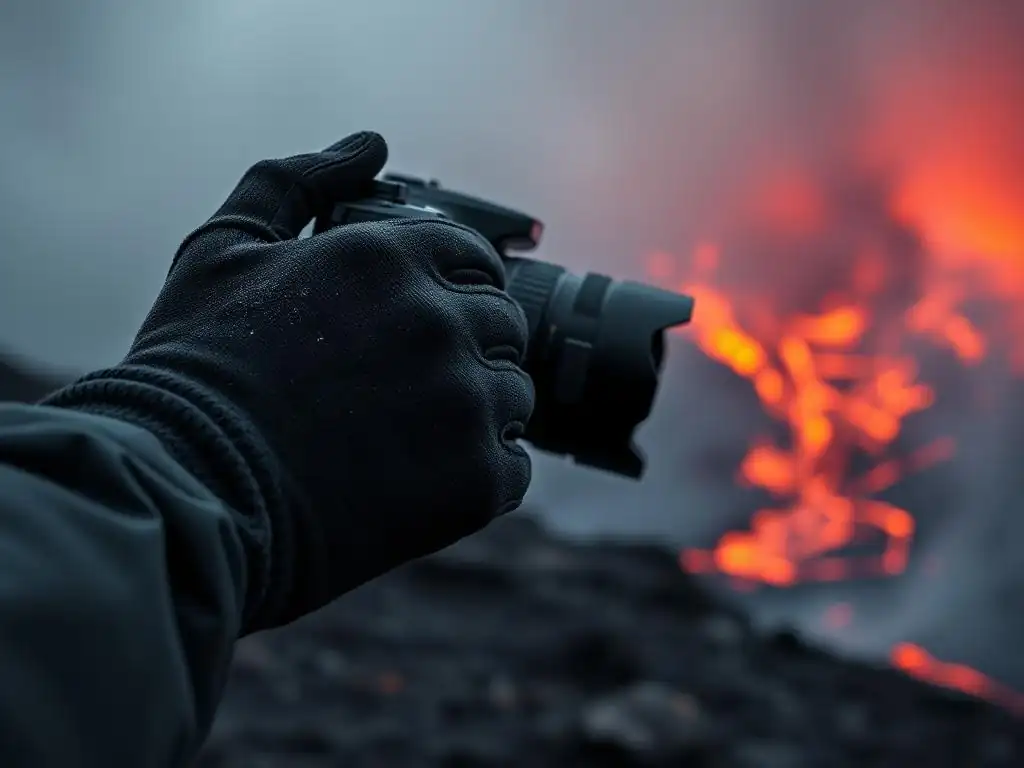
Welcome to Volcano Explorers, where the Earth roars and the landscape trembles. Prepare to be captivated by the raw power and sublime beauty of volcanoes. Thinking of capturing that perfect shot of molten fury? Before you venture into the fire, our feature article, “Don't Become a Statistic: Vital Safety Advice for Volcano Photographers,” unveils crucial volcano photography safety tips that could save your life. Dare to explore, but do so wisely. What secrets will you uncover?
- Volcano Photography Safety Tips: A Guide for Volcano Explorers
- Understanding the Risks: Why Volcano Photography Safety Matters
- Pre-Trip Planning: Prioritizing Safety Before You Arrive
- On-Site Safety Measures: Protecting Yourself in the Field
-
Specific Hazards and How to Avoid Them: A Detailed Breakdown
- Lahar Flows: Understanding the Dangers and Evacuation Strategies
- Pyroclastic Flows: Impossibility of Survival and Prevention
- Volcanic Ash: Protecting Your Equipment and Respiratory System
- Volcanic Gases (Sulfur Dioxide, Carbon Dioxide): Mitigation Techniques
- Deploying Personal Protective Equipment: Gas Masks and Eye Protection
- Unstable Terrain: Navigating Lava Fields and Volcanic Slopes
- Post-Photography Precautions: After the Shoot
- Volcano Photography Safety: A Continuous Learning Process
- Conclusion: Prioritizing Safety for Unforgettable Volcano Photography Experiences
-
Frequently Asked Questions
- What are the main hazards a volcano photographer might encounter?
- What kind of safety equipment is essential for volcano photography?
- How can I assess the risk level of a volcano before photographing it?
- What should I do if a volcanic eruption starts while I'm photographing?
- Are there any specific ethical considerations for photographing volcanoes?
- Final Reflection: Embracing Risk, Respecting Power
- Embrace the Thrill, Conquer the Risks!
Volcano Photography Safety Tips: A Guide for Volcano Explorers
Volcano photography offers a unique opportunity to capture the raw power and breathtaking beauty of nature's most dramatic displays. However, venturing into volcanic environments is inherently dangerous and requires meticulous planning and unwavering respect for the risks involved. This guide serves as a crucial resource for aspiring and seasoned volcano photographers alike, emphasizing the importance of safety above all else. By understanding the potential hazards, implementing preventative measures, and prioritizing informed decision-making, photographers can minimize risks and return safely with stunning images and unforgettable experiences. Remember, no photograph is worth risking your life.
Understanding the Risks: Why Volcano Photography Safety Matters
The allure of capturing volcanic landscapes is undeniable. Images of fiery lava flows, ash plumes reaching into the sky, and the dramatic geological formations created by volcanic activity are captivating and awe-inspiring. However, the pursuit of these images places photographers in close proximity to powerful and unpredictable forces. Ignoring or underestimating the inherent dangers can have severe, even fatal, consequences. Therefore, a thorough understanding of the risks involved and a commitment to safety protocols are not just recommended, they are absolutely essential for anyone pursuing volcano photography.
The Allure and Danger of Capturing Volcanic Landscapes
Volcanoes are dynamic and awe-inspiring forces of nature. They are responsible for shaping our planet, creating fertile lands, and driving geological processes that are fundamental to Earth’s systems. For photographers, volcanoes present an irresistible subject: the dramatic interplay of light and shadow on volcanic cones, the vibrant colors of molten lava, and the sheer scale of eruptions offer unparalleled visual opportunities. However, this captivating beauty masks significant dangers.
Volcanic landscapes are inherently unstable and unpredictable environments, prone to sudden changes in activity, toxic gas emissions, and catastrophic events. The challenge for volcano photographers is to balance the desire to capture these incredible scenes with the absolute necessity of prioritizing personal safety. It's a delicate dance between ambition and caution, where understanding the risks is the first step towards responsible and safe volcano photography.
Common Hazards Faced by Volcano Photographers
Volcano photographers face a diverse range of hazards, far beyond simply the heat of lava. One of the most immediate dangers is pyroclastic flows, superheated currents of gas and volcanic debris that can travel at speeds exceeding 700 km/h (450 mph). These flows are virtually unsurvivable. Lahar flows, volcanic mudflows composed of water, ash, and rock, can also be incredibly destructive and fast-moving, capable of sweeping away anything in their path.
Volcanic gases, such as sulfur dioxide (SO2), carbon dioxide (CO2), and hydrogen sulfide (H2S), are often invisible and odorless at low concentrations but can be toxic and even lethal in higher concentrations, causing respiratory problems, asphyxiation, and irritation. Volcanic ash, while seemingly benign, is abrasive and can damage camera equipment, irritate eyes and lungs, and reduce visibility drastically. Finally, the terrain itself is often treacherous.
Lava fields are uneven and unstable, with hidden voids and sharp, brittle surfaces. Steep volcanic slopes pose risks of landslides and falls. Photographers must be prepared to navigate these complex and hazardous conditions.
Why Volcano Photography Safety Tips are Essential
Volcano photography safety tips are not merely suggestions; they are essential guidelines that can be the difference between a successful shoot and a tragic accident. The unpredictable nature of volcanic activity demands a proactive and informed approach to safety. By adhering to established safety protocols, photographers can significantly reduce their exposure to risks.
For example, understanding exclusion zones and respecting official warnings can prevent photographers from being caught in hazardous areas during sudden eruptions or pyroclastic flows. Utilizing appropriate personal protective equipment (PPE), such as gas masks and eye protection, mitigates the dangers of volcanic gases and ash.
Proper pre-trip planning, including researching volcano activity and obtaining necessary permits, ensures photographers are informed and prepared before even setting foot in a volcanic zone. Ultimately, volcano photography safety tips are designed to empower photographers with the knowledge and tools to make responsible decisions, allowing them to capture stunning images while safeguarding their well-being.
Pre-Trip Planning: Prioritizing Safety Before You Arrive
Effective volcano photography safety begins long before you reach the volcanic site. Meticulous pre-trip planning is paramount to minimizing risks and ensuring a safer and more productive photographic expedition. This phase involves thorough research, equipment preparation, logistical arrangements, and communication with relevant authorities. Investing time and effort in pre-trip planning is a crucial investment in your safety and the success of your volcano photography endeavors.
Researching the Volcano: Activity Levels and Potential Hazards
Before embarking on a volcano photography trip, in-depth research about the specific volcano is non-negotiable. This research should focus on understanding the volcano's current activity level, its history of eruptions, and the specific hazards it presents. Consult official sources like the Smithsonian Institution's Global Volcanism Program or the USGS Volcano Hazards Program for comprehensive information on volcanoes worldwide and in the United States respectively.
These resources provide up-to-date reports on volcanic activity, alert levels, and potential hazards. For example, if planning to photograph Kilauea in Hawaii, researching its recent lava flow activity and potential gas emission zones is crucial.
Understanding if the volcano is currently in a period of heightened unrest, exhibiting increased seismicity or gas output, will inform your decision-making and help you determine if it is safe to approach and what specific safety measures are necessary. This research should also include studying the local geography, identifying potential evacuation routes, and understanding typical weather patterns in the region.
Essential Volcano Photography Gear: Safety Equipment Checklist
Beyond standard photography equipment, a dedicated safety gear kit is indispensable for volcano photography. A crucial item is a properly fitted gas mask or respirator with filters rated for volcanic gases (SO2, H2S, etc.) and particulate matter (ash). Eye protection, such as goggles or safety glasses, is vital to shield against irritating ash and gas.
Heat-resistant clothing made of natural fibers like cotton or wool offers better protection from radiant heat compared to synthetics, although specialized aluminized suits are necessary for very close proximity to lava. Sturdy hiking boots with good ankle support are essential for navigating uneven volcanic terrain. A helmet protects against falling rocks or debris. Gloves protect hands from sharp rocks and heat.
A first-aid kit equipped to handle burns, cuts, and respiratory issues is crucial. Navigation tools like a GPS device or compass and map are essential, especially in remote areas with limited visibility. Finally, a satellite communication device (satellite phone or personal locator beacon) is highly recommended for emergencies in areas without cell service. This safety equipment checklist is not exhaustive but covers the essential items to mitigate common hazards faced by volcano photographers.
Obtaining Necessary Permits and Permissions for Volcano Access
Access to volcanic areas is often restricted or requires permits, especially within national parks, protected areas, or private lands. Before planning your volcano photography trip, diligently research and obtain all necessary permits and permissions. Contact the relevant park authorities, land managers, or local governments to inquire about access regulations and permit requirements.
For example, photographing volcanoes within Hawaii Volcanoes National Park necessitates understanding park regulations and obtaining any required permits for specific areas or activities. Ignoring permit requirements can lead to fines, legal repercussions, and even denial of access, jeopardizing your photographic plans and potentially leading to unsafe situations if you are operating without authorization or guidance. Furthermore, obtaining permits often involves briefings on current volcanic activity and safety guidelines from park rangers or officials, providing valuable insights and ensuring you are aware of any specific risks or restrictions in place.
Consulting the Volcanic Observatory: Gathering Real-Time Data
Volcanic observatories are the authoritative sources for real-time information on volcanic activity. Before and during your volcano photography trip, actively consult the relevant volcanic observatory for the region. In the United States, the USGS Volcano Hazards Program operates volcano observatories in various volcanic regions (e.g., Hawaiian Volcano Observatory, Cascades Volcano Observatory).
These observatories provide up-to-date information on volcanic activity levels, alert levels, gas emissions, seismic activity, and potential hazards through their websites and social media channels. For example, the Hawaiian Volcano Observatory website provides real-time webcams, eruption updates, and hazard maps for Kilauea and Mauna Loa. Checking these resources regularly allows you to monitor changes in volcanic activity and make informed decisions about your photography plans.
Some observatories also offer email or SMS alert services that can provide timely notifications of significant changes in volcanic activity. Establishing contact with observatory staff, if possible, can also provide valuable insights and local expertise on current conditions and potential safety concerns.
On-Site Safety Measures: Protecting Yourself in the Field
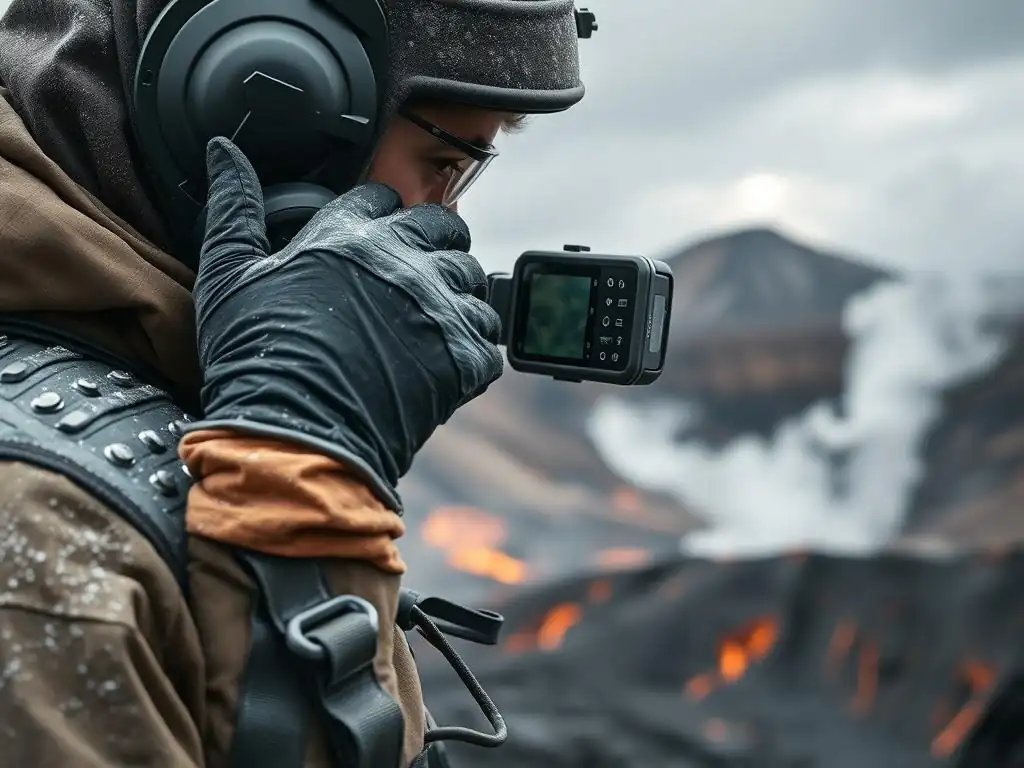
Once you are on-site at a volcano, maintaining vigilance and adhering to strict safety measures is paramount. The dynamic nature of volcanic environments demands constant awareness and proactive risk mitigation. On-site safety is not a one-time checklist but an ongoing process of monitoring, adapting, and prioritizing safety throughout your photography session.
Monitoring Volcanic Activity: Recognizing Warning Signs
Continuous monitoring of volcanic activity is crucial while in the field. Be vigilant for any changes in volcanic behavior that could indicate escalating hazards. Increased steam or gas emissions, especially if they become denser or more forceful, can signal changes in magma pressure or potential explosions. Changes in the color of volcanic gases can also be significant; for example, a shift from white to yellow may indicate increased sulfur dioxide emissions.
Ground deformation, such as swelling or cracking of the ground, can precede eruptions. Increased rockfalls or landslides on volcanic slopes can indicate instability. Changes in water levels or temperature in nearby streams or lakes can be related to volcanic activity.
Most importantly, increased frequency or intensity of volcanic earthquakes is a strong indicator of potential eruption. Learn to recognize these warning signs and be prepared to retreat to a safe distance immediately if you observe any of them. Trust your instincts and err on the side of caution; if something feels wrong, it probably is.
Staying Upwind: Minimizing Exposure to Volcanic Gases
Volcanic gases are often invisible but can be highly toxic and pose a significant respiratory hazard. Always strive to stay upwind of volcanic vents and areas of gas emission. Wind direction can change rapidly, so continuously monitor wind indicators like flags, smoke plumes, or the direction of steam vents.
If you are downwind, you are directly exposed to the plume of volcanic gases, which can include sulfur dioxide (SO2), hydrogen sulfide (H2S), carbon dioxide (CO2), and other harmful substances. Sulfur dioxide, even in low concentrations, can irritate the eyes and respiratory system. Higher concentrations can cause severe respiratory distress and even death.
Carbon dioxide is odorless and heavier than air, and can accumulate in low-lying areas, displacing oxygen and causing asphyxiation. By staying upwind, you minimize your exposure to these gases and reduce the risk of respiratory problems and other health issues. If wind direction shifts and you find yourself downwind, immediately move to an upwind location.
Maintaining a Safe Distance: Understanding Exclusion Zones
Maintaining a safe distance from active volcanic vents, lava flows, and other hazardous areas is absolutely critical. Volcanic areas often have designated exclusion zones or restricted areas defined by authorities based on current activity levels and potential hazards. Always respect and adhere to these exclusion zones. Even outside official exclusion zones, exercise extreme caution and maintain a conservative distance.
The safe distance varies depending on the type of volcanic activity. For example, the safe distance from a lava flow is significantly less than the safe distance from an explosive vent capable of producing pyroclastic flows. For lava flows, a distance of several hundred meters may be sufficient, but this depends on the flow's size and speed.
For explosive vents, exclusion zones can extend several kilometers. Consult local authorities and volcanic observatories for specific recommended safe distances and exclusion zone boundaries for the volcano you are photographing. Never approach closer than is explicitly deemed safe by official sources, and always prioritize a wider safety margin than you think you need.
Emergency Communication: Establishing Contact Protocols
In remote volcanic areas, reliable communication is essential for safety and emergency response. Before venturing into the field, establish clear emergency communication protocols. Inform someone responsible about your itinerary, planned location, and expected return time. Provide them with contact information and emergency contact details.
Agree on a check-in schedule, and adhere to it strictly. If you fail to check in as scheduled, this should trigger pre-arranged emergency procedures. Carry a reliable communication device, such as a satellite phone or a personal locator beacon (PLB), especially in areas without cell phone service. Satellite phones allow for voice communication from virtually anywhere, while PLBs can transmit distress signals to search and rescue services in emergencies.
Ensure you know how to operate your communication devices and have tested them before your trip. Familiarize yourself with local emergency contact numbers and procedures. Having robust emergency communication protocols in place can significantly improve your chances of receiving timely assistance in case of an accident or unforeseen event.
Utilizing Satellite Communication: Staying Connected in Remote Areas
Many prime volcano photography locations are in remote areas with no cellular network coverage. In these situations, satellite communication becomes indispensable for safety and communication. Satellite phones provide voice and sometimes data communication via satellite networks, allowing you to make calls, send messages, and even access limited internet services from remote locations. Personal Locator Beacons (PLBs) are small devices that, when activated, transmit a distress signal to search and rescue services via satellite.
PLBs are crucial for emergencies in areas where you cannot communicate directly. Satellite messengers, such as Garmin inReach or SPOT devices, offer two-way text messaging via satellite, GPS tracking, and SOS emergency functions. These devices allow you to stay in contact, share your location, and summon help if needed.
Before your trip, research and choose the satellite communication device that best suits your needs and budget. Ensure you understand how to operate it, have tested it, and have an active subscription if required. Satellite communication is a vital safety tool for volcano photographers operating in remote and potentially hazardous environments.
Specific Hazards and How to Avoid Them: A Detailed Breakdown
Volcanic environments present a range of specific hazards, each requiring a distinct understanding and avoidance strategy. Being informed about these hazards and knowing how to mitigate them is crucial for safe volcano photography. This section provides a detailed breakdown of some of the most significant volcanic hazards and practical advice on how to avoid them.
Lahar Flows: Understanding the Dangers and Evacuation Strategies
Lahars, or volcanic mudflows, are incredibly dangerous and destructive. They are mixtures of volcanic ash, rock debris, and water that flow rapidly down volcanic slopes, often following river valleys. Lahars can be triggered by heavy rainfall on volcanic ash deposits, melting snow or ice during eruptions, or crater lake breaches. They can travel at speeds exceeding 50 km/h (30 mph) and carry enormous amounts of debris, capable of destroying buildings, infrastructure, and sweeping away anything in their path.
The key to lahar safety is avoidance. Identify potential lahar pathways, which are typically river valleys and drainage channels originating from the volcano. Never camp or position yourself in or near these valleys, especially during periods of heavy rainfall or increased volcanic activity. Volcanic observatories often issue lahar warnings; heed these warnings and evacuate immediately if a lahar is detected or suspected.
Recognize the sound of an approaching lahar, often described as a roaring sound similar to a train or jet engine. If caught in a lahar, seek high ground immediately and move perpendicular to the flow path if possible. Evacuation routes should be pre-planned and located away from potential lahar paths.
Pyroclastic Flows: Impossibility of Survival and Prevention
Pyroclastic flows are among the most lethal volcanic hazards. They are superheated mixtures of gas, ash, and rock fragments that travel at extremely high speeds down volcanic slopes. Temperatures within pyroclastic flows can reach hundreds of degrees Celsius (up to 1000°C or 1832°F), and speeds can exceed 700 km/h (450 mph). Survival within a pyroclastic flow is virtually impossible.
Therefore, the only effective safety strategy is prevention and strict avoidance. Pyroclastic flows are typically generated during explosive volcanic eruptions. Volcanic observatories monitor volcanoes for signs of potential explosive activity and issue warnings when pyroclastic flows are likely. Pay close attention to volcanic alert levels and warnings from official sources.
Strictly adhere to exclusion zones and evacuation orders issued by authorities. Never approach areas known to be prone to pyroclastic flows, especially during periods of heightened volcanic activity. Recognize the warning signs of potential pyroclastic flow generation, such as explosive eruptions, column collapse, or rapid surges of hot gas and ash. If you observe these signs, immediately evacuate to a safe distance, ideally uphill and away from valleys or drainage channels that could channel pyroclastic flows.
Volcanic Ash: Protecting Your Equipment and Respiratory System
Volcanic ash, composed of fine particles of pulverized rock and glass, is a pervasive hazard during volcanic eruptions. While not as immediately life-threatening as pyroclastic flows or lahars, volcanic ash can cause significant problems for photographers and their equipment. Ash is abrasive and can scratch camera lenses, sensors, and other delicate components. It can also penetrate camera housings and mechanisms, causing malfunctions. Protect your camera equipment by using waterproof and dustproof bags or covers when ashfall is expected.
Use lens filters to protect front lens elements. Clean your equipment regularly with appropriate cleaning tools and techniques, avoiding abrasive cloths. Volcanic ash is also a respiratory irritant. Inhaling ash can cause coughing, shortness of breath, and exacerbate pre-existing respiratory conditions like asthma.
Always wear a properly fitted respirator or dust mask to filter out ash particles when ashfall is present. Eye irritation is also common; wear goggles or safety glasses to protect your eyes from ash. Contact lenses should be avoided as ash can become trapped behind them and cause corneal abrasions. Limit your exposure to ash as much as possible, seeking shelter indoors when ashfall is heavy.
Volcanic Gases (Sulfur Dioxide, Carbon Dioxide): Mitigation Techniques
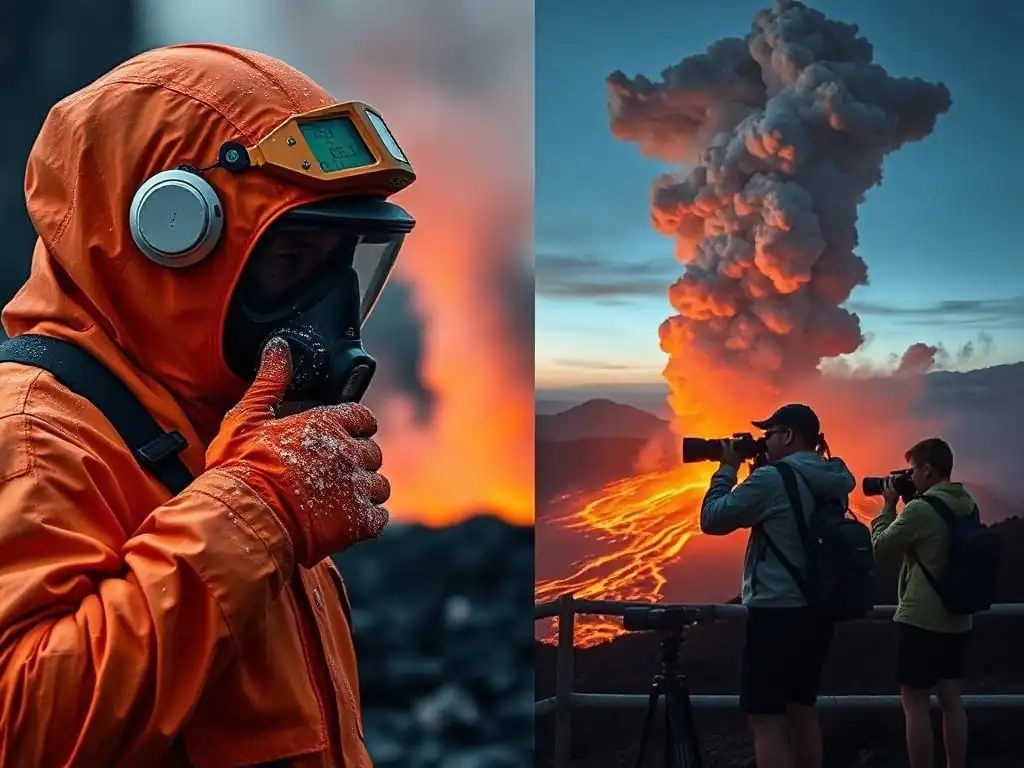
Volcanic gases are a significant and often underestimated hazard. Sulfur dioxide (SO2), carbon dioxide (CO2), hydrogen sulfide (H2S), and other gases are released from volcanoes, and some are toxic or asphyxiating. Sulfur dioxide is a common volcanic gas that irritates the respiratory system, eyes, and skin. High concentrations can cause severe respiratory distress and even death. Carbon dioxide is odorless and heavier than air, and can accumulate in low-lying areas, displacing oxygen and leading to asphyxiation.
Hydrogen sulfide has a characteristic rotten egg smell and is also toxic in higher concentrations. Mitigation techniques for volcanic gases include staying upwind of gas plumes, as previously mentioned. Use gas masks or respirators with appropriate filters designed to remove volcanic gases. Monitor gas concentrations using portable gas detectors if possible, especially in areas with known gas vents or fumaroles.
Be aware of low-lying areas where heavier-than-air gases like carbon dioxide can accumulate. Avoid entering confined spaces or depressions where gas concentrations may be high. Recognize the symptoms of gas exposure, such as eye and respiratory irritation, headache, dizziness, and nausea. If you experience these symptoms, move to fresh air immediately.
Deploying Personal Protective Equipment: Gas Masks and Eye Protection
Personal Protective Equipment (PPE) is crucial for mitigating the hazards of volcanic gases and ash. A properly fitted gas mask or respirator with appropriate filters is essential for protecting your respiratory system from volcanic gases and ash particles. Ensure the mask is certified for the specific hazards you may encounter (e.g., SO2 filters, particulate filters). Practice using the mask and ensure a proper seal before entering a volcanic area.
Carry spare filters and replace them as needed. Eye protection, such as goggles or safety glasses, is vital for shielding your eyes from irritating ash and volcanic gases. Choose goggles that provide a good seal around your eyes to prevent ash and gas from entering. Consider using wraparound safety glasses for broader protection.
Keep your PPE readily accessible and wear it whenever there is a risk of gas exposure or ashfall. Regularly inspect your PPE for damage and replace it as needed. Properly using and maintaining your PPE is a critical component of volcano photography safety.
Volcanic terrain is often inherently unstable and presents physical hazards. Lava fields are characterized by uneven, jagged rocks, cracks, and voids. Fresh lava flows can be extremely hot and brittle, with a thin crust that can collapse unexpectedly, exposing molten lava underneath. Volcanic slopes can be steep, loose, and prone to landslides or rockfalls.
Wear sturdy hiking boots with good ankle support to navigate uneven terrain. Use hiking poles for added stability and balance. Be cautious when walking on lava fields, test the ground with your pole before placing your full weight on it, and avoid stepping on areas that look unstable or hollow. Stay on marked trails or established paths whenever possible.
Be aware of the potential for rockfalls and landslides on volcanic slopes, especially after rainfall or seismic activity. Avoid traversing steep slopes if possible, and if necessary, move slowly and carefully, maintaining three points of contact. Be mindful of weather conditions; rain and ice can make volcanic terrain even more treacherous. Navigation in volcanic terrain requires careful footing, awareness of your surroundings, and respect for the inherent instability of the landscape.
Post-Photography Precautions: After the Shoot
Safety considerations extend beyond the active photography session. Post-photography precautions are essential for protecting your health, equipment, and contributing to responsible volcano tourism practices. Proper decontamination, health monitoring, and responsible sharing of your experiences are crucial steps in ensuring a safe and ethical volcano photography journey.
Decontaminating Gear: Removing Volcanic Ash and Residue
Volcanic ash is highly corrosive and abrasive and can damage camera equipment and other gear if not properly removed. After a volcano photography shoot, meticulous decontamination of your equipment is essential. Immediately upon returning from the field, brush off loose ash from your camera, lenses, tripod, and other gear using a soft brush. Use compressed air to blow ash out of crevices and hard-to-reach areas. Wipe down equipment with a slightly damp, lint-free cloth.
Avoid using harsh chemicals or abrasive cleaners that could damage sensitive components. Pay special attention to lens threads, filter threads, and camera body seams where ash can accumulate. Clean lens filters thoroughly. Consider using a specialized sensor cleaning kit to remove any ash that may have entered the camera body and settled on the sensor.
Decontaminate clothing and footwear as well. Wash clothing as soon as possible to remove ash particles. Clean hiking boots thoroughly, paying attention to soles and laces. Proper decontamination not only protects your valuable equipment but also prevents the spread of volcanic ash to other environments.
Monitoring Your Health: Recognizing Symptoms of Exposure
Exposure to volcanic gases and ash can have delayed health effects. After a volcano photography trip, monitor your health closely for any symptoms related to volcanic exposure. Be aware of respiratory symptoms such as persistent cough, shortness of breath, wheezing, or chest tightness. These could indicate irritation or inflammation of the respiratory system from inhaling volcanic ash or gases.
Monitor for eye irritation, redness, or blurred vision. Skin irritation or rash can also occur from contact with volcanic ash or acidic gases. Headache, fatigue, dizziness, or nausea can be symptoms of volcanic gas exposure, particularly carbon dioxide or sulfur dioxide.
If you experience any of these symptoms, seek medical attention and inform your doctor about your volcano exposure history. Early detection and treatment can prevent more serious health complications. Even if you feel well immediately after your trip, be vigilant for delayed onset symptoms and consult a healthcare professional if you have any concerns.
As volcano photographers, you have a responsibility to share your experiences ethically and promote safe and responsible volcano tourism. When sharing your photographs and stories, emphasize the importance of safety and responsible behavior in volcanic environments. Include safety disclaimers or warnings in your captions or descriptions, highlighting the inherent risks of volcano photography. Avoid sensationalizing dangerous behavior or encouraging others to take unnecessary risks.
Promote respect for local regulations, exclusion zones, and guidelines issued by volcanic observatories and park authorities. Educate your audience about the hazards of volcanoes and the importance of pre-trip planning, safety equipment, and on-site precautions. Consider partnering with volcano observatories or educational organizations to share safety information and promote responsible volcano tourism. By sharing your experiences responsibly, you can contribute to a culture of safety within the volcano photography community and help protect both photographers and the fragile volcanic environments themselves.
Volcano Photography Safety: A Continuous Learning Process
Volcano photography safety is not a static set of rules but a continuous learning process. Volcanic activity is constantly changing, and safety guidelines and best practices evolve as our understanding of volcanoes improves. Staying updated, learning from experienced photographers, and contributing to a culture of safety are ongoing responsibilities for all volcano photographers.
Staying Updated on Volcano Activity and Safety Guidelines
Volcanic activity is dynamic and unpredictable. Therefore, staying updated on the current activity status of the volcano you plan to photograph is crucial. Continuously monitor official sources such as volcanic observatories and geological surveys for the latest information on alert levels, eruption updates, gas emissions, and potential hazards.
Websites like the USGS Volcano Hazards Program and the Smithsonian Institution's Global Volcanism Program are valuable resources for up-to-date volcano information worldwide. Regularly check these websites and subscribe to email or SMS alert services to receive timely notifications of changes in volcanic activity. Safety guidelines and best practices for volcano photography also evolve as our understanding of volcanic hazards and risk mitigation improves.
Stay informed about updated safety protocols and recommendations from relevant authorities and experienced volcano photographers. Attend workshops, read articles, and engage in online forums to stay abreast of the latest developments in volcano safety. Continuous learning and adaptation are essential for maintaining a high level of safety in volcano photography.
Learning from Experienced Volcano Photographers
Experienced volcano photographers are invaluable resources for learning about safety in volcanic environments. Seek out opportunities to learn from those who have extensive experience photographing volcanoes. Attend workshops or seminars led by experienced volcano photographers. Join online communities or forums dedicated to volcano photography and engage in discussions about safety practices.
Read articles, books, or blog posts written by experienced volcano photographers about their safety strategies and lessons learned. If possible, consider shadowing or assisting an experienced volcano photographer on a shoot to gain firsthand experience and learn from their expertise. Experienced photographers can provide valuable insights into real-world challenges, practical safety tips, and effective risk management strategies that may not be found in general safety guidelines. Learning from their experiences can significantly enhance your own safety knowledge and decision-making skills in volcanic environments.
Contributing to a Culture of Safety in Volcano Photography
Every volcano photographer has a role to play in fostering a culture of safety within the community. Share your safety knowledge and experiences with others. Be a responsible role model by always prioritizing safety and adhering to best practices. Encourage other photographers to prioritize safety and provide constructive feedback when you observe unsafe behavior.
Share safety tips and resources on social media and online platforms. Participate in discussions about safety and contribute to online forums and communities. Support organizations and initiatives that promote volcano safety education and awareness. By actively contributing to a culture of safety, you can help protect yourself and other photographers, and ensure that volcano photography remains a responsible and sustainable activity.
Conclusion: Prioritizing Safety for Unforgettable Volcano Photography Experiences
Volcano photography offers unparalleled opportunities to capture the raw power and awe-inspiring beauty of nature. However, these dramatic landscapes come with inherent risks that must be taken seriously. By prioritizing safety through meticulous pre-trip planning, diligent on-site precautions, and continuous learning, photographers can minimize risks and capture stunning images while safeguarding their well-being.
Remember, no photograph is worth jeopardizing your life. Embrace a culture of safety, share your knowledge, and always err on the side of caution. By making safety your paramount concern, you can unlock unforgettable volcano photography experiences and return home safely with incredible images and memories that last a lifetime.
Frequently Asked Questions
What are the main hazards a volcano photographer might encounter?
Volcano photographers face dangers like exposure to toxic gases, flying debris during eruptions, and unstable terrain such as lava flows or steep slopes. These hazards require careful planning and protective gear.
What kind of safety equipment is essential for volcano photography?
Essential equipment includes a gas mask or respirator to protect against harmful fumes, heat-resistant clothing, sturdy boots, a helmet, and eye protection. Always carry a first-aid kit and communication devices.
How can I assess the risk level of a volcano before photographing it?
Check with local authorities and volcanology organizations for the latest updates on volcanic activity. Monitor gas emissions, ground deformation, and seismic activity to gauge potential hazards.
What should I do if a volcanic eruption starts while I'm photographing?
Immediately retreat to a safe distance, following established evacuation routes. Protect yourself from flying debris and ash, and be prepared to shelter in place if necessary.
Are there any specific ethical considerations for photographing volcanoes?
Respect the local communities and cultures affected by volcanic activity. Avoid trespassing on private property and minimize your impact on the environment. Always prioritize safety over getting the "perfect shot."
Final Reflection: Embracing Risk, Respecting Power
The allure of capturing nature's raw power through volcano photography is undeniable, but as we've explored, the pursuit of that perfect shot must never overshadow the paramount importance of safety. The statistics, as we've seen, paint a stark picture of the potential consequences of recklessness, reminding us that respect for the environment is the first and most crucial element of any successful volcanic expedition.
This topic resonates deeply because it highlights the delicate balance between ambition and responsibility. The desire to push boundaries and create breathtaking art is inherent in the human spirit, but it must be tempered with a profound understanding of the forces at play. Nature, to be commanded, must be obeyed.
- Francis Bacon. This quote encapsulates the essence of volcano photography: we can only capture its beauty if we first acknowledge and respect its immense power.
As you venture out, camera in hand, remember the lessons shared here. Let them be a constant reminder to prioritize your well-being, to meticulously plan your expeditions, and to always err on the side of caution. The most stunning photograph is worthless if it comes at the cost of your safety. Embrace the challenge, capture the awe-inspiring beauty, but above all, return home safely to share your story. The world awaits your perspective, but it needs you here to tell it.
Okay, here's a Call to Action (CTA) tailored for the end of a web article titled "Don't Become a Statistic: Vital Safety Advice for Volcano Photographers" on the Volcano Explorers website (volcanoexplorers.org):
Embrace the Thrill, Conquer the Risks!
Thank you for taking the time to prioritize your safety and understanding the challenges of photographing volcanoes. You've armed yourself with critical knowledge – now it's time to put that knowledge into action and capture incredible shots responsibly. Let's ensure every adventure is both breathtaking and safe!
Here are a few things you can do right now:
- Develop a comprehensive emergency plan, including evacuation routes, communication protocols, and first-aid knowledge. This is your primary safeguard.
- Share this article with your fellow volcano photographers and discuss the safety measures outlined. Let's build a community of informed and responsible explorers!
- Research local volcano monitoring resources and subscribe to alerts specific to your target locations. Be proactive and informed before you even pack your gear.
What specific safety precaution will you implement first on your next volcanic photography expedition? Share your plans in the comments below and inspire others to prioritize safety!