
Volcanic Soil and Agriculture: Fertile Ground, but at What Risk?

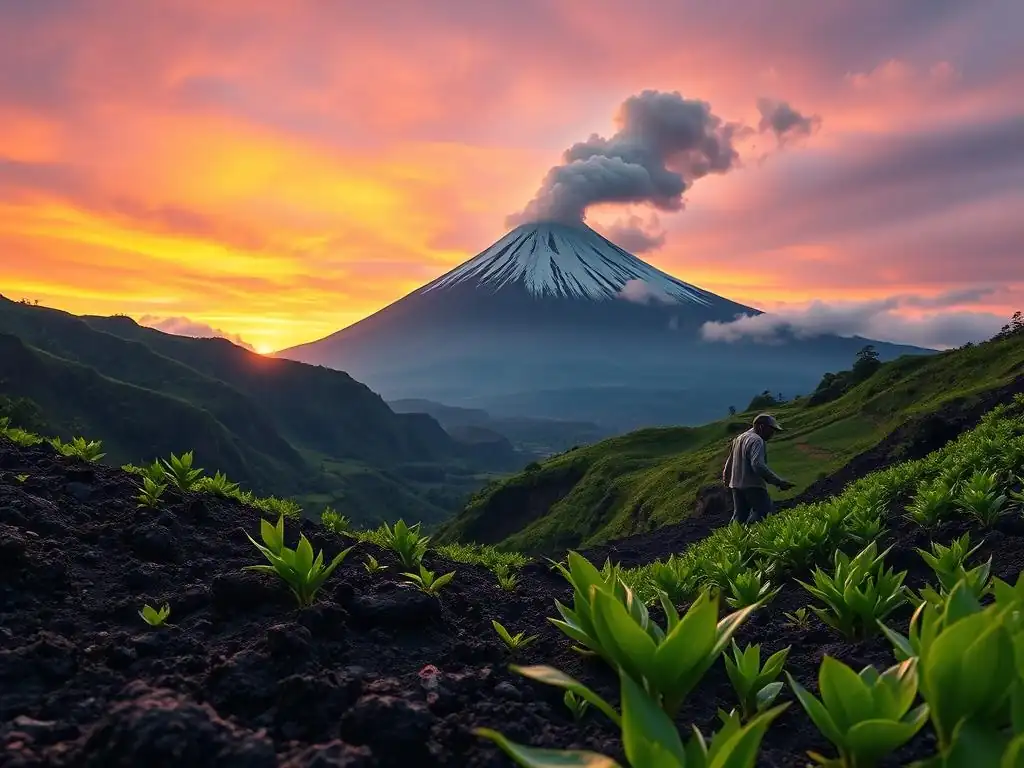
Welcome to Volcano Explorers, where the Earth's fiery heart beats.
Delve into a paradox: the destructive power of volcanoes gives rise to some of the most fertile lands on Earth. But at what cost? Is the bounty worth the inherent danger? Our current article, "Volcanic Soil and Agriculture: Fertile Ground, but at What Risk?" probes the delicate balance between opportunity and peril, offering a crucial look into the rewards and risks associated with volcanic soil agriculture. Curious to learn more about this volatile relationship? Let's explore...
- The Science of Volcanic Soil: Why It's So Fertile
-
Frequently Asked Questions
- What makes volcanic soil so fertile for agriculture?
- What are the primary risks associated with volcanic soil agriculture?
- How can farmers mitigate the risks of cultivating crops in areas with volcanic soil agriculture?
- Does the type of volcano or eruption influence the suitability of the soil for volcanic soil agriculture?
- What is the long-term impact of repeated volcanic eruptions on volcanic soil agriculture?
- Final Reflection: Embracing Fertility, Acknowledging Risk
- Ready to Cultivate a Thriving Garden?
The Science of Volcanic Soil: Why It's So Fertile

Understanding Tephra: The Building Block of Volcanic Soil Fertility
Volcanic soil owes its remarkable fertility to tephra, a term encompassing all fragmented volcanic material ejected during an eruption. This material ranges in size from fine ash particles, often less than 2 millimeters in diameter, to larger blocks and bombs. The initial impact of tephra deposition can be devastating, burying landscapes and destroying existing vegetation. However, over time, the weathering of tephra becomes the foundation for incredibly fertile soils. This weathering process, driven by rainfall and biological activity, breaks down the volcanic glass and minerals within tephra, releasing essential nutrients into the soil profile.
The texture of tephra also plays a crucial role in soil development. Ash, being composed of fine particles, contributes to the soil's ability to retain water and nutrients. The porous nature of many tephra fragments further enhances water infiltration and aeration, creating an environment conducive to root growth. Furthermore, the relatively young geological age of volcanic soils, constantly replenished by fresh tephra deposits in active regions, means they haven't undergone extensive leaching or erosion that depletes nutrients in older soils found elsewhere. This constant renewal cycle contributes significantly to the long-term agricultural potential of volcanic landscapes.
Mineral Composition: Key Nutrients for Plant Growth in Volcanic Ash
The exceptional fertility of volcanic soils is directly linked to their unique mineral composition, a legacy of the magma from which they originate. Volcanic ash is rich in essential plant nutrients, including phosphorus, potassium, calcium, magnesium, and micronutrients like iron, copper, zinc, and boron. These elements are vital for plant growth, playing critical roles in photosynthesis, enzyme activation, cell wall formation, and overall plant health.
The abundance of phosphorus and potassium, in particular, is often cited as a key factor in the high agricultural productivity of volcanic regions. Phosphorus is crucial for root development and energy transfer in plants, while potassium is essential for water regulation and disease resistance.
The minerals in volcanic ash are not only abundant but also readily available to plants due to the weathering processes. As volcanic glass and minerals break down, these nutrients are released in forms that plants can easily absorb through their roots. For instance, volcanic ash often contains volcanic glass shards, which are chemically reactive and weather relatively quickly compared to other rock types.
This rapid weathering ensures a continuous supply of nutrients, particularly in areas with frequent ashfall events. The specific mineral composition can vary depending on the type of volcano and the magma source, but generally, volcanic ash provides a balanced and rich source of nutrients that support vigorous plant growth.
Water Retention and Drainage: The Unique Properties of Volcanic Soil
Volcanic soils exhibit a remarkable combination of water retention and drainage capabilities, properties that are often considered mutually exclusive in other soil types. This unique characteristic stems from the porous nature of volcanic materials and the specific structure they create. The fine particles of volcanic ash contribute to a high surface area, which enhances water retention, allowing the soil to hold onto moisture for longer periods, crucial in regions with seasonal rainfall or dry spells. This is especially important for plant survival and growth during periods of water scarcity.
Simultaneously, the aggregated structure of volcanic soils, often formed by the binding of ash particles with organic matter, creates macropores. These larger pores facilitate excellent drainage, preventing waterlogging and ensuring adequate aeration for plant roots. Good drainage is vital because waterlogged soils can lead to root suffocation and nutrient imbalances.
This balance between water retention and drainage is a key factor in the suitability of volcanic soils for agriculture across diverse climates. For example, in humid regions, the drainage capacity prevents waterlogged conditions, while in drier regions, the water retention capacity maximizes the utilization of available rainfall, making volcanic soils exceptionally productive even under varying water availability conditions.
Frequently Asked Questions
What makes volcanic soil so fertile for agriculture?
Volcanic soil is exceptionally fertile because it's rich in essential nutrients like iron, magnesium, potassium, and phosphorus. These minerals are released as volcanic rock weathers, creating a nutrient-rich growing medium. It also often has good drainage.
What are the primary risks associated with volcanic soil agriculture?
The primary risks involve volcanic eruptions themselves, which can destroy crops and infrastructure. Additionally, long-term soil contamination with toxic elements like fluorine can negatively affect plant health and human consumption.
How can farmers mitigate the risks of cultivating crops in areas with volcanic soil agriculture?
Farmers can use various mitigation strategies, including crop diversification to reduce vulnerability to specific contaminants. Soil monitoring and amendment with lime can help to neutralize acidity and reduce the uptake of toxic elements.
Does the type of volcano or eruption influence the suitability of the soil for volcanic soil agriculture?
Yes, the type of volcano and eruption significantly influence soil suitability. Basaltic eruptions generally produce more fertile soil due to their higher mineral content. Explosive eruptions, however, can deposit harmful ash and debris that damage the soil.
What is the long-term impact of repeated volcanic eruptions on volcanic soil agriculture?
Repeated eruptions can have both positive and negative long-term impacts. While they replenish nutrients, they can also lead to soil degradation from ash accumulation and increased acidity. Careful land management is crucial for sustainable agriculture.
Final Reflection: Embracing Fertility, Acknowledging Risk
The exploration of volcanic soil's agricultural potential reveals a complex duality: a landscape of unparalleled fertility intertwined with inherent, often unpredictable, risks. While the article highlights the remarkable yields and nutrient-rich produce that volcanic soil can provide, it also underscores the ever-present threat of eruptions, ashfall, and long-term soil degradation. This delicate balance demands a nuanced approach, one that celebrates the bounty while diligently mitigating the dangers.
The allure of volcanic soil has shaped agricultural practices and communities for centuries, fostering a deep connection between people and the land. This connection, however, necessitates a profound respect for the volatile nature of these environments. The lessons learned from past eruptions and the ongoing research into soil management techniques are crucial for ensuring sustainable agriculture in these regions. We cannot conquer nature, but we can learn to live with it, to understand its rhythms and adapt our practices accordingly.
This quote encapsulates the essence of responsible volcanic soil agriculture, urging us to prioritize resilience and long-term planning.
As we conclude this exploration of volcanic soil agriculture, I invite you to consider your own relationship with risk and reward. How can you apply the principles of informed decision-making and sustainable practices to your own endeavors? Let us strive to cultivate a future where the fertile ground of opportunity is nurtured with wisdom, foresight, and a deep respect for the forces that shape our world.
Ready to Cultivate a Thriving Garden?
Thank you for exploring the fascinating world of volcanic soil and agriculture with Volcano Explorers! Now that you understand its incredible benefits and potential challenges, it's time to put your newfound knowledge to work. Start by assessing your soil's composition to understand its current state and potential. Then, research plants that thrive in volcanic soil – you might be surprised by the possibilities!
Finally, share this article with fellow gardening enthusiasts and anyone interested in sustainable agriculture. Let's spread awareness about the unique potential of volcanic soils and the importance of responsible land management. What exciting plants will you be growing? Share your plans in the comments below!