
Beyond the Eruption: LongTerm Hazards That Haunt Volcanic Regions

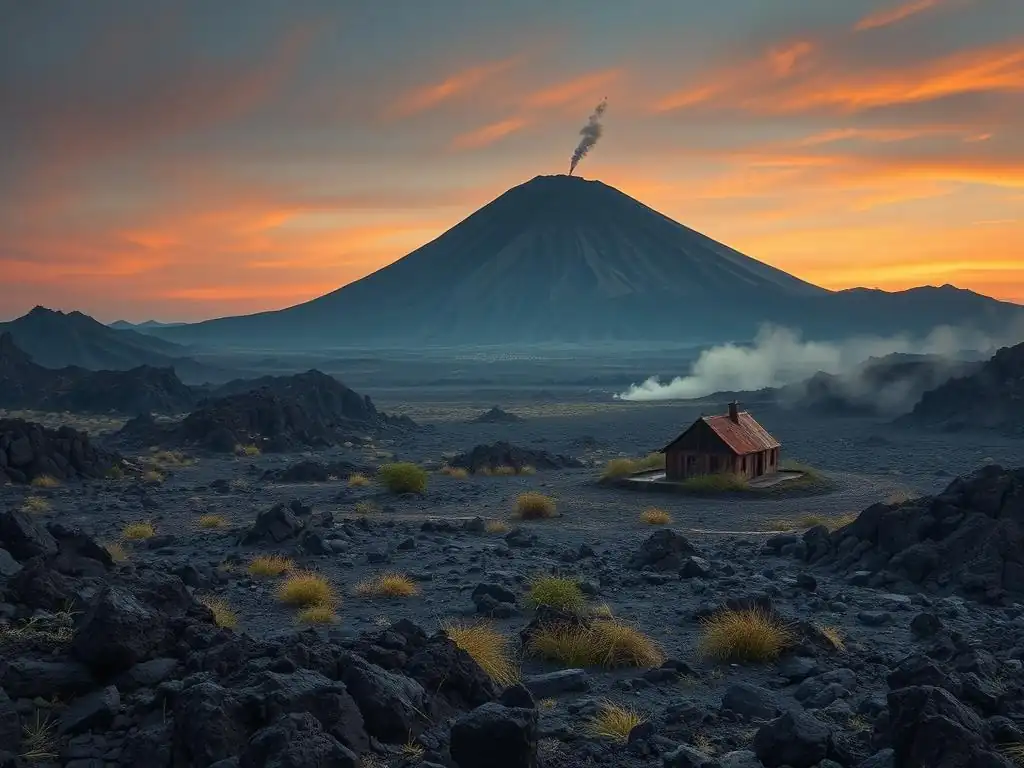
Welcome to Volcano Explorers, where the Earth breathes fire and secrets are forged in molten rock. Ever wondered what happens after the dramatic eruption fades? Dive into "Beyond the Eruption: Long-Term Hazards That Haunt Volcanic Regions" and uncover the hidden dangers and vital strategies for long-term volcanic hazards management. Are you prepared to face the aftermath? Read on and explore the science that saves lives.
- Introduction: Understanding the Enduring Threat of Volcanoes
-
Frequently Asked Questions
- What are some of the long-term hazards associated with volcanic eruptions?
- How does ashfall impact communities long after a volcanic eruption?
- What role does monitoring play in long-term volcanic hazards management?
- What strategies are used for managing the long-term impacts of lahars?
- Why is community education important for long-term volcanic hazards management?
- Final Reflection: Echoes of Fire, Whispers of Resilience
- Unearth Your Next Adventure: Volcano Preparedness Starts Now!
Introduction: Understanding the Enduring Threat of Volcanoes
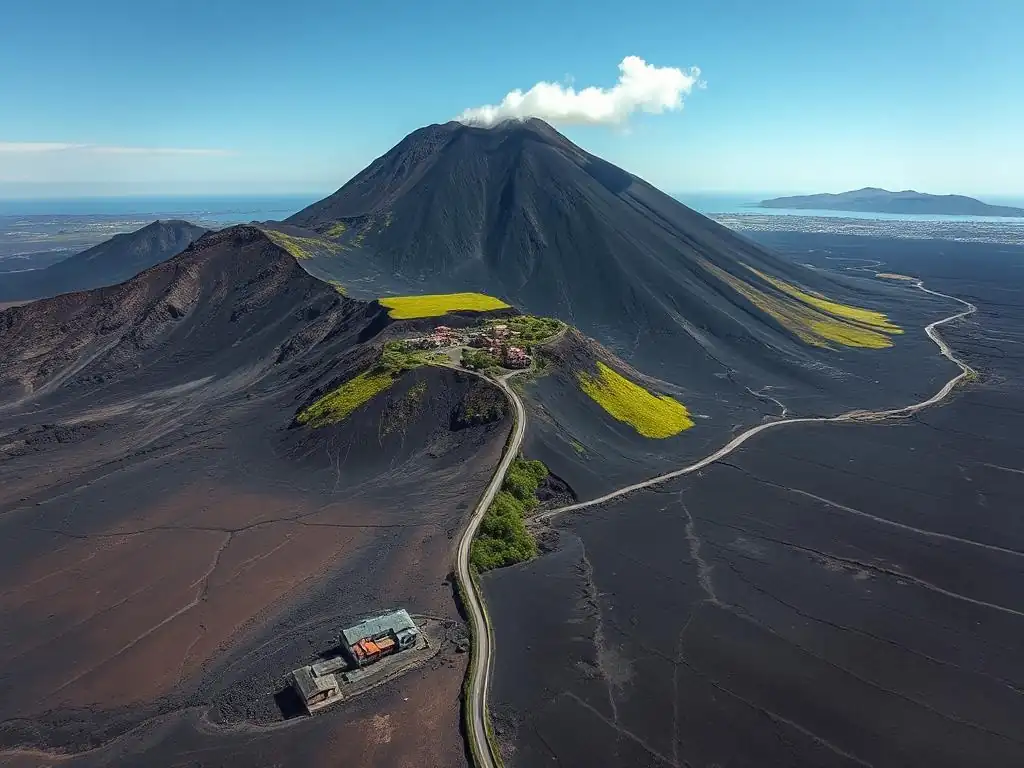
The Immediate Aftermath vs. Long-Term Volcanic Risk
Volcanic eruptions are often perceived as discrete events, with the most dramatic and destructive impacts occurring during the eruption itself and in its immediate wake. Images of pyroclastic flows, lava fountains, and ash plumes dominate media coverage, understandably focusing on the acute dangers: scorching heat, flying debris, and suffocating ashfall. These immediate hazards, while undeniably devastating, represent only the initial phase of volcanic impact. The true story of a volcanic event often extends far beyond the eruption's fiery climax, unfolding into a complex tapestry of long-term challenges that can persist for years, decades, or even centuries.
The distinction between the immediate aftermath and long-term volcanic risk is crucial for effective disaster management and community resilience. While the immediate response rightly prioritizes evacuation, search and rescue, and emergency aid, long-term volcanic hazards management requires a shift in focus. It necessitates addressing the lingering and evolving threats that can reshape landscapes, economies, and social structures long after the initial eruption subsides.
For instance, while the immediate threat of a pyroclastic flow is over once it has passed, the destabilized volcanic slopes left behind can lead to persistent lahar risks for years to come, particularly during periods of heavy rainfall. Similarly, while heavy ashfall during an eruption can cause immediate respiratory problems and infrastructure damage, the long-term effects of ash deposition on soil fertility and water quality can have lasting agricultural and health consequences.
Why Long-Term Volcanic Hazards Management Matters
Effective long-term volcanic hazards management is not merely an extension of immediate disaster response; it is a distinct and vital field of practice. Its importance stems from the protracted and multifaceted nature of volcanic impacts. Unlike other natural disasters with relatively defined periods of activity and recovery, volcanic regions often face a cycle of recurring threats and slow-burn consequences. Ignoring these long-term hazards can lead to a false sense of security after the immediate crisis passes, leaving communities vulnerable to preventable disasters and hindering sustainable recovery.
Consider the example of volcanic gas emissions. While large eruptions release massive volumes of gas, continuous degassing from volcanoes, even in periods of quiescence, can pose a chronic threat. Elevated levels of gases like sulfur dioxide and carbon dioxide can impact air quality, agriculture, and human health over extended periods.
Long-term volcanic hazards management emphasizes proactive strategies to mitigate these enduring risks. This includes implementing continuous monitoring systems for early warning, developing land-use plans that account for persistent hazards like lahar pathways or areas prone to gas accumulation, and investing in community education to foster a culture of preparedness and resilience. In essence, long-term volcanic hazards management is about building a sustainable and safer future for communities living in the shadow of these powerful natural forces.
Frequently Asked Questions
What are some of the long-term hazards associated with volcanic eruptions?
Beyond the immediate eruption, lahars (mudflows), ashfall, and gas emissions can continue to pose significant threats for years or even decades. These hazards can severely impact water sources, infrastructure, and agriculture.
How does ashfall impact communities long after a volcanic eruption?
Even thin layers of ashfall can damage crops, contaminate water supplies, and cause respiratory problems. Infrastructure damage, such as roof collapses, is also a major long-term concern.
What role does monitoring play in long-term volcanic hazards management?
Continuous monitoring of volcanic activity, ground deformation, and gas emissions is crucial for detecting potential hazards and providing timely warnings. This data informs long-term risk assessments and mitigation strategies.
What strategies are used for managing the long-term impacts of lahars?
Lahars are often managed through structural measures like dams and channels, as well as land-use planning to restrict development in high-risk areas. Early warning systems are also vital for evacuation.
Why is community education important for long-term volcanic hazards management?
Community education empowers residents to understand the risks, prepare for potential hazards, and respond appropriately during and after an eruption. This includes knowing evacuation routes and understanding warning signals.
Final Reflection: Echoes of Fire, Whispers of Resilience
The exploration of long-term volcanic hazards management reveals a truth that resonates far beyond the immediate aftermath of an eruption: preparedness is not a singular event, but a continuous process of adaptation and learning. The lessons gleaned from understanding the subtle, lingering threats – from lahars to altered landscapes – are not just academic; they are vital for safeguarding communities and building a future where resilience triumphs over vulnerability.
The enduring impact of volcanic events shapes not only the physical landscape but also the cultural and social fabric of affected regions. The stories of survival, the rebuilding efforts, and the collective memory of past eruptions all contribute to a unique identity, forged in the crucible of natural disaster. The only constant is change,
a sentiment often attributed to Heraclitus, rings especially true in volcanic regions, where adaptation is not merely a choice but a necessity for survival.
As we close this exploration of long-term volcanic hazards, let us carry forward the understanding that knowledge is our most potent weapon. Consider how you can contribute to fostering a culture of preparedness in your own community, whether through supporting scientific research, advocating for responsible land-use planning, or simply educating yourself and others about the risks and the potential for resilience. The echoes of fire may linger, but the whispers of resilience can guide us toward a safer and more sustainable future.
Unearth Your Next Adventure: Volcano Preparedness Starts Now!
Thank you for diving into the fascinating world of long-term volcanic hazards! We hope you've gained a deeper understanding of the challenges faced by communities living near these geological powerhouses. Now, let's turn that knowledge into action!
- Prioritize your safety: Research the specific volcanic hazards in your area or in regions you plan to visit. Understanding the risks is the first step towards preparedness.
- Share your knowledge: Start a conversation with your friends and family about volcanic safety. Disseminating accurate information is vital for community resilience.
- Explore additional resources: Download our comprehensive volcano preparedness checklist from VolcanoExplorers.org to ensure you're fully equipped to handle any eruption scenario.
What practical steps will you take this week to enhance your or your community's volcanic preparedness? Share your plans in the comments below!